24/7 Emergency Restoration · Serving Metro AtlantaEmergency? (770) 404-6895
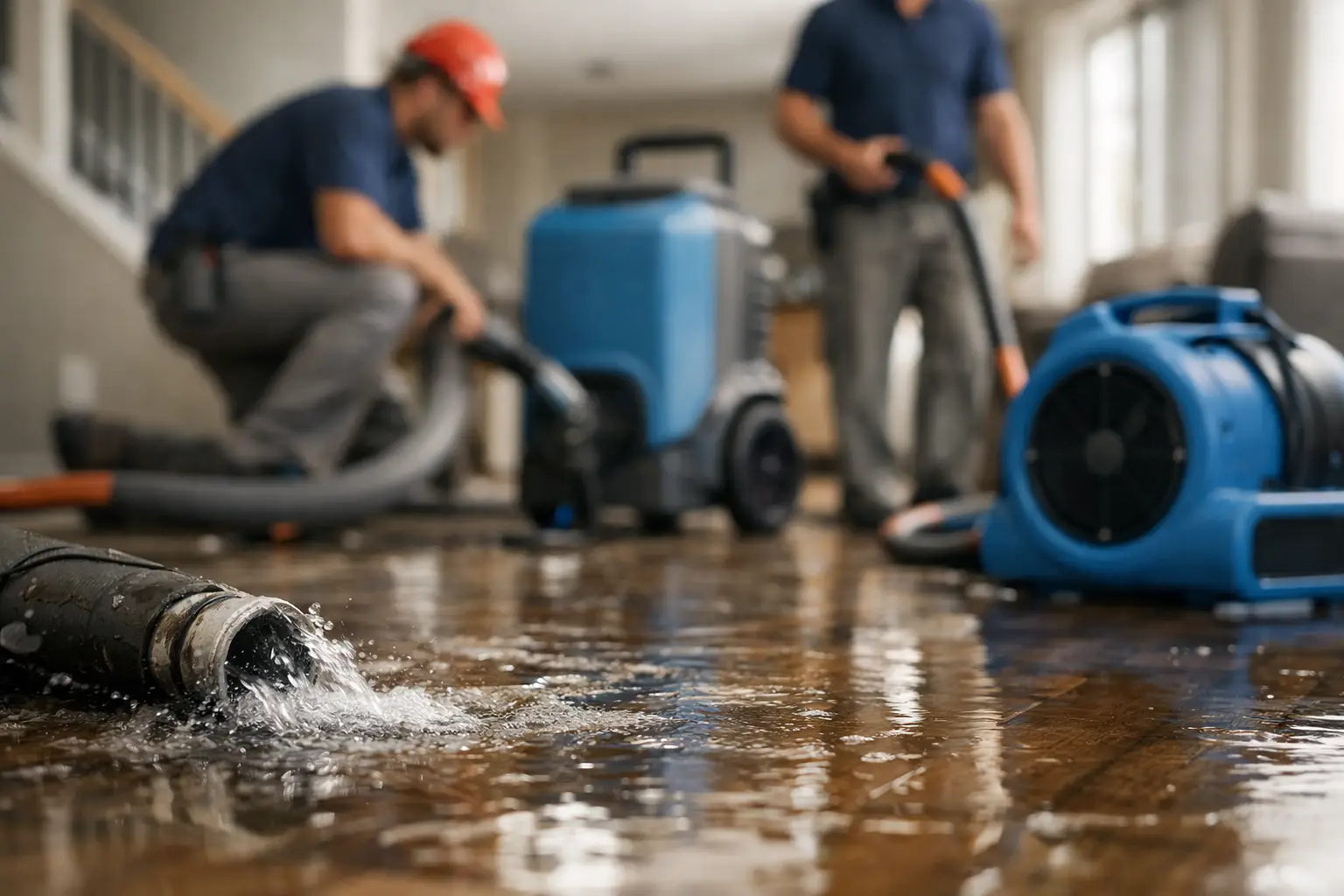
Smoke and soot cleanup Union City usually comes down to one question, restore or replace. I look at what can be saved, what has absorbed odor, and what needs pro smoke damage cleanup fast in south Fulton I-85 subdivisions. Since 2007, I have handled cleanup, deodorization, and contents cleaning with a direct path to insurance.
IICRC-Certified · 5-Star Rated · 60-Minute Response · Insurance Billed Directly
Yes. I check the source, clean the affected surfaces, and decide whether deodorization alone is enough or replacement is the smarter move.
Yes. I use the right dry soot removal and surface cleaning method for the finish, then look for hidden smoke paths before I call it done.
It often is. I use it when airborne contamination and lingering odor need help while the rest of the smoke damage cleanup is underway.
Then hvac cleaning becomes part of the job. If the system moved smoke, the odor comes back unless the air paths are addressed.
Restore when soot is surface-level, materials are salvageable, and the odor can be controlled with proper deodorization and contents cleaning. Replace when porous finishes are deeply affected, the smell has soaked in, or the heat and residue made the material unstable. That split matters in Union City homes off I-85.
I compare the damage, not the emotion. In south Fulton I-85 subdivisions, I see smoke hit painted drywall, trim, and hard surfaces differently than carpet, insulation, or cabinets. Surface cleaning can save a lot when the residue stays on top. But when soot goes deep, restoration gets expensive and weak.
Replacement makes sense when the item is too porous or too contaminated to clean correctly. Smoke damage cleanup is not a slogan to me, it is a judgment call. If hvac cleaning, odor removal, and air scrubber use still leave the structure holding smell, I tell the owner to stop spending money on a lost cause.
Restoration wins when timing is fast and the material still has strength. Replacement wins when the item is saturated, warped, or too contaminated for safe reuse. That is the real comparison in Union City, because the right answer is not always the cheapest answer, it is the one that actually ends the problem.
DIY works for light soot on hard, nonporous surfaces if you use the right cleaner and do not spread the residue. A pro is the better choice when odor, hidden soot, air handling, or multiple rooms are involved. In Union City, I would not DIY anything that reached the HVAC or insulation.
DIY looks cheaper until the soot gets pushed into texture, seams, vents, and soft goods. I have seen people scrub walls and make the stain wider. In a town with south Fulton I-85 subdivisions and mixed housing stock, that mistake shows up fast on trim, ceilings, and closets.
A pro brings containment, surface cleaning methods, deodorization, and the discipline to work room by room. I use IICRC-certified technicians, and I do not guess at soot removal. When the job involves air scrubber setup, hvac cleaning, or contents cleaning, the goal is to stop cross-contamination, not just make the room look better for a day.
DIY is fine if the mark is light and local. Pro cleanup is the better call when the fire touched multiple surfaces, the odor lingered overnight, or the house has supply runs, attic access, or shared returns. That is not fear talk, that is experience talking.
I start with containment, then dry soot removal, then surface cleaning, then odor control, and finally any hvac cleaning or contents cleaning that the damage demands. The order matters. If you clean the wrong thing first, you can spread residue and lock in smell, especially in Union City homes near I-85.
Smoke and soot cleanup starts with deciding what kind of residue is on the job. Dry soot, oily soot, and mixed smoke residue do not behave the same way. I use that first read to choose the cleaning path, because the wrong product can smear soot deeper into paint, cabinets, and fabric.
After that, I focus on controlled surface cleaning and source removal. That may include wiping walls, ceilings, and trim, then checking return air paths and nearby rooms. If the air system moved the smoke, hvac cleaning becomes part of the answer, not an extra service tacked on later.
I do not skip deodorization. Smoke damage cleanup is incomplete if the room looks clean but still smells burned. That is where air scrubber use and odor removal work together. In Union City, especially in homes where the living area opens to the kitchen or hallway, smell control is the difference between temporary and done.
Dry soot removal with the right cleaning method removes most wall and ceiling residue when the paint still has a sound finish. If soot etched the surface, staining may remain and repainting or replacement may be the better call. I look at texture, sheen, and how far the smoke traveled before I choose.
Walls and ceilings need a clean hand, not a wet rush. I start with dry soot removal so loose residue does not streak across the finish. That matters in Union City where many rooms have textured ceilings, narrow hallways, and trim that shows every bad wipe.
If the surface can take it, surface cleaning follows. If it cannot, I stop before I make the finish worse. Smoke damage cleanup is about matching the method to the material. A flat ceiling in a south Fulton I-85 subdivision may respond well. A damaged semi-gloss wall with embedded odor may not.
When the smoke touched the ceiling cavities or HVAC returns, wall cleaning alone is not enough. Then I bring in air scrubber placement, deodorization, and sometimes hvac cleaning. That is the comparison homeowners need, visible residue versus hidden contamination. The ceiling may look fine while the smell keeps telling the truth.
Yes, when the source is removed, the affected materials are cleaned correctly, and odor control reaches hidden areas. No, if you keep porous materials that still hold smoke or skip hvac cleaning and deodorization. In Union City, complete odor removal depends on whether the home got a true smoke cleanup or a surface-only wipe down.
Odor is the part people notice after the rush is over. I treat it seriously because smoke odor sits in fabrics, cabinet interiors, attic pathways, and ductwork. In south Fulton I-85 subdivisions, that is why I inspect beyond the room that looks worst. The smell often tells me where the smoke really traveled.
An air scrubber helps reduce airborne contamination, but it is not the whole answer. Odor removal also depends on contents cleaning, sealing off contaminated areas, and deciding what must be replaced. If a couch, curtain, or carpet holds the smell too hard, I do not pretend it can be freshened into submission.
Can smoke odor be removed completely? Sometimes yes. Sometimes the honest answer is replacement. That is my position. If the source is gone and the materials are cleaned, deodorized, and ventilated correctly, the result can be excellent. If the materials are wrong for the damage, no spray in the world fixes it.
Smoke cleanup should start as soon as the area is safe to enter, because soot keeps moving and odor keeps setting. The longer residue sits, the more likely it is to stain, corrode, and spread into HVAC and contents. In Union City, fast smoke damage cleanup protects more of the structure and lowers the replacement pile.
I do not wait around on smoke damage. Once the scene is safe, the clock matters. Soot can settle into texture, pull odor into soft goods, and ride the air system to other rooms. In Union City homes off I-85, that spread can turn a small incident into a much bigger cleanup.
Fast action helps with insurance, too. Direct insurance billing keeps the process moving, and I bring deductible assistance up to $1,000 when the claim qualifies. That does not change the damage, but it helps owners make the cleanup decision sooner instead of stalling while smoke keeps working on the house.
The first day matters most. If you wait, what could have been restoration turns into replacement. That is why I respond 24/7 with a 60-minute emergency response. I do not say that to sound impressive. I say it because smoke gets worse by the hour, and I have seen the difference.
| Typical Trigger | Water Damage Restoration | Mold Remediation |
|---|---|---|
| Light soot on painted walls after a kitchen flare-up in a Union City townhouse near the I-85 corridor | Cleanable, if surface cleaning removes the residue and the odor stays out of the drywall | Not a mold issue unless later moisture stays in the wall cavity and creates a second problem |
| Smoke odor in closets, carpet, and the HVAC return after a small fire in south Fulton I-85 subdivisions | Use pro deodorization, air scrubber setup, and hvac cleaning if the system pulled smoke through the home | Mold risk rises only if water from suppression or leaks sits in the structure long enough |
| Damaged cabinets, insulation, or soft contents with heavy soot in a Union City home | If materials are porous and saturated, replacement is usually the cleaner choice after smoke damage cleanup | If water was used in suppression, mold starts in 24 to 48 hours if wet materials are left in place |
From emergency mitigation to full reconstruction, handled in-house so you are never managing a chain of subcontractors mid-crisis.
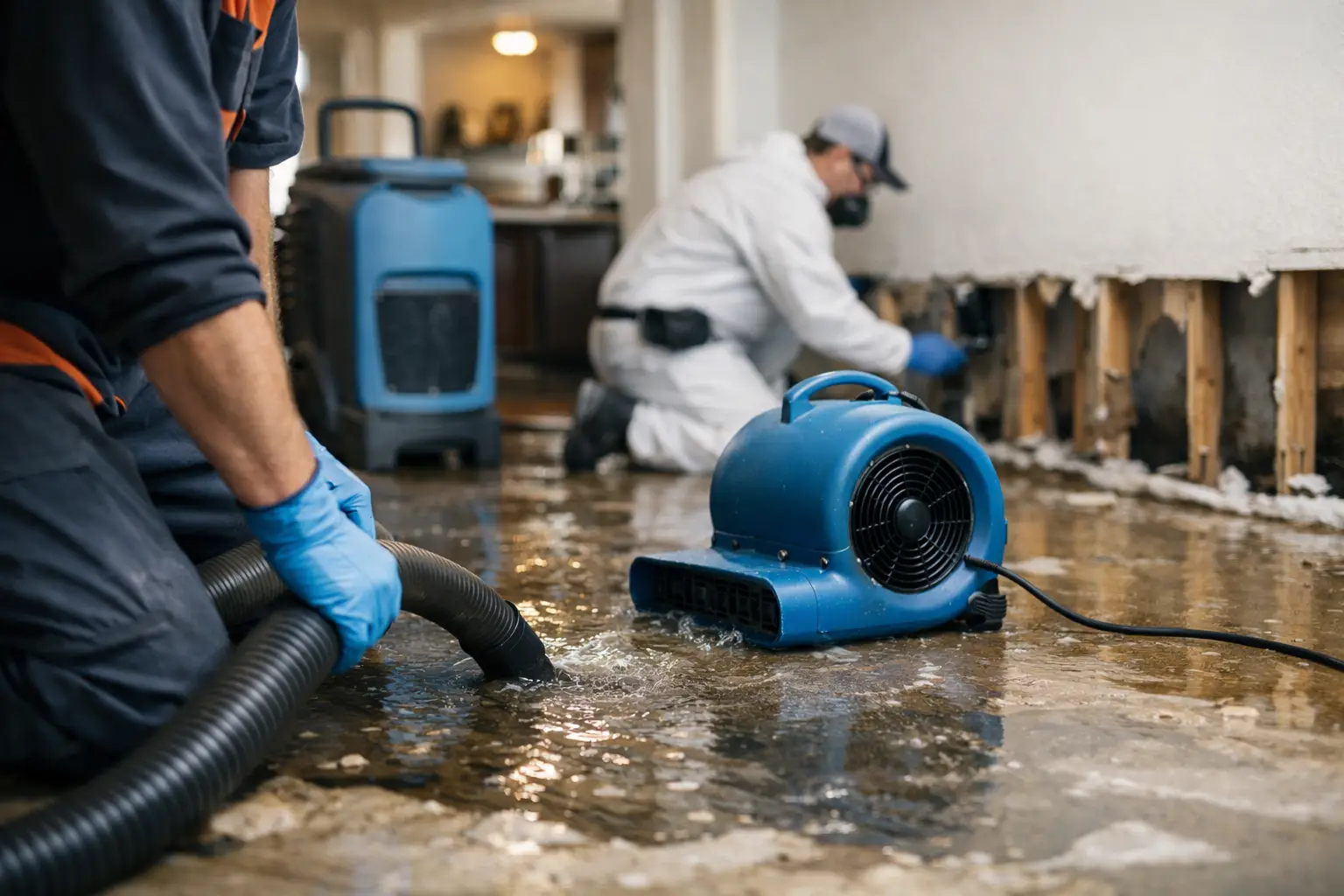 Water Damage
Extraction, structural drying, and moisture mapping after floods, leaks, and burst pipes.
Get help now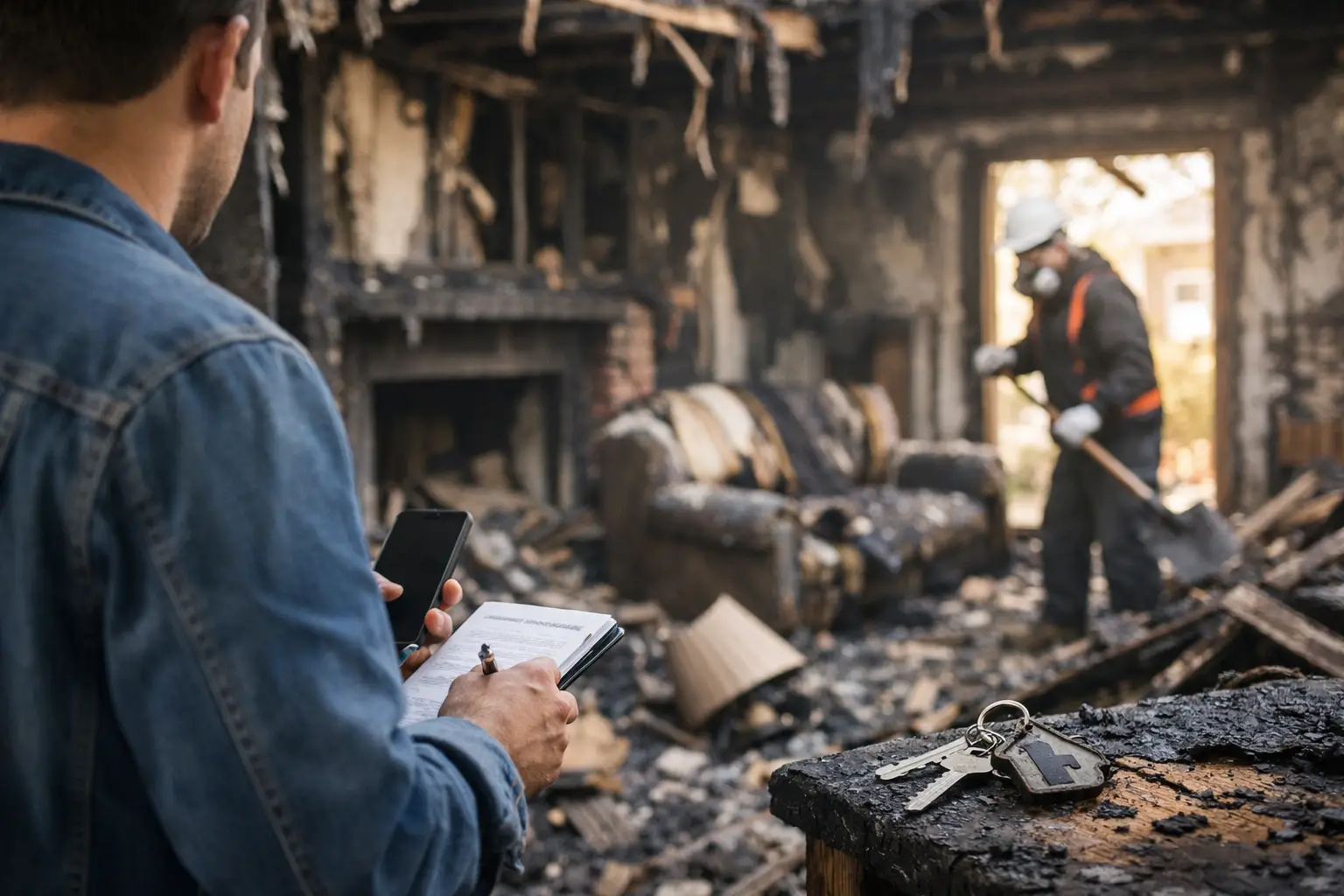 Fire & Smoke
Soot removal, odor deodorization, and content cleaning after fire and smoke damage.
Learn more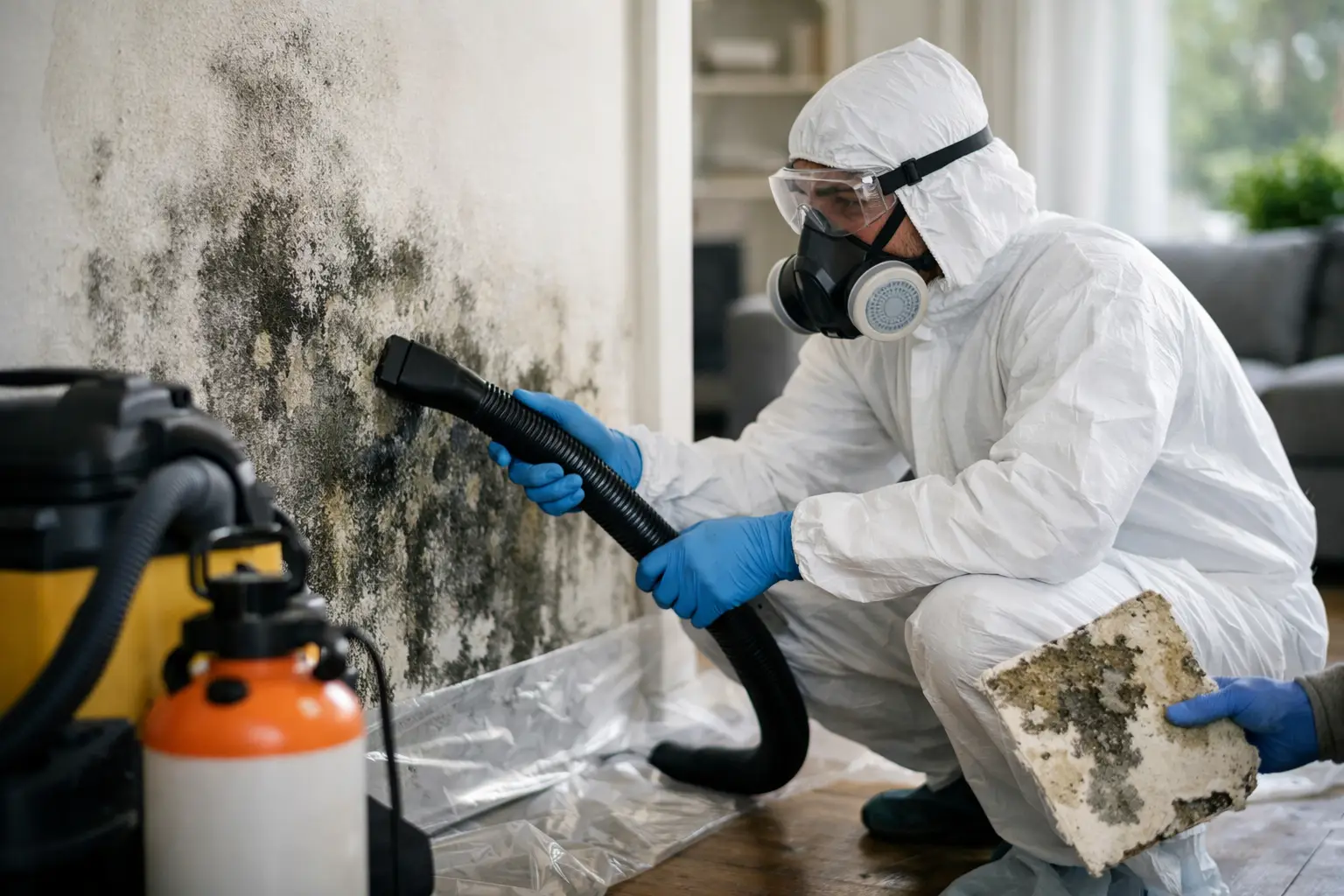 Mold
MoldContainment, removal, and moisture control that stops mold from coming back.
Learn more Storm
StormEmergency board-up, roof tarping, and full recovery after wind, hail, and storms.
Learn more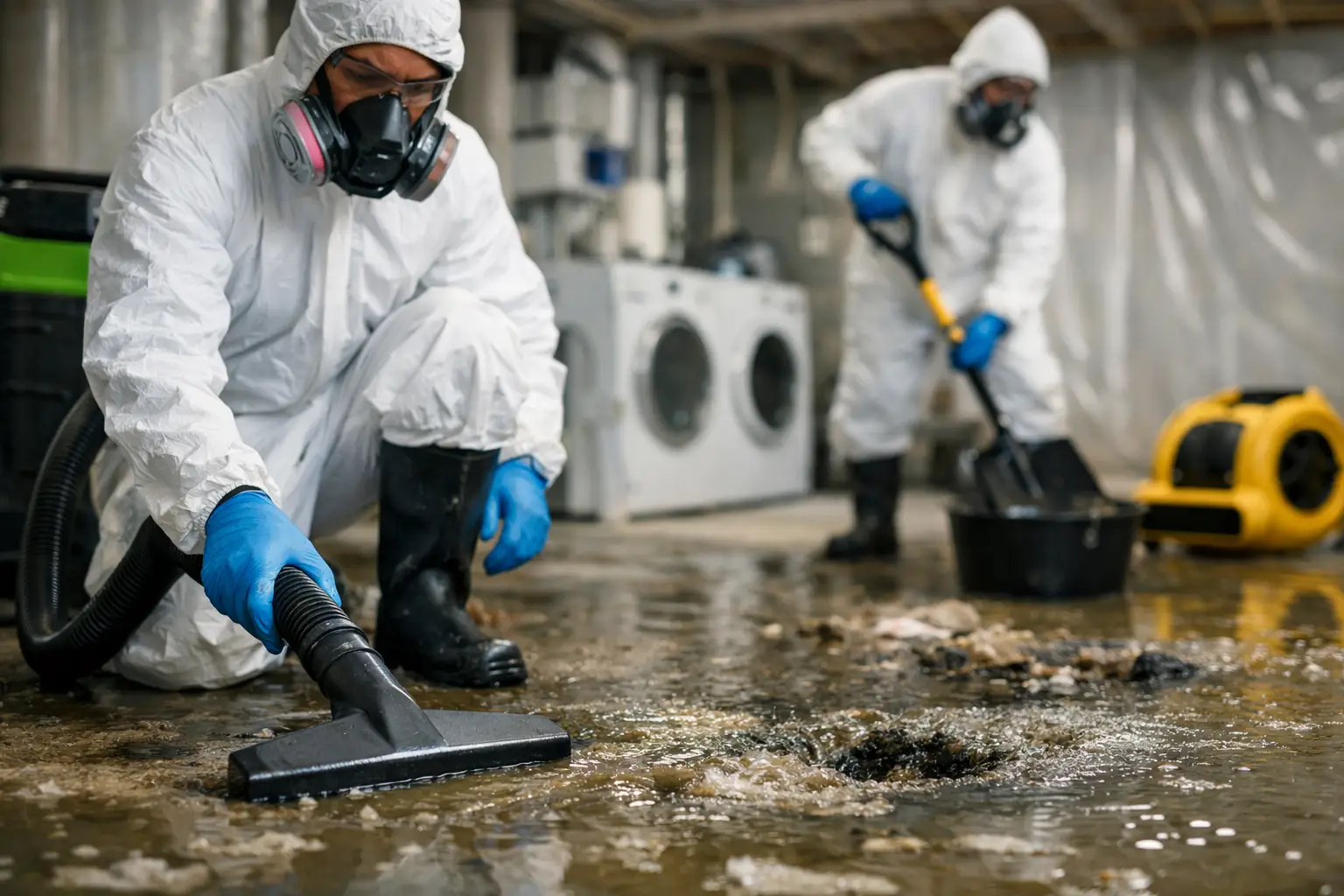 Sewage
Safe biohazard cleanup and sanitizing after sewage backups and overflows.
Learn more Reconstruction
Full rebuild by a licensed general contractor, so your property comes back whole.
Learn moreElevated Operations is an IICRC-certified, licensed general contractor based in Mableton that handles the entire recovery in-house, so after one loss you are never coordinating a cleanup crew, a mold crew, and a contractor separately. One team, one point of contact, from the first pump-out to the final coat of paint.
People call when the property feels like a disaster. They leave reviews because Chris and the crew made it right. These are real, verified Google reviews.
I clean the source area first, then the surfaces that picked up loose soot, then the air pathways that carried smoke through the home. That order matters in Union City because one bad pass can spread residue into the hall, closets, and returns. If you start with the wrong room, you usually make more work.
Replacement is smarter when the material is porous, warped, stained through, or still holding odor after proper cleanup. In Union City homes, that often means insulation, heavy fabrics, or badly affected cabinets. I do not push replacement lightly, but I will not waste your money trying to save something that cannot be saved.
Sometimes yes, if the source is removed, the affected materials are cleaned correctly, and hidden paths like HVAC and contents are handled too. Sometimes no, if the odor is locked into porous materials. I give a straight answer because deodorization works best when the job is honest about what can and cannot be saved.
Dry soot removal and the right surface cleaning method remove most residue without pushing it deeper into the finish. Textured ceilings need more care than flat drywall. In Union City, I slow down on these surfaces because one aggressive wipe can create streaking, set the stain, and make repainting more likely.
If the system ran, I treat hvac cleaning as part of the smoke damage cleanup, not an optional add-on. Smoke can travel through returns and supply lines, which means the odor comes back if the system is not addressed. That is common in homes where the layout pushes air through several living spaces.
Water damage is the immediate wetting from suppression or leaks. Mold is the later growth problem that can follow if the wet materials stay damp. In Union City, I watch that line closely because if water sits inside walls or on contents, mold starts in 24 to 48 hours and creates a second claim problem.
If smoke reached furniture, clothing, or kitchen items, yes, contents cleaning is often part of the right plan. I do not ignore belongings because they are what carry the odor back into the house. If the contents are cleanable, I say so. If they are not, I say that too.
Direct insurance billing reduces the paperwork load so the cleanup can start without as many delays. In Union City, that matters when smoke is still active in the home and the clock is not on your side. I also offer deductible assistance up to $1,000 when the claim qualifies, which can help move the decision forward.
Elevated Operations dispatches IICRC-certified crews across Metro Atlanta from our Mableton base, with a 60-minute emergency response day or night. Choose your city:
Call now for an immediate response, or request your free inspection and get a certified crew on-site within the hour across Atlanta and nearby areas.




