24/7 Emergency Restoration · Serving Metro AtlantaEmergency? (770) 404-6895
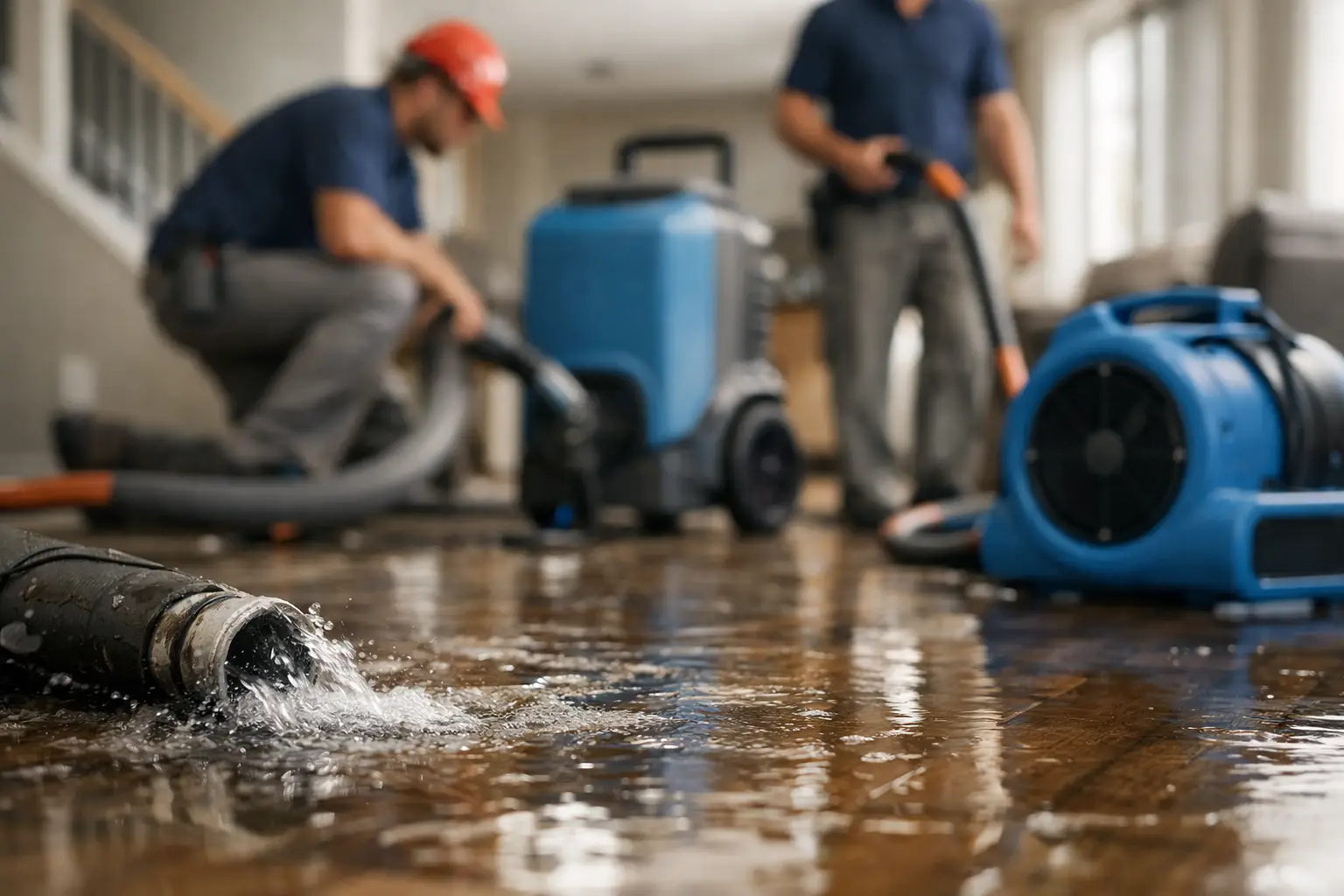
Emergency water removal Acworth means getting water out fast, then drying the structure before more damage starts. I handle water mitigation the right way, from standing water removal to emergency drying, for homes near Lake Acworth, Allatoona dock areas, and older Acworth neighborhoods with crawl spaces and mixed construction.
IICRC-Certified · 5-Star Rated · 60-Minute Response · Insurance Billed Directly
Call immediately. Waiting makes the loss spread deeper into the structure, especially near basements or lake-facing areas.
No. It helps with surface water, but hidden moisture still needs testing, drying, and sometimes removal of damaged materials.
Yes, because a small leak can still trap moisture in drywall, trim, or flooring. Small jobs turn bigger fast.
Yes. I offer direct insurance billing and can help with deductible assistance up to $1,000 when applicable.
Emergency water removal is the urgent process of pumping water out, extracting moisture, and starting drying before materials fail. In Acworth, I see it after storms, plumbing breaks, appliance leaks, and lake or dock-related flooding that leaves floors, walls, and crawl spaces wet.
This is not just water cleanup. It is water mitigation with a purpose, remove the water, then stop the hidden damage. Around Lake Acworth and the Allatoona dock areas, wind-driven rain and runoff can push water into garages, basements, and low spots fast.
In older Acworth homes, water can move under flooring and into trim, insulation, and subfloors before anyone notices. That is why wet vac extraction alone is not enough. The job is to find where the water traveled, not just where you can see it sitting.
I have been in restoration since 2007, and I take a simple position, speed matters, but so does method. Emergency water removal works best when IICRC-certified technicians remove visible water, map the affected areas, and begin emergency drying before mold has a chance to start.
Water damage happens here because Acworth gets a mix of lake exposure, storm runoff, older plumbing, and homes with low points that trap water. Near Lake Acworth and Allatoona dock areas, heavy rain can move fast, and a small leak can become standing water removal work in a hurry.
The local geography matters. Homes near the lake or downstream from heavy rain can see water collect in yards, under decks, or at foundation entries. Once water gets inside, it finds the path of least resistance, especially in crawl spaces and lower-level rooms.
I also see issues in homes where hoses fail, supply lines split, or appliances overflow while the owner is away. That is common anywhere, but Acworth’s mix of older and updated homes means one leak can show up in several places at once, which complicates water extraction.
The point is not to scare people, it is to explain why emergency water removal is often about pattern recognition. I look for the source, the spread, and the trapped moisture. That is how I decide whether it is simple pumping water out or a bigger water mitigation job.
As fast as possible. The first hour is valuable because standing water can move into subfloors, drywall, cabinets, and insulation quickly. Mold can start in 24 to 48 hours, so emergency water removal should begin right away with water extraction and emergency drying.
I do not treat a wet room like a tomorrow problem. If you wait, the work gets harder and the materials get more expensive to save. That is why we offer 24/7 emergency response with a 60-minute emergency response target, because time changes the outcome.
In Acworth, fast action matters even more after storms near Lake Acworth or the Allatoona dock area, where rain can pile up and seep inside through thresholds, vents, or crawl-space openings. Water cleanup should begin before the structure has time to absorb it.
A quick response also helps with insurance documentation. I provide direct insurance billing, and I can help with deductible assistance up to $1,000 when the claim fits. That does not change the damage, but it can make the process less stressful while the drying work is underway.
Professional emergency water removal uses extraction tools, air movers, dehumidifiers, moisture meters, and sometimes truck-mounted or portable pumping equipment. The goal is to remove visible water, pull moisture from materials, and verify the structure is drying, not just looking dry.
For wet vac extraction and faster water extraction, I use the right tool for the surface. Carpet, hardwood, tile, and crawl spaces each need different handling. A one-tool approach leaves water behind, and water left behind becomes a future repair, not a finished job.
Emergency drying equipment matters because wet materials hold moisture long after the surface feels fine. I check wall cavities, baseboards, and hidden spaces. Around Acworth, that can include basement edges, garage transitions, and areas near lake-facing openings where humidity and trapped moisture work together.
IICRC-certified technicians know how to match the equipment to the loss. That includes setting the right number of air movers, positioning dehumidifiers, and monitoring the structure. Good water mitigation is measured, not guessed, and I do not call a space dry until the readings support it.
Sometimes, yes, if the carpet and pad were removed quickly enough and the water source was clean or minimally contaminated. Standing water removal from carpet depends on how long the water sat, what it came from, and how far moisture traveled into the pad and subfloor.
Carpet is tricky because the top can look salvageable while the backing and pad stay soaked. That is why I use water cleanup steps that include lifting, inspecting, and extracting underneath, not just wet vac extraction on the surface. The underlayment tells the real story.
If water came in from outside near Lake Acworth or from runoff around an Allatoona dock area property, I look harder at contaminants and saturation depth. Flood water removal is different from a clean supply-line leak, and the drying plan should reflect that difference.
The honest answer is that not every carpet can be saved. But many can, if emergency water removal starts quickly and the structure is opened correctly. My job is to tell you what is worth drying, what needs replacement, and why. No guessing. No shortcuts.
After water extraction, I inspect for hidden moisture, start emergency drying, document the loss, and check for damage in walls, flooring, and structural materials. The goal is to stop secondary damage and confirm the building is actually dry before repairs begin.
This is where water mitigation becomes a process, not a single event. Once standing water removal is complete, I measure moisture in materials and compare affected areas to dry areas. That tells me whether drying is working and whether anything has been missed.
In Acworth, after a lake-area storm or plumbing failure, I often see moisture trapped in trim, drywall edges, and lower cabinetry. That hidden water can cause warping, odor, and microbial growth if it is ignored. The cleanup is not over just because the floor is clear.
I am a licensed general contractor, so I know how the damage affects both structure and repair planning. My team can handle the restoration side with a 12-month warranty, and we stay focused on one thing, get the property dry enough to rebuild correctly.
Visible water is the easiest part to see, but it is not the whole loss. Water moves into framing, carpet pad, drywall, and subfloors fast, especially in Acworth homes near Lake Acworth where runoff and humidity can linger.
A floor can feel fine while the layer underneath stays soaked. I check with moisture meters because emergency water removal is really about finding hidden wet areas, not just making the room look clean.
A supply line break, roof leak, storm runoff, or flood water removal problem are not the same job. Each one affects how I approach water extraction, sanitizing, and emergency drying in your home.
Quick water cleanup can help save cabinets, trim, flooring, and drywall. Wait too long and the work shifts from restoration to replacement. Mold can start in 24 to 48 hours, so delays matter.
I provide direct insurance billing and deductible assistance up to $1,000 when applicable. Clear documentation from the start helps show what happened, what got removed, and what still needs repair.
From emergency mitigation to full reconstruction, handled in-house so you are never managing a chain of subcontractors mid-crisis.
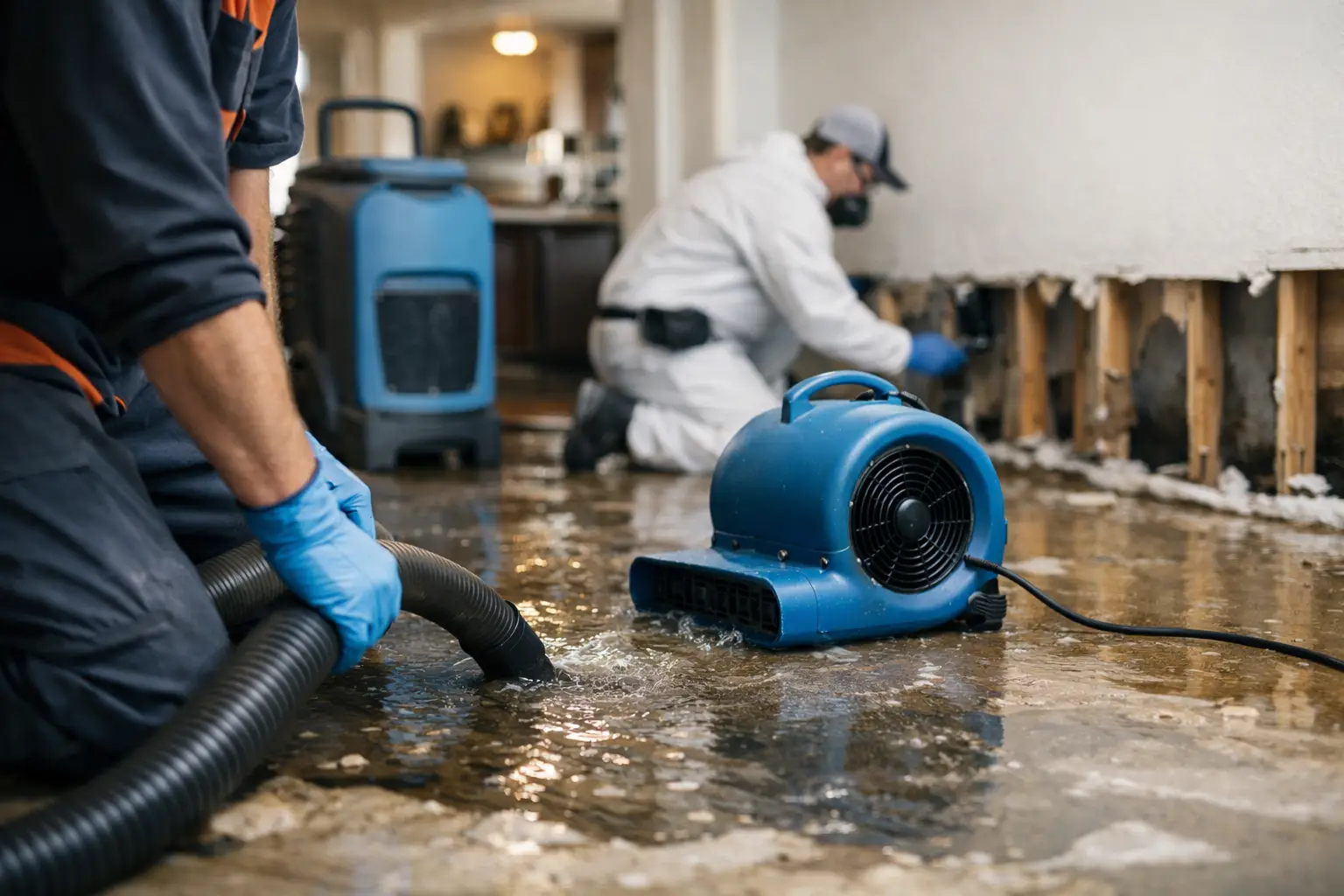 Water Damage
Extraction, structural drying, and moisture mapping after floods, leaks, and burst pipes.
Get help now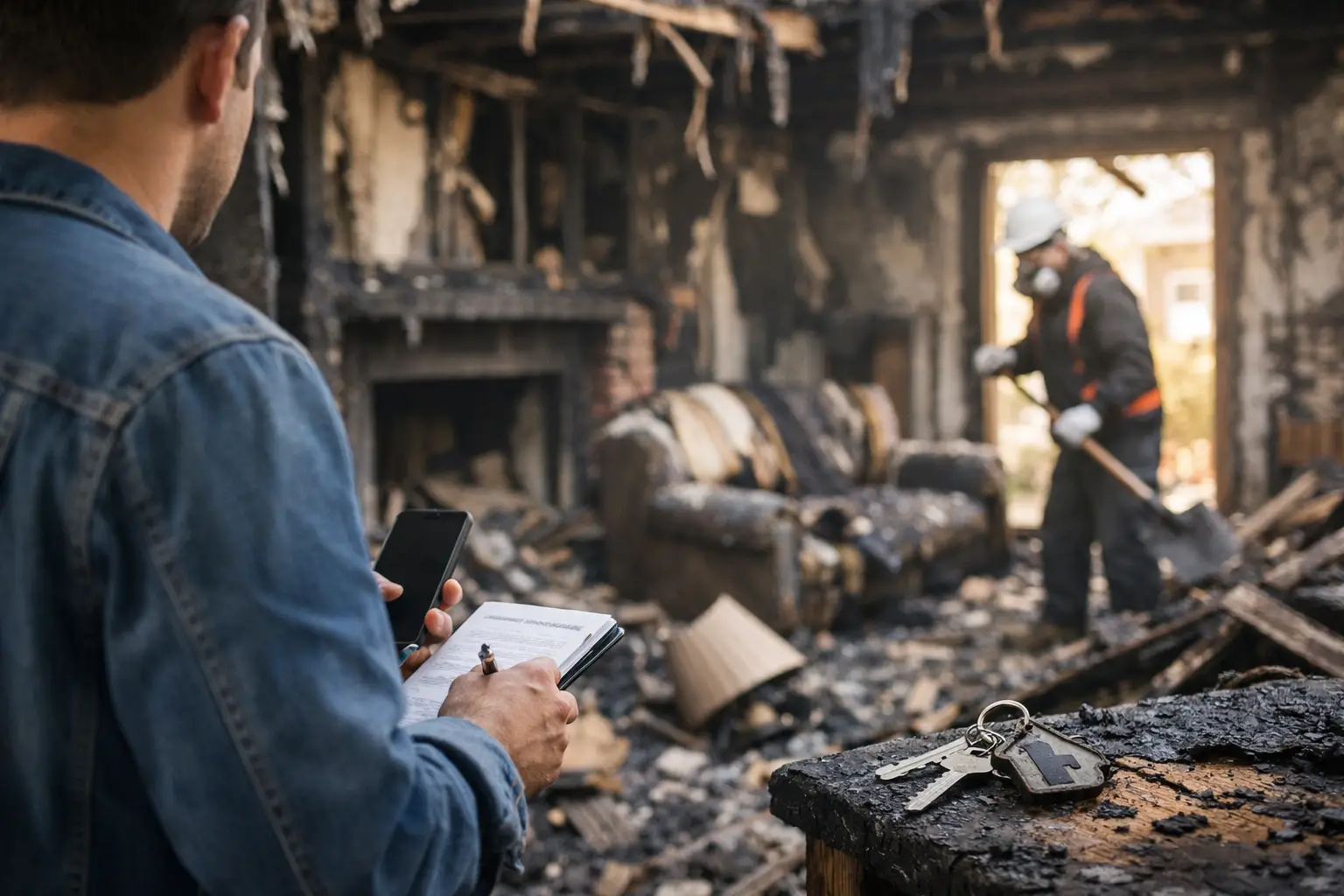 Fire & Smoke
Soot removal, odor deodorization, and content cleaning after fire and smoke damage.
Learn more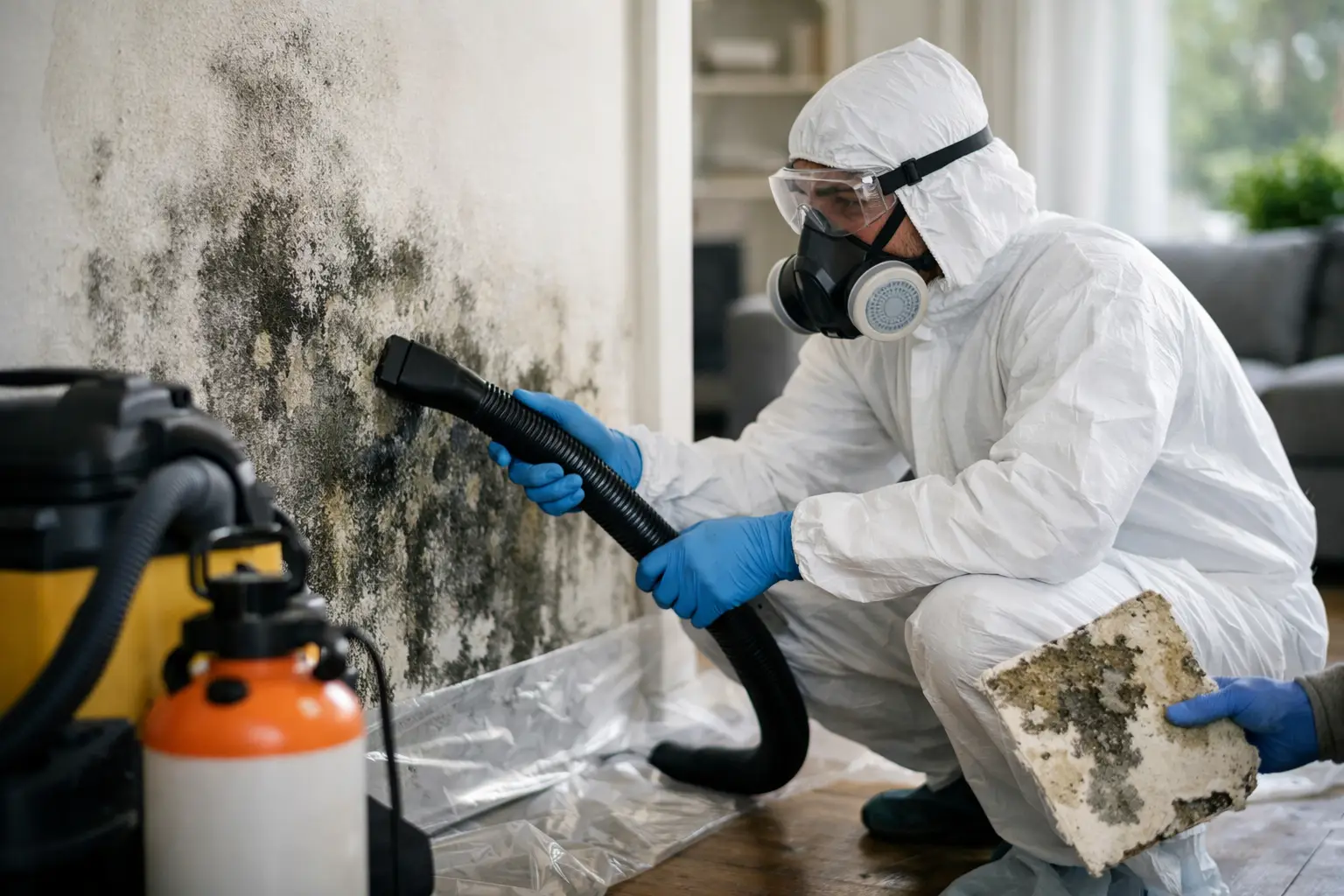 Mold
MoldContainment, removal, and moisture control that stops mold from coming back.
Learn more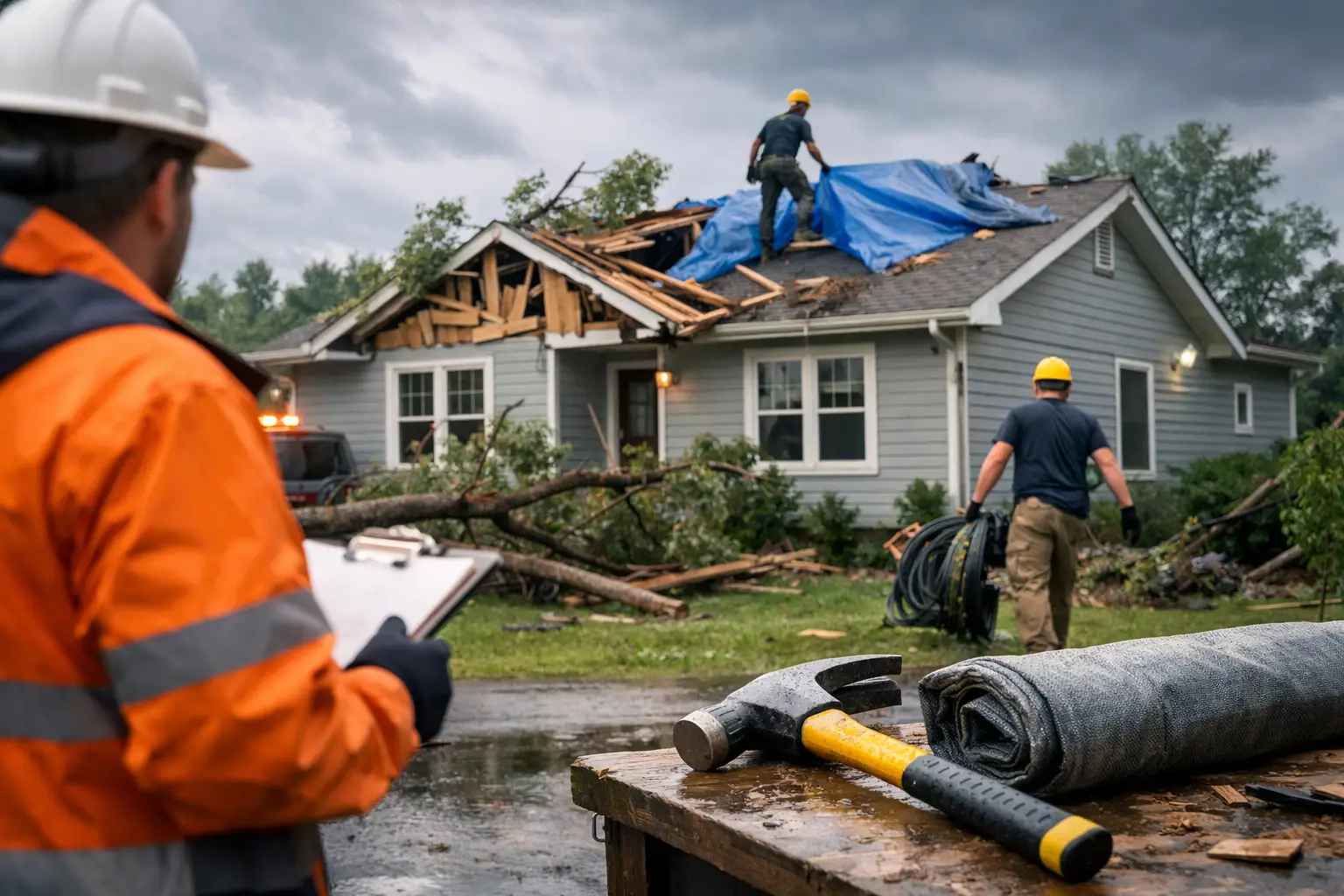 Storm
StormEmergency board-up, roof tarping, and full recovery after wind, hail, and storms.
Learn more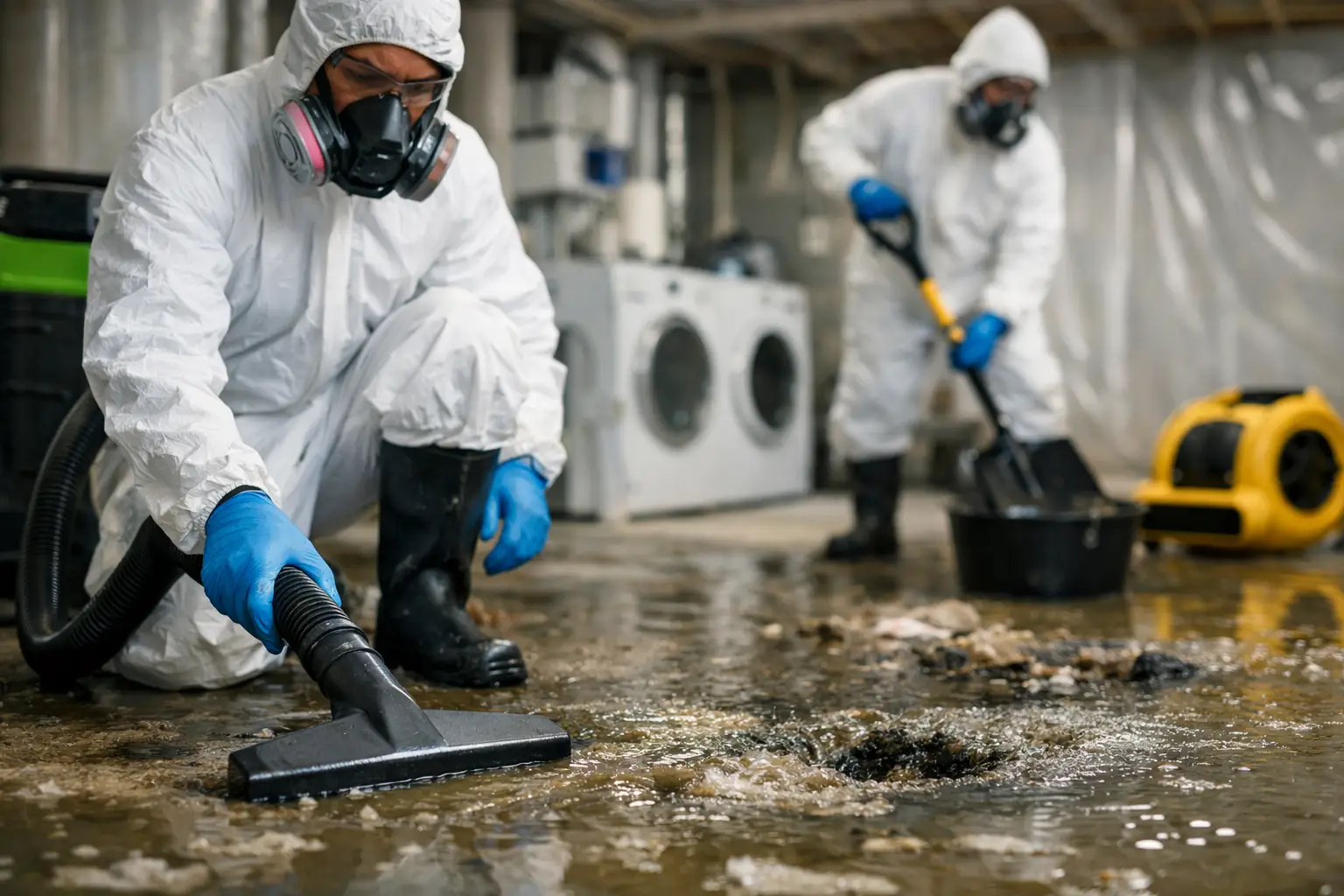 Sewage
Safe biohazard cleanup and sanitizing after sewage backups and overflows.
Learn more Reconstruction
Full rebuild by a licensed general contractor, so your property comes back whole.
Learn moreElevated Operations is an IICRC-certified, licensed general contractor based in Mableton that handles the entire recovery in-house, so after one loss you are never coordinating a cleanup crew, a mold crew, and a contractor separately. One team, one point of contact, from the first pump-out to the final coat of paint.
People call when the property feels like a disaster. They leave reviews because Chris and the crew made it right. These are real, verified Google reviews.
I start with source control, then water extraction, moisture checks, and emergency drying. Homes near Lake Acworth can take on runoff, wind-driven rain, or seepage around low entry points, so I look beyond the obvious puddle. The goal is to stop spread, protect the structure, and document what happened for the next step.
Regular cleaning removes dirt. Emergency water removal removes water, tracks hidden moisture, and prevents structural damage. In Acworth, that often means dealing with crawl spaces, basements, or lake-adjacent runoff, not just a wet floor. The work includes water mitigation, drying, and moisture verification, not only wiping up what you can see.
Yes. Storm water near the Allatoona dock area can move into garages, lower rooms, and under flooring quickly. I use pumping water out where needed, then follow with water extraction and emergency drying. If the water traveled through porous materials, I inspect those areas before calling the job done.
Moisture left inside walls, carpet pad, insulation, or subfloors creates mold risk. In this climate, mold can start in 24 to 48 hours. That is why emergency water removal has to include drying, not just cleanup. If the hidden moisture stays, the problem usually comes back as odor, staining, or growth.
Yes, I do. Direct insurance billing helps keep the claim moving while the water mitigation work is underway. I also offer deductible assistance up to $1,000 when applicable. That matters because the water itself is urgent, and the paperwork should not slow down water extraction or emergency drying.
I look at the water source, how long it sat, and how far it traveled into the pad and subfloor. Clean water from a recent leak may be salvageable, but storm runoff or long-standing saturation changes the decision. I do not guess. I inspect, extract, dry, and tell you plainly what should stay.
You should expect assessment first, then immediate action. IICRC-certified technicians identify the source, remove standing water, begin wet vac extraction or pumping water out as needed, and set emergency drying equipment. We work with the structure, not against it, and I keep the explanation clear so you know what is happening.
Because water damage is often both a drying problem and a building problem. As a licensed general contractor, I understand how wet floors, walls, and framing affect repair decisions. That means I can move from emergency water extraction to restoration planning without losing sight of the structure or the warranty on the finished work.
Elevated Operations dispatches IICRC-certified crews across Metro Atlanta from our Mableton base, with a 60-minute emergency response day or night. Choose your city:
Call now for an immediate response, or request your free inspection and get a certified crew on-site within the hour across Atlanta and nearby areas.