24/7 Emergency Restoration · Serving Metro AtlantaEmergency? (770) 404-6895
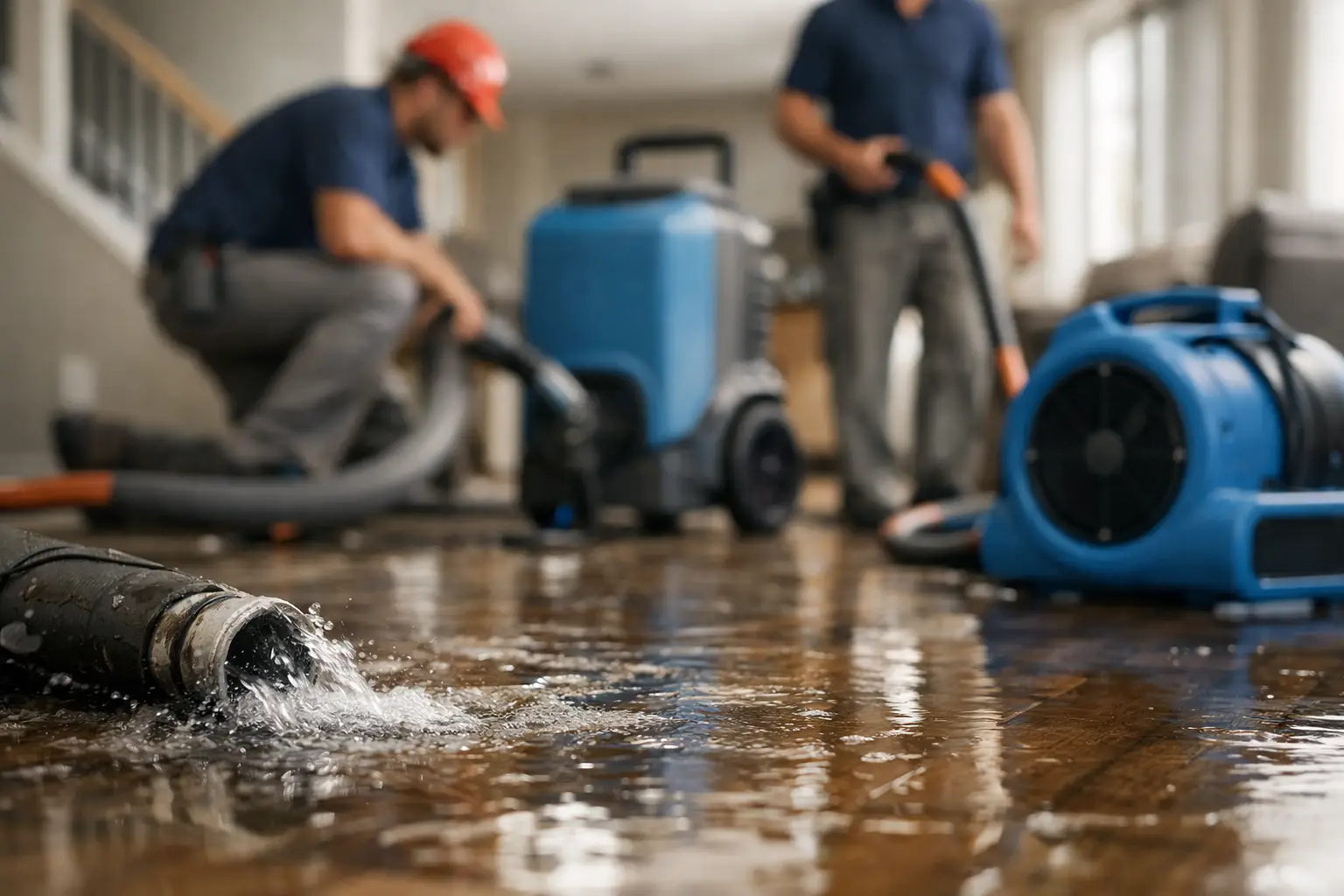
Storm damage restoration Lithia Springs starts with one question, repair or replace, and I answer it by looking at the structure, the moisture, and what the storm actually did. I’m Chris Kwangwari with Elevated Operations, LLLP, and I use IICRC-certified technicians, direct insurance billing, and a 12-month warranty to handle storm losses across Lithia Springs.
IICRC-Certified · 5-Star Rated · 60-Minute Response · Insurance Billed Directly
Yes. I work from my Mableton base and serve Lithia Springs across Cobb County, including storm hits near Sweetwater Creek Park and the routes feeding toward Dog River.
Yes. I offer 60-minute emergency response 24/7, and roof tarping is often the first move when a storm opens the house to water.
Yes. I use direct insurance billing, and I keep the scope tied to real damage, whether that means hail damage repair, wind damage repair, or structural repair.
I back qualifying restoration work with a 12-month warranty, because I want the repair to hold after the storm has passed and the claim is closed.
Restore when the structure is sound and the damage is limited, replace when the storm has compromised framing, roofing layers, or repeated wetting. In Lithia Springs, I look at homes near Sweetwater Creek Park and Dog River the same way, by checking what can be dried, repaired, and verified safe versus what keeps failing.
Restoration wins when debris removal, drying, and targeted structural repair can bring the home back without tearing out more than needed. That is often the better call after wind damage repair or hail damage repair, especially when the damage stayed on the surface and the framing stayed dry.
Replacement makes sense when storm water has kept entering, when roof tarping was delayed, or when the materials have already broken down. I do not chase sentimental fixes. If the roof deck, wall cavity, or subfloor has lost integrity, replacement is the cleaner path.
Lithia Springs has older homes and mixed construction styles close to the creek and the river. That means one house may need temporary boarding and a few repairs, while the next needs a larger rebuild. I decide based on evidence, not guesswork.
I start by stopping active intrusion, then I document damage, remove loose debris, dry the structure, and repair what the storm actually broke. That usually means roof tarping, temporary boarding, water extraction if needed, and then structural repair, wind damage repair, or targeted rebuild work.
The order matters. First I stabilize the property so one storm does not become three problems. In Lithia Springs, that may mean getting over to the house fast after a line of storms rolls through the Sweetwater Creek corridor or drops limbs near Dog River.
Next comes inspection. I look for lifted shingles, broken flashing, siding impact, soaked drywall, and water pathways that do not show up from the driveway. IICRC-certified technicians know where storm water hides, and that matters more than a quick visual walk-around.
Then I choose the fix. Some homes need wind damage repair and a clean dry-out. Others need structural repair because the storm moved more than just exterior finishes. I bill insurance directly and keep the process organized so the claim matches the work.
Yes, if the roof is open, missing shingles, or letting water in, roof tarping should happen right away. It is a temporary protection step, not the final repair. In Lithia Springs, fast tarping matters because one rain event can turn exterior damage into interior water intrusion.
I do not treat roof tarping as optional when a roof has been punched open by wind or struck by falling limbs. It is the first wall against water intrusion, especially on homes where the attic or ceiling planes are already vulnerable.
If tarping is delayed, water can spread into insulation, framing, and finishes. Then the job stops being a straightforward storm claim and becomes a bigger restoration scope. That is why I move quickly in Lithia Springs after severe weather moves across the area.
A tarp is not a repair. It buys time. That time matters on streets near Sweetwater Creek Park and in the neighborhoods feeding toward Dog River, where storms can bring repeated rain and wind before the roof is permanently fixed.
Yes. Storm damage can lead to water intrusion immediately, and mold can begin in 24 to 48 hours if wet materials stay trapped. That is why I separate water damage from mold damage, because they are related but not the same job, and they do not get the same fix.
Water damage is the entry point. Mold is the consequence when moisture lingers. After a storm in Lithia Springs, I check whether water came through the roof, around windows, or through compromised siding, then I dry the structure before the problem compounds.
A lot of owners wait too long because the ceiling looks mostly fine or the wall feels only damp. That is a mistake. Hidden moisture around the Dog River side of town, or anywhere close to Sweetwater Creek Park, can keep feeding mold behind finished surfaces.
If I find mold risk, I treat it seriously and keep the scope tight. I am not interested in scare tactics. I am interested in stopping the moisture source, drying correctly, and restoring only what the storm and the water actually damaged.
DIY can handle small, dry cleanup, but a pro makes more sense when the roof is open, the structure is wet, or the damage affects insurance. In Lithia Springs, storm work often involves hidden intrusion, unstable materials, and paperwork that needs clean documentation from the start.
A homeowner can pick up light debris and take photos. That is fine. But once you are talking roof tarping, soaked insulation, broken framing, or wind damage repair, the risks rise fast and the mistake window gets small.
I see DIY problems all the time, especially when people assume a wet room just needs time. Time can be the enemy. Moisture travels, fasteners fail, and a small leak near Sweetwater Creek Park can become a much larger interior loss by the next rain.
A pro also helps with the claim path. Direct insurance billing keeps the process cleaner, and deductible assistance up to $1,000 can help qualified customers manage the start of the repair without guesswork. That matters when stress is already high.
Storm damage restoration usually includes emergency response, debris removal, roof tarping, temporary boarding, drying, damage assessment, and repairs such as hail damage repair, wind damage repair, and structural repair. In Lithia Springs, I tailor that sequence to what the storm did to the property, not a generic checklist.
The first layer is protection. If the home is exposed, I secure it. Then I document the damage and figure out whether the issue is mostly exterior, mostly interior, or a mix. That distinction drives the rest of the job and the insurance claim.
After that comes cleanup and stabilization. Debris removal matters more than people think, because loose materials can keep cutting into shingles, siding, and gutters if the next wind event hits. I do not leave a house half-stabilized and call it done.
The final layer is reconstruction. Some properties need only limited repairs. Others need more substantial structural repair. Either way, I keep the scope grounded in the actual storm damage and the local conditions around Sweetwater Creek Park and Dog River.
| Typical Trigger | Water Damage Restoration | Mold Remediation |
|---|---|---|
| Missing shingles after wind | Roof tarping now, then repair the roof deck and flashing before the next storm rolls in from the Sweetwater Creek side. | If the attic stayed dry, mold is unlikely, but any ceiling stain still needs moisture tracing before you close it up. |
| Tree limb impact near Dog River | Debris removal, temporary boarding, and drying are the priority if rain got inside through broken siding or windows. | Mold risk rises if wet drywall or insulation sat for more than a day or two after the impact. |
| Hail on roof and gutters | Hail damage repair may be enough when the damage is surface-level and the underlayment stayed intact. | Mold usually stays out of the picture unless hail also opened a leak that kept feeding a hidden cavity. |
From emergency mitigation to full reconstruction, handled in-house so you are never managing a chain of subcontractors mid-crisis.
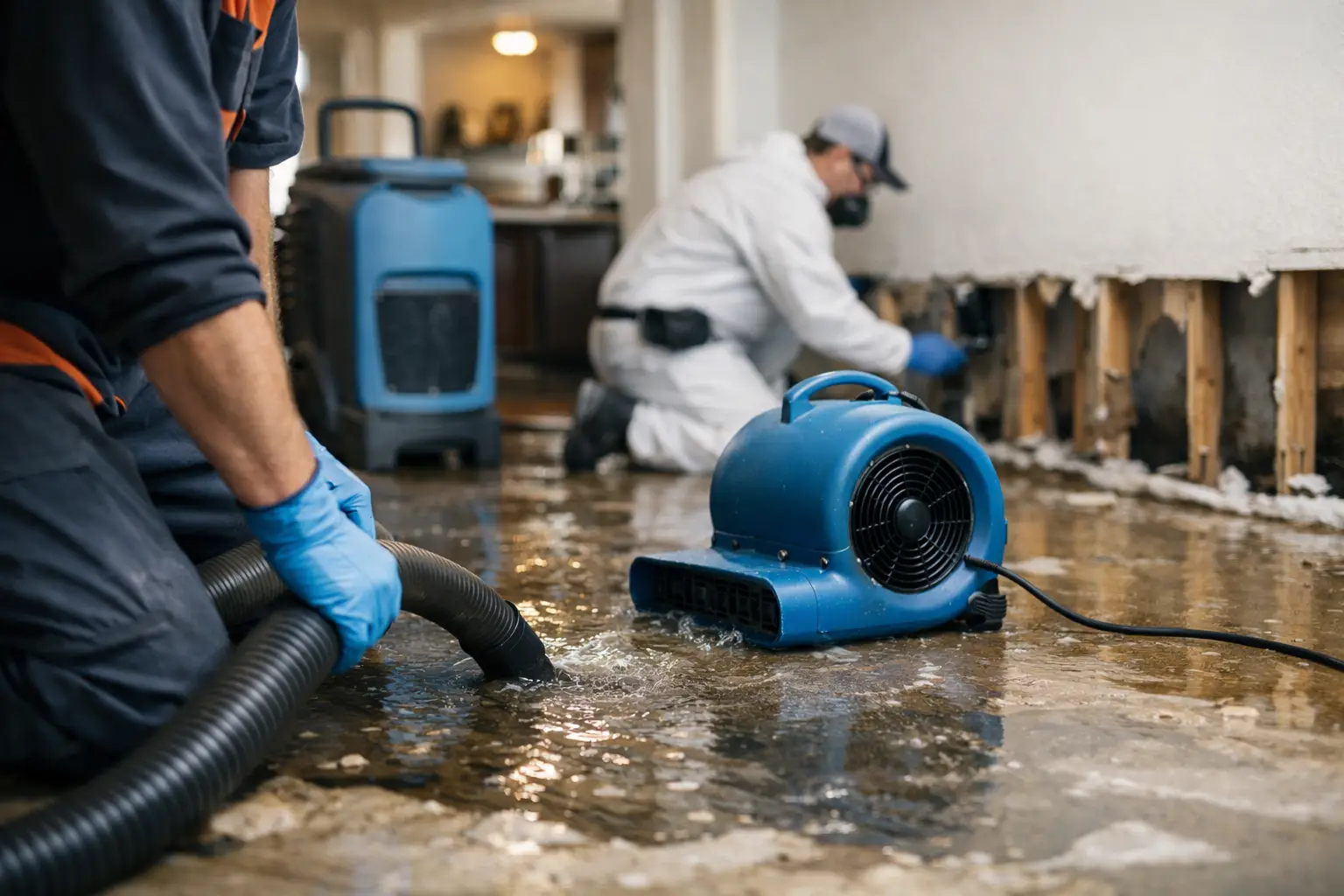 Water Damage
Extraction, structural drying, and moisture mapping after floods, leaks, and burst pipes.
Get help now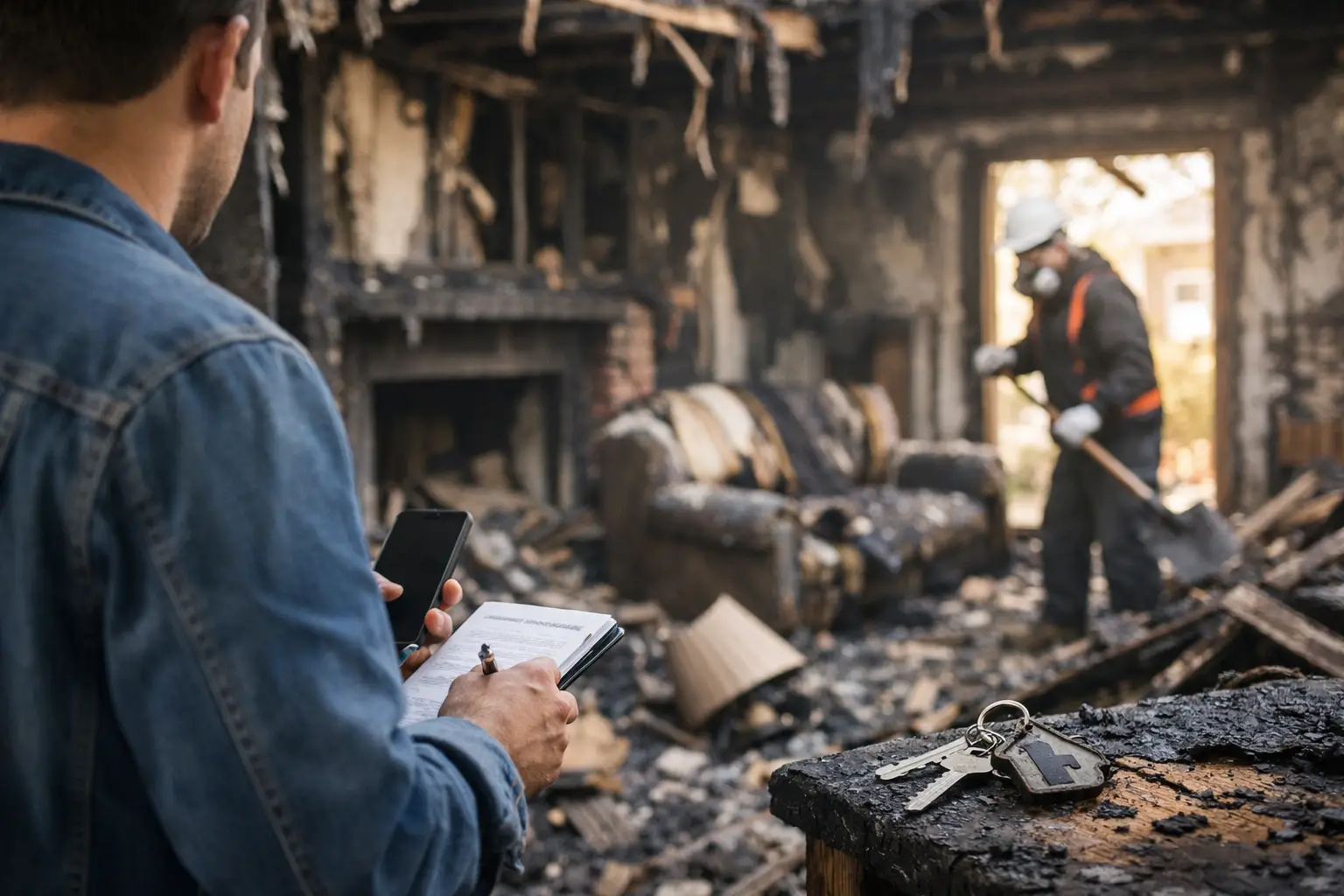 Fire & Smoke
Soot removal, odor deodorization, and content cleaning after fire and smoke damage.
Learn more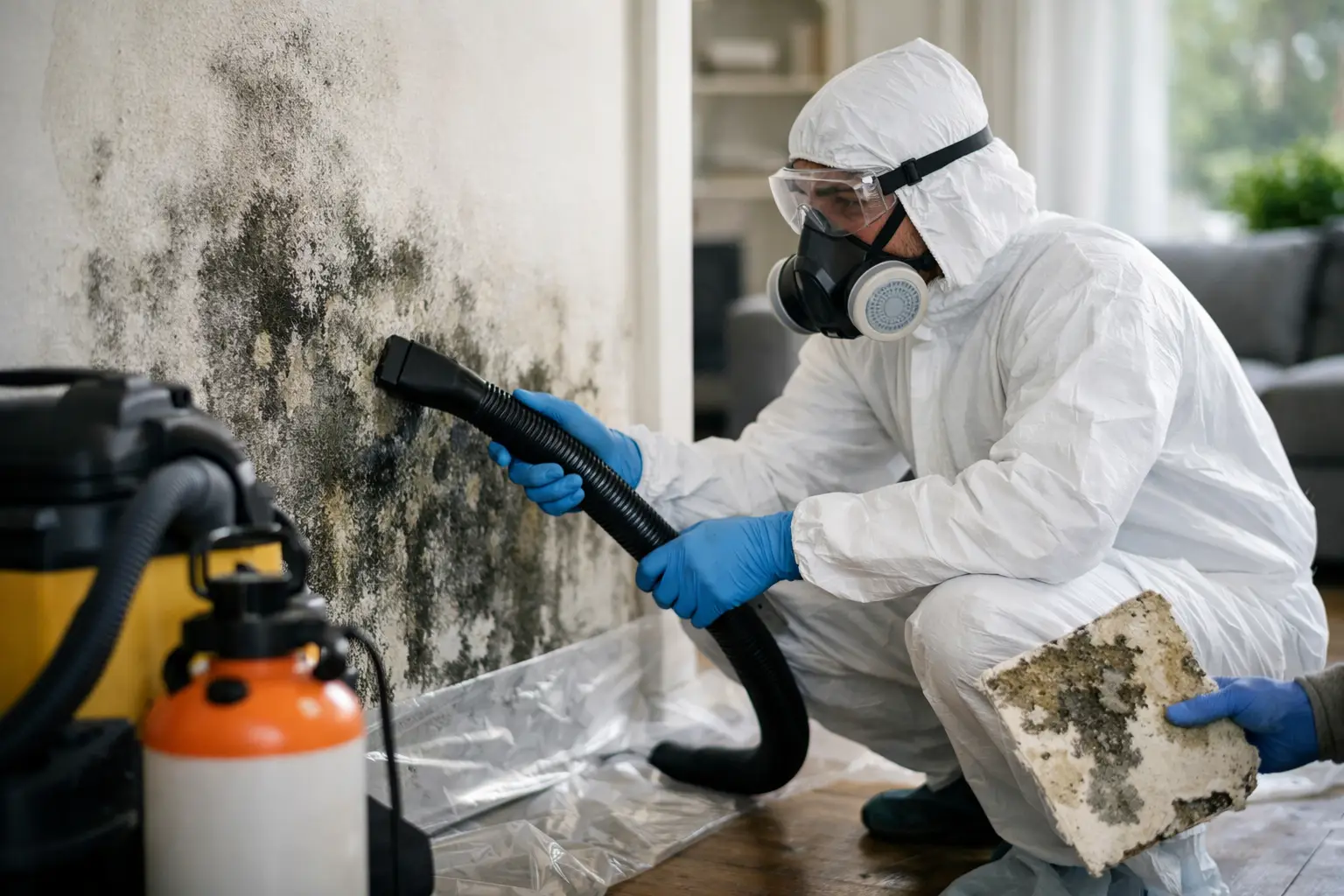 Mold
MoldContainment, removal, and moisture control that stops mold from coming back.
Learn more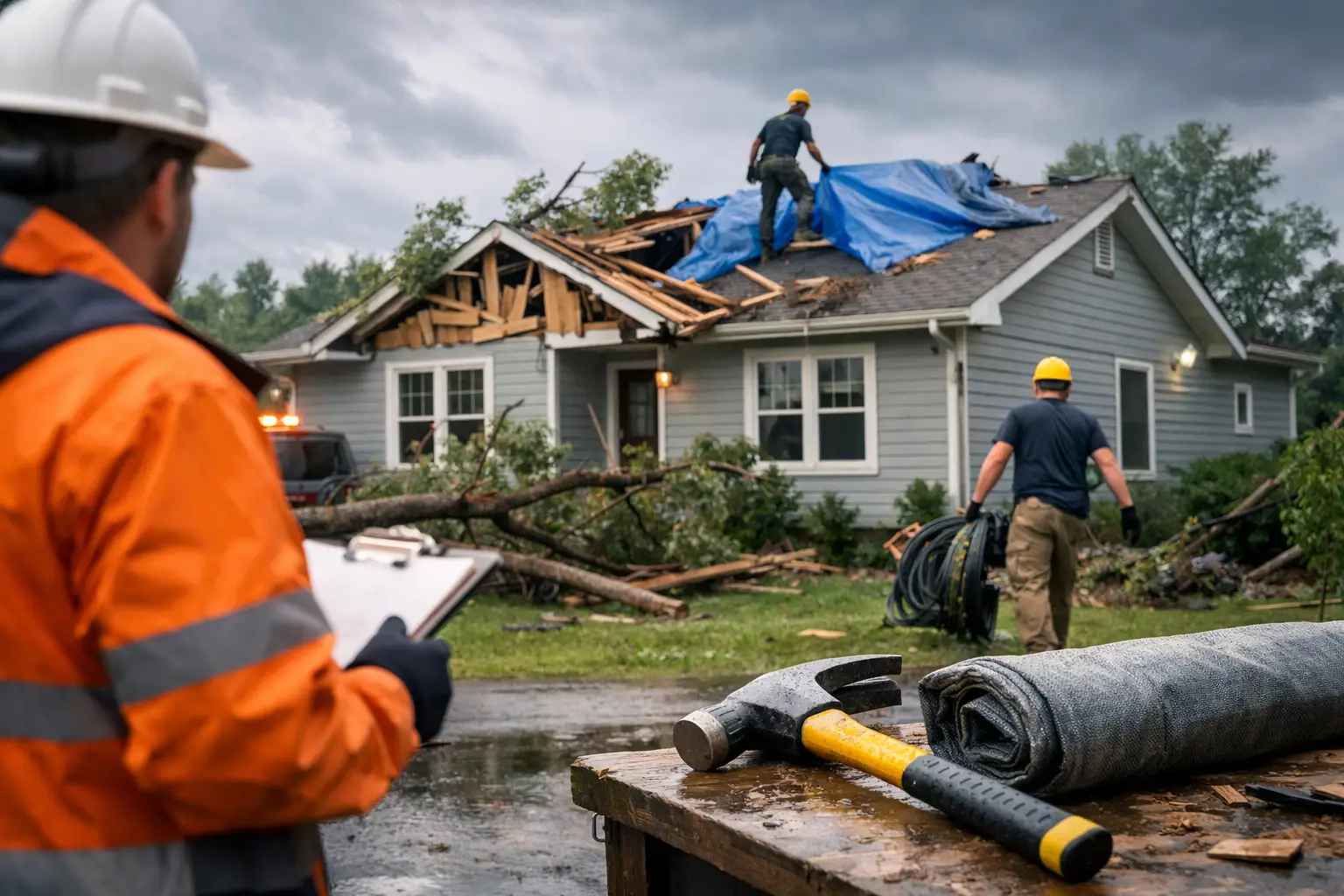 Storm
StormEmergency board-up, roof tarping, and full recovery after wind, hail, and storms.
Learn more Sewage
Safe biohazard cleanup and sanitizing after sewage backups and overflows.
Learn more Reconstruction
Full rebuild by a licensed general contractor, so your property comes back whole.
Learn moreElevated Operations is an IICRC-certified, licensed general contractor based in Mableton that handles the entire recovery in-house, so after one loss you are never coordinating a cleanup crew, a mold crew, and a contractor separately. One team, one point of contact, from the first pump-out to the final coat of paint.
People call when the property feels like a disaster. They leave reviews because Chris and the crew made it right. These are real, verified Google reviews.
Call as soon as it is safe to do so. I offer 60-minute emergency response 24/7, because exposed roofs and broken openings do not wait for business hours. Fast action helps limit water intrusion, keeps the claim cleaner, and reduces the chance that a temporary problem becomes a larger interior loss.
Take photos from the ground if you can do that safely, then call for an inspection before you assume it is cosmetic. Hail can damage shingles, flashing, gutters, and vents. If the roof is compromised, I can handle roof tarping first and then move into hail damage repair with insurance documentation.
I look at whether the storm affected finishes only or changed the frame, roof system, or load-bearing parts. Wind damage repair handles lifted materials and surface damage. Structural repair is the answer when the storm moved or compromised the bones of the house, which is a different level of work entirely.
Wet drywall starts as water damage. It can become mold if moisture sits long enough. That is why I do not guess. I inspect, dry, and remove materials only when needed. If the wetting was recent, there is often a chance to save more of the structure with the right response.
Yes. Temporary boarding is useful when windows, doors, or openings were broken by wind or debris. It protects the home from rain, trespass, and further damage while permanent repairs are arranged. I use it when the property needs immediate stabilization before the full restoration plan can move forward.
I am a licensed general contractor, but I also bring restoration experience since 2007, IICRC-certified technicians, and direct insurance billing. That combination matters after a storm because the job is part construction, part moisture control, and part claim management. One side without the other usually slows the whole recovery.
I coordinate billing directly with the carrier instead of making you juggle the paperwork and payment flow alone. That keeps the claim more organized and helps move the repair forward. I also offer deductible assistance up to $1,000 for qualified customers, which can help with the early cost burden.
Choose replacement when the storm left materials too damaged to dry, patch, or stabilize reliably. If the roof, framing, or interior system keeps failing, replacement is the cleaner long-term answer. I make that call based on the actual condition of the structure, not on what looks cheapest at first glance.
Elevated Operations dispatches IICRC-certified crews across Metro Atlanta from our Mableton base, with a 60-minute emergency response day or night. Choose your city:
Call now for an immediate response, or request your free inspection and get a certified crew on-site within the hour across Atlanta and nearby areas.