24/7 Emergency Restoration · Serving Metro AtlantaEmergency? (770) 404-6895
Fire and smoke restoration Carrollton means making the right call fast, not guessing. I compare repair versus replacement, DIY versus a pro, and smoke damage versus mold so you know what fits a Carroll Co exurb property. I am Chris Kwangwari, owner of Elevated Operations, LLLP.
IICRC-Certified · 5-Star Rated · 60-Minute Response · Insurance Billed Directly
I handle cleanup based on what actually burned, what got smoked, and what got wet. That keeps the job honest.
I use board up services to protect openings, slow further damage, and buy time for the insurance and restoration work to start.
I do not mask odor. I remove the residue causing it, then neutralize what remains in the materials that can still be saved.
When firefighting water is part of the loss, structural drying becomes part of the fire and smoke plan, not a separate thought.
Fire and smoke restoration in Carrollton usually starts with safety, board up services, debris removal, fire damage cleanup, smoke damage cleanup, soot removal, odor neutralization, and structural drying when water was used during firefighting. I look at the loss as a system, not a single mess.
In the Carroll Co exurb, homes often mix older framing with newer finishes, and that changes the right scope. I inspect what can be cleaned, what needs to come out, and what has to be dried before smoke residue locks in deeper.
The comparison is simple. If fire touched only surface materials, restoration usually wins. If heat distorted framing, wiring, or cabinets beyond repair, replacement makes more sense. IICRC-certified technicians and direct insurance billing keep that process organized from the start.
I have been in restoration since 2007, and I do not treat soot like dust. It migrates. It stains. It carries odor. That is why fire damage cleanup and smoke damage cleanup are separate steps, even when the fire itself looked small.
Restore when the material is structurally sound and the damage is mostly surface-level. Replace when heat, smoke, or water has changed the shape, strength, or safety of the material. In Carrollton, I see restoration win on some contents and replacement win on compromised building materials.
This is where people waste money. They replace trim that could be cleaned, then keep a cabinet carcass that has absorbed smoke for weeks. I compare each item separately, because a Carroll Co exurb ranch house and a newer subdivision home do not respond the same way.
Restoration fits hard surfaces, some metals, and many contents when odor neutralization and soot removal can actually reach the damage. Replacement fits insulation, warped drywall, charred subflooring, and anything that will keep failing after cleanup. That line matters.
And I do not guess from photos alone. I want to see where heat pushed, where soot settled, and where firefighting water spread. A good decision saves time later. A bad one keeps the smell alive.
DIY works only for very limited, safe surface cleaning after the scene is secure. A pro is the right call when soot has spread, odors remain, water was used, or there is structural damage. For most Carrollton fire losses, pro cleanup is the safer comparison.
People try to wipe soot with a wet rag and spread it into paint, grout, and fabric. That is not cleanup. That is damage extension. I see that mistake often in exurban homes where a room opens into the whole house and smoke travels farther than people expect.
A pro brings containment, correct cleaning agents, structural drying, and the judgment to know when a material is done. We also handle direct insurance billing, which matters when a homeowner is already juggling a claim and a temporary housing decision.
But I also know the limit of pro work. If a cabinet box is blistered or a carpet pad is saturated with smoke odor, cleaning will not fix physics. The right comparison is not cheap versus expensive, it is effective versus false economy.
Smoke damage removal begins with source control, then soot removal, detailed cleaning, and odor neutralization. If water was used to fight the fire, structural drying comes next. In Carrollton, I match the method to the material, because smoke on brick, drywall, and fabric behaves differently.
The order matters. First I stabilize the site, then I remove loose residue, then I clean what can take cleaning, and only after that do I address odor. Skipping straight to fragrance or fogging is a mistake, because it hides the problem instead of solving it.
A Carroll Co exurb home may have open living areas, attached garages, and mixed finishes that trap odor in different ways. That means one room can look clean while the HVAC, closet interiors, and hidden cavities still carry smoke damage cleanup issues.
If the smoke came with heavy water use, I look at moisture too. Fire and smoke restoration and structural drying often happen together, because damp materials hold odor longer and can trigger a second problem. I do not separate them when the loss does not.
Water damage from firefighting should be restored when materials are wet but still sound, and replaced when swelling, delamination, or mold risk has taken hold. In Carrollton, the comparison often turns on speed, because mold starts in 24 to 48 hours after wet materials stay unchecked.
This is the overlap people miss. Fire damage cleanup often becomes water damage work the same day. If drywall, baseboards, or subfloors stayed wet, the decision is not only about drying. It is about preventing a second loss that outlasts the first one.
I use structural drying when the material can be saved. I recommend replacement when the water has gotten into insulation, particleboard, or other materials that do not recover well. That is especially important in a Carroll Co exurb home where HVAC can move moisture fast.
Compare the two problems this way. Fire and smoke restoration deals with soot, odor, and heat. Water damage deals with saturation and microbial risk. If both are present, I treat the wet side first enough to stop mold, then finish the smoke side with the right cleaning sequence.
Fire restoration should begin as soon as the site is safe to enter. The earlier I start debris removal, board up services, and smoke damage cleanup, the better the chances of saving contents and finishes. Delay gives soot time to etch, and odor time to settle.
I respond 24/7 with a 60-minute emergency response, because the first day matters. In a Carrollton loss, the difference between same-day stabilization and waiting until tomorrow can change whether a room gets restored or stripped back to the studs.
This is one of the clearest comparisons in restoration. Fast action protects more material. Slow action expands the job. Smoke travels, moisture spreads, and surfaces discolor. If a home sits open in a Carroll Co exurb neighborhood, the loss can grow overnight.
I am a licensed general contractor, so I can see the structural side, not just the cleanup side. That matters after a fire because the right start includes protection, assessment, and sequencing, not just a crew with scrub brushes.
| Typical Trigger | Water Damage Restoration | Mold Remediation |
|---|---|---|
| Kitchen smoke stain on cabinets in a Carrollton ranch home | Restore if cabinet boxes are sound, then use soot removal and odor neutralization | Replace if firefighting water soaked the particleboard and swelling has started |
| Living room after a small electrical fire with sprinkler or hose water | Restore after structural drying if framing, drywall, and trim remain stable | Replace if wet drywall or insulation stays damp long enough for mold risk |
| Basement contents in a Carroll Co exurb home near hidden moisture | Restore some contents with content restoration when surfaces and fabrics can be cleaned | Replace porous items if dampness and smoke odor have both set in |
From emergency mitigation to full reconstruction, handled in-house so you are never managing a chain of subcontractors mid-crisis.
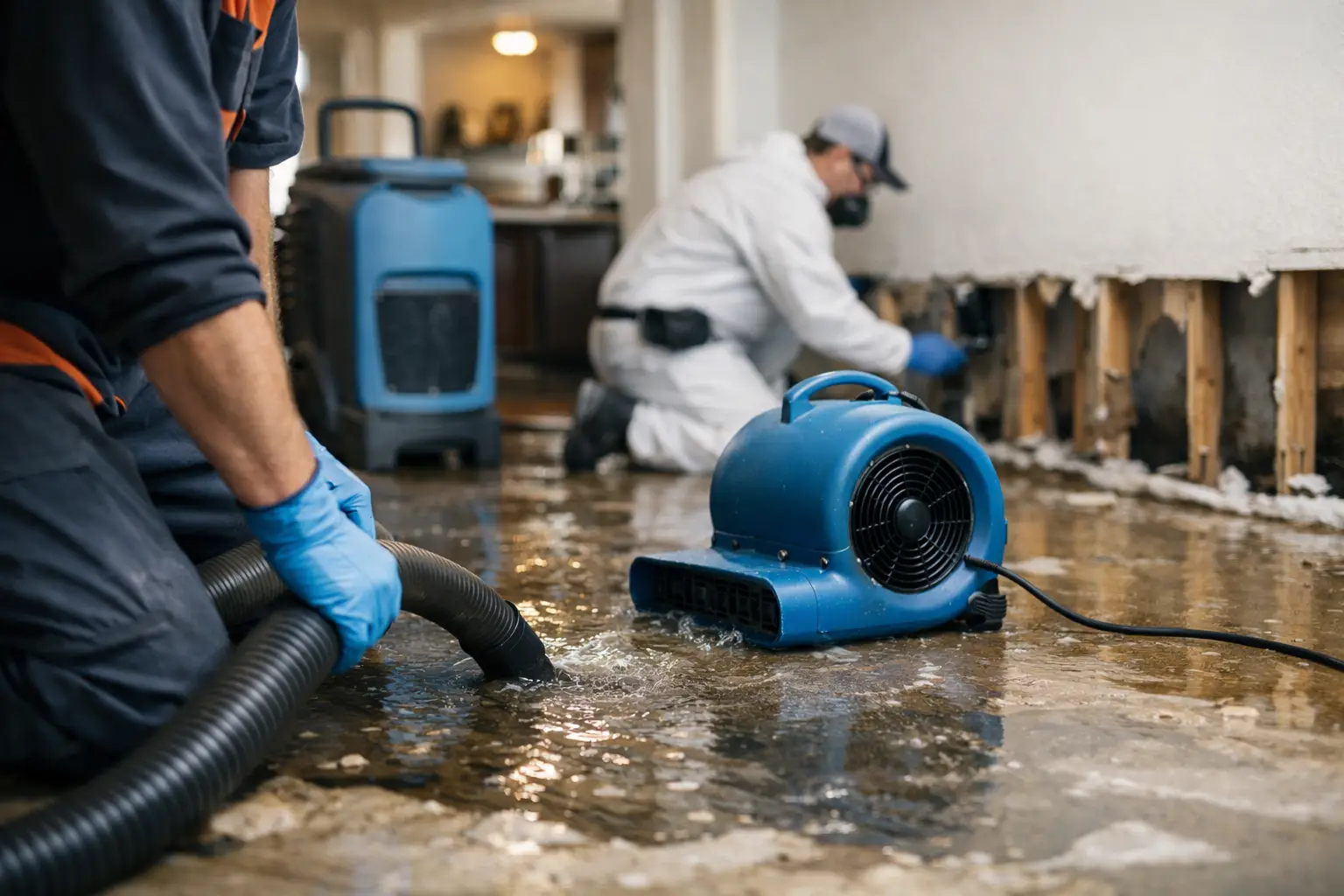 Water Damage
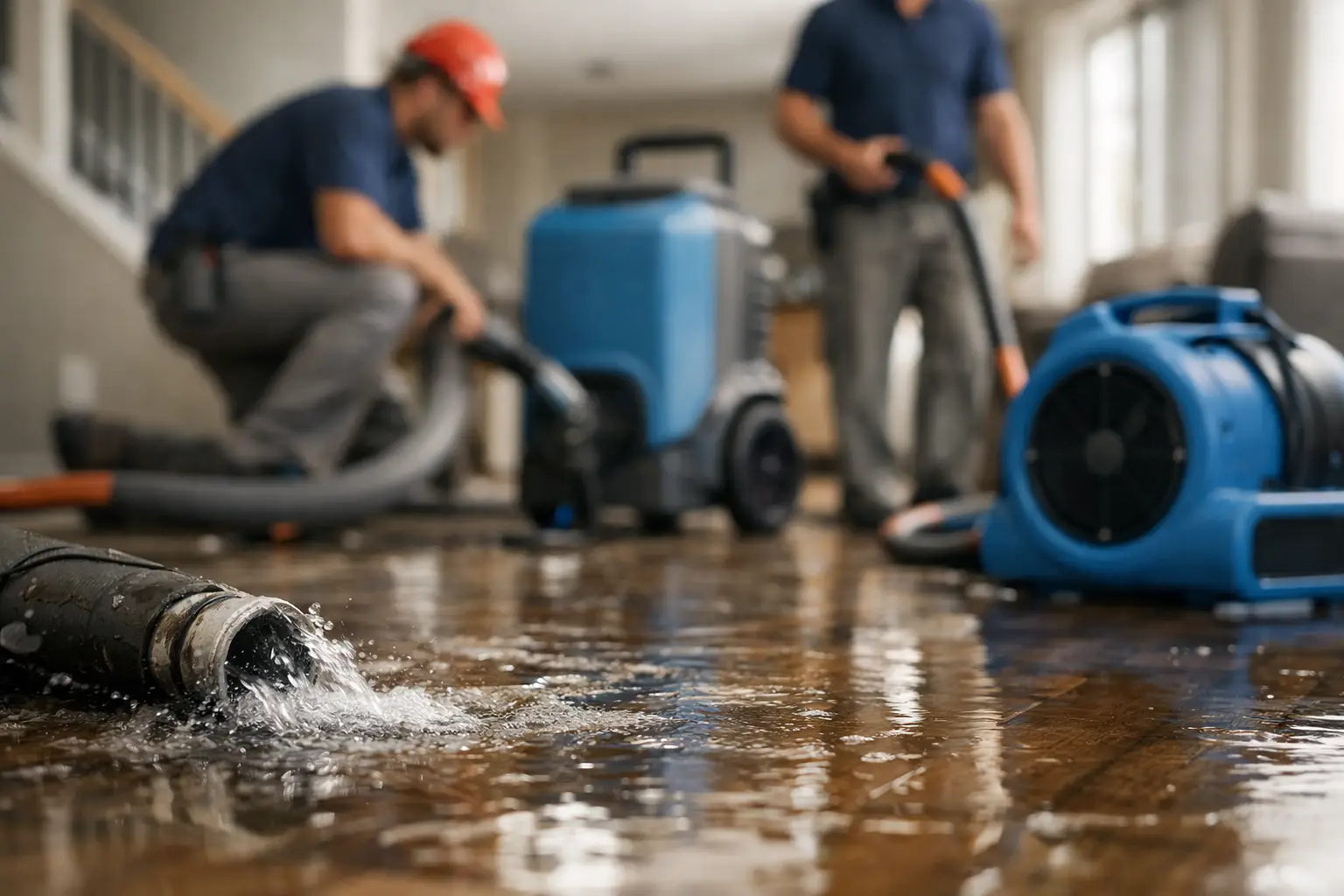
Extraction, structural drying, and moisture mapping after floods, leaks, and burst pipes.
Get help now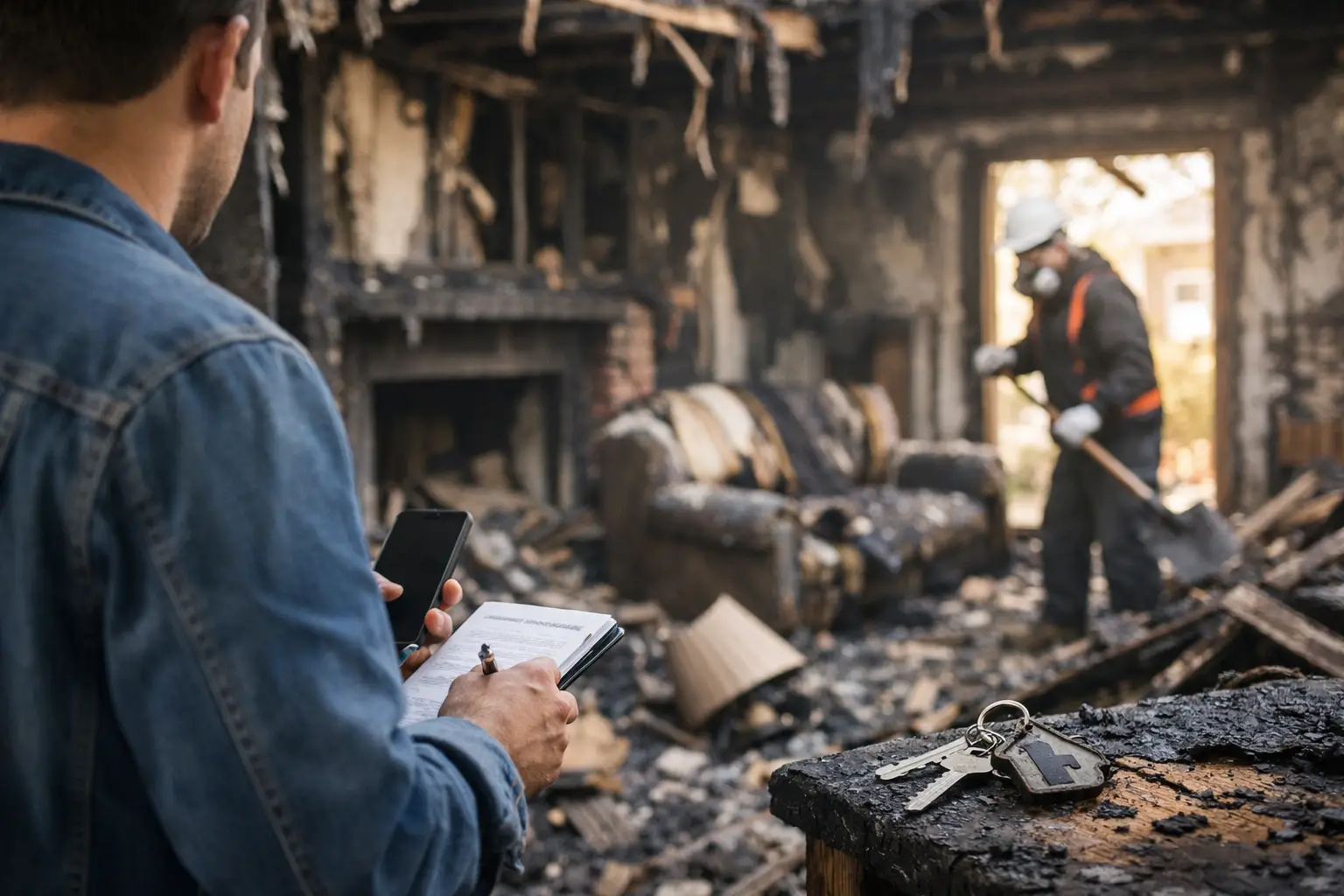 Fire & Smoke
Soot removal, odor deodorization, and content cleaning after fire and smoke damage.
Learn more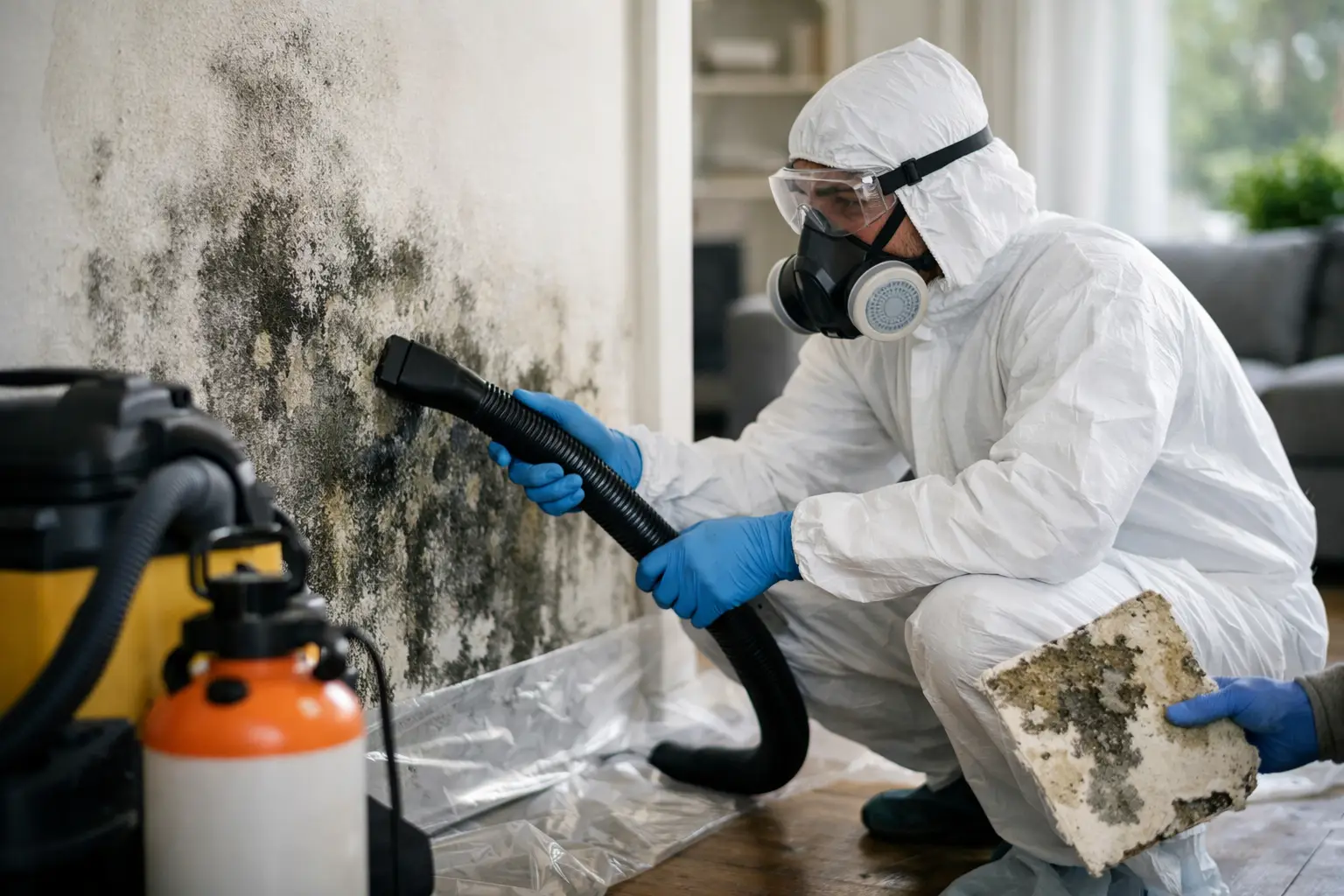 Mold
MoldContainment, removal, and moisture control that stops mold from coming back.
Learn more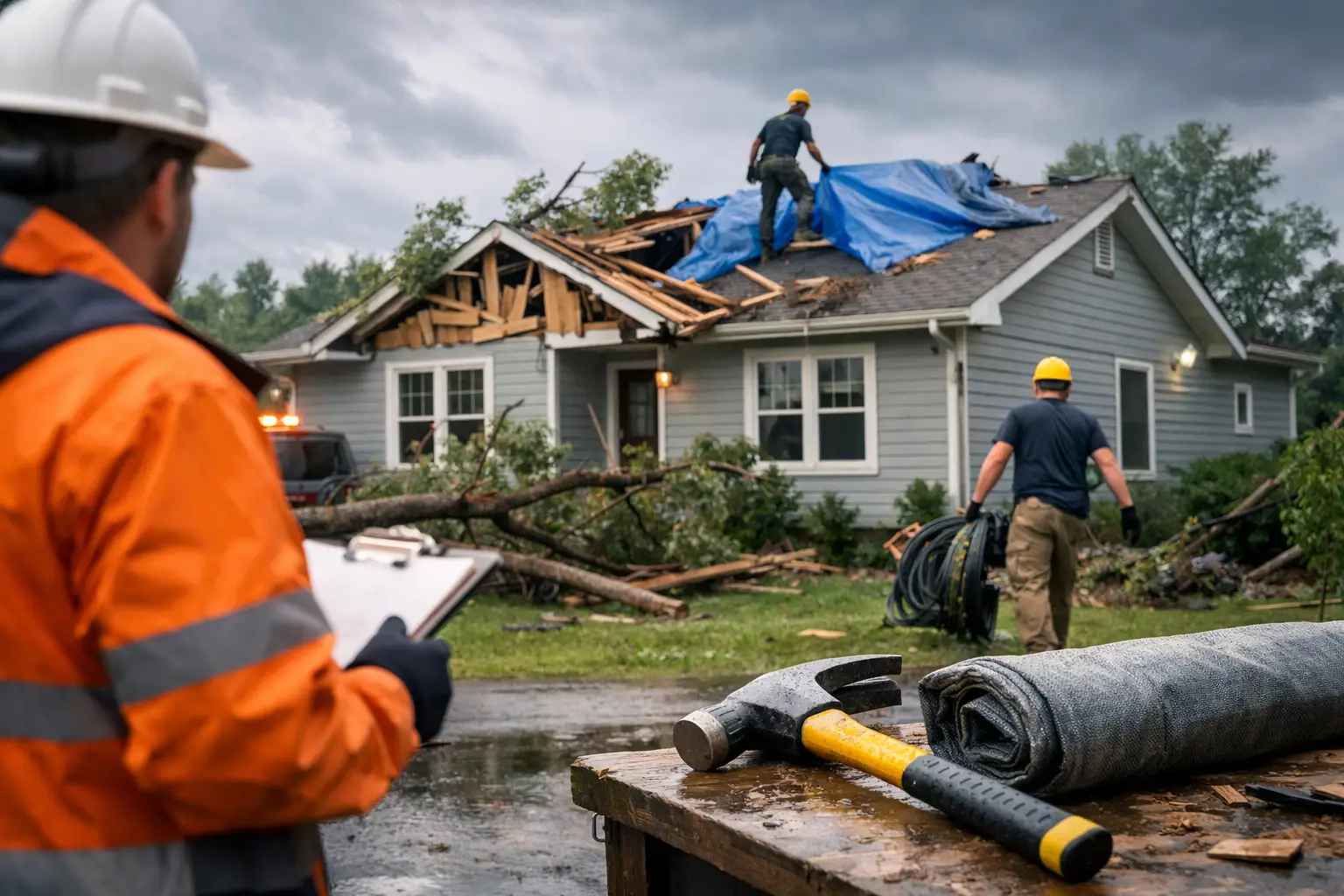 Storm
StormEmergency board-up, roof tarping, and full recovery after wind, hail, and storms.
Learn more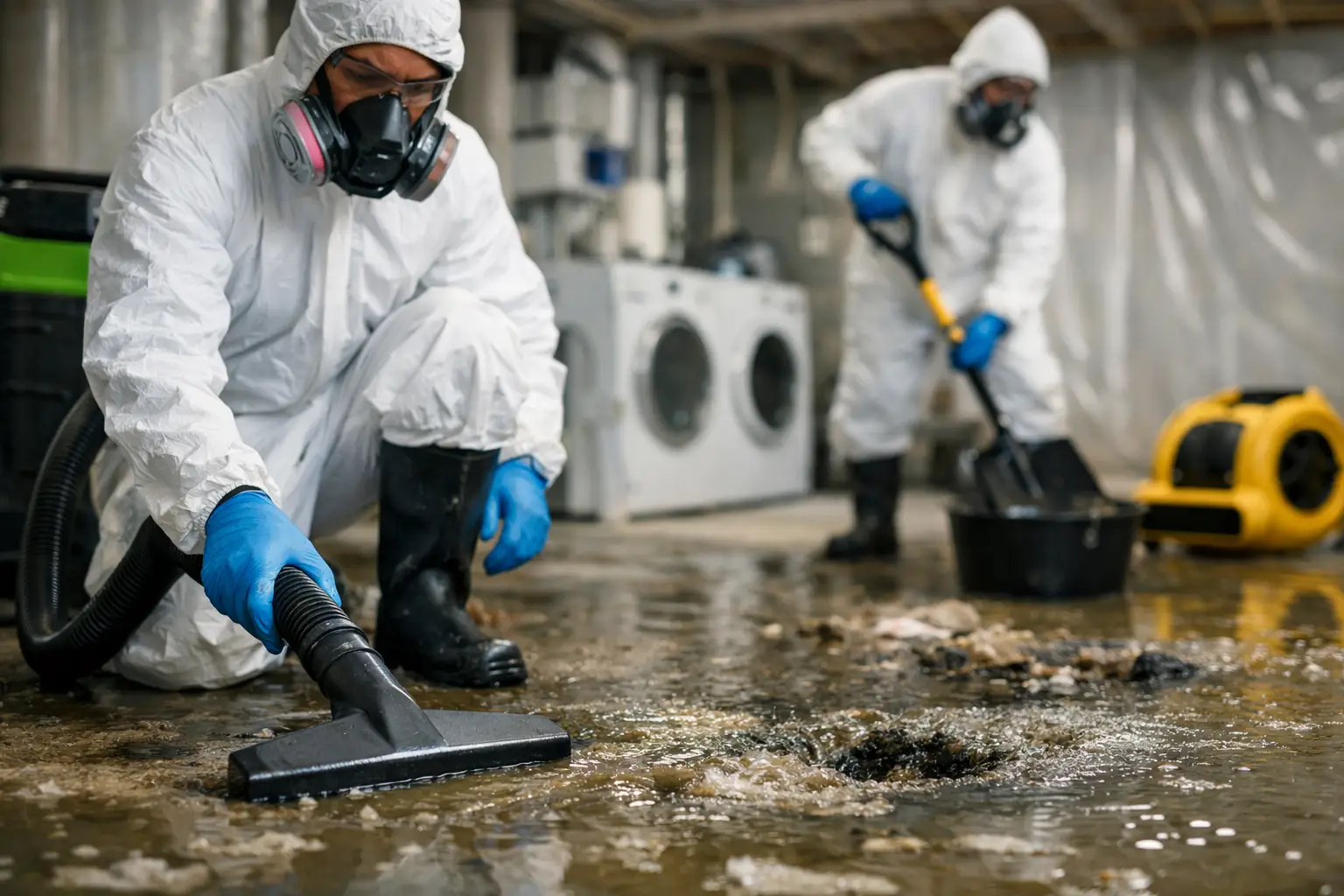 Sewage
Safe biohazard cleanup and sanitizing after sewage backups and overflows.
Learn more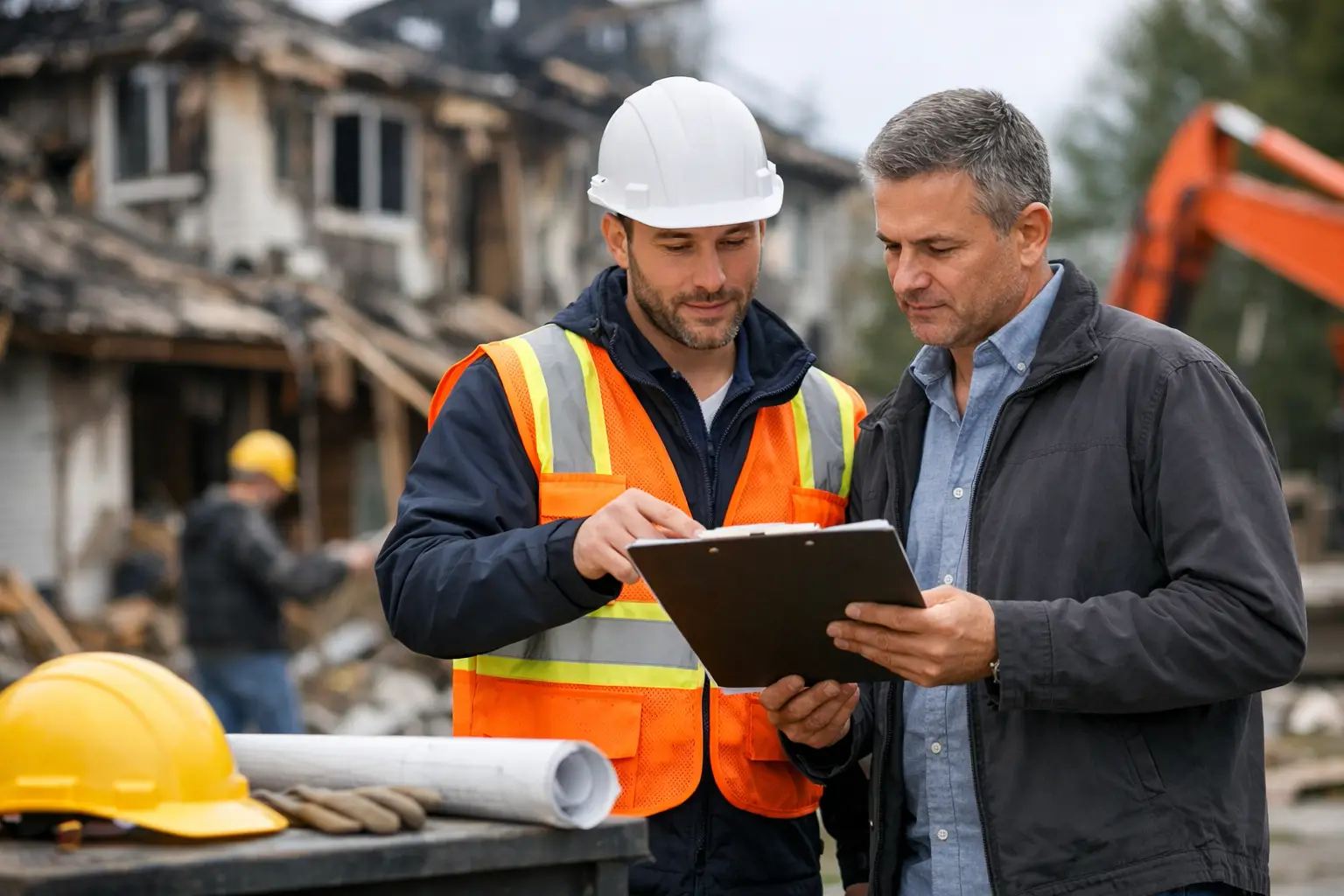 Reconstruction
Full rebuild by a licensed general contractor, so your property comes back whole.
Learn moreElevated Operations is an IICRC-certified, licensed general contractor based in Mableton that handles the entire recovery in-house, so after one loss you are never coordinating a cleanup crew, a mold crew, and a contractor separately. One team, one point of contact, from the first pump-out to the final coat of paint.
People call when the property feels like a disaster. They leave reviews because Chris and the crew made it right. These are real, verified Google reviews.
I start with safety, board up services, and a full look at what fire, smoke, and water actually touched. In Carrollton, exurb homes often have open layouts, garages, and mixed materials that spread damage farther than the fire itself. Then I decide what can be cleaned, dried, or rebuilt. That keeps the project grounded in the real loss, not assumptions.
It includes fire damage cleanup, smoke damage cleanup, soot removal, odor neutralization, and structural drying when firefighting water is part of the job. If water sat long enough, mold becomes part of the comparison too. I treat the loss in order, first stabilize, then dry, then clean, then rebuild only where the material cannot recover.
Some contents can be restored, especially hard goods, certain furniture, and items that only picked up smoke film. Others should be replaced, especially porous items that soaked up odor or water. I look at each piece, because content restoration works when the material still has integrity. If it is warped, charred, or saturated, replacement is usually the better call.
As soon as the site is safe. Smoke etches surfaces quickly, and water left behind by firefighting can create a second problem fast. I have seen the difference a day makes in the Carroll Co exurb. Early fire restoration means better odds for cleanup, drying, and saving contents before odor and staining settle deeper.
I remove loose soot first, then clean the correct surfaces with the right method, then handle odor neutralization after the residue is actually gone. Wiping too hard or using the wrong liquid can push smoke deeper into paint and fabric. For Carrollton properties, I also check hidden areas, because smoke moves through HVAC paths and closets fast.
Not always, but restoration often saves more in older homes when the framing and finishes are still sound. Replacement wins when heat has changed the structure or when smoke odor is locked into materials that cannot be cleaned. I compare the real condition, not the age alone. Carrollton houses vary, so the answer has to vary too.
Yes. I provide direct insurance billing, which helps keep the claim organized while the cleanup moves forward. That matters after fire damage cleanup because homeowners are already dealing with board up services, content restoration, and repair decisions. My job is to document the loss clearly and keep the restoration work moving without adding confusion.
That is common. A small fire can still leave a stubborn odor because smoke travels farther than the flame. In that case, I focus on soot removal, cleaning hidden surfaces, and odor neutralization, then decide whether any porous materials need replacement. Small fire does not always mean small restoration, especially in open Carroll Co exurb homes.
Elevated Operations dispatches IICRC-certified crews across Metro Atlanta from our Mableton base, with a 60-minute emergency response day or night. Choose your city:
Call now for an immediate response, or request your free inspection and get a certified crew on-site within the hour across Atlanta and nearby areas.