24/7 Emergency Restoration · Serving Metro AtlantaEmergency? (770) 404-6895
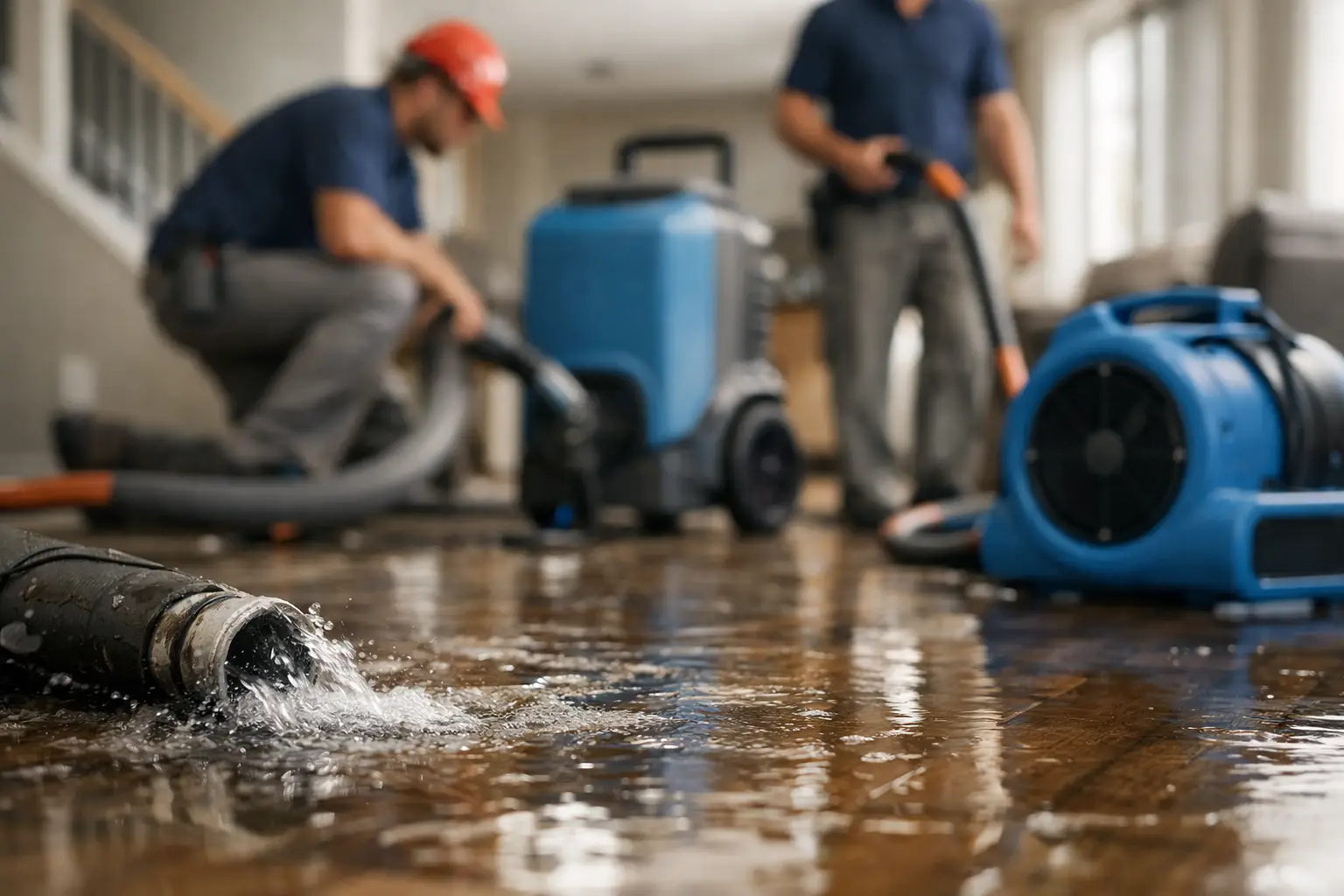
Burst pipe repair Sandy Springs starts with stopping the flow, limiting spread, and getting the structure checked before water reaches drywall, floors, or cabinets. I handle the restoration side from our Mableton base with IICRC-certified technicians, direct insurance billing, and a 12-month warranty. Call us the minute you see the leak.
IICRC-Certified · 5-Star Rated · 60-Minute Response · Insurance Billed Directly
Often the restoration side is part of the claim, especially when wall materials or insulation need removal and drying. I document the affected areas and bill the carrier directly.
Yes. I factor in the local moisture pattern and the structure itself, because river-adjacent homes can dry differently than homes farther inland.
Yes. We answer 24/7 with 60-minute emergency response, and I move fast when water is still active or hidden inside the structure.
We provide a 12-month warranty on our work. I stand behind the restoration, not just the cleanup.
Shut off the water first, then cut power to wet areas if it is safe, and call us right away. That is the correct first move for burst pipe repair in Sandy Springs because water spreads fast through ceilings, walls, and floors, especially in homes near the Chattahoochee riverside.
I always tell people to act in this order: stop the source, keep people out of standing water, and document the damage before anything gets moved. That sequence matters when you need pipe leak repair, ceiling leak repair, or emergency plumbing repair support after the break.
If the rupture is inside a wall or above a finished ceiling, do not open everything up on your own. Hidden cavities hold moisture. That is where mold starts in 24 to 48 hours, and I have seen small breaks turn into wall leak repair jobs because the first response was too slow.
Sandy Springs properties near the Chattahoochee riverside often deal with extra humidity, shaded lots, and older finishes that trap moisture. A broken pipe repair is never just about the pipe. It is about drying the structure, protecting insulation, and preventing a second claim from missed water behind the surface.
The right fix starts with locating the break, stopping active water, and deciding whether the damaged section needs patching or pipe replacement. Then we handle cleanup, drying, and restoration so the home is safe. That is how I approach burst pipe repair, not as a quick patch and walk away.
Some breaks are obvious, and some are hidden behind drywall or under a sink cabinet. We inspect the wet path, trace the source, and determine whether the problem is isolated pipe leak repair or a larger water line repair issue that affects connected runs.
When the pipe itself is compromised, I do not guess. A brittle section, corroded fitting, or split line often means broken pipe repair alone is not enough, and a targeted pipe replacement is the better answer. The goal is to stop repeat damage, not chase leaks one by one.
In Sandy Springs, homes close to the Chattahoochee riverside can have water migration that follows framing and trim in surprising ways. That is why I inspect floors, baseboards, and the underside of ceilings before I call the job complete. The break is one problem, the water path is the second.
Yes, the response can be quick, but the whole job is not just the pipe. We offer 60-minute emergency response 24/7, then IICRC-certified technicians assess the damage, begin mitigation, and coordinate the repair plan. Quick action reduces the chance of ceiling, wall, and cabinet loss.
Speed matters most in the first hour. If the water is still active, every minute raises the chance of warped flooring, soaked drywall, and a larger ceiling leak repair scope. I move fast on the restoration side because the structure does not wait for a convenient time.
A rapid response also helps with insurance documentation. We do direct insurance billing, and that keeps the process cleaner when the claim is tied to emergency plumbing repair, pipe leak repair, or water line repair caused by a sudden failure.
Quick does not mean careless. I want the source shut down, moisture mapped, and damaged materials evaluated before anything gets sealed up again. That is how I keep a burst pipe repair from turning into a recurring wall leak repair call two weeks later.
Yes, it absolutely does. Stopped water is not dry water, and the damage left behind can keep spreading through framing, insulation, and subfloors. Water cleanup is part of proper burst pipe repair because standing moisture and trapped humidity keep the problem alive long after the pipe is fixed.
I have seen homeowners assume the job ends once the plumbing issue is resolved. It does not. You still need extraction, drying, and surface checks, especially if water reached a lower level, a basement-like area, or the underside of a second-floor ceiling.
Water cleanup is where hidden damage gets caught early. That matters for ceiling leak repair, wall leak repair, and pipe replacement decisions when water has soaked materials that cannot dry in place. If insulation stays wet, the smell and the mold risk stay too.
Near the Chattahoochee riverside, ambient moisture makes drying more demanding than people expect. A surface that feels fine can still hold moisture behind it. That is why I treat cleanup as part of the repair, not an optional extra after the visible puddle is gone.
If water stains spread, ceilings sag, walls swell, or flooring buckles, the problem is bigger than a small pipe leak repair. Those are signs the water traveled far from the source. In that case, I inspect for broken pipe repair needs, hidden moisture, and structural drying.
Some of the clearest warning signs show up far away from the actual break. You may see a stain under a light fixture, bubbling paint, or a damp baseboard in another room. That is common when water follows framing from a failed line overhead.
A burst line near a kitchen, laundry area, or mechanical closet can create secondary damage that looks unrelated at first. I check for cabinet swelling, subfloor softness, and trim separation because those clues often point to a larger water line repair or pipe replacement issue.
In Sandy Springs, homes with finished basements, open floor plans, or older additions need careful inspection. The Chattahoochee riverside setting can add moisture to the equation, but the real danger is trusting the surface. Water likes to hide. I do not trust it.
Location matters because homes near the Chattahoochee riverside can hold moisture longer, especially in shaded or heavily landscaped areas. That affects drying, odor, and mold risk. I adjust the restoration plan to the structure, the water path, and the conditions around the property, not just the leak itself.
Sandy Springs has a mix of older neighborhoods, renovated homes, and properties close to the river corridor. That mix means different construction details, different finishes, and different risk points. A burst pipe in one house may be obvious, while another hides water in trim, insulation, or subfloor layers.
The Chattahoochee riverside also means a lot of homes sit in mature tree cover or shaded pockets that dry more slowly. That does not change the need for urgent action. It changes how carefully I monitor moisture and decide what can stay, what has to come out, and what needs drying.
I work restoration in Metro Atlanta, and I know local damage patterns matter. The right burst pipe repair in Sandy Springs should account for the neighborhood, the build, and the water path. If those three things are ignored, the job is not finished, it is postponed.
This is step one. Stop the source before the leak reaches more rooms, ceilings, or cabinets. If you cannot find the shutoff fast, call us and stay focused on keeping the water from spreading.
Do not stand in water around active electrical risk. If the wet area involves outlets, lights, or appliances, leave that zone alone until it is safe to inspect and dry.
Take clear photos of floors, ceilings, walls, and affected belongings. Insurance files go smoother when the damage is visible before anything is moved, torn out, or dried.
Burst pipe repair is not only a plumbing issue. You need extraction, drying, and damage control. We offer 60-minute emergency response 24/7 and direct insurance billing.
Wet drywall, insulation, and trim can hold moisture behind the surface. That is how odor, staining, and mold risk grow. Leave the area open until it is properly assessed.
From emergency mitigation to full reconstruction, handled in-house so you are never managing a chain of subcontractors mid-crisis.
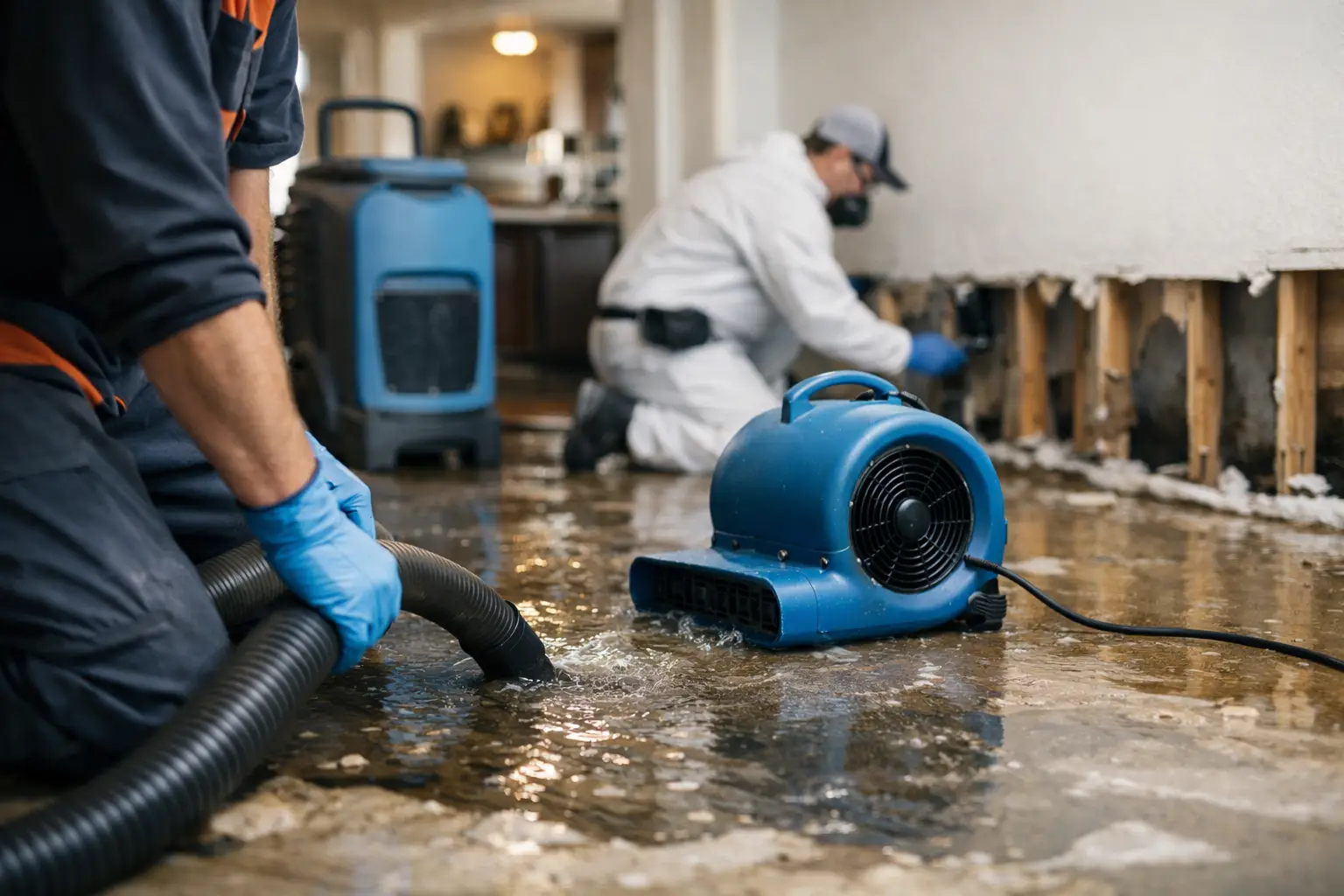 Water Damage
Extraction, structural drying, and moisture mapping after floods, leaks, and burst pipes.
Get help now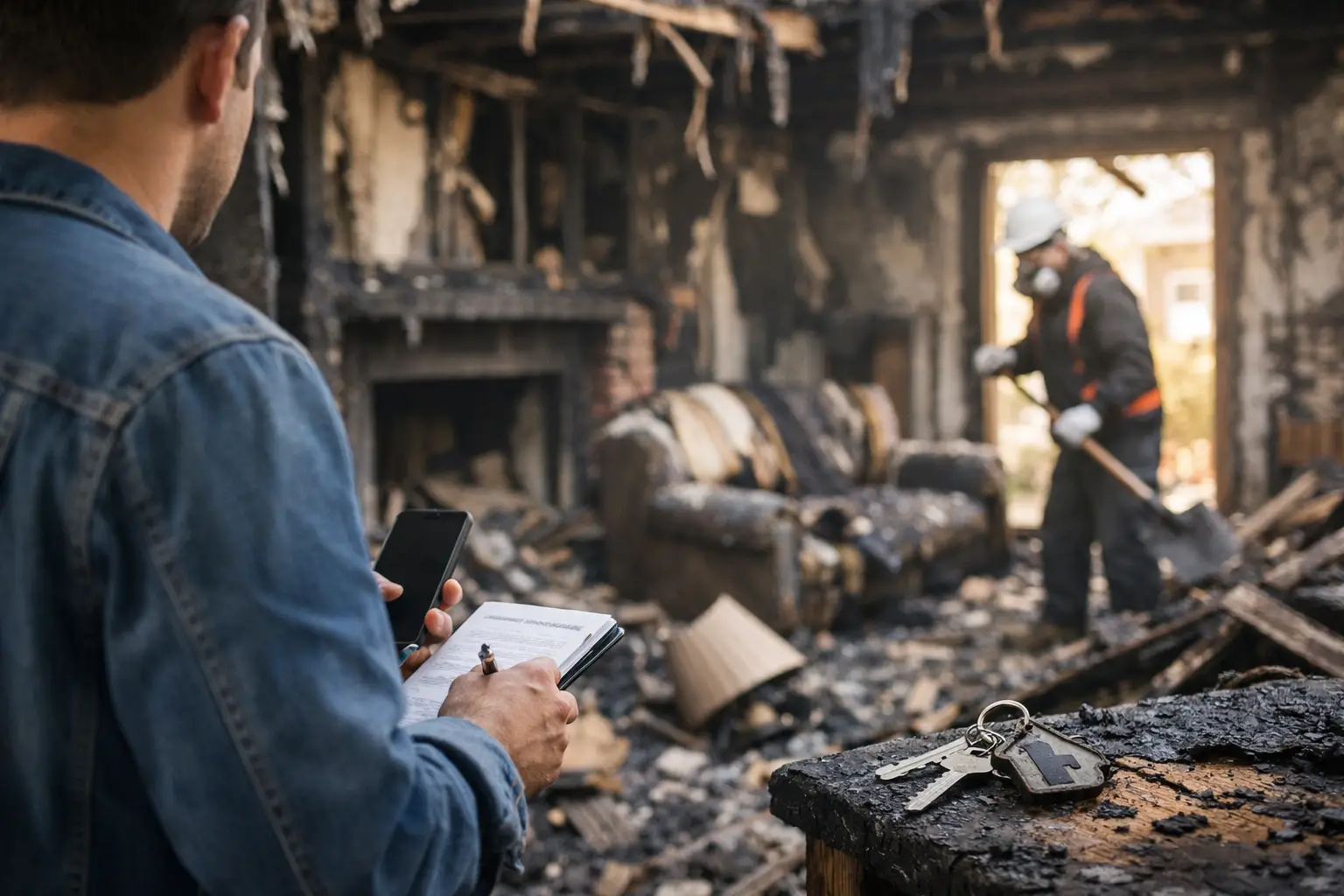 Fire & Smoke
Soot removal, odor deodorization, and content cleaning after fire and smoke damage.
Learn more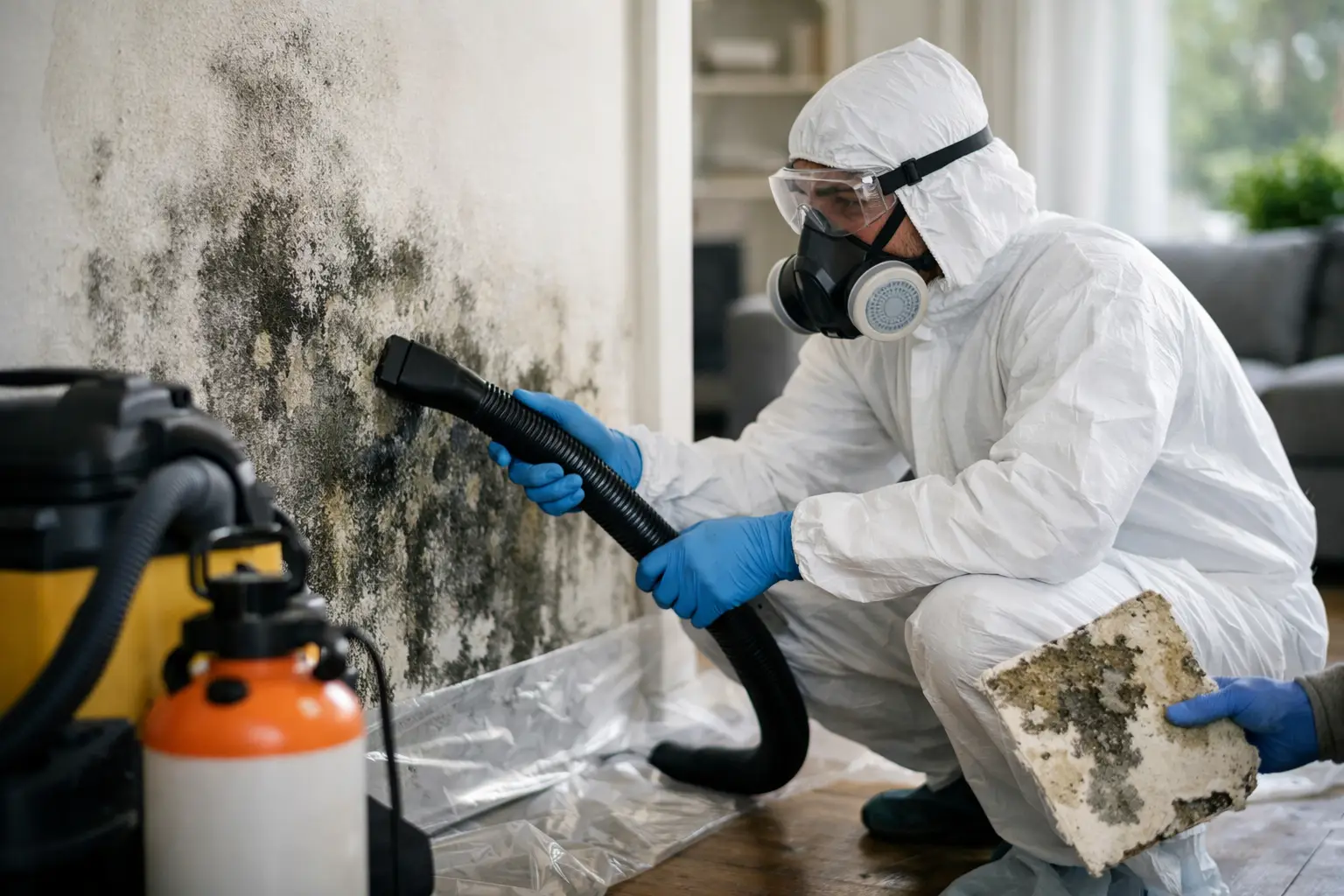 Mold
MoldContainment, removal, and moisture control that stops mold from coming back.
Learn more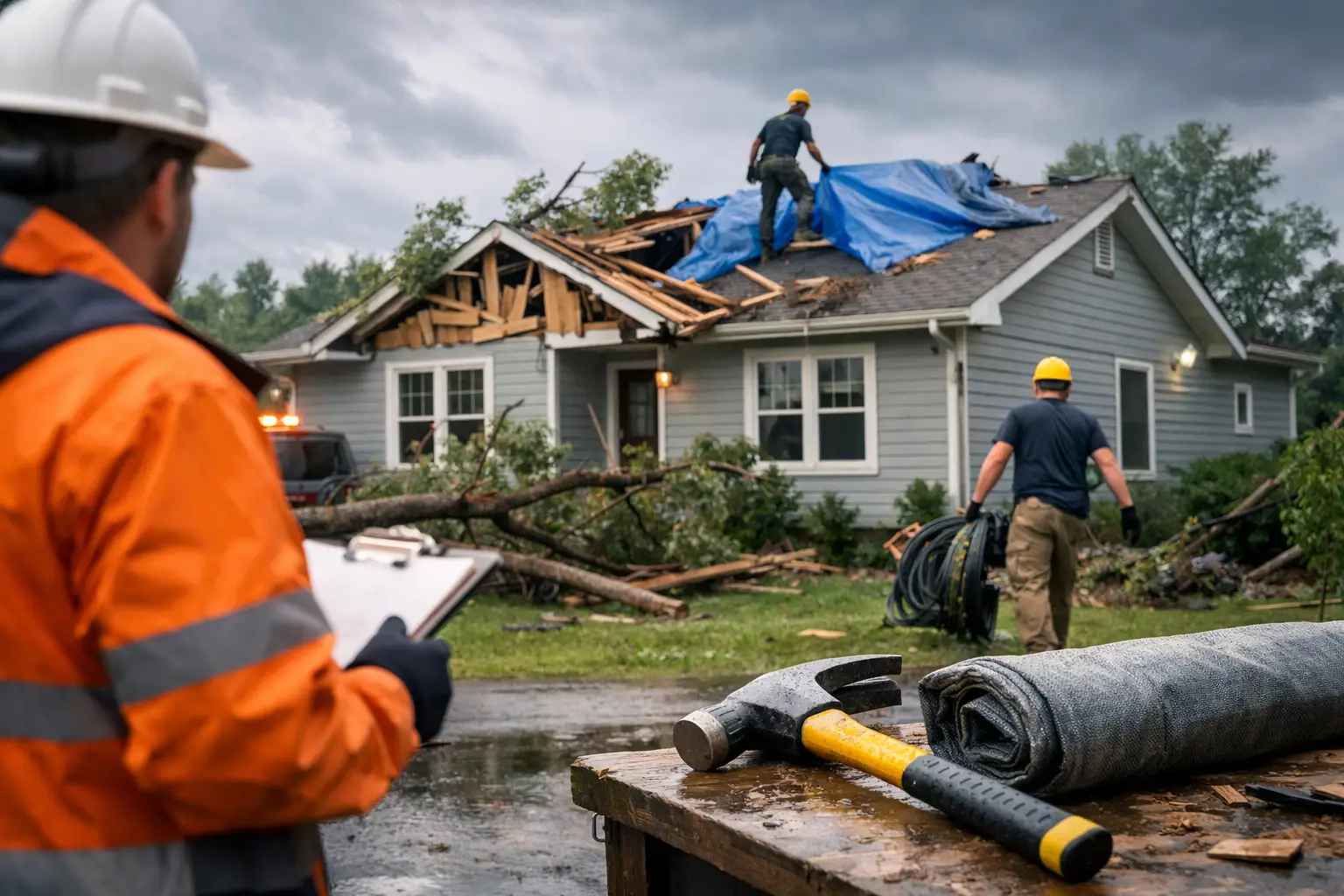 Storm
StormEmergency board-up, roof tarping, and full recovery after wind, hail, and storms.
Learn more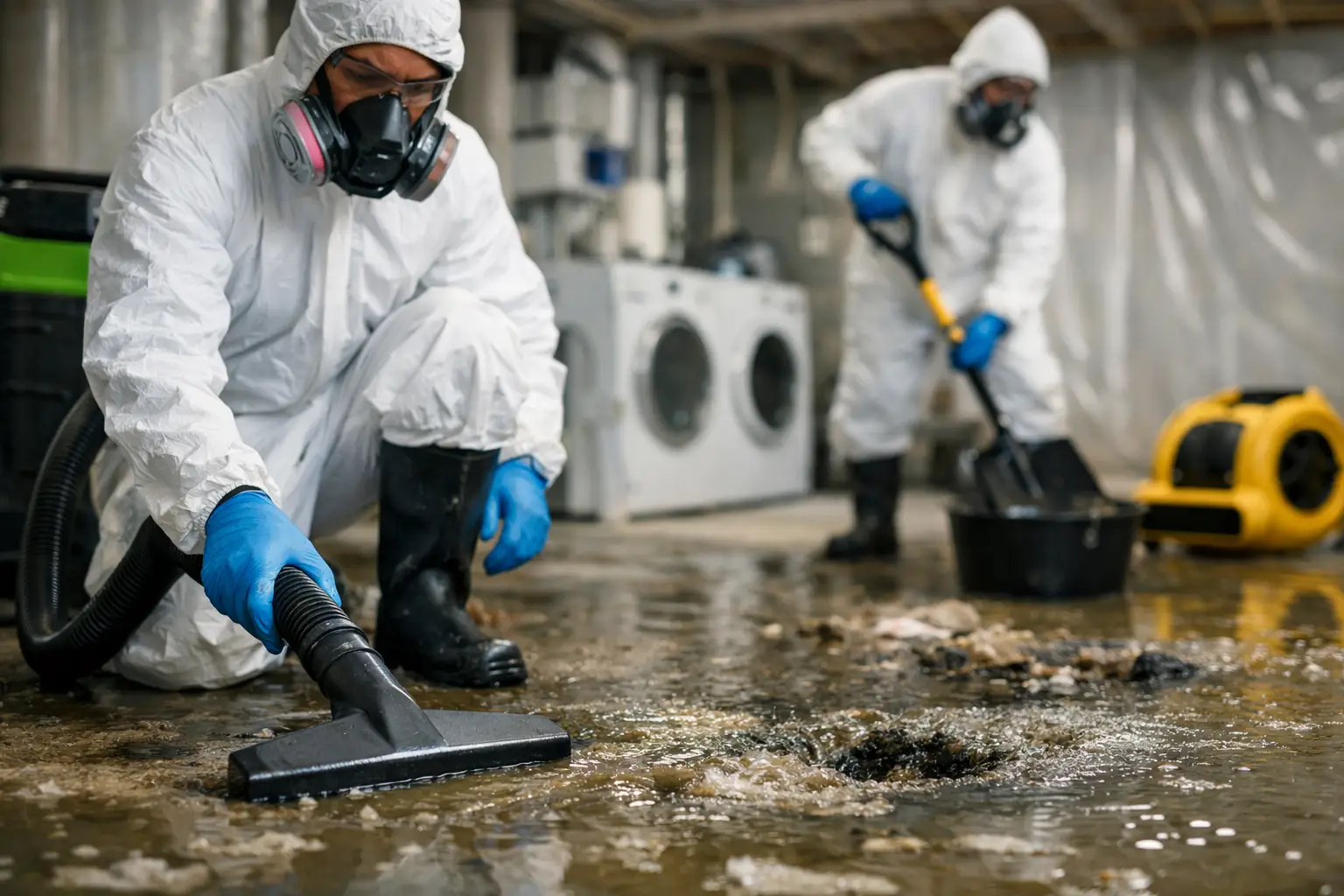 Sewage
Safe biohazard cleanup and sanitizing after sewage backups and overflows.
Learn more Reconstruction
Full rebuild by a licensed general contractor, so your property comes back whole.
Learn moreElevated Operations is an IICRC-certified, licensed general contractor based in Mableton that handles the entire recovery in-house, so after one loss you are never coordinating a cleanup crew, a mold crew, and a contractor separately. One team, one point of contact, from the first pump-out to the final coat of paint.
People call when the property feels like a disaster. They leave reviews because Chris and the crew made it right. These are real, verified Google reviews.
Turn off the water immediately, then keep people away from the wet area and document the damage. If water is near electrical fixtures, stay clear and call for help. I treat this as a restoration emergency because the water path can run through walls, ceilings, and cabinets fast.
I look at the condition of the damaged section, the source of the rupture, and whether the line is likely to fail again. A small isolated break may be handled differently than corrosion, freezing damage, or repeated leaks. If the pipe itself is unstable, pipe replacement is usually the cleaner fix.
Yes. If the burst is above a finished ceiling, I inspect the stain, the cavity, and the insulation, then decide what has to come out. Ceiling leak repair is often part of the bigger job because water rarely stays where it first landed.
Yes, and that happens often. A plumber may stop the water, but the home still needs water cleanup, drying, and structural evaluation. If the leak already spread into walls, floors, or trim, I step in on the restoration side and manage the damage that remains.
It means we bill the insurance carrier directly for the covered restoration work, which helps reduce back-and-forth for the homeowner. I still recommend keeping your photos and notes, because clear documentation helps support the claim from the start.
We offer 60-minute emergency response 24/7. That matters because water damage spreads quickly, especially in finished spaces. I want the source contained, the damage assessed, and the drying plan started before the problem reaches hidden materials.
Often, yes. Homes near the river corridor can hold humidity longer, so water cleanup has to be more careful. I look for trapped moisture in drywall, baseboards, subfloors, and insulation so the repair does not get masked by surface dryness.
Because waiting gives water time to move. I am Chris Kwangwari, and I run Elevated Operations, LLLP from Mableton with licensed general contractor oversight, IICRC-certified technicians, a 4.9-star Google rating from 73 reviews, and a 12-month warranty on our work.
Elevated Operations dispatches IICRC-certified crews across Metro Atlanta from our Mableton base, with a 60-minute emergency response day or night. Choose your city:
Call now for an immediate response, or request your free inspection and get a certified crew on-site within the hour across Atlanta and nearby areas.