24/7 Emergency Restoration · Serving Metro AtlantaEmergency? (770) 404-6895
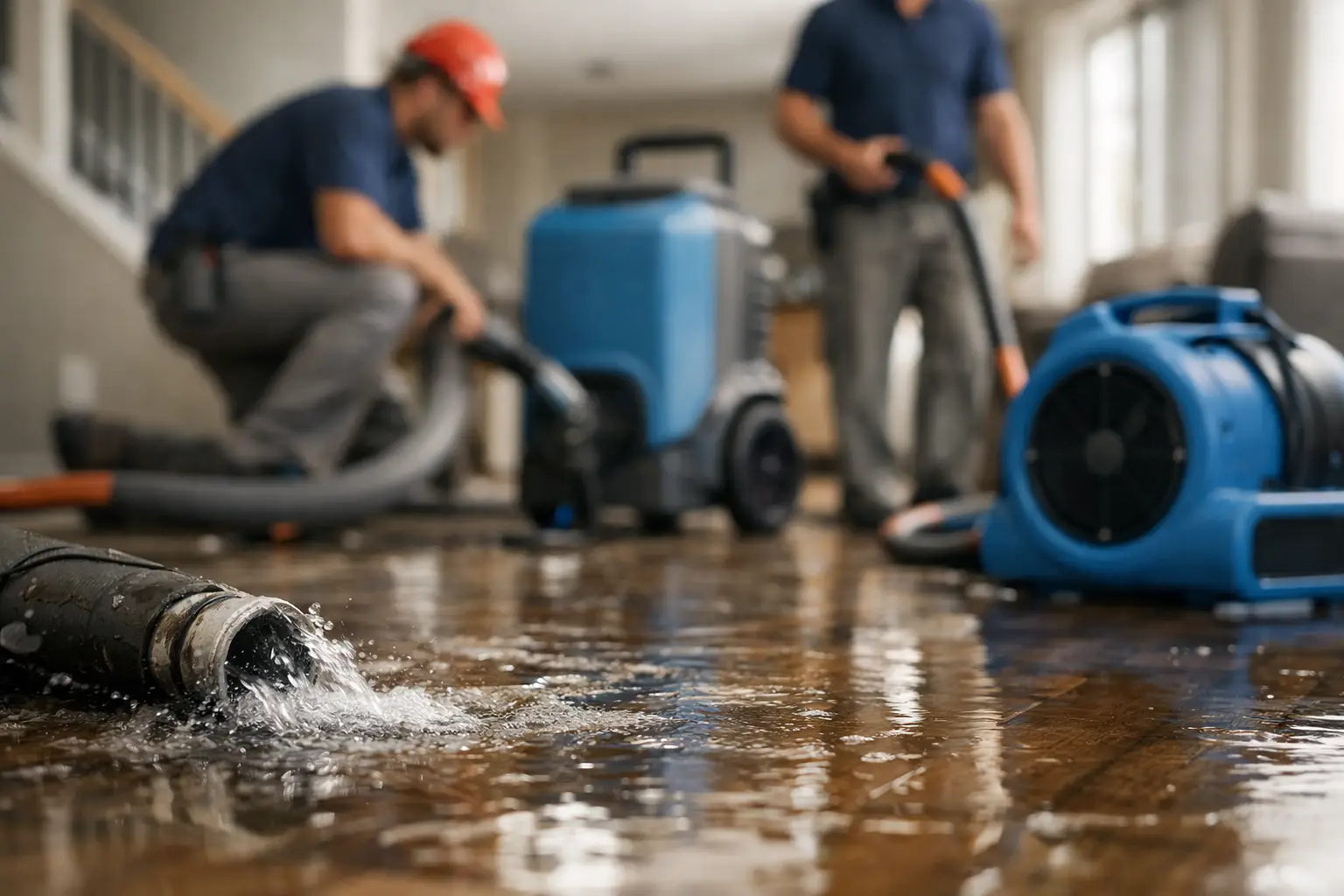
A sewage cleanup company in Vinings handles black water, disinfection services, and contaminated water removal after a sanitary sewer backup or toilet overflow cleanup. In an upscale Cobb community near the Chattahoochee, condos and older homes need fast, careful work because sewage spreads into finishes, air, and hidden spaces.
IICRC-Certified · 5-Star Rated · 60-Minute Response · Insurance Billed Directly
Yes. Shared wall cavities, plumbing chases, and floor assemblies can move contamination beyond the first room. That is why condo losses need careful containment.
Often it is. Strong odor usually means wastewater reached a porous material or cavity. Odor removal has to target the source, not just the air.
I serve Cobb, Fulton, DeKalb, Douglas, Clayton, Henry, and Paulding counties from our Mableton base.
I do. I am Chris Kwangwari, and I run Elevated Operations, LLLP as a licensed general contractor with restoration experience going back to 2007.
A sewage cleanup company removes contaminated water, cleans affected surfaces, disinfects the area, and helps stop odor and microbial growth after a backup. In Vinings, that often means working in condos, townhomes, and upscale homes where water can move through shared walls, floors, and mechanical spaces quickly.
I start with safety and source control. Sewage is not ordinary water, and I treat it that way. The work usually includes contamination removal, disinfection services, drying, and odor removal so the space can be used again without lingering hazards or smell.
In Vinings, the property mix matters. You have condos near major corridors, older homes in established neighborhoods, and buildings close to the Chattahoochee corridor where plumbing systems, shared drains, and lower levels can make a small sanitary sewer backup turn into a bigger cleanup.
A real sewage cleanup company does more than mop. It isolates the area, removes damaged materials when needed, documents conditions for insurance, and uses IICRC-certified technicians who understand how black water behaves in carpet, drywall, trim, subfloor, and HVAC-adjacent spaces.
Sewage backup usually happens when a drain line, branch line, or municipal sewer path gets blocked, overloaded, or damaged. In Vinings, that can show up in condos and hillside properties where drainage, age, and shared plumbing create pressure points that push wastewater back into tubs, toilets, or floor drains.
Vinings sits in an upscale Cobb area near the Chattahoochee, and the local building mix can make plumbing issues harder to predict. Condos may share stacks and lines, while older houses may have aging drain components that fail without much warning.
Heavy rain can matter too, especially when stormwater and sewer systems are stressed at the same time. A sanitary sewer backup is not always caused by one homeowner’s habit. Sometimes the problem is a blockage downstream, a damaged line, or a low spot that lets contaminated water return into the structure.
I see people assume sewage only comes from the toilet. Not true. It can surface at showers, laundry rooms, basement drains, and utility spaces. When that happens, the location inside the property often tells me how the water traveled and what materials it touched first.
Yes, sewage backup is treated as a biohazard because it can contain harmful bacteria, viruses, and other contaminants. That is why black water cleanup requires protective equipment, careful containment, and proper disinfection rather than basic household cleaning, especially in shared-wall condos or finished lower levels.
People sometimes underestimate the risk because the water may look manageable. It is not. Sewage spill cleanup is about more than appearance, because contaminated water can soak into porous materials and create exposure every time someone walks through the room or touches a surface.
In Vinings condos, a biohazard issue can spread from one unit into another through framing, penetrations, or shared service areas. That is why I take containment seriously. The goal is to keep the problem from moving while the affected area is being cleaned and dried.
Odor is part of the biohazard problem. If the source is not fully removed, the smell can linger in baseboards, insulation, and subfloor cavities. Proper biohazard cleanup includes source removal, thorough cleaning, and the kind of disinfection work that reduces long-term contamination risk.
Professional sewage cleanup starts with stopping the source, then removing standing wastewater, contaminated debris, and damaged materials. Next comes cleaning, disinfection, drying, and odor control. In a Vinings house or condo, the process has to account for hidden moisture in walls, cabinets, and flooring assemblies.
I follow a clear sequence. First, I assess the spread and identify whether the issue is a toilet overflow cleanup, a larger black water cleanup, or a deeper sanitary sewer backup. Then I map what can be saved and what needs removal.
Contaminated water removal comes before everything else. After that, I clean hard surfaces, treat affected areas with the right disinfectants, and dry the structure with professional equipment. If the water reached carpet pad, drywall, insulation, or laminate underlayment, those materials often cannot be left in place safely.
Vinings properties often have finished living spaces, storage rooms, or lower-level areas near the Chattahoochee corridor that hide moisture well. That is where a homeowner can think the room is dry while the wall cavity or flooring layer is still holding contamination and odor.
Sewage can stain, weaken, and contaminate building materials, especially porous finishes like carpet, drywall, insulation, and trim. In Vinings condos and homes, it can also affect subfloors, cabinets, and shared building assemblies, which makes the cleanup more technical than a simple surface wash.
The visible mess is only part of it. Sewage damage can lead to warping, swelling, and hidden microbial growth in materials that keep moisture. That matters in condos because a leak or backup may travel to adjacent units or common chases before anyone sees the full source.
I also watch for odor penetration. Bad smell often means wastewater reached places you cannot see, which is why odor removal is a real part of restoration and not a cosmetic extra. If the source remains in wall cavities, the smell usually does too.
After a sewage spill cleanup, surfaces can look acceptable and still be unsafe. That is why I pay attention to what is under flooring, behind baseboards, and inside lower cabinets. In a finished Vinings property, those hidden areas often determine whether materials can be restored or need removal.
Professional restoration begins with inspection, containment, and documentation, then moves to removal, cleaning, disinfection, drying, and verification. In Vinings, I also coordinate directly with insurance, provide deductible assistance up to $1,000, and back the work with a 12-month warranty.
My team at Elevated Operations, LLLP has been in restoration since 2007, and I run the company with the mindset that cleanup has to be controlled and documented. I am a licensed general contractor, and that matters when sewage damage turns into repair decisions.
We answer emergencies 24/7 with 60-minute emergency response, because sewage does not wait for business hours. Our IICRC-certified technicians handle the cleanup, and we use direct insurance billing so homeowners are not stuck managing every piece of the claim during a stressful cleanup.
Vinings clients often want to know whether the structure can be put back the same way. Sometimes yes, sometimes no. The answer depends on how far contaminated water traveled, what got wet, and whether the materials can be cleaned to a safe condition without trapping odor or moisture.
A sewage cleanup company is not doing basic housekeeping. The work involves biohazard cleanup, source removal, disinfection, and drying because black water can carry contaminants into building materials and air spaces.
In Vinings, condos and shared buildings can spread wastewater through walls, floor systems, and utility chases. That changes how I contain the loss and how I check for hidden damage beyond the obvious room.
Odor removal is not only about smell. Persistent odor often means sewage reached porous material or a hidden cavity, so the cleanup has to address the source, not just cover the symptom.
After sewage damage, porous materials may need removal because they hold contamination. The decision is based on exposure, saturation, and how far the black water moved through the structure.
Direct insurance billing and clear records make a difficult process more manageable. I document what was affected, what was removed, and what was cleaned so the restoration path stays organized.
From emergency mitigation to full reconstruction, handled in-house so you are never managing a chain of subcontractors mid-crisis.
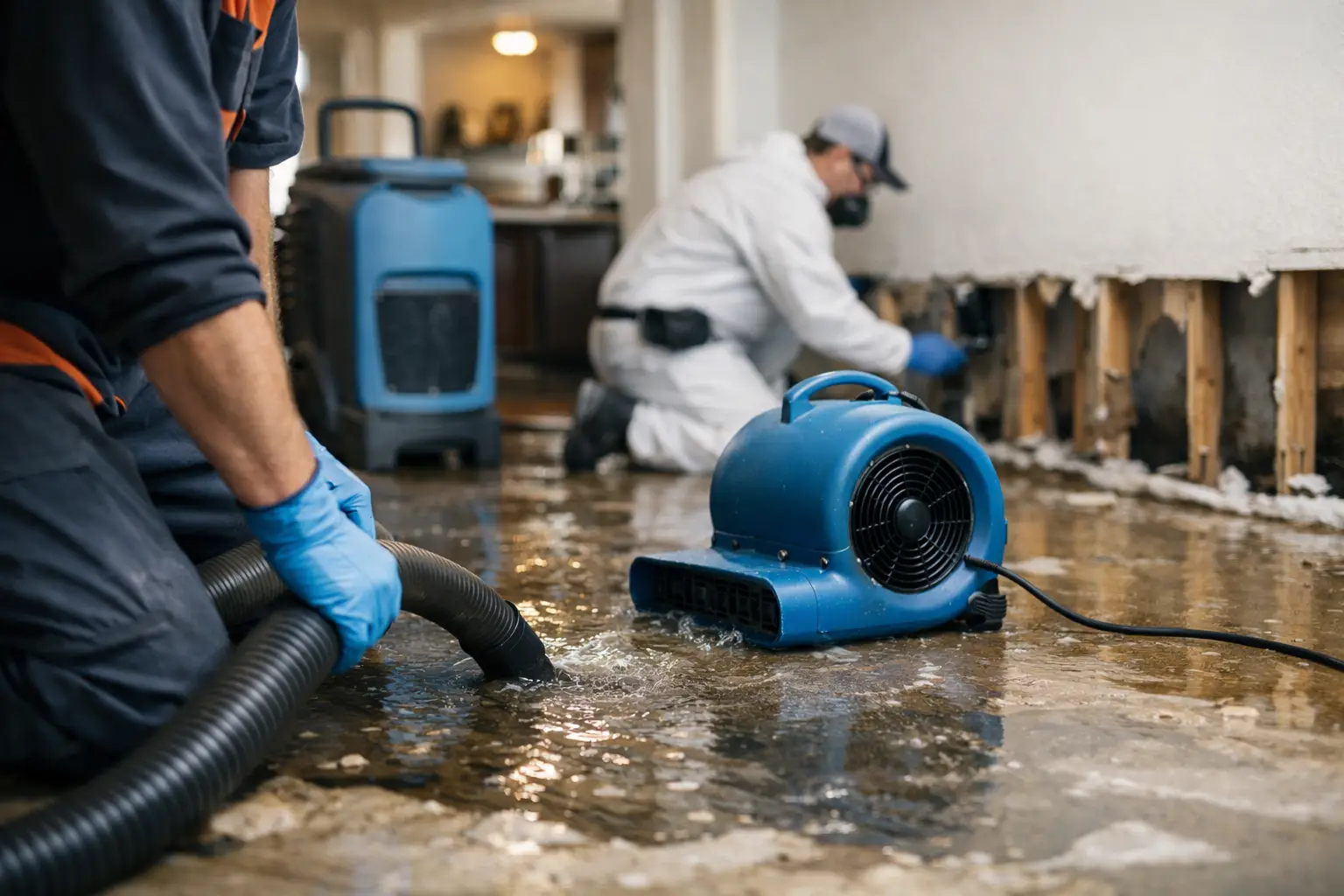 Water Damage
Extraction, structural drying, and moisture mapping after floods, leaks, and burst pipes.
Get help now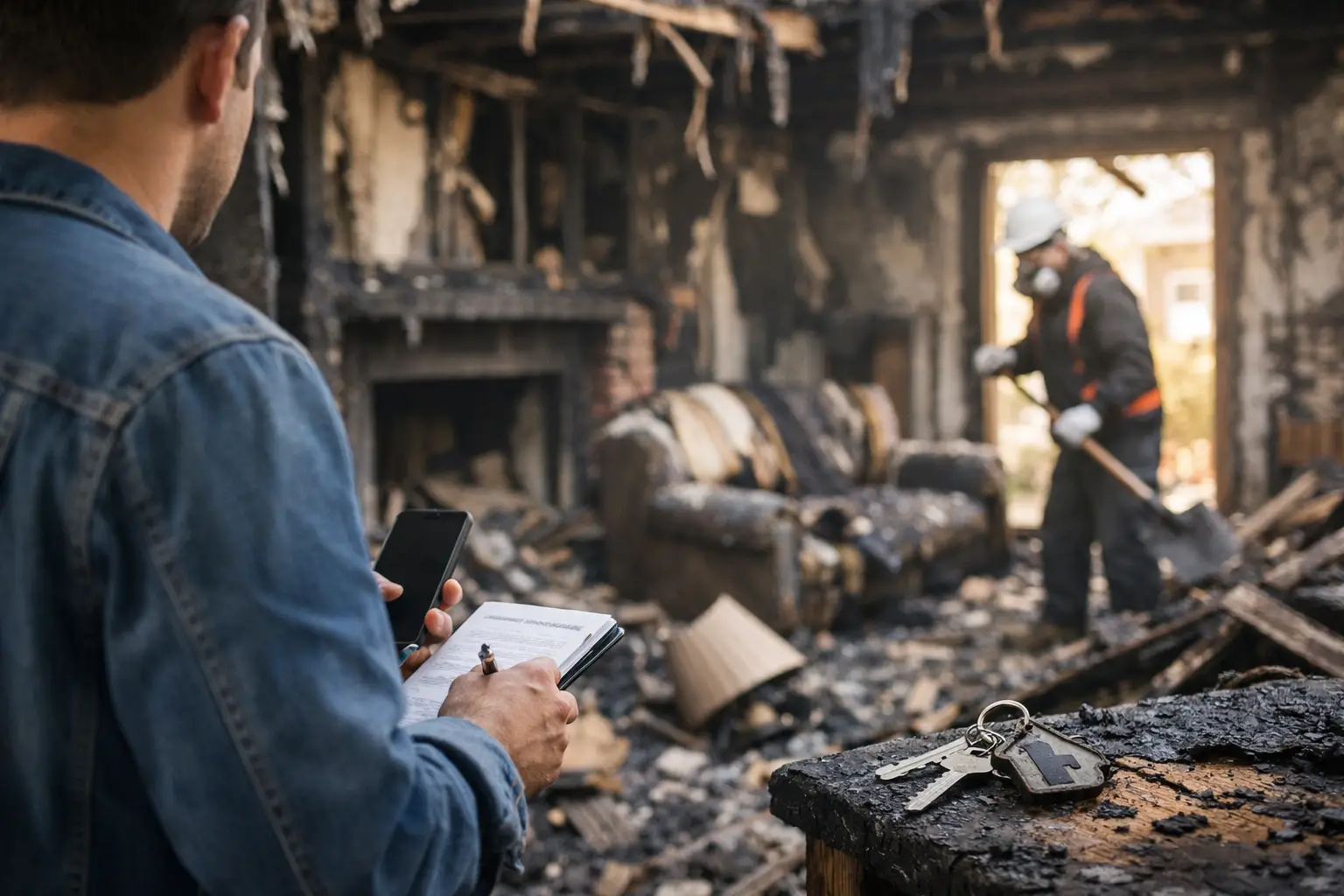 Fire & Smoke
Soot removal, odor deodorization, and content cleaning after fire and smoke damage.
Learn more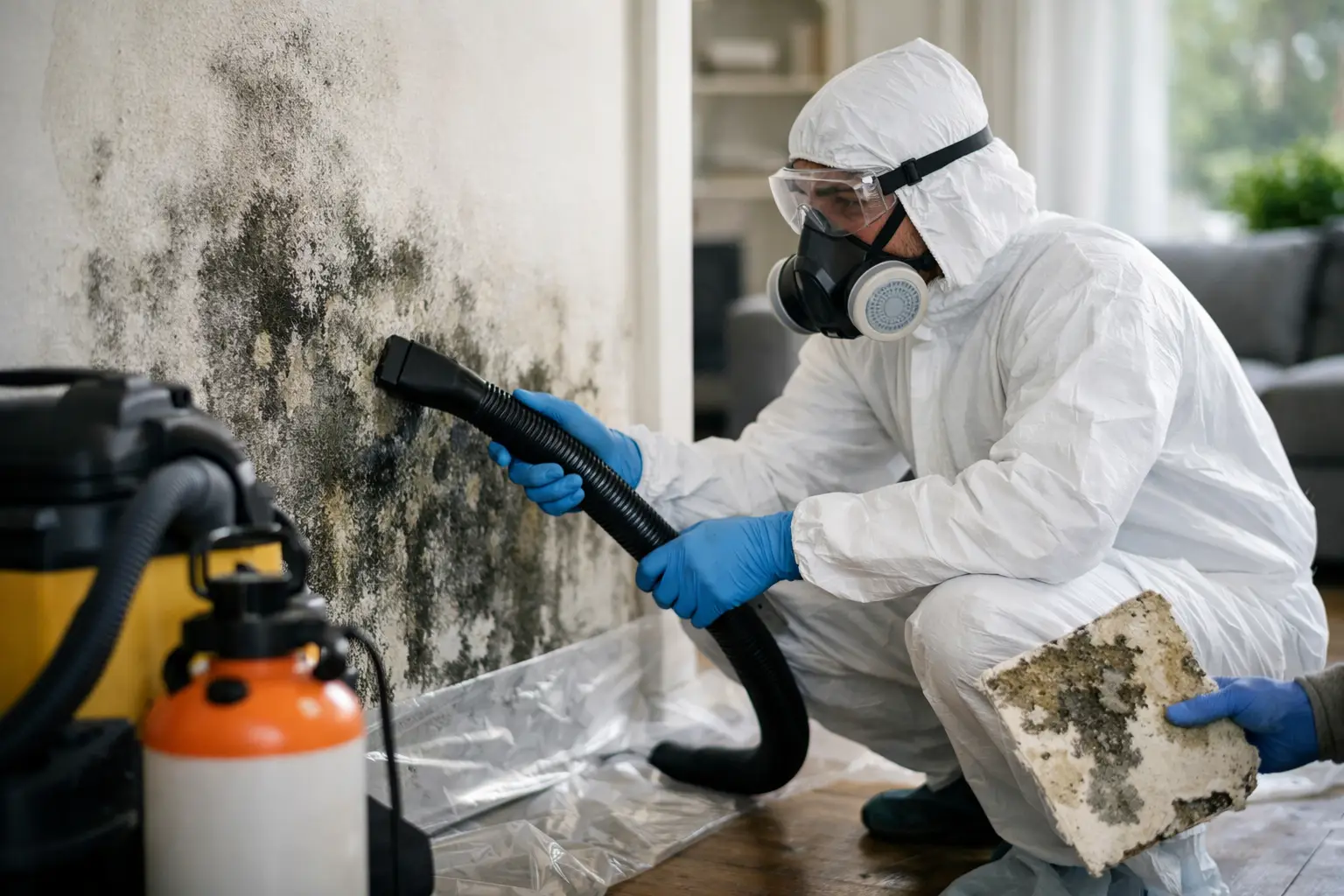 Mold
MoldContainment, removal, and moisture control that stops mold from coming back.
Learn more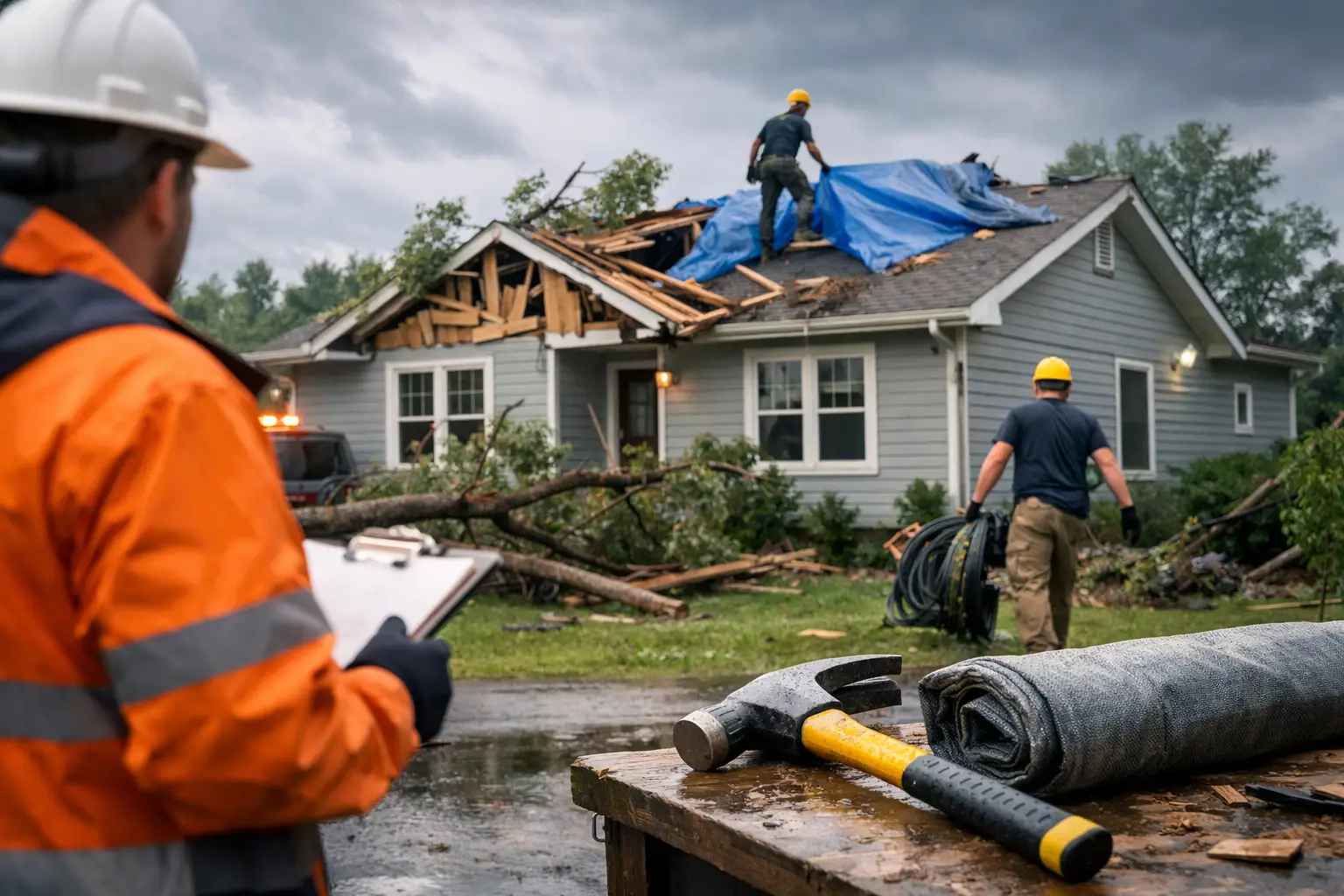 Storm
StormEmergency board-up, roof tarping, and full recovery after wind, hail, and storms.
Learn more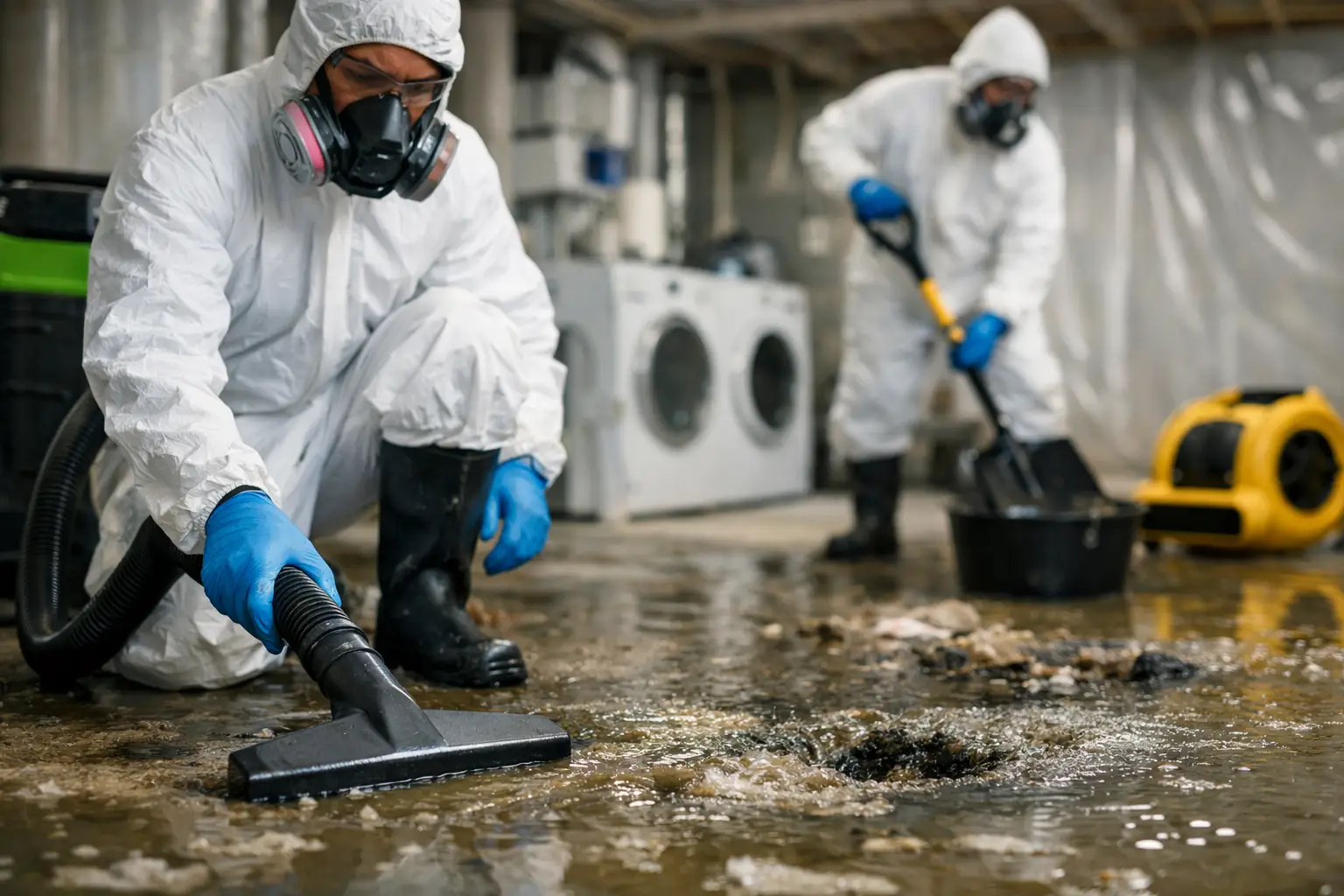 Sewage
Safe biohazard cleanup and sanitizing after sewage backups and overflows.
Learn more Reconstruction
Full rebuild by a licensed general contractor, so your property comes back whole.
Learn moreElevated Operations is an IICRC-certified, licensed general contractor based in Mableton that handles the entire recovery in-house, so after one loss you are never coordinating a cleanup crew, a mold crew, and a contractor separately. One team, one point of contact, from the first pump-out to the final coat of paint.
People call when the property feels like a disaster. They leave reviews because Chris and the crew made it right. These are real, verified Google reviews.
If the issue is only a clog with no wastewater exposure, a plumber may handle the line. If sewage has escaped into flooring, drywall, a hallway, or a neighboring unit, that becomes cleanup and restoration work. Once contamination is involved, I treat it as sewage spill cleanup, not just a plumbing repair.
Older drain components, shared vertical lines, and settled structures can all create failure points. In a condo, one blocked stack can affect multiple units. In older homes, aging pipe materials and low spots can let wastewater return inside instead of moving out. That is why local structure type matters so much.
Toilet overflow cleanup can still involve contamination, but black water cleanup usually means the wastewater has come from the sewer system or a heavily contaminated source. That raises the level of cleaning, disinfection services, and material removal. I do not treat those two situations the same way.
Mold starts in 24 to 48 hours when wet conditions remain. Sewage makes that timeline more serious because contamination and moisture can linger in hidden spaces. In lower levels near the Chattahoochee area, finished basements and storage rooms can hold water longer than people expect.
Yes, if wastewater contacted porous materials or left residue, biohazard cleanup standards apply. A hallway or closet may look minor, but contamination can travel through carpet edge, trim, and wall base. The size of the area does not reduce the health risk.
Sometimes, yes. If materials are nonporous and exposure is limited, cleaning and disinfection may be enough. But if sewage soaked carpet pad, drywall, insulation, or laminate layers, removal is usually the safer call. I decide based on where the water went and how long it sat.
Expect documentation, photos, scope notes, and direct insurance billing if the contractor offers it. I also work with deductible assistance up to $1,000 when it applies. The goal is to keep the process organized while the cleanup, drying, and repair decisions move forward.
A warranty shows the contractor stands behind the restoration work after the visible cleanup is done. In a place like Vinings, where condos and finished homes have high expectations for results, that matters because the job is not finished when the smell is gone. It is finished when the space is stable.
Elevated Operations dispatches IICRC-certified crews across Metro Atlanta from our Mableton base, with a 60-minute emergency response day or night. Choose your city:
Call now for an immediate response, or request your free inspection and get a certified crew on-site within the hour across Atlanta and nearby areas.