24/7 Emergency Restoration · Serving Metro AtlantaEmergency? (770) 404-6895
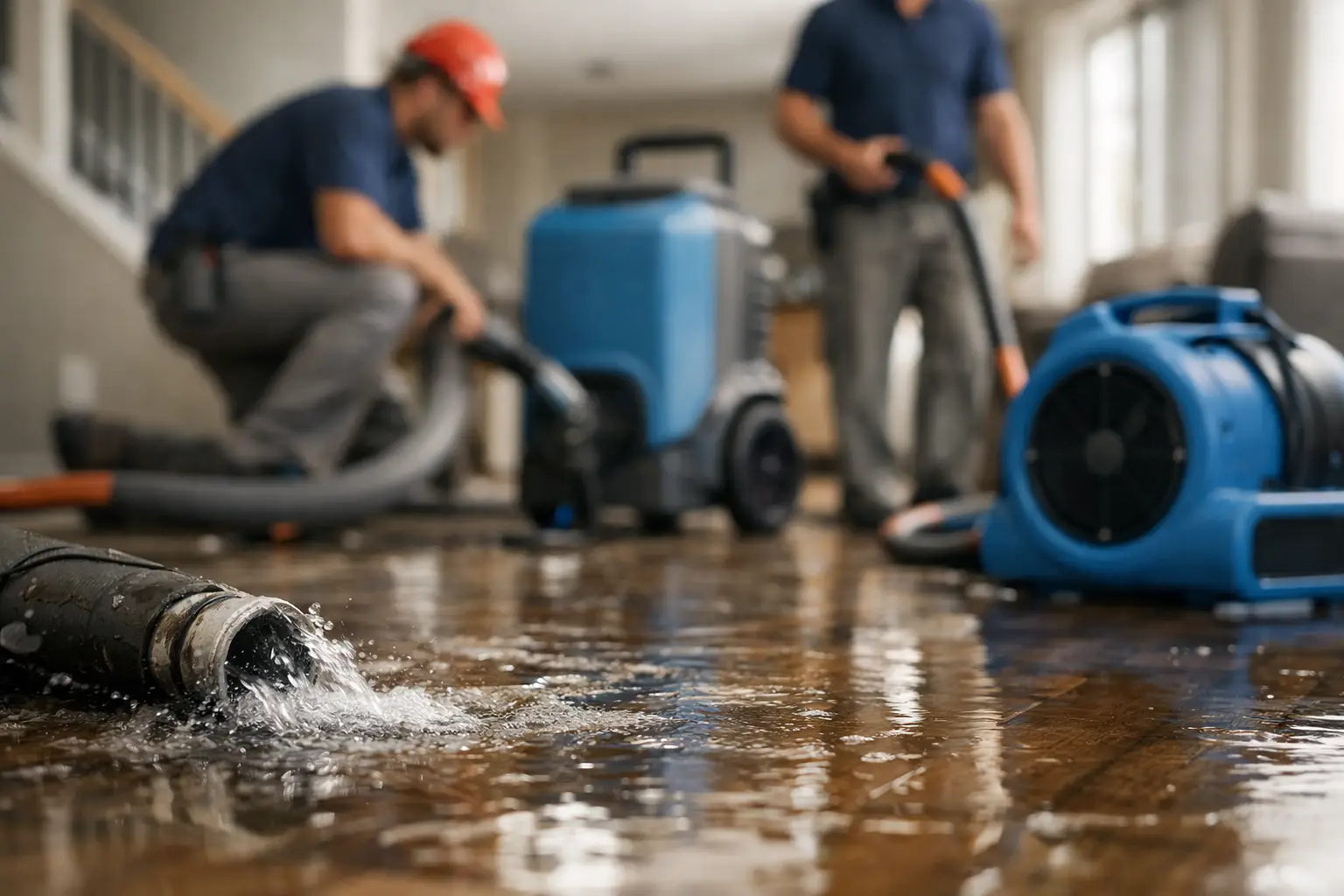
Flooded basement cleanup Lithia Springs needs speed, not guesses. I send IICRC-certified technicians from our Mableton base for 24/7 emergency response, basement water removal, and sewage backup cleanup when needed. The first hour matters, especially near Sweetwater Creek Park and the Dog River, where water can keep moving.
IICRC-Certified · 5-Star Rated · 60-Minute Response · Insurance Billed Directly
Yes. I respond 24/7 with emergency service and start with safety, extraction, and drying.
Yes. My crews are IICRC-certified, and that matters when water touches walls, carpet, and hidden cavities.
Yes. I offer direct insurance billing to keep the process moving while the basement is being stabilized.
I serve Cobb, Fulton, DeKalb, Douglas, Clayton, Henry, and Paulding counties, including Lithia Springs.
Shut off power to the basement if you can do it safely, stop the water source, and call me right away. In Lithia Springs, flooded basement cleanup starts with fast flood water extraction, a quick safety check, and a plan that prevents the damage from spreading toward finished walls and flooring.
Do not walk into standing water if outlets, cords, or appliances are involved. I have seen flood water reach outlets in older Lithia Springs homes, and that turns a water problem into a hazard fast. If the water is near the panel, stay out and wait for a trained crew.
If the basement has carpet, wet carpet removal often has to happen early. That is not overreaction, it is mold prevention. Water trapped under pad and baseboard can start creating problems quickly, especially when the air is warm and the basement does not breathe well.
Near Sweetwater Creek Park and the Dog River, rain can come hard and move fast. If the water came in through walls, drains, or a failed sump, call for basement water removal before it spreads into storage, drywall, and finished spaces. Speed changes the outcome.
I start with water extraction, then identify the source, remove unsalvageable materials, and begin basement drying right away. That is the core of flooded basement cleanup. In Lithia Springs, I also watch for sewage backup cleanup needs, hidden moisture, and anything that could keep feeding the damage.
First, my crew removes standing water with professional flood water extraction equipment. Then we check what the water touched, concrete, framing, insulation, carpet, contents. The answer is never just, dry it out. It is decide what can be saved and what has to come out now.
If the basement has sewage contamination, the process changes immediately. Sewage backup cleanup is not the same as clean water work. I treat it as a health issue, remove contaminated materials, and keep the rest of the structure from cross-contamination. That matters in compact basement layouts.
Lithia Springs properties near wooded drainage paths and creek corridors can hold moisture longer than people expect. IICRC-certified technicians know how to read that space, measure the wet areas, and set up basement drying so moisture does not hide behind walls or under floors.
Yes. A flooded basement can cause mold fast if water sits in carpet, drywall, insulation, or behind trim. Mold prevention depends on rapid basement water removal and drying. In Lithia Springs, that first day is critical because trapped moisture can stay in place even after the surface looks better.
Mold starts in 24 to 48 hours under the right conditions, and basements give it plenty of help. The danger is not only standing water. It is damp pad, damp framing, damp air, and hidden pockets behind finished surfaces that never dry on their own.
That is why I move quickly on wet carpet removal when it is needed. Carpet can hold water deep in the fibers and pad, especially if the basement took in runoff from a storm or a sewer issue. If it stays, the odor and damage usually grow.
Around Sweetwater Creek Park and along the Dog River, humidity and stormwater are part of the story. I do not guess with that. I bring in basement drying equipment early, document the moisture, and keep the structure from turning a cleanup into a larger remediation job.
Drying time depends on the materials, how much water entered, and how quickly basement drying starts. The first day is for extraction and setup, then monitoring continues until moisture readings fall where they should. The sooner flooded basement cleanup begins, the better the drying outcome usually is.
A basement with clean water and limited materials dries faster than one with carpet, paneling, or insulation. That is why speed matters. If water sits overnight, it can move into hidden spaces and turn a straightforward basement water removal job into a longer, more involved project.
I use the first day to get water out, clear damaged materials, and start air movement where it counts. That is the part many homeowners do not see. Drying is not just fans. It is placement, monitoring, and knowing where moisture likes to hide in Lithia Springs basements.
If the basement is in a low-lying spot or near drainage that keeps feeding moisture, drying can slow down. Sweetwater Creek Park and the Dog River remind me that local water does not always leave on schedule. I watch the structure, not the clock on the wall.
Speed matters because water keeps working after the flood stops. It weakens materials, spreads into hidden areas, and raises the chance of mold, odor, and structural damage. In Lithia Springs, fast flooded basement cleanup protects what can still be saved and reduces the size of the repair.
The first hour is about stopping the spread. The first day is about removing water, stabilizing the space, and identifying contamination. After that, the job gets more expensive in labor and materials because moisture has more time to move through the basement assembly.
Homes in Lithia Springs can have basements that were finished later, older block foundations, or storage spaces that hold personal items close to the floor. Once water reaches those areas, every hour matters. I do not wait to see if it dries by itself. It will not.
When I respond, I bring direct insurance billing and deductible assistance up to $1,000 if the claim qualifies. That helps homeowners move quickly instead of delaying the call. And delay is the enemy after water gets into carpet, drywall, and framing.
Yes. If the basement flood includes sewage, I handle sewage backup cleanup as part of the emergency response. That means containment, removal of contaminated materials, sanitation steps, and careful basement drying. In a Lithia Springs basement, I treat that water as hazardous from the start.
Sewage is not a cosmetic issue. It is a contamination issue. If the line backs up into a basement, the surface water is only part of the problem. The materials it touched may need removal, and the clean areas have to stay protected while the work moves forward.
Basements near creek corridors and drainage routes can see mixed water after storms. That is why I inspect before I start tearing out anything. I want to know if we are dealing with clean water, gray water, or sewage backup cleanup, because each one changes the plan.
IICRC-certified technicians know how to separate the safe from the unsalvageable. That matters when people are trying to save stored items, furniture, or finished basement rooms. Fast decisions keep the job cleaner and help the structure dry correctly.
I answer fast, send a crew 24/7, and start the safety check. We look for electrical risk, source control, and where the water is moving. In Lithia Springs, that means tracking how water entered the basement and whether Sweetwater Creek Park or the Dog River weather pattern is still feeding it.
We begin flood water extraction, document damage, and start basement drying. If carpet is saturated, wet carpet removal may happen right away. If sewage is involved, sewage backup cleanup takes priority. The goal is simple, stop the spread and get moisture under control before mold prevention becomes harder.
We monitor moisture, adjust drying equipment, and remove materials that will not recover. This is where hidden dampness gets exposed. In older or finished Lithia Springs basements, I keep checking behind trim, in wall cavities, and around storage areas where water likes to linger.
Once the structure is dry, I move into repair planning as a licensed general contractor. I handle the next step with direct insurance billing when needed and back the work with a 12-month warranty. The point is to close the loop, not leave the basement half fixed.
From emergency mitigation to full reconstruction, handled in-house so you are never managing a chain of subcontractors mid-crisis.
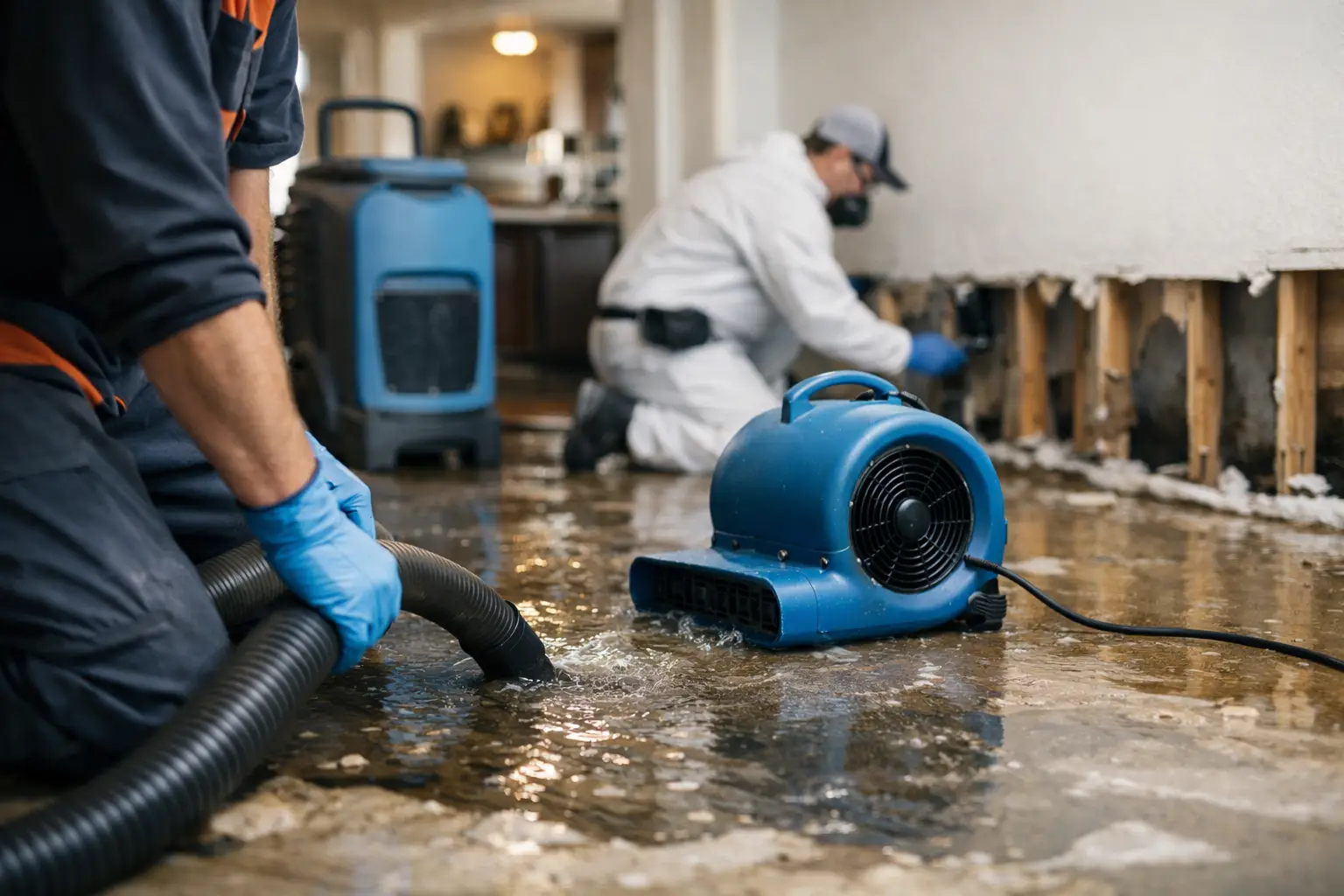 Water Damage
Extraction, structural drying, and moisture mapping after floods, leaks, and burst pipes.
Get help now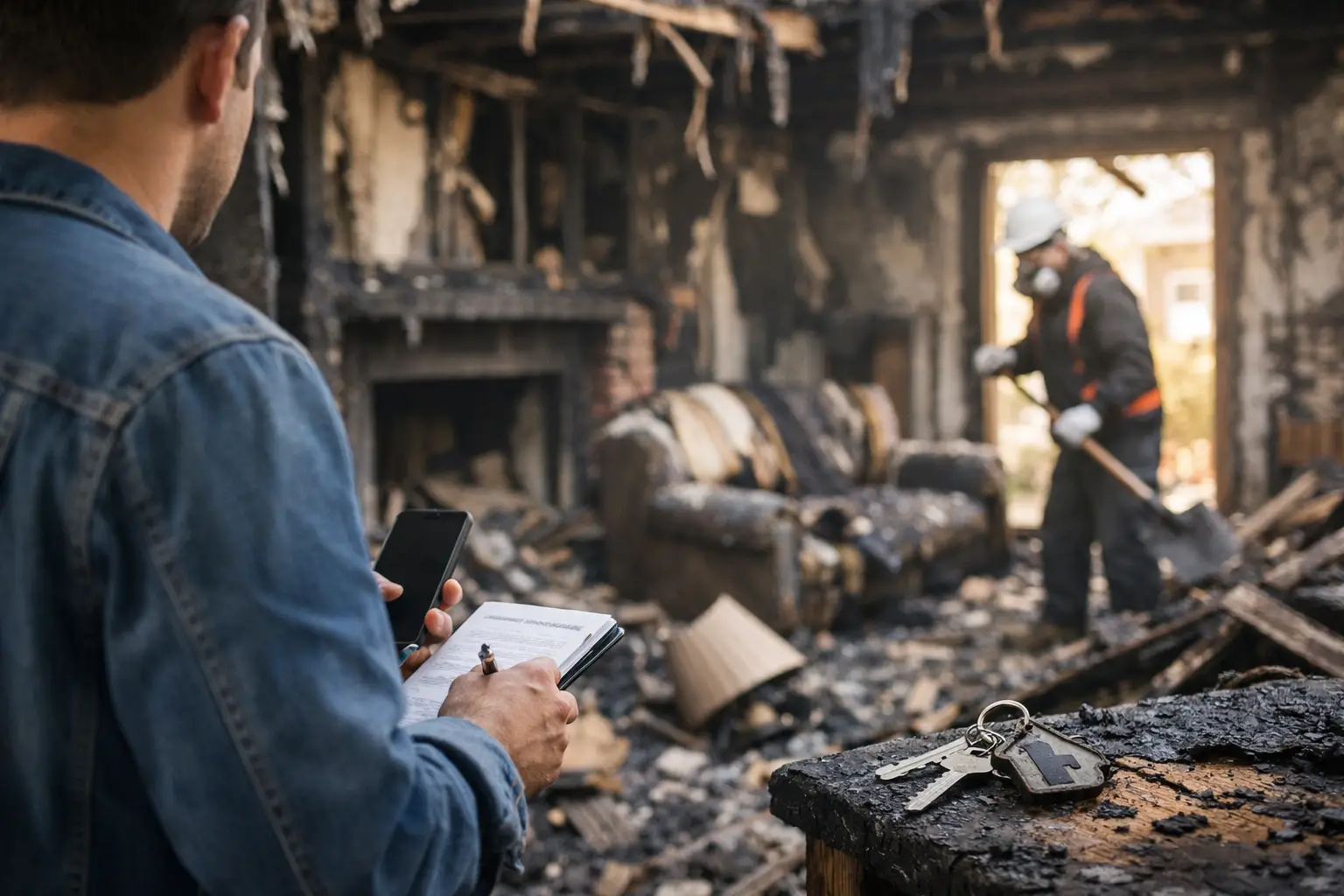 Fire & Smoke
Soot removal, odor deodorization, and content cleaning after fire and smoke damage.
Learn more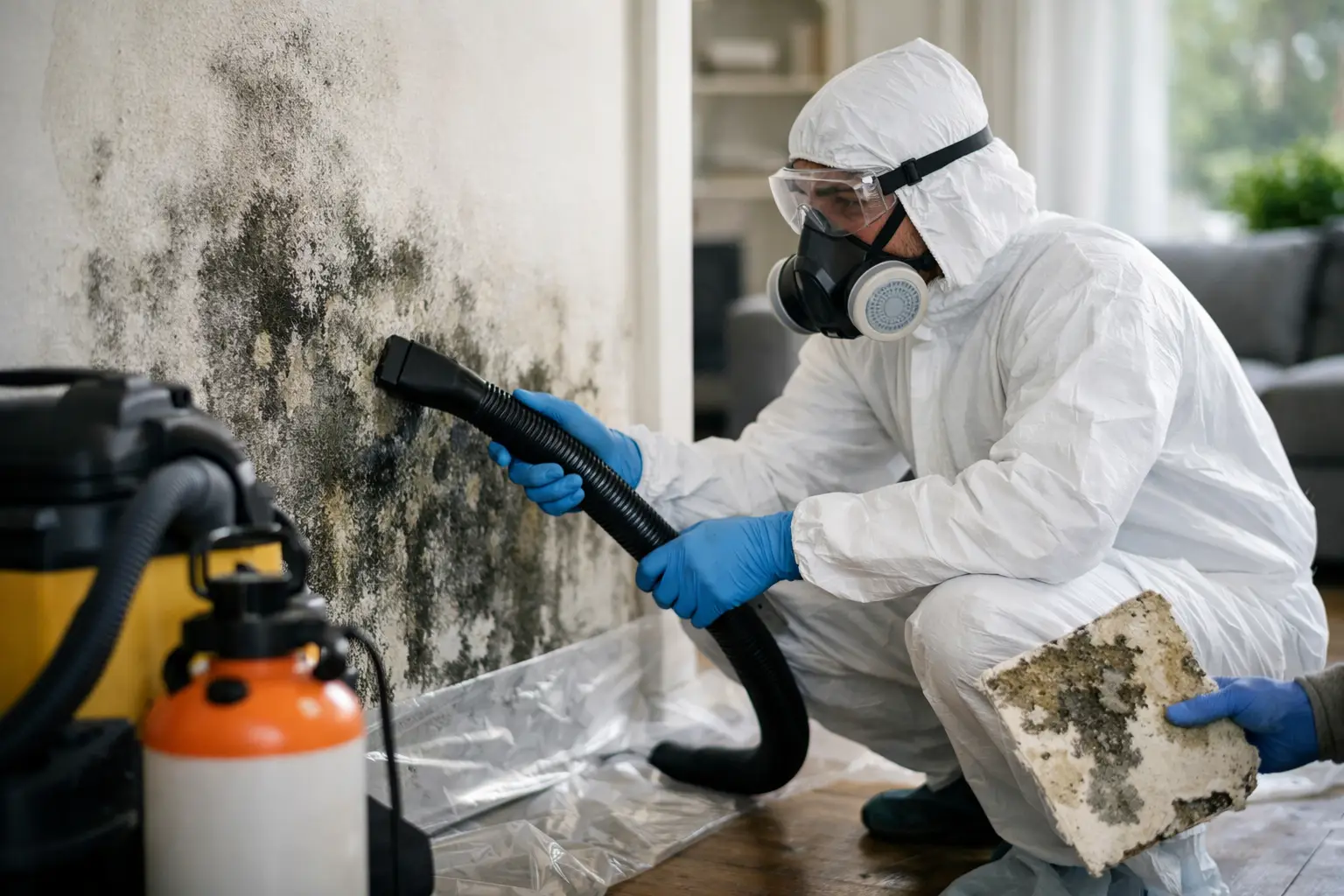 Mold
MoldContainment, removal, and moisture control that stops mold from coming back.
Learn more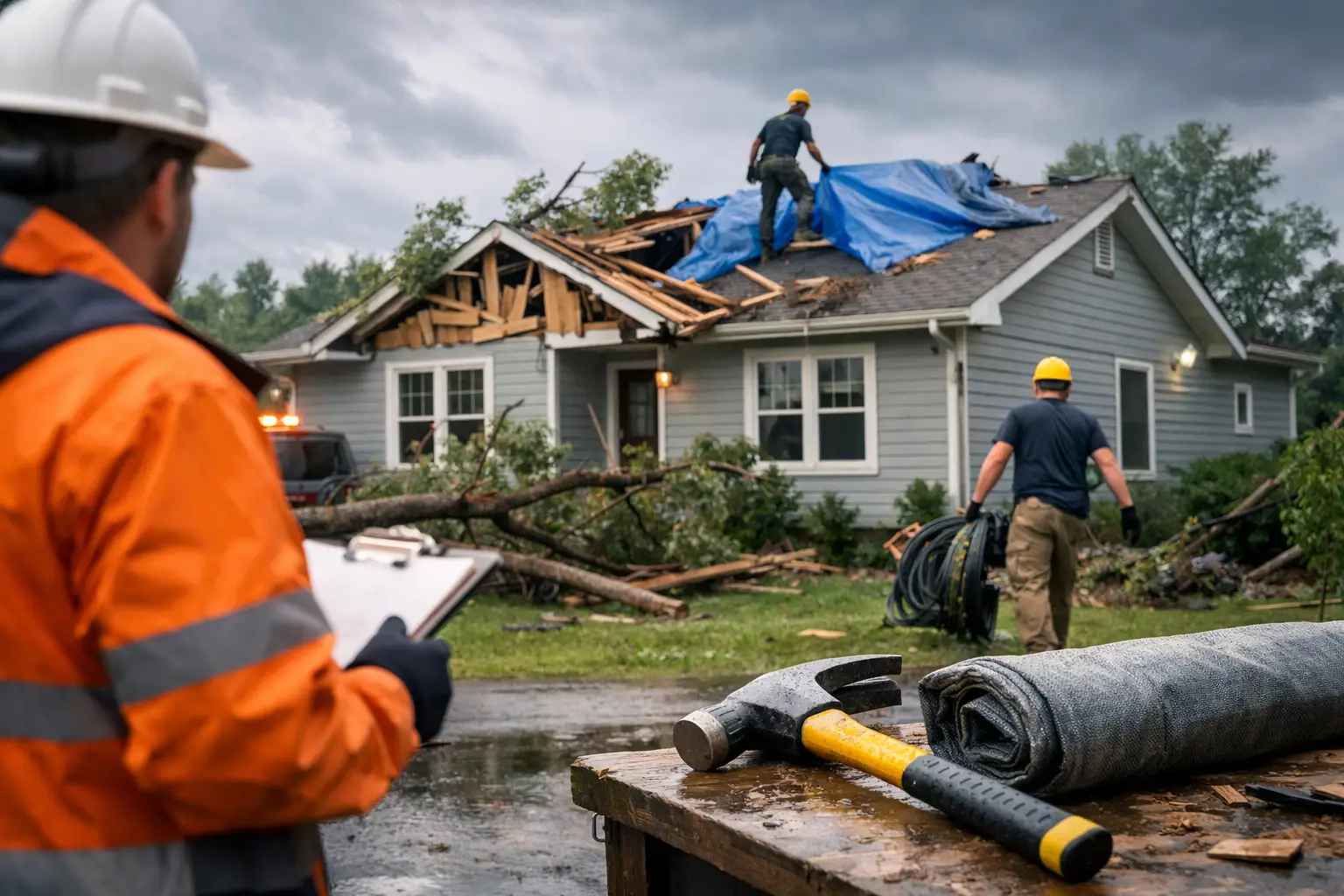 Storm
StormEmergency board-up, roof tarping, and full recovery after wind, hail, and storms.
Learn more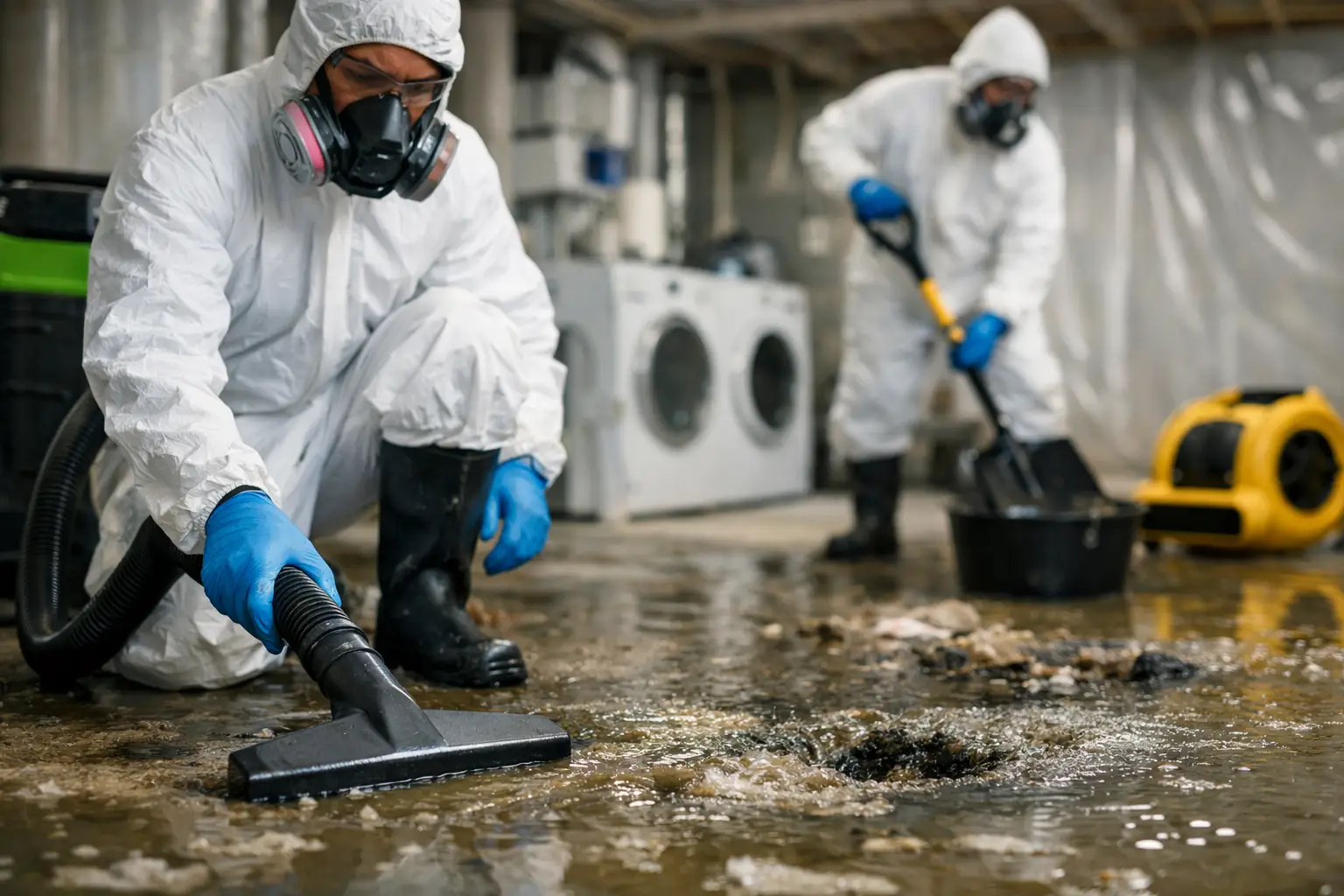 Sewage
Safe biohazard cleanup and sanitizing after sewage backups and overflows.
Learn more Reconstruction
Full rebuild by a licensed general contractor, so your property comes back whole.
Learn moreElevated Operations is an IICRC-certified, licensed general contractor based in Mableton that handles the entire recovery in-house, so after one loss you are never coordinating a cleanup crew, a mold crew, and a contractor separately. One team, one point of contact, from the first pump-out to the final coat of paint.
People call when the property feels like a disaster. They leave reviews because Chris and the crew made it right. These are real, verified Google reviews.
I run 24/7 emergency response and my crew comes from our Mableton base. I do not give a fake promise on the internet, but I do move fast when a basement is filling up. If you are near Sweetwater Creek Park or the Dog River, call immediately so I can start basement water removal and safety checks.
Treat it like sewage backup cleanup until proven otherwise. Do not keep using the basement, and do not try to wash contaminated items upstairs. I bring IICRC-certified technicians, remove the contaminated materials, and start basement drying after the hazard is contained.
Yes. I offer direct insurance billing, and I can help with deductible assistance up to $1,000 if the claim qualifies. That matters when you need to act now and cannot spend all day on paperwork while the basement keeps holding moisture.
Wet carpet removal may need to happen quickly, because carpet and pad can trap water below the surface. I check whether it can be saved, but I do not gamble with mold prevention. If the carpet is holding water, basement water removal has to be paired with proper drying right away.
I treat those jobs like active water events, not simple cleanup. Water near the Dog River can keep coming, especially after storms. I check the entry path, extract the water, and start basement drying before hidden moisture settles into framing, trim, or storage rooms.
Yes, and fast. Drywall, insulation, trim, and baseboards can take on water quickly. I inspect the lower wall line first because that is where damage often starts. If we wait, the repair grows, and mold prevention gets much harder.
Yes. Older block basements can hold moisture in ways people do not expect, especially after flood water extraction. I look at wall seepage, floor edges, and trapped humidity, then set up basement drying around the structure rather than just the visible water.
I back the work with a 12-month warranty. That is after the cleanup and drying are completed and the repair work is finished. I am in restoration since 2007, and I stand behind the job, not just the emergency visit.
Elevated Operations dispatches IICRC-certified crews across Metro Atlanta from our Mableton base, with a 60-minute emergency response day or night. Choose your city:
Call now for an immediate response, or request your free inspection and get a certified crew on-site within the hour across Atlanta and nearby areas.




