24/7 Emergency Restoration · Serving Metro AtlantaEmergency? (770) 404-6895
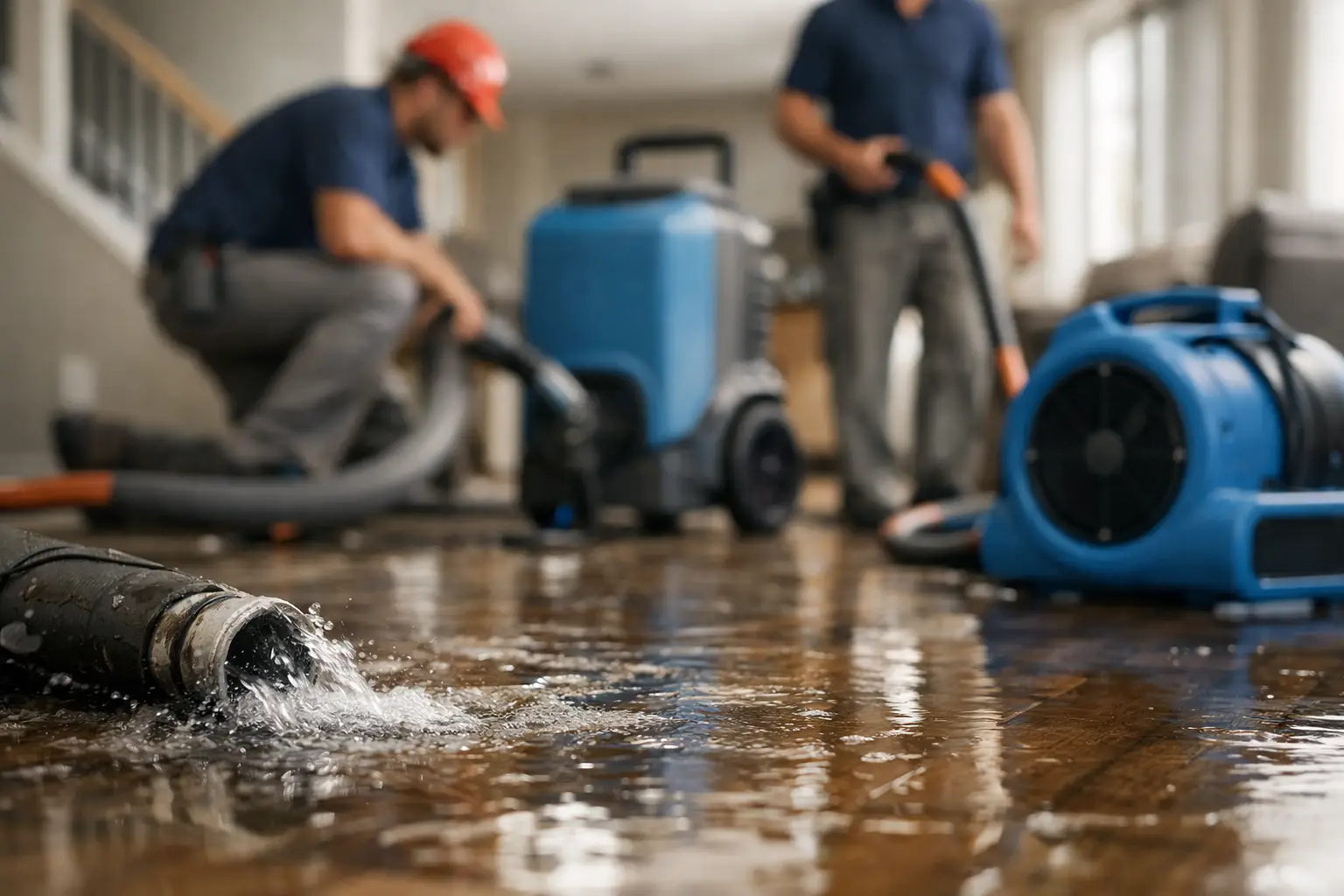
Mold remediation services Decatur starts with a fast check of the source, the spread, and the materials affected. I handle the work step by step, from containment and air filtration to mold cleanup and final verification, so older Decatur homes with plaster walls, heart-pine floors, and cast-iron laterals get the right fix.
IICRC-Certified · 5-Star Rated · 60-Minute Response · Insurance Billed Directly
Older plumbing, crawl spaces, and layered repairs give moisture places to hide. In homes with plaster and heart-pine, that moisture can sit long enough for mold to spread.
That still deserves an inspection. Hidden growth can sit behind walls, under floors, or around old drain lines, especially in older Decatur houses.
Yes. I work from Mableton and serve Cobb, Fulton, DeKalb, Douglas, Clayton, Henry, and Paulding counties, including Decatur.
I am Chris Kwangwari, a licensed general contractor, and my team holds a 4.9-star Google rating with 73 reviews. I answer quickly, document the job, and keep the work direct.
Mold remediation services in Decatur start with finding the moisture source, then isolating the affected area, removing contaminated materials, and finishing with cleaning and drying. In older homes, especially Craftsman bungalows with plaster and heart-pine, the method has to respect the structure while stopping the growth.
I begin with a mold inspection that looks for visible growth, hidden dampness, and the reason the mold started. In Decatur, that often means checking around old plumbing lines, crawl spaces, and wall cavities where cast-iron laterals or aging drains can leak slowly and feed the problem.
Then I set up containment and air filtration so spores do not move through the home while work is underway. That matters in tighter bungalows and renovated homes near downtown Decatur, where dust and disturbed material can spread fast across plaster, trim, and original flooring.
After that, I move into mold cleanup and targeted mold removal, not broad demolition. If a surface can be cleaned, I clean it. If material is too contaminated, it comes out. HEPA vacuuming, drying, and final checks close the job the right way.
You need mold remediation when the growth is spreading, returning after cleaning, or tied to a moisture source you cannot control. In Decatur, that often shows up after a roof leak, a crawl space issue, a plumbing failure, or drainage trouble around older foundations and cast-iron laterals.
If you smell a musty odor, see staining on plaster, or find spots near baseboards, do not wait for it to get worse. Mold starts in 24 to 48 hours when moisture stays in place, and older homes in Decatur give it plenty of places to hide.
I also tell owners to act fast when they have repeated condensation, a past flood, or a damp area that never fully dries. Heart-pine floors and plaster walls can trap moisture longer than modern finishes, so the problem can grow inside the material before it shows outside.
If you are unsure, call for a mold inspection before the issue spreads. That is the safer move, especially in dense neighborhoods near downtown Decatur where homes share tight setbacks, older utility lines, and years of layered repairs that can mask a leak.
Before mold cleanup starts, shut off the moisture source if you can do that safely, avoid disturbing the area, and keep people and pets out of the room. In Decatur, that first response helps protect plaster, wood floors, and the air you are breathing while the job is set up.
Do not scrub the surface with random cleaners or start tearing out drywall on your own. That often spreads contamination and makes the work harder. I see this a lot in older Decatur homes where owners try to save a wall and end up tracking dust through the whole house.
Take photos if the area is safe to approach, because direct insurance billing is easier when the loss is documented early. I also look for the source, because mold removal without fixing the water problem is just a short-term cleanup.
If the damage is tied to a leak, a crawl space, or sewer line moisture, call right away. I am a licensed general contractor, and I have been in restoration since 2007, so I know when the job is remediation and when the structure needs repair too.
Mold can be removed from affected materials and cleaned from the home, but the real goal is to remove the growth, dry the area, and stop the moisture source. In Decatur, especially with older plaster and heart-pine, some materials can be cleaned and some must be taken out.
I do not promise magic. I promise process. If mold has penetrated porous material, I look at whether it can be cleaned, dried, and kept in service, or whether removal is the right call. That is mold abatement done honestly, not wishful thinking.
The home has to be safe after the work, and that means dealing with the air, the surfaces, and the source. HEPA vacuuming and air filtration matter because spores can linger in dust even after the visible growth is gone.
In a Craftsman bungalow with original trim and heart-pine floors, I try to preserve what can be saved. But if a section is damaged through and through, I cut it out cleanly and rebuild the right way so the issue does not return.
How long mold remediation takes depends on the size of the affected area, how much material is contaminated, and whether the water source is still active. In Decatur, small hidden leaks can take less work than wide crawl space or wall cavity contamination, but every job starts the same way.
First comes the assessment, then containment, then cleaning or removal, then drying and final checks. I never rush those stages, because a fast job that leaves moisture behind is not a finished job. Older Decatur houses make this especially important because plaster and wood can hold water longer.
If the damage is tied to a sewer issue, crawl space humidity, or a leak inside a wall, the timeline can shift based on what the structure needs. I explain the steps clearly before work starts, so you know what is happening and why it matters.
I run 24/7 emergency response with a 60-minute response window, so the first move is quick even when the work itself needs careful staging. That quick start can keep a small mold issue from becoming a bigger one in a day or two.
Decatur homes with cast-iron laterals need careful mold inspection because slow drainage problems can create hidden moisture that feeds mold behind walls or under floors. When the plumbing is old, the leak may be small, but the damage can spread far beyond the visible stain.
Cast-iron laterals age, shift, and corrode. That can create damp conditions around foundations, crawl spaces, and utility chases where mold grows out of sight. I inspect those areas closely because the source often matters more than the spot you can actually see.
This is common in neighborhoods with older housing stock, where renovation history is mixed and repairs have been layered over decades. A surface patch may hide a deeper issue, and that is why I do not treat every wet wall the same way.
My job is to connect the moisture pattern to the structure. Once I know where the water moved, I can decide whether the fix is targeted mold cleanup, material removal, drying, or a repair that stops the leak from coming back.
I find the moisture source first, whether that is a leak, crawl space dampness, or drainage tied to aging cast-iron laterals in a Decatur home.
I isolate the work area so mold cleanup does not spread through the rest of the house, which matters in older plaster rooms and tight bungalows.
I use air filtration during the job to control airborne particles while the affected area is opened, cleaned, and dried.
I handle mold removal and mold abatement by cleaning salvageable surfaces, using HEPA vacuuming, and taking out material that cannot be saved.
I dry the area fully, check that the source is addressed, and confirm the space is ready for normal use.
I finish with a 12-month warranty, direct insurance billing when needed, and clear documentation from Elevated Operations, LLLP.
From emergency mitigation to full reconstruction, handled in-house so you are never managing a chain of subcontractors mid-crisis.
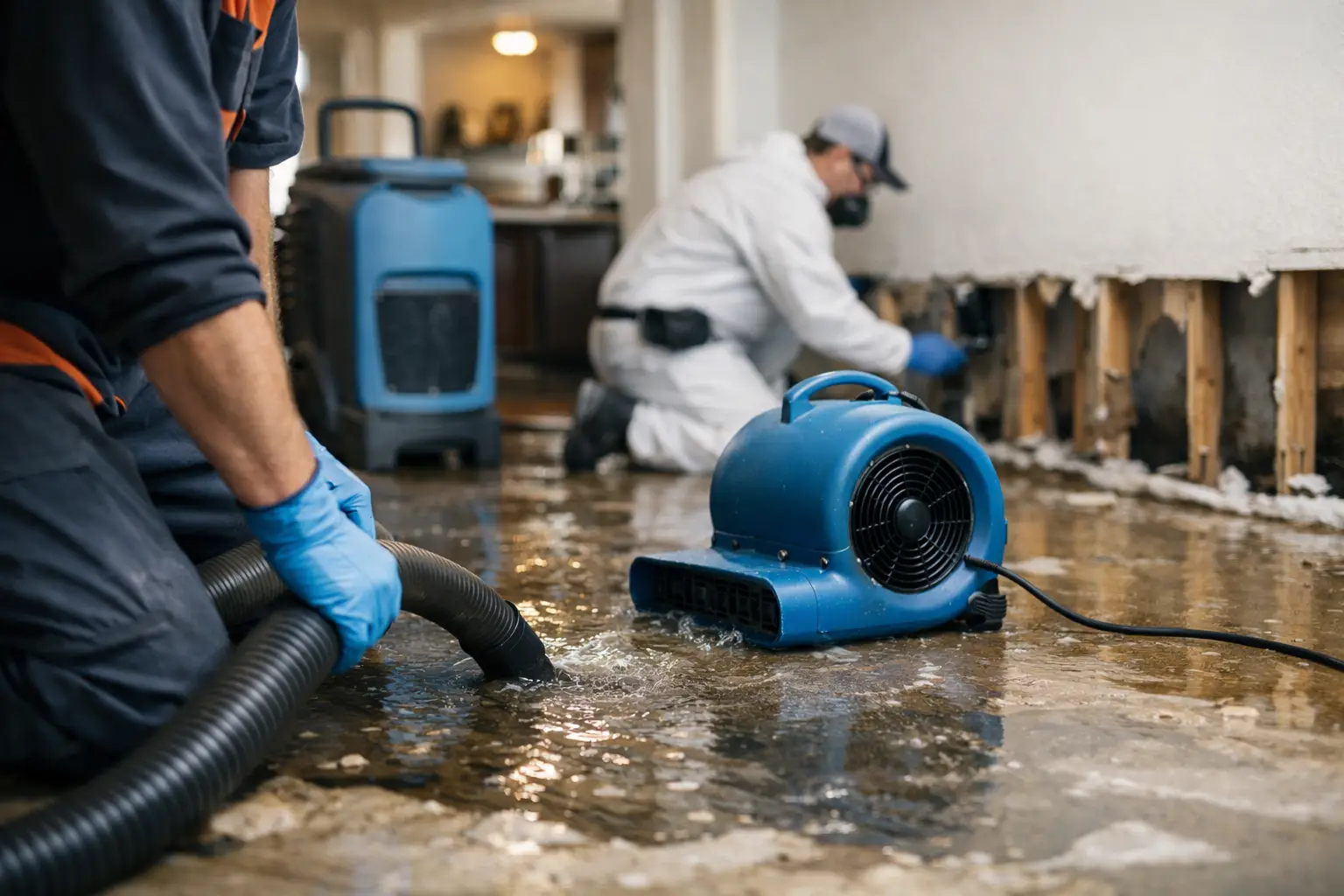 Water Damage
Extraction, structural drying, and moisture mapping after floods, leaks, and burst pipes.
Get help now Fire & Smoke
Soot removal, odor deodorization, and content cleaning after fire and smoke damage.
Learn more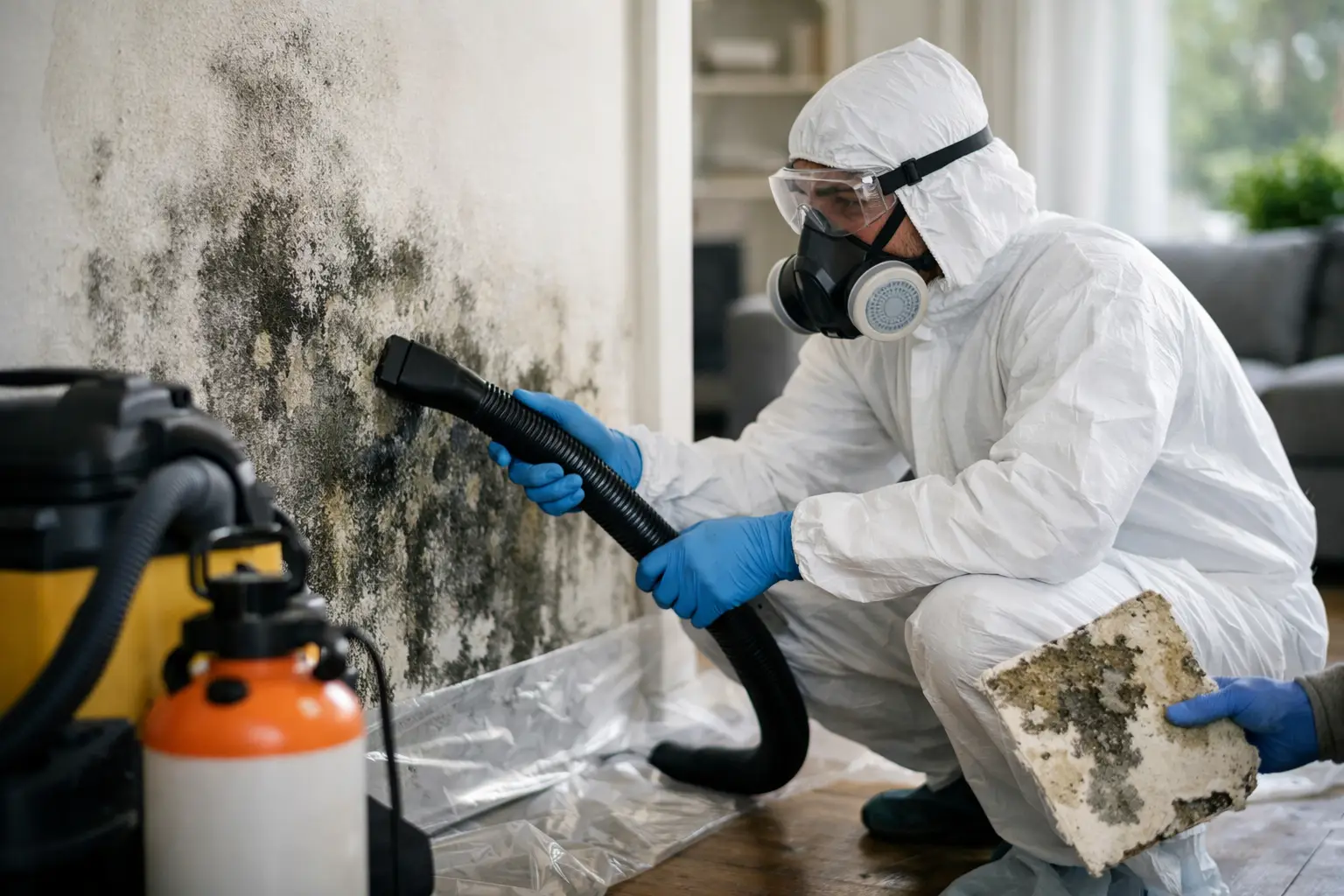 Mold
MoldContainment, removal, and moisture control that stops mold from coming back.
Learn more Storm
StormEmergency board-up, roof tarping, and full recovery after wind, hail, and storms.
Learn more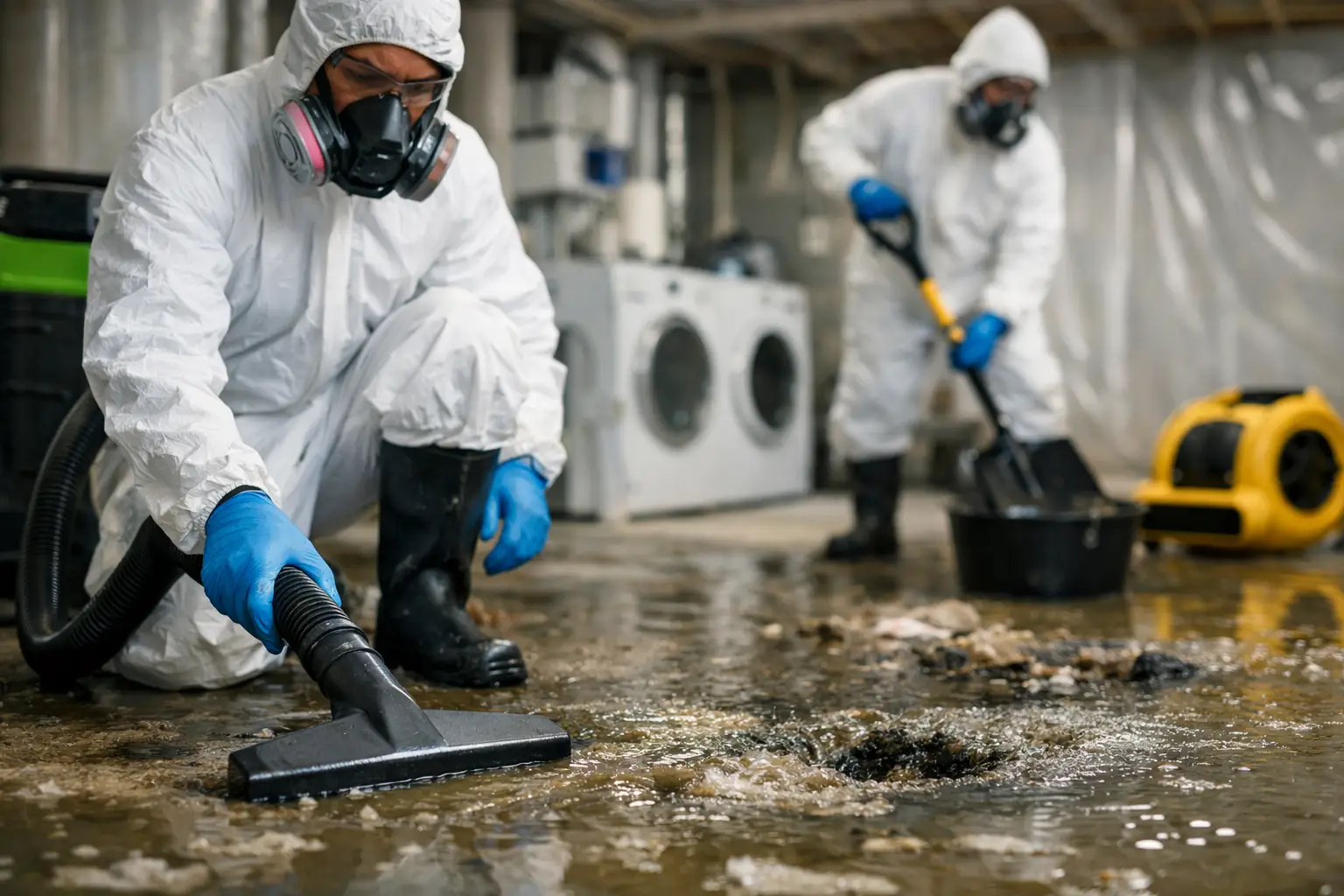 Sewage
Safe biohazard cleanup and sanitizing after sewage backups and overflows.
Learn more Reconstruction
Full rebuild by a licensed general contractor, so your property comes back whole.
Learn moreElevated Operations is an IICRC-certified, licensed general contractor based in Mableton that handles the entire recovery in-house, so after one loss you are never coordinating a cleanup crew, a mold crew, and a contractor separately. One team, one point of contact, from the first pump-out to the final coat of paint.
People call when the property feels like a disaster. They leave reviews because Chris and the crew made it right. These are real, verified Google reviews.
Yes, and I approach those homes carefully because plaster, trim, and heart-pine can be damaged by aggressive tear-out. I start with a mold inspection, isolate the area, and decide what can be cleaned versus what needs removal. Older bungalow construction demands a steadier hand and a cleaner process.
I trace the moisture back to the plumbing issue and treat the mold only after the source is controlled. Cast-iron lateral failures can create hidden dampness in crawl spaces, wall cavities, and floor framing. If you only clean the surface, the growth can return. I do both the remediation and the coordination around repairs.
Yes. I offer direct insurance billing, and I document the loss so the carrier has clear information. That matters when the issue starts with a leak or water intrusion and turns into mold cleanup. I also offer deductible assistance up to $1,000 when it applies, which can help with the out-of-pocket side.
I offer 24/7 emergency response with a 60-minute response window. Crawl space moisture can spread into floors and walls fast, especially in older Decatur homes with heart-pine and plaster above. The sooner I inspect it, the easier it is to contain the contamination and stop the damage from moving.
I do not recommend DIY cleanup if the area is larger than a small surface spot, has a strong odor, or came from a water event. Scrubbing without containment can spread spores and dust. In a home with older finishes, one wrong move can turn a focused job into a wider one.
Mold removal is only one part of the job. True remediation includes the inspection, containment, air filtration, HEPA vacuuming, drying, and fixing the moisture source. In Decatur, especially with older construction, the problem often lives in the materials and the air, not just on the surface you can see.
Yes, I inspect first so I can see where the moisture came from and how far the mold reached. That is important in Decatur homes where additions, old plumbing, and mixed-age repairs can hide the path of the problem. A good inspection keeps the work focused and the cleanup honest.
I back the work with a 12-month warranty. If I clean and remove contaminated material, I want the customer to know the job was done carefully and documented clearly. Elevated Operations, LLLP has been in restoration since 2007, and I stand behind the process I put in place.
Elevated Operations dispatches IICRC-certified crews across Metro Atlanta from our Mableton base, with a 60-minute emergency response day or night. Choose your city:
Call now for an immediate response, or request your free inspection and get a certified crew on-site within the hour across Atlanta and nearby areas.