24/7 Emergency Restoration · Serving Metro AtlantaEmergency? (770) 404-6895
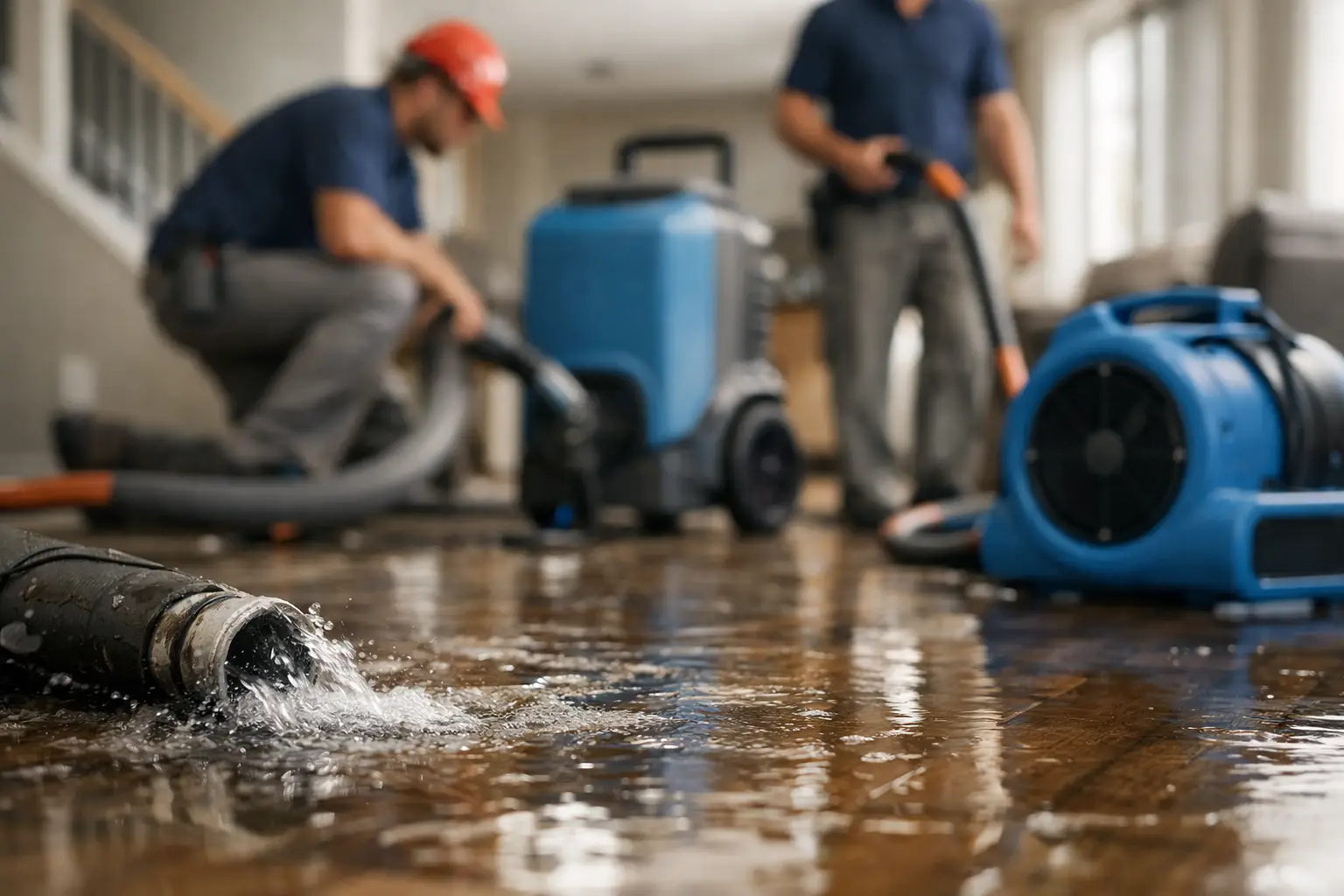
Water extraction and drying Carrollton means I get the water out, dry the structure, and stop the damage from spreading. In Carroll County’s exurban homes and businesses, delay is expensive. I’m Chris Kwangwari, and my team at Elevated Operations handles 24/7 emergency response, moisture monitoring, and direct insurance billing.
IICRC-Certified · 5-Star Rated · 60-Minute Response · Insurance Billed Directly
Yes. Carrollton is part of the Carroll County exurb area I handle, along with nearby counties across metro Atlanta.
Yes. I offer 24/7 emergency response, and water damage does not wait for a weekday.
Yes. I provide direct insurance billing, so I stay involved from extraction through documentation.
I do, Chris Kwangwari, and I am a licensed general contractor with IICRC-certified technicians on my team.
Start with safety, then stop the source, then call for water extraction and drying Carrollton if moisture has reached floors, drywall, or insulation. In a Carroll County exurb setting, a small leak can spread fast through slab areas, crawlspaces, and long runs of carpet before anyone notices.
Check for active water before you touch anything else. A burst line, appliance leak, or storm intrusion keeps feeding the problem, and that makes water removal harder every minute. I look at the source first because no drying process works while water is still entering the structure.
Then I check materials that hide damage. Wet carpet extraction is only one piece. In Carrollton homes, water often moves under baseboards, into wall cavities, and through crawlspace areas common in the county. If I see swelling, staining, or soft flooring, I move straight to extraction and dehumidification.
Do not wait for visible mold. EPA guidance says mold can start in 24 to 48 hours, and I see that risk rise when people leave damp padding or closed-up rooms untouched. My crew uses moisture monitoring to tell us what still needs work, not guesswork.
Water extraction and drying Carrollton starts with removing standing water, then setting up air movers and dehumidification to pull moisture out of surfaces and the air. We map the wet area, check hidden materials, and track the drying process until readings show the structure is stable again.
I do not treat every loss the same. First comes water removal, which may include pumping, vacuum extraction, or wet carpet extraction depending on what got hit. Then I inspect the affected rooms, the subfloor, and any cavities where water can sit out of sight in a Carroll County home.
After extraction, I place air movers where they can push moisture off surfaces and keep the air moving. Dehumidification matters just as much. If you pull water out of carpet but leave the air heavy, the structure stays damp and the problem lingers longer than it should.
My technicians monitor moisture levels through the job. That tells me if a wall, floor, or cabinet base is still wet even when it looks fine. I have been in restoration since 2007, and I have learned that the drying process works when you measure it, not when you hope.
I use extraction equipment, air movers, dehumidifiers, and moisture meters to dry the structure the right way. Water extraction and drying Carrollton is not about one machine. It is about matching the tools to the materials, the amount of water, and the specific rooms affected.
For standing water, extraction equipment removes bulk moisture quickly. For carpet and pad, wet carpet extraction can save the material if it is handled early. In Carrollton, where homes can mix older construction with updated finishes, the right setup keeps me from overdoing the drying process.
Air movers are there to speed evaporation from floors, trim, and walls. Dehumidification then removes that vapor from the air so it does not settle back into the structure. That combination is standard for structural drying, and I choose placement based on the layout, not habit.
Moisture monitoring tells me what the eye misses. A surface can feel dry and still be holding water behind it. I use readings to decide whether a room is done, whether carpet can stay, or whether a section needs more time before I clear it.
Structural drying is important because hidden moisture keeps damaging wood, drywall, trim, and insulation after the visible water is gone. In Carroll County exurb properties, that hidden moisture can spread through crawlspaces, low spots, and wall cavities, turning a manageable loss into a larger repair.
I see a lot of people focus on the floor they can see. That is a mistake. Water follows gravity, then it wicks sideways into materials you cannot inspect by eye. Structural drying targets those hidden areas so the building itself does not keep breaking down after the initial spill or leak.
In Carrollton, the layout of a home matters. Slab sections, attached garages, and crawlspace conditions can all change how moisture behaves. If one area stays wet, it can affect adjacent rooms and create a longer repair cycle. Drying the structure early keeps the loss contained.
Structural drying also helps with insurance documentation. When I bill directly to insurance, I need clear moisture readings and clear drying steps. That makes the claim easier to support, and it gives homeowners a cleaner record of what was done and why it was needed.
Drying time depends on how much water entered, what materials were affected, and how quickly extraction started. Water extraction and drying Carrollton can move quickly on a small loss, but I will not guess at timing. I track moisture monitoring until the structure is actually dry.
The biggest variable is delay. If I get there fast, I can often limit how far water moved into flooring and walls. If the space sits closed up, moisture stays trapped. That is why my team offers 24/7 emergency response and a 60-minute emergency response target.
Material matters too. Carpet, pad, drywall, hardwood, and cabinetry all dry differently. Some rooms need strong air movers and dehumidification. Others need careful structural drying because the moisture is deeper than the surface suggests. The drying process ends when readings confirm stability, not when the equipment has run long enough in theory.
Carroll County weather and season can affect indoor humidity, which changes how long the equipment has to stay in place. I keep clients updated with clear moisture checks so they know what is happening. No vague promises. Just measured progress and direct communication.
A water loss gets bigger when water hides under carpet, behind trim, inside walls, or into crawlspaces before anyone starts water extraction and drying Carrollton. In a Carroll County exurb property, open floor plans and long material runs can let damage spread farther than the first wet spot suggests.
A small leak under a sink can become a cabinet, subfloor, and drywall issue. A toilet overflow can move into nearby rooms. A roof or window intrusion can stain one area while wetting the insulation behind it. I look for the full path, not just the obvious puddle.
People also underestimate how fast materials absorb water. Carpet can trap it in the pad. Wood can swell. Baseboards can hold moisture along the bottom edge. That is why I do not stop at water removal. I keep going until the drying process addresses the whole affected assembly.
As a licensed general contractor, I understand how the building comes apart and goes back together. That matters in restoration because a poor dry-out leads to bad repairs later. I would rather spend time on the front end than pretend a surface is dry when it is not.
That smell usually means moisture is still sitting in materials. I use moisture monitoring to find what the nose already suspects.
Wet carpet extraction helps, but the pad and subfloor can stay wet long after the top looks better.
Those are signs the water moved beyond the surface. Structural drying needs to start before the damage keeps spreading.
That can point to high indoor humidity after a loss. Dehumidification is part of the fix, not an optional add-on.
Staining can mean hidden saturation. I check those areas first in Carrollton homes because water likes the edges.
From emergency mitigation to full reconstruction, handled in-house so you are never managing a chain of subcontractors mid-crisis.
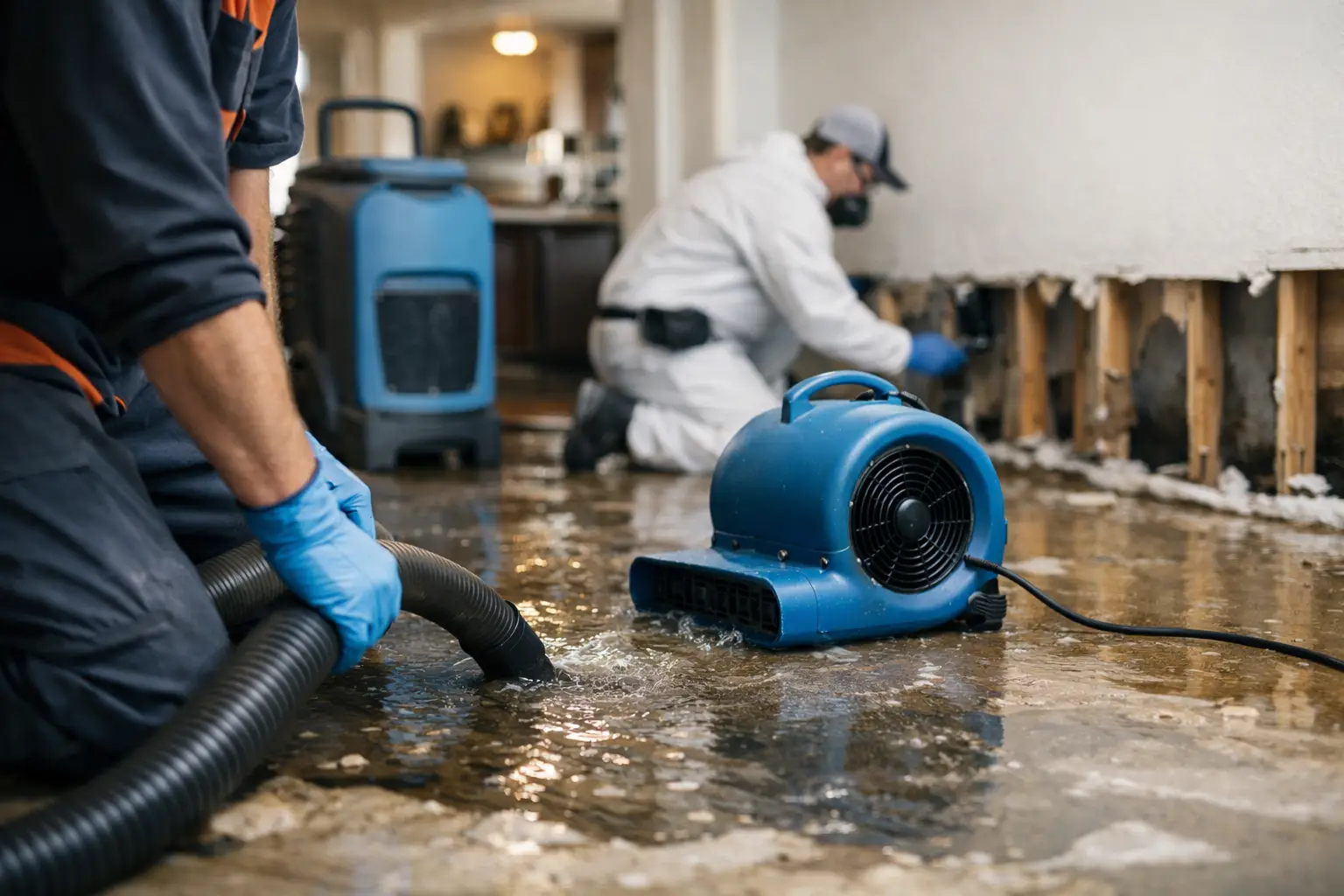 Water Damage
Extraction, structural drying, and moisture mapping after floods, leaks, and burst pipes.
Get help now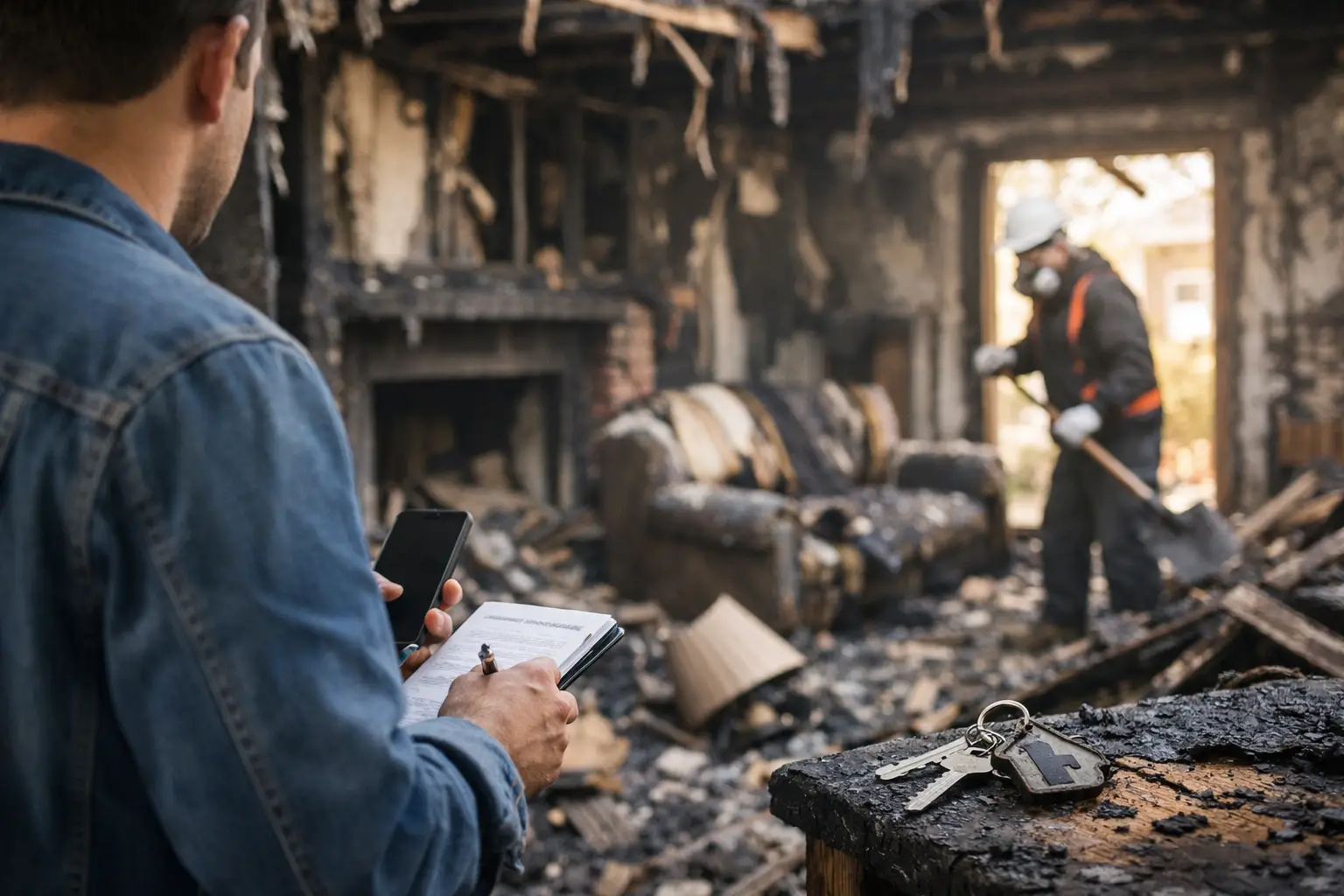 Fire & Smoke
Soot removal, odor deodorization, and content cleaning after fire and smoke damage.
Learn more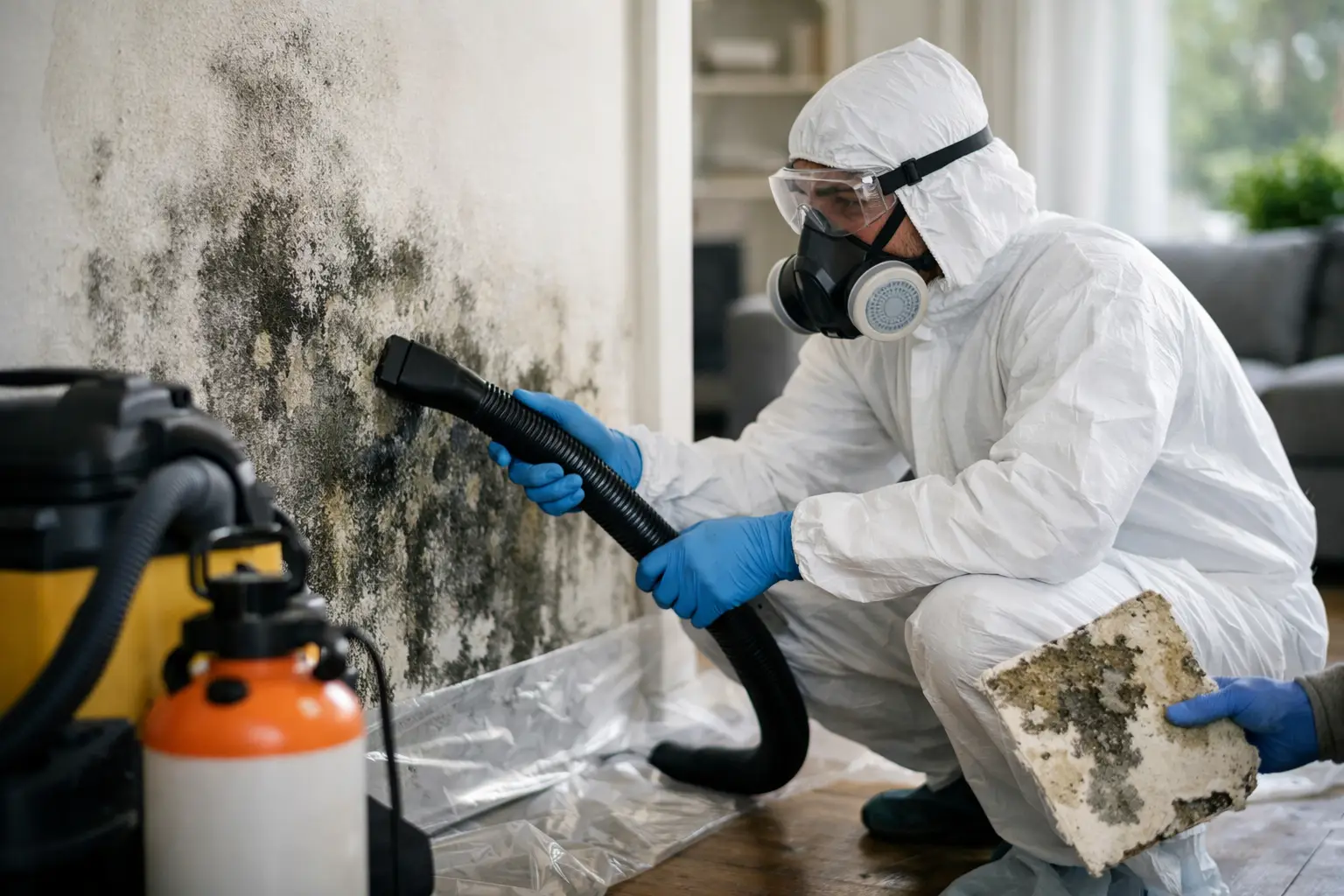 Mold
MoldContainment, removal, and moisture control that stops mold from coming back.
Learn more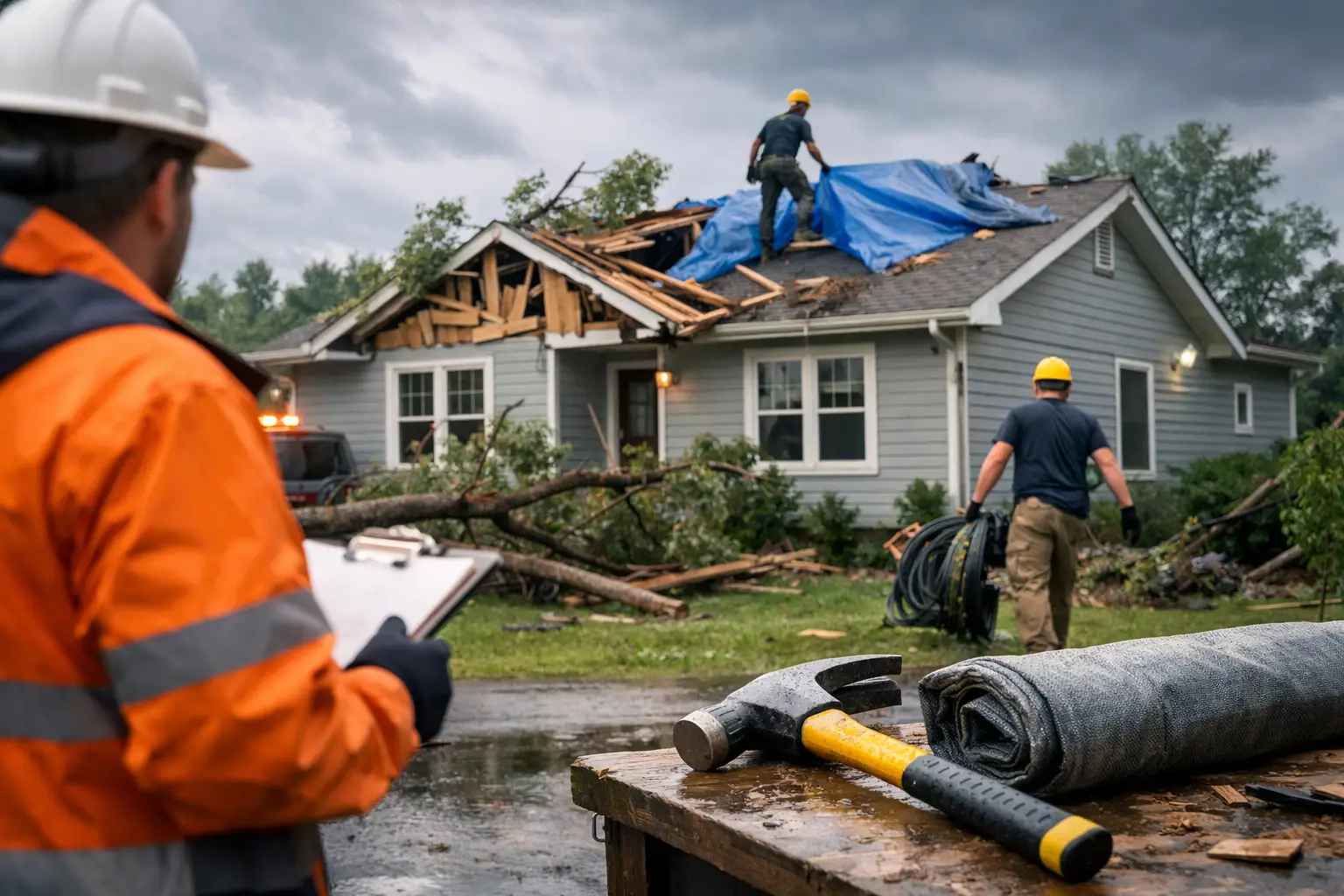 Storm
StormEmergency board-up, roof tarping, and full recovery after wind, hail, and storms.
Learn more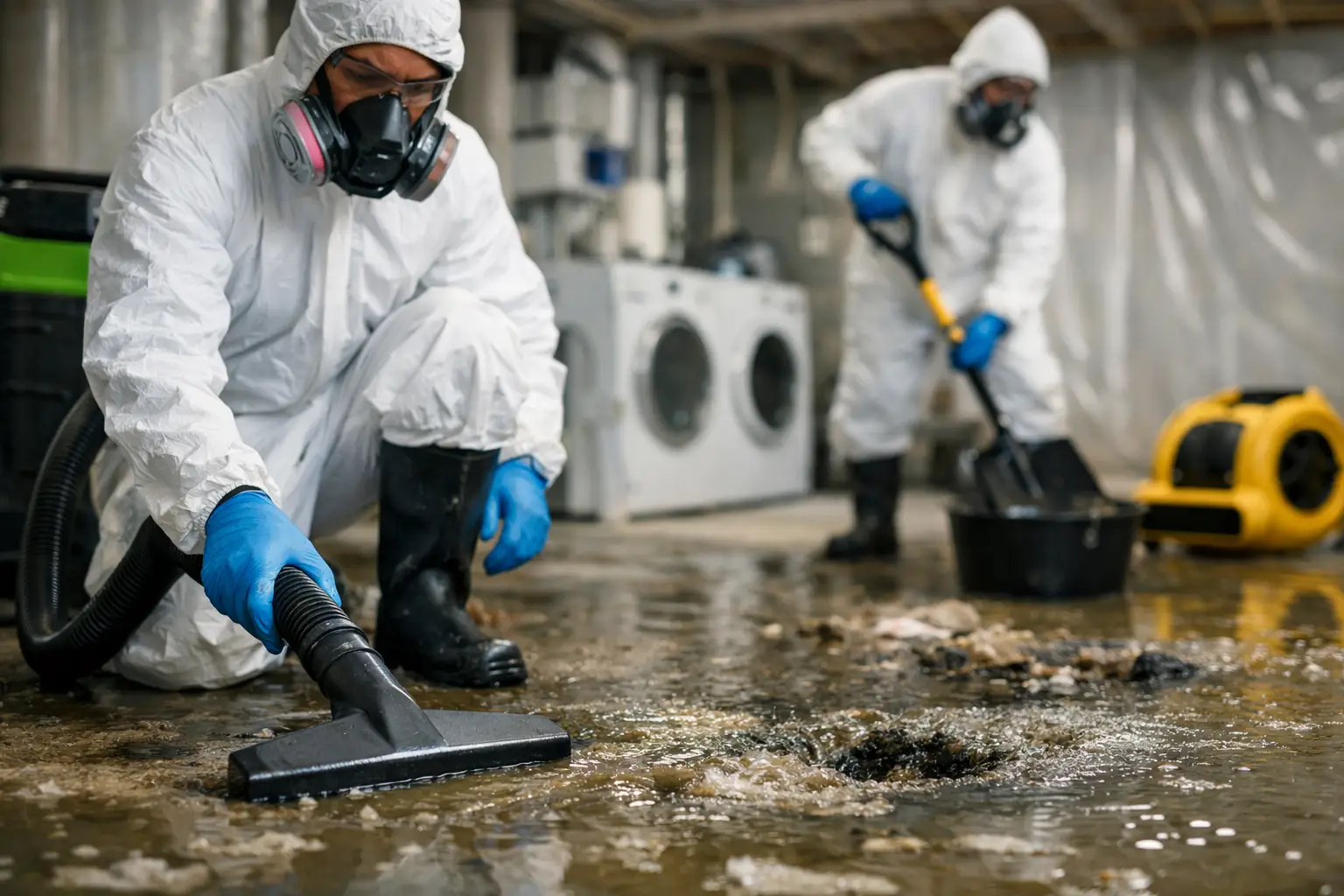 Sewage
Safe biohazard cleanup and sanitizing after sewage backups and overflows.
Learn more Reconstruction
Full rebuild by a licensed general contractor, so your property comes back whole.
Learn moreElevated Operations is an IICRC-certified, licensed general contractor based in Mableton that handles the entire recovery in-house, so after one loss you are never coordinating a cleanup crew, a mold crew, and a contractor separately. One team, one point of contact, from the first pump-out to the final coat of paint.
People call when the property feels like a disaster. They leave reviews because Chris and the crew made it right. These are real, verified Google reviews.
Yes, if the leak reached carpet, drywall, cabinets, or subflooring. In Carrollton, small leaks often spread farther than people expect, especially in exurban homes with crawlspaces or long interior runs. I would rather inspect early than let hidden moisture turn into a larger repair.
I start by removing the standing water and then checking whether the carpet, pad, and subfloor all need drying. Wet carpet extraction can save materials if it happens quickly, but I do not stop there. I verify moisture levels before I call the room dry.
I work directly with insurance carriers so the claim process does not become another problem on top of the water loss. That means I document the job, provide the needed information, and keep the billing part moving while the drying work is underway.
Yes. Storm intrusion often affects more than one room, and it can bring water through roofs, windows, or exterior openings. I inspect the visible damage, check hidden moisture, and set up air movers and dehumidification where the structure needs it most.
Because guesswork is the fastest way to leave a problem behind. Moisture monitoring shows whether walls, floors, and trim are still holding water after water removal. In Carrollton homes, that matters especially when damage reaches concealed spaces or mixed material assemblies.
I serve Carroll County and nearby areas across Cobb, Fulton, DeKalb, Douglas, Clayton, Henry, and Paulding counties. My base is in Mableton, and I keep a 24/7 response model because water damage does not wait for business hours.
I have been in restoration since 2007. That experience matters when a Carrollton loss looks minor but turns out to have moisture in the wrong places. The job is not just drying water, it is protecting the building from what the water tries to do next.
I back my work with a 12-month warranty. If I am drying a structure, I want the process documented, monitored, and completed the right way. That warranty reflects how seriously I take the work after the water is removed.
Elevated Operations dispatches IICRC-certified crews across Metro Atlanta from our Mableton base, with a 60-minute emergency response day or night. Choose your city:
Call now for an immediate response, or request your free inspection and get a certified crew on-site within the hour across Atlanta and nearby areas.




