24/7 Emergency Restoration · Serving Metro AtlantaEmergency? (770) 404-6895
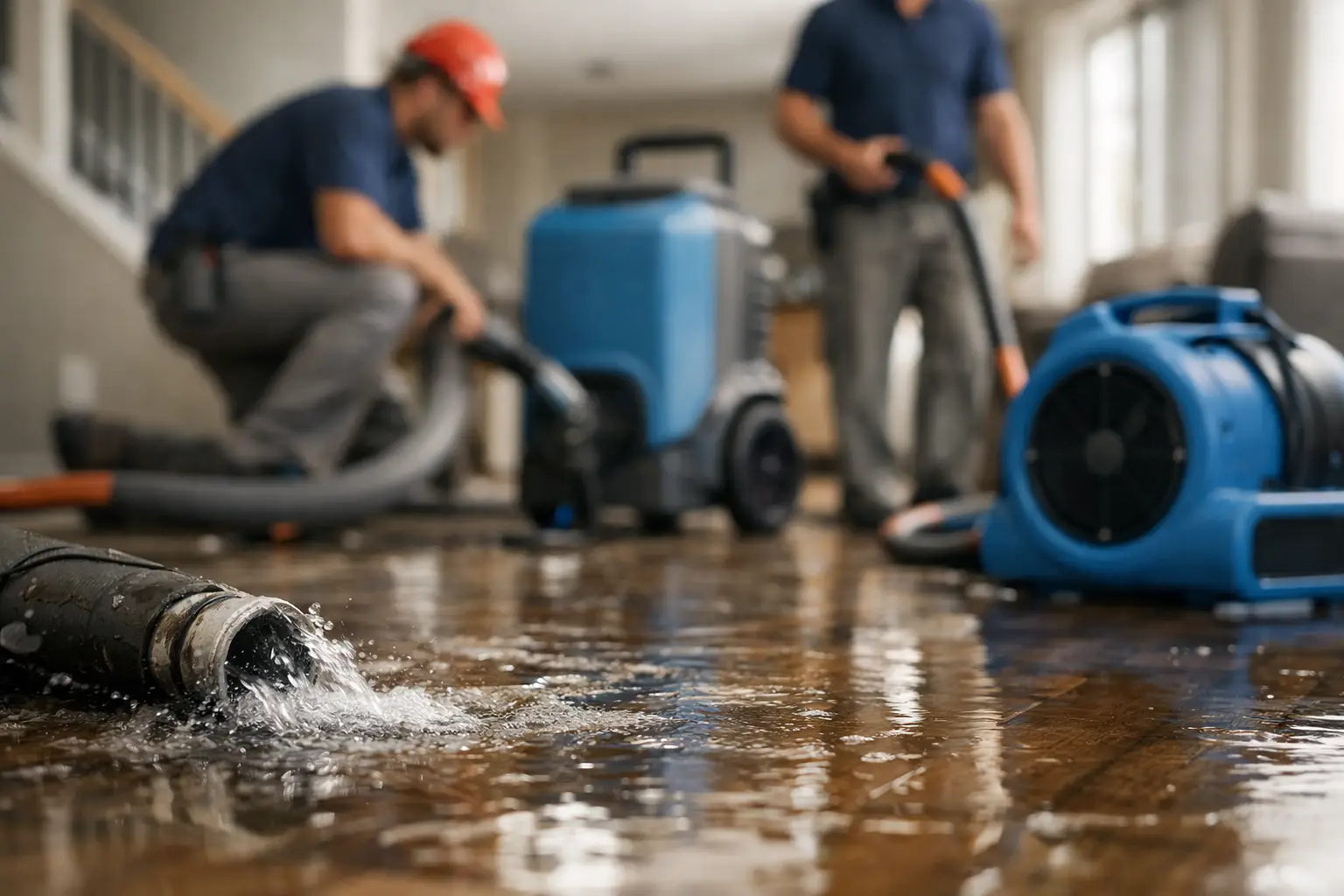
Mold remediation services in Austell mean finding the moisture source, controlling spread, and restoring safe indoor conditions after leaks, floods, or hidden humidity. I run Elevated Operations from Mableton, and I focus on the facts: mold grows where water stays, including after storm flooding near Sweetwater Creek and in tight Austell homes.
IICRC-Certified · 5-Star Rated · 60-Minute Response · Insurance Billed Directly
Yes. I offer 60-minute emergency response 24/7, because water damage does not wait for business hours and mold problems get worse when people wait.
I back eligible work with a 12-month warranty. If the moisture source is not fixed, no warranty can save the job, so I focus on the cause first.
Yes. I provide direct insurance billing and can also help with deductible assistance up to $1,000 when the claim and job qualify.
Because mold often affects structure, not just surfaces. As a licensed general contractor, I can address the building side of the loss, not only the visible growth.
Mold remediation services are the process of identifying mold, stopping its spread, removing contaminated materials, cleaning affected surfaces, and drying the building so growth does not return. Mold removal by itself sounds simpler, but real remediation also addresses the moisture problem behind the damage.
IICRC-certified technicians do not treat mold like a surface stain. We treat it as a moisture problem that spread into building materials, insulation, and the air pathway. That is why mold cleanup often includes containment, air filtration, and hepa vacuuming instead of only wiping visible spots.
In Austell, I see the difference matter most in older houses, crawl spaces, and rooms that took on water after heavy rain. The 2009 Sweetwater Creek flood is a good reminder that water does not stay where it lands. Once materials stay wet, mold abatement becomes a building science job.
A proper plan also looks at where the water came from. Roof leaks, plumbing leaks, overflow, damp basements, and poor drainage can all lead to growth. If the source is still active, mold will come back. That is why remediation is more than cleanup, it is source control.
Mold shows up in Austell when moisture lingers inside a home, especially after flooding, leaks, or high humidity. The area has homes and buildings that can trap water in walls, crawl spaces, and attics, so mold inspection matters when odors, stains, or recent water damage appear.
Austell sits close to water movement that can become a problem fast after storms. Sweetwater Creek flood history is part of the local lesson: when water rises or backs up, materials get soaked, and drying must start immediately or mold starts within 24 to 48 hours.
I also see mold in homes with repeated small leaks, not just obvious flood damage. A slow drip under a sink, a failed pipe in a wall, or a damp HVAC area can create the exact conditions mold needs. The growth often hides until the smell gets strong.
Crawl spaces are another issue. Moisture from the ground, poor drainage, or a prior flood event can keep framing damp long after the visible water is gone. That is where air filtration, containment, and careful demolition matter. The goal is to stop the spread before it becomes larger mold abatement.
You need mold remediation services when you see visible growth, smell a musty odor, or know a water event happened and materials stayed wet. Waiting is a bad bet, because mold can spread inside walls and on hidden surfaces long before the problem becomes obvious.
I tell homeowners to act quickly after any water loss. If drywall, insulation, carpet pad, or framing stayed damp, the clock is already moving. In practical terms, mold can begin in 24 to 48 hours, and by then the cleanup often requires more demolition and more air control.
If you find staining around windows, soft drywall, bubbling paint, or black, green, or white growth on trim or ceilings, that is not a cosmetic issue. It is a sign that moisture is present and the building materials may already be compromised. A mold inspection should follow.
You should also call sooner if anyone in the home is noticing irritation, coughing, or worsening allergy symptoms after water damage. I do not diagnose health issues, but I do know the home itself may be pushing contaminated air. That is where containment and air filtration become important.
Mold remediation services start with inspection, then containment, removal of contaminated materials, cleaning of remaining surfaces, air filtration, and drying. I follow a step-by-step process because random scrubbing does not solve hidden mold, and it can spread spores into cleaner parts of the house.
First, we identify where the moisture came from and how far the damage traveled. That may include a mold inspection of visible areas, hidden cavities, and materials near the water line. If the source is active, we stop and correct it before anything else moves forward.
Next comes containment. That keeps disturbance from pushing growth through the rest of the home. Then hepa vacuuming and targeted cleaning begin on surfaces that can be saved. Materials that are too damaged may need to be removed so the structure can dry properly and safely.
After that, I focus on drying and verification. The home needs to be brought back to a stable condition, not just made to look better. A remediation job that skips drying is incomplete. It may smell fine for a while, then fail again when moisture returns.
Mold can be removed from affected materials, but no home is sterile, and spores are naturally present indoors and outdoors. The real goal of mold remediation services is to remove active growth, clean the structure, and correct moisture so mold does not keep coming back.
I am direct about this because homeowners deserve the truth. You can eliminate the mold problem on damaged materials and reduce contamination in the home, but you cannot make the entire environment free of every spore. That is not a realistic standard, and it is not the right one.
What matters is whether the building is dry, clean, and stable. If the cause was a leak, flood, or hidden humidity issue, then the fix has to address that cause. Otherwise even good mold cleanup will be temporary. Moisture control is the real finish line.
This is why mold abatement is not just a removal service. It is a moisture and material management process. A house in Austell that was flooded near Sweetwater Creek, or one with recurring crawl space dampness, needs the source corrected or the problem will return.
How long mold remediation takes depends on how much material was affected, how deeply moisture traveled, and whether demolition is needed. A small area can move faster than a hidden wall or crawl space issue, but the process still has to be thorough, dry, and verified.
I do not give fake timelines, because mold work varies too much from house to house. A single bathroom leak is not the same as a crawl space wetting event or a post-flood cleanup. The size of the loss, the amount of hidden damage, and drying conditions all matter.
What I can say is that speed matters from the start. Once water sits, mold starts in 24 to 48 hours. If you wait days or weeks, the job usually grows. More materials may need removal, more containment may be needed, and the cleanup becomes more involved.
The goal is not to rush. The goal is to complete the work correctly so the home can be returned to stable condition. That includes direct insurance billing when applicable, 12-month warranty coverage, and a clear understanding of what was removed and what was saved.
Mold does not grow for no reason. A leak, flood, or humidity issue has to be there first, and if that source is not fixed, the contamination can return.
Growth on a wall or ceiling often means there is more behind it. Hidden cavities, insulation, and framing can hold moisture long after the surface looks dry.
Containment, air filtration, and hepa vacuuming help keep disturbance from spreading mold cleanup work into cleaner rooms of the home.
Some surfaces can be cleaned. Others have to come out because they absorbed too much moisture or were too contaminated to restore properly.
Direct insurance billing can make the process easier, and clear records help show what was damaged, what was removed, and what was restored.
From emergency mitigation to full reconstruction, handled in-house so you are never managing a chain of subcontractors mid-crisis.
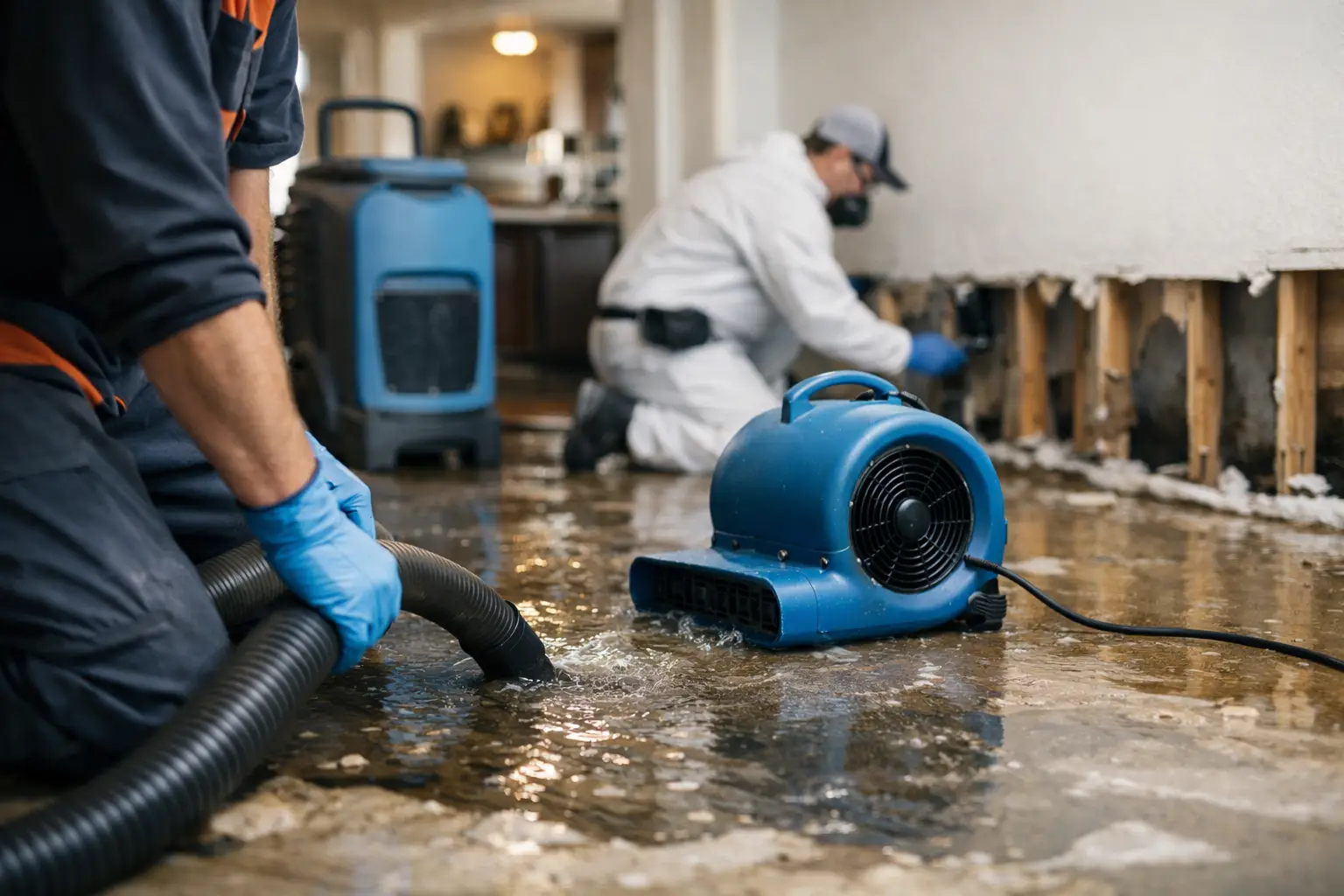 Water Damage
Extraction, structural drying, and moisture mapping after floods, leaks, and burst pipes.
Get help now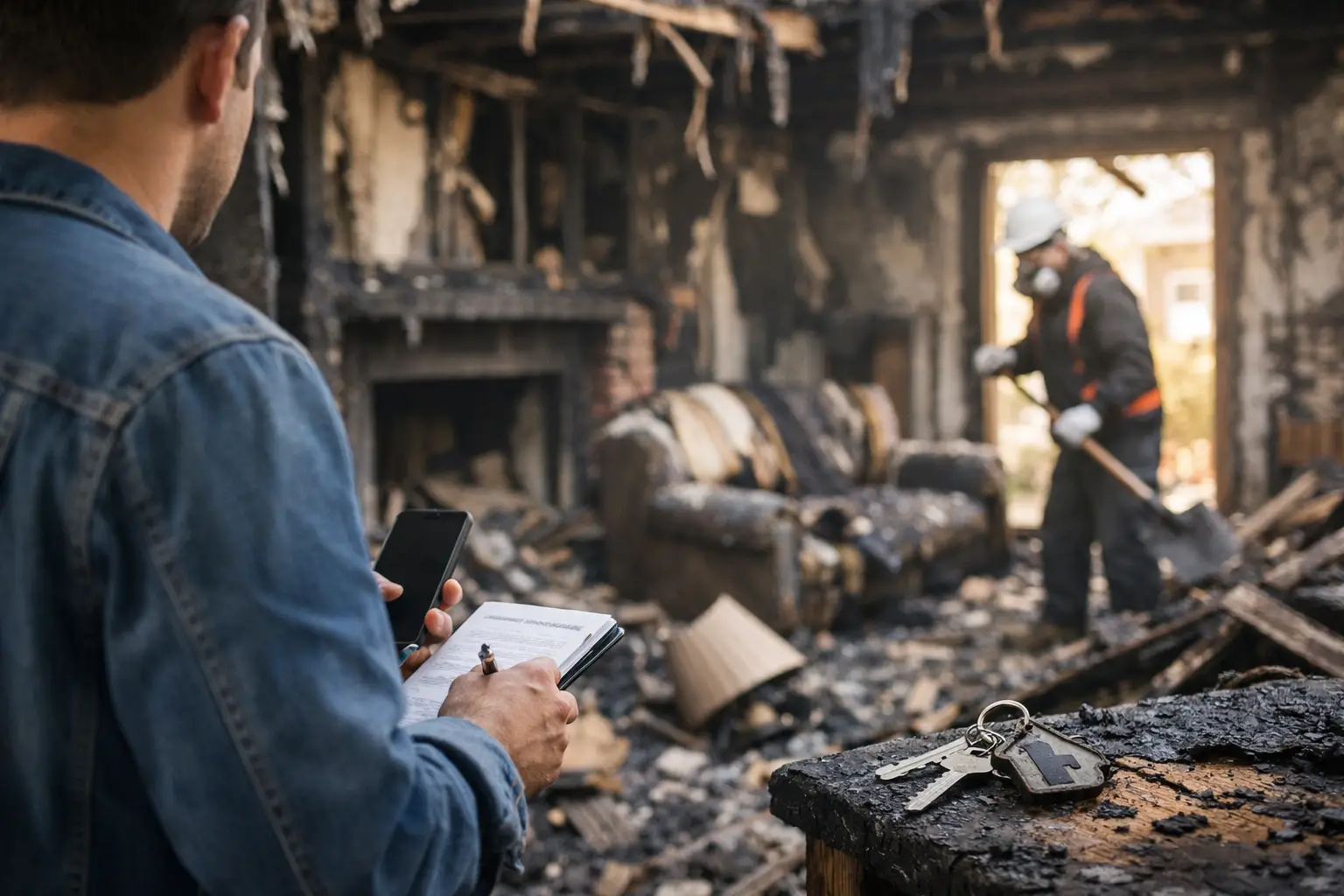 Fire & Smoke
Soot removal, odor deodorization, and content cleaning after fire and smoke damage.
Learn more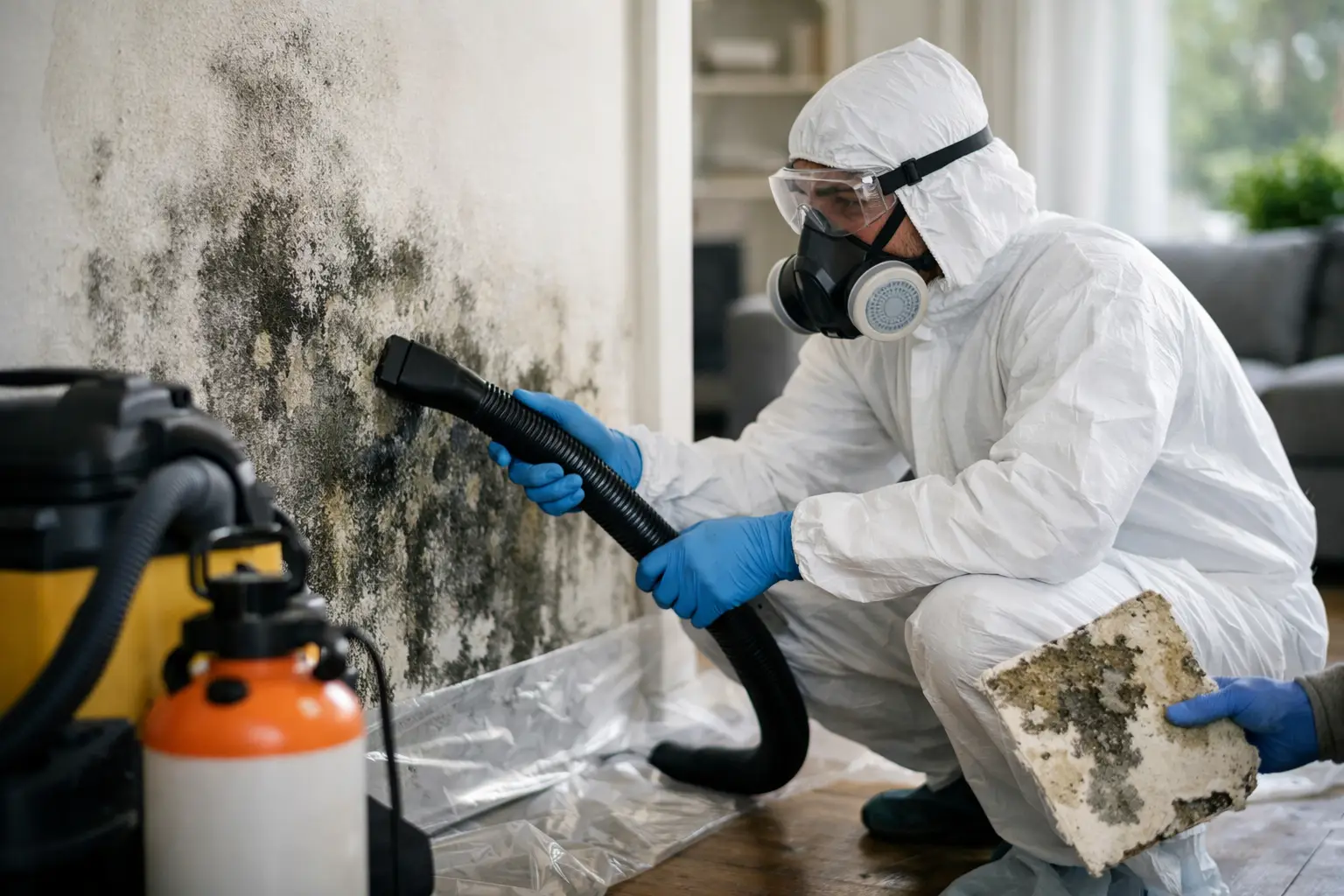 Mold
MoldContainment, removal, and moisture control that stops mold from coming back.
Learn more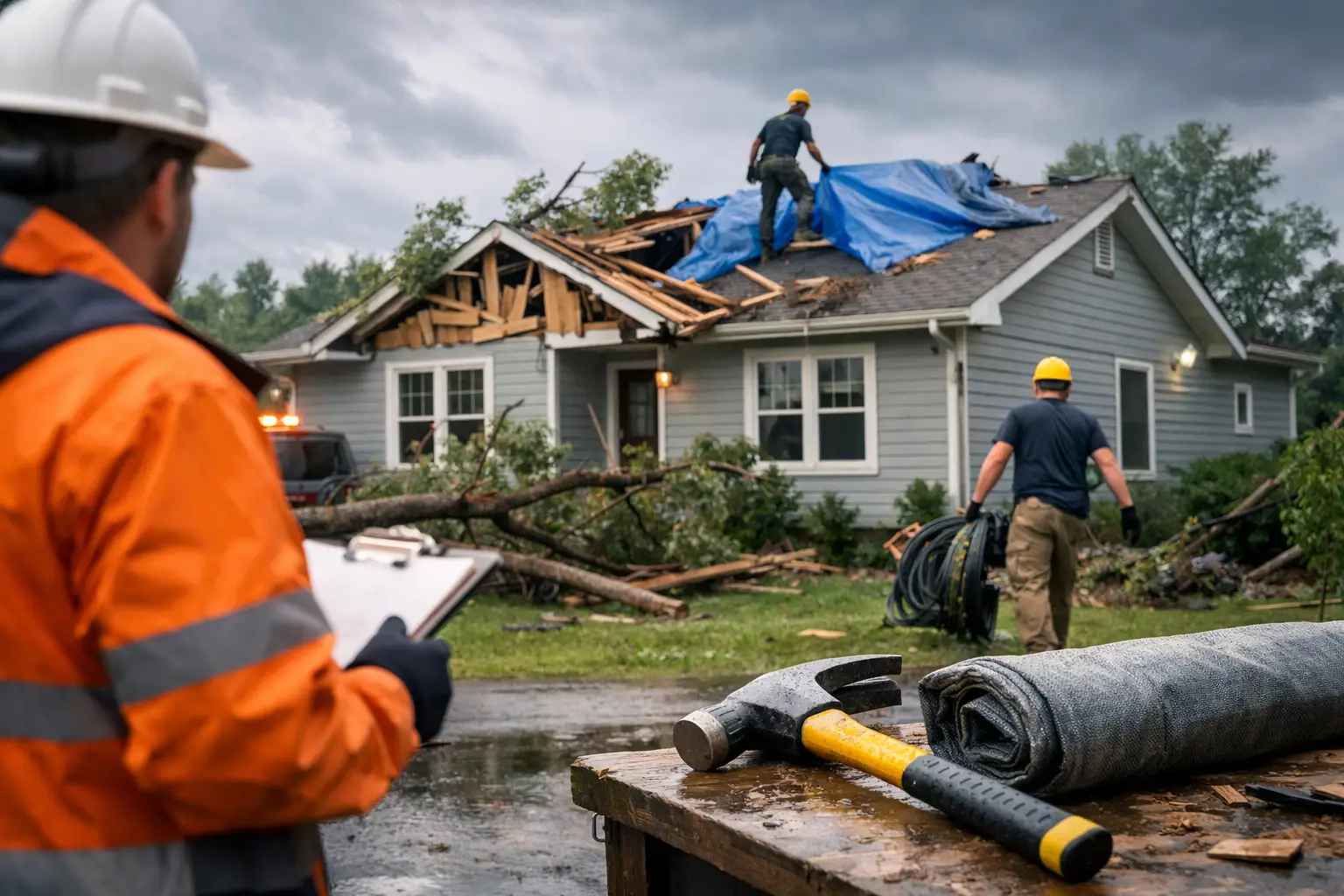 Storm
StormEmergency board-up, roof tarping, and full recovery after wind, hail, and storms.
Learn more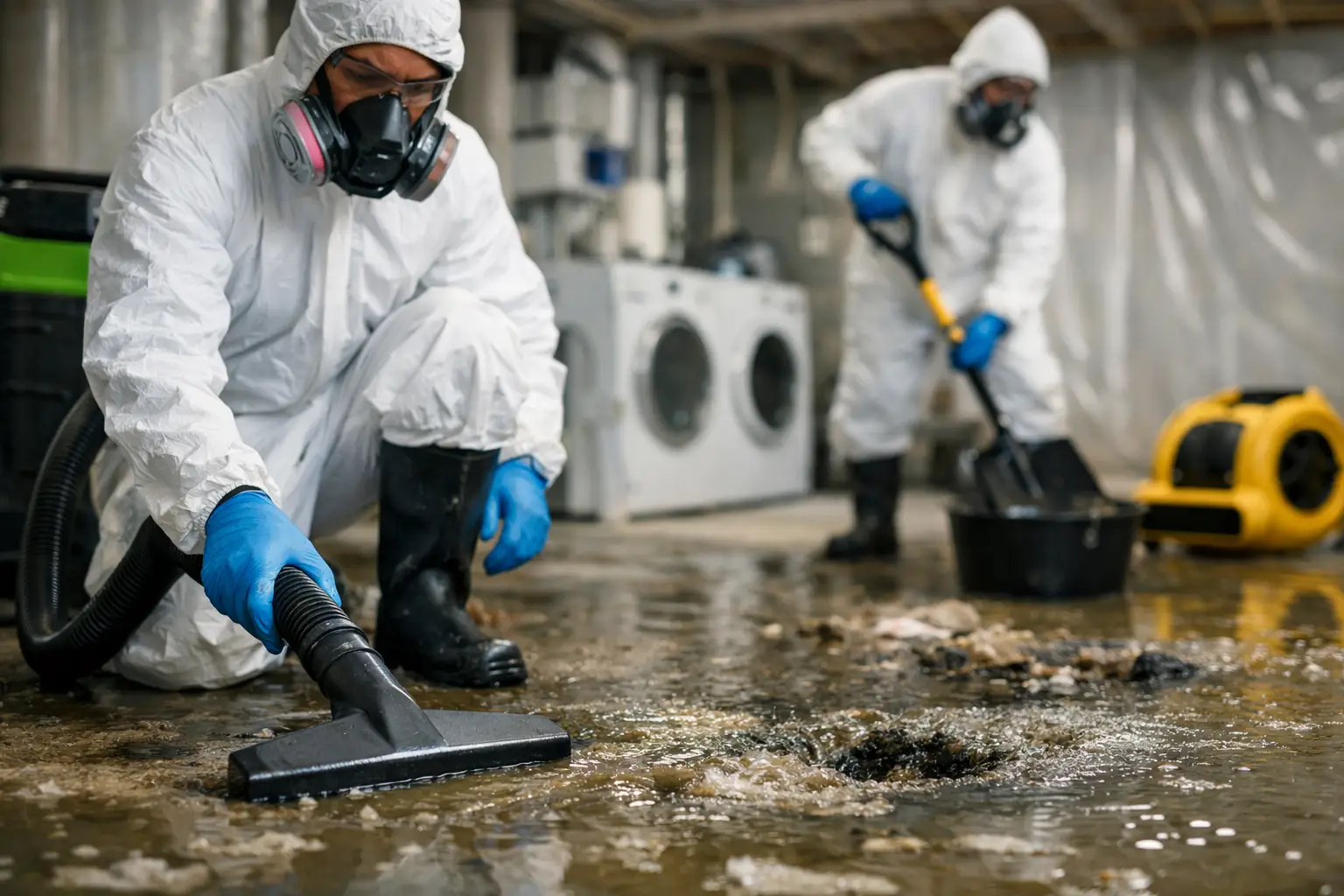 Sewage
Safe biohazard cleanup and sanitizing after sewage backups and overflows.
Learn more Reconstruction
Full rebuild by a licensed general contractor, so your property comes back whole.
Learn moreElevated Operations is an IICRC-certified, licensed general contractor based in Mableton that handles the entire recovery in-house, so after one loss you are never coordinating a cleanup crew, a mold crew, and a contractor separately. One team, one point of contact, from the first pump-out to the final coat of paint.
People call when the property feels like a disaster. They leave reviews because Chris and the crew made it right. These are real, verified Google reviews.
After floodwater or storm-driven moisture, I start with inspection, source control, and containment. Then I remove contaminated materials, perform mold cleanup with hepa vacuuming and air filtration, and dry the structure. Floods near Sweetwater Creek are a reminder that water can spread farther than the visible stain.
Musty odor, visible growth, soft drywall, peeling paint, or water damage that stayed wet are all strong signs. If your home had a leak or flood and materials were damp for more than a short time, mold remediation services are safer than waiting for the problem to grow.
The affected mold can be removed and cleaned, but the space still has to stay dry. In crawl spaces and basements, moisture control is the long-term fix. If humidity or drainage stays wrong, mold can return even after thorough mold abatement and structural cleaning.
Yes. A mold inspection should come first so I can see how far the damage traveled and what materials are affected. That keeps the remediation focused. Guessing leads to over-removal in some places and missed contamination in others, which is a bad trade either way.
Homes that sit where water used to linger, or where drainage still funnels moisture toward the structure, have a higher risk of hidden dampness. After a storm or flood event, including the lessons learned from Sweetwater Creek, moisture can stay in framing, insulation, and crawl spaces.
Direct insurance billing means my team can work with the claim process instead of making the homeowner carry the paperwork alone. It does not change what the job needs, but it can make the process cleaner when the loss is covered and documentation is required.
No. Mold removal usually refers to taking out visible growth, while mold cleanup in a real restoration job also includes containment, cleaning, drying, and checking the moisture source. A true remediation plan is broader because the problem is broader than what you can see.
I do. I am Chris Kwangwari, owner of Elevated Operations, LLLP, and I am a licensed general contractor with IICRC-certified technicians on the job. We have been in restoration since 2007, and we work from our Mableton base across Cobb, Fulton, DeKalb, Douglas, Clayton, Henry, and Paulding counties.
Elevated Operations dispatches IICRC-certified crews across Metro Atlanta from our Mableton base, with a 60-minute emergency response day or night. Choose your city:
Call now for an immediate response, or request your free inspection and get a certified crew on-site within the hour across Atlanta and nearby areas.




