24/7 Emergency Restoration · Serving Metro AtlantaEmergency? (770) 404-6895
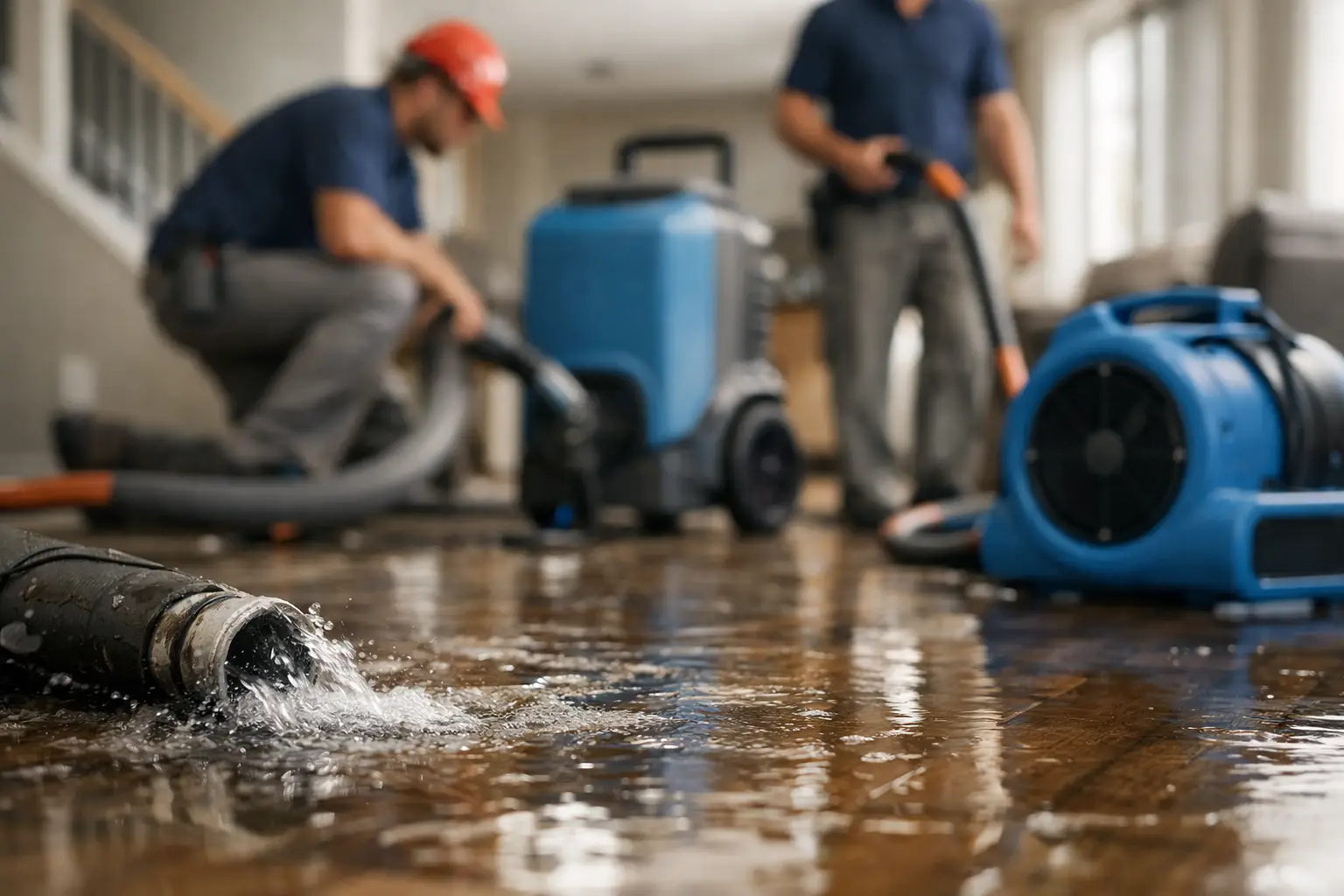
Water extraction and drying Marietta is not just wet carpet cleanup, it is a controlled process that stops hidden damage fast. I am Chris Kwangwari with Elevated Operations, LLLP, and I have been in restoration since 2007. In Marietta, I watch for historic Square plaster issues and Kennesaw Mountain runoff patterns that fool a lot of homeowners.
IICRC-Certified · 5-Star Rated · 60-Minute Response · Insurance Billed Directly
Yes. I handle water damage in Marietta, including historic Square properties with plaster and mixed materials that need careful drying.
It can. Storm runoff can push water into low spots, crawlspaces, and basements, so I treat those losses seriously.
Yes. I offer direct insurance billing and deductible assistance up to $1,000 when the loss qualifies.
My IICRC-certified technicians do. I am licensed as a general contractor, and I back the work with a 12-month warranty.
No. Even a small leak can soak into plaster, trim, and subflooring, then keep spreading after the surface looks dry. In Marietta, I see historic Square plaster hold moisture longer than homeowners expect, and runoff-driven intrusion from Kennesaw Mountain storms can make a minor leak behave like a major one.
Myth: If the carpet feels only damp, it can wait. Fact: water keeps moving through materials, especially in older homes near the Square where plaster and wood assemblies trap moisture. Water removal has to happen early, or you are paying for hidden repairs later.
Myth: A fan is enough. Fact: a box fan can move air across the top layer, but it does not perform structural drying. I use air movers, dehumidification, and moisture monitoring because the goal is to pull moisture out of the building, not just dry what you can see.
Marietta weather patterns matter. After heavy rain, water can come in fast from grading, roof issues, or runoff tied to the Kennesaw Mountain area. That is why I treat every call like a time-sensitive job, whether the damage started in a finished basement or under a hallway floor.
It starts with finding the source, then removing standing water, setting up equipment, and tracking moisture until the structure is dry. In Marietta, that matters because plaster, hardwoods, and older framing around the historic Square can hold water in ways a homeowner cannot spot from the room.
Myth: water extraction is just pumping out puddles. Fact: the job includes water removal, wet carpet extraction, and checking where moisture traveled under baseboards, cabinets, and wall cavities. If I skip that step, the drying process starts with a hidden problem still inside the house.
Myth: once the floor feels dry, the job is done. Fact: I keep moisture monitoring in place because materials dry at different rates. Air movers help move air across surfaces, while dehumidification pulls humidity out of the space so wood, drywall, and plaster dry the right way.
In Marietta, I pay attention to how the home was built. Historic homes near the Square can have different wall materials than newer subdivisions, and that changes how I place equipment. Kennesaw Mountain runoff can also push water into lower areas where drying takes longer than expected.
I use professional water extraction equipment, air movers, and dehumidification to remove moisture from the structure, then I verify progress with moisture monitoring. The right equipment depends on where the water went, because a wet carpet issue is not the same as water inside plaster walls or framing.
Myth: any household fan and open windows will do it. Fact: open windows can actually add humidity during a Georgia storm cycle, which slows structural drying. Professional gear is built to control airflow and pull moisture out, especially in sealed rooms or older Marietta homes with tighter spaces.
Myth: equipment placement does not matter. Fact: it matters a lot. A hallway with wet carpet extraction needs different airflow than a crawlspace or a plaster wall near the Square. I position air movers to support the drying process without blowing moisture deeper into the structure.
Myth: more equipment always means better results. Fact: the point is balance, not clutter. I size the setup to the loss and check readings as conditions change. That is how I keep drying controlled in Marietta homes that may have hardwoods, plaster, or finished basements impacted by runoff or supply-line leaks.
It depends on the materials, the amount of moisture, and how far the water spread, so there is no honest one-size answer. Historic plaster near the Square, hardwood floors, and Kennesaw Mountain runoff intrusion can each change the drying timeline in a big way.
Myth: a room dries in a day if the surface looks fine. Fact: the surface is the last place I trust. Wet carpet may look normal while the pad, tack strips, and subfloor still hold moisture, so I keep equipment running until the readings tell me the structure is dry.
Myth: old homes always take longer. Fact: not always, but they often need closer monitoring because plaster, trim, and framing absorb water differently than modern finishes. That is why I do not guess on a timeline. I watch the materials and let the moisture readings tell the story.
Marietta storms can complicate timing. When runoff comes down from the Kennesaw Mountain side or rain overwhelms a low point, the water often reaches hidden building cavities. That means the drying process is about verification, not hope, and I keep checking until the numbers settle.
Because water removal is only the first step. Structural drying protects the framing, subfloor, drywall, and plaster that stay wet after visible water is gone. In Marietta, that is critical in older homes around the Square and in lower areas affected by mountain runoff.
Myth: if the carpet is dry, the house is safe. Fact: the framing under that carpet may still be damp, and that moisture can spread. Structural drying is what keeps hidden wet materials from turning into rot, odor, and bigger repair bills.
Myth: you can skip drying if the leak was small. Fact: small losses can still soak insulation, base plates, and wall bottoms. I have seen a minor water event become a structural issue because the hidden materials were ignored after the visible water was removed.
In Marietta, this matters because of the mix of home types. Historic plaster near the Square behaves differently than newer drywall construction, and both can trap moisture in different ways. I treat the structure as the real job, not just the room you can see.
No. Wet carpet extraction helps remove surface water, but it does not finish the job if the pad, subfloor, or walls are saturated. In Marietta, especially after heavy runoff events, I check the whole room so hidden moisture does not keep damaging the structure.
Myth: pull up the carpet and move on. Fact: carpet systems can hold a lot of moisture underneath, and the pad often acts like a sponge. If I only address the top layer, the room may smell fine for a day and then fail later.
Myth: the underlayment is not a big deal. Fact: it is often where the problem lives. I use extraction, drying equipment, and monitoring to see whether the water reached the subfloor or base plates. That is the difference between cleanup and real restoration.
Marietta homeowners near the Square sometimes have older flooring assemblies that react differently than newer builds. Add in runoff from steep areas near Kennesaw Mountain and the damage can spread under the floor fast. I never stop at the carpet surface unless the readings prove that is enough.
Fact: plaster in Marietta homes, especially near the Square, can hold moisture in layers and around lath. I monitor it carefully because a surface that feels dry can still hide dampness deep inside.
Fact: runoff can enter crawlspaces, first floors, and finished rooms depending on grading and drainage. I see it move fast during storm events, and the path it takes is not always the one homeowners expect.
Fact: the real work starts after extraction. Air movers, dehumidification, and moisture monitoring are what prevent trapped water from turning into warped materials, odors, or hidden structural damage.
From emergency mitigation to full reconstruction, handled in-house so you are never managing a chain of subcontractors mid-crisis.
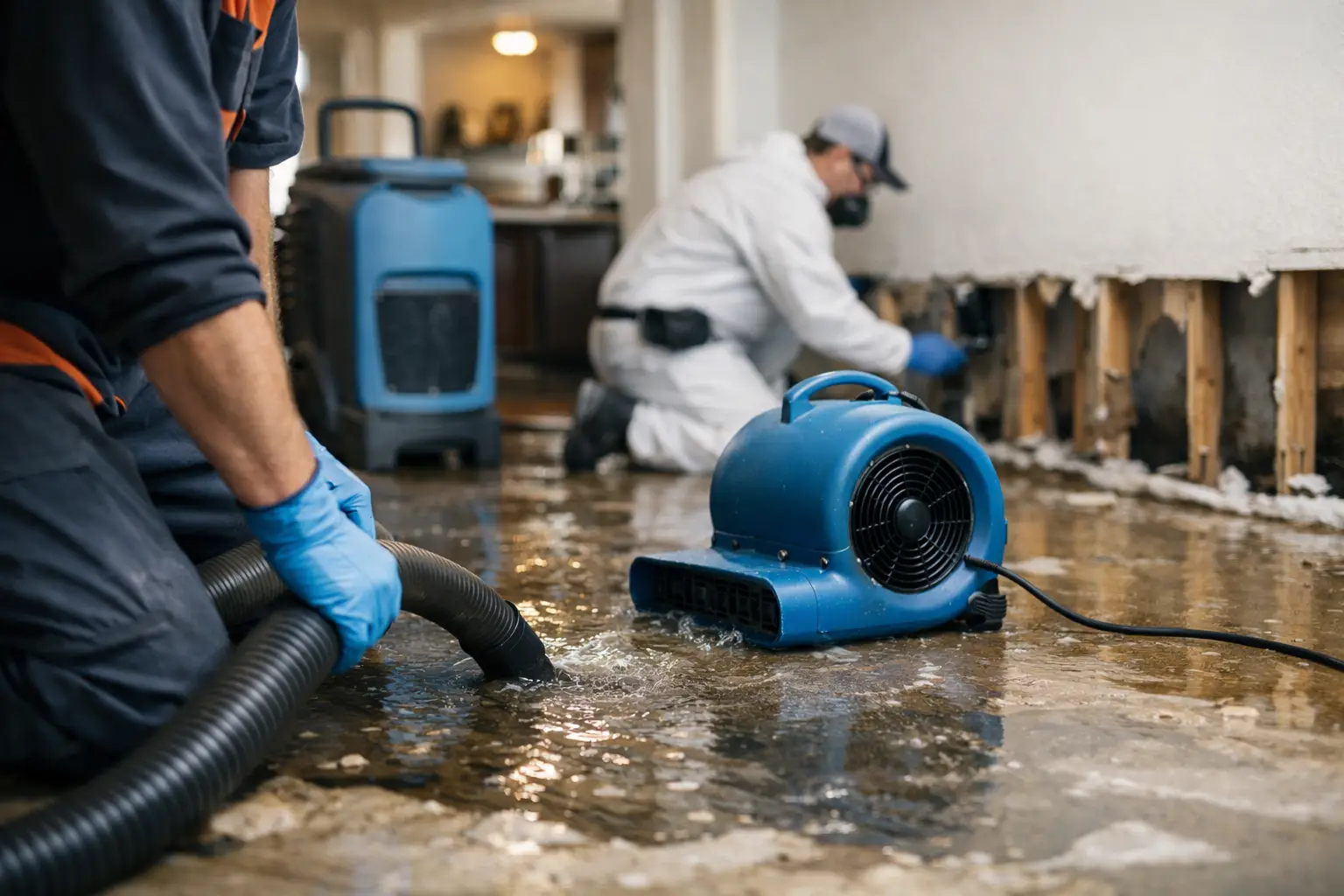 Water Damage
Extraction, structural drying, and moisture mapping after floods, leaks, and burst pipes.
Get help now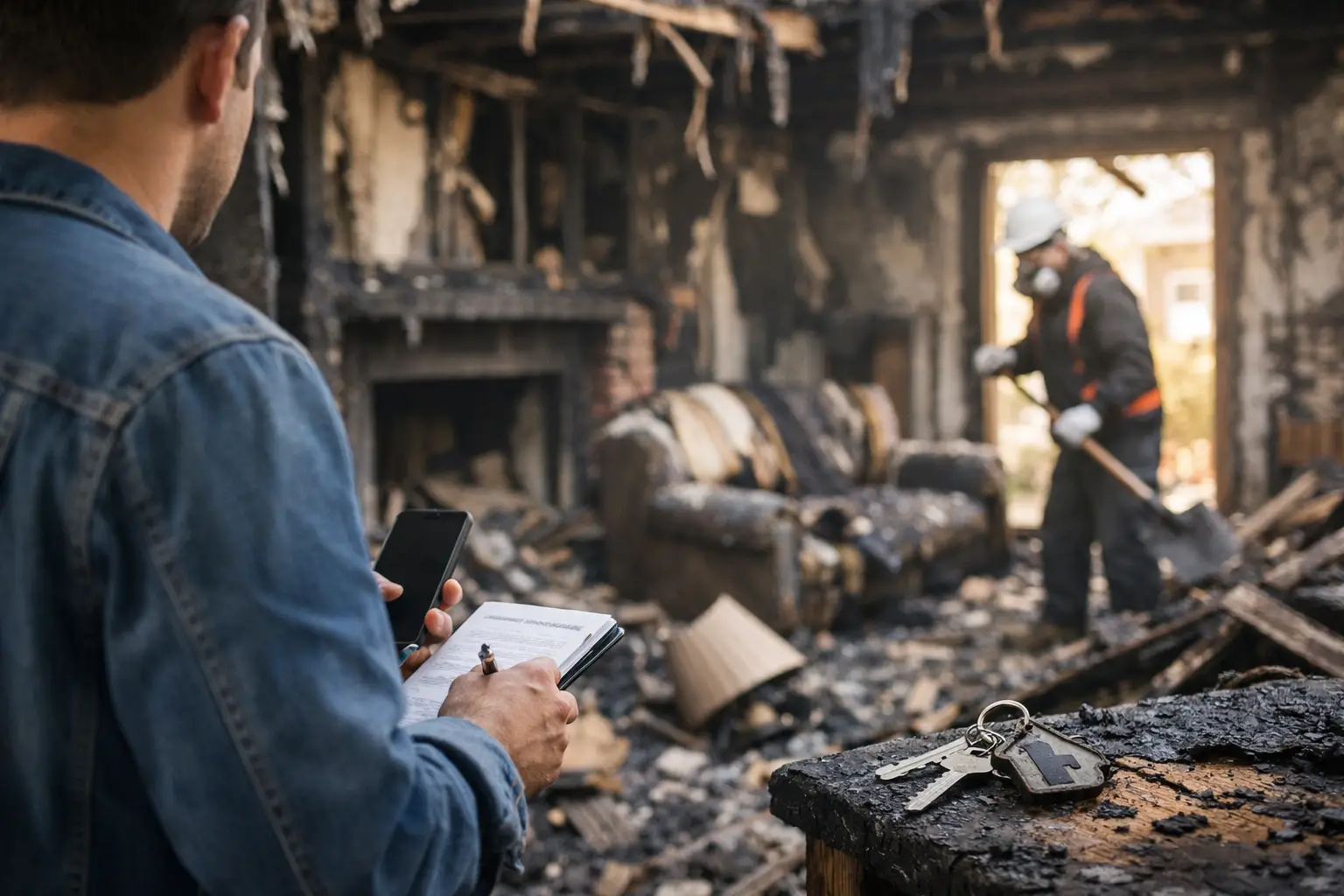 Fire & Smoke
Soot removal, odor deodorization, and content cleaning after fire and smoke damage.
Learn more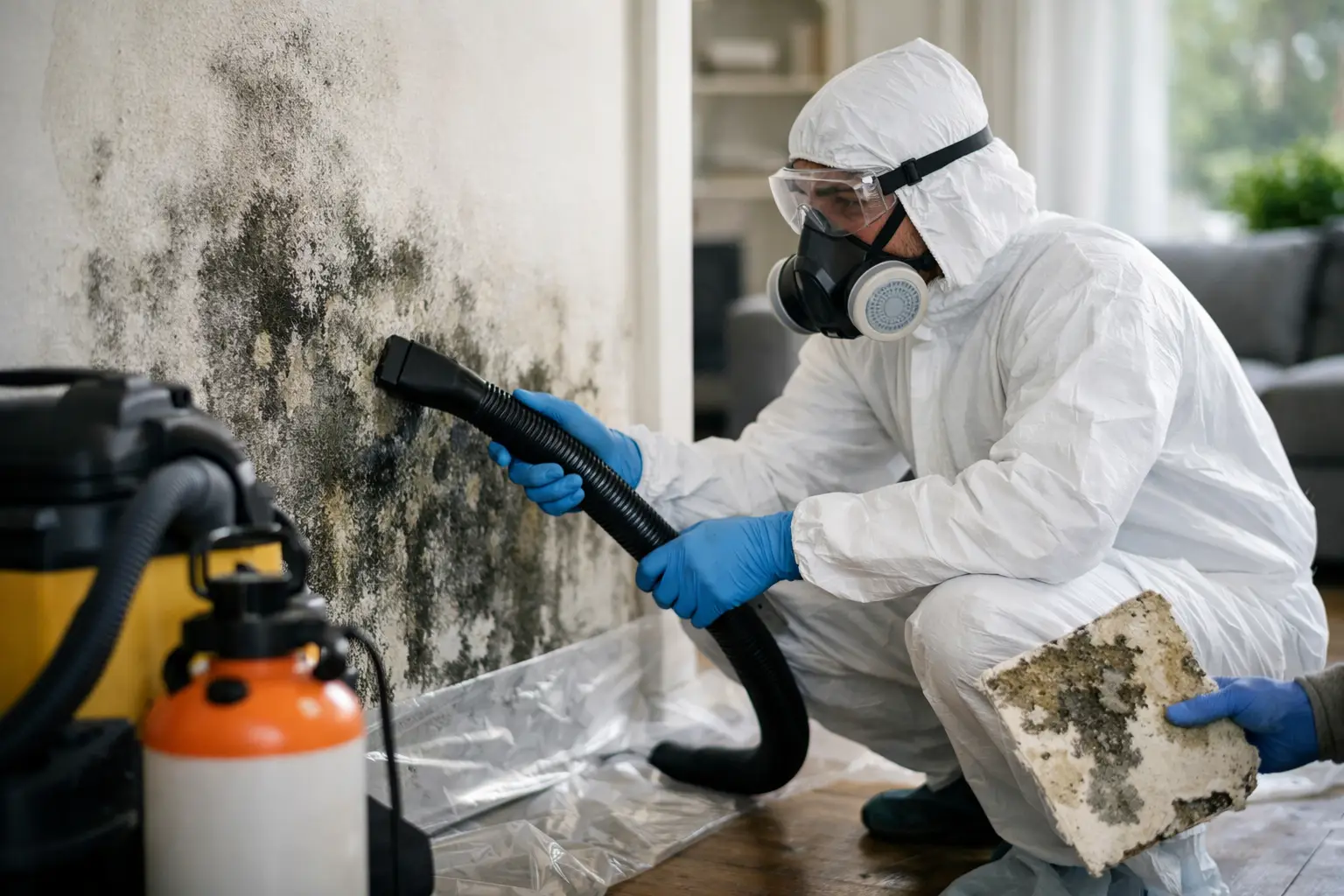 Mold
MoldContainment, removal, and moisture control that stops mold from coming back.
Learn more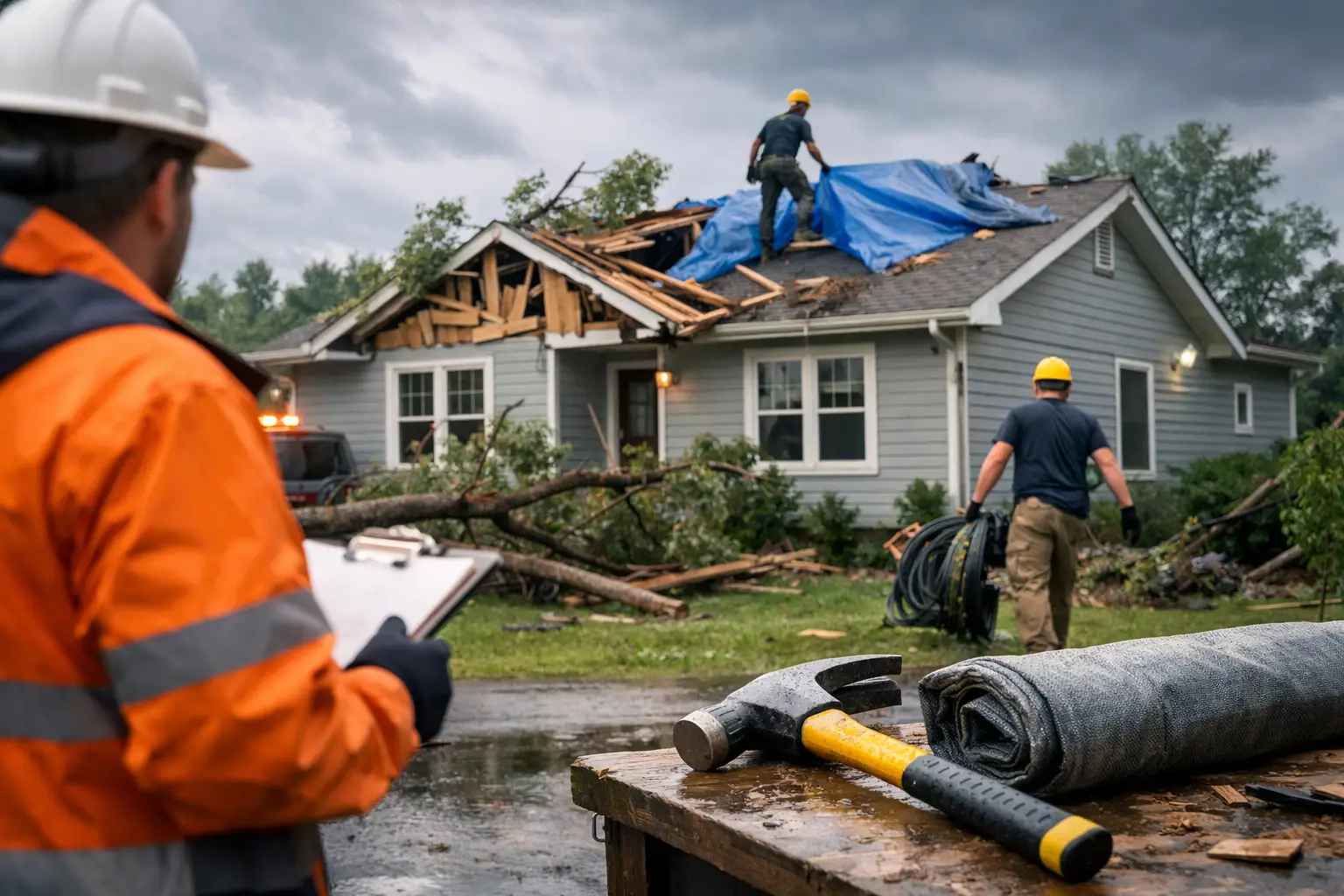 Storm
StormEmergency board-up, roof tarping, and full recovery after wind, hail, and storms.
Learn more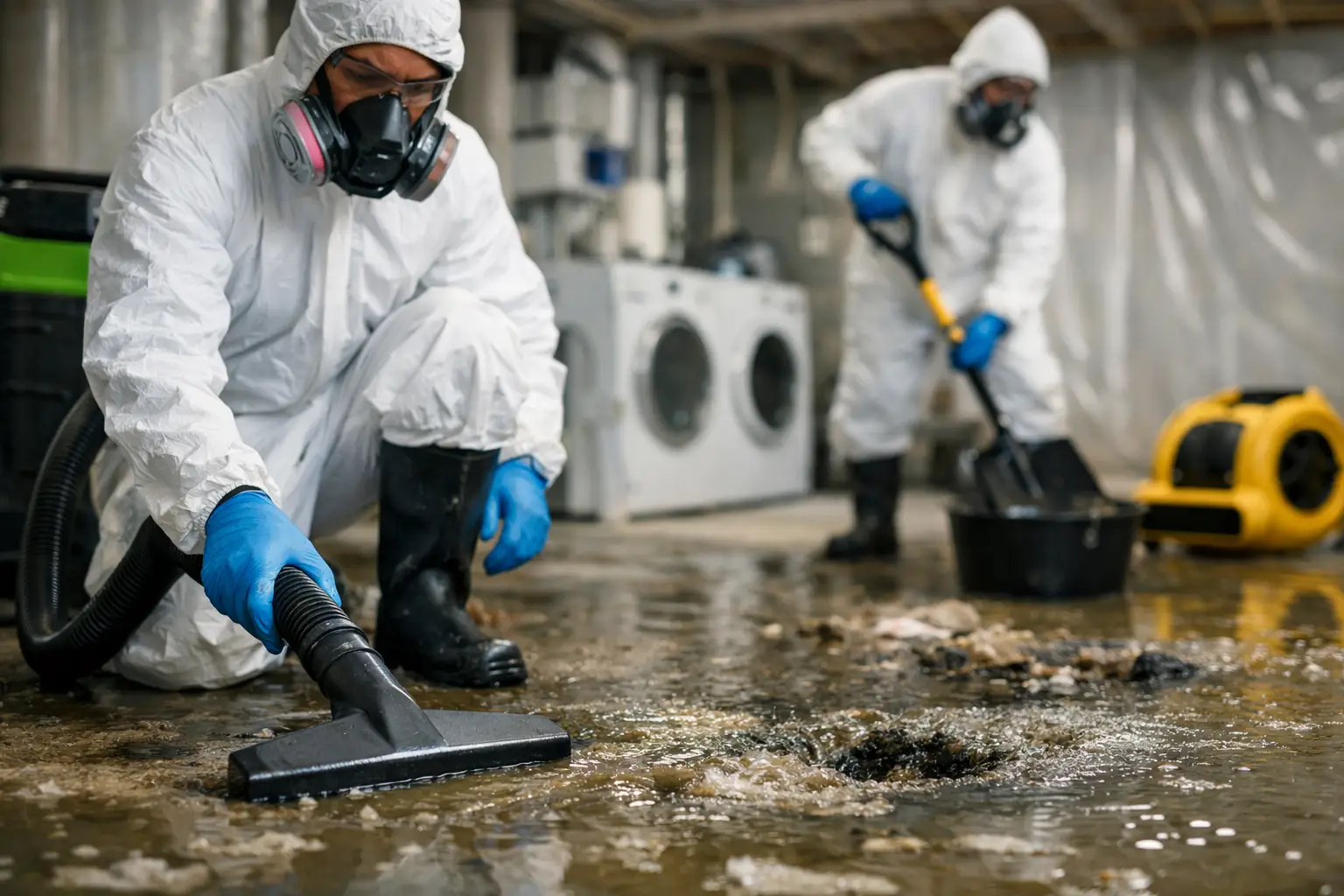 Sewage
Safe biohazard cleanup and sanitizing after sewage backups and overflows.
Learn more Reconstruction
Full rebuild by a licensed general contractor, so your property comes back whole.
Learn moreElevated Operations is an IICRC-certified, licensed general contractor based in Mableton that handles the entire recovery in-house, so after one loss you are never coordinating a cleanup crew, a mold crew, and a contractor separately. One team, one point of contact, from the first pump-out to the final coat of paint.
People call when the property feels like a disaster. They leave reviews because Chris and the crew made it right. These are real, verified Google reviews.
I start with source control and water removal, then I set the drying equipment based on the materials in the home. Historic Square properties can have plaster, trim, and flooring that hold moisture differently than newer construction. I check readings as I go, because surface dryness is not the same as structural dryness.
Because runoff can push water into places you do not see, like wall bottoms, crawlspaces, and under flooring. Moisture monitoring tells me whether the structure is actually drying or just looking better on the surface. That matters in Marietta, where storm water can move quickly and leave hidden wet spots behind.
The biggest myth is that extracting the carpet means the job is done. Wet carpet extraction helps, but the pad, subfloor, and walls may still be wet. I see that mistake cause long-term damage in Marietta homes when the drying process is stopped too early.
I dry them with controlled airflow and dehumidification, then I verify the moisture levels instead of forcing heat or guessing. Historic plaster around the Square needs a careful approach because it can trap moisture inside layers. The point is to dry the wall assembly, not punish it.
No. Air movers are part of the setup, but they do not remove humidity from the room. I pair them with dehumidification and moisture monitoring so the drying process actually moves moisture out of the structure. Otherwise, you can just keep recirculating damp air.
Shut off the water if you can do it safely, then call for 24/7 emergency help. I respond within 60 minutes, and I can begin water removal and drying work right away. Quick action matters most when water has reached flooring, walls, or plaster.
Yes. A small leak can soak cabinets, drywall, and subflooring before anyone notices. In Marietta, I have seen minor supply-line leaks turn into major hidden damage because the moisture sat under the surface. Structural drying is what prevents that quiet damage from spreading.
I decide it by moisture readings, not by guessing or by how the room smells. Once the affected materials return to acceptable levels and stay there, I know the drying process has done its job. That is especially important in Marietta homes with plaster, hardwood, or older framing.
Elevated Operations dispatches IICRC-certified crews across Metro Atlanta from our Mableton base, with a 60-minute emergency response day or night. Choose your city:
Call now for an immediate response, or request your free inspection and get a certified crew on-site within the hour across Atlanta and nearby areas.