24/7 Emergency Restoration · Serving Metro AtlantaEmergency? (770) 404-6895
Storm damage restoration College Park homeowners need is not just cleanup, and it is not always visible from the curb. I am Chris Kwangwari, and I correct storm myths fast, from roof tarping to structural repair, for homes near College Park's National Register historic district and the convention hotels along the airport corridor.
IICRC-Certified · 5-Star Rated · 60-Minute Response · Insurance Billed Directly
Yes. I provide 24/7 emergency response with 60-minute emergency response, and I move fast on tarping, boarding, and water control.
I see a mix of historic district homes and properties near the convention hotels, and both can hide storm damage that a quick look misses.
Yes. My technicians are IICRC-certified, and that matters when the job involves water, structural issues, and storm-related contamination.
I back the work with a 12-month warranty, because storm repairs should be done right the first time and held accountable after the job is finished.
It includes more than drying a room. I start with inspection, debris removal, roof tarping, temporary boarding, water intrusion control, structural repair, and coordination with your insurer. The myth is that one crew fixes one problem. The fact is storm damage often moves through the whole house, especially in older College Park homes.
Myth: storm damage restoration is just picking up branches and sweeping out water. Fact: when wind or hail hits a College Park house, the damage can show up on the roof, in the attic, around windows, and inside walls. Historic homes near the National Register district deserve a careful, top to bottom check.
Myth: if the house looks fine from the street, the work is done. Fact: homes near the convention hotels and the airport corridor often take hard wind on one side and let water in where shingles, flashing, or trim failed. I look for the hidden path, not just the obvious mess.
Myth: restoration means you have to manage every trade yourself. Fact: I run the process, and I bill insurance directly when the claim is active. Elevated Operations, LLLP brings IICRC-certified technicians, a licensed general contractor, and a 12-month warranty to the job, so you are not left guessing.
Yes, and fast. A small roof opening, cracked siding, or loose flashing can send water into framing, insulation, and ceilings. The myth is that leaks wait for a later rain. The fact is water intrusion can begin during the same storm and spread before the roof even dries out.
Myth: if the rain has stopped, the water problem has stopped. Fact: hidden moisture keeps moving after the storm. In College Park, where older homes and mixed roof lines are common, water can track along framing and show up far from the entry point, often in ceilings or wall cavities.
Myth: a wet spot means a simple patch later. Fact: water intrusion can turn into mold starts in 24 to 48 hours if it is left alone. That is why I move quickly with emergency response and moisture control before the damage gets bigger and the repair bill gets uglier.
Myth: dehumidifiers alone solve the problem. Fact: if storm damage opened the roof or siding, the source has to be stopped first. That can mean roof tarping, temporary boarding, and structural repair. I do not guess. I find the entry point and stop the water at the source.
Yes, often immediately. The myth is that tarping is only for dramatic roof loss. The fact is roof tarping is one of the fastest ways to stop more water intrusion after hail damage repair, wind damage repair, or tree impact, especially when the house sits exposed near open corridors and traffic.
Myth: tarping is a bandage you can skip if the leak looks small. Fact: even a small opening can feed a ceiling stain, attic moisture, and insulation damage. In College Park, storms do not care whether the roof is historic or newer, they keep forcing water through weak points.
Myth: a tarp means the roof is ruined. Fact: tarping is often a smart first move, not a verdict. It buys time for inspection, documentation, and a proper repair plan. I use it to protect the structure while we sort out the full storm damage restoration scope.
Myth: waiting until daylight is always safe. Fact: if the storm is still active or a section is exposed, waiting can create more interior loss. I offer 24/7 emergency response with 60-minute emergency response, because the first few hours after a storm matter more than most people think.
I fix it by stopping active exposure first, then documenting the loss, then repairing the structure and finishes in the right order. The myth is that you start with cosmetics. The fact is you begin with protection, then move into structural repair, roofing, and interior restoration once the building is stable.
Myth: storm damage is only about replacing what you can see. Fact: broken trim, lifted shingles, and damaged flashing often mean deeper structural repair is needed. That is common in College Park homes that have aged materials or complex roof transitions, and it is exactly where shortcuts fail.
Myth: you should wait for the adjuster before touching anything. Fact: you should document first, then protect the property. I can help with deductible assistance up to $1,000, and I do direct insurance billing, so the claim process does not freeze while the house stays exposed to the weather.
Myth: one contractor can handle any storm loss without licensing. Fact: if the storm damage reaches framing, openings, or load-bearing elements, you want a licensed general contractor on it. I have been in restoration since 2007, and I know when debris removal turns into true structural repair.
No. The myth is that hail damage repair only matters when shingles are torn off or the roof is leaking. The fact is hail can bruise shingles, dent metal, and weaken materials without making a dramatic mess, which is why a proper inspection matters after a storm passes through College Park.
Myth: if neighbors are not calling, your roof is fine. Fact: hail can strike one block harder than the next, and the damage is not always visible from the ground. In College Park, a roof can look normal from the curb and still need repair after a hard storm.
Myth: a few dents are just cosmetic. Fact: on a roof, cosmetic damage can still point to compromised performance, and it can lead to water intrusion later. I inspect the system, not just the shingle surface, because the failure often starts where people never look.
Myth: hail damage repair can wait until the next season. Fact: delay makes the claim harder and the moisture risk worse. If the roof has been hit, I move fast, document the loss, and recommend the right next step before the next rain tests the weak spots again.
Older homes need more care because materials, framing, and roof details often respond differently to wind and water. The myth is that all houses are repaired the same way. The fact is College Park’s historic district homes can need extra attention to preserve the structure while fixing the storm loss correctly.
Myth: old homes are too fragile for fast repairs. Fact: they are repairable, but they need the right order and the right hands. In the National Register historic district, storm damage restoration has to respect the building while still moving quickly enough to stop more water intrusion and decay.
Myth: temporary boarding is only for boarded-up vacant buildings. Fact: temporary boarding is a smart protection step for broken windows, doors, or openings after storm impact. It helps keep out weather and debris while we plan the permanent repair, especially when the house is exposed during another passing storm.
Myth: historic homes cannot be handled by a modern restoration company. Fact: they can, if the contractor understands both restoration and construction. Elevated Operations, LLLP is a licensed general contractor, and my team knows how to protect a property near College Park's convention hotels without treating it like a cookie-cutter job.
Fact: debris removal is only the start. I clear the wreckage, then check for roof, siding, attic, and interior damage so the storm does not keep working on the house after the cleanup.
Fact: roof tarping is often the first protective move after a storm. If the roof is open, every hour can mean more water intrusion, especially in older College Park homes near the historic district.
Fact: wind damage repair often reaches flashing, soffits, windows, and wall openings. I look for the way the wind entered and traveled, not just the piece that blew off.
From emergency mitigation to full reconstruction, handled in-house so you are never managing a chain of subcontractors mid-crisis.
 Water Damage
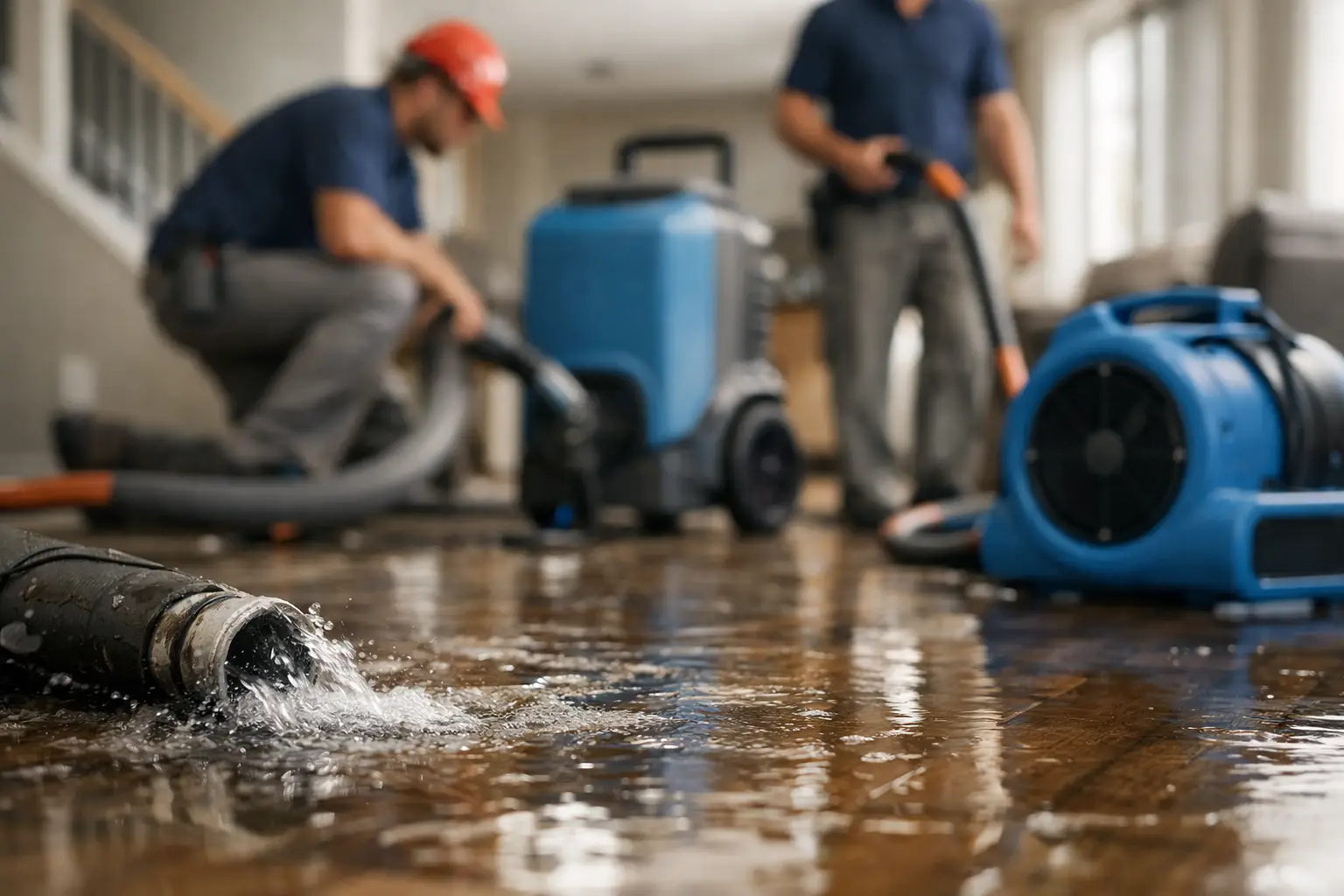
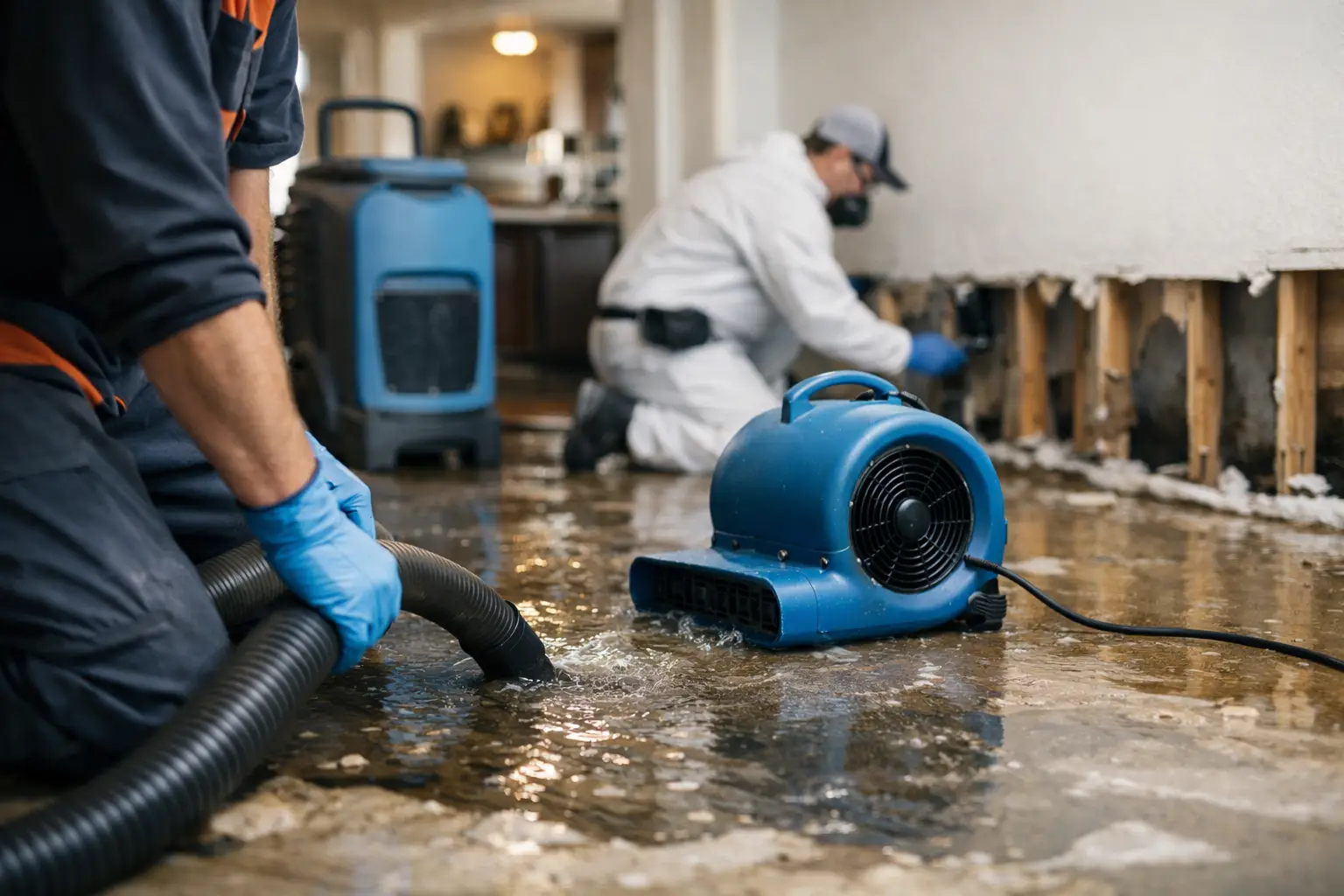
Extraction, structural drying, and moisture mapping after floods, leaks, and burst pipes.
Get help now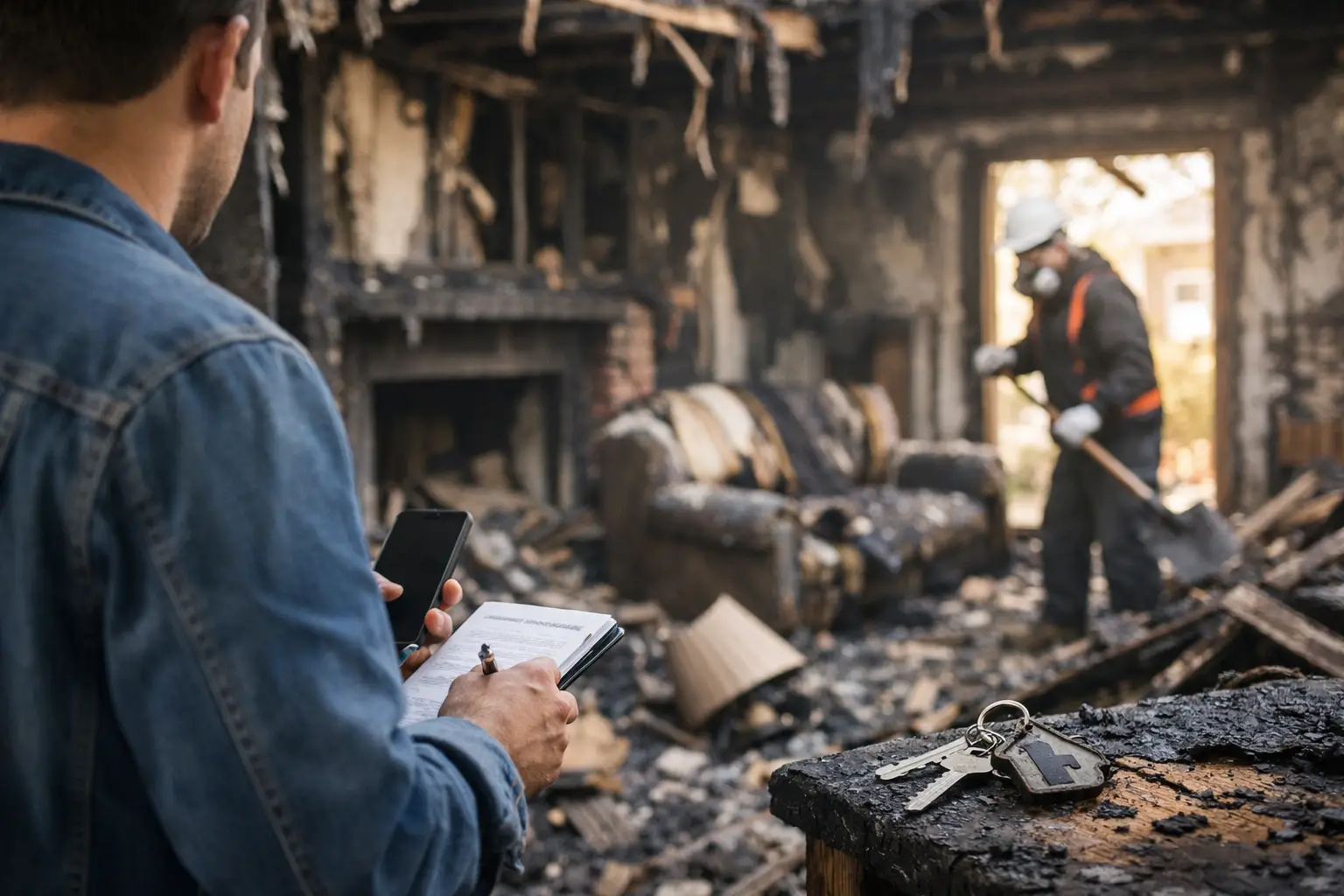 Fire & Smoke
Soot removal, odor deodorization, and content cleaning after fire and smoke damage.
Learn more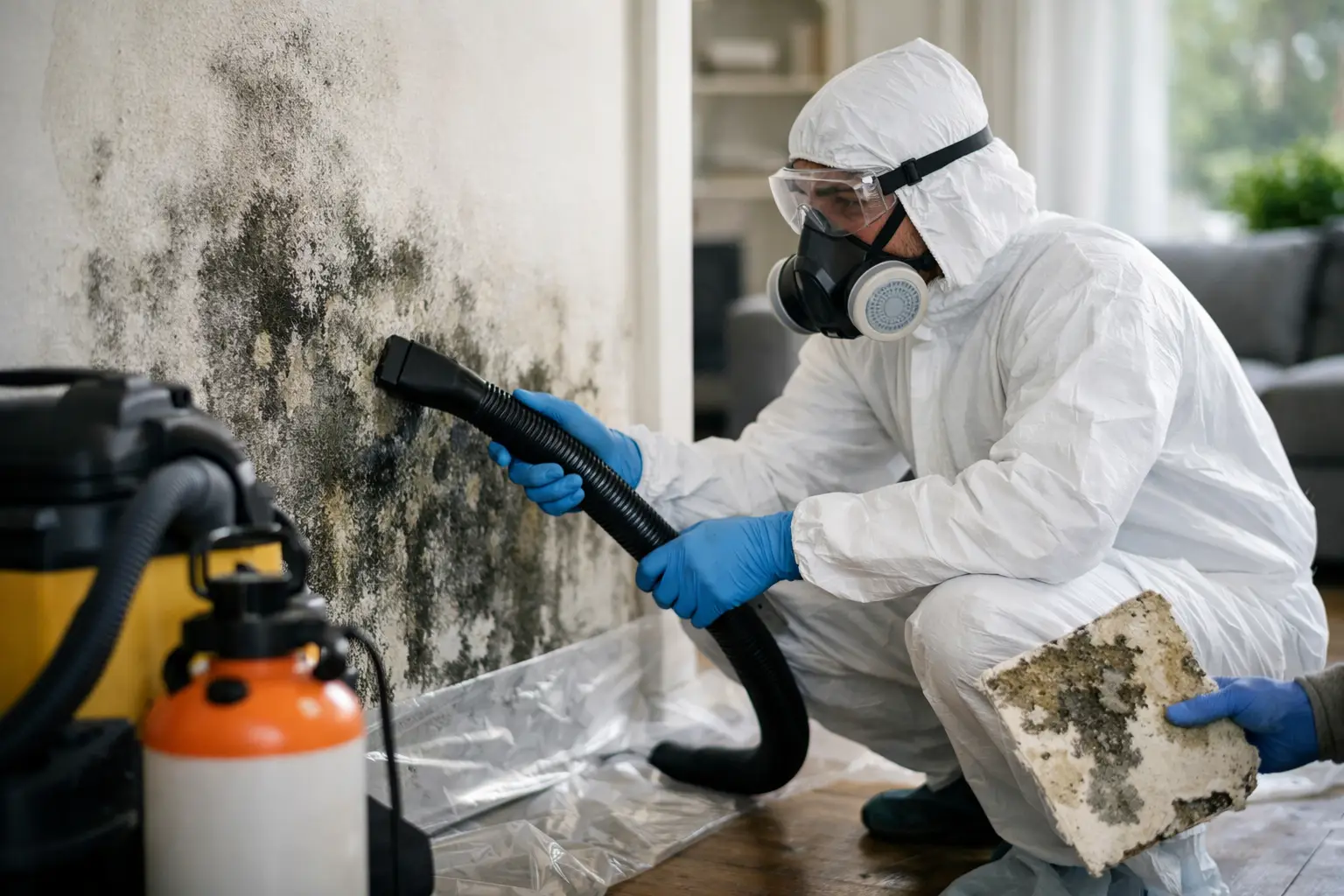 Mold
MoldContainment, removal, and moisture control that stops mold from coming back.
Learn more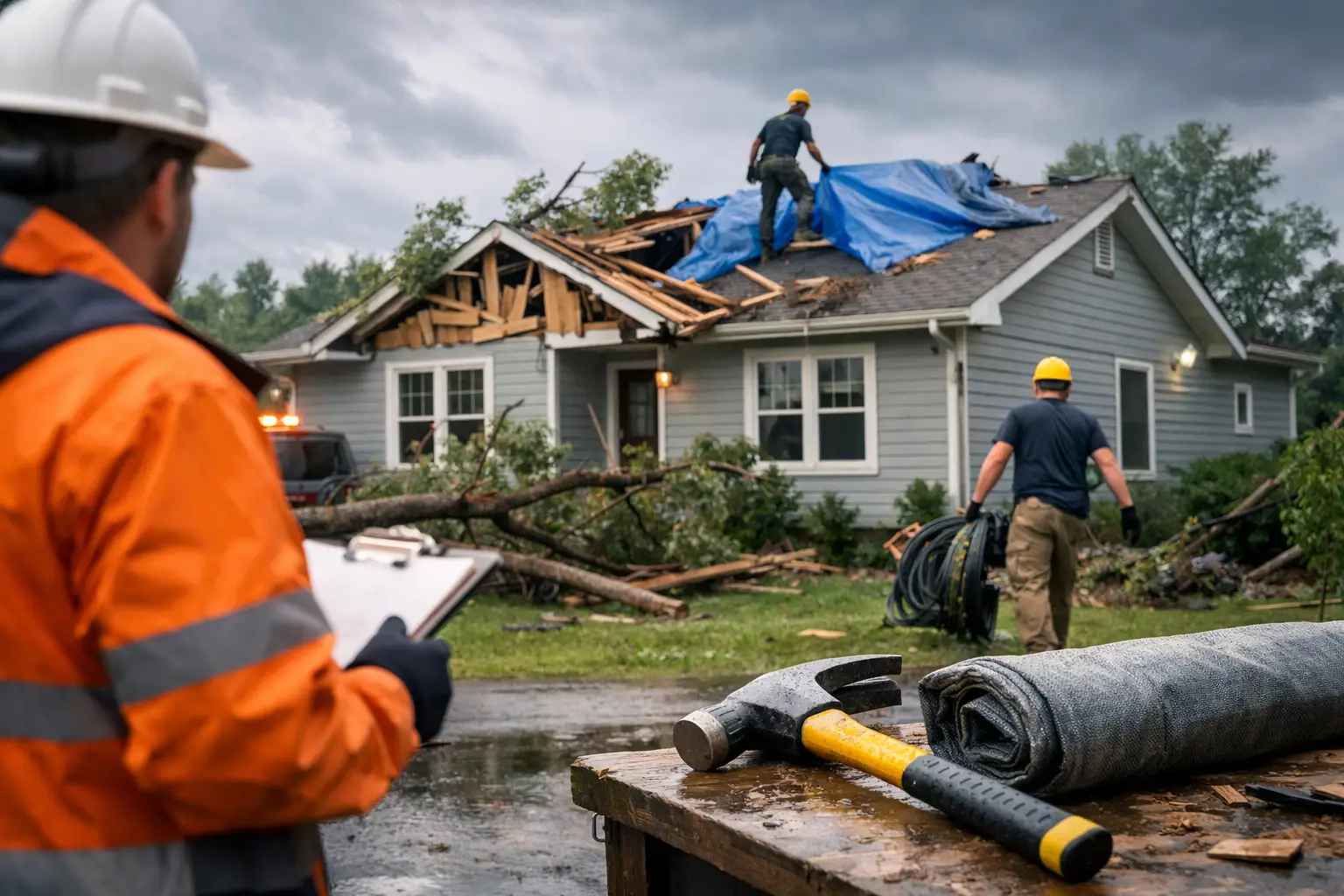 Storm
StormEmergency board-up, roof tarping, and full recovery after wind, hail, and storms.
Learn more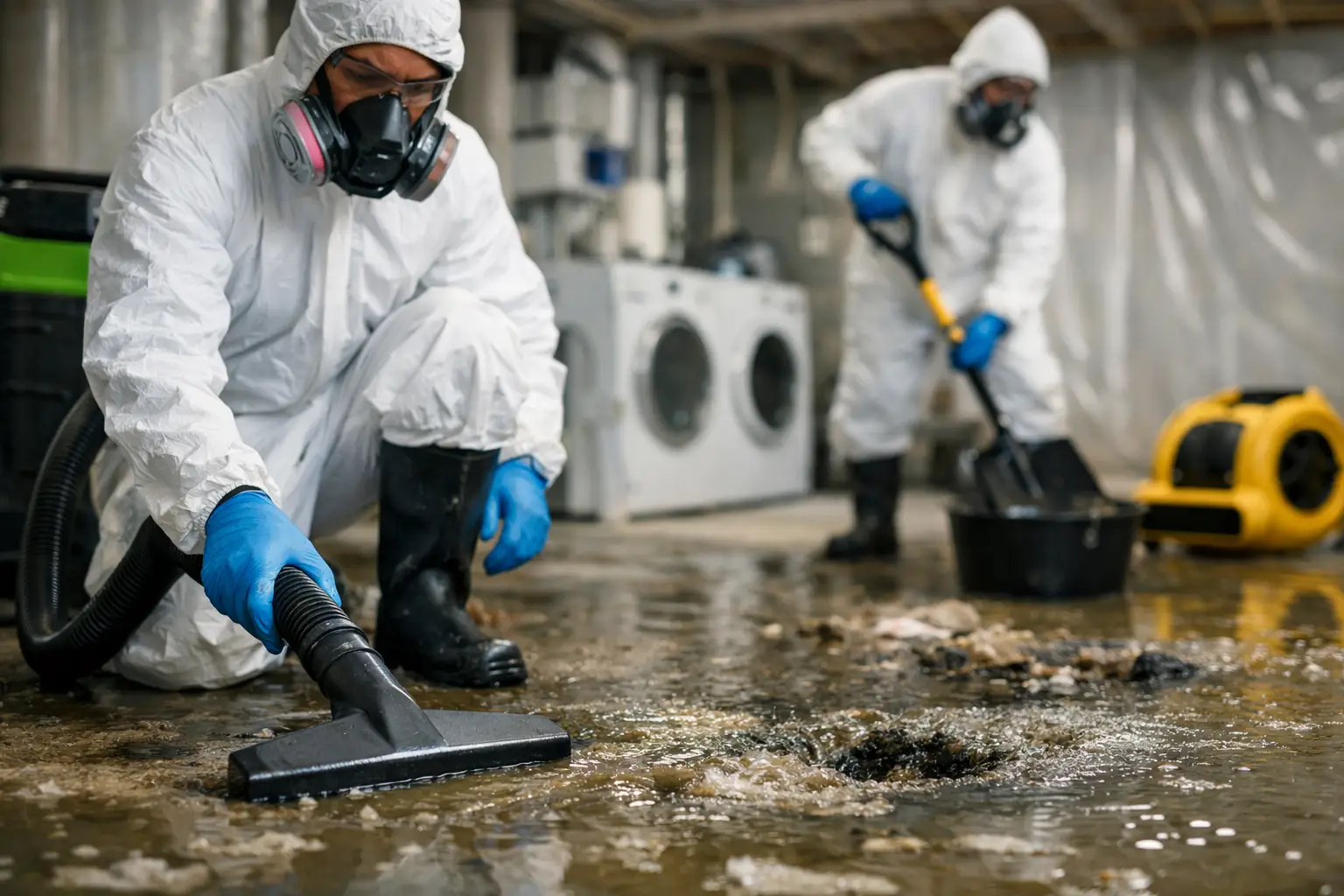 Sewage
Safe biohazard cleanup and sanitizing after sewage backups and overflows.
Learn more Reconstruction
Full rebuild by a licensed general contractor, so your property comes back whole.
Learn moreElevated Operations is an IICRC-certified, licensed general contractor based in Mableton that handles the entire recovery in-house, so after one loss you are never coordinating a cleanup crew, a mold crew, and a contractor separately. One team, one point of contact, from the first pump-out to the final coat of paint.
People call when the property feels like a disaster. They leave reviews because Chris and the crew made it right. These are real, verified Google reviews.
If the roof is open or leaking, yes. I treat roof tarping as a fast protection step, not an optional add-on. It helps stop more water intrusion while I inspect the damage, document the loss, and map out the real repair path. That matters in College Park, where older homes and complex roof lines can hide extra damage.
That part of College Park gets plenty of wind exposure and heavy traffic, so storm damage can be more than a roof issue. Debris, broken trim, and water intrusion can affect entrances, windows, and interiors quickly. I look at the whole building envelope, then decide what needs protection, repair, or replacement.
First I stop the active exposure, then I document the loss, then I repair in the correct order. That may mean debris removal, temporary boarding, roof tarping, structural repair, and interior drying. The mistake is chasing finish work before the house is stable. I do not do that.
Yes. A tiny roof opening or split flashing can send water into insulation, framing, and ceiling cavities. In a College Park home, that can spread before you ever see a drip. The myth is that small damage stays small. The fact is storms expose weak points fast.
It can matter a lot. Hail can bruise materials, dent metal, and weaken the roof without obvious missing shingles. In College Park, I inspect the full roof system after a storm because damage that is not obvious from the ground can still affect performance and lead to later water intrusion.
Because storms do not stop at the roof. Wind and water can affect framing, sheathing, and openings, especially in older College Park homes. When the structure is compromised, cosmetic repairs are not enough. I address the building first, then finish the visible work after it is safe.
Mold starts in 24 to 48 hours when moisture is left alone. That is why I do not wait around after water intrusion. I move quickly with emergency response, moisture control, and the right protective steps so the problem does not grow while people are deciding what to do next.
Yes. I do direct insurance billing, and I can also help with deductible assistance up to $1,000. That means less back-and-forth for you while the property gets protected and repaired. I am owner Chris Kwangwari, and I have been in restoration since 2007.
Elevated Operations dispatches IICRC-certified crews across Metro Atlanta from our Mableton base, with a 60-minute emergency response day or night. Choose your city:
Call now for an immediate response, or request your free inspection and get a certified crew on-site within the hour across Atlanta and nearby areas.