24/7 Emergency Restoration · Serving Metro AtlantaEmergency? (770) 404-6895
Fire and smoke restoration Dallas starts with one call, then we move fast on board up services, fire damage cleanup, and smoke damage cleanup. I’m Chris Kwangwari, and my team at Elevated Operations handles the ugly parts, from soot removal to odor neutralization, across Dallas and the Pumpkinvine Creek area.
IICRC-Certified · 5-Star Rated · 60-Minute Response · Insurance Billed Directly
I offer 24/7 emergency response with a 60-minute target. When fire has damaged a Dallas home, I do not wait for business hours to start protecting the structure.
I do. I’m Chris Kwangwari, and I’ve been in restoration since 2007. I stay hands-on because fire losses need clear decisions, not handoffs.
Yes. My technicians are IICRC-certified, and I am a licensed general contractor. That matters when fire damage cleanup overlaps with structural work.
Yes, I back the work with a 12-month warranty. If I clean a property, I stand behind the result.
Start by calling us, staying out of unsafe rooms, and preserving anything you can document from a distance. I send IICRC-certified technicians, we give 24/7 emergency response with a 60-minute target, and we begin the steps that protect your Dallas home from more fire, smoke, and water damage.
First, do not walk through a damaged structure looking for keepsakes. Smoke residue, loose materials, and wet surfaces after suppression can turn a bad scene into a worse one. If the home is near Pumpkinvine Creek or in a lower-lying Dallas property with well-water or septic, I pay extra attention to moisture and contamination concerns.
Second, call us and give me the basics, what burned, whether power is off, and whether the structure is open to weather. If the fire broke windows or a door, we can move into board up services quickly. That matters in Dallas, where exposed homes can take on rain and debris fast.
Third, start a simple record for your insurance file. Take photos from outside the hazard zone, list missing items, and keep any policy contact info together. We handle direct insurance billing, and I can also help with deductible assistance up to $1,000 when the claim is moving and the loss qualifies.
Fire and smoke restoration includes emergency protection, fire damage cleanup, debris removal, soot removal, smoke damage cleanup, odor neutralization, and, when needed, structural drying after suppression water. I also coordinate content restoration for salvageable items and document the work for insurance with direct billing.
I start with a walkthrough and a safety check, then we stabilize the property. That may mean securing openings, removing wet materials, and separating salvageable rooms from heavy-loss rooms. In Dallas, I also look at how the home sits relative to the lot, because runoff, standing water, and wind exposure change the cleanup plan.
Next comes the actual cleaning. Soot does not behave the same on drywall, trim, cabinets, or fabrics, so I do not treat every surface the same. We use focused smoke damage cleanup and soot removal to stop residue from spreading deeper into the structure, and I do not leave sticky film behind.
Then we clean the air and the contents. Odor neutralization matters because smoke lives in the cavity spaces, not just on visible surfaces. If furniture, documents, or personal items are salvageable, I evaluate content restoration early, before the smell and residue set in longer. That is especially important in homes with older finishes common around Dallas and the surrounding county roads.
We remove smoke damage by containing the affected areas, cleaning soot before it spreads, treating surfaces with the right methods for the material, and finishing with odor neutralization. I do not guess. I match the process to drywall, wood, metal, textiles, and the actual smoke pattern left in your Dallas property.
The first step is containment. If you start wiping without controlling airflow, soot moves from one room to the next. I isolate the work area, protect clean spaces, and decide what needs removal versus what can be cleaned in place. That keeps the job smaller and the results cleaner.
Then we clean from the top down and from cleaner surfaces toward the dirtiest. That sounds simple, but it is where most homeowners make mistakes after a fire. We handle debris removal, soot removal, and smoke damage cleanup in a sequence that avoids grinding residue into cabinets, trim, and flooring.
Finally, I address the odor source, not just the smell. Smoke can remain in wall cavities, textiles, insulation, and hidden framing. If there was suppression water, structural drying may come first, because moisture and smoke together can create lingering problems faster than either one alone. In Dallas, where some homes have crawlspace and septic concerns, I am careful about moisture migration.
Fire restoration should begin immediately, because smoke stains, corrosion, and moisture damage keep moving after the fire is out. I respond 24/7, I target 60-minute emergency response, and I begin stabilization and cleanup as soon as the property is safe enough to enter in Dallas.
Speed matters because fire damage does not stop when the flames stop. Soot can etch metal, discolor paint, and push deeper into porous materials. If water was used during suppression, structural drying should begin quickly too, especially in Dallas homes with rooms near grade, crawlspaces, or utility areas that trap moisture.
I have been in restoration since 2007, and I can tell you the first day matters more than the first week. The longer smoke sits, the harder odor neutralization becomes. The longer water sits, the more likely you are dealing with secondary damage on top of the original loss.
If your home is near Pumpkinvine Creek or on a lot that drains slowly, I pay close attention to outdoor exposure too. A damaged roof edge, broken window, or open wall can let in rain, wind, and debris while the structure is already compromised. That is why I push fast stabilization first.
Yes, many fire damaged contents can be restored if we get to them quickly and the materials are salvageable. I inspect items for heat, smoke, and water damage, then decide what belongs in content restoration, what needs specialty cleaning, and what is beyond repair.
I look at the actual item, not just the room it came from. Wood furniture, hard goods, and some textiles may respond well to content restoration, while items with heavy charring or deep smoke penetration may not. My job is to save what can be saved and tell you plainly what cannot.
Timing matters again. Smoke and soot keep working into fabrics, drawers, and soft goods long after the fire. If you leave them sitting, the smell sets in and the cleanup gets harder. That is why I want contents evaluated early, before they are boxed up and forgotten in a garage or storage area.
In Dallas, families often have a mix of older furniture, heirlooms, and practical household items that matter more than their replacement cost. I respect that. I go item by item, explain the condition, and keep the process honest. If an object can be cleaned safely, I say so. If not, I say that too.
Protect the structure first, keep people out, and call for board up services and cleanup right away. Homes near Pumpkinvine Creek can face moisture, runoff, and access issues, so I focus on stabilization, fire damage cleanup, and structural drying before hidden damage spreads.
If the property is exposed, do not wait on temporary protection. Broken glass, damaged doors, and roof openings invite weather and trespass, and they can turn a fire loss into a larger claim. I use board up services when needed to secure the home and limit further damage.
Dallas properties close to the creek or on wetter ground can hold water longer after suppression. That is why I look at the outside conditions as part of the indoor loss. If you have well-water or septic on the property, I pay extra attention to contamination pathways and wet utility areas.
You should also avoid turning HVAC equipment back on until the property is cleared. Smoke can move through the system and spread residue into rooms that were not directly burned. I check those risks early, because one wrong step can move the cleanup from one room to the whole house.
You call (770) 404-6895, and I gather the basics fast. I confirm the safety issues, the burn area, and whether the home needs immediate board up services or water control.
My team arrives with IICRC-certified technicians and starts protection first. We secure openings, limit weather exposure, and separate unsafe areas from salvageable spaces before cleanup starts.
I inspect smoke patterns, soot buildup, water intrusion, and content damage. Then I map the work in order, because fire damage cleanup, structural drying, and odor neutralization do not happen in random order.
We handle debris removal, soot removal, smoke damage cleanup, and structural drying when suppression water is present. If contents can be saved, I move them into content restoration instead of writing them off too early.
I provide direct insurance billing and document the work clearly. If the claim qualifies, I also help with deductible assistance up to $1,000 so you are not carrying every admin burden alone.
Before I close the job, I check the property for lingering smoke odor, missed residue, and moisture problems. You get a 12-month warranty on the work, and I do not leave until the cleanup is actually finished.
From emergency mitigation to full reconstruction, handled in-house so you are never managing a chain of subcontractors mid-crisis.
 Water Damage
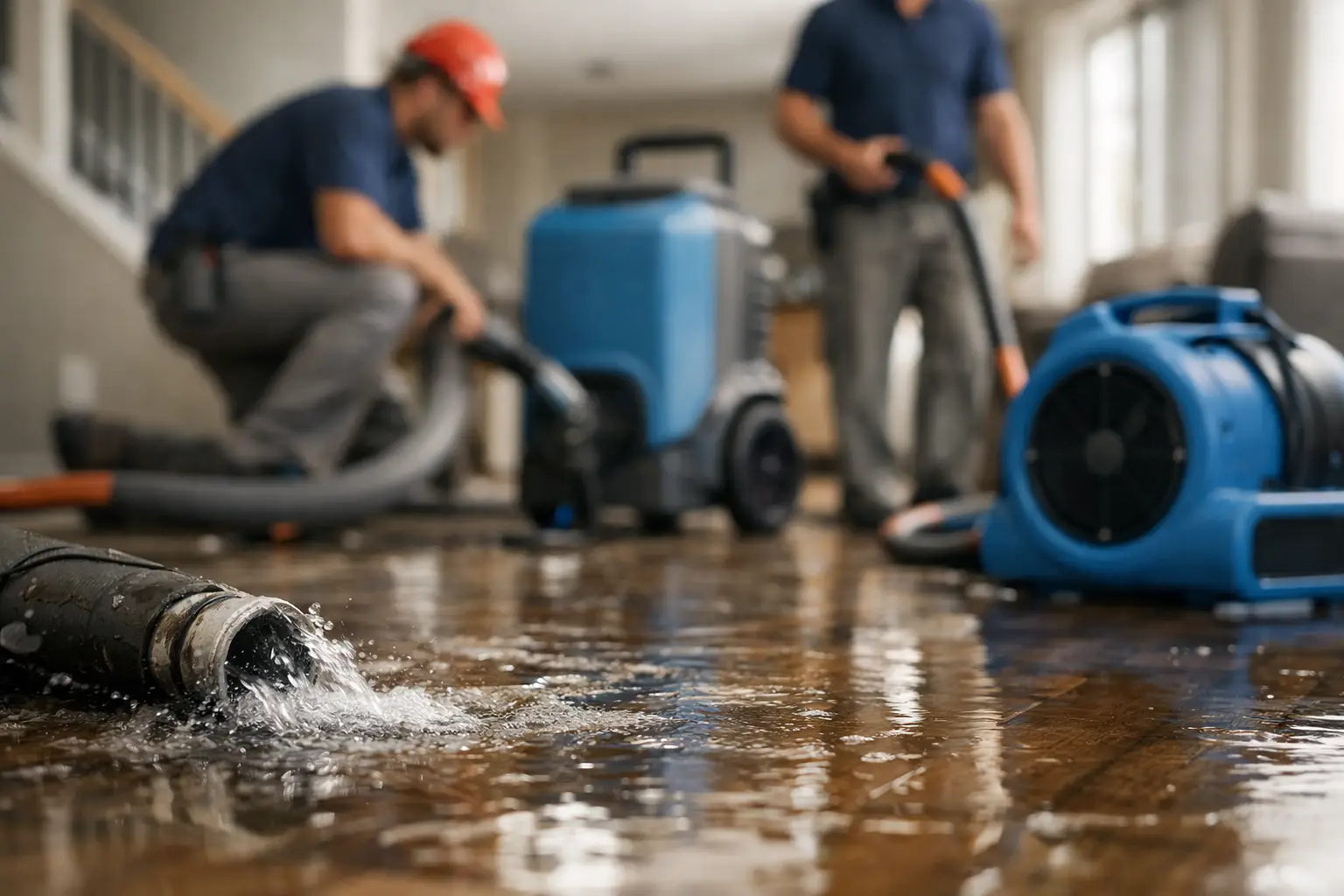
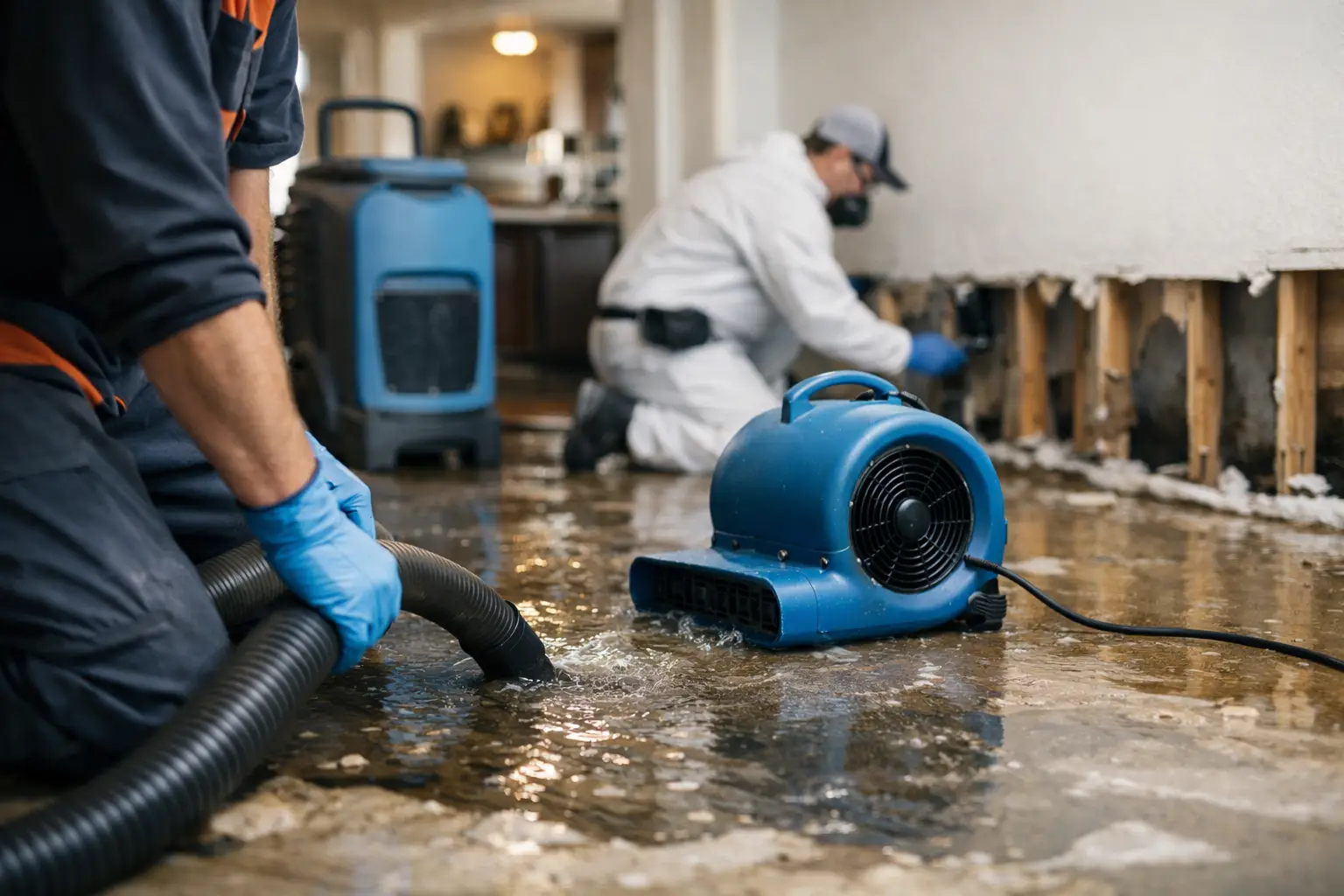
Extraction, structural drying, and moisture mapping after floods, leaks, and burst pipes.
Get help now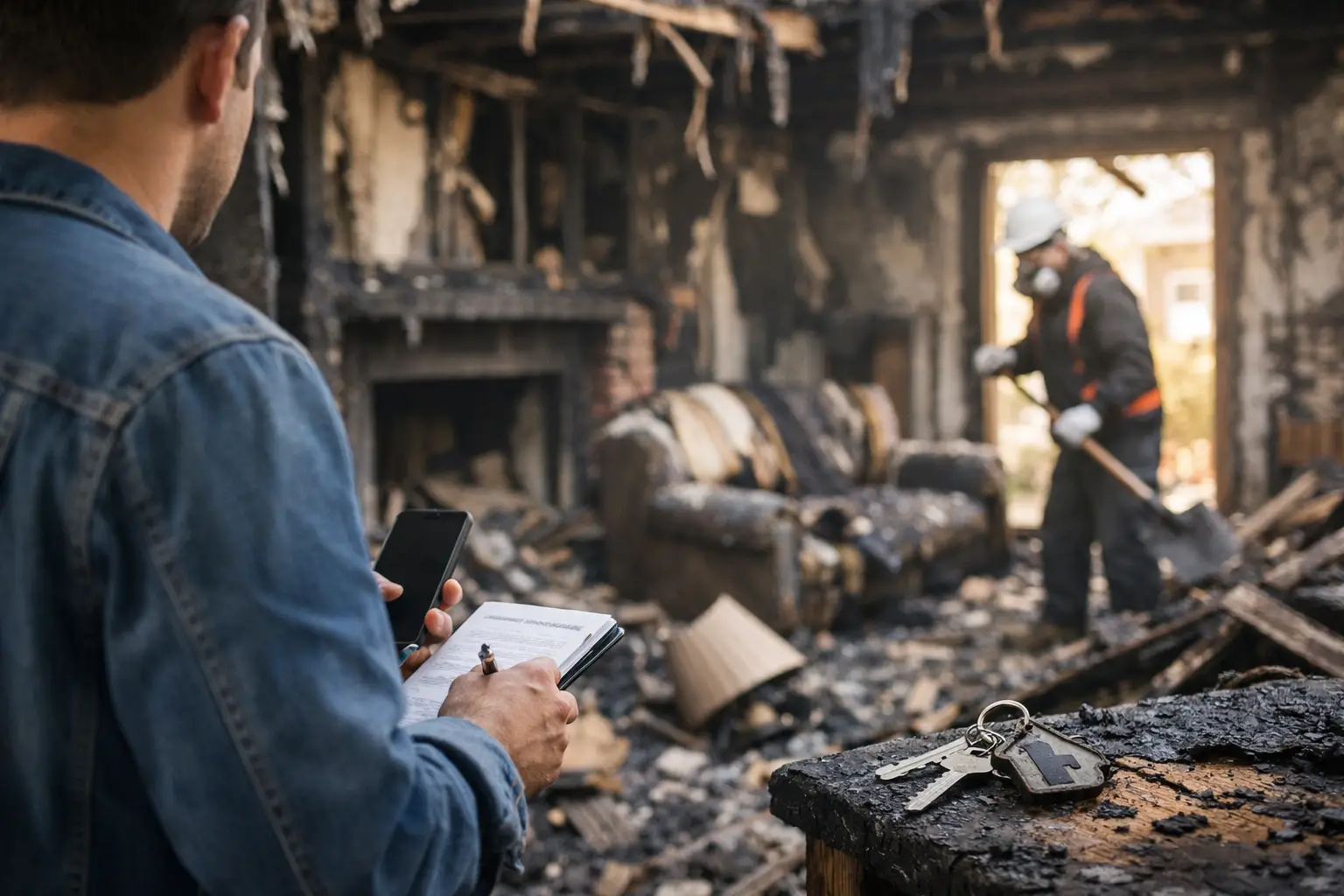 Fire & Smoke
Soot removal, odor deodorization, and content cleaning after fire and smoke damage.
Learn more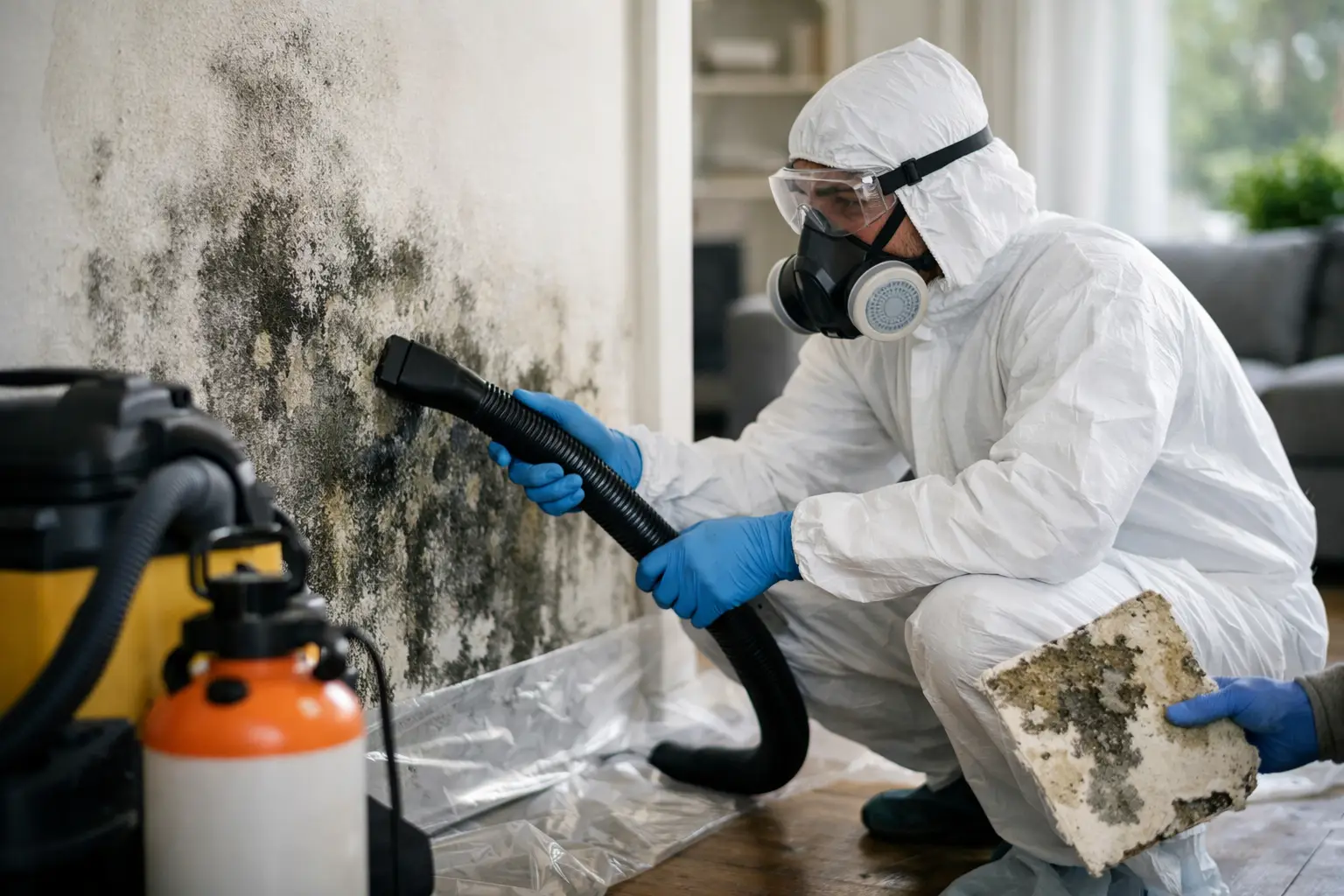 Mold
MoldContainment, removal, and moisture control that stops mold from coming back.
Learn more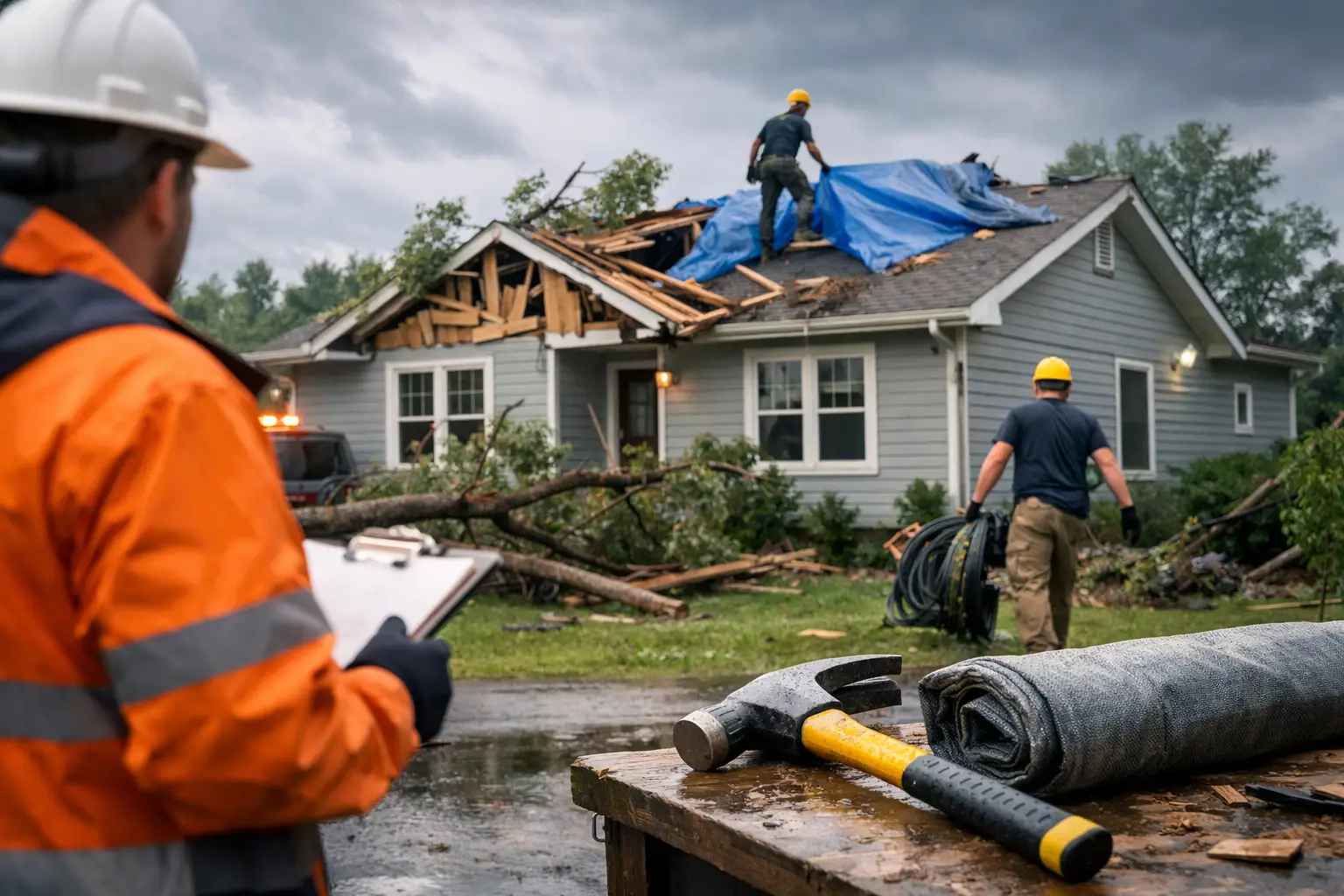 Storm
StormEmergency board-up, roof tarping, and full recovery after wind, hail, and storms.
Learn more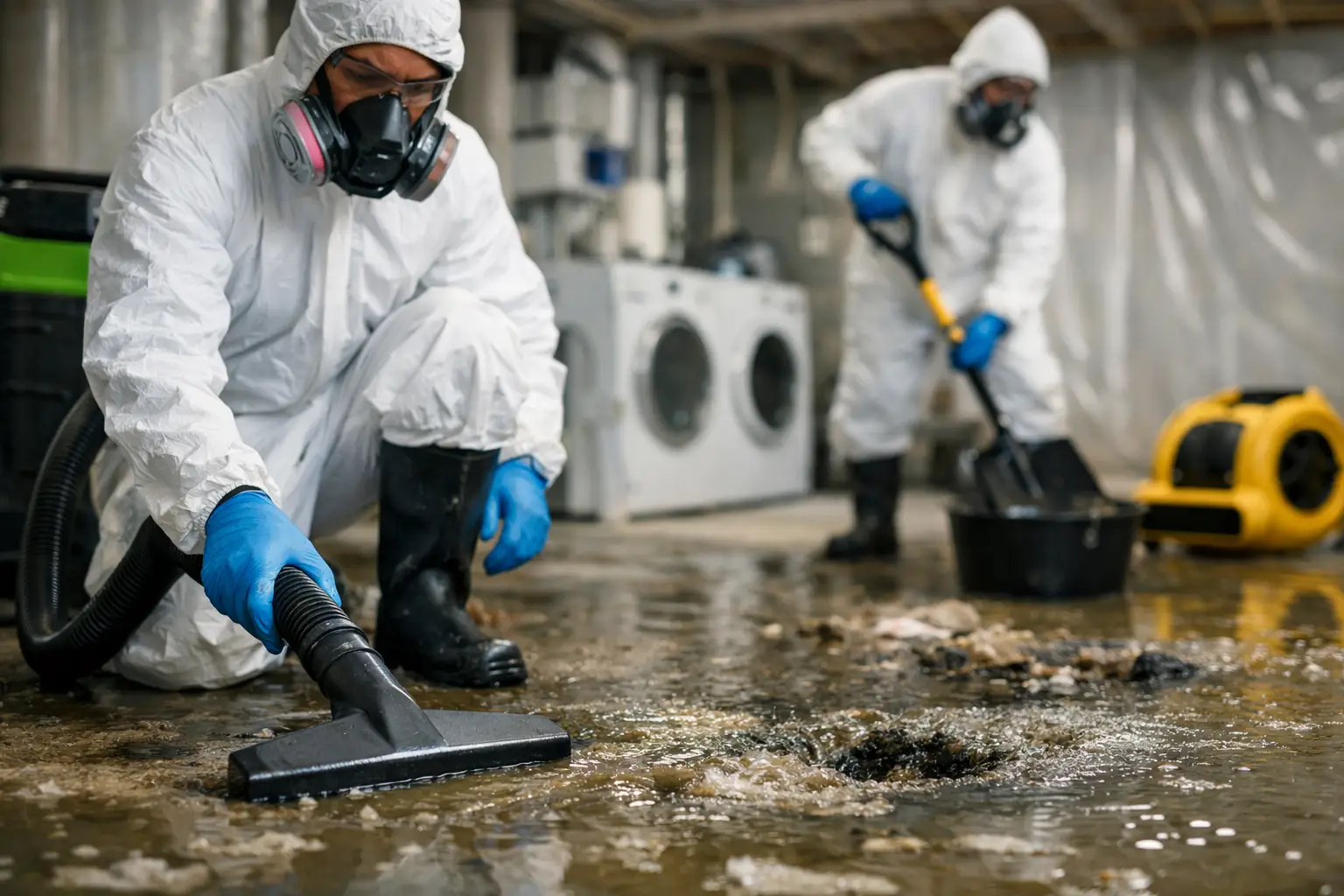 Sewage
Safe biohazard cleanup and sanitizing after sewage backups and overflows.
Learn more Reconstruction
Full rebuild by a licensed general contractor, so your property comes back whole.
Learn moreElevated Operations is an IICRC-certified, licensed general contractor based in Mableton that handles the entire recovery in-house, so after one loss you are never coordinating a cleanup crew, a mold crew, and a contractor separately. One team, one point of contact, from the first pump-out to the final coat of paint.
People call when the property feels like a disaster. They leave reviews because Chris and the crew made it right. These are real, verified Google reviews.
I start with stabilization, then cleanup, then drying if water is part of the loss. Homes near Pumpkinvine Creek can hold moisture differently, so I inspect for runoff, hidden wet spots, and access issues before I decide the next step. That keeps the work focused and avoids chasing damage later.
Yes, when the structure is open to weather or unsafe to secure on your own. I use board up services to protect the property after fire damage, broken windows, or forced entry concerns. In Dallas, that matters fast because a damaged home can take on rain, debris, and more smoke migration overnight.
I treat those properties carefully because water and waste systems change the cleanup picture. If a fire affects utility spaces, crawlspaces, or exterior access, I look for contamination risks and moisture spread before I proceed. That is especially important on rural and edge-of-town Dallas properties.
I control the work area first, then clean in a strict order so soot does not move room to room. Smoke damage cleanup is not just wiping surfaces. It is containment, proper soot removal, and odor neutralization, with the right method for each material in the home.
Yes. I inspect salvageable contents early and separate what can be cleaned from what is too far gone. Content restoration works best before residue sets in, so I move quickly on books, furniture, hard goods, and personal items that are still worth saving.
That is common, and I handle both together. Fire damage cleanup may include structural drying when suppression water soaked framing, flooring, or cavities. If I do not address moisture early, odor and hidden damage can get worse. I treat fire and water as one connected loss when that is what happened.
Because smoke gets into places you cannot see, like cavities, fabrics, insulation, and HVAC pathways. Odor neutralization has to go after the source, not just the surface smell. If the residue stays, the odor comes back. I do not count cleanup done until that problem is addressed.
Call me first, then document what you can safely from outside the damaged area. I work with direct insurance billing and can help organize the restoration paperwork. If the claim qualifies, I also help with deductible assistance up to $1,000. That keeps the process moving without extra confusion.
Elevated Operations dispatches IICRC-certified crews across Metro Atlanta from our Mableton base, with a 60-minute emergency response day or night. Choose your city:
Call now for an immediate response, or request your free inspection and get a certified crew on-site within the hour across Atlanta and nearby areas.