24/7 Emergency Restoration · Serving Metro AtlantaEmergency? (770) 404-6895
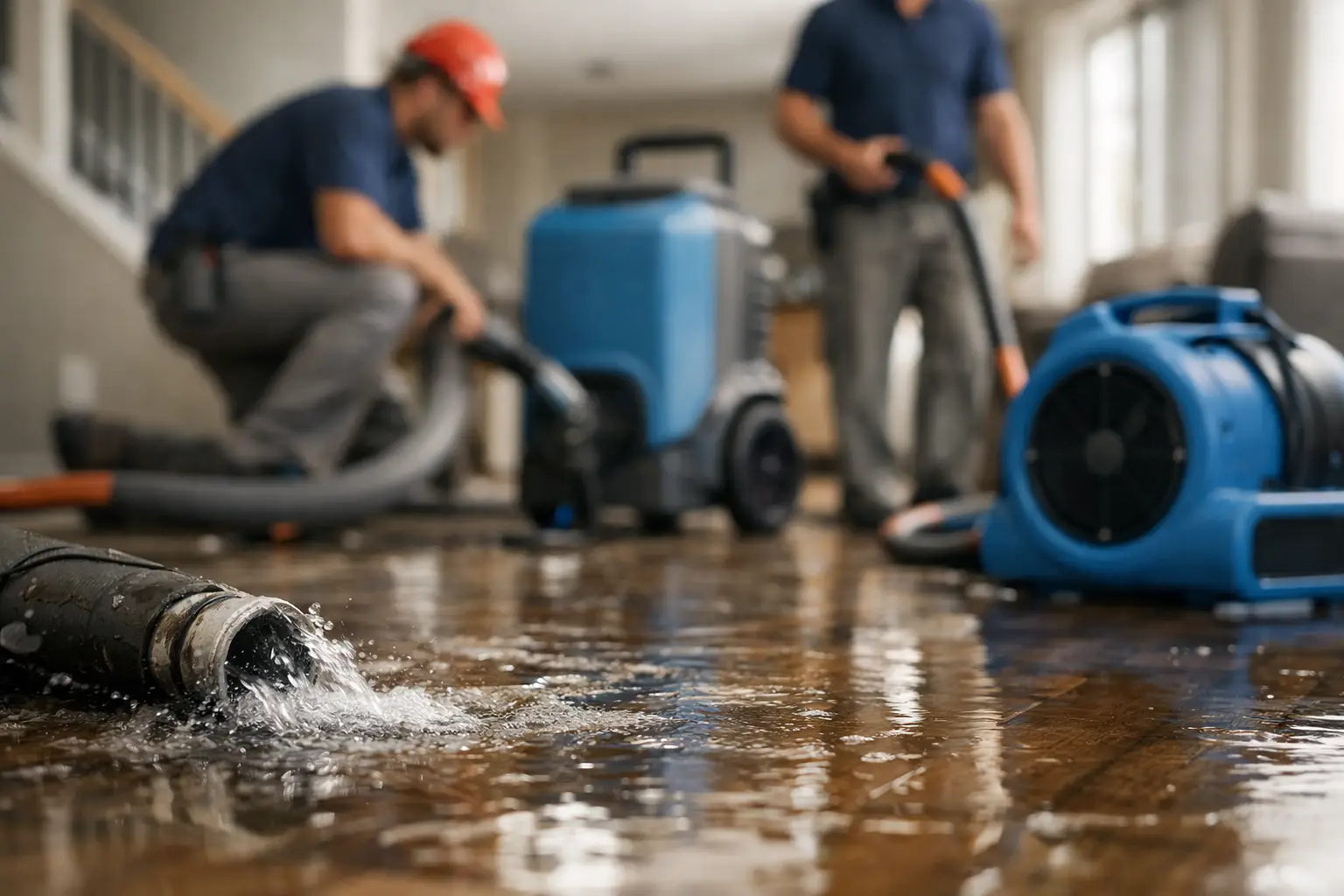
Sewage remediation services in Douglasville need fast, disciplined cleanup when black water hits a home near I-20, an older house off Chapel Hill Road, or a property with runoff near Dog River reservoir. I am Chris Kwangwari, and my team handles sewer contamination with 24/7 emergency response, IICRC-certified technicians, direct insurance billing, and a 12-month warranty.
IICRC-Certified · 5-Star Rated · 60-Minute Response · Insurance Billed Directly
Yes. A backup can leave contamination in flooring, drywall, and hidden spaces, especially in builder-grade homes near I-20. I treat it as a health issue first.
Porous materials often have to go, including pad, insulation, and damaged drywall. I decide based on how far sewage moved and what absorbed it.
Usually no. Odor often means contamination is still present in crawlspaces, subfloors, or wall cavities, and that needs proper cleanup and disinfection.
Yes. I handle direct insurance billing, and I also offer deductible assistance up to $1,000 when the claim qualifies.
It starts with containment, then removal, then disinfection, because sewage cleanup is never just about drying what you can see. In Douglasville, I treat a toilet backup cleanup in a builder-grade I-20 subdivision and a crawlspace loss near Dog River reservoir as contamination removal work first, cleanup second.
The first thing I look at is where the water traveled. In many Douglasville homes built along the I-20 corridor, the layout is tight, and sewage can spread under base cabinets, into laminate seams, and behind trim before anyone notices the smell. That is where odor control starts, not at the end.
Then I separate salvageable materials from materials that need to go. That judgment matters in older Douglasville houses with lower crawlspaces and in newer subdivisions with hollow-core interior finishes. IICRC-certified technicians know which surfaces can be disinfected and which ones hold contamination after black water remediation.
I have been in restoration since 2007, and I do not treat sewage like a simple wet carpet call. It is biohazard cleanup. It needs direct insurance billing, a licensed general contractor when repairs are part of the job, and a process that makes the home safe for the next family meal, not just dry enough to stand in.
Yes, because sewage is not clean water and it does not become safe just because it drains away. In Douglasville, even a small toilet backup cleanup can leave contamination in flooring, drywall, baseboards, and HVAC returns, especially in builder-grade homes off I-20 and in lower areas near Dog River reservoir.
I have seen people mop once and think the problem is solved. It is not. Sewage brings contamination that keeps moving through porous materials, and the smell is often the first sign that the problem is still active. That is why I push proper sewage remediation services instead of spot cleanup.
The homes I see most often in Douglasville near I-20 can have fast-moving spread because of open layouts and standard builder-grade flooring. One overflow in a bathroom can move into a hall, then into a closet, then into the wall cavity. That is where black water remediation becomes necessary.
If the backup reached carpet pad, particle board, insulation, or a crawlspace, remediation is not optional. It is the difference between a cleaned surface and a house that still carries bacteria and odor. I answer that plainly because I have been doing this since 2007, and shortcuts always come back.
Sometimes, yes, but only after the contaminated materials are removed and the exposed surfaces are properly cleaned. Sanitization is part of the work, not the whole job. In Douglasville, I use disinfection after contamination removal so the home is safe instead of just looking better.
A lot depends on what the sewage touched. Painted drywall might be removed if it wicked contamination, while tile, sealed concrete, or certain structural components may be cleaned and disinfected. The decision is different in a ranch near Dog River reservoir than it is in a two-story I-20 subdivision home.
I do not promise that every surface can be saved, because that would be dishonest. Biohazard cleanup means being direct about what can be sanitized and what has to come out. I would rather replace a few damaged materials than leave a family with recurring odor control problems and hidden contamination.
After the cleanup, I want the space checked from the bottom up, including subfloor edges and wall cavities where needed. That is how I handle sewage cleanup in Douglasville, with the same discipline whether I am working in a newer subdivision or an older home with more exposure points.
Anything that absorbed sewage or trapped contamination should be removed, including padding, damaged drywall, insulation, and porous trim in many cases. In Douglasville, I pay close attention to builder-grade materials near I-20 because they often hide contamination in seams, edges, and low wall sections.
The rule is simple. If sewage soaked in, it may need to go. Carpet pad almost always comes up. Drywall can be a judgment call, but once contamination wicks above a certain point, sanitization alone is not enough. That is true whether the home sits near Dog River reservoir or closer to the city center.
I also look at cabinets, toe kicks, and underlayment, because those are common hiding places after a toilet backup cleanup. In Douglasville, I have seen tiny kitchen and laundry room losses turn into larger repairs because the contamination spread under the finish materials before anyone opened the area properly.
My team handles contamination removal with direct insurance billing and a 12-month warranty on the restoration side, because the job is not finished when the dirty materials are out. It is finished when the space is dried, disinfected, and ready for reconstruction without lingering sewage odor.
I start with the structure, the source, and the spread, because I-20 subdivision homes often hide damage in the same places from house to house. That means fast extraction, containment, sewage cleanup, and disinfection before the contamination moves farther into hallways, closets, and shared walls.
Douglasville has a lot of builder-grade homes along the I-20 corridor, and those homes are usually efficient, not overbuilt. That matters when sewage backs up. A small toilet overflow can move quickly through repeated flooring transitions, into laundry rooms, and under trim where it is easy to miss without a careful inspection.
I use a practical sequence. First I stop the spread. Then I remove affected materials. Then I clean, disinfect, and address odor control. That is the same whether the call comes from a subdivision near Chapel Hill Road or a property closer to Dog River reservoir.
And I do not rush the inspection just because the surface area looks small. Sewer contamination likes corners, seams, and low spots. My team has 24/7 emergency response, so when a Douglasville homeowner calls at night, I can get moving before a bad situation becomes a bigger one.
The difference is usually in the structure and the exposure points, not the category of loss. Around Dog River reservoir, crawlspaces, grading, and older construction details can change how sewage spreads. In I-20 subdivisions, the spread is often faster through compact, builder-grade finishes and shared interior layouts.
Near Dog River reservoir, I pay close attention to crawlspaces, low-lying access points, and how water moved after the backup. A sewer issue there can sit under the home and linger, which means odor control and contamination removal have to be handled with the structure in mind, not just the floor surface.
In subdivision homes near I-20, the story is different. The footprint may be tighter, the materials more uniform, and the damage more likely to run through a predictable path. That can be good for response speed, but it also means a failure in one bathroom can affect several connected rooms quickly.
I have worked enough Douglasville losses to know that local geography matters. Dog River reservoir area homes and I-20 corridor homes do not fail the same way, so I do not clean them the same way. The method has to match the building and the path the sewage took.
A Douglasville family called after a toilet backup in a newer subdivision home near I-20. The water crossed into the hall in minutes, so we isolated the area, removed contaminated material, handled disinfection, and kept the damage from spreading into the bedrooms.
A homeowner near Dog River reservoir smelled sewage under the house after a slow drain failure. We found contamination in the crawlspace, removed affected materials, focused on odor control, and treated it as black water remediation, not a simple mop-up.
An older Douglasville home had sewage come up through a laundry room drain. We handled containment, contamination removal, and biohazard cleanup, then coordinated repairs through direct insurance billing so the family did not have to fight the paperwork alone.
From emergency mitigation to full reconstruction, handled in-house so you are never managing a chain of subcontractors mid-crisis.
 Water Damage
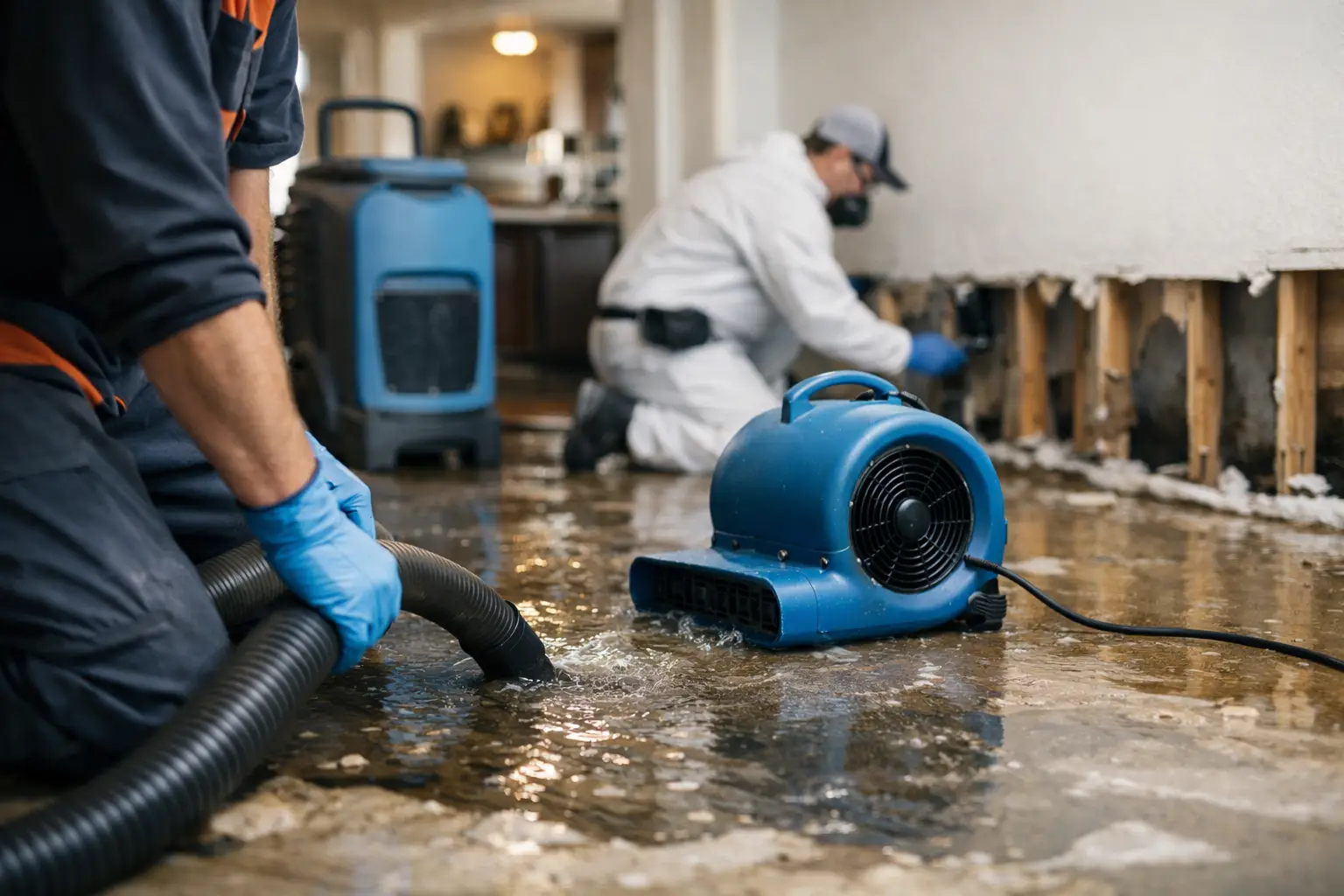
Extraction, structural drying, and moisture mapping after floods, leaks, and burst pipes.
Get help now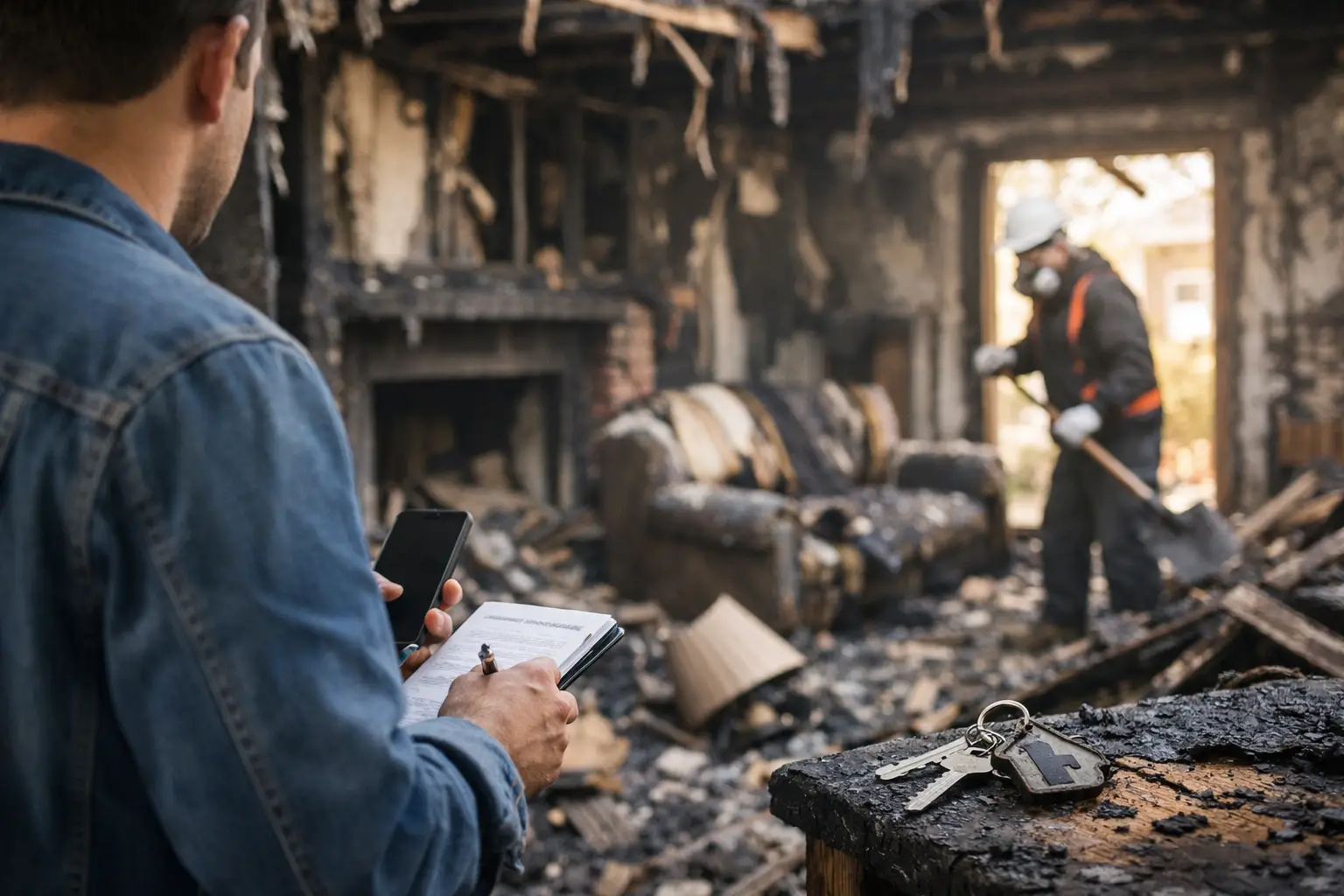 Fire & Smoke
Soot removal, odor deodorization, and content cleaning after fire and smoke damage.
Learn more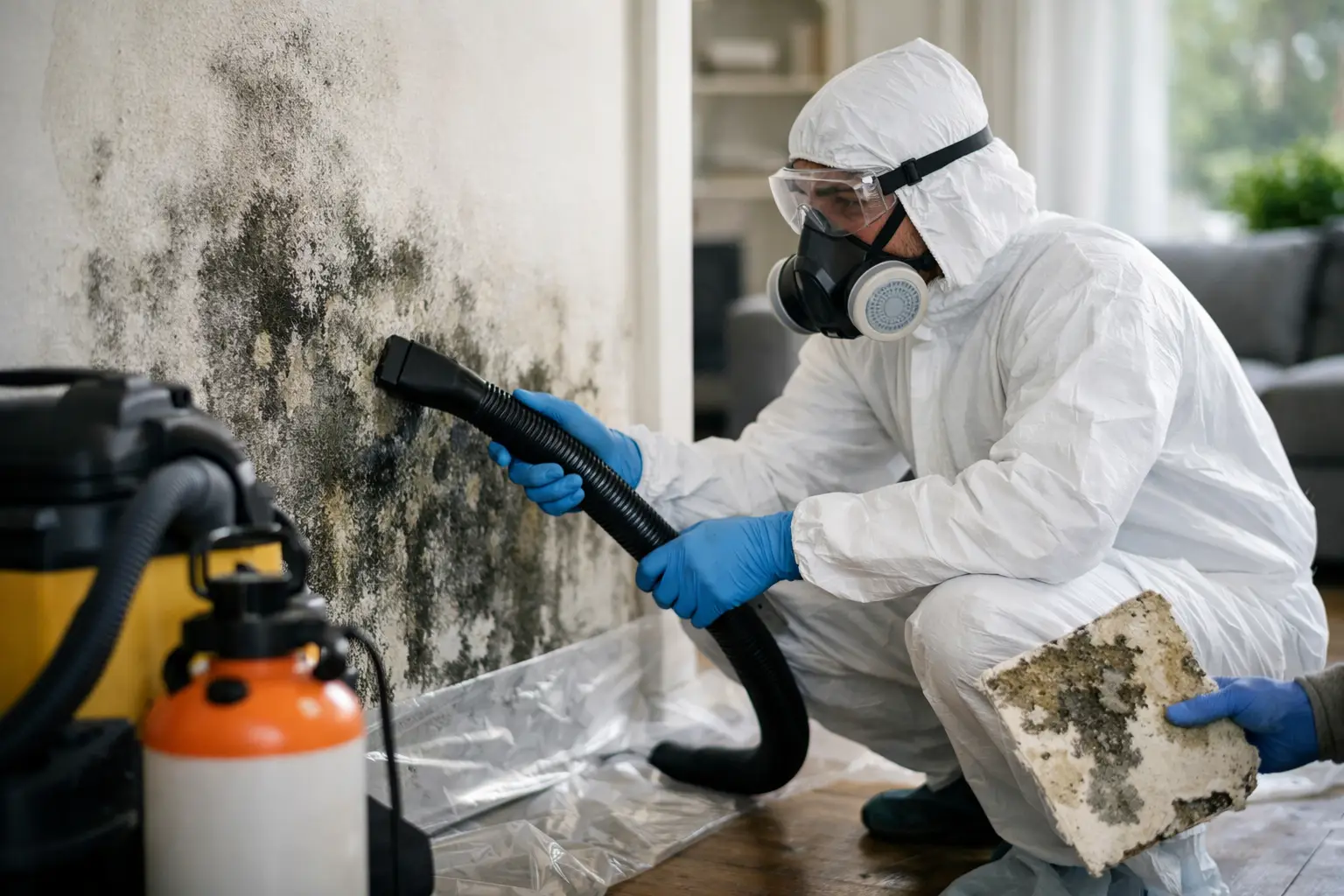 Mold
MoldContainment, removal, and moisture control that stops mold from coming back.
Learn more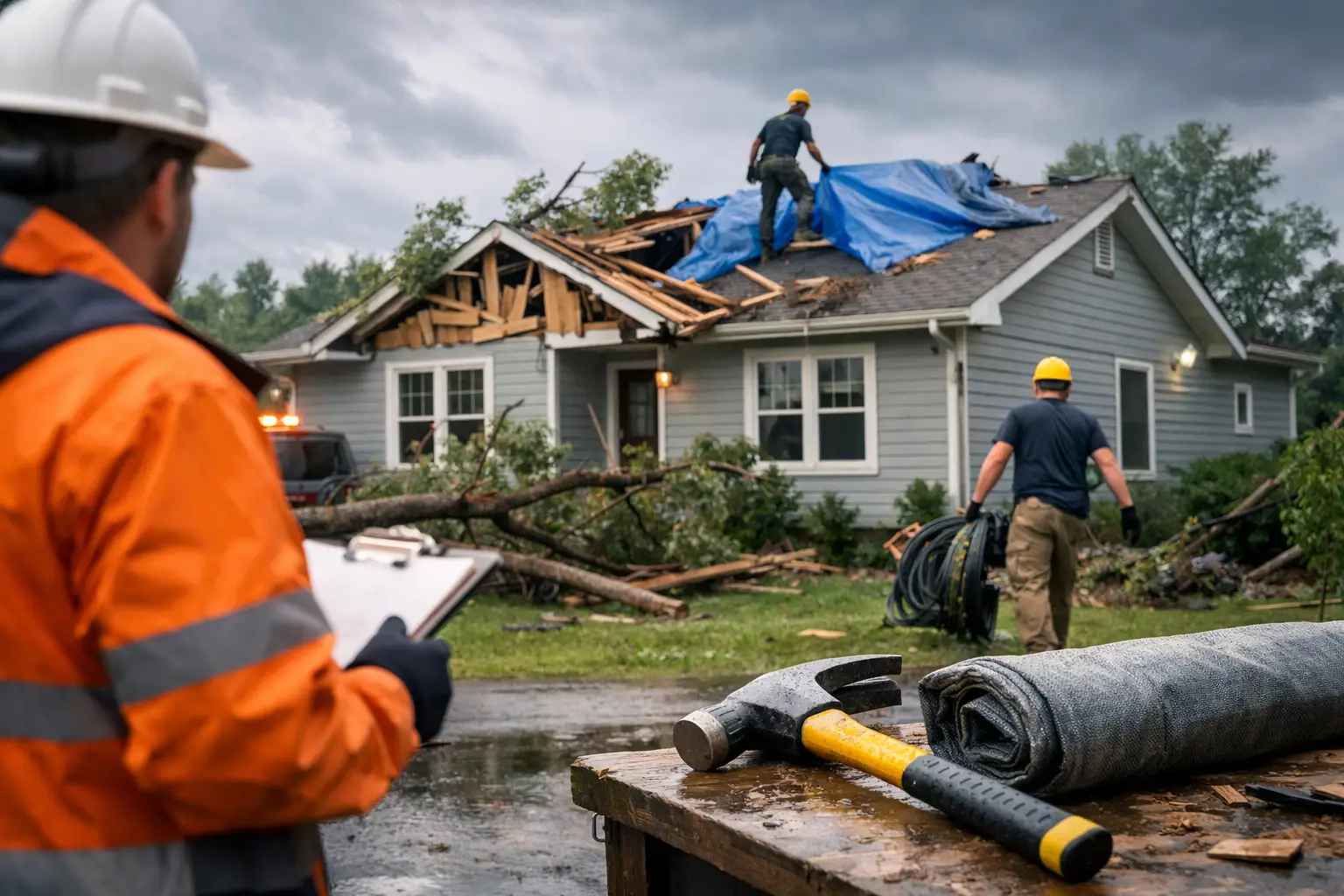 Storm
StormEmergency board-up, roof tarping, and full recovery after wind, hail, and storms.
Learn more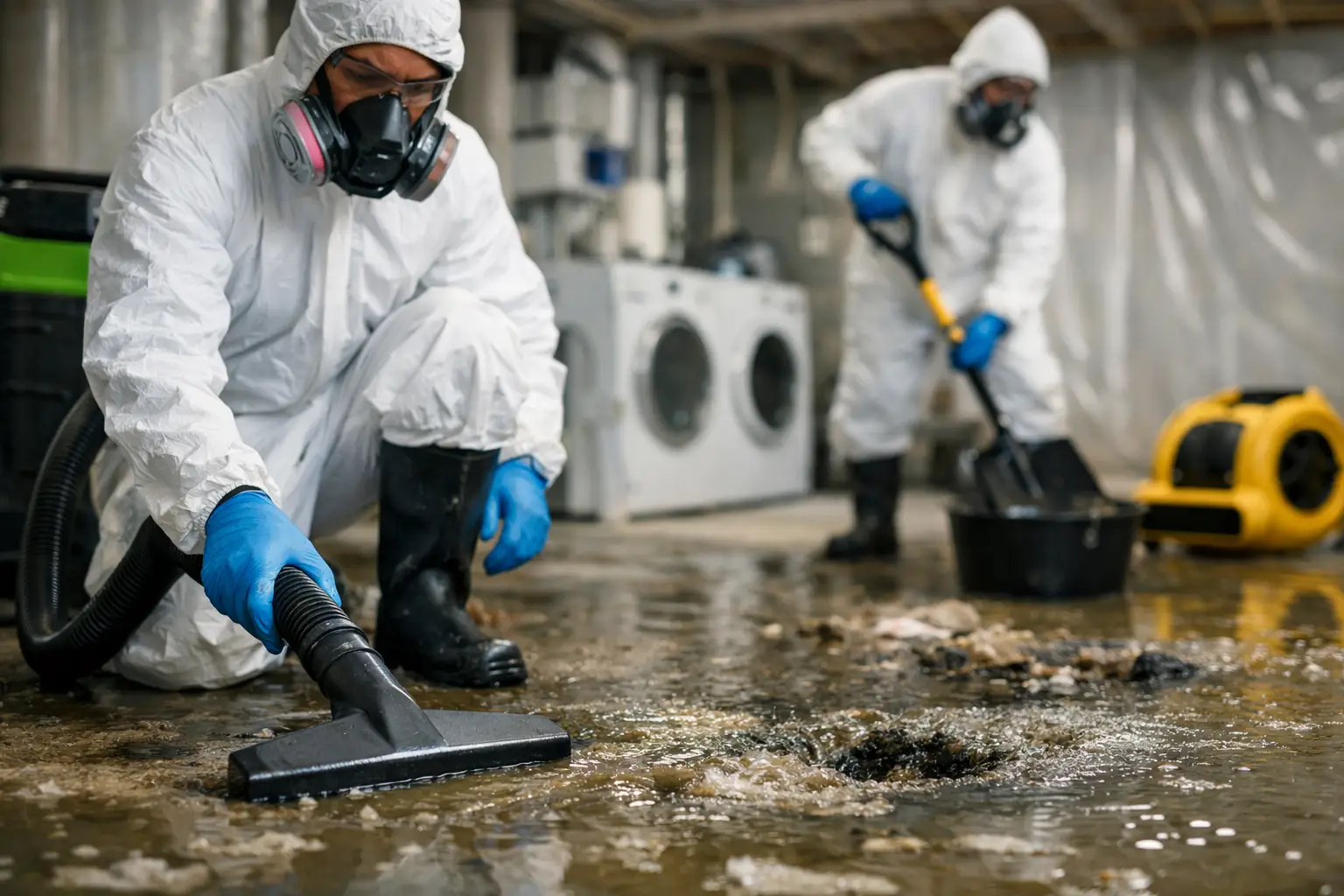 Sewage
Safe biohazard cleanup and sanitizing after sewage backups and overflows.
Learn more Reconstruction
Full rebuild by a licensed general contractor, so your property comes back whole.
Learn moreElevated Operations is an IICRC-certified, licensed general contractor based in Mableton that handles the entire recovery in-house, so after one loss you are never coordinating a cleanup crew, a mold crew, and a contractor separately. One team, one point of contact, from the first pump-out to the final coat of paint.
People call when the property feels like a disaster. They leave reviews because Chris and the crew made it right. These are real, verified Google reviews.
We start by stopping the spread, then we remove contaminated materials, disinfect the area, and control odor before repairs begin. In an I-20 subdivision home, builder-grade flooring and tight room layouts can move sewage farther than people expect, so I inspect adjacent rooms, baseboards, and hidden edges with care.
Because sewage leaves contamination in porous materials, crawlspaces, and hidden cavities. Around Dog River reservoir, slower drainage paths and lower areas can keep the problem alive after the visible water is gone. I treat that as biohazard cleanup, not just water removal, so the home is actually safe again.
Sometimes it can, but only after we remove anything that absorbed contamination and clean the remaining surfaces correctly. In Douglasville bathrooms, especially in builder-grade homes near I-20, drywall, trim, and underlayment often need more than sanitization. I decide that based on what the sewage touched and how far it moved.
Anything porous or contaminated, including insulation, damaged drywall, carpet pad, and sometimes trim or underlayment. Crawlspaces near Dog River reservoir can hold odor and contamination longer than people think, so I look closely at joists, subfloor edges, and access points before I call it finished.
I offer 24/7 emergency response with a 60-minute emergency response standard. If the smell is in the house, I want to get there quickly because odor usually means the contamination has already moved into materials or hidden spaces. Fast action helps limit demolition and keeps the loss from growing.
Yes, I offer direct insurance billing. That matters in Douglasville because sewage losses often involve multiple rooms, removal, disinfection, and repairs. I also provide deductible assistance up to $1,000, which can help when a backup hits suddenly and the homeowner is trying to get the house usable again.
I back the restoration work with a 12-month warranty. That does not mean I leave cleanup to chance. It means the job is done with a clear process, from contamination removal to disinfection, so the homeowner has a finished result that holds up after the crew leaves.
I am Chris Kwangwari, owner of Elevated Operations, LLLP. My team is IICRC-certified, licensed as a general contractor, and based in Mableton. We have been in restoration since 2007 and hold a 4.9-star Google rating from 73 reviews, so Douglasville homeowners know exactly who they are calling.
Elevated Operations dispatches IICRC-certified crews across Metro Atlanta from our Mableton base, with a 60-minute emergency response day or night. Choose your city:
Call now for an immediate response, or request your free inspection and get a certified crew on-site within the hour across Atlanta and nearby areas.