24/7 Emergency Restoration · Serving Metro AtlantaEmergency? (770) 404-6895
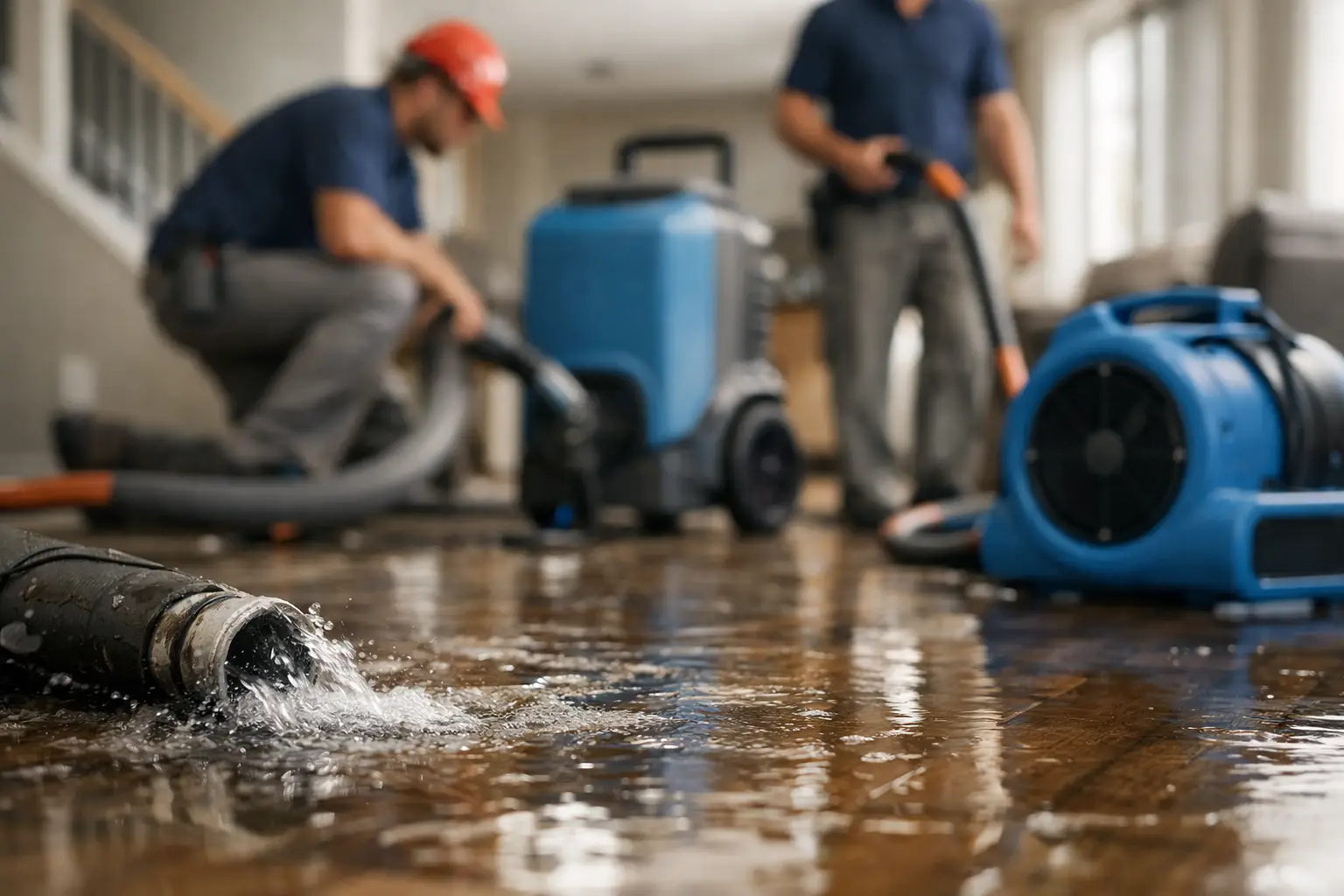
Water mitigation services in Acworth need to start fast, and I treat them that way. At Elevated Operations, I handle water extraction, structural drying, and moisture control for homes near Lake Acworth and the Allatoona dock, with 24/7 emergency response, IICRC-certified technicians, and direct insurance billing.
IICRC-Certified · 5-Star Rated · 60-Minute Response · Insurance Billed Directly
Yes. I provide 24/7 emergency response with a 60-minute emergency response goal, because water does not wait for business hours.
Yes. I regularly handle water losses in lake-area homes, where humidity and hidden moisture can make the dry-out more complicated.
Yes. My technicians are IICRC-certified, and I keep the work focused on proper mitigation, drying, and documentation.
I provide a 12-month warranty on the work we complete, so the job is backed after the mitigation phase is finished.
Water mitigation services in Acworth include stopping the source, performing water extraction, setting containment when needed, and beginning structural drying right away. I focus on moisture control before hidden damage spreads into walls, floors, and cabinets, especially in homes closer to Lake Acworth and the Allatoona dock.
First I look at what is wet, what is still moving, and what needs protection. That can mean removing standing water, checking the affected rooms, and setting the right drying equipment so the job starts with control, not guesswork.
Acworth homes see different water problems depending on the property. A crawlspace near the lake can hold damp air longer, while a kitchen leak in a subdivision near the Allatoona dock can push water under flooring and into base cabinets quickly.
I have been in restoration since 2007, and I do not treat mitigation like a cleanup-only call. It is loss mitigation, meaning I work to reduce the damage that keeps growing after the first hour.
Water mitigation should start as soon as the leak or flood is found, because water keeps moving into building materials and hidden spaces. In practice, the first hours matter most. If you are near Lake Acworth or the Allatoona dock, I want eyes on the damage before it settles deeper.
If water sits, drywall wicks it up, trim swells, and flooring traps it below the surface. That is why I offer 24/7 emergency response and a 60-minute emergency response. Fast action limits the chance of needing more demolition later.
I have seen the difference in Acworth neighborhoods where a small supply line leak becomes a larger drying project because nobody checked the subfloor early. The same goes for storm intrusion after heavy rain around low-lying areas and older lake-adjacent homes.
And yes, the clock matters for mold too. Mold starts in 24 to 48 hours, so I move quickly with water extraction and drying equipment before the problem turns into something harder, messier, and more expensive to manage.
During water mitigation, I inspect the loss, stop active water if possible, remove standing water, protect unaffected areas, and start drying. IICRC-certified technicians document conditions for insurance, and I use direct billing when it makes sense so you can focus on the house, not the paperwork.
The process is direct. I check the affected rooms, identify where water traveled, and decide whether containment is needed to keep the damage from spreading through the home. Then I place the right equipment and monitor how the structure responds.
Near Lake Acworth and the Allatoona dock, moisture can linger in garages, lower levels, and crawlspaces longer than people expect. That is why I pay close attention to humidity, hidden wet materials, and airflow instead of assuming the surface tells the whole story.
I am also a licensed general contractor, so I think beyond the immediate dry-out. If the water has affected framing, finishes, or built-in components, I know how those materials fit back together once the mitigation stage is done.
No, water mitigation is not the same as water restoration. Mitigation is the urgent work that stops damage and dries the structure. Restoration comes after, when repairs and rebuilding begin. I separate those phases so Acworth homeowners know exactly what is happening and why it matters.
People often use the terms together, but they are different jobs. Mitigation may include water extraction, containment, dehumidification, and structural drying. Restoration is the repair phase, such as replacing damaged materials after the structure is stable and dry.
That distinction matters in Acworth because water near Lake Acworth can spread quietly under flooring and behind baseboards. If you skip mitigation and go straight to repair, you can seal in moisture and set up a second failure later.
I keep the process clear from the start. You know what I am drying, what I am documenting, and what needs repair later. That makes the insurance conversation cleaner and the home safer to put back together.
I place drying equipment based on the structure, not on a one-size-fits-all pattern. Dehumidification, air movement, and temperature all matter. In Acworth, especially near the lake and dock areas, I watch moisture control closely because humid outdoor air can slow a dry-out if the setup is wrong.
The goal is to remove moisture from the materials, not just make the room feel drier. I use the right combination of air movers and dehumidifiers so wood, drywall, and subfloors release water at a steady pace.
Some Acworth homes need tighter containment around the work area, especially when only one section of the home is affected. That keeps the dry-out focused and helps protect clean rooms from dust, odors, and extra humidity.
I monitor progress instead of guessing. If the structure is changing slowly, I adjust. If it dries faster than expected, I do not leave equipment running without a reason. That is how I keep mitigation practical and disciplined.
Yes, I offer direct insurance billing and help document the loss so your claim has the right support. I also provide deductible assistance up to $1,000 on qualifying jobs. That matters when you are already dealing with water mitigation services and trying to keep the house under control.
Insurance claims can get confusing quickly, especially after a leak near Lake Acworth or a basement issue closer to the Allatoona dock. I keep the communication practical and focused on the facts: what happened, what was affected, and what mitigation steps were taken.
I do not inflate the story. I document the damage, the drying process, and the equipment used so the carrier can see the scope clearly. That helps reduce friction and keeps the file moving in the right direction.
Elevated Operations, LLLP has a 4.9-star Google rating with 73 reviews, and that reputation comes from doing the work cleanly and communicating like a contractor, not like a call center.
If there is standing water, yes. Extraction comes before serious drying because wet carpet, subfloors, and padding keep feeding moisture back into the structure.
Yes. I look for moisture in walls, cabinets, and crawlspaces, then use containment and drying equipment when the water has moved beyond the visible area.
I do. Homes near Lake Acworth and the Allatoona dock can hold humidity longer, so I pay closer attention to moisture control and dehumidification.
I still treat it as urgent. Water does not pause while you sleep, and a morning delay can mean more demolition, more drying, and more insurance questions.
Yes. I tell you what I found, what I dried, what may need repair later, and where the claim stands so you are not left guessing.
From emergency mitigation to full reconstruction, handled in-house so you are never managing a chain of subcontractors mid-crisis.
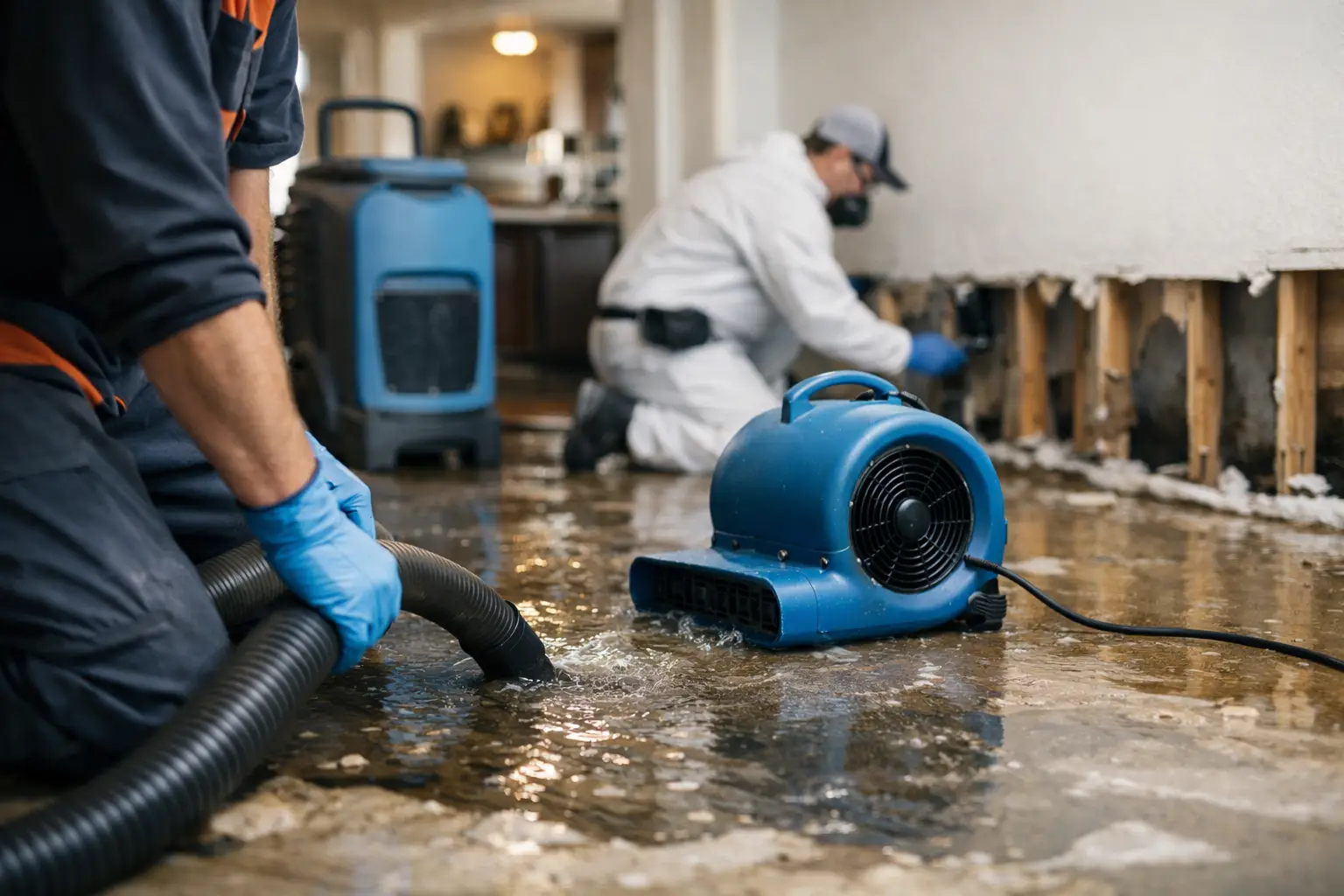 Water Damage
Extraction, structural drying, and moisture mapping after floods, leaks, and burst pipes.
Get help now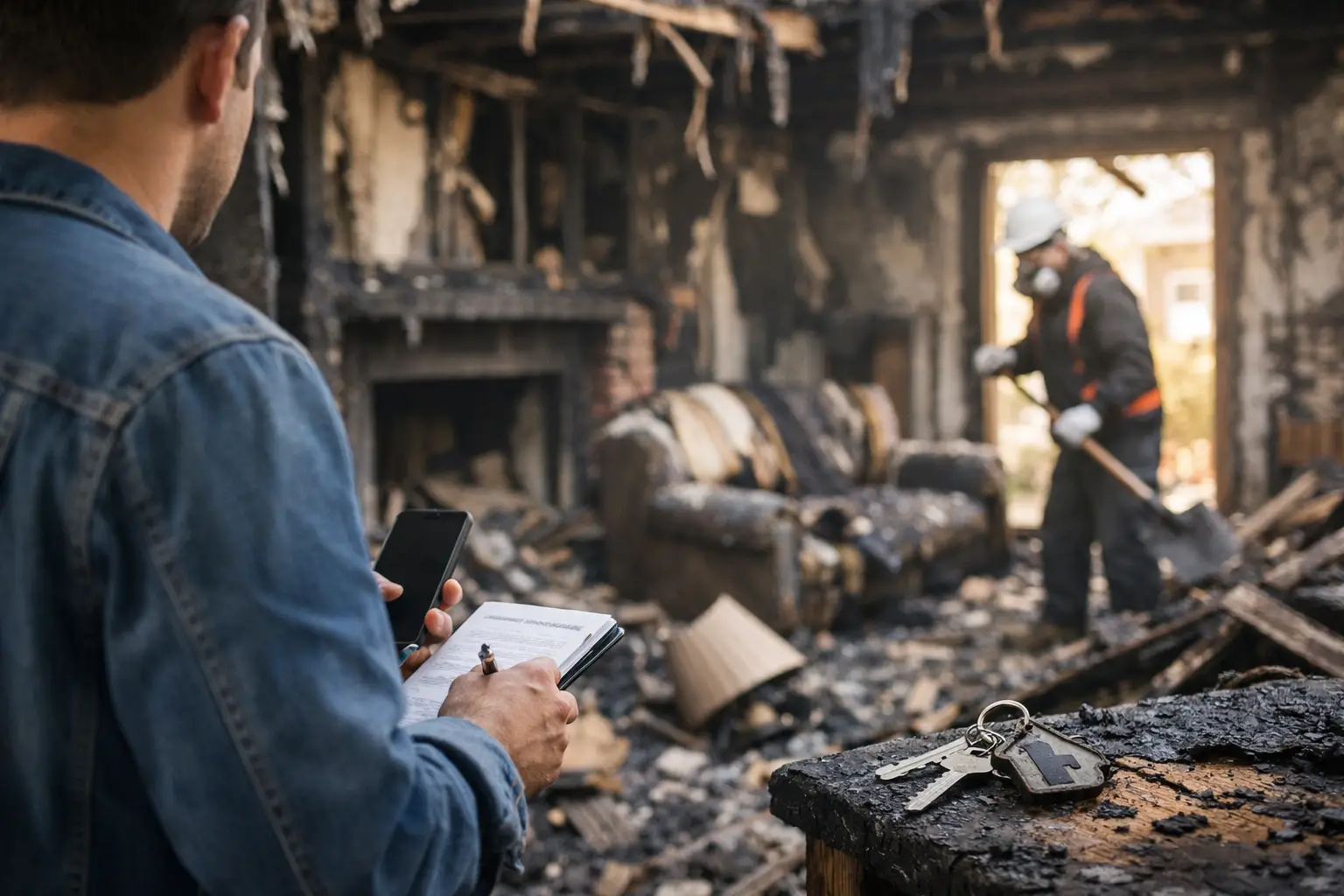 Fire & Smoke
Soot removal, odor deodorization, and content cleaning after fire and smoke damage.
Learn more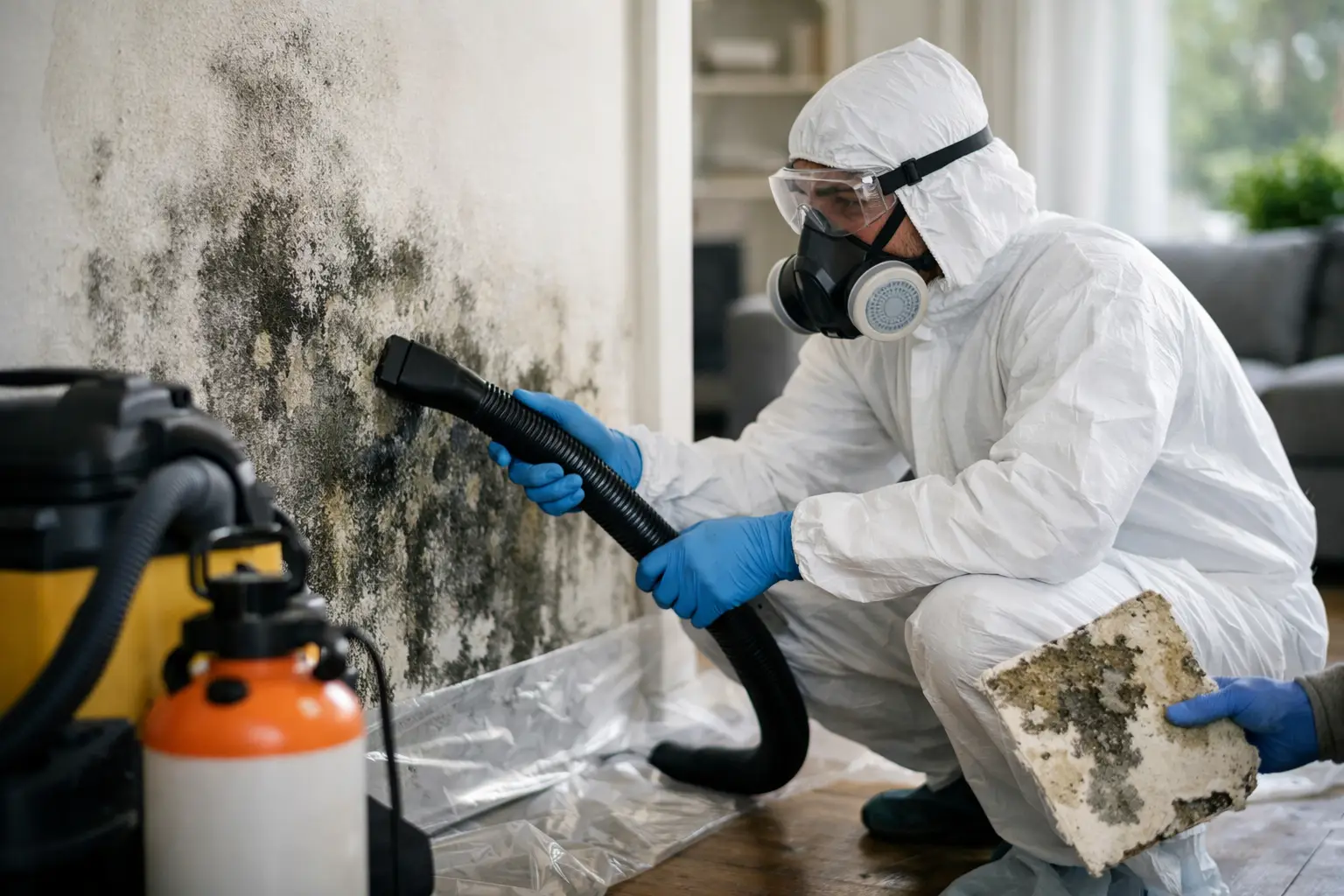 Mold
MoldContainment, removal, and moisture control that stops mold from coming back.
Learn more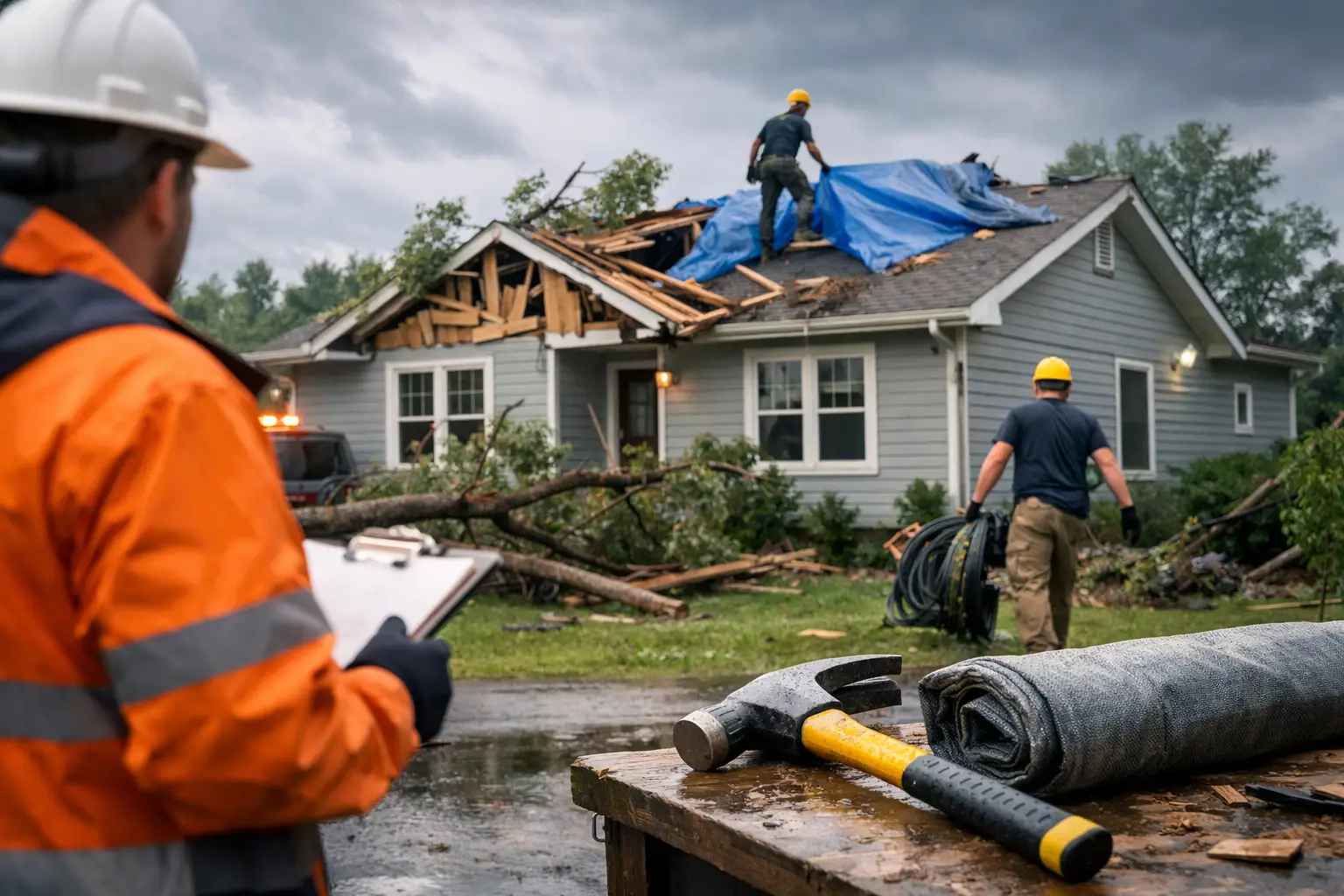 Storm
StormEmergency board-up, roof tarping, and full recovery after wind, hail, and storms.
Learn more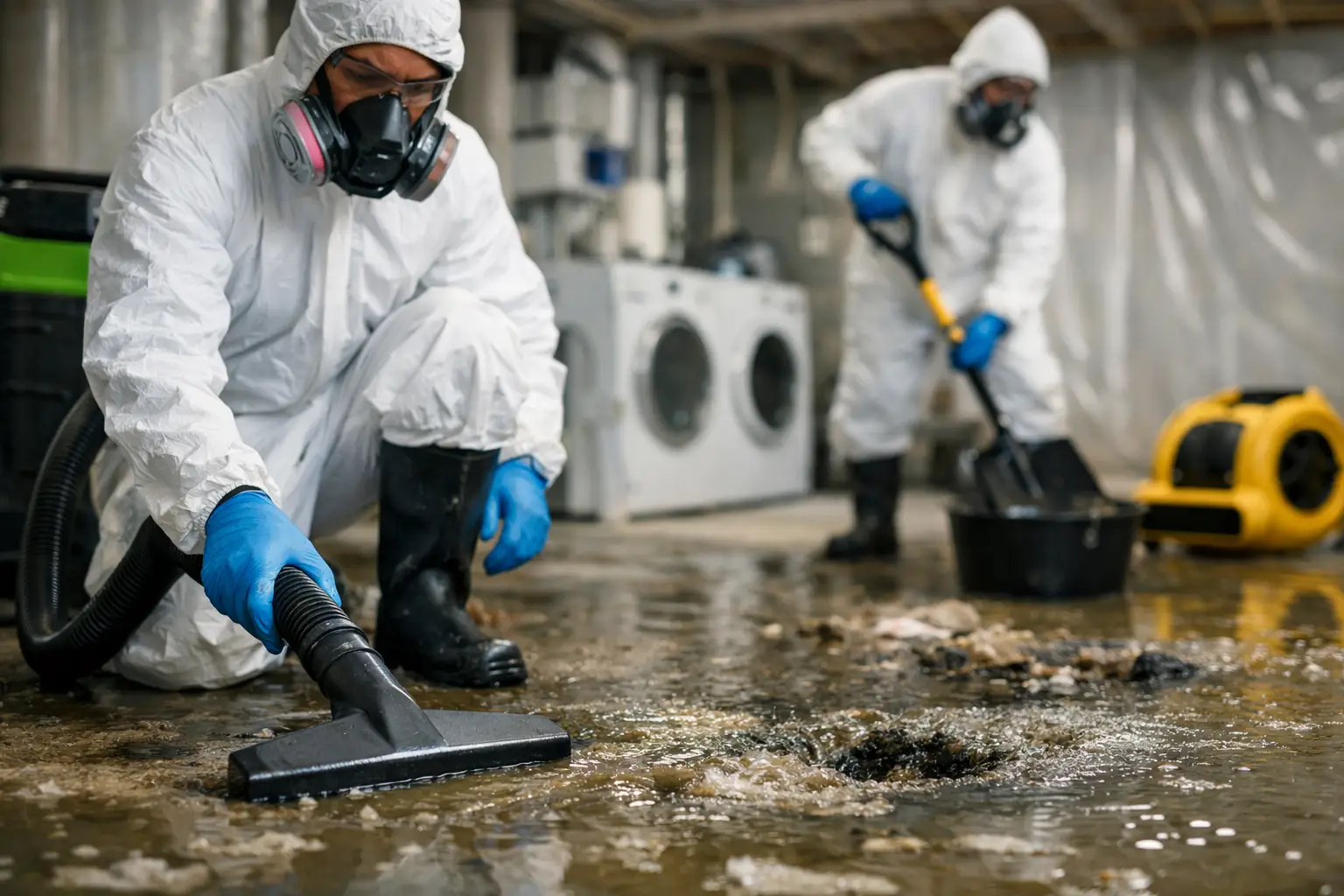 Sewage
Safe biohazard cleanup and sanitizing after sewage backups and overflows.
Learn more Reconstruction
Full rebuild by a licensed general contractor, so your property comes back whole.
Learn moreElevated Operations is an IICRC-certified, licensed general contractor based in Mableton that handles the entire recovery in-house, so after one loss you are never coordinating a cleanup crew, a mold crew, and a contractor separately. One team, one point of contact, from the first pump-out to the final coat of paint.
People call when the property feels like a disaster. They leave reviews because Chris and the crew made it right. These are real, verified Google reviews.
I start by finding the source, stopping active water if possible, and checking how far it spread. For homes near Lake Acworth, I pay special attention to lower levels, garages, and crawlspaces because moisture can linger there. Then I use water extraction, drying equipment, and dehumidification to stabilize the structure.
Homes near the Allatoona dock can face higher humidity and slower dry-out conditions, especially when water reaches flooring or wall cavities. Fast mitigation limits how much moisture gets trapped in the structure. I focus on containment, moisture control, and structural drying before the damage keeps spreading.
A small leak can still mean water under the flooring or into the subfloor. Soft spots are a warning sign, not a minor issue. I inspect those areas closely, then decide whether extraction, drying equipment, and containment are needed before the problem gets worse.
Yes, if storm water has entered the home, I handle the mitigation side of the loss. That means getting the water out, drying the structure, and documenting what was affected. Acworth storms can push water into places homeowners do not see right away, especially near low-lying or lake-adjacent properties.
I own the company, I am a licensed general contractor, and I have been in restoration since 2007. That means I look at both the immediate dry-out and what comes after. I keep the mitigation phase tight, use IICRC-certified technicians, and stay focused on the structure itself.
Yes. Kitchen losses often spread under cabinets, into flooring seams, and behind trim before anyone sees the full picture. Near Lake Acworth, I watch for lingering humidity as well. I use the right drying setup so the kitchen can be stabilized without missing hidden moisture.
The phase is done when the structure has been stabilized, visible water is removed, and moisture readings show the affected materials are drying as expected. I do not guess. I track the work until the area is ready for the next step, whether that is repair or further inspection.
Yes. I offer direct insurance billing and can also help with deductible assistance up to $1,000 on qualifying work. That keeps the process more manageable while the drying and mitigation work is happening. I make sure the claim documentation matches the actual job.
Elevated Operations dispatches IICRC-certified crews across Metro Atlanta from our Mableton base, with a 60-minute emergency response day or night. Choose your city:
Call now for an immediate response, or request your free inspection and get a certified crew on-site within the hour across Atlanta and nearby areas.