24/7 Emergency Restoration · Serving Metro AtlantaEmergency? (770) 404-6895
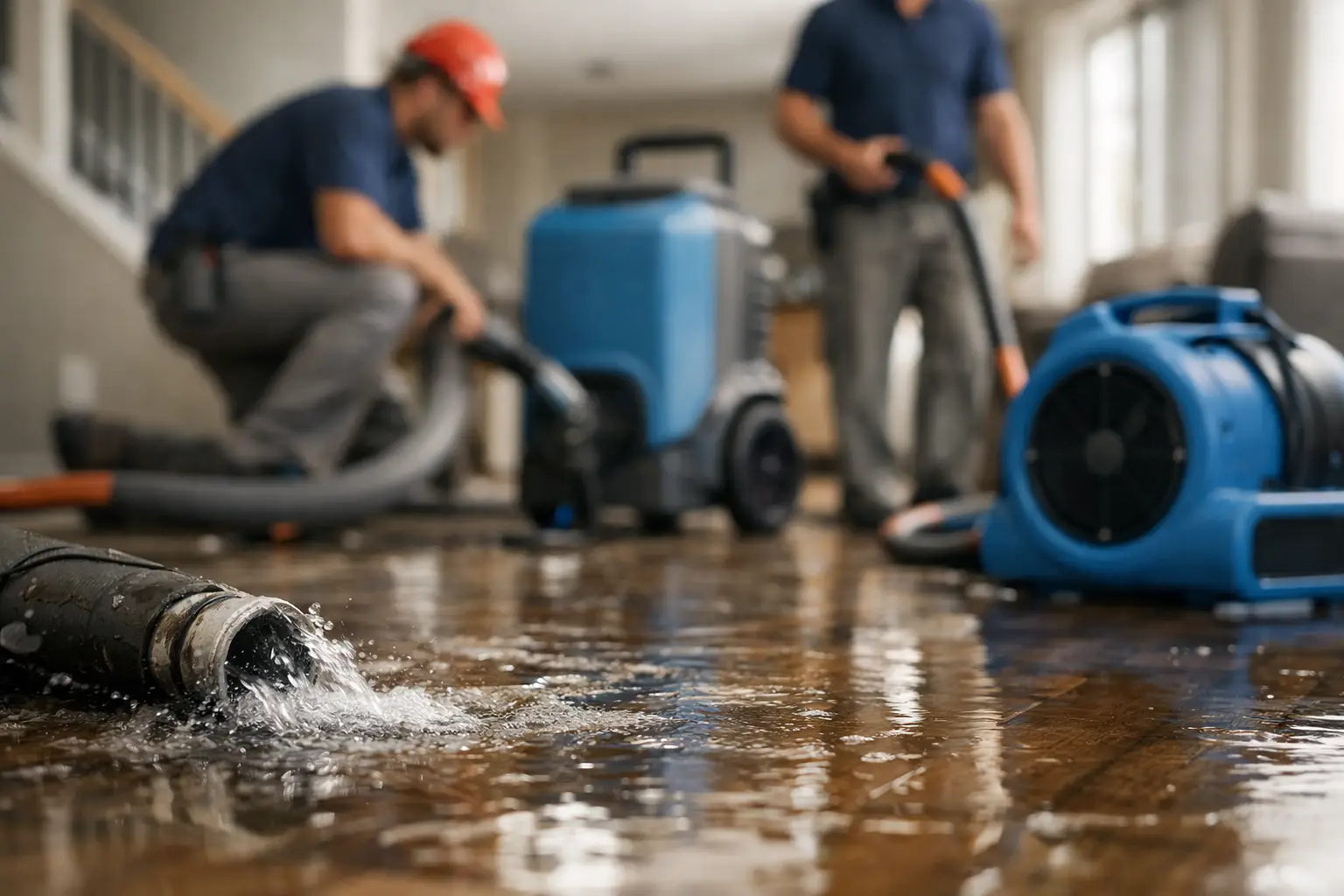
Mold removal services Smyrna starts with fast containment, a real inspection, and a plan that fits the building. I handle slab ranch moisture issues near older crawlspace lines and townhome problems near The Battery with IICRC-certified technicians, direct insurance billing, and a 12-month warranty.
IICRC-Certified · 5-Star Rated · 60-Minute Response · Insurance Billed Directly
For urgent calls, I offer 24/7 emergency response and move quickly from my Mableton base into Smyrna and the rest of Cobb County.
Yes. I use direct insurance billing, which helps reduce the back-and-forth while the inspection and cleanup are moving.
I send IICRC-certified technicians, and I stay focused on the source, the containment, and the repair sequence.
I am a licensed general contractor, so I can handle the repair side after mold remediation instead of leaving you with a half-finished room.
Start with safety, stop the moisture, and do not scrub the area dry. In Smyrna, that means checking whether the problem is coming from a slab ranch leak, a bath line, or a townhome wall between units. Then call for mold inspection and containment before the growth spreads.
First, keep people out of the room if the area is larger than a small spot or if anyone is reacting to the air. I have seen plenty of homes off Windy Hill and around older Smyrna streets where the real issue was hidden behind a baseboard or under flooring.
Second, shut off the active water source if you can do that safely. A slab ranch often hides a slow line leak under the floor, while a Battery townhome may show staining at a shared wall or ceiling line. That difference matters from the first hour.
Third, call Elevated Operations at (770) 404-6895 for 24/7 emergency response. I use direct insurance billing, and my crew is licensed, IICRC-certified, and based in Mableton, which means we move quickly into Cobb County jobs without wasting time.
Mold removal services should include inspection, containment, air scrubbing, hepa vacuuming, removal of affected materials, and cleanup of remaining dust and residue. On Smyrna jobs, I also look hard at the source area, because mold cleanup without source control is just cleanup work that comes back.
The process starts with a mold inspection to map where the problem lives and how far it moved. In a 60s or 70s slab ranch, I watch for damp drywall, wet trim, and flooring at the exterior wall. In a Battery townhome, I look at shared walls, laundry rooms, and ceiling cavities.
Then comes containment. I isolate the work zone so spores and debris do not spread into clean rooms, hallways, or upstairs bedrooms. Air scrubbing runs during the job, and hepa vacuuming follows after demolition and cleaning so loose residue is removed instead of pushed around.
If the material is too damaged, mold abatement can mean removing drywall, insulation, or other affected building parts. When that happens, mold damage repair may also be needed after the source is fixed. I do not call a job finished until the area is dry, contained, and ready for rebuild.
You need mold removal when you see visible growth, smell a musty odor, or have repeated moisture problems after a leak. In Smyrna, that often shows up in slab ranch homes after pipe issues and in Battery townhomes after HVAC condensate, bath leaks, or shared-wall moisture.
Visible spotting is the obvious sign, but it is not the only one. I also pay attention to bubbling paint, swollen trim, warped flooring, and a smell that gets stronger when the HVAC turns on. Those are common clues in Cobb County homes that hold moisture longer than people expect.
If someone in the home notices irritation, coughing, or headache symptoms that improve when leaving the space, that is another reason to get a mold inspection. I am careful with that because the building problem and the air problem often travel together, especially in tight townhome layouts.
A small ceiling stain is not always a big mold job. But if the stain keeps growing, if the drywall feels soft, or if the same room has had two water events, I want it checked. In restoration, waiting usually costs more than calling early.
Not by themselves unless the source is found and fixed first. Real mold remediation has to stop the water entry, dry the affected area, and remove damaged materials. If you only clean the surface in a Smyrna ranch or townhome, the mold can return in the same hidden spot.
This is where I take a hard stance. Surface cleaning alone is not enough when moisture is still active. A slab ranch may have a pinhole leak under the floor, while a Battery townhome may have a shower pan issue or a condensate problem in a stacked utility area.
Source control matters more than cosmetics. I do not want to seal over a damp wall and pretend the problem is gone. I want to find why the area stayed wet, dry it fully, and make sure the conditions that fed the growth are gone before repairs move forward.
That is why I use containment, air scrubbing, and hepa vacuuming as part of the job, not as the whole job. Those steps clean the work zone. The source fix keeps the work zone from becoming a repeat call.
Yes, mold can return if the moisture problem is still there or if cleanup was incomplete. In Smyrna, I see repeat growth in older slab homes when a hidden leak stays active, and in townhomes when ventilation, plumbing, or shared-wall moisture was never addressed correctly.
Return growth usually means one of two things. Either the water source was missed, or the area was not cleaned and dried far enough into the affected materials. Mold remediation has to deal with both, not just the visible stain on the wall or ceiling.
That is why I inspect adjacent rooms, baseboards, flooring edges, and attic or crawlspace access points when the structure allows it. In older Smyrna construction, the problem can travel farther than the stain suggests. In newer townhomes, it can hide inside a narrow chase or cabinet run.
I back my work with a 12-month warranty because I want the job done right. But warranty language does not replace dry conditions. If the home keeps taking on water, no cleanup method can win that fight for long.
Smyrna has two common patterns that change the work: older 60s and 70s slab ranch homes, and tighter Battery area townhomes. The first often hides moisture below grade, while the second traps leaks inside shared walls, stair runs, or stacked mechanical spaces.
Slab ranch homes usually show the issue a little later. Water can migrate under flooring and into wall bottoms before anyone sees obvious damage. By the time the baseboard buckles, the material behind it may already need more than a simple wipe-down.
Townhomes near The Battery have a different rhythm. The homes are tighter, with more shared wall assemblies and compact utility spaces. That makes containment important, because air movement between rooms can spread debris fast if the work is not controlled.
I work in Cobb County every week, so I do not treat every property the same. The construction style drives the plan. That is how mold cleanup becomes a real fix instead of a rushed cleaning bill.
Shut off the water source if you can do it safely, then keep people away from the wet area. A leak under a slab ranch floor is a different problem than a shower wall in a Battery townhome, but both need the moisture stopped first.
Get a mold inspection before you start tearing out walls. I use containment to keep the problem area from spreading into cleaner rooms, and that matters in tight Smyrna layouts where hallways, closets, and shared walls can move contamination quickly.
Take clear photos of staining, warped flooring, and damaged trim before anything gets moved. That helps with direct insurance billing and gives a cleaner record of what happened, especially when the damage started small and spread behind finishes.
Do not just run a fan and hope. Drying has to support the cleanup work, and in mold remediation that means controlling humidity, checking hidden damp spots, and using the right cleanup sequence after air scrubbing and hepa vacuuming.
Once the source is fixed and the area is clean, plan for mold damage repair. That may include replacing removed drywall, trim, or other affected materials so the home is ready for normal use again.
From emergency mitigation to full reconstruction, handled in-house so you are never managing a chain of subcontractors mid-crisis.
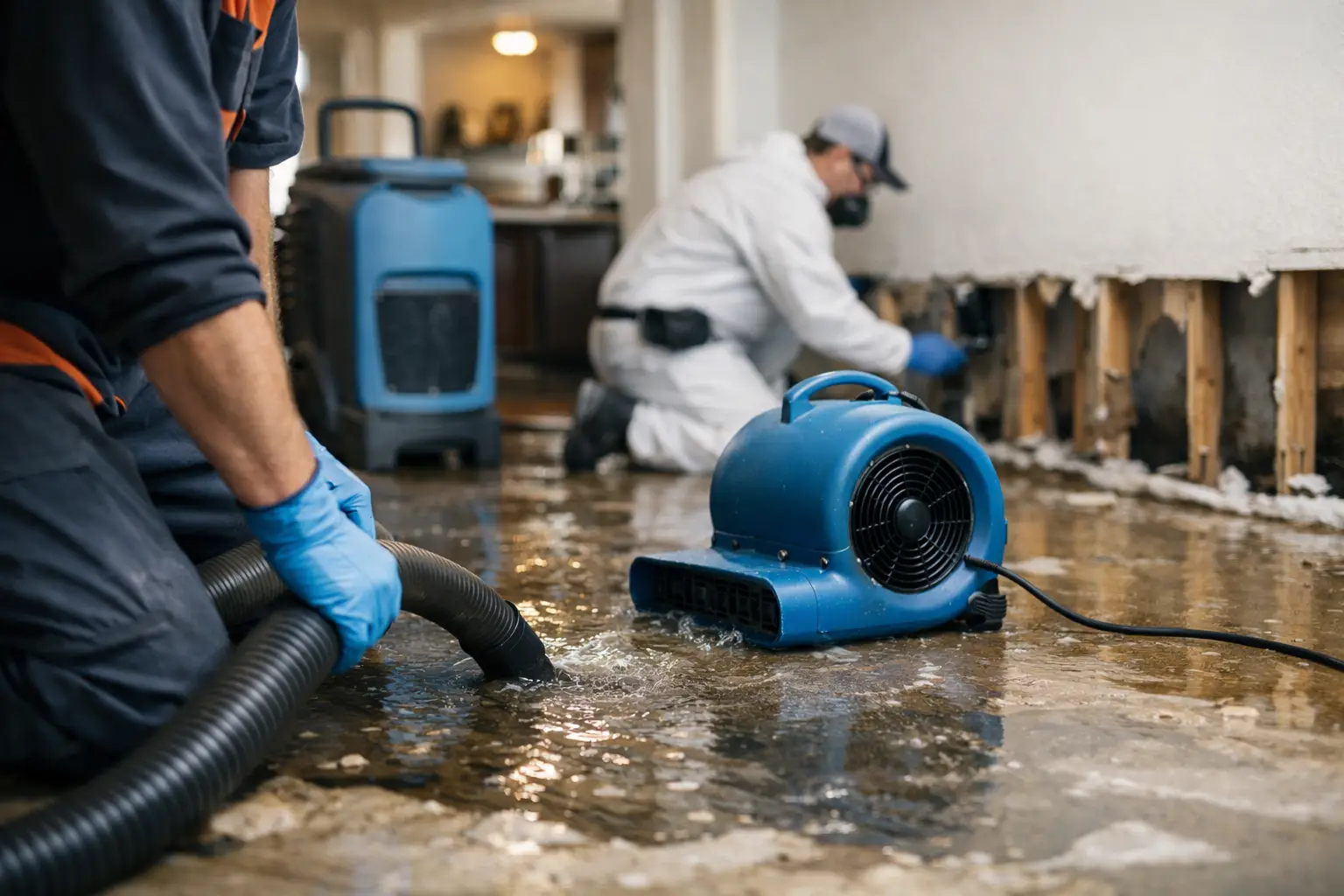 Water Damage
Extraction, structural drying, and moisture mapping after floods, leaks, and burst pipes.
Get help now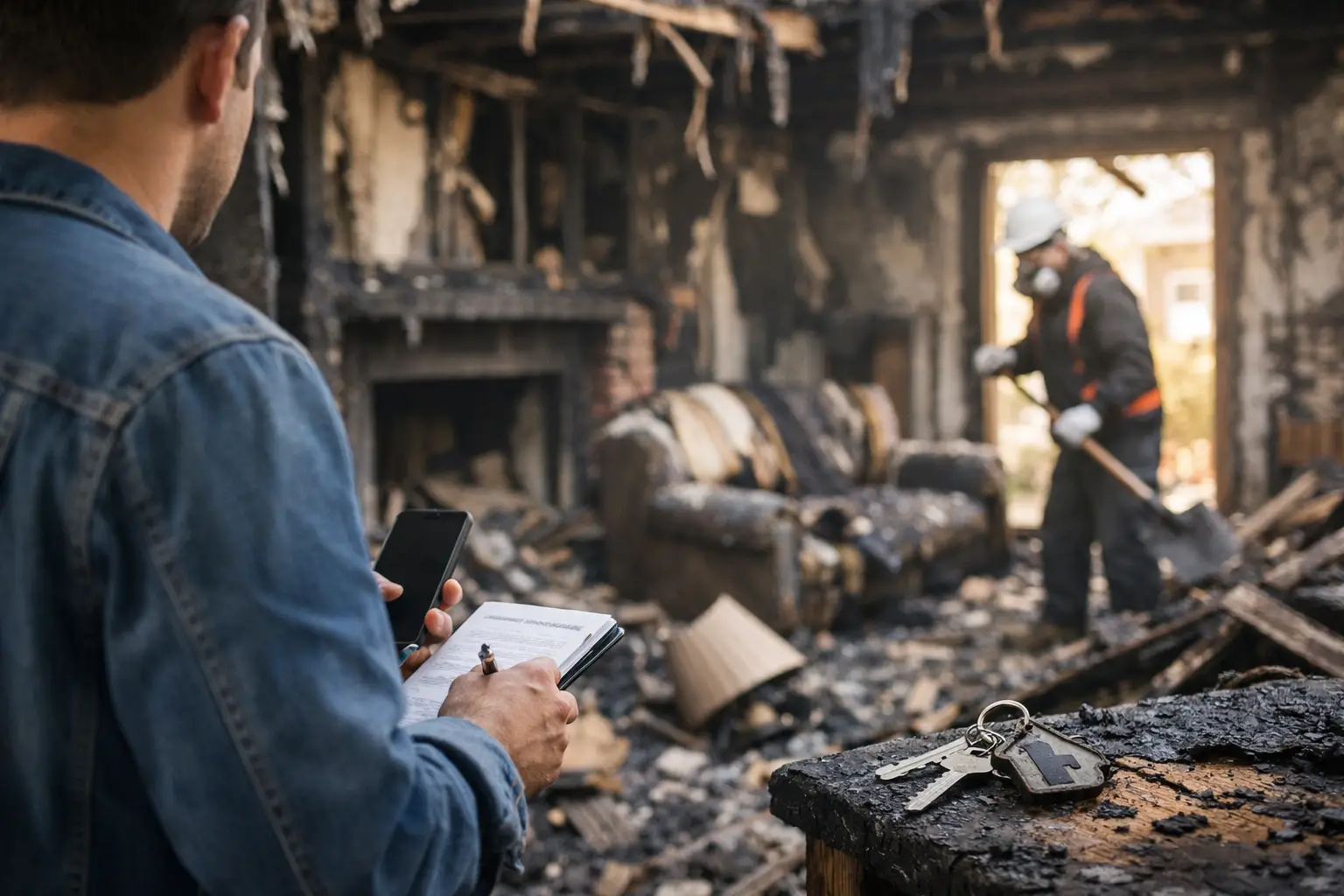 Fire & Smoke
Soot removal, odor deodorization, and content cleaning after fire and smoke damage.
Learn more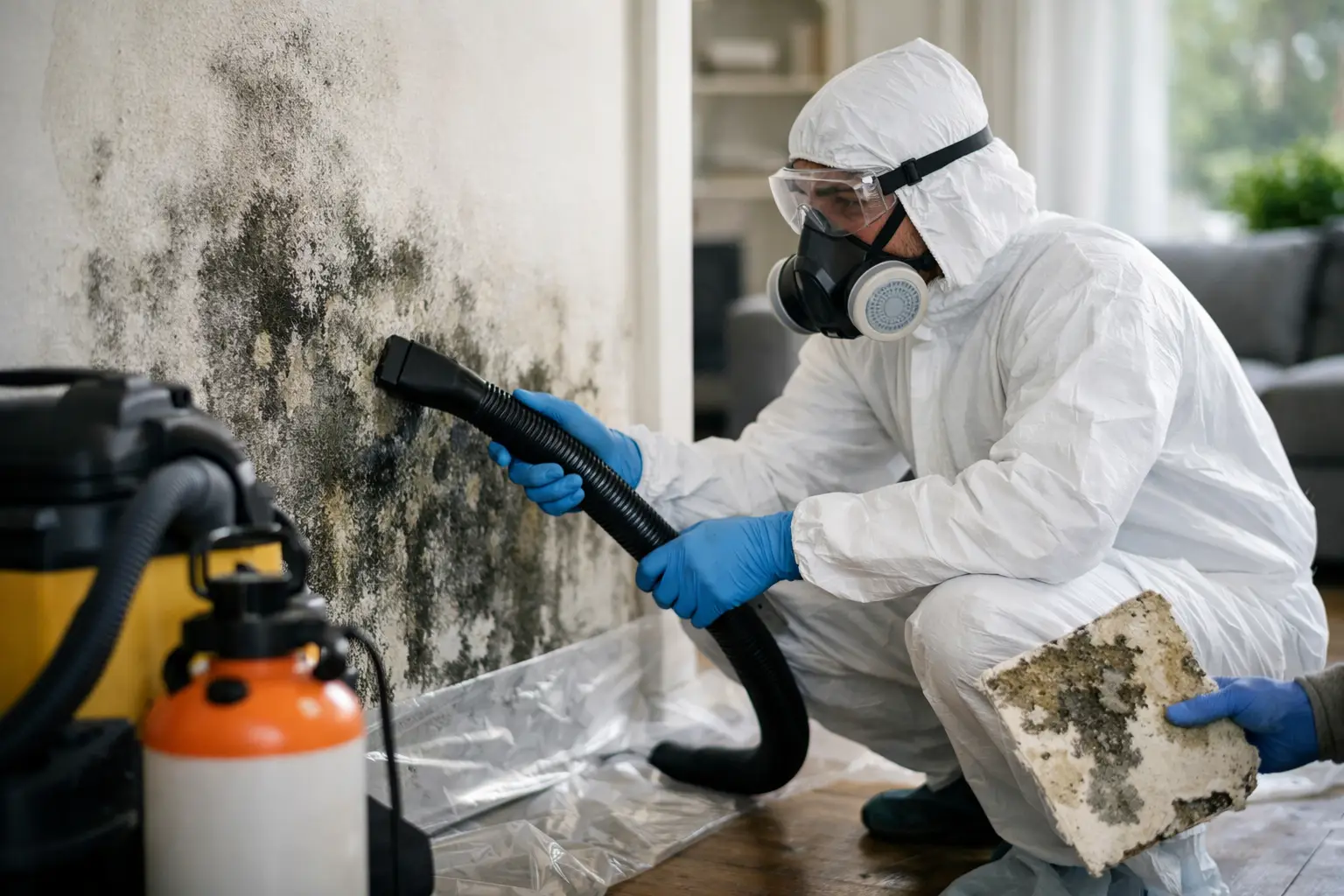 Mold
MoldContainment, removal, and moisture control that stops mold from coming back.
Learn more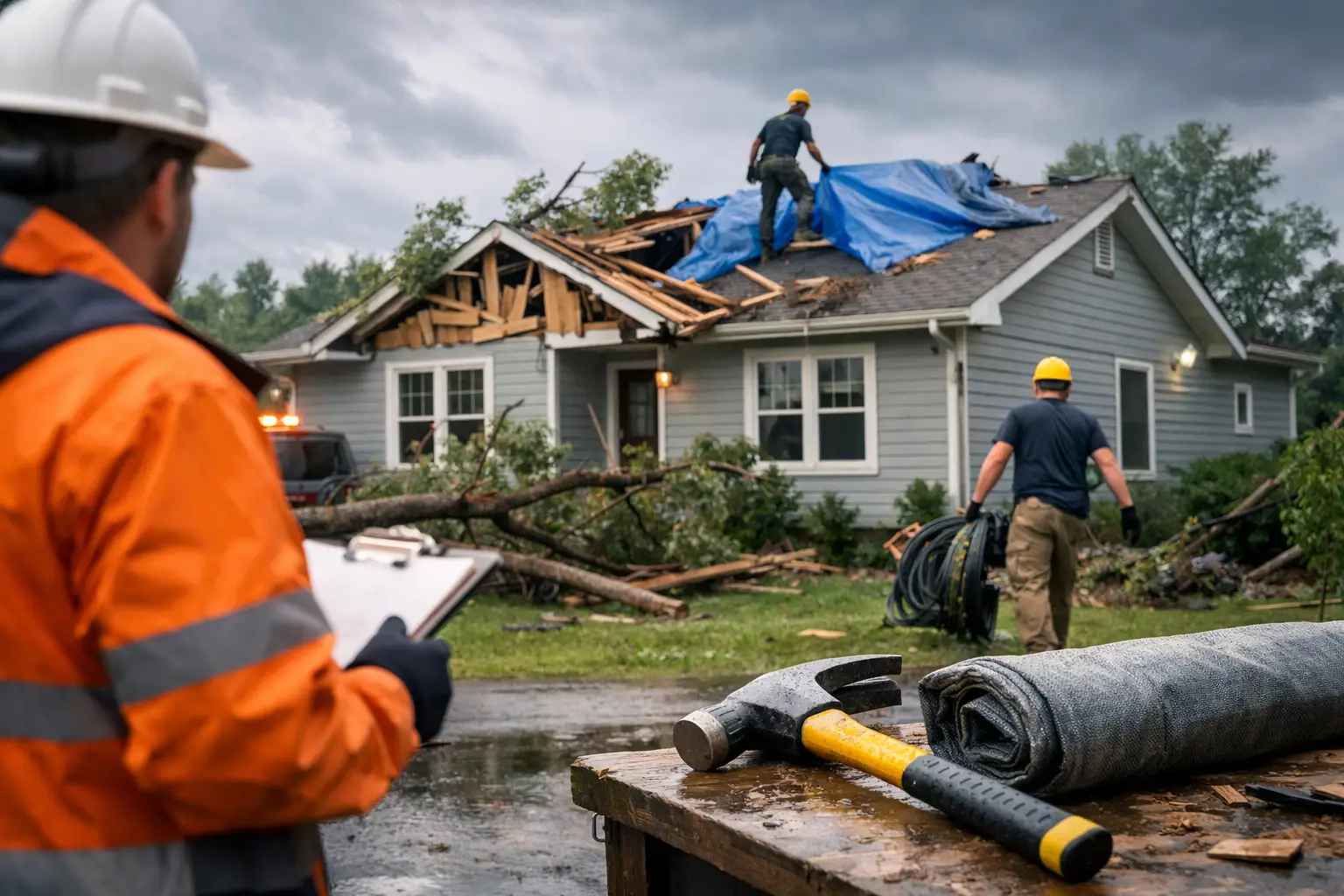 Storm
StormEmergency board-up, roof tarping, and full recovery after wind, hail, and storms.
Learn more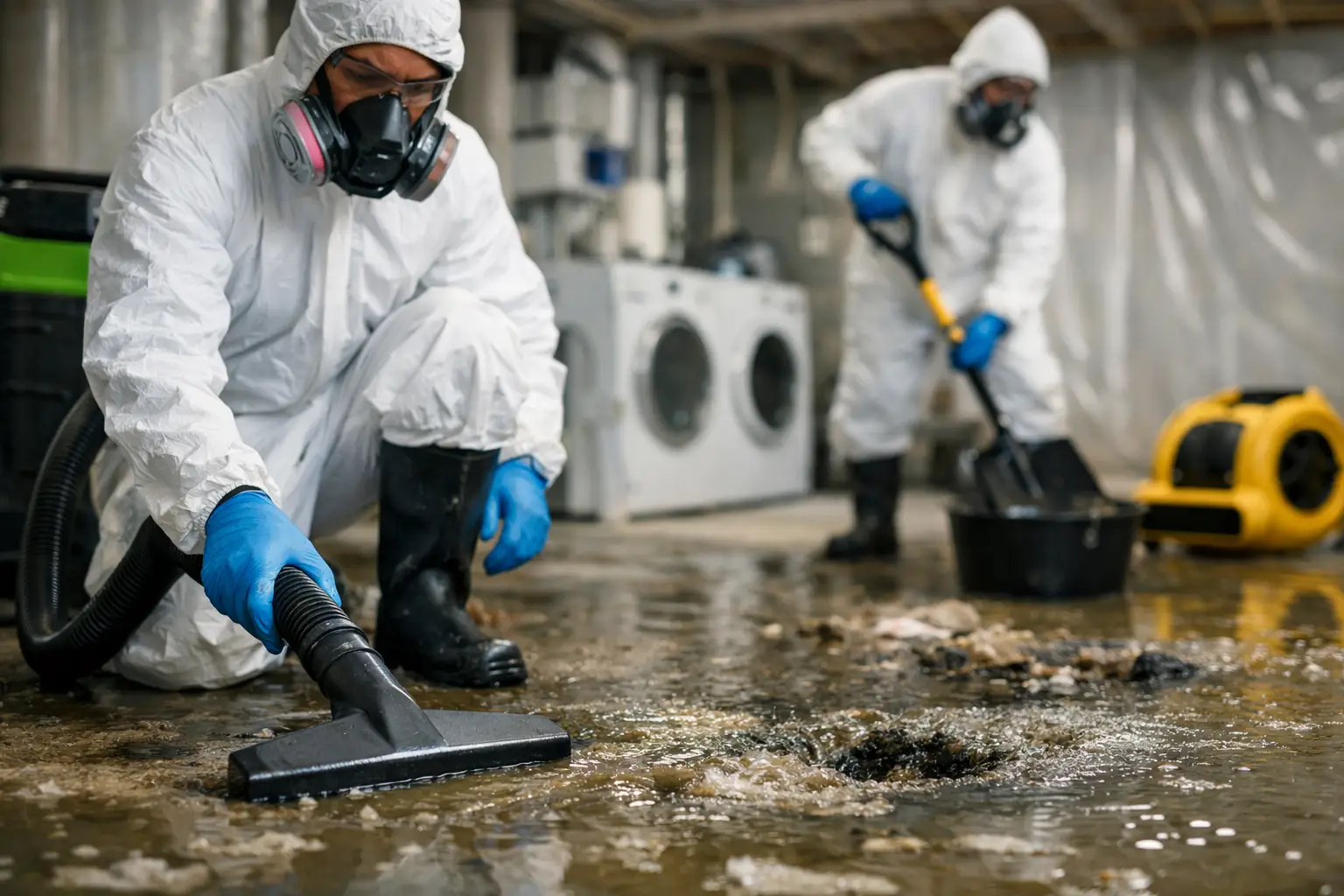 Sewage
Safe biohazard cleanup and sanitizing after sewage backups and overflows.
Learn more Reconstruction
Full rebuild by a licensed general contractor, so your property comes back whole.
Learn moreElevated Operations is an IICRC-certified, licensed general contractor based in Mableton that handles the entire recovery in-house, so after one loss you are never coordinating a cleanup crew, a mold crew, and a contractor separately. One team, one point of contact, from the first pump-out to the final coat of paint.
People call when the property feels like a disaster. They leave reviews because Chris and the crew made it right. These are real, verified Google reviews.
I offer 24/7 emergency response and a 60-minute emergency response standard for urgent restoration calls. If the leak is active or the area is growing worse, call right away. In Smyrna, fast response matters because older slab ranch homes and tight Battery townhomes can hold moisture in hidden places.
Yes. I do not use the same approach for both. A 60s or 70s slab ranch often needs a deeper search for moisture under flooring or at wall bottoms, while a Battery townhome may need tighter containment around shared walls, stair areas, and stacked plumbing spaces.
A mold inspection looks for visible growth, moisture patterns, and the conditions that let mold stay active. In Smyrna, I focus on slab edges, bathrooms, laundry rooms, HVAC areas, and any place where a townhome or ranch layout could hide water behind finishes.
Yes, I offer direct insurance billing. That helps keep the process moving after a loss, especially when the homeowner is already dealing with cleanup, documentation, and repair decisions. I also provide deductible assistance up to $1,000 when applicable.
After the damaged material is removed and the area is dry, I handle the repair side as a licensed general contractor. That matters in mold jobs because cleanup and rebuilding have to match. If the repair is sloppy, the room still does not feel finished.
Sometimes, but not always. If the growth is on the surface and the material is sound, limited cleanup may work. If moisture got into drywall, insulation, or trim, mold abatement can require removal. I decide based on the actual condition, not wishful thinking.
Because mold work often turns into repair work. I am a licensed general contractor, so I can manage the cleanup and the rebuild path without handing the job off blindly. That matters when a slab ranch or townhome needs both removal and finish restoration.
I provide a 12-month warranty on the work. That backs the job after cleanup and repair. But the real protection is still proper source control, containment, and drying. If moisture keeps coming back, the home will keep challenging the fix.
Elevated Operations dispatches IICRC-certified crews across Metro Atlanta from our Mableton base, with a 60-minute emergency response day or night. Choose your city:
Call now for an immediate response, or request your free inspection and get a certified crew on-site within the hour across Atlanta and nearby areas.