24/7 Emergency Restoration · Serving Metro AtlantaEmergency? (770) 404-6895
Smoke and soot cleanup Roswell is not one decision, it is three: restore or replace, DIY or hire a pro, and whether the real problem is smoke damage, water damage, or mold. I run Elevated Operations from Mableton, and I compare those choices plainly for Roswell homes near Canton St mill cottages and Vickery/Big Creek.
IICRC-Certified · 5-Star Rated · 60-Minute Response · Insurance Billed Directly
If the trim is structurally sound and the soot is cleanable, yes. If the odor is locked in, I will say replace it.
No. It helps with airborne particles, but odor removal usually needs cleaning, source control, and sometimes hvac cleaning.
When soot, heat, or water have penetrated material so deeply that restoration would leave odor or future damage behind.
Yes, I use direct insurance billing and can assist with deductibles up to $1,000 when the claim allows it.
I usually push restoration first when the surface can be cleaned, sealed, and deodorized without trapping soot deeper in the material. Replacement makes sense when smoke has penetrated soft goods, warped trim, or left a smell that will not leave after proper smoke damage cleanup.
Roswell gives you both ends of the spectrum. A Canton St mill cottage can have older trim, plaster, and original wood that deserve careful surface cleaning, while a Vickery home may have newer finishes that still need fast contents cleaning after a kitchen fire or electrical smoke event.
I look at what the soot did, not just where it landed. Dry soot on painted walls may come off with the right method, but porous carpet pad, insulation, and some cabinet interiors can hold odor removal issues long after the visible stain is gone.
The verdict is simple. Restore when the structure is sound and the finish can be cleaned well. Replace when soot has gone deep, when deodorization fails, or when the material near Big Creek or anywhere else in Roswell will keep bringing the odor back.
I start with containment, dry soot removal, and source control, then move to surface cleaning, deodorization, and hvac cleaning if the system carried smoke through the house. That sequence matters in Roswell because the wrong wipe can smear soot into siding, drywall, or wood grain.
In a Roswell house, smoke cleanup is part science, part restraint. On Canton St mill cottages, I am careful with older painted surfaces because aggressive scrubbing can damage what time already weakened. In Vickery homes, I still test first, because modern finishes react differently.
An air scrubber helps when smoke particles are still floating, but it is not a finish line. I use it as one tool in smoke damage cleanup, then focus on what actually touched the home, from ceilings and walls to contents and vent paths.
I do not guess at deodorization. If soot reached the attic, return air, or a closet packed with textiles, the fix can include hvac cleaning and contents cleaning. If the smoke stayed small and local, the right answer may be targeted surface cleaning and odor removal only.
Yes, sometimes odor can be removed completely, but only when the source is fully addressed and the material is cleanable. If the odor is locked into insulation, particle board, or heavily affected contents, replacement is often the better call than chasing a smell that keeps returning.
This is where people waste money. They clean what they can see, then wonder why the house still smells like smoke after the first warm day. Near Big Creek or on an older Roswell street, odor can hide in cavities, fabrics, and ductwork.
Complete odor removal depends on access and material type. Hard surfaces can often be treated with deodorization after soot removal. Soft goods and hidden voids are harder, which is why I inspect the structure before I promise anything about smell.
I tell Roswell owners the truth: if the odor is in the bones of the property, replacement may be cheaper than repeated treatments. If the issue is surface soot and air movement, restoration plus air scrubber work and hvac cleaning can absolutely solve it.
Dry soot removal, followed by the right surface cleaning method for the finish, is what works. I avoid wet wiping too early because it can smear soot into paint and texture, especially on ceilings and crown details common in Roswell homes and mill cottages.
The finish matters. Flat paint, glossy trim, ceiling texture, and older wood all behave differently. A Canton St mill cottage may need a gentler hand than a newer Vickery interior, but both need the same principle, remove dry residue before it gets driven deeper.
I see a lot of DIY damage here. People grab the first rag, use water, and turn a light soot film into a broad gray stain. That mistake can make smoke damage cleanup longer and push the owner toward replacement when restoration was still possible.
For walls and ceilings, the right order is drying, dry soot removal, then controlled cleaning, then deodorization if needed. If the smoke traveled through the system, hvac cleaning matters too, because new soot can settle on the same surfaces again.
DIY can handle very light, localized soot on nonporous surfaces, but I would call a pro when smoke spread beyond one room, hit textiles, or entered ducts. That is especially true in Roswell homes where older cottages and newer subdivisions both hide smoke in different ways.
DIY looks cheaper until it spreads the damage. A homeowner near Canton St may clean one wall and miss the ceiling line, trim joints, and contents. In Vickery, the issue may be cleaner surfaces but more hidden circulation through the HVAC system and closets.
A pro brings IICRC-certified technicians, direct insurance billing, and the judgment to decide when contents cleaning, deodorization, or air scrubber use is actually needed. That saves time and keeps the job from turning into a do-it-twice problem.
I also bring a licensed general contractor lens, because smoke cleanup and repair are linked. If the finish can be restored, I say so. If it cannot, I say that too. And that honesty matters more than a cheap first pass.
Smoke cleanup should start as soon as the scene is safe and access is allowed. Soot gets harder to remove over time, and odor settles deeper into materials. In Roswell, quick action matters whether the home is near Canton St mill cottages or in Vickery and Big Creek.
I do not wait on smoke. The first hours matter because soot is corrosive and sticky, and the longer it sits, the more it bonds to paint, metal, and fabric. That is true in a century-old cottage and in a newer Roswell townhouse.
Fast response also helps with claims and scope control. I offer 60-minute emergency response 24/7, direct insurance billing, and deductible assistance up to $1,000, so the owner can start cleanup without stalling while paperwork catches up.
And yes, smoke cleanup often overlaps with other damage. If the fire involved suppression water, the water damage clock starts too. If materials stay wet, mold can start in 24 to 48 hours, so the order of work matters from day one.
| Typical Trigger | Water Damage Restoration | Mold Remediation |
|---|---|---|
| Light soot on hard surfaces near Canton St | Restore with controlled surface cleaning and deodorization if no hidden wetting exists. | Replace only if water from suppression soaked framing, because mold can start in 24 to 48 hours. |
| Smoke odor in Vickery or Big Creek HVAC runs | Restore with hvac cleaning, air scrubber use, and targeted odor removal when the system stayed dry. | Replace soaked insulation or contaminated porous parts if water sat long enough to create mold risk. |
| Fire plus soaked contents in a Roswell home | Restore salvageable contents with contents cleaning and drying when materials are cleanable. | Replace upholstered or composite items that stayed wet and began to hold odor or growth. |
From emergency mitigation to full reconstruction, handled in-house so you are never managing a chain of subcontractors mid-crisis.
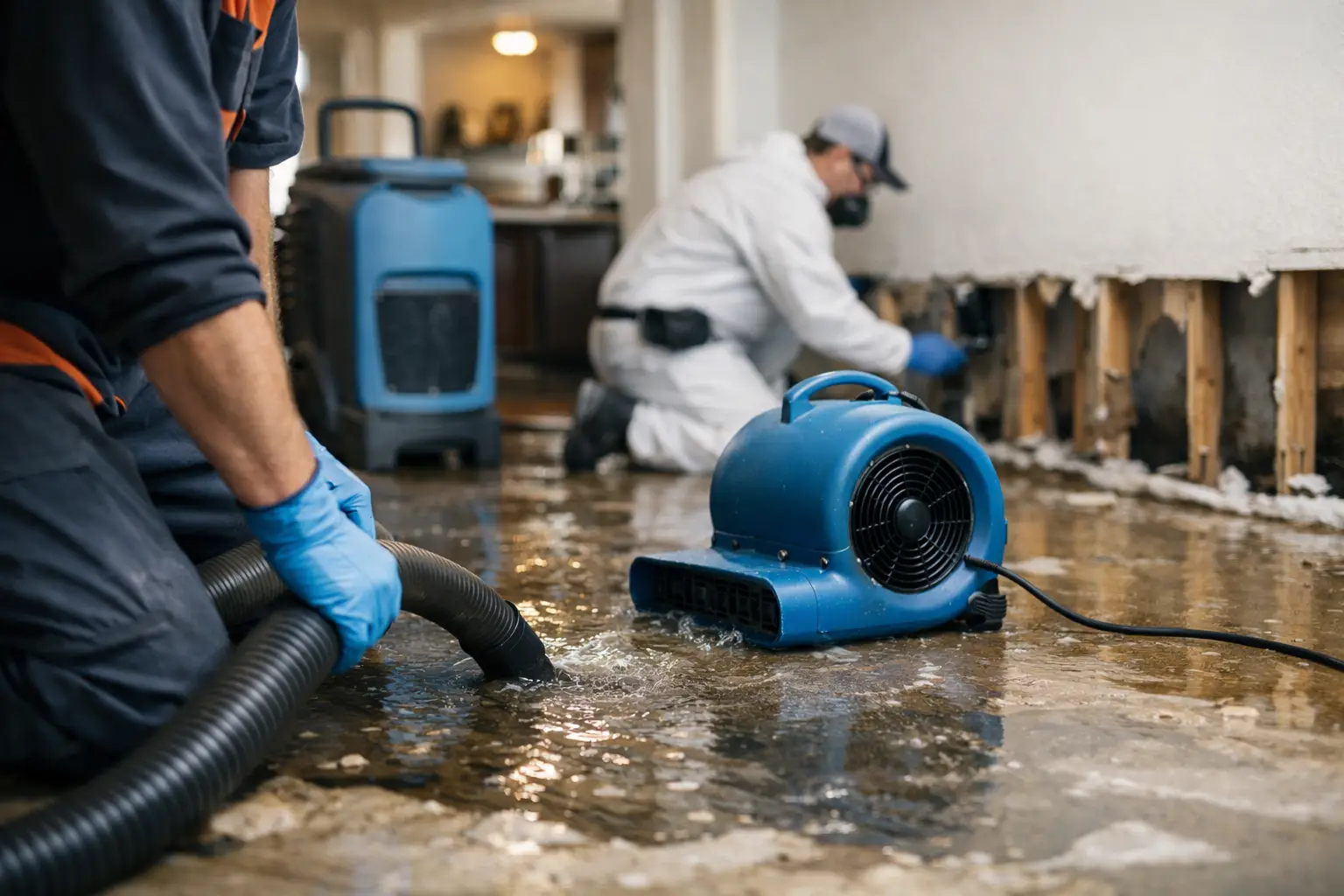 Water Damage
Extraction, structural drying, and moisture mapping after floods, leaks, and burst pipes.
Get help now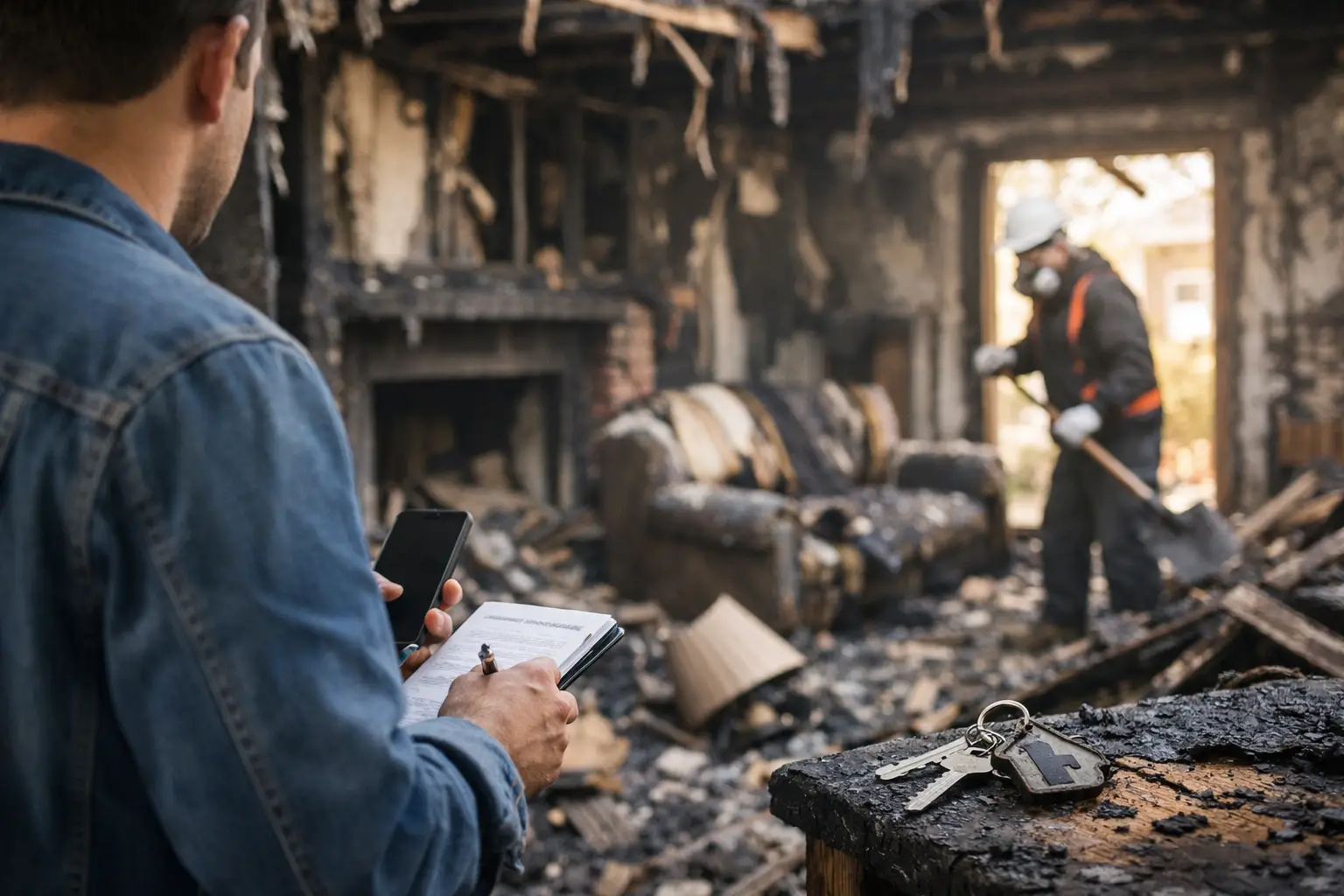 Fire & Smoke
Soot removal, odor deodorization, and content cleaning after fire and smoke damage.
Learn more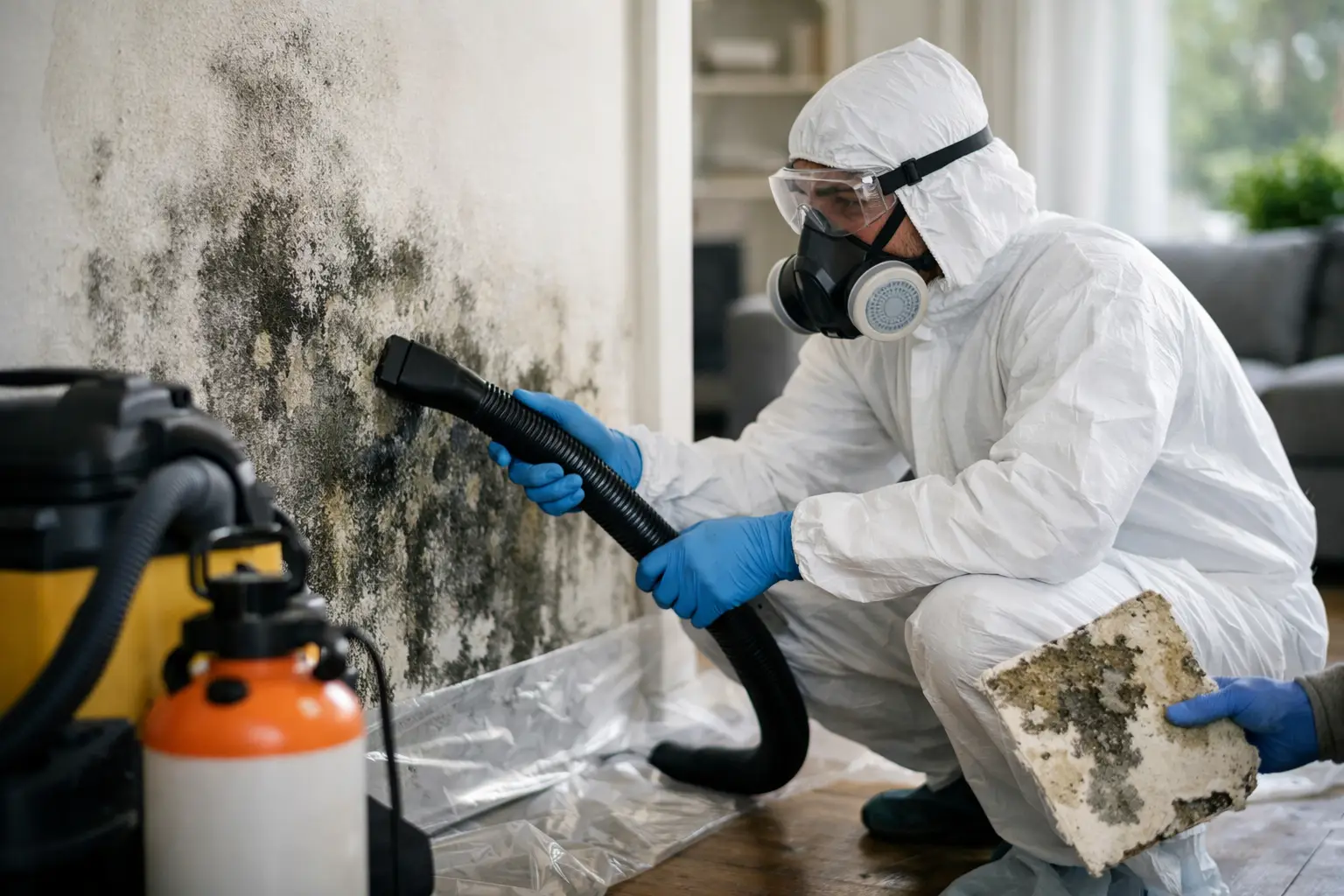 Mold
MoldContainment, removal, and moisture control that stops mold from coming back.
Learn more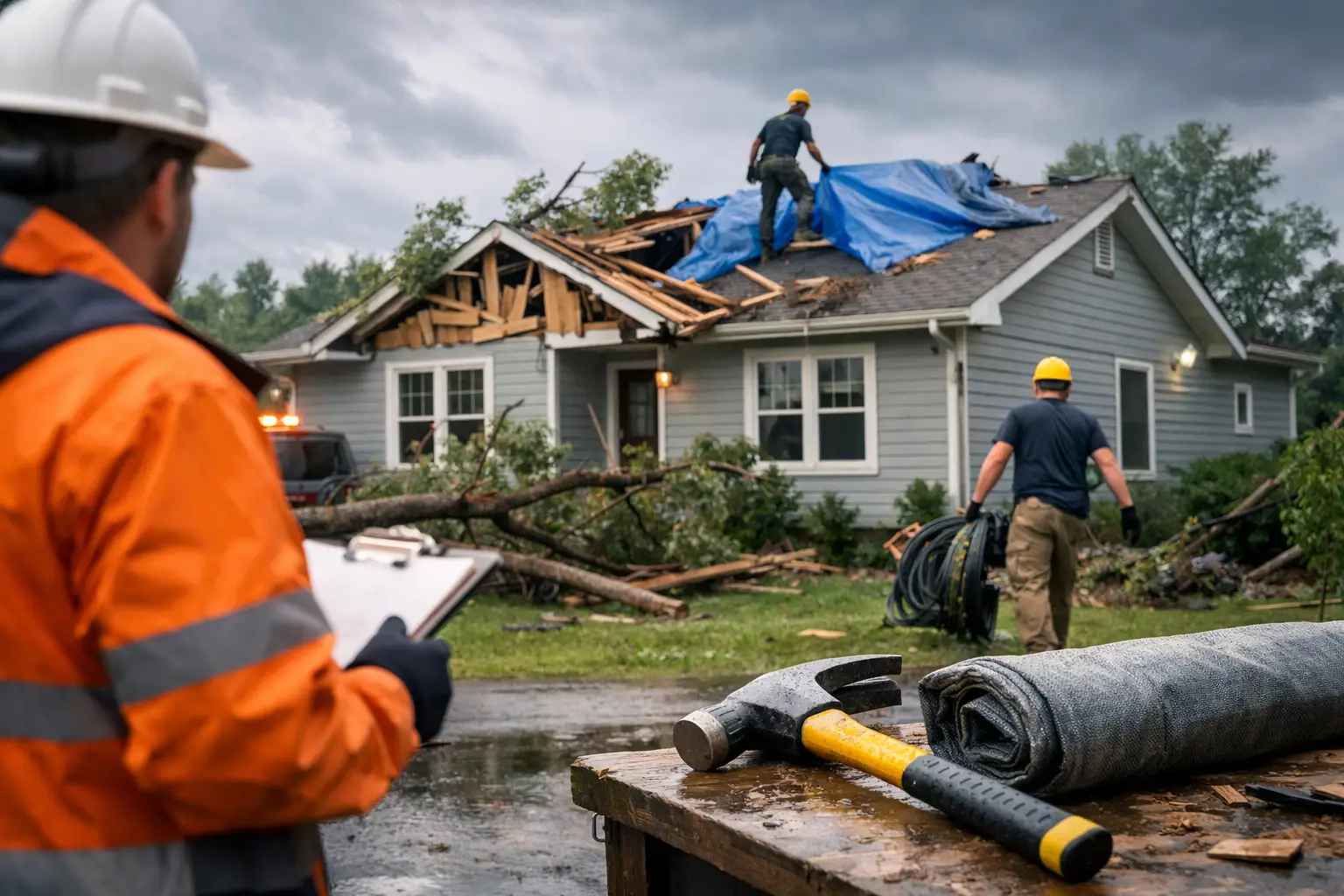 Storm
StormEmergency board-up, roof tarping, and full recovery after wind, hail, and storms.
Learn more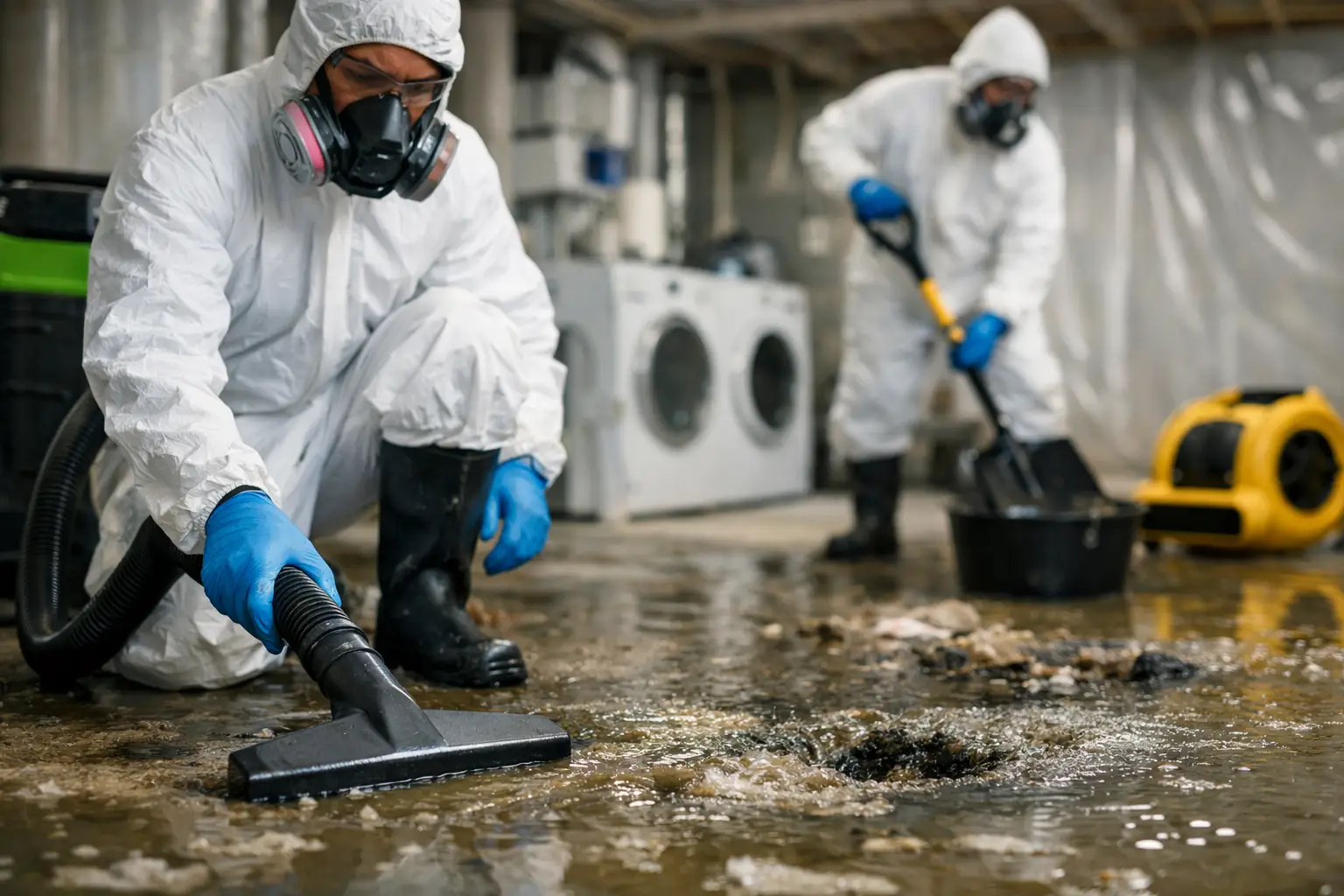 Sewage
Safe biohazard cleanup and sanitizing after sewage backups and overflows.
Learn more Reconstruction
Full rebuild by a licensed general contractor, so your property comes back whole.
Learn moreElevated Operations is an IICRC-certified, licensed general contractor based in Mableton that handles the entire recovery in-house, so after one loss you are never coordinating a cleanup crew, a mold crew, and a contractor separately. One team, one point of contact, from the first pump-out to the final coat of paint.
People call when the property feels like a disaster. They leave reviews because Chris and the crew made it right. These are real, verified Google reviews.
Smoke and soot cleanup is enough when the damage is mostly on cleanable surfaces, the structure stayed sound, and the odor does not come back after proper deodorization. In older mill cottages, I am especially careful with painted trim, plaster, and original wood. If soot stayed superficial, I restore. If it soaked into porous material or hidden cavities, I replace the affected parts.
You usually see odor from multiple rooms, light residue at vents, and soot where return air pulls through the house. That is when hvac cleaning becomes part of smoke damage cleanup, not an add-on. I check the system before I recommend replacement, because sometimes the problem is circulation, not destroyed surfaces. If the ducts are contaminated badly, I change the plan fast.
I look at material, exposure, and whether deodorization will hold. Hard goods, some decor, and salvageable textiles may respond well to contents cleaning. But if porous items absorbed heavy soot or kept the smell after treatment, replacement is the honest answer. Roswell homes near Canton St often have older keepsakes, and I try hard to save what can actually be saved.
Sometimes yes, sometimes no. If the odor is on surfaces and in the air path, I can usually attack it with deodorization, air scrubber work, and targeted smoke cleanup. If the odor is buried in insulation, cabinet boxes, or fabric that held heat and soot, replacement may be the only clean finish. I do not promise what the material cannot support.
The right process removes soot, not just the stain. I start with dry soot removal, then careful surface cleaning matched to the paint or finish. That matters on older Roswell walls and ceilings because the wrong sponge can smear residue into texture and trim. If the smoke reached the attic or ductwork, the cleanup needs to widen beyond the room itself.
Only for very light, isolated residue on hard surfaces. Once smoke reaches carpet, upholstery, vents, or multiple rooms, DIY usually pushes soot around and can lock in odor. In a townhouse, airflow moves fast, so I would rather inspect first than have you chase stains with the wrong cleaner. A small mistake can turn restoration into replacement.
As soon as the scene is safe and you have access. Soot gets harder to remove as it sits, and the smell settles deeper into the building. If water was used, the clock changes again because mold can start in 24 to 48 hours. I treat garage smoke like a whole-house issue when air moved through the structure.
I bring a Mableton base, 24/7 emergency response, IICRC-certified technicians, direct insurance billing, and a 12-month warranty. I have been in restoration since 2007, and I own the work as Chris Kwangwari. For Roswell owners, that means I compare restoration and replacement honestly, then build the job around what the home actually needs.
Elevated Operations dispatches IICRC-certified crews across Metro Atlanta from our Mableton base, with a 60-minute emergency response day or night. Choose your city:
Call now for an immediate response, or request your free inspection and get a certified crew on-site within the hour across Atlanta and nearby areas.