24/7 Emergency Restoration · Serving Metro AtlantaEmergency? (770) 404-6895
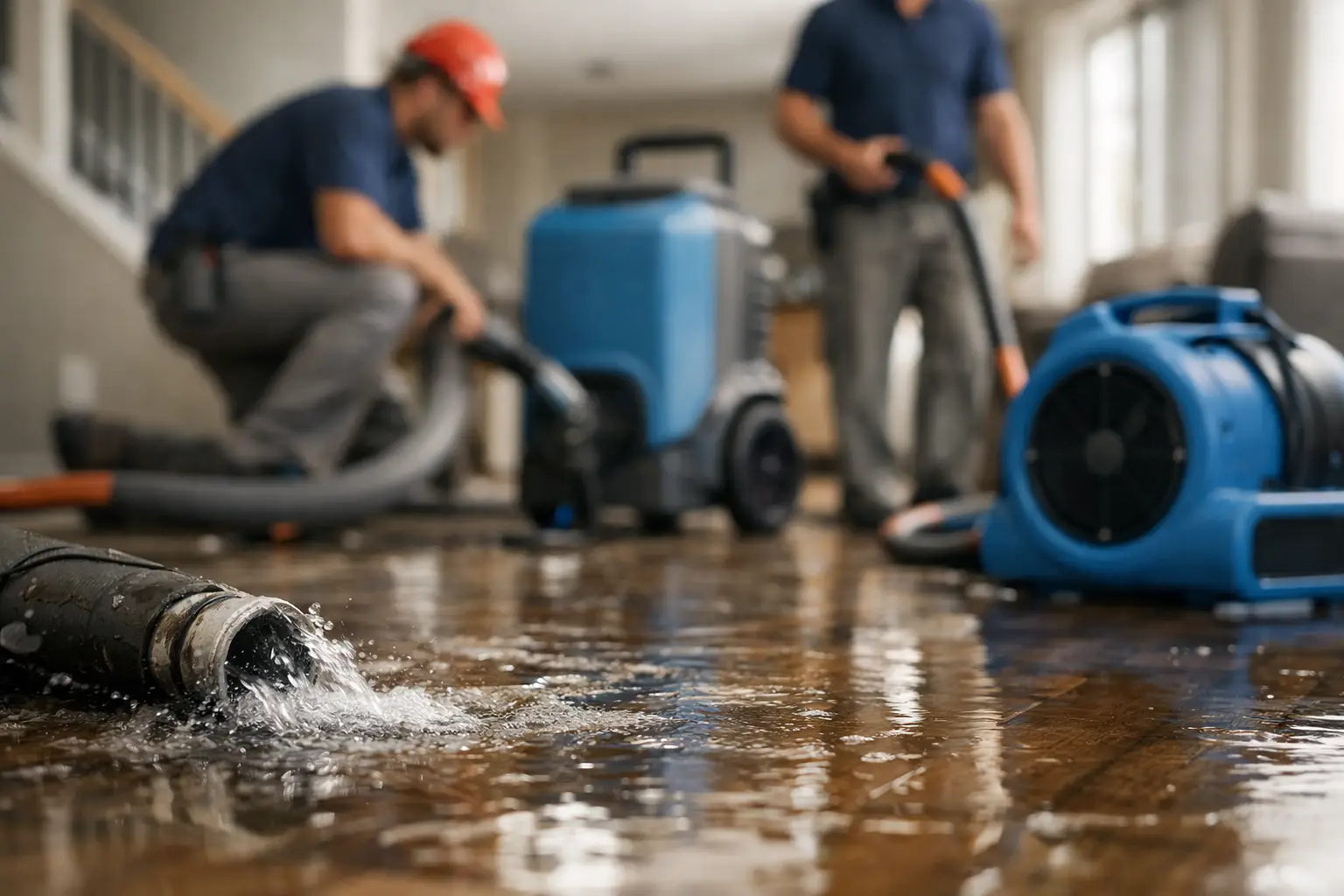
Flooded basement cleanup Carrollton starts with fast water removal, a clean safety check, and a drying plan that fits your home. I’m Chris Kwangwari, owner of Elevated Operations, LLLP, and I handle water damage jobs across Carroll County exurbs with IICRC-certified technicians, direct insurance billing, and a 12-month warranty.
IICRC-Certified · 5-Star Rated · 60-Minute Response · Insurance Billed Directly
Not exactly. Flood water extraction is the active removal step, while basement water removal can include the full process, source control, cleanup, and drying.
It helps a lot, but only if it starts early and reaches hidden moisture. That is why I treat drying as part of mold prevention.
Yes. I work across Carroll County and nearby counties, including the exurban areas where basement flooding can hit harder than people expect.
Call immediately. I offer 24/7 emergency response, and overnight water has already had hours to soak materials and raise the risk of mold and structural damage.
First, cut power to the basement area if you can do it safely, keep people out of standing water, and call for emergency help right away. In Carrollton’s Carroll County exurbs, a flooded basement can move fast from clean water to contamination, so early basement water removal matters.
I start with safety, not cleanup. If the water reached outlets, appliances, or the furnace, do not walk into it. In older Carrollton homes, especially around the exurban edges where finished basements are common, hidden hazards show up fast and turn a bad flood into a bigger loss.
Then I look at the source. A burst line, sump failure, heavy rain intrusion, or a sewage backup cleanup situation all change the next steps. I have seen wet carpet removal become a salvage job in one house and a full tear-out in the next, just based on what the water carried in.
Call us at once. Elevated Operations, LLLP offers 24/7 emergency response and a 60-minute emergency response target, and I use that first hour to stop damage, start flood water extraction, and protect what can still be saved before basement drying begins.
You clean it by removing water first, then checking materials, then drying the structure in the right order. I do not treat flooded basement cleanup like mopping a floor. I treat it like a moisture control job, with basement water removal, source control, and mold prevention all tied together.
The sequence matters. I start with flood water extraction using professional equipment, because every minute standing water sits, the damage spreads into framing, trim, insulation, and subflooring. In Carroll County exurbs, where many homes sit on crawl-to-basement transitions or mixed-grade foundations, that spread can be uneven and deceptive.
Next comes inspection of carpet, pads, drywall, and contents. Wet carpet removal may be the right call, or it may not. If sewage is involved, I treat it differently from clean rainwater. If the basement took on repeated water, I am more aggressive about pull-back and drying.
After that, I set the drying plan. IICRC-certified technicians matter because basement drying is not guesswork. Air movement, dehumidification, and moisture checks have to line up with the structure, not just the surface. That is how I keep a cleanup from becoming a mold job later.
If you see standing water, damp carpet, a musty smell, wall stains, or swelling trim, you need cleanup now. In Carrollton, I also watch for sump pump failure, seepage after storms, and sewer odor, because those signs often mean the damage is already moving behind the finish materials.
The obvious signs are easy. Water on the floor. A soaked storage room. A floating rug. But the sneaky signs are the ones that cost people later, especially in Carroll County exurb homes with finished basements, where moisture hides behind baseboards and under laminate.
If the carpet feels spongy or the room smells earthy, that is not just nuisance odor. That is moisture trapped in place, and mold prevention becomes urgent. Basement drying has to begin before the material becomes a long-term source of odor and spore growth.
I also pay attention to the flood line. Water that never reached the surface can still soak the bottom edge of drywall and the backing under flooring. That is why flooded basement cleanup should include a real inspection, not a quick wipe-down and a fan left in the corner.
Yes, a flooded basement can cause mold quickly if moisture stays trapped in carpet, drywall, insulation, or framing. Mold starts in 24 to 48 hours, so Carrollton homeowners need fast basement drying and moisture control, especially when the basement is finished or packed with stored items.
I take this seriously because mold prevention is part of the cleanup, not something you think about later. Once materials stay wet, the clock starts. In a Carroll County exurb basement, air can be cooler and slower-moving, so trapped humidity lingers longer than people expect.
That is why I do not leave wet materials in place just to hope they dry on their own. If the carpet padding is saturated, if insulation got wet, or if the lower drywall wicks moisture, the right move may be removal, not patience. Waiting is expensive.
A proper flooded basement cleanup should include moisture readings, smell checks, and a drying setup that gets under and behind materials. I do that work with IICRC-certified technicians, and I back the job with a 12-month warranty because I want the structure dry, not just the surface.
Drying time depends on what got wet, how much water came in, and whether materials were removed early. I do not give fake timelines. What I can say is that fast flood water extraction, good basement drying, and early wet carpet removal shorten the overall loss and reduce mold risk.
A carpeted basement dries differently than a bare concrete storage area. A basement with finished walls, furniture, and tight corners in a Carroll County exurb home takes more attention because moisture hides in layers. The same flood can be simple in one house and stubborn in the next.
If sewage backup cleanup is involved, the process may take longer because contaminated materials need different handling. And if a storm pushed water through window wells or foundation seams, I check for repeated intrusion before I call the drying phase complete.
I track the work with actual conditions, not guesswork. I inspect, remove what needs removal, and keep the drying equipment working until the moisture is under control. That is how I protect the home, the structure, and the insurance claim at the same time.
A real cleanup deals with water source, contamination, hidden moisture, and insurance documentation. In Carrollton, especially across the Carroll County exurbs, basements are often used for storage, family space, or finished rooms, so flood water extraction has to protect more than the slab.
A mop-up handles puddles. Flooded basement cleanup handles the building. That means checking behind trim, under floating flooring, inside lower wall assemblies, and around mechanicals. It also means knowing when basement water removal needs to turn into controlled demolition.
I have worked in restoration since 2007, so I know the difference between a homeowner trying to save a rug and a technician trying to save a structure. Sometimes wet carpet removal is the smart move. Sometimes the pad is the real problem. Sometimes the wall base is already compromised.
And then there is the claim side. I offer direct insurance billing and deductible assistance up to $1,000. That matters when a Carrollton homeowner is already dealing with a damaged basement, because the paperwork should not slow the cleanup or delay the drying.
If water comes back after you bail it out, the source may still be active. In Carroll County exurbs, foundation seepage and sump problems can keep feeding the basement.
Smell means moisture may still be trapped in carpet pad, drywall, or framing. That is where mold prevention starts, before you can see damage.
These signs tell me water climbed higher than the floor. Basement drying should include the lower wall assembly, not just the slab.
If the source was contaminated, sewage backup cleanup standards apply. That changes what can stay, what must go, and how the area gets disinfected.
Wet carpet removal may be necessary when padding stays saturated. Waiting only gives mold more time to start.
From emergency mitigation to full reconstruction, handled in-house so you are never managing a chain of subcontractors mid-crisis.
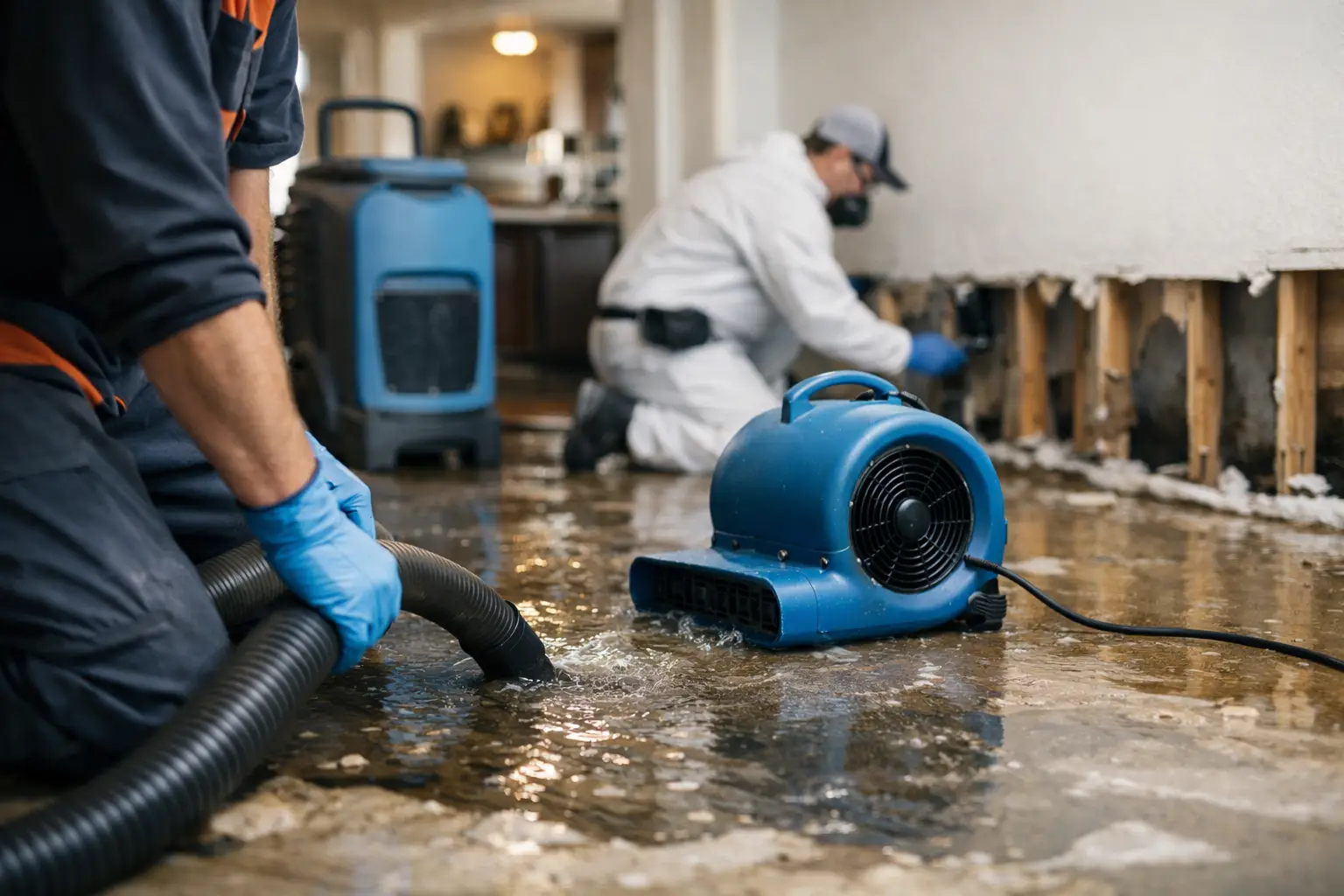 Water Damage
Extraction, structural drying, and moisture mapping after floods, leaks, and burst pipes.
Get help now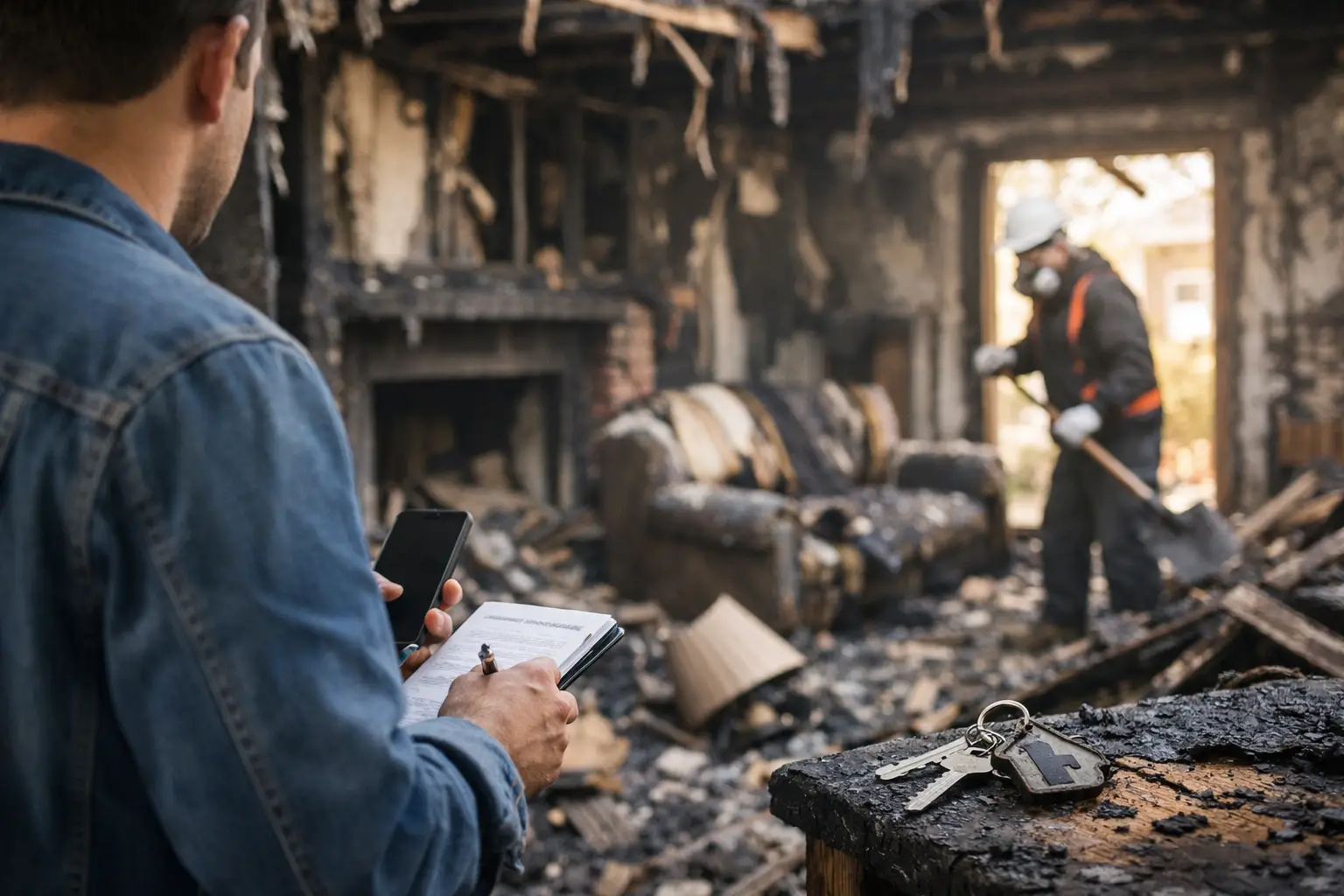 Fire & Smoke
Soot removal, odor deodorization, and content cleaning after fire and smoke damage.
Learn more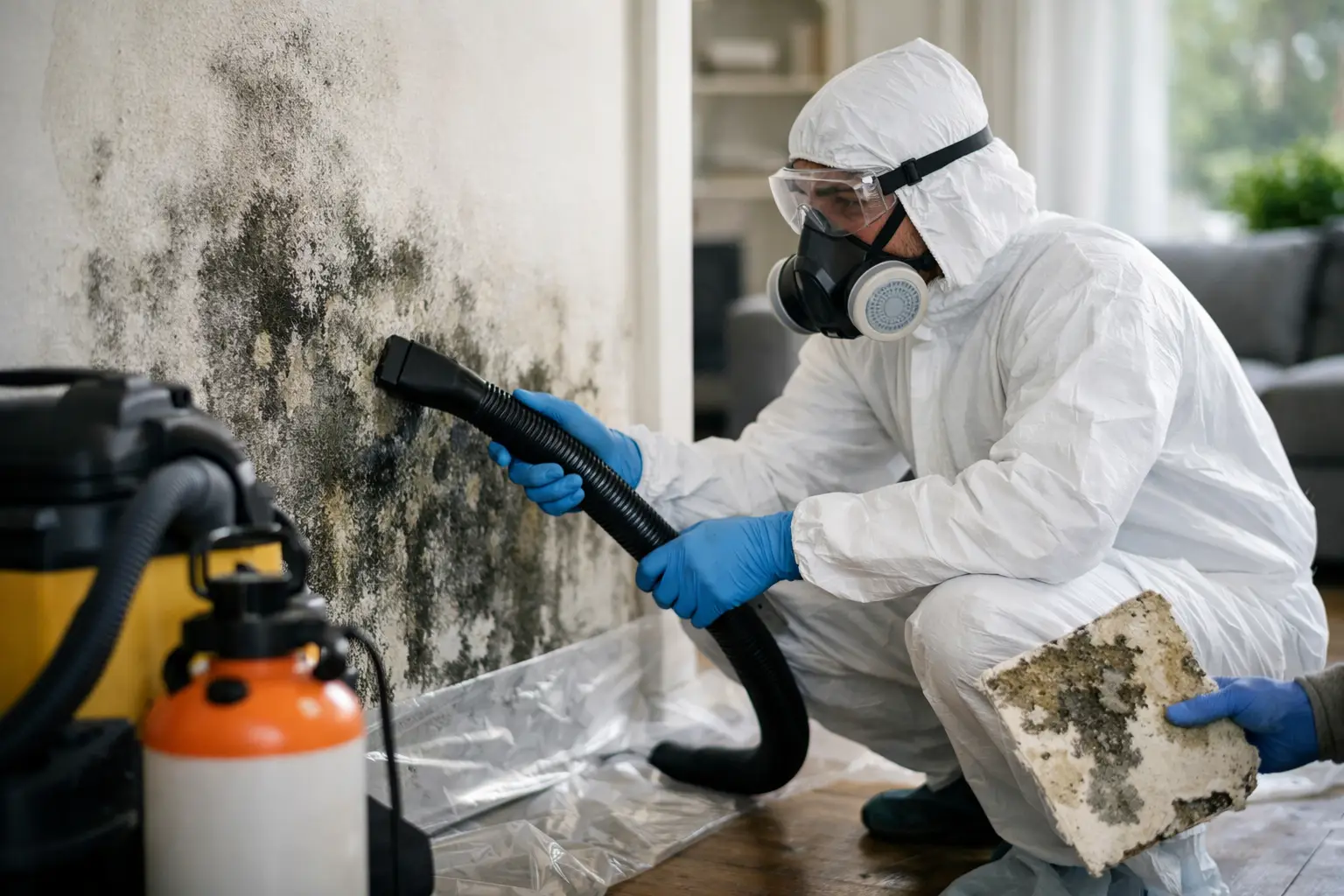 Mold
MoldContainment, removal, and moisture control that stops mold from coming back.
Learn more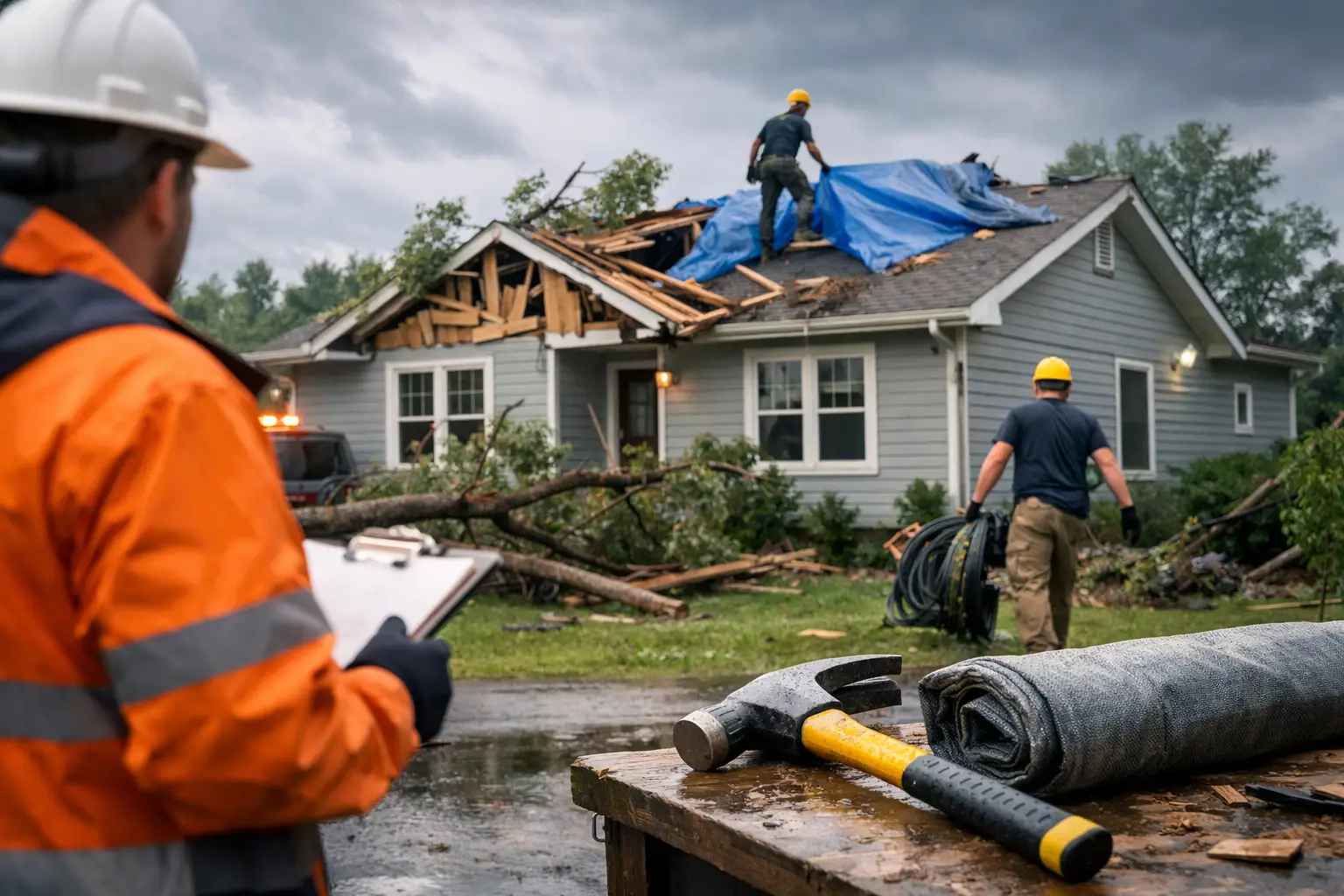 Storm
StormEmergency board-up, roof tarping, and full recovery after wind, hail, and storms.
Learn more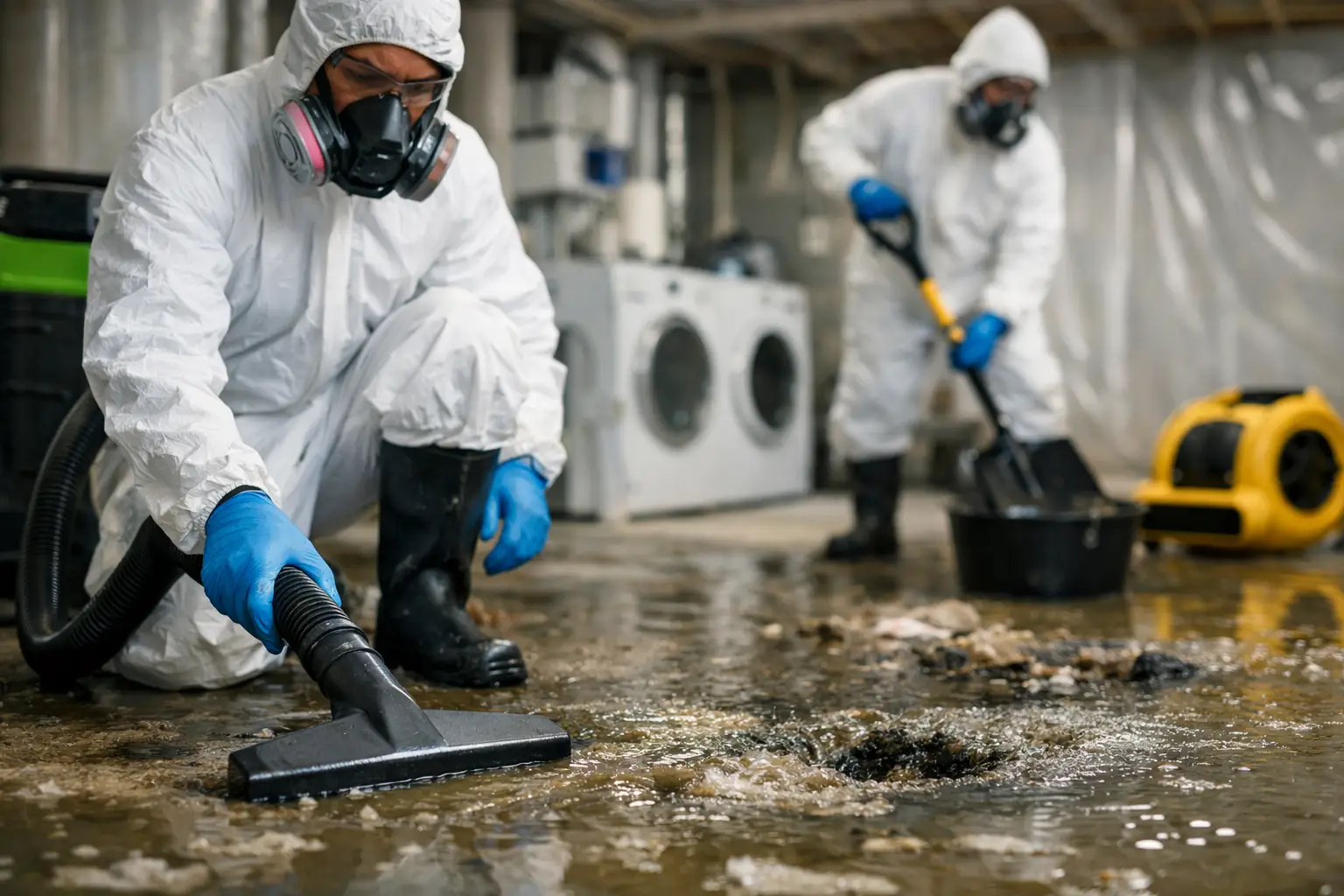 Sewage
Safe biohazard cleanup and sanitizing after sewage backups and overflows.
Learn more Reconstruction
Full rebuild by a licensed general contractor, so your property comes back whole.
Learn moreElevated Operations is an IICRC-certified, licensed general contractor based in Mableton that handles the entire recovery in-house, so after one loss you are never coordinating a cleanup crew, a mold crew, and a contractor separately. One team, one point of contact, from the first pump-out to the final coat of paint.
People call when the property feels like a disaster. They leave reviews because Chris and the crew made it right. These are real, verified Google reviews.
Yes. I handle flooded basement cleanup across Carrollton and the Carroll County exurbs, including homes that sit farther out from town center. My team works from the Mableton base and serves Carroll County, so I can move on basement water removal, drying, and documentation without delay.
Treat it as sewage backup cleanup until proven otherwise. Do not run a fan and spread the odor around. I inspect the source, remove contaminated materials as needed, and set up the cleanup so the area can be dried and cleaned without cross-contamination.
Yes. I provide direct insurance billing, which keeps the paperwork moving while the work is underway. That matters on basement jobs because water damage changes quickly. I document the loss, coordinate the claim, and keep the cleanup focused on actual drying and recovery.
Because water stays trapped in porous materials and hidden cavities long after the floor looks dry. Basement drying has to remove that hidden moisture. I check carpet, pad, lower drywall, framing, and contents so the basement does not turn into a mold problem later.
Only if the room is safe and the water is clean, but I would rather inspect it first. Wet carpet removal can expose hidden padding damage, tack strip issues, and contamination. In Carrollton basements, what looks minor can be soaked deeper than you expect.
I offer 24/7 emergency response and a 60-minute emergency response target. When a basement floods, speed matters because mold starts in 24 to 48 hours. I want flood water extraction underway before the damage has time to spread into the structure.
Yes. I back the work with a 12-month warranty. I stand behind that because proper cleanup is about more than removing visible water. It is about basement drying, source control, and making sure the job holds up after the equipment leaves.
I do. I’m Chris Kwangwari, owner of Elevated Operations, LLLP, and I’m a licensed general contractor. I stay close to the work because flooded basement cleanup is too important to hand off without oversight, especially in homes that need both drying and repair judgment.
Elevated Operations dispatches IICRC-certified crews across Metro Atlanta from our Mableton base, with a 60-minute emergency response day or night. Choose your city:
Call now for an immediate response, or request your free inspection and get a certified crew on-site within the hour across Atlanta and nearby areas.




