24/7 Emergency Restoration · Serving Metro AtlantaEmergency? (770) 404-6895
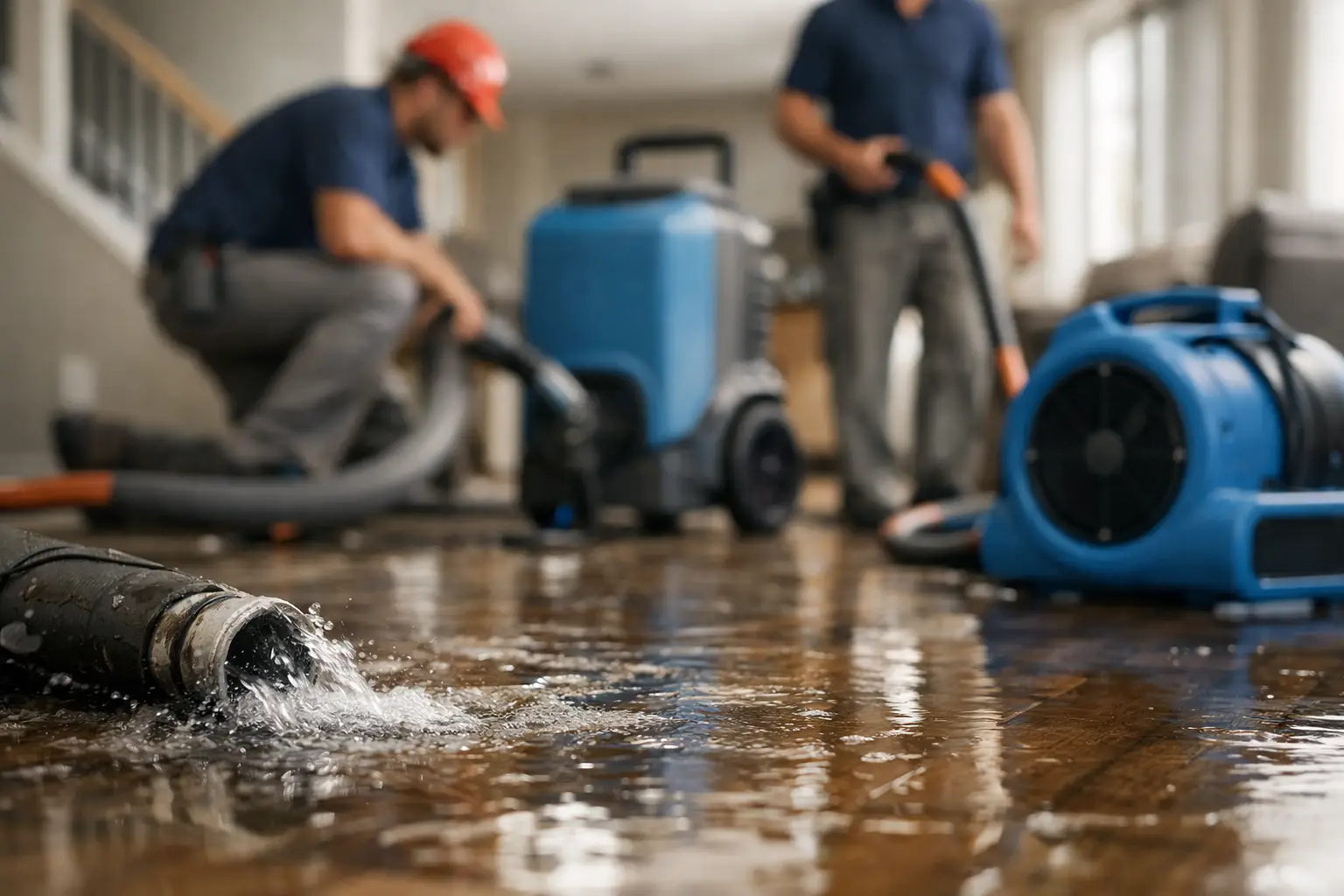
Water damage restoration Acworth starts with a fast decision, stop the water, document the loss, and call for water mitigation before mold starts in 24 to 48 hours. I am Chris Kwangwari, and I explain cost, insurance, and deductible handling plainly for homes near Lake Acworth, Allatoona dock access, and older Acworth neighborhoods.
IICRC-Certified · 5-Star Rated · 60-Minute Response · Insurance Billed Directly
No, but do not wait to call for help. I can start the mitigation process, document the loss, and help you understand the claim sequence while you notify the carrier.
That happens a lot. I trace the source, document the affected areas, and start water cleanup only after the problem is controlled.
Yes. I handle direct insurance billing and keep the paperwork organized so the adjuster can review the mitigation and repair scope clearly.
No. Some walls can be saved with proper drying. Others need drywall replacement if the damage has gone too far or the material cannot be restored safely.
Water damage restoration in Acworth starts with water extraction, then dehumidification, structural drying, and needed water damage repair. IICRC-certified technicians inspect the wet areas, decide what can be saved, and bill insurance directly when the claim applies. The goal is to stop spread fast, especially in homes near Lake Acworth and the Allatoona dock area.
I start with a real loss assessment, not guesswork. In Acworth, that often means checking how far water moved through slab homes, crawlspaces, basements, and finished rooms, then setting up floor drying and structural drying where the moisture readings tell me to.
And I do not separate the work into neat little boxes if the building does not allow it. Water cleanup, drywall replacement, and content handling can overlap, especially after a supply line break or storm runoff that pushes through a lower level near the lake corridor.
Every project is different, but the process stays disciplined. We document, remove standing water, dry the structure, and keep the insurance file clean, because that is what helps Acworth owners move from damage to repair without confusion.
Cost depends on how much water entered, how long it sat, and how much drying and repair the structure needs. In Acworth, a small water cleanup can be very different from a multi-room loss that needs drywall replacement, structural drying, and longer dehumidification. I do not guess at numbers before I inspect the damage.
I price the job by scope, not by slogan. If the water is contained, the cost may track mostly to extraction, drying equipment, and monitoring. If it moved under flooring, into wall cavities, or through cabinetry, the project becomes more involved and the insurance file has to reflect that reality.
Homes around Lake Acworth and the Allatoona dock area can face different moisture patterns depending on where the water came from, what level was affected, and how the house was built. That is why a clean estimate starts with moisture mapping, not a quick assumption.
I never recommend skipping the drying stage to save time. That usually backfires. The real cost question is whether the structure is being dried correctly the first time, because incomplete water mitigation can lead to later water damage repair that should have been avoided.
Insurance often covers sudden and accidental water damage, but it depends on the cause, the policy language, and the timing. I handle direct insurance billing, and I help homeowners understand the deductible, the claim steps, and what documentation the adjuster usually wants. The insurer decides coverage, not me.
I keep the claim process simple for Acworth homeowners. We document the source, affected materials, moisture readings, and mitigation work, then send that through direct insurance billing when the carrier accepts the loss. That matters when a wet ceiling, soaked subfloor, or damaged drywall needs a paper trail.
But insurance does not treat every water event the same way. A sudden pipe burst is often different from long-term seepage or repeated leaks, so I tell owners to call quickly and avoid assuming coverage before the policy is reviewed. Timing matters a great deal.
I also help with deductible assistance up to $1,000 when a claim qualifies. That does not change the insurance decision, and it does not replace policy terms. It simply helps reduce the immediate burden on the homeowner while the claim and restoration work move forward.
The timeline depends on how much water entered, what materials were affected, and how fast drying starts. Small water extraction jobs move differently than losses that need structural drying, floor drying, and drywall replacement. Near Lake Acworth and the Allatoona dock area, I push hard for a fast start because delayed drying creates bigger problems.
I do not give fake timelines. I can tell you what changes the clock: the size of the affected area, the type of materials, the humidity in the home, and whether water got into hidden cavities. Drying is measured, not rushed, and the readings guide the next step.
A bathroom leak and a basement intrusion are not the same job. One may need limited dehumidification and monitoring, while the other can involve repeated checks, removal of damaged finishes, and more extensive water damage repair. That is why my answer always starts with the building, not a calendar guess.
If the water reached insulation, framing, or layered flooring, I focus on structural drying first. That keeps the loss from spreading and protects the parts of the home that can still be saved. Good water mitigation is about smart sequence, not speed for its own sake.
After water damage in Acworth, stop the source if you can do it safely, stay out of wet electrical areas, and call for emergency help right away. Take photos, keep damaged items in place for documentation, and start water cleanup only if it is safe. Fast action matters near Lake Acworth and the Allatoona dock area.
I tell owners to think in order. First, safety. Second, documentation. Third, mitigation. If there is active water, call immediately and do not wait until the next day. The sooner I can start water extraction and drying, the less the damage usually spreads into walls, floors, and trim.
Do not throw away materials before the claim is documented. Drywall, flooring, and baseboards may tell the story of where the water moved and how severe it was. That record helps when the adjuster reviews the file and when repair decisions are made later.
In Acworth, storm-driven water and plumbing failures can both show up fast. Whether the home is near the lake or farther into town, I want the same outcome: a documented loss, a clean mitigation plan, and no delay that turns a manageable leak into a larger restoration project.
Sometimes, yes, if the water is addressed quickly and the materials are not structurally compromised. In Acworth, I look at how long the area stayed wet, whether water reached insulation or subflooring, and whether floor drying and structural drying can bring moisture back to acceptable levels. Some drywall replacement is still necessary when materials are too damaged.
I do not promise every wall or floor can be saved. That would be dishonest. Some materials dry well, others swell, delaminate, or hold contamination and need removal. The condition of the structure tells me what stays and what goes, not wishful thinking.
Near Lake Acworth and the Allatoona dock area, I often see moisture creep under flooring and into lower wall sections after a leak or intrusion. That is where careful dehumidification and repeated checks matter, because a surface that feels dry may still be carrying hidden moisture.
The goal is to preserve what is sound and remove what is not. That may mean saving framing while replacing finishes, or saving some flooring while doing targeted water damage repair elsewhere. Good restoration is selective. It is not demolition for its own sake.
Scope matters most, the amount of water, how far it spread, and whether you need water extraction, dehumidification, and structural drying.
Photos, moisture readings, and a clear source explanation help the insurance file and support the water mitigation record.
Insurance often covers sudden and accidental losses, but the policy decides what is included and what is excluded.
I offer deductible assistance up to $1,000 when a claim qualifies, which can help with the immediate burden after a loss.
I handle direct insurance billing, so the paperwork stays organized while the restoration work moves from cleanup to repair.
From emergency mitigation to full reconstruction, handled in-house so you are never managing a chain of subcontractors mid-crisis.
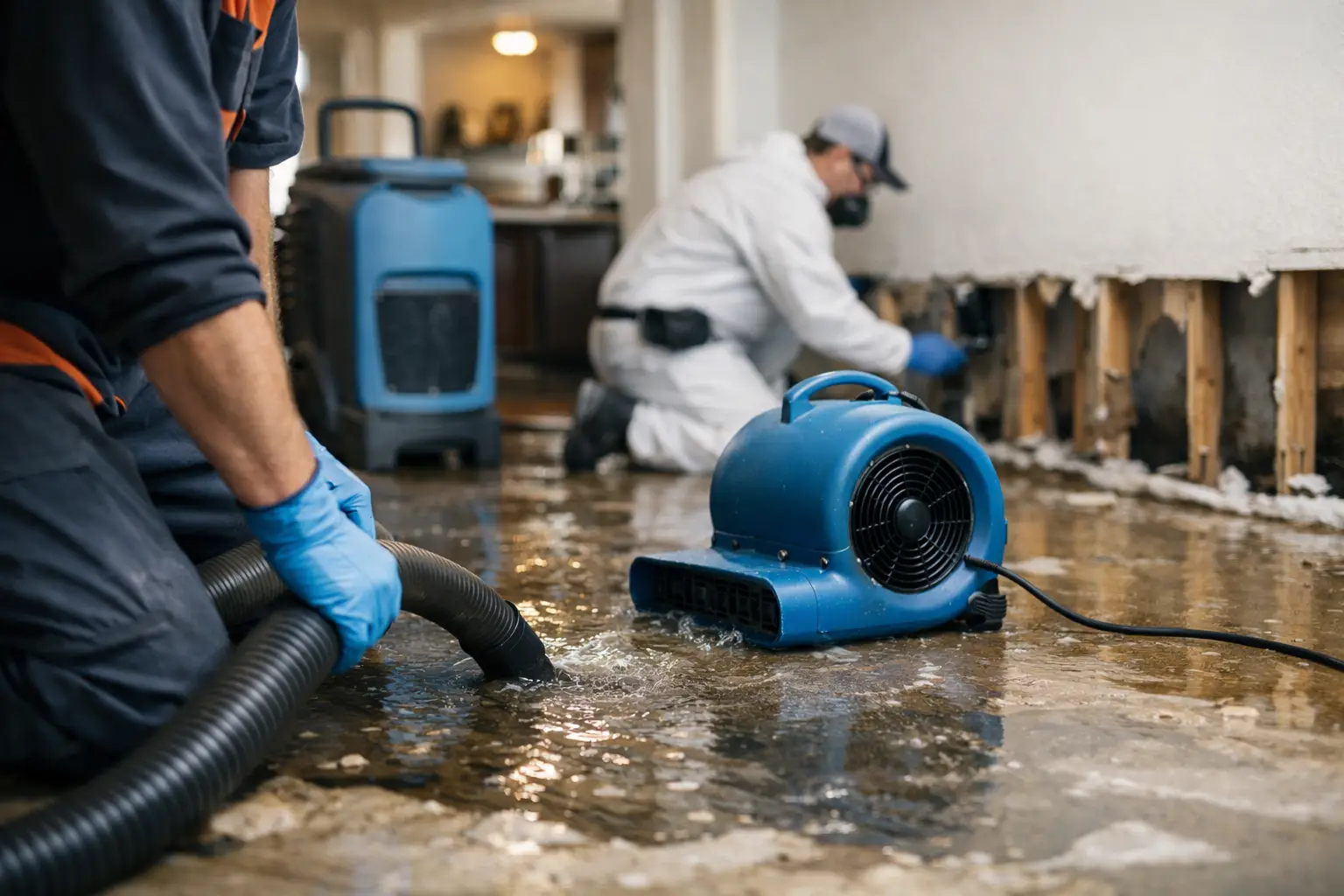 Water Damage
Extraction, structural drying, and moisture mapping after floods, leaks, and burst pipes.
Get help now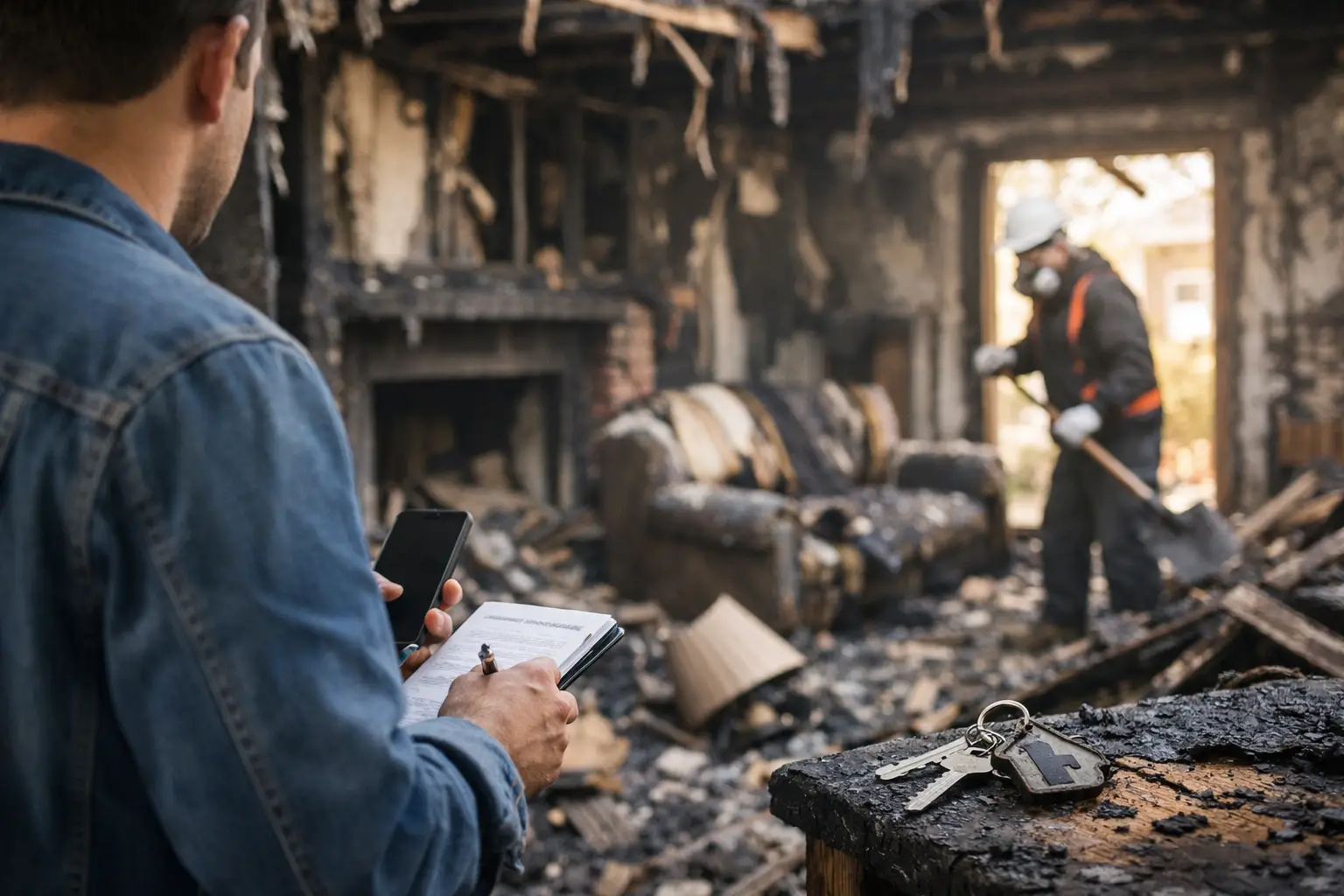 Fire & Smoke
Soot removal, odor deodorization, and content cleaning after fire and smoke damage.
Learn more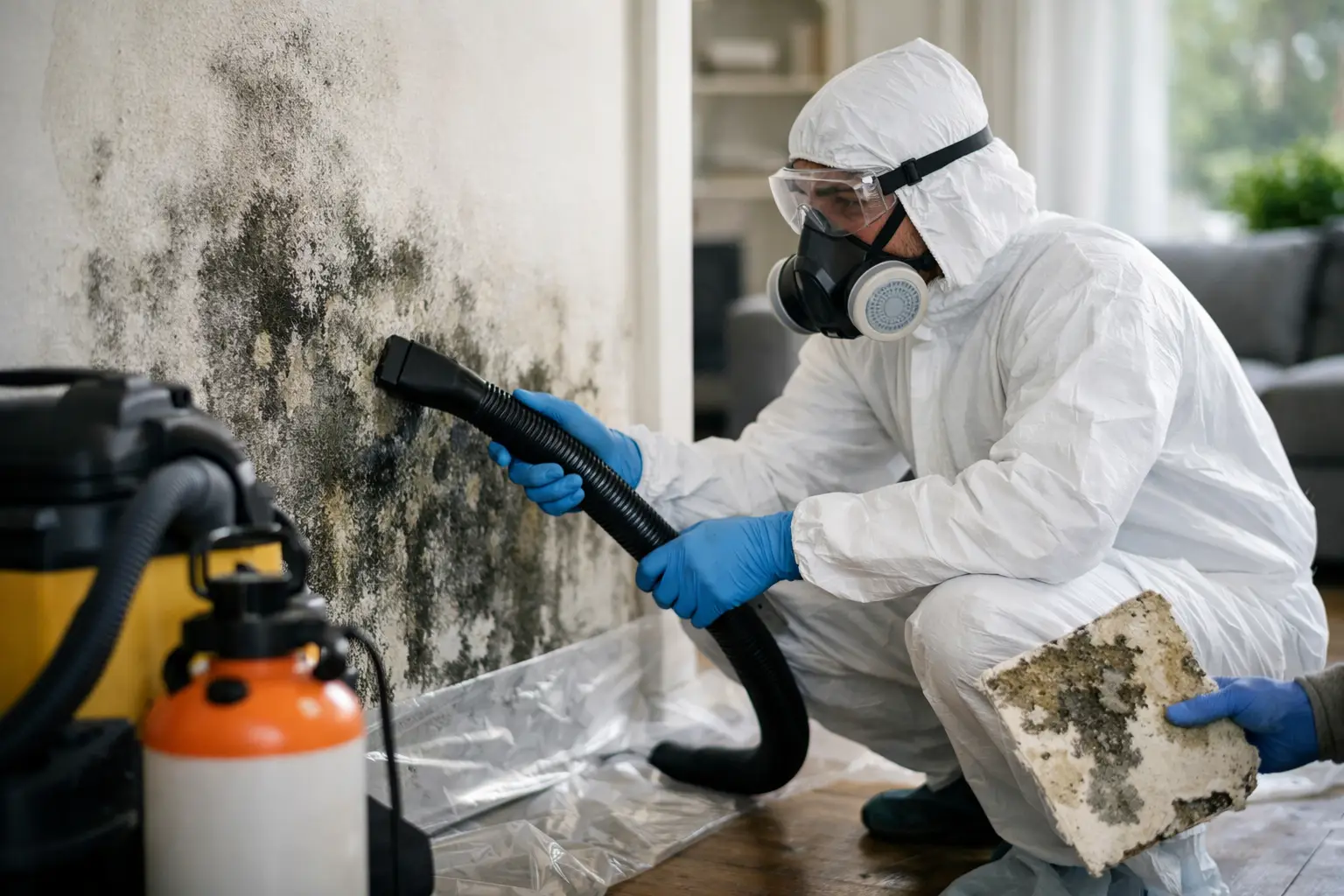 Mold
MoldContainment, removal, and moisture control that stops mold from coming back.
Learn more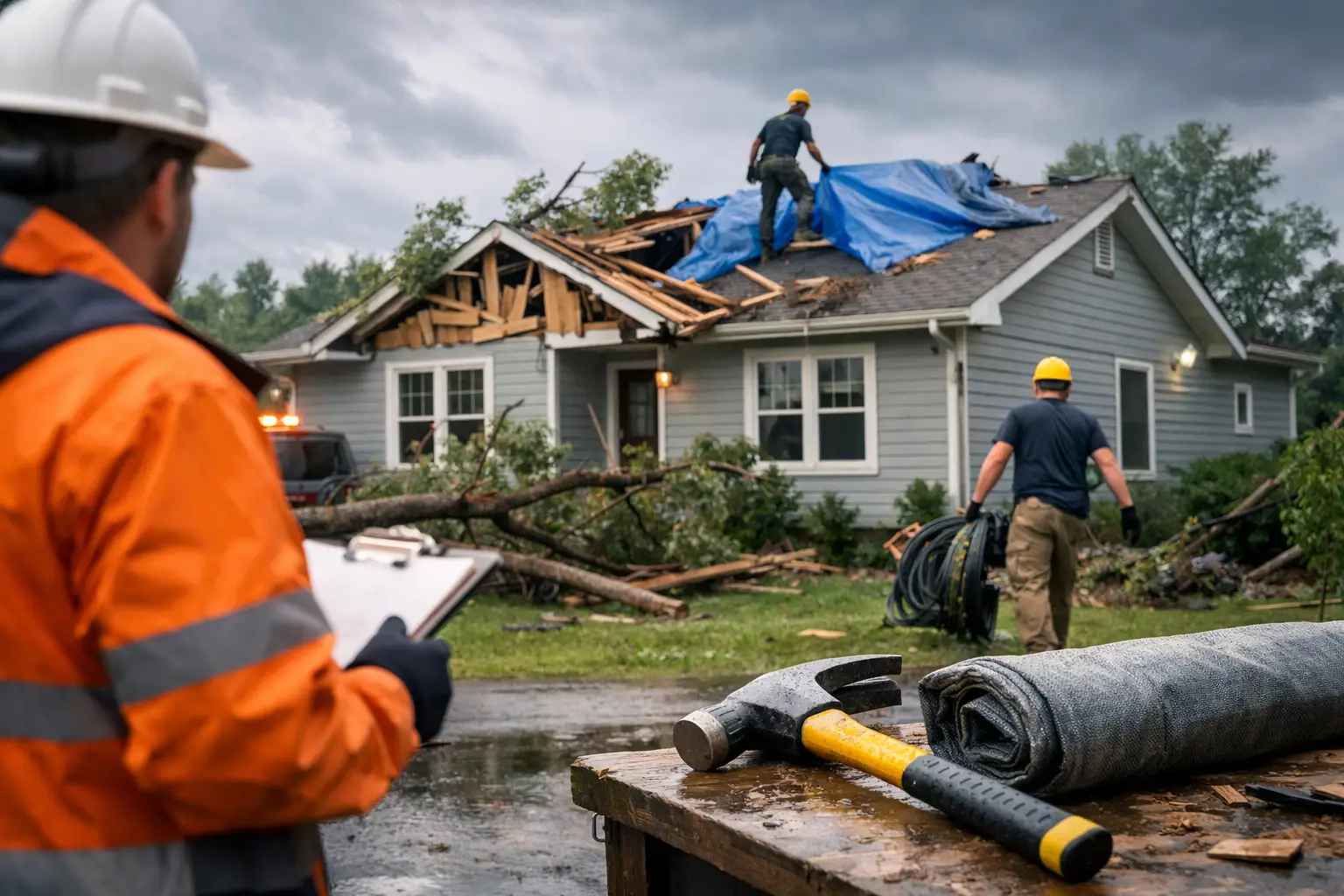 Storm
StormEmergency board-up, roof tarping, and full recovery after wind, hail, and storms.
Learn more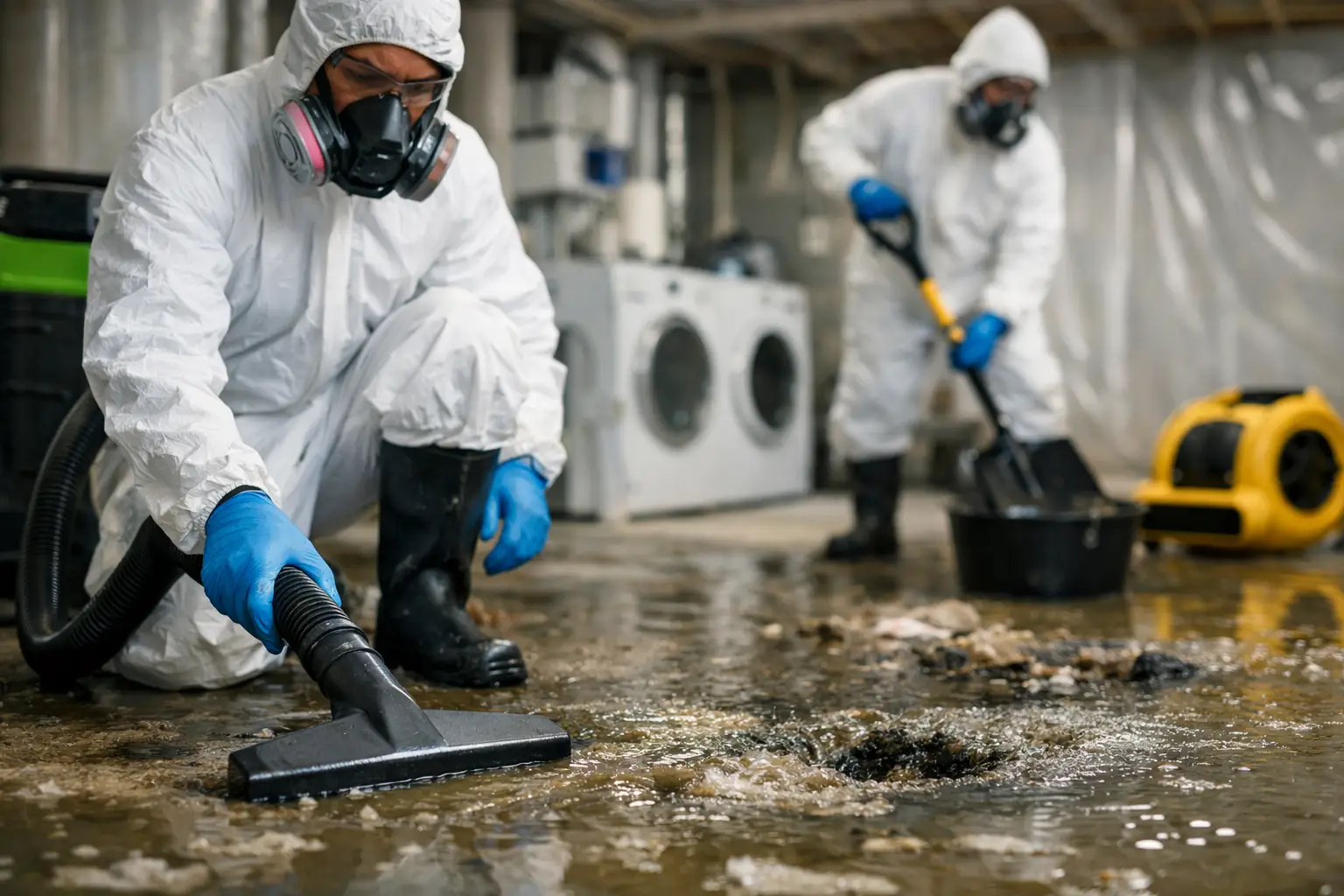 Sewage
Safe biohazard cleanup and sanitizing after sewage backups and overflows.
Learn more Reconstruction
Full rebuild by a licensed general contractor, so your property comes back whole.
Learn moreElevated Operations is an IICRC-certified, licensed general contractor based in Mableton that handles the entire recovery in-house, so after one loss you are never coordinating a cleanup crew, a mold crew, and a contractor separately. One team, one point of contact, from the first pump-out to the final coat of paint.
People call when the property feels like a disaster. They leave reviews because Chris and the crew made it right. These are real, verified Google reviews.
Fire damage restoration cost in Acworth depends on how far the fire, smoke, and soot spread and whether there is structural damage, so every job starts with a free inspection and a written quote. As a local fire damage restoration company, we answer 24/7, board up, clean smoke and soot, and bill your insurance directly.
What drives fire damage cost is the extent of smoke, soot, and structural damage, so we inspect first and price it in writing.
We secure the property with emergency board-up, then clean smoke and soot and deodorize, 24/7.
Dispatched from Mableton, our IICRC-certified crew reaches Acworth homes fast, 24/7, and bills insurance directly.
The biggest price drivers are how much water entered, how long it sat, and how much of the structure needs drying or repair. A small leak may need only extraction and dehumidification. A larger loss near Lake Acworth can also require floor drying, drywall replacement, and more extensive structural drying.
Often, yes, if the loss is sudden and accidental, but the policy language controls the final decision. I document the damage, handle direct insurance billing, and help you understand what the adjuster needs. Coverage is not guaranteed just because the damage is real, so the claim has to be filed correctly.
Your deductible is the amount the policyholder is responsible for before the insurer pays the covered portion. I explain that plainly because people want straight talk, not sales language. When a claim qualifies, I can provide deductible assistance up to $1,000, which helps reduce the immediate strain on the homeowner.
Stay safe first, especially around electrical hazards, then document the damage and call right away. Basement water can move into hidden spaces fast, which is why water extraction and structural drying should start as soon as possible. Do not wait for things to air out on their own.
Sometimes, but only if the water is addressed quickly and the flooring has not warped, cupped, or separated beyond recovery. I look at the moisture levels, the subfloor, and how long the boards stayed wet. If the damage is too deep, water damage repair may require removal and replacement.
I decide based on the extent of wetting, the condition of the wall cavity, and whether the material can dry without failing later. If drywall is swollen, deteriorated, or contaminated, replacement is the right call. If it is sound and the moisture is limited, careful drying may be enough.
Water mitigation is the immediate work that stops further damage, such as water extraction, containment, and drying setup. Water damage restoration includes that work and the repair phase that follows. On a claim, both matter, because the insurer needs to see the damage stopped and the property made whole again.
We offer 24/7 emergency response with a 60-minute emergency response target, and I treat every active leak like time matters. I am based in Mableton, but I serve Acworth and the rest of Cobb County with IICRC-certified technicians, direct insurance billing, and a 12-month warranty on the work.
Elevated Operations dispatches IICRC-certified crews across Metro Atlanta from our Mableton base, with a 60-minute emergency response day or night. Choose your city:
Call now for an immediate response, or request your free inspection and get a certified crew on-site within the hour across Atlanta and nearby areas.