24/7 Emergency Restoration · Serving Metro AtlantaEmergency? (770) 404-6895
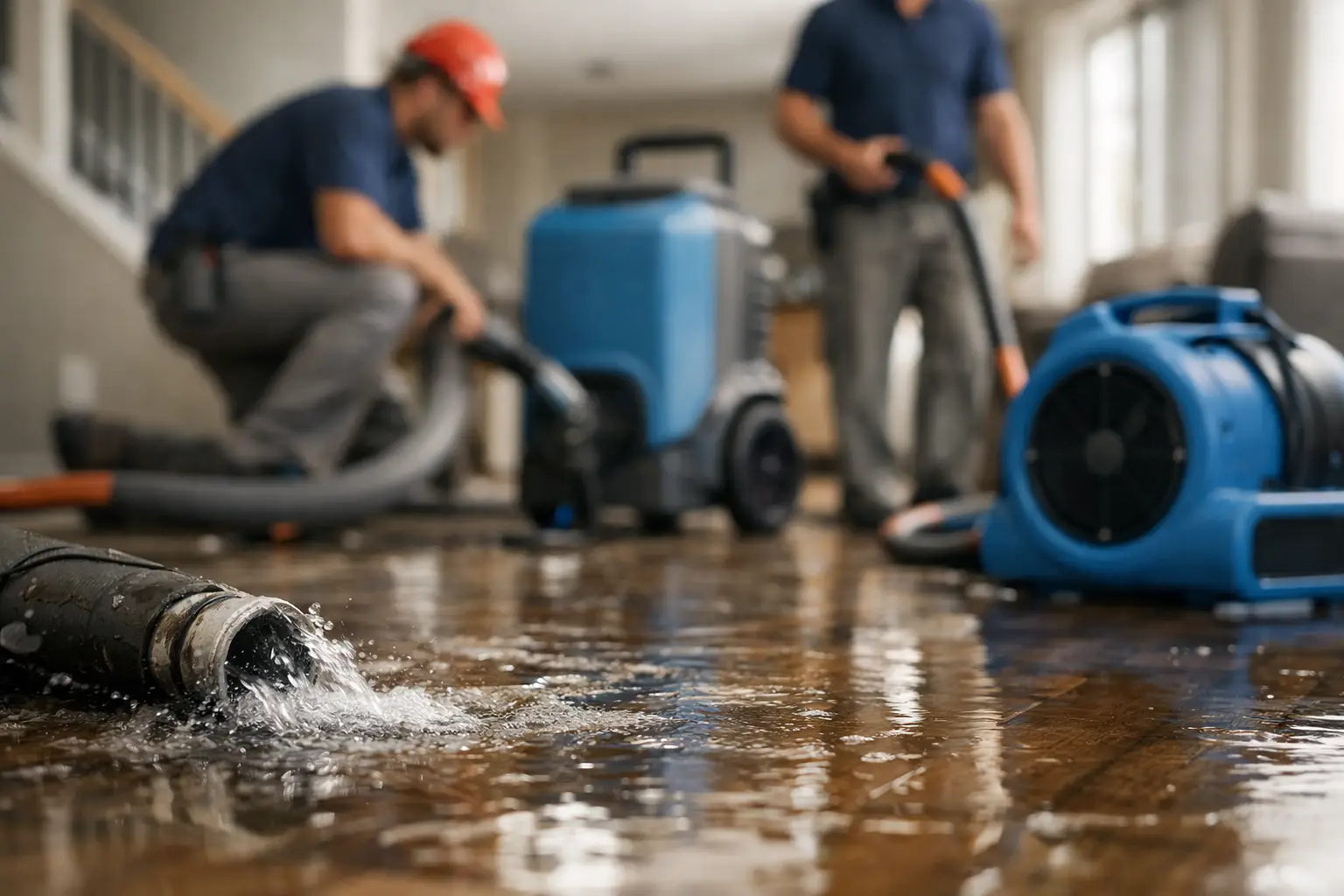
crawl space mold removal Decatur is what I recommend when moisture starts staining joists, feeding fungal growth, or pushing odors into the living space. In Decatur, I see this most in Craftsman bungalows with plaster walls, heart-pine framing, and aging cast-iron laterals that keep the crawl space damp. I am Chris Kwangwari, owner of Elevated Operations, LLLP, and I handle this work with IICRC-certified technicians, direct insurance billing, and a 12-month warranty.
IICRC-Certified · 5-Star Rated · 60-Minute Response · Insurance Billed Directly
If there is odor, staining, or damp wood, it is more than cleaning. I look for the moisture source first, because mold in a crawl space usually means the environment needs correction, not just a wipe-down.
Encapsulation helps a lot when moisture keeps entering the crawl space. It works best with a vapor barrier and dehumidification, because the goal is to change the environment, not just remove visible growth.
They can. Aging laterals may contribute to hidden moisture or drainage issues under the home, and that dampness can keep mold active long after the first smell appears.
That still matters. Mold can hide in framing, insulation, or debris, and Decatur homes with older construction can carry moisture problems where you cannot easily see them.
Start with moisture, odors, and wood condition. In Decatur homes, especially Craftsman bungalows with heart-pine framing, I look for wet soil, visible fungal growth, damp insulation, and plumbing or drainage issues tied to cast-iron laterals that keep the crawl space humid.
The first card is simple: look down, then look up. If the vapor barrier is missing, torn, or never installed, soil moisture keeps feeding the problem. That is when crawl space cleanup becomes more than sweeping debris, because the air under the house is carrying mold spores and smell.
I also check how the house breathes. Older Decatur homes do not always have great moisture control, and the crawl space can trap humid air after rain or a warm spell. That is how a dry-looking floor can still hide active crawl space mold remediation needs below it.
And yes, I pay attention to the structure above. Craftsman bungalows often have plaster walls and heart-pine floors that telegraph trouble fast, so a musty crawl space is not cosmetic. It is a warning that wood treatment, dehumidification, or encapsulation may be needed before damage spreads.
Mold grows when moisture stays in the crawl space long enough. In Decatur, the usual causes are humid air, wet soil, drainage problems, plumbing leaks, and old cast-iron laterals. Once moisture lingers, fungal growth removal has to start before the wood and insulation are compromised.
Humidity is the main driver, but it rarely acts alone. On older Decatur streets, I often find crawl spaces under Craftsman bungalows that stay damp because the ground is bare, the vents do not solve the problem, and the house has no solid vapor barrier to block moisture from below.
Cast-iron laterals matter here. When those laterals age out, hidden leaks or slow seepage can keep the crawl space wet for a long time without a dramatic indoor sign. That wetness feeds mold on joists, subflooring, and insulation, and it turns a small issue into crawl space mold remediation work.
I also see mold after stormy weather when drainage pushes water toward the foundation instead of away from it. If you can smell mildew, feel sticky air, or see condensation on ducts, you are already late. Dehumidification and moisture control are not optional in that crawl space.
I remove crawl space mold by controlling moisture first, then cleaning contaminated materials, then treating the wood. My process uses containment, crawl space cleanup, fungal growth removal, and wood treatment when needed. If the moisture source stays, the mold comes back, so I fix that part too.
I do not start with bleach and I do not pretend a quick spray solves a crawl space. The right approach is to identify the moisture source, remove damaged debris, clean contaminated surfaces, and dry the area with serious dehumidification. That sequence matters more than speed.
On Decatur homes, I often find a mix of old framing and newer fixes that do not match the house. A Craftsman bungalow can have heart-pine that needs careful treatment, not guesswork. If the wood is still structurally sound, I use wood treatment after cleanup to stop active growth.
And if the crawl space is wide open to humid outdoor air, cleanup alone is incomplete. I may recommend encapsulation or a vapor barrier after remediation, because fungal growth removal is only durable when the crawl space stops acting like a wet basement under the house.
Often, yes. If the crawl space keeps taking on moisture, encapsulation is the best way to keep mold from returning after remediation. In Decatur, older homes with plaster, heart-pine, and aging plumbing usually benefit from a tighter moisture control plan after cleanup.
Encapsulation is not a decorative upgrade. It is a moisture strategy. When the crawl space floor is sealed with a vapor barrier and the humidity is controlled, the house underneath stops feeding mold. That matters in Decatur, where older framing and seasonal humidity can keep the cycle going.
I recommend encapsulation most when the crawl space is repeatedly damp, the insulation is failing, or the home has a history of mold on joists and subflooring. If the source is under control but the environment is still wet, dehumidification alone may not be enough over time.
The decision depends on the structure and the moisture pattern, not a sales script. Some crawl spaces only need targeted crawl space mold remediation and better drainage. Others need the full combination: encapsulation, vapor barrier, and follow-up moisture control so the problem does not return.
Yes. Air from the crawl space can move into the living space and carry musty odors and mold particles with it. In Decatur homes, especially older Craftsman bungalows, crawl space mold can show up as odors, allergy complaints, or stale air before anyone sees damage.
A crawl space is not isolated. Air moves through the house, and if the crawl space has fungal growth, the indoor air can reflect that. You may notice a damp smell in hallways, heavier dust, or stuffy bedrooms even when the living areas look clean and dry.
I have seen this in homes with plaster walls and tight interior finishes where the crawl space issue was ignored. The family thinks the problem is upstairs, but the source is below. Once moisture control is corrected and cleanup is complete, the air usually tells the truth pretty quickly.
That is why I take crawl space mold removal seriously even when the damage looks minor. Indoor comfort and indoor air quality are tied to the crawl space. If the space is wet, the air in the house can suffer, and no candle or surface cleaner fixes that.
A real repair plan fixes the moisture source, dries the space, and protects the wood. In Decatur, that usually means a mix of crawl space cleanup, dehumidification, vapor barrier work, wood treatment, and sometimes direct insurance billing when a covered loss is involved.
My job is not to stop at visible mold. I build the plan around what caused it, because that is the only way the repair holds. If a leak or drainage issue is active, I address that first. If the crawl space needs better airflow control, I look at encapsulation and dehumidification next.
Homes in Decatur deserve specific attention because the construction is often older and mixed. A Craftsman bungalow with heart-pine deserves different handling than newer framing, and cast-iron laterals can create hidden moisture paths that keep damaging the structure even after the surface looks clean.
And I back the work with a 12-month warranty. I have been in restoration since 2007, I am a licensed general contractor, and my technicians are IICRC-certified. If the crawl space needs insurance support, I also handle direct insurance billing and deductible assistance up to $1,000.
If the odor is strongest near the floor or in a hallway over the crawl space, I treat that as a crawl space mold removal warning, not a cosmetic issue.
Bare earth, puddling, or dark soil under the house means moisture is still feeding fungal growth and the space needs immediate moisture control.
Heart-pine joists, subflooring, and support members in older Decatur homes can stain fast, and soft wood may need wood treatment or deeper repairs.
A torn barrier lets ground moisture rise straight into the crawl space, which makes encapsulation and dehumidification much harder later.
When metal surfaces sweat, the crawl space is too humid and the conditions are set for crawl space mold remediation to be necessary.
From emergency mitigation to full reconstruction, handled in-house so you are never managing a chain of subcontractors mid-crisis.
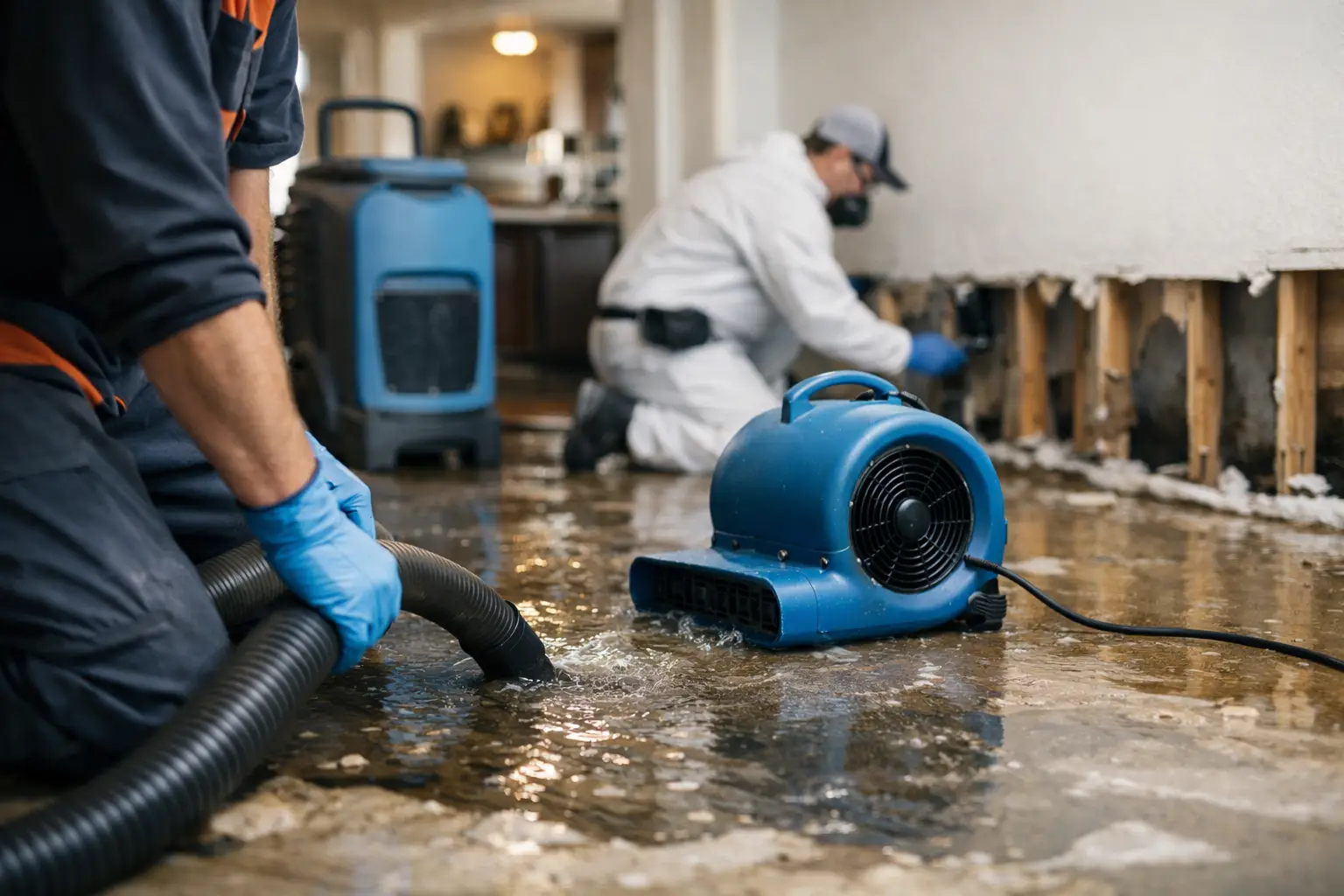 Water Damage
Extraction, structural drying, and moisture mapping after floods, leaks, and burst pipes.
Get help now Fire & Smoke
Soot removal, odor deodorization, and content cleaning after fire and smoke damage.
Learn more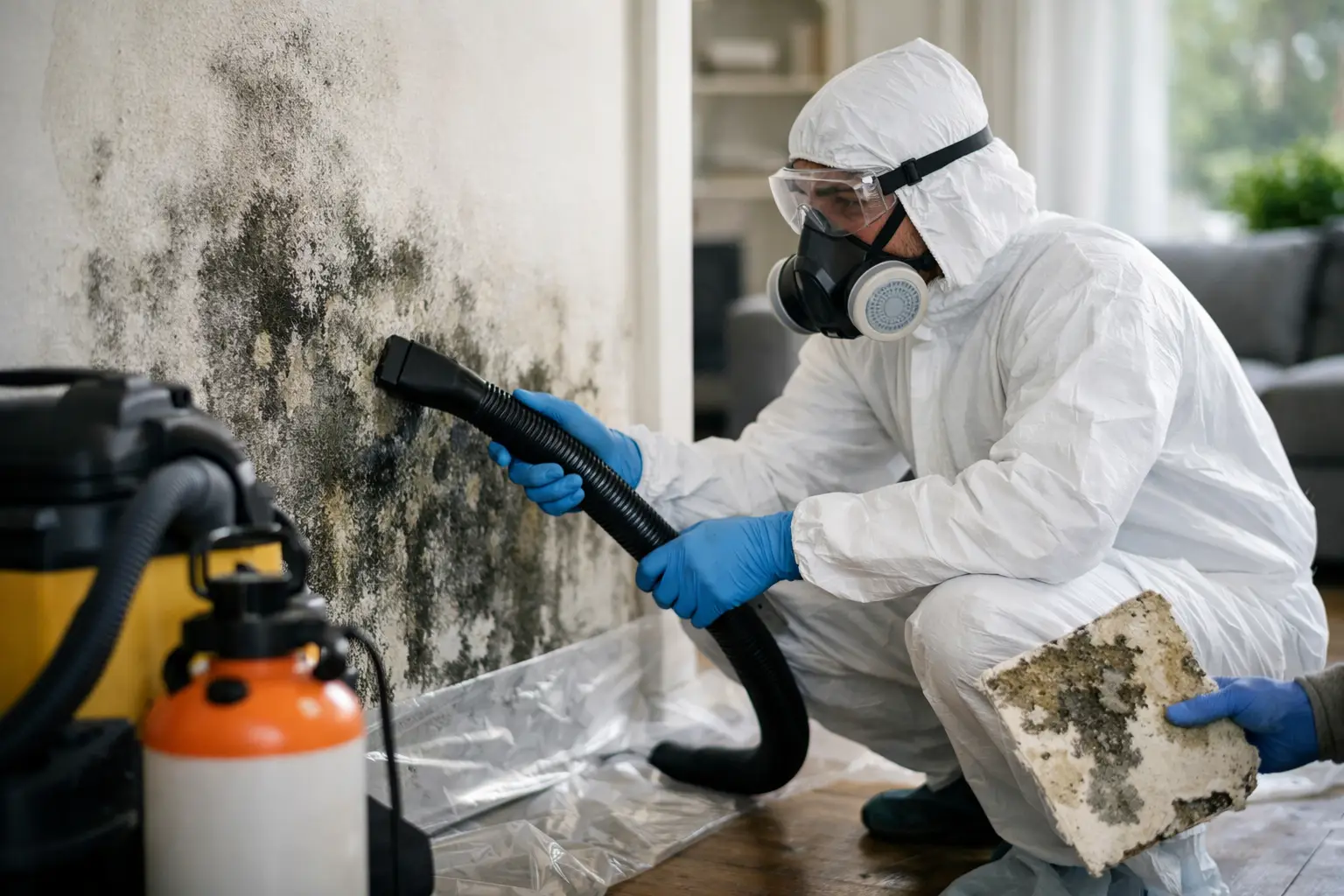 Mold
MoldContainment, removal, and moisture control that stops mold from coming back.
Learn more Storm
StormEmergency board-up, roof tarping, and full recovery after wind, hail, and storms.
Learn more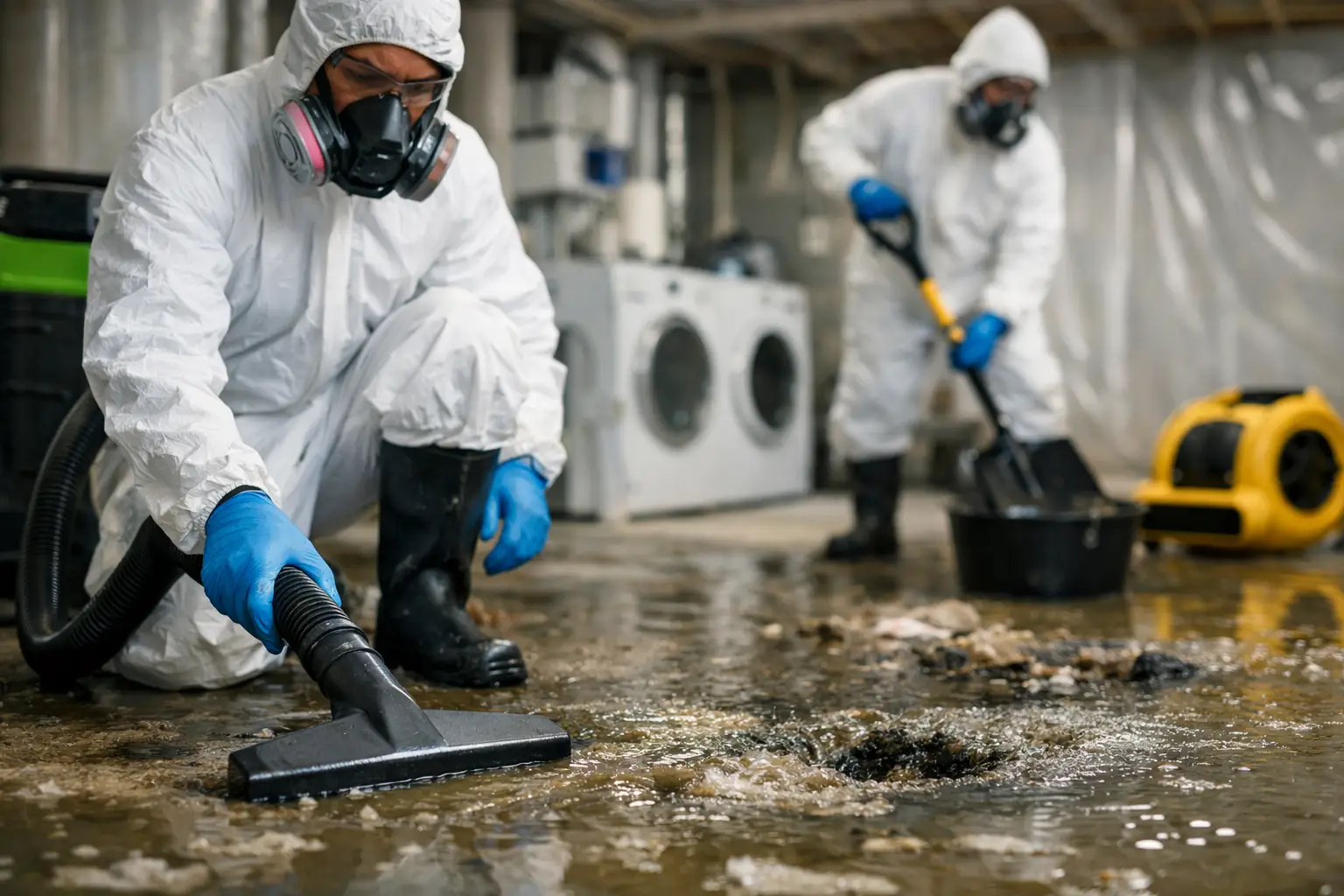 Sewage
Safe biohazard cleanup and sanitizing after sewage backups and overflows.
Learn more Reconstruction
Full rebuild by a licensed general contractor, so your property comes back whole.
Learn moreElevated Operations is an IICRC-certified, licensed general contractor based in Mableton that handles the entire recovery in-house, so after one loss you are never coordinating a cleanup crew, a mold crew, and a contractor separately. One team, one point of contact, from the first pump-out to the final coat of paint.
People call when the property feels like a disaster. They leave reviews because Chris and the crew made it right. These are real, verified Google reviews.
Older Decatur Craftsman bungalows often have heart-pine framing, plaster interiors, and crawl spaces that were never built for modern moisture control. When cast-iron laterals age, drainage or leak issues can stay hidden below the house. That combination gives mold a quiet place to grow until odors or damage show up inside.
Act fast. If you smell mildew in a Decatur crawl space, moisture has likely been present long enough for fungal growth to spread on wood, insulation, or debris. I recommend a same-day call when possible, because waiting lets the problem move from odor to structural damage and indoor air complaints.
Yes. Heart-pine can hold up well, but it is not immune to long-term moisture. If mold is active in the crawl space, the wood can stain, soften, or support further decay. I inspect the framing closely and decide whether crawl space mold remediation and wood treatment are enough to protect it.
Dehumidification helps keep the crawl space dry after cleanup so mold does not return. In Decatur homes, especially older ones with humidity issues, it is one of the most practical ways to support moisture control. I use it when the space needs steady drying, not just one-time cleaning.
Yes, if moisture is coming from the soil or the crawl space stays damp after rain. A vapor barrier helps cut ground moisture, which matters a lot when cast-iron laterals or aging drainage keep the area wet. It is often part of a stronger encapsulation plan after remediation.
You usually notice it as a musty smell, stale air, or persistent allergy symptoms before you see visible damage. In Decatur homes, air from the crawl space can move into living areas, especially in older houses with floor system gaps. That is why I take those early signs seriously.
Yes. I offer direct insurance billing when the loss is covered, and I help with deductible assistance up to $1,000. I keep the paperwork tight, because homeowners have enough stress already. My focus is getting the crawl space handled correctly and getting the claim process moving.
I see this often in older Decatur homes, especially Craftsman bungalows with plaster walls, heart-pine framing, and crawl spaces that have not had modern moisture control. Those houses deserve careful inspection because the construction is solid, but the crawl space conditions can still invite mold and humidity issues.
Elevated Operations dispatches IICRC-certified crews across Metro Atlanta from our Mableton base, with a 60-minute emergency response day or night. Choose your city:
Call now for an immediate response, or request your free inspection and get a certified crew on-site within the hour across Atlanta and nearby areas.