24/7 Emergency Restoration · Serving Metro AtlantaEmergency? (770) 404-6895
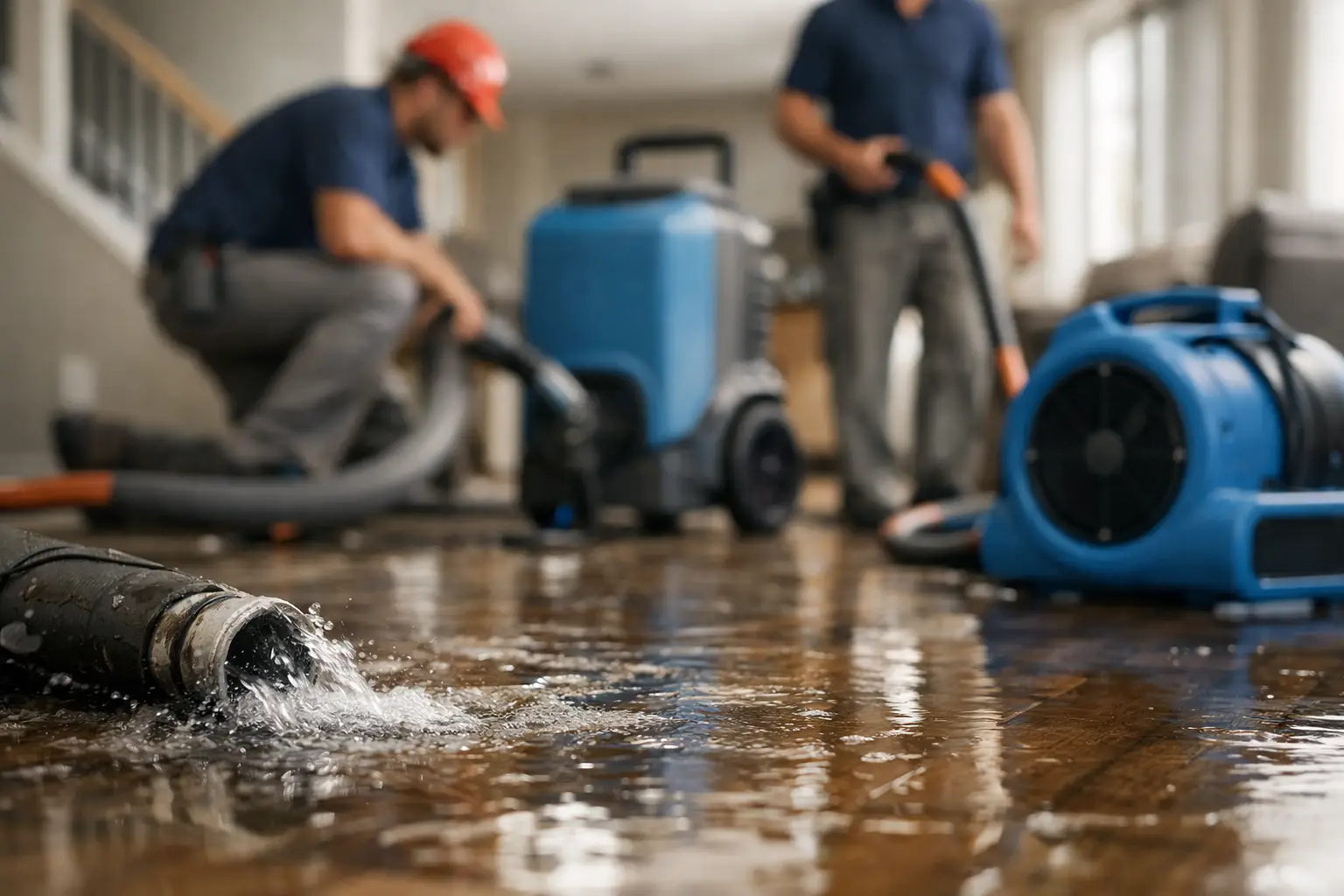
Mold remediation services Riverdale means I start with the leak, the visible growth, and the air you are breathing, then I move fast with IICRC-certified technicians, 24/7 emergency response, and direct insurance billing. In Riverdale, older subdivisions and airport-adjacent homes need a clean plan, not guesswork.
IICRC-Certified · 5-Star Rated · 60-Minute Response · Insurance Billed Directly
Not always, but I treat it seriously. Bathroom staining can be mold, mildew, or moisture damage, and the fix depends on what I find during inspection.
Usually no, not until I check the source. Running air can spread contamination through the house if the affected area is active.
Yes. Crawlspaces are a common problem in older homes around Riverdale, and I look at moisture, airflow, and damaged materials before recommending cleanup.
Yes, if the claim qualifies. I handle direct insurance billing so the process is less chaotic for you during an already stressful repair.
Start by stopping the moisture, limiting traffic in the affected area, and calling me for mold remediation services Riverdale. That is the right first move in older Clayton County homes, where a small bathroom or attic issue can spread quickly if you keep opening doors and running fans the wrong way.
First, find the source. In Riverdale, I see bathroom leaks, HVAC condensate, roof intrusion, and crawlspace moisture in older subdivisions more often than people expect. If the water is still active, mold cleanup waits until the leak is controlled.
Second, keep the area calm. Do not sweep dry debris, do not start spraying bleach, and do not drag contaminated items through the house. That spreads particles. If you can, close the room off and avoid using the central air until the situation is checked.
Third, call a licensed general contractor who actually does restoration. I have been in restoration since 2007, I use IICRC-certified technicians, and I offer 24/7 emergency response. In a Clayton County home near the airport, timing matters because humidity and air movement can work against you.
I start with mold inspection, moisture tracing, and a clear scope, then move into containment, removal, air filtration, and hepa vacuuming where needed. In Riverdale, that sequence matters because older homes, crawlspaces, and repeated humidity swings near airport corridors can hide the real source.
The process is simple to explain and serious to perform. I identify the affected materials, separate what can be cleaned from what has to go, and build a plan around the house, not around a sales script. Mold abatement is not one size fits all in Riverdale.
Containment comes next when the affected area can spread dust or spores. I use physical separation, controlled cleanup methods, and air filtration to keep the job focused. If the space needs hepa vacuuming, I do that as part of the cleanup, not as a shortcut.
Then I deal with the material itself. Some surfaces can be cleaned, some porous materials cannot. That is why I do not promise miracle mold removal. I restore the structure, address the source of moisture, and document the work for direct insurance billing when the claim qualifies.
You need mold remediation services Riverdale when you smell a musty odor, see staining, find growth after a leak, or notice worsening allergy symptoms in a specific room. In Clayton County homes near the airport and older subdivisions, that often starts after roof, plumbing, or HVAC moisture.
If a room smells stale or damp and the smell gets stronger when the air turns on, I want a closer look. That is a common clue in Riverdale homes with older ductwork, crawlspaces, or a bath that never dried correctly after a leak.
If you had a water event and did not dry the space fast, act now. Mold can start in 24 to 48 hours. That is not a scare tactic, that is the reality of wet drywall, carpet, and framing in warm Georgia conditions.
I also take action when a homeowner is buying, selling, or repairing an older home in Clayton County and the stains keep coming back. Repainting over it is not mold cleanup. It is hiding the problem, and that usually ends badly.
No one should promise complete removal in the literal sense, because mold spores exist everywhere. What I can do is remove active growth, clean the affected materials, correct the moisture problem, and leave the home in a better condition with a clear warranty-backed remediation scope.
That is the honest answer, and I think Riverdale homeowners deserve honesty. The goal is not a fantasy of zero spores. The goal is to remove the contamination that is causing damage and restore the space so it is safe to occupy and maintain.
Older subdivisions in Clayton County often have layered repairs, patched bathrooms, and crawlspace issues that keep feeding the same problem. If the source stays wet, the mold comes back. If the source is fixed, the cleanup has a real chance to hold.
I back my work with a 12-month warranty, and I do not leave a job without a clear path for follow-up. If insurance is involved, I use direct insurance billing and deductible assistance up to $1,000 to reduce the friction during a rough week.
The time depends on the size of the affected area, the materials involved, and whether the leak is still active. I do not guess at a clock. I inspect the space, document the scope, and tell Riverdale homeowners what the job actually requires before work begins.
A small bathroom issue and a crawlspace problem are not the same job. One may need limited mold cleanup and air filtration, while the other can involve more demolition, drying, and hepa vacuuming. The house tells me the schedule, not the calendar.
If the home is near the airport corridor, airflow and humidity can complicate drying, especially in older homes with weaker ventilation. That is why I pay attention to the structure, the moisture source, and the way the home actually moves air.
I keep the process direct. IICRC-certified technicians handle the work, I stay available as the owner, and my goal is to finish properly instead of rushing a return trip. A rushed job costs more later, and Riverdale homeowners already know that story.
Before I arrive, I want the moisture source controlled if possible, the area left undisturbed, and any clear photos of damage ready. That helps me move quickly with mold inspection, estimate the mold abatement scope, and decide whether containment or immediate cleanup is needed.
If you can safely shut off the water or stop the leak, do that first. If not, leave it alone and call me. I would rather assess a wet area than have a homeowner cut into drywall without the right setup or protective approach.
Do not move boxes from an attic, closet, or spare room if you suspect contamination. In older Riverdale homes, that dust often settles in narrow spaces and gets spread into halls and bedrooms the minute people start shifting items around.
Have your insurance information ready if you plan to file a claim. I handle direct insurance billing, and that helps keep the process organized. I am based in Mableton, but I work across Clayton County, including Riverdale, every week.
Shut off water, stop using the wet fixture, or call for repair right away. Mold cleanup does not solve an active leak.
Close the room off, limit foot traffic, and do not start moving furniture. Disturbing the area makes mold remediation services harder.
Those habits can spread contamination and make the surface look better without fixing the problem. I prefer controlled removal and hepa vacuuming.
Take clear photos of staining, bubbling paint, and warped materials before anything changes. That helps with mold inspection and insurance.
I inspect the source, the materials, and the spread, then tell you what needs mold abatement and what does not.
From emergency mitigation to full reconstruction, handled in-house so you are never managing a chain of subcontractors mid-crisis.
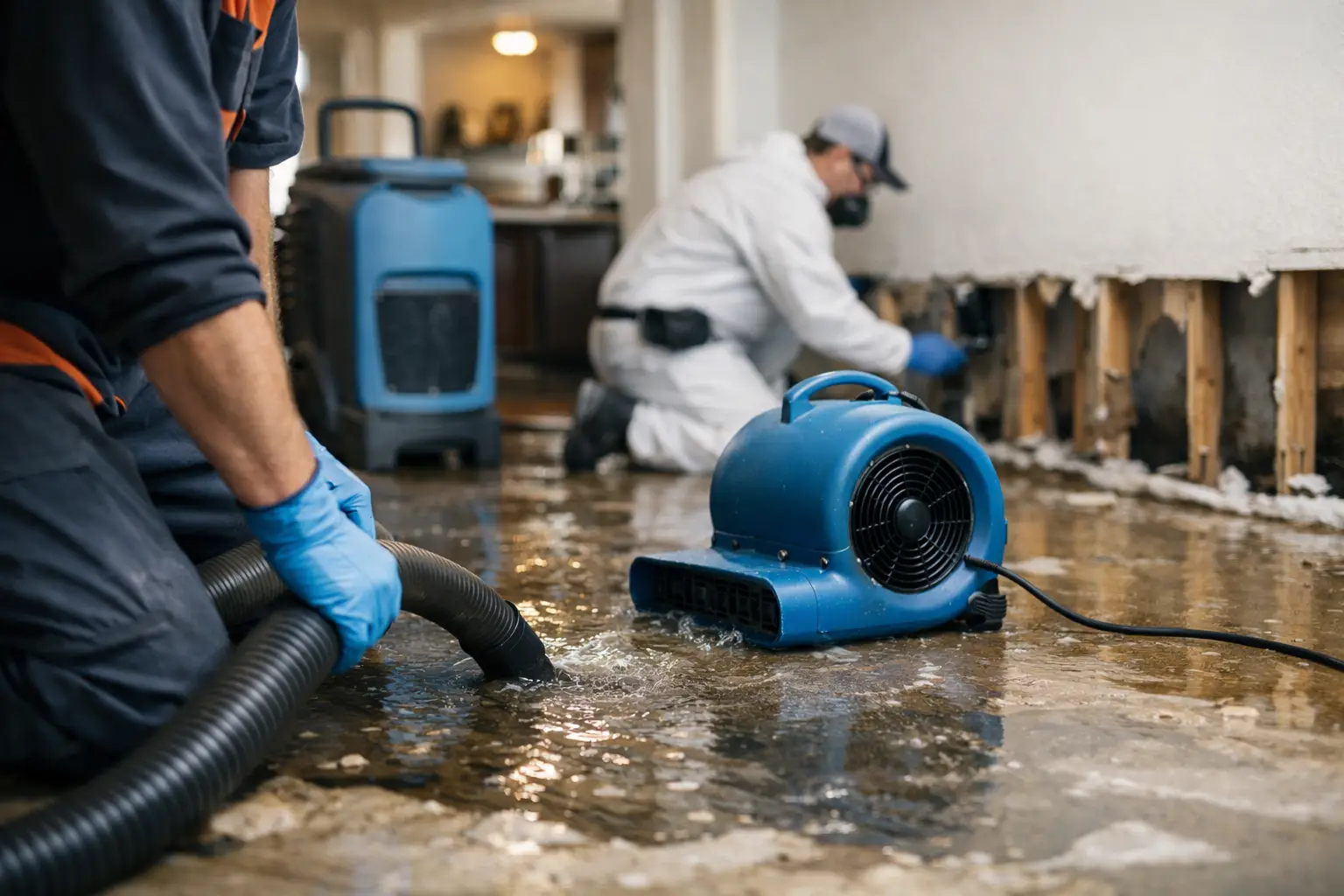 Water Damage
Extraction, structural drying, and moisture mapping after floods, leaks, and burst pipes.
Get help now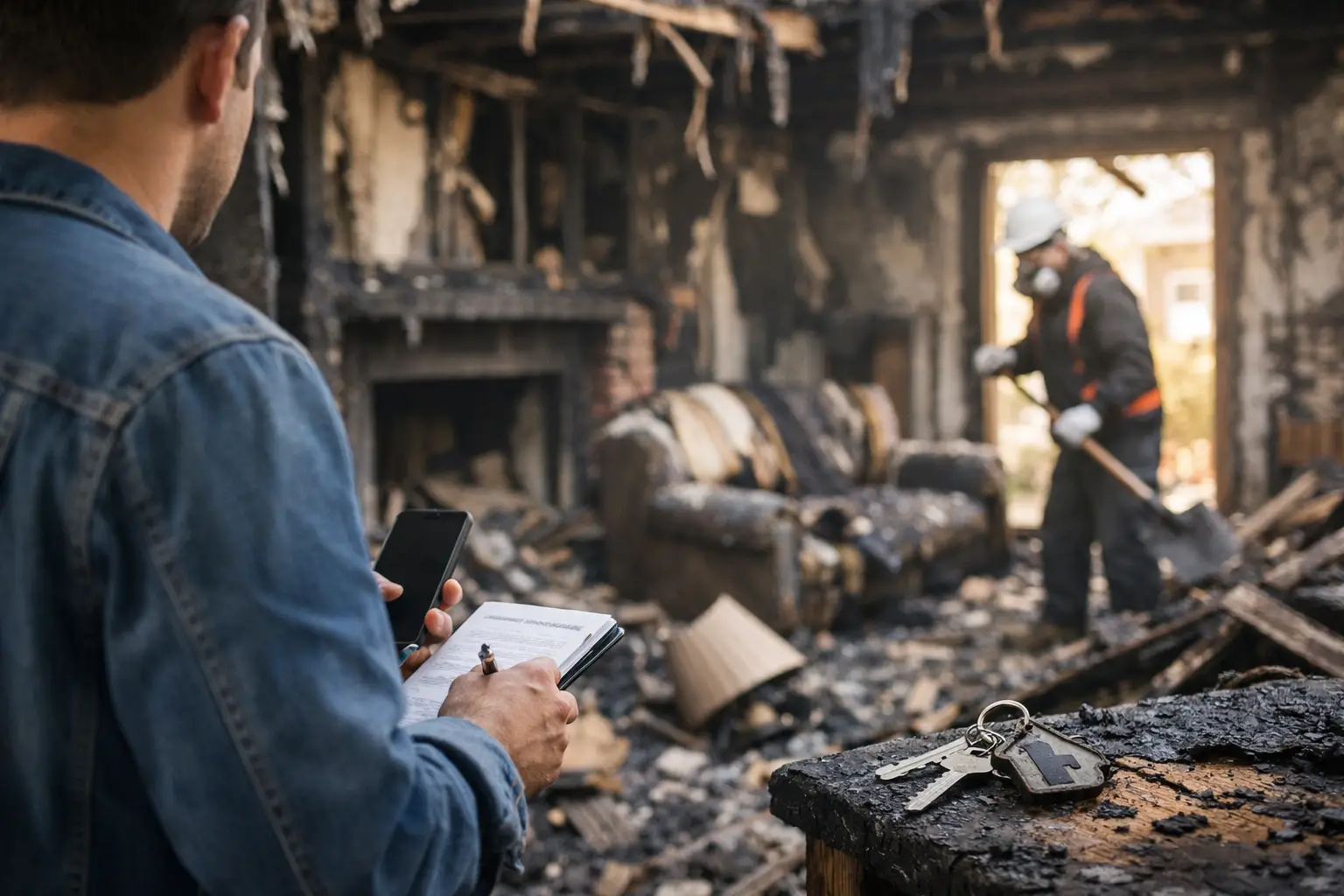 Fire & Smoke
Soot removal, odor deodorization, and content cleaning after fire and smoke damage.
Learn more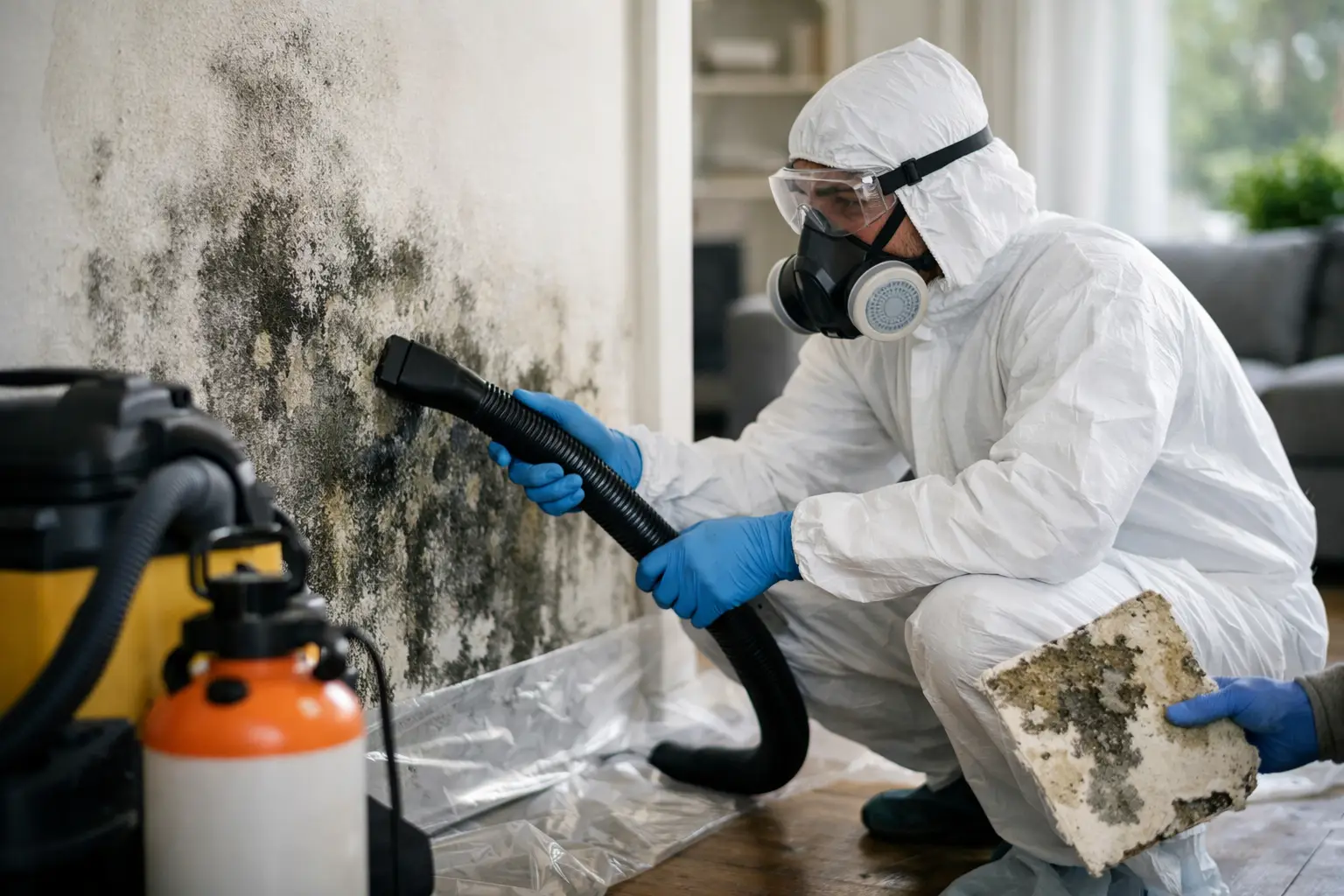 Mold
MoldContainment, removal, and moisture control that stops mold from coming back.
Learn more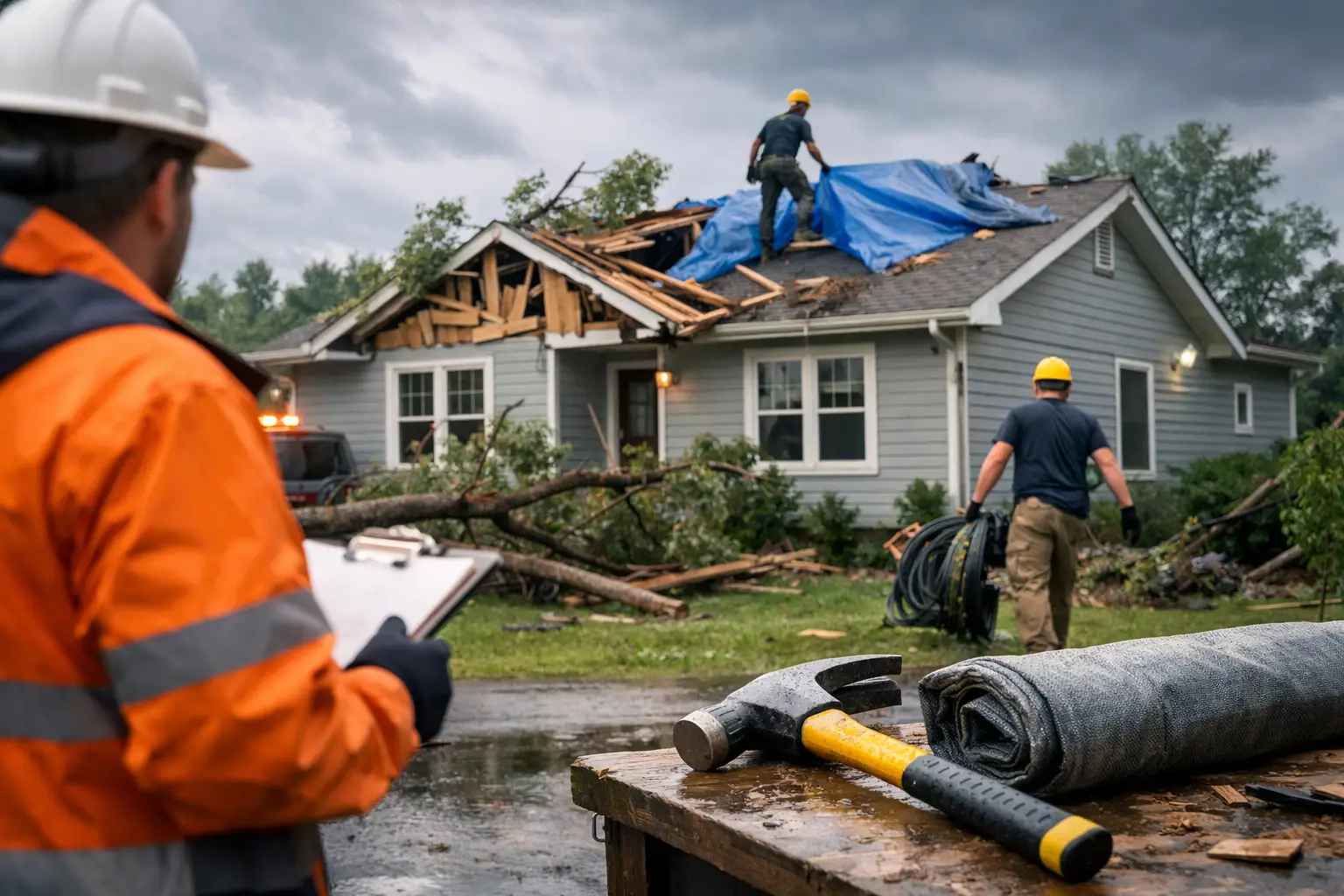 Storm
StormEmergency board-up, roof tarping, and full recovery after wind, hail, and storms.
Learn more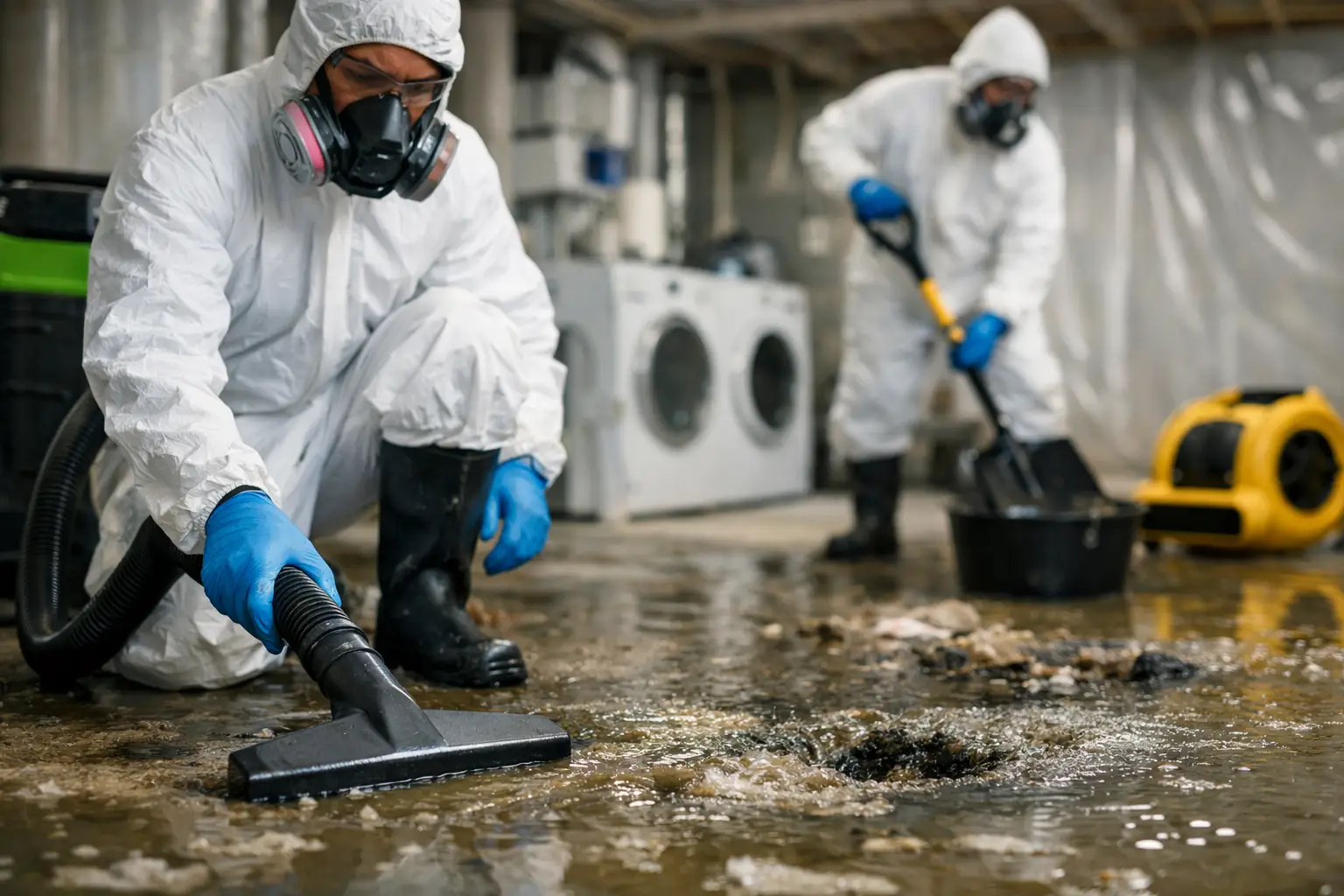 Sewage
Safe biohazard cleanup and sanitizing after sewage backups and overflows.
Learn more Reconstruction
Full rebuild by a licensed general contractor, so your property comes back whole.
Learn moreElevated Operations is an IICRC-certified, licensed general contractor based in Mableton that handles the entire recovery in-house, so after one loss you are never coordinating a cleanup crew, a mold crew, and a contractor separately. One team, one point of contact, from the first pump-out to the final coat of paint.
People call when the property feels like a disaster. They leave reviews because Chris and the crew made it right. These are real, verified Google reviews.
Yes, especially older Riverdale homes with crawlspaces, patchwork repairs, or weak ventilation near airport corridors. A leak can dry on the surface while moisture stays inside drywall or framing. I use mold inspection to trace the source, confirm the damage, and decide whether cleanup, containment, or material removal is needed.
Mold removal sounds simple, but real remediation is about stopping the source, cleaning the affected materials, and preventing spread during the job. In Riverdale, I also look at humidity, crawlspace conditions, and older construction details. That is the difference between wiping a stain and fixing the problem.
Yes. Older subdivisions in Clayton County often have rooms that stay damp longer, especially when air does not move well. I use containment, air filtration, and hepa vacuuming where needed, then remove damaged material and document the work. Bad airflow does not change the method, it just makes the method more important.
You do not guess. I check the attic insulation, roof deck, vents, and any wet framing to see whether the smell points to mold growth or another moisture issue. In Riverdale, attic odors often trace back to roof leaks or ventilation problems that have been ignored too long.
Yes, I provide direct insurance billing and I can help with deductible assistance up to $1,000 when the claim fits. I have been doing this since 2007, so I know the paperwork side matters. That said, I still document the damage honestly and only bill for the work actually needed.
Renters should report the leak or visible growth immediately, photograph the area, and avoid disturbing it. If the issue is in a shared wall, bath, or HVAC area, I want the moisture source identified quickly. In Clayton County rentals, waiting usually makes the cleanup larger and more expensive to resolve.
Yes, I offer 24/7 emergency response with a 60-minute emergency response commitment. If a wet area is spreading or a damaged room cannot stay closed, call me right away. Quick action matters in Riverdale because moisture and warm air can turn a small issue into a bigger cleanup.
I back my work with a 12-month warranty. That matters because the job is not done until the source is addressed and the cleanup is completed correctly. If a follow-up concern comes up within the warranty period, I want it handled by the same team that did the work.
Elevated Operations dispatches IICRC-certified crews across Metro Atlanta from our Mableton base, with a 60-minute emergency response day or night. Choose your city:
Call now for an immediate response, or request your free inspection and get a certified crew on-site within the hour across Atlanta and nearby areas.