24/7 Emergency Restoration · Serving Metro AtlantaEmergency? (770) 404-6895
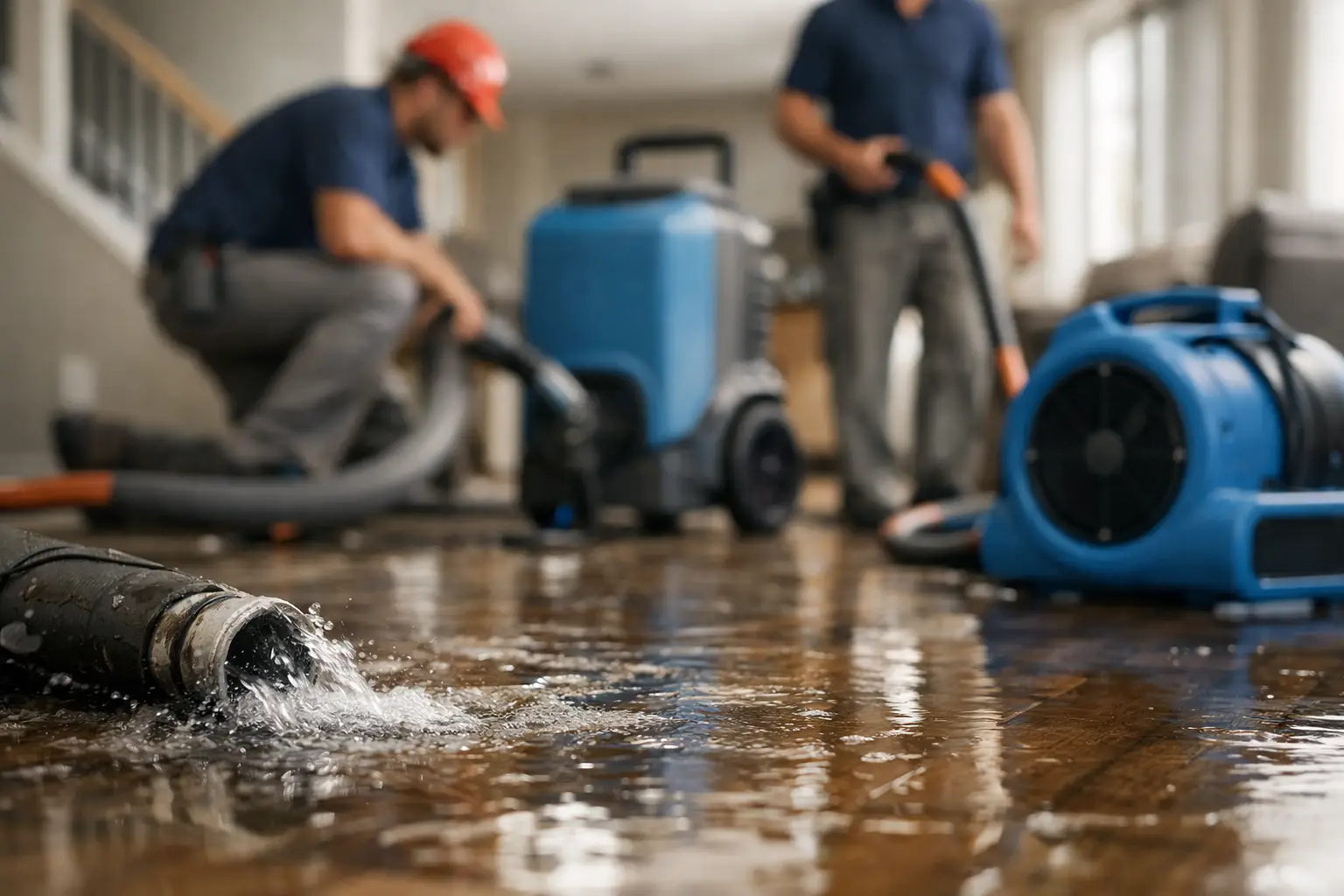
Crawl space mold removal Dallas starts with moisture control, not guesswork. I’m Chris Kwangwari, owner of Elevated Operations in Mableton, and I handle these jobs across Paulding County with IICRC-certified technicians, direct insurance billing, and a 12-month warranty. If your home sits near Pumpkinvine Creek or runs on well-water and septic, the crawl space needs a hard look fast.
IICRC-Certified · 5-Star Rated · 60-Minute Response · Insurance Billed Directly
Fast. Mold can start in 24 to 48 hours when moisture stays in place, so I tell homeowners to inspect and control the source immediately.
Yes. I offer direct insurance billing, and I can help with deductible assistance up to $1,000 when the claim qualifies.
My crews are IICRC-certified technicians, and I’m a licensed general contractor. That matters when the crawl space needs cleanup and structure repair.
I back the work with a 12-month warranty. If the crawl space still has a moisture source, I want that addressed, not ignored.
Start with a safety check, stop the moisture source if you can, and get a documented inspection before you touch anything. In Dallas, I look closely at crawl spaces tied to well-water, septic systems, and low spots near Pumpkinvine Creek because those conditions keep feeding fungal growth removal problems.
First, do not crawl around in loose insulation or brush against visible growth. Mold stains, musty odors, and damp framing usually mean the space needs crawl space mold remediation, not a quick spray. I want the home owner to think in steps: inspect, control moisture, then clean the affected materials.
And the first moisture clue matters. In Paulding County, I see crawl spaces that stay damp because the house sits on heavy clay, the drainage is poor, or the plumbing discharge and septic setup keep the area humid. That is when dehumidification and crawl space cleanup stop being optional and start being urgent.
If you smell it upstairs, the crawl space is already affecting the house. I check rim joists, floor joists, subfloor, and any insulation that has absorbed moisture. Wood treatment may be needed after cleanup, but I never skip the source correction. Otherwise the mold comes back, and I do not waste a homeowner’s money that way.
Mold grows when moisture sits under the house long enough, and Dallas homes often get that moisture from wet soil, plumbing leaks, poor airflow, or groundwater movement near creeks and low areas. Well-water and septic properties in Paulding can also create persistent humidity that keeps mold active.
The pattern is simple. Warm air hits a cool crawl space, condensation forms, and the wood stays damp. Add a missing vapor barrier or torn plastic, and you have the perfect setup for crawl space mold removal to be needed again and again unless moisture control changes.
I also see houses where the grading sends water back toward the foundation after storms. Around Dallas and the broader Paulding County area, properties near Pumpkinvine Creek can hold moisture longer than expected. That means the crawl space cleanup must include a hard look at drainage, vents, and soil exposure.
But mold is not just about one wet event. Slow leaks, old HVAC condensate lines, and wet insulation create hidden fungal growth removal needs that homeowners often miss. If the subfloor is damp, the crawl space is telling you something. I listen to that message every time.
The right way is containment, removal, cleaning, drying, and verification, in that order. I start crawl space mold remediation by finding the moisture source, then I remove contaminated material, clean affected framing, and use dehumidification so the space dries out instead of re-feeding growth.
I do not believe in covering over a problem and calling it fixed. If the crawl space has visible growth, I treat it as a job for controlled cleanup, not a homeowner wipe-down. The sequence matters, because moisture control and cleanup work together or they fail together.
After containment, I focus on the materials that can be saved. Framing gets cleaned and assessed, insulation and debris may need removal, and wood treatment can follow when the surface is still structurally sound. If the floor joists are staying damp, I know the crawl space is still active.
This is where a lot of Dallas homes get overlooked. People clean the obvious area and miss the rest of the crawl space because access is tight. I work the full footprint, including corners, plumbing runs, and low spots where water lingers after storms or septic-related overflow issues.
Often, yes, if the crawl space keeps taking on moisture. Encapsulation is one of the strongest ways to support crawl space mold remediation because it adds a sealed vapor barrier, helps control humidity, and protects the clean space after fungal growth removal is finished.
I look at encapsulation as prevention with teeth. If a Dallas crawl space has bare earth, recurring dampness, or weak ventilation, mold removal alone is usually not enough. A sealed vapor barrier changes the environment under the house so mold has a harder time coming back.
That matters even more on Paulding homes with well-water and septic systems, because underground moisture problems can keep feeding the crawl space from below. Encapsulation gives me a cleaner starting point for dehumidification, and it helps the homeowner stop fighting the same damp smell every season.
Not every house needs the same level of work, and I do not sell extra steps just to pile on scope. But when the space is chronically damp, I will say plainly that encapsulation is the smarter answer. It protects the wood, the air, and the repair investment.
Yes, it can, because crawl spaces share air pathways with the rest of the house. In Dallas, I often see musty odors, allergy complaints, and stale air tied to hidden mold, wet insulation, and contaminated framing below the floor.
Air does not stay where people think it stays. If the crawl space is wet and moldy, the odor and particles can move upward through gaps, duct penetrations, and the floor system. That is why crawl space mold remediation is about indoor comfort as much as visible cleanup.
Homes near Pumpkinvine Creek or in low-lying parts of Paulding can hold humidity longer, and that extra moisture feeds odor and growth below the floor. I have seen families chase HVAC problems when the real issue was a dirty, damp crawl space that needed moisture control first.
When indoor air quality is the complaint, I inspect for wet insulation, fungal growth, and air leaks around the floor system. Then I decide whether crawl space cleanup, dehumidification, encapsulation, or wood treatment is needed. The fix has to match the cause, not the symptom.
The checklist is simple: identify the moisture source, document the damage, protect the living space, then schedule proper cleanup and drying. In Dallas, I also tell homeowners to note septic issues, well-water equipment, and whether the property drains toward Pumpkinvine Creek or another low area.
Start by looking for standing water, damp soil, sagging insulation, and any musty odor in the rooms above. Write down where you smell it and where it seems strongest. That helps me narrow the crawl space cleanup faster and keeps the inspection focused on the real problem.
Then check whether the space has a vapor barrier, whether it is torn, and whether there is visible wood discoloration or soft spots. I want the homeowner to think like a problem solver, not a spectator. A short, accurate checklist saves time and stops bad assumptions.
After that, get out of the way and let a licensed general contractor handle the damaged structure, cleanup, and moisture control plan. I bring IICRC-certified technicians, direct insurance billing, and a 12-month warranty, because this kind of work has to be done right the first time.
If the living area smells earthy or stale, note which rooms are worst. That tells me where air is moving from below and helps connect indoor complaints to crawl space mold removal needs.
A torn vapor barrier, damp dirt, or standing water means moisture control is failing. In Dallas, that often pairs with well-water, septic, or creek-adjacent drainage issues that keep mold active.
Avoid brushing, sweeping, or ripping out insulation on your own. Disturbing mold can spread debris through the house and make crawl space mold remediation more complicated than it needs to be.
Look for leaks, condensate, or pooling near the foundation. Around Pumpkinvine Creek and low spots in Paulding County, drainage patterns often drive the mold problem more than one obvious leak.
The longer a crawl space stays damp, the more likely wood treatment, dehumidification, or encapsulation will be needed after cleanup. I would rather catch it early and stop the cycle.
From emergency mitigation to full reconstruction, handled in-house so you are never managing a chain of subcontractors mid-crisis.
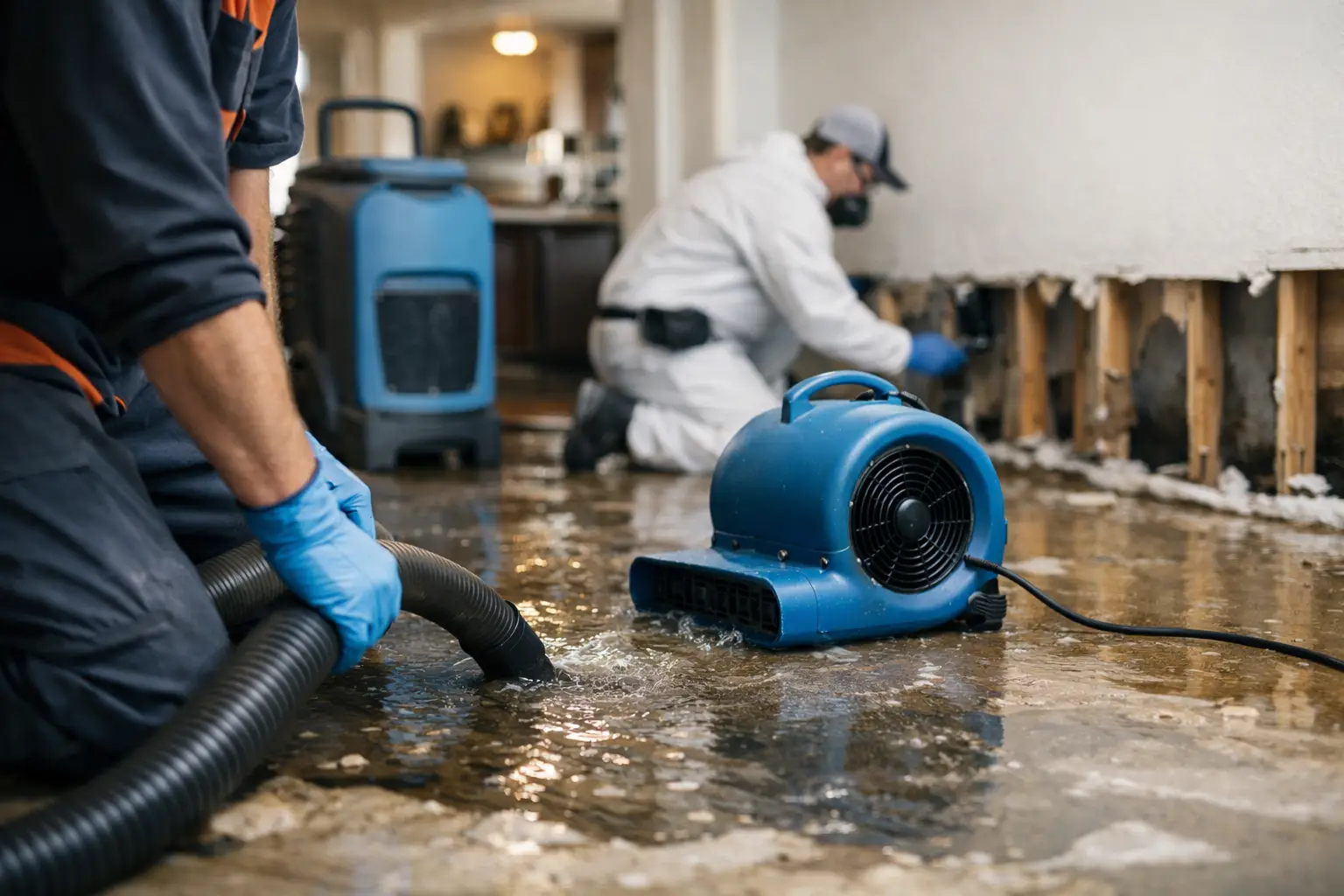 Water Damage
Extraction, structural drying, and moisture mapping after floods, leaks, and burst pipes.
Get help now Fire & Smoke
Soot removal, odor deodorization, and content cleaning after fire and smoke damage.
Learn more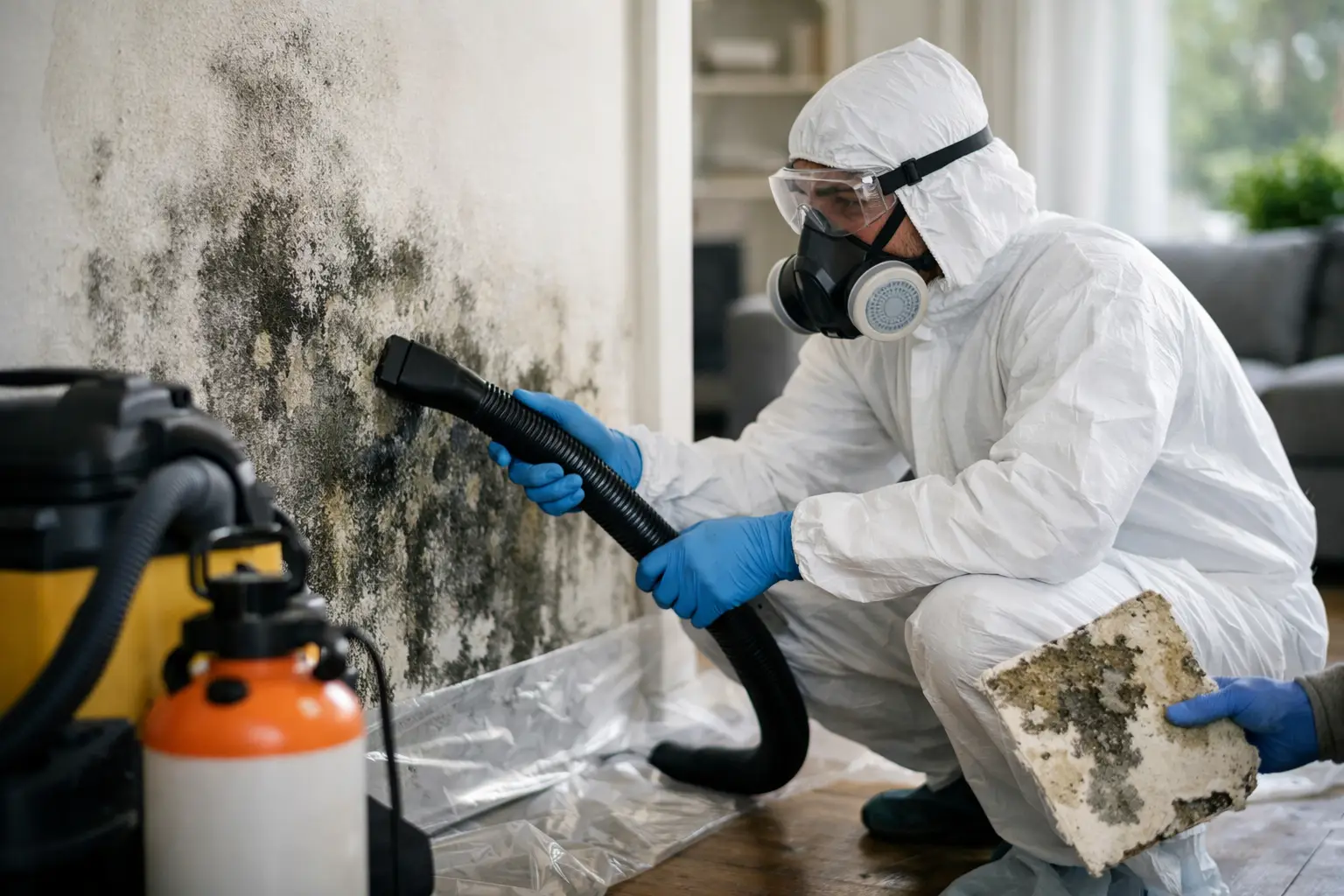 Mold
MoldContainment, removal, and moisture control that stops mold from coming back.
Learn more Storm
StormEmergency board-up, roof tarping, and full recovery after wind, hail, and storms.
Learn more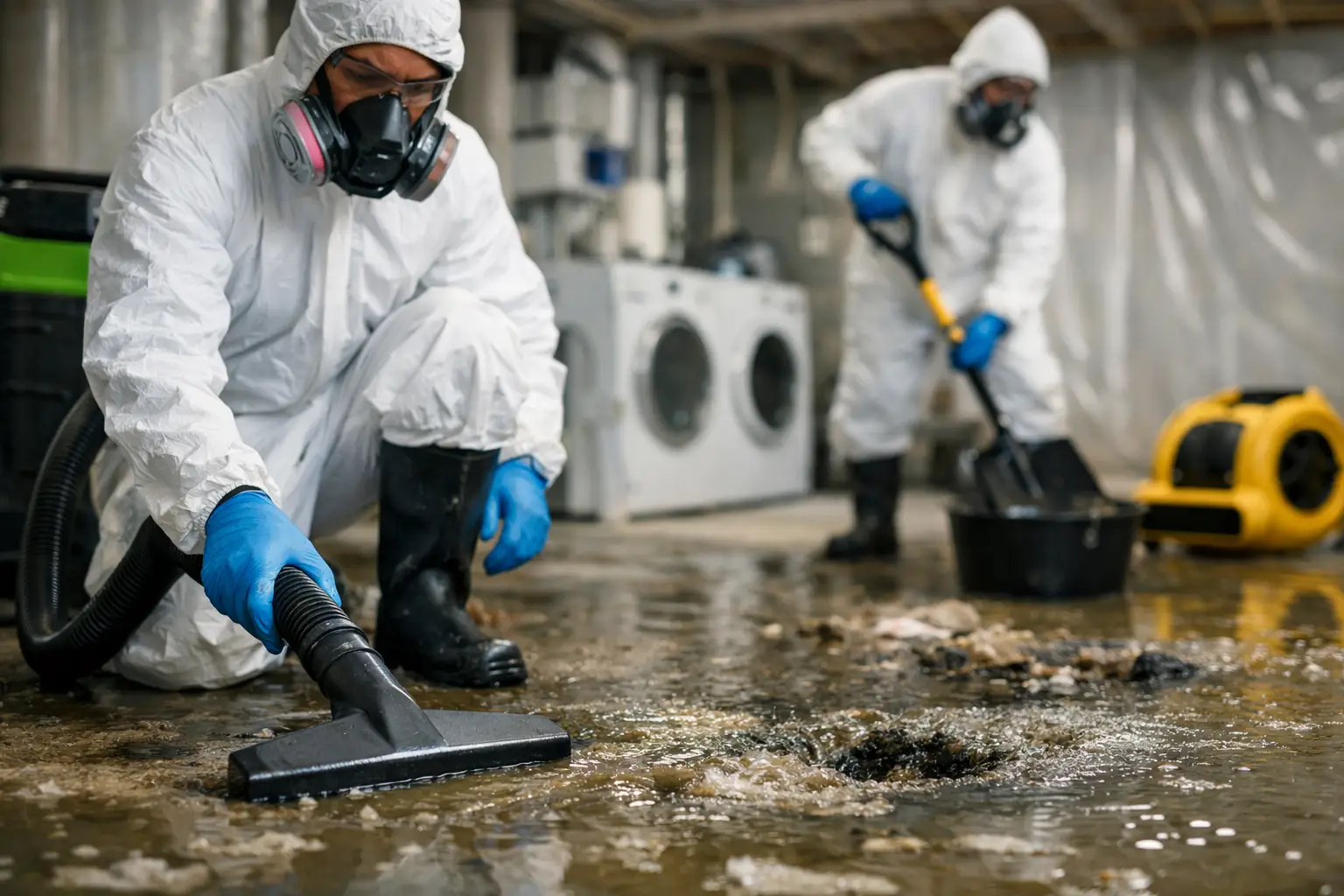 Sewage
Safe biohazard cleanup and sanitizing after sewage backups and overflows.
Learn more Reconstruction
Full rebuild by a licensed general contractor, so your property comes back whole.
Learn moreElevated Operations is an IICRC-certified, licensed general contractor based in Mableton that handles the entire recovery in-house, so after one loss you are never coordinating a cleanup crew, a mold crew, and a contractor separately. One team, one point of contact, from the first pump-out to the final coat of paint.
People call when the property feels like a disaster. They leave reviews because Chris and the crew made it right. These are real, verified Google reviews.
I remove crawl space mold by controlling the moisture first, then containing, cleaning, and drying the area so the problem does not spread. In Dallas, that often means checking for damp soil, failed plastic, and creek-related humidity near Pumpkinvine Creek before any cleanup starts. If the source stays wet, the mold comes back. I do not do temporary band-aids.
The usual causes are humidity, condensation, wet soil, and small leaks that never fully dry. On Paulding homes with well-water and septic, I also look for extra moisture around plumbing runs, drainage issues, and low-lying yards. Those conditions keep the crawl space humid long enough for fungal growth to start and spread under the house.
Not every home needs it, but many do if the crawl space keeps getting damp. Encapsulation adds a vapor barrier and helps humidity stay under control after cleanup. In Dallas, especially near Pumpkinvine Creek or in homes with chronic moisture problems, it is often the best way to protect the repair and reduce repeat mold issues.
Yes. A moldy crawl space can send odors and airborne particles into the home through floor gaps, penetrations, and duct pathways. I see this often when homeowners notice musty rooms upstairs but never checked below. If the crawl space is damp, the indoor air can reflect it fast, especially in tightly sealed rooms.
Check for standing water, torn vapor barrier, wet insulation, and visible discoloration on framing. Then think about drainage and whether your property sits near a low area or Pumpkinvine Creek. Musty smell is usually a moisture clue, not a surface cleaning problem, so the first move is inspection and source control.
Crawl space cleanup removes debris, contaminated insulation, and other material that keeps feeding the problem. After fungal growth removal, I want the space dry, clean, and easier to inspect. That is especially important in Dallas homes where moisture can return from wet soil, poor drainage, or a weak vapor barrier.
It can, if the framing is still structurally sound and the surface needs added protection after cleanup. I use wood treatment as part of a broader plan, not as a shortcut. If the crawl space is still damp, treatment alone is not enough. Moisture control has to come first every time.
Dallas homes in Paulding often deal with well-water, septic systems, and drainage patterns that hold moisture under the house longer. Add Pumpkinvine Creek and the local low spots, and you get crawl spaces that need serious moisture control, not cosmetic cleanup. I size up the source, then fix the space accordingly.
Elevated Operations dispatches IICRC-certified crews across Metro Atlanta from our Mableton base, with a 60-minute emergency response day or night. Choose your city:
Call now for an immediate response, or request your free inspection and get a certified crew on-site within the hour across Atlanta and nearby areas.