24/7 Emergency Restoration · Serving Metro AtlantaEmergency? (770) 404-6895
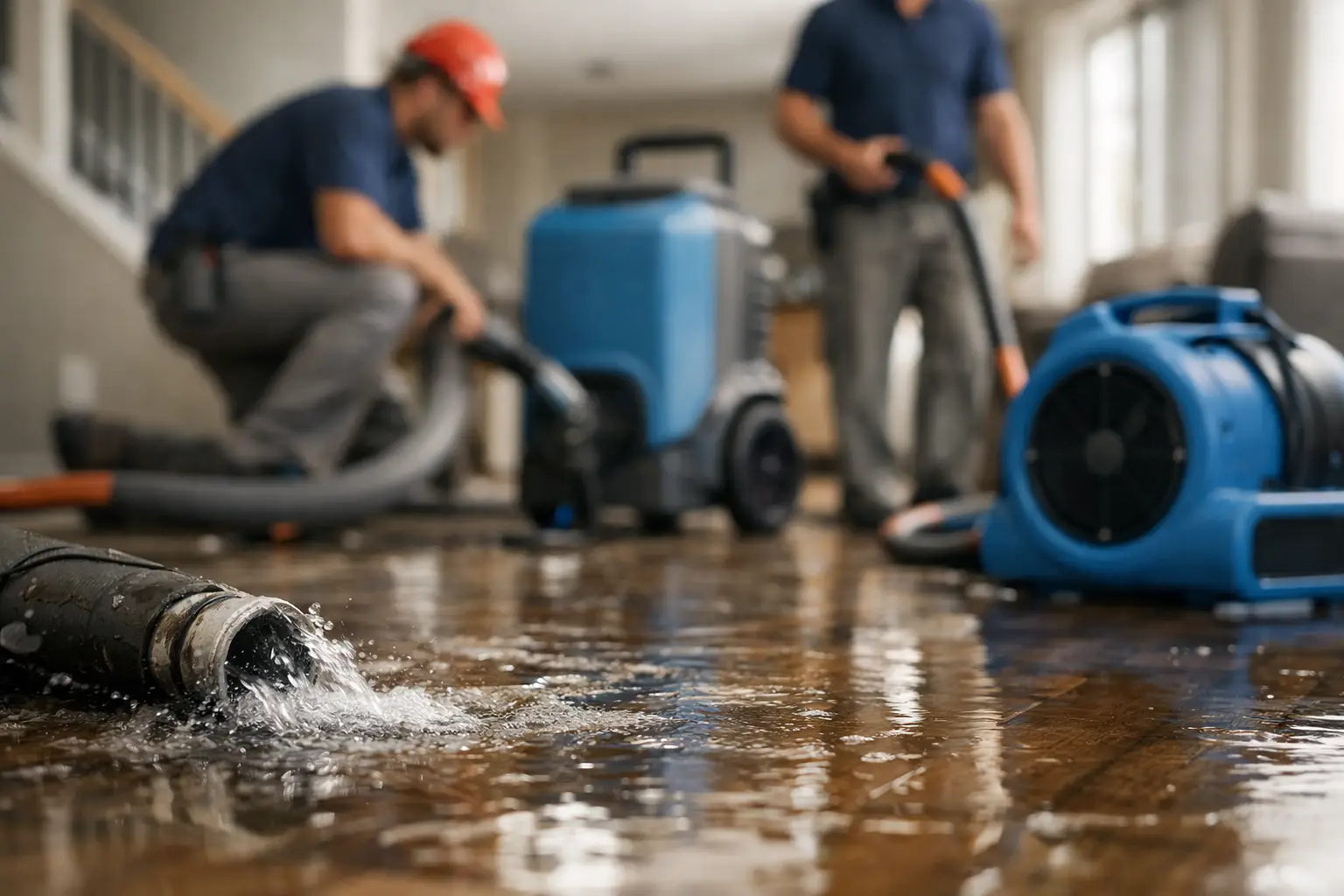
Water mitigation services Riverdale means stopping active water intrusion, extracting standing water, and starting drying before damage spreads. In Riverdale, I see it most in older subdivisions near the airport and Clayton County roads, where plumbing, roof, and drain problems turn small leaks into bigger losses fast.
IICRC-Certified · 5-Star Rated · 60-Minute Response · Insurance Billed Directly
Call immediately. Water damage grows by the hour, and mold can start in 24 to 48 hours.
A real job includes inspection, extraction, containment when needed, dehumidification, and structural drying with documentation.
Yes. I use direct insurance billing and document the loss to help keep the claim organized.
Call anyway. Hidden moisture is common in Riverdale homes, especially in older subdivisions near Clayton County roads.
Water mitigation services reduce active damage right after a leak, overflow, or storm entry. The work usually starts with water extraction, then moisture control, containment where needed, and structural drying so hidden areas do not keep feeding the problem.
I start by finding where the water is still moving and stopping the source if possible. Then I assess floors, baseboards, drywall, cabinets, and crawl spaces, because older Riverdale homes often hide water behind materials that look fine on the surface.
After that comes water extraction and drying equipment. That is not guesswork. It is measured work, with dehumidification and structural drying aimed at the wet parts of the building, not just the visible puddle on the floor.
If materials are too damaged to save, loss mitigation means documenting them for the insurance file and limiting further spread. In a Clayton County home near the airport, that matters because small delays can let humidity and wet materials create a bigger repair scope.
Water problems in Riverdale often trace back to aging plumbing, roof leaks, drainage issues, and appliance failures. Near older subdivisions and around Clayton County routes close to the airport, homes can also face storm runoff and moisture intrusion that moves quickly through older building materials.
Riverdale has a lot of homes where the building systems have seen years of use. Supply lines, water heaters, toilets, and washing machines do fail. When they do, water travels into subfloors, framing, and walls fast, especially in homes with older layouts and tighter crawl space access.
Storm water is another one. Heavy rain around Clayton County can push water where gutters, grading, or downspouts do not carry it away cleanly. I also see HVAC condensate issues and small roof leaks that stay hidden until staining, swelling, or odors show up.
That is why moisture control is not optional. In a neighborhood with older subdivisions, water can sit in places you cannot see, and the longer it sits, the more damage it causes to finishes, structural materials, and indoor air quality.
Water mitigation should start immediately, because damage begins as soon as materials get wet. Mold can start in 24 to 48 hours, so waiting lets moisture spread into framing, drywall, and insulation before drying can do its job.
I do not like waiting on water. Even clean water turns into a bigger problem once it is absorbed by carpet pad, drywall, or wood. In Riverdale, where some homes have older finishes and lower crawl spaces, time works against the structure.
Fast response also helps with insurance documentation. When I arrive, I can identify the wet materials, begin water extraction, and decide whether containment is needed to isolate the area while drying gets underway.
That speed matters in Clayton County because warm, humid conditions can keep materials wet longer. The sooner structural drying starts, the less likely you are to lose cabinets, flooring, or wall sections that might have been saved with quick action.
No, water mitigation is the emergency response that stops the damage from spreading, while water restoration is the repair and rebuilding phase that follows. Mitigation is about stabilization, drying, and protecting the structure first.
Think of mitigation as the first move after a water loss. The goal is to reduce damage, remove standing water, and dry the structure. Restoration comes later, when damaged materials are repaired or replaced and the property is brought back to normal use.
That difference matters because some companies blur the two. I do not. As a licensed general contractor and IICRC-certified technician, I treat mitigation as a technical process that sets the stage for proper reconstruction, not as a cleanup you can rush through.
In older Riverdale homes, that distinction is practical. A wet wall cavity or damp subfloor may need dehumidification and monitoring before any rebuilding starts, or the repair just traps moisture and creates a second loss.
During the first visit, I inspect the source, document the damage, begin extraction, and set up drying equipment based on what the structure actually needs. If the loss is complex, I use containment to help control the spread and protect unaffected areas.
My first step is always to understand the water path. A supply line leak is not the same as a roof intrusion or an appliance overflow, and each one affects building materials differently. The response should match the loss, not the other way around.
Then I map out the wet zones and decide on drying strategy. That may include removing standing water, placing air movers and dehumidifiers, and checking concealed spaces. Moisture control is the whole point, because what remains hidden can keep damaging the structure.
I also document everything for direct insurance billing. That helps keep the process organized. In Riverdale, especially in older subdivisions near Clayton County roads and airport traffic corridors, clear documentation can make the claim easier to track and the repairs easier to justify.
Water can warp floors, swell drywall, stain ceilings, damage insulation, and weaken structural materials if a Riverdale home stays wet. It can also create odors and indoor air issues, especially when moisture gets trapped behind walls or under flooring.
The visible damage is only part of it. Water often moves under baseboards, into wall cavities, and beneath flooring before anyone notices. In homes with older subdivisions and mixed building ages, that hidden spread can be the most expensive part of the loss.
If drying does not happen quickly, materials can lose their shape or strength. Flooring can buckle, drywall can crumble, and cabinets can swell. Once that happens, repair choices narrow and the scope gets larger.
And there is the air itself. Wet building materials can hold humidity and keep a room feeling damp long after the puddle is gone. That is why dehumidification, structural drying, and follow-up checks are part of real mitigation, not extras.
The first job is not cosmetic cleanup, it is limiting how far water travels through the structure. That means water extraction, moisture control, and drying equipment before damage spreads deeper into walls, floors, and framing.
Riverdale has many older subdivisions, and older materials hide moisture well. I look behind surfaces, into crawl spaces, and around cabinets because the visible stain is often smaller than the actual wet area.
Near Clayton County and the airport corridor, warm air can slow dry-out if the plan is weak. Dehumidification and structural drying are what turn a wet room into a controlled drying project.
Loss mitigation includes photos, notes, and clear scope details. That helps when insurance questions come up and keeps the restoration process organized from the first visit through repairs.
IICRC-certified technicians, a licensed general contractor, direct insurance billing, and a 12-month warranty all matter when the job turns from cleanup into real building repair.
From emergency mitigation to full reconstruction, handled in-house so you are never managing a chain of subcontractors mid-crisis.
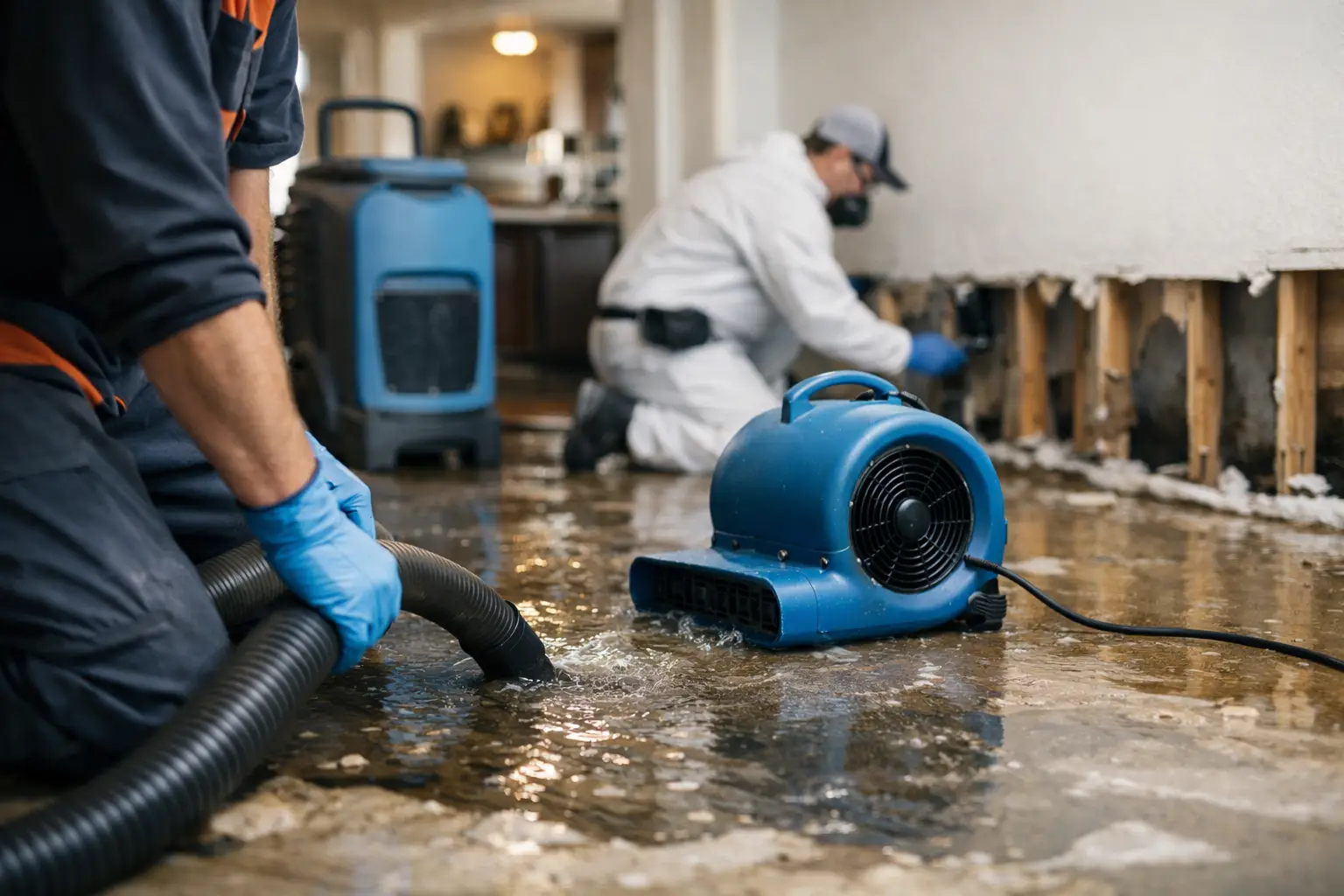 Water Damage
Extraction, structural drying, and moisture mapping after floods, leaks, and burst pipes.
Get help now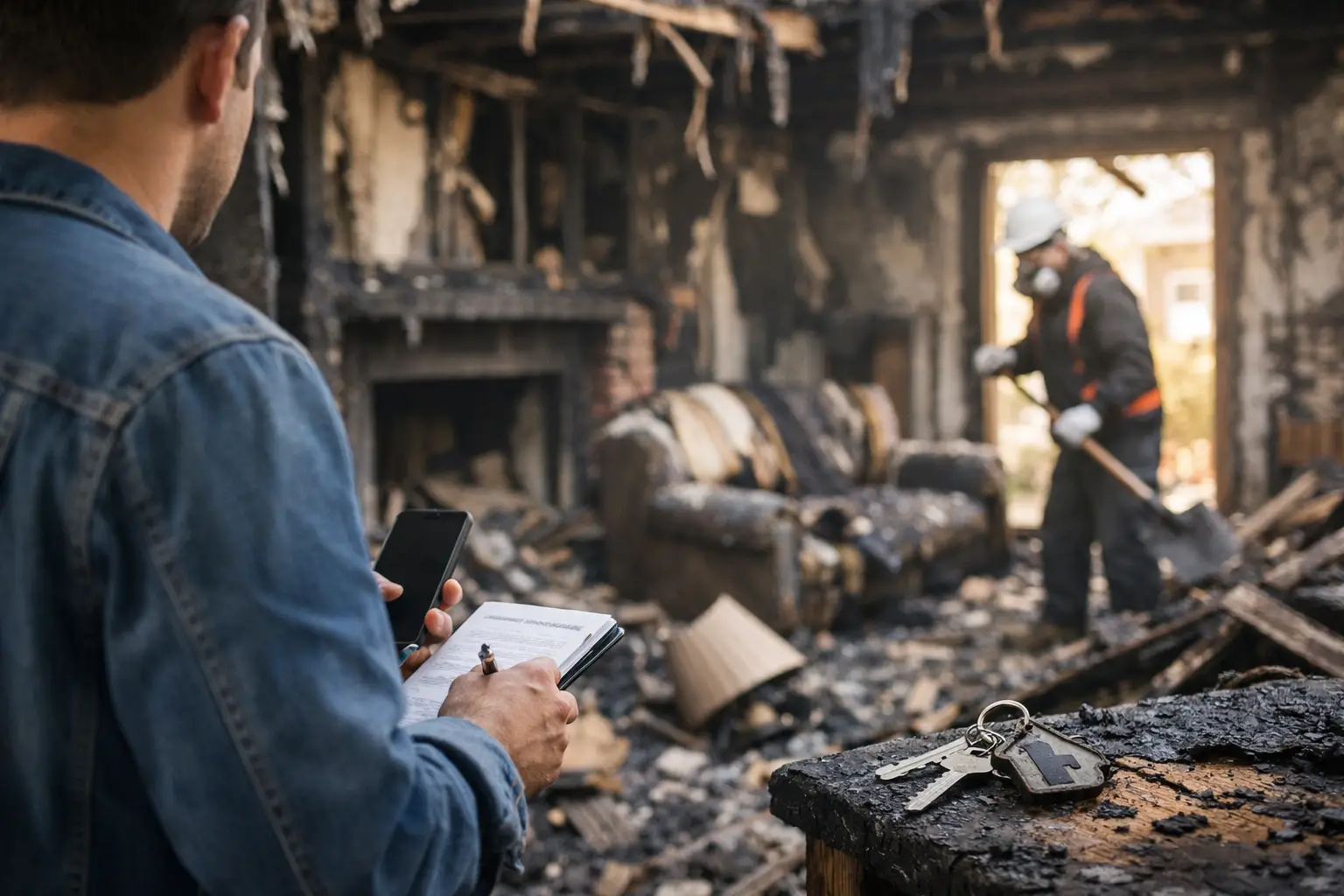 Fire & Smoke
Soot removal, odor deodorization, and content cleaning after fire and smoke damage.
Learn more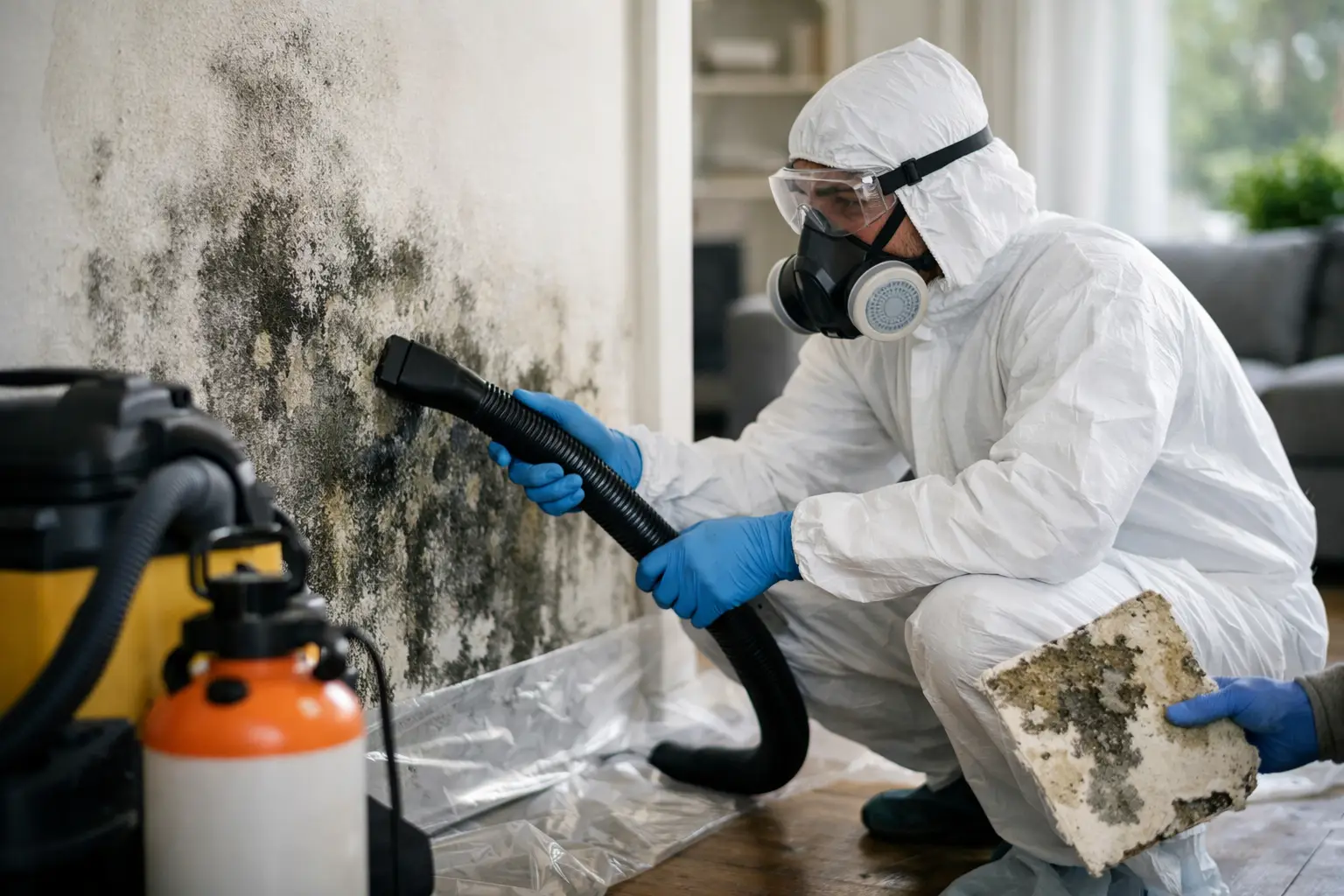 Mold
MoldContainment, removal, and moisture control that stops mold from coming back.
Learn more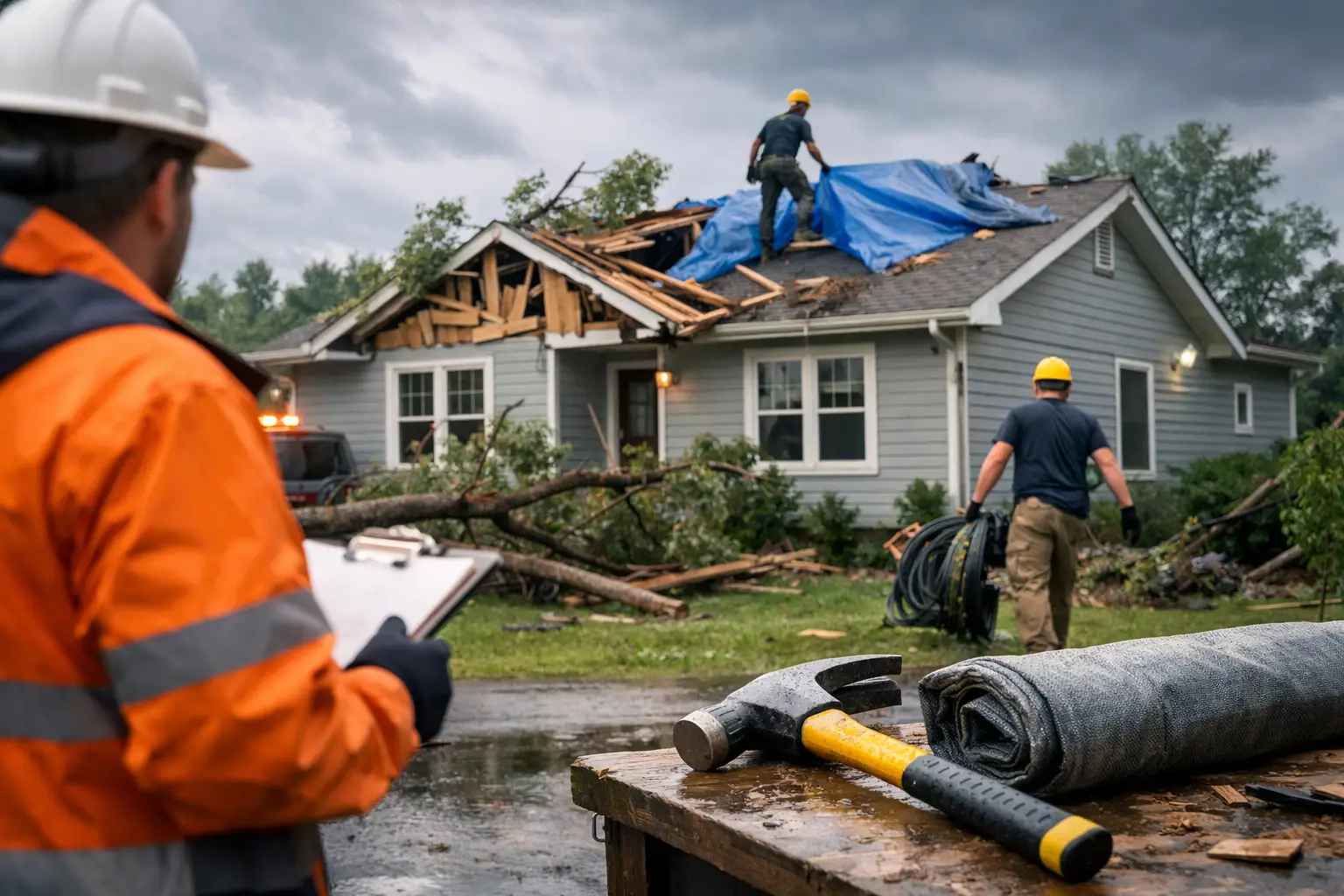 Storm
StormEmergency board-up, roof tarping, and full recovery after wind, hail, and storms.
Learn more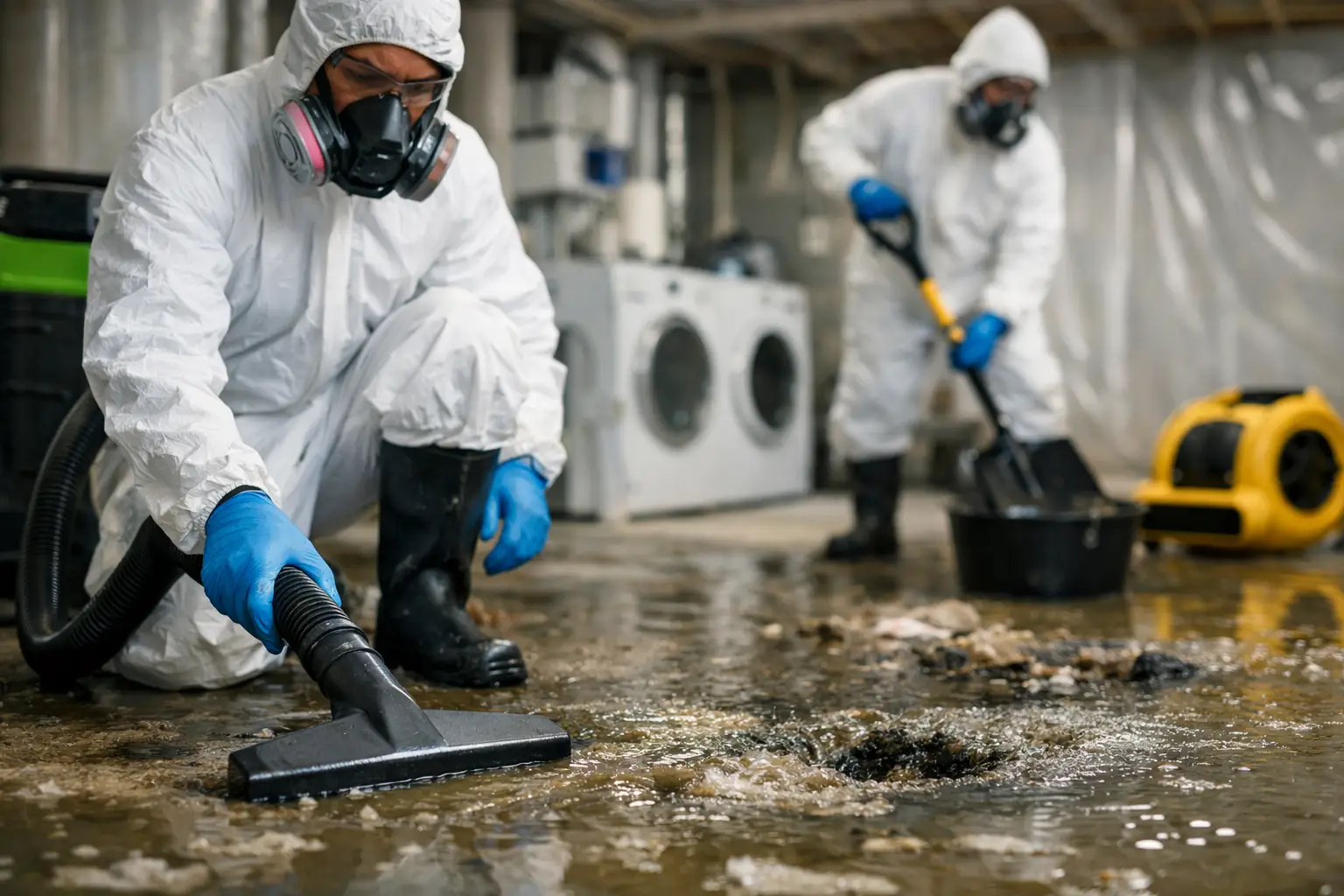 Sewage
Safe biohazard cleanup and sanitizing after sewage backups and overflows.
Learn more Reconstruction
Full rebuild by a licensed general contractor, so your property comes back whole.
Learn moreElevated Operations is an IICRC-certified, licensed general contractor based in Mableton that handles the entire recovery in-house, so after one loss you are never coordinating a cleanup crew, a mold crew, and a contractor separately. One team, one point of contact, from the first pump-out to the final coat of paint.
People call when the property feels like a disaster. They leave reviews because Chris and the crew made it right. These are real, verified Google reviews.
Homes near the airport and along Clayton County corridors often deal with older building systems, storm runoff, and wear from years of occupancy. In Riverdale, I also see leaks that start small, then spread into subfloors, drywall, and crawl spaces before anyone notices. That is why quick mitigation matters.
I inspect the source, document the loss, and start water extraction right away. Then I build a drying plan that may include dehumidification, containment, and structural drying. If the job needs repair later, I can also handle the restoration side as a licensed general contractor.
Older subdivisions often have materials and layouts that hide moisture in wall cavities, crawl spaces, and under flooring. I check those hidden areas because surface dryness does not mean the structure is dry. In older homes, moisture control has to be more thorough or the damage comes back.
Mitigation is the emergency phase, and repairs come after the structure is stable. If materials are swollen, delaminated, or contaminated, they may need removal and replacement. IICRC standards and field judgment guide that decision, but the short answer is simple, wet materials do not get rebuilt until they are dry or replaced.
Mold can start in 24 to 48 hours, which is why speed matters so much. Once moisture sits in drywall, insulation, or wood, you are no longer just dealing with cleanup. You are dealing with drying, containment if needed, and a bigger loss mitigation process.
Yes. I use direct insurance billing to keep the paperwork organized and reduce back-and-forth for the homeowner. That does not change the need for fast mitigation, but it does help the claim move more smoothly while the drying and documentation are underway.
The source changes the response, but the need for mitigation stays the same. Roof leaks, appliances, and toilets can all push water into hidden spaces. I still start with water extraction, then check moisture levels, then use drying equipment and dehumidification to control the loss.
I’m based in Mableton, and I serve Clayton County along with Cobb, Fulton, DeKalb, Douglas, Henry, and Paulding counties. Riverdale is a common call for me because older homes and storm-related issues there need fast, careful water mitigation services, not a one-size-fits-all cleanup.
Elevated Operations dispatches IICRC-certified crews across Metro Atlanta from our Mableton base, with a 60-minute emergency response day or night. Choose your city:
Call now for an immediate response, or request your free inspection and get a certified crew on-site within the hour across Atlanta and nearby areas.