24/7 Emergency Restoration · Serving Metro AtlantaEmergency? (770) 404-6895
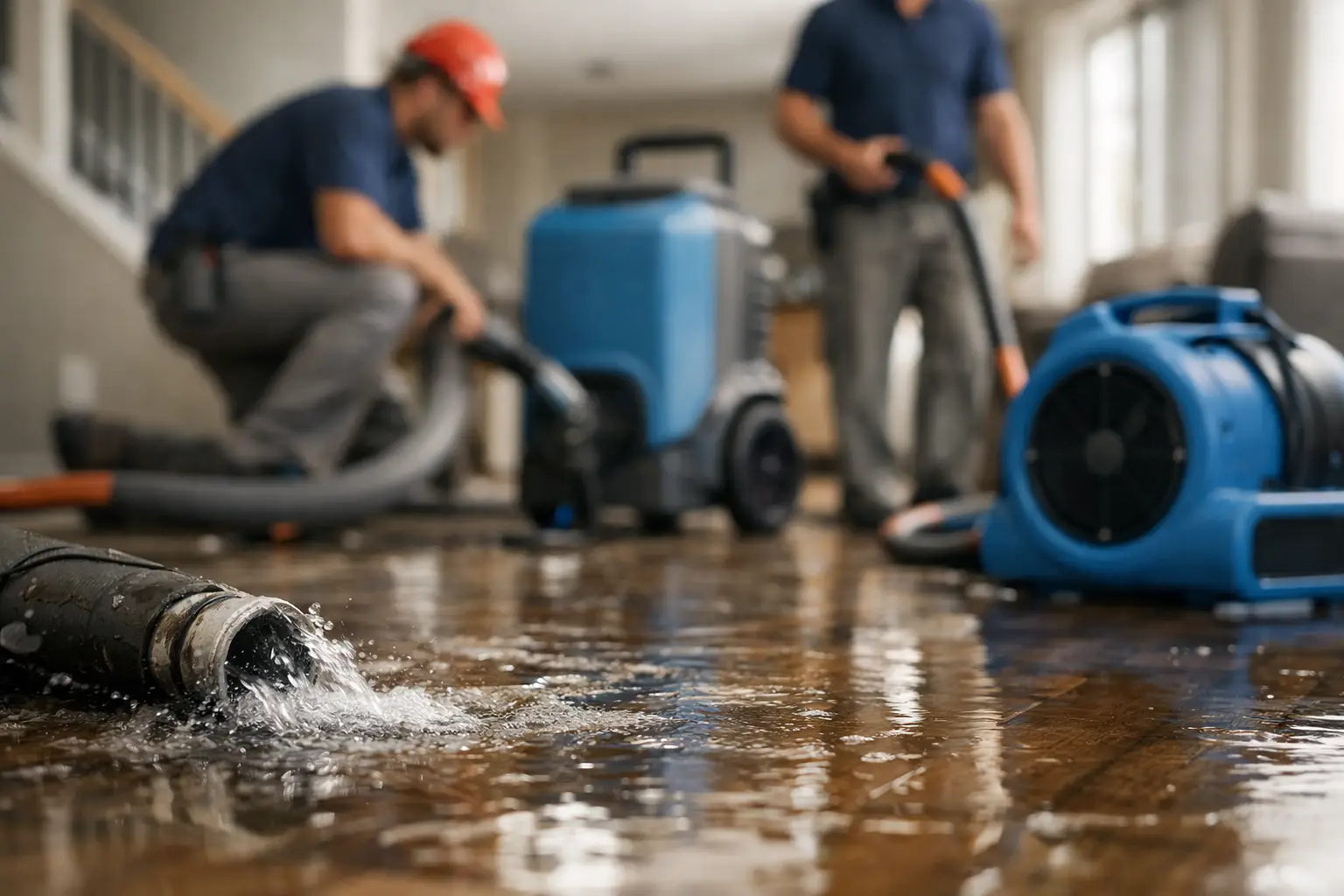
Burst pipe repair in Decatur is the fast, methodical work of stopping water, finding the failure, and drying the structure before hidden damage spreads. I’m Chris Kwangwari, owner of Elevated Operations, and I treat older Decatur homes with plaster, heart-pine, and cast-iron laterals differently because they fail differently.
IICRC-Certified · 5-Star Rated · 60-Minute Response · Insurance Billed Directly
Yes. Water can travel inside plaster walls first, then show staining later. That is common in older Decatur homes.
Usually, yes. Once water is actively escaping, the situation can spread quickly into finishes, framing, and flooring.
They do. Heart-pine can swell, cup, and hold moisture, so drying has to be careful and measured.
Because older drainage systems can affect how water and moisture behave around the home, especially after a leak.
Burst pipe repair in Decatur means stopping the leak, isolating the damaged pipe, and restoring the affected structure before water keeps moving through walls, floors, and ceilings. In older neighborhoods, the job often involves more than plumbing, because plaster, heart-pine, and cast-iron laterals change how water travels.
A burst pipe is not just a plumbing problem. Water can run behind plaster, soak into old framing, and show up far from the actual break. That is why pipe leak repair and water line repair often become restoration work once the leak has entered the structure.
In Decatur, many Craftsman bungalows were built with materials that do not forgive long moisture exposure. Heart-pine floors can cup, plaster can stain and crumble, and hidden wall cavities can hold dampness long after the visible water is gone. That is where the real damage starts.
IICRC-certified technicians look at the whole path of water, not just the wet spot. My job is to protect the structure, document the damage, and get the space on track for proper drying, repairs, and, when needed, direct insurance billing so the process stays organized.
Pipes burst when pressure, age, corrosion, or movement weakens the line until it fails. In Decatur, older homes with cast-iron laterals, mixed-era plumbing, and settled framing are especially vulnerable, because one small weakness can become a major break after temperature swings or sudden pressure changes.
I see a lot of older housing stock in Decatur, and age matters. Even when the visible plumbing looks fine, old fittings, corroded lines, and outdated transitions can fail under normal use. A broken pipe repair call often starts with a small sign, then turns into a larger structural problem.
Seasonal cold snaps are part of the story, but they are not the only cause. Pressure changes, pipe movement inside walls, and corrosion in older supply lines can all lead to emergency plumbing repair. Cast-iron laterals add another layer, because exterior drainage issues can hide until the interior damage is already underway.
The local building mix matters too. Craftsman bungalows often have finished plaster walls and older framing that make leaks harder to spot early. By the time a homeowner sees staining, the water may already be traveling through cavities, under floors, or into a ceiling below.
If a pipe bursts, shut off the water if you can do it safely, avoid running water through the system, and call for emergency plumbing repair and restoration right away. The goal is to stop active flow, protect electrical hazards, and begin drying before mold starts in 24 to 48 hours.
Do not wait for the drip to slow down on its own. Water spreads quickly through plaster, trim, insulation, and subflooring. If the leak is near a ceiling, wall, or mechanical area, a ceiling leak repair or wall leak repair may be needed after the source is controlled.
In a Decatur home, especially one with original plaster or heart-pine, I would rather see the damage early than late. Early response gives us a better shot at preserving more of the structure and preventing secondary damage that turns a small leak into a major restoration project.
Elevated Operations answers burst pipe calls 24/7 with a 60-minute emergency response. I send IICRC-certified technicians, and I bill insurance directly when appropriate. That matters when the situation is messy, because homeowners need a clear path from water shutoff to cleanup, documentation, and repair.
The right repair starts with finding the break, stopping the water, and deciding whether the damaged section needs repair or pipe replacement. Then we dry the affected materials, document the loss, and coordinate restoration so hidden moisture does not keep damaging the home after the pipe is fixed.
I do not treat every burst pipe the same way. Some failures call for a targeted pipe leak repair. Others need partial pipe replacement because the line is corroded, split, or too compromised to trust. The decision depends on what failed and how the surrounding materials were affected.
After the plumbing side is secure, the restoration side begins. That means checking plaster, baseboards, cavities, flooring, and insulation for moisture. In older Decatur homes, water can migrate under heart-pine floors or behind finished walls, so the visible dry surface can be misleading.
A good repair also includes proof. We document what was wet, where the source was, and what materials were affected. That record helps with insurance claims, direct billing, and the kind of follow-through homeowners need when the water has already made a mess of the room.
Yes, burst pipe damage usually needs water cleanup because the visible leak is only part of the problem. Wet drywall, framing, insulation, and flooring can hold moisture after the pipe stops, and that trapped water can lead to mold, odors, and structural deterioration if it is not addressed correctly.
Water cleanup is not just mopping and leaving. It is extraction, moisture checks, controlled drying, and watching the structure until it is actually dry. In a Decatur bungalow, plaster walls and older floors can hold moisture differently than newer construction, which is why careful assessment matters.
When water moves into ceilings or lower walls, ceiling leak repair and wall leak repair are often only part of the picture. The wet area can be larger than it looks, and hidden dampness can spread into adjacent rooms, closets, and trim if the cleanup is rushed.
I approach cleanup as a structural issue. My team looks for what the water touched, not just what the homeowner can see. That includes floors, wall cavities, and any materials affected by the leak, because the dry surface can hide a wet core.
Older Decatur homes are harder to dry because plaster, heart-pine, and older framing absorb and hold moisture differently than modern materials. Water can hide inside wall assemblies, under floors, and around cast-iron laterals, which means the leak may seem small while the affected area is actually much larger.
Craftsman bungalows are beautiful, but they are not simple when water gets in. Plaster can wick moisture, heart-pine can swell or cup, and older trim can trap dampness in tight gaps. That means the drying plan has to respect the materials, not force a one-size-fits-all approach.
Cast-iron laterals also matter because drainage history affects what happens after the burst. If the home already has aging sewer or drain components, water intrusion can interact with those systems and complicate cleanup, repairs, and odor control. The exterior infrastructure tells part of the story.
I do restoration in a way that fits the house, not the calendar. That is the difference between getting a surface dry and getting the structure dry. In an older Decatur property, that distinction protects finishes, reduces repeat damage, and avoids wasted work.
The pipe break is only the trigger. Once water enters plaster, framing, or flooring, restoration has to address materials, drying, and possible repairs.
Craftsman bungalows with plaster and heart-pine can look stable while water moves behind finishes. Hidden damage is common after a burst pipe.
Some lines can be repaired. Others need pipe replacement because corrosion, age, or repeated leaks make the section unreliable.
The first hours matter because moisture spreads, and mold can start in 24 to 48 hours. Fast action protects the structure.
Direct insurance billing and clear photos help keep the claim organized after emergency plumbing repair and water cleanup.
From emergency mitigation to full reconstruction, handled in-house so you are never managing a chain of subcontractors mid-crisis.
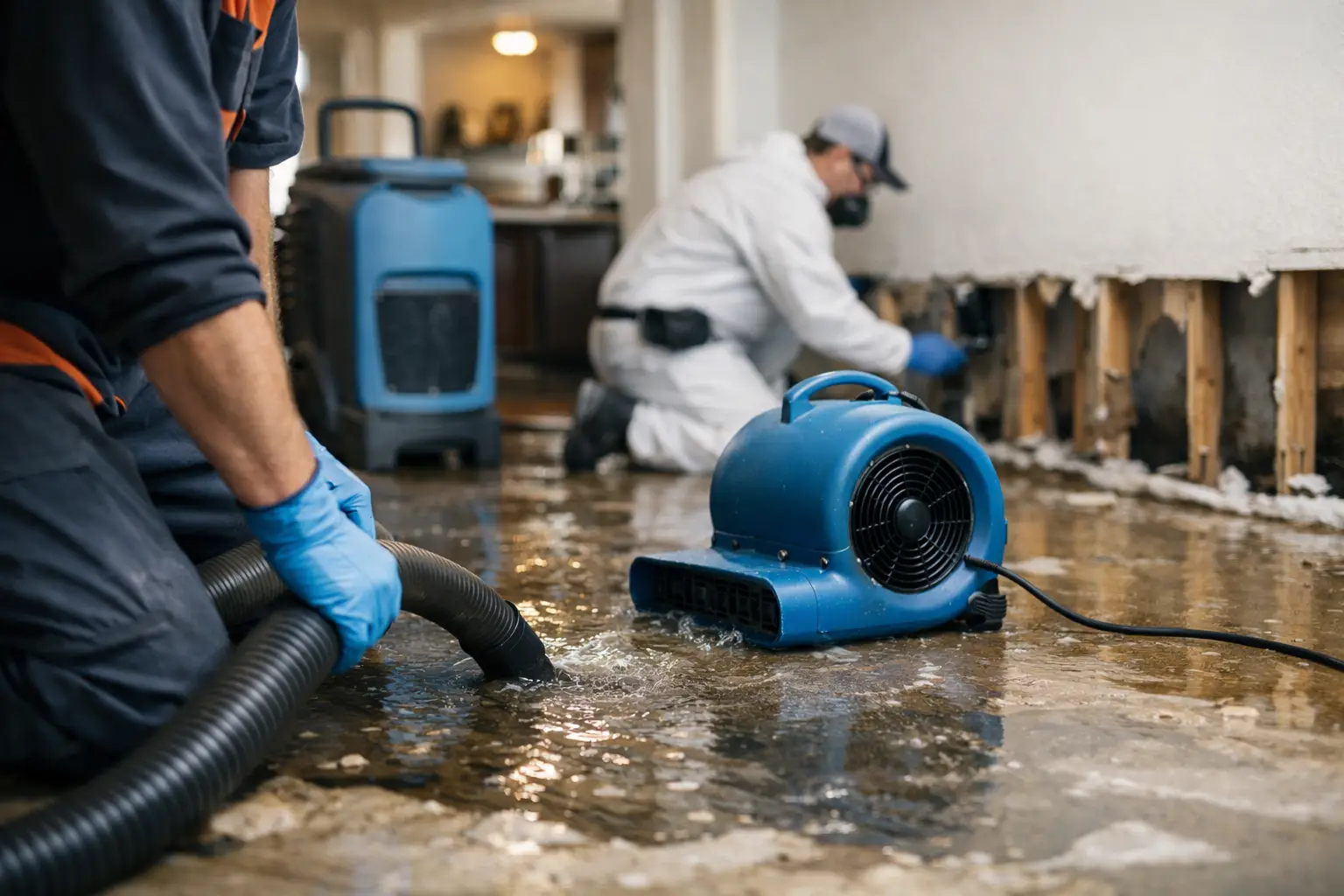 Water Damage
Extraction, structural drying, and moisture mapping after floods, leaks, and burst pipes.
Get help now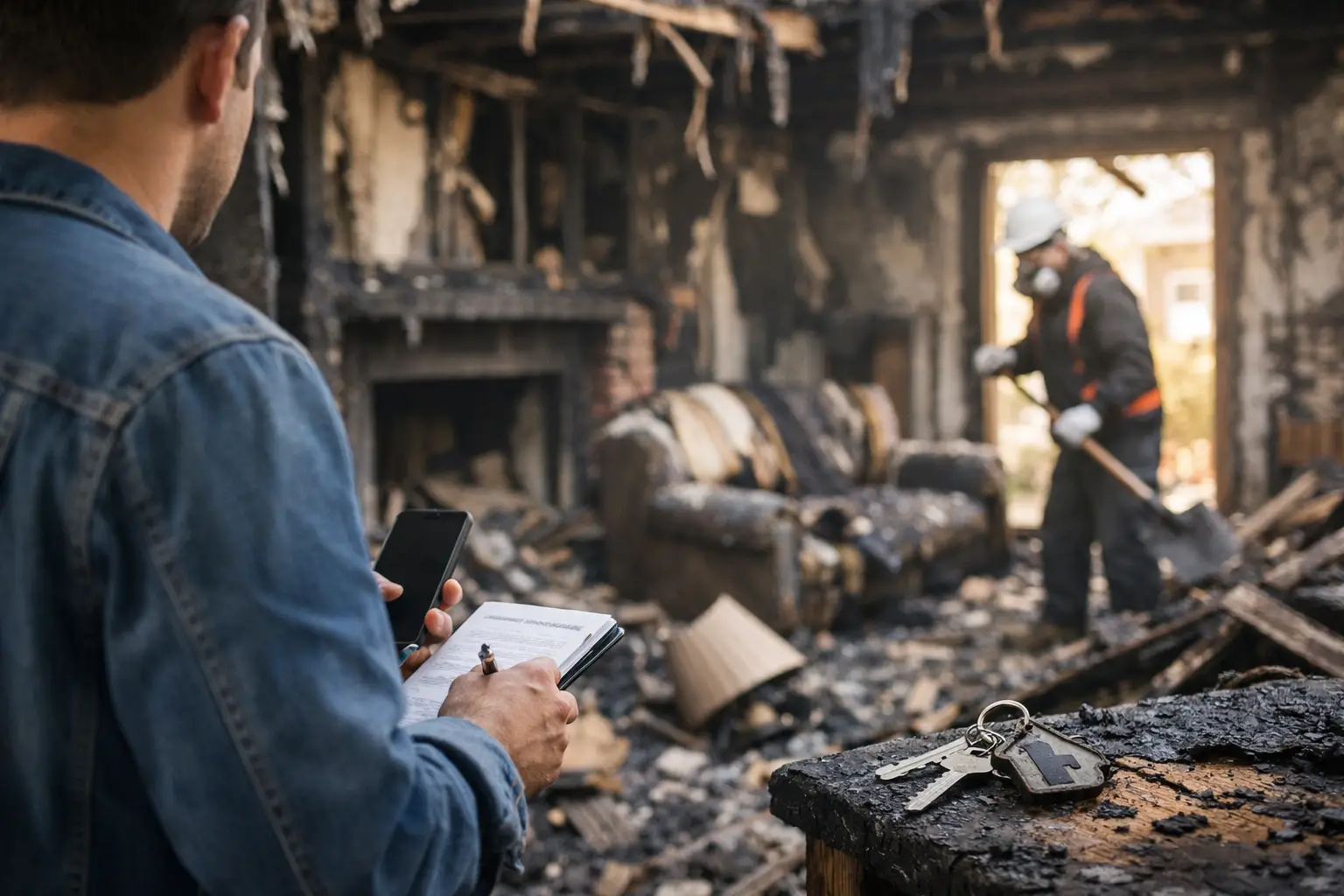 Fire & Smoke
Soot removal, odor deodorization, and content cleaning after fire and smoke damage.
Learn more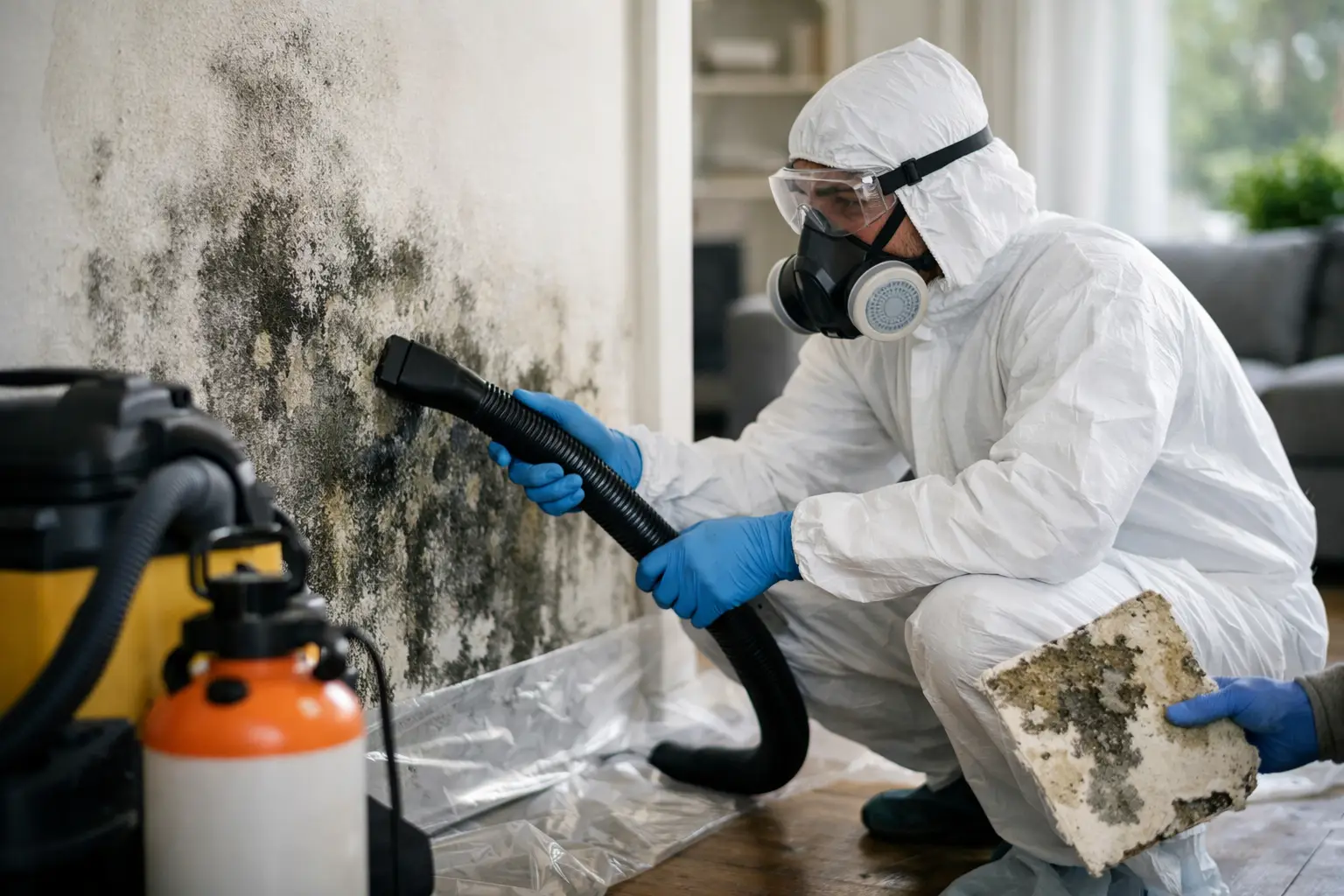 Mold
MoldContainment, removal, and moisture control that stops mold from coming back.
Learn more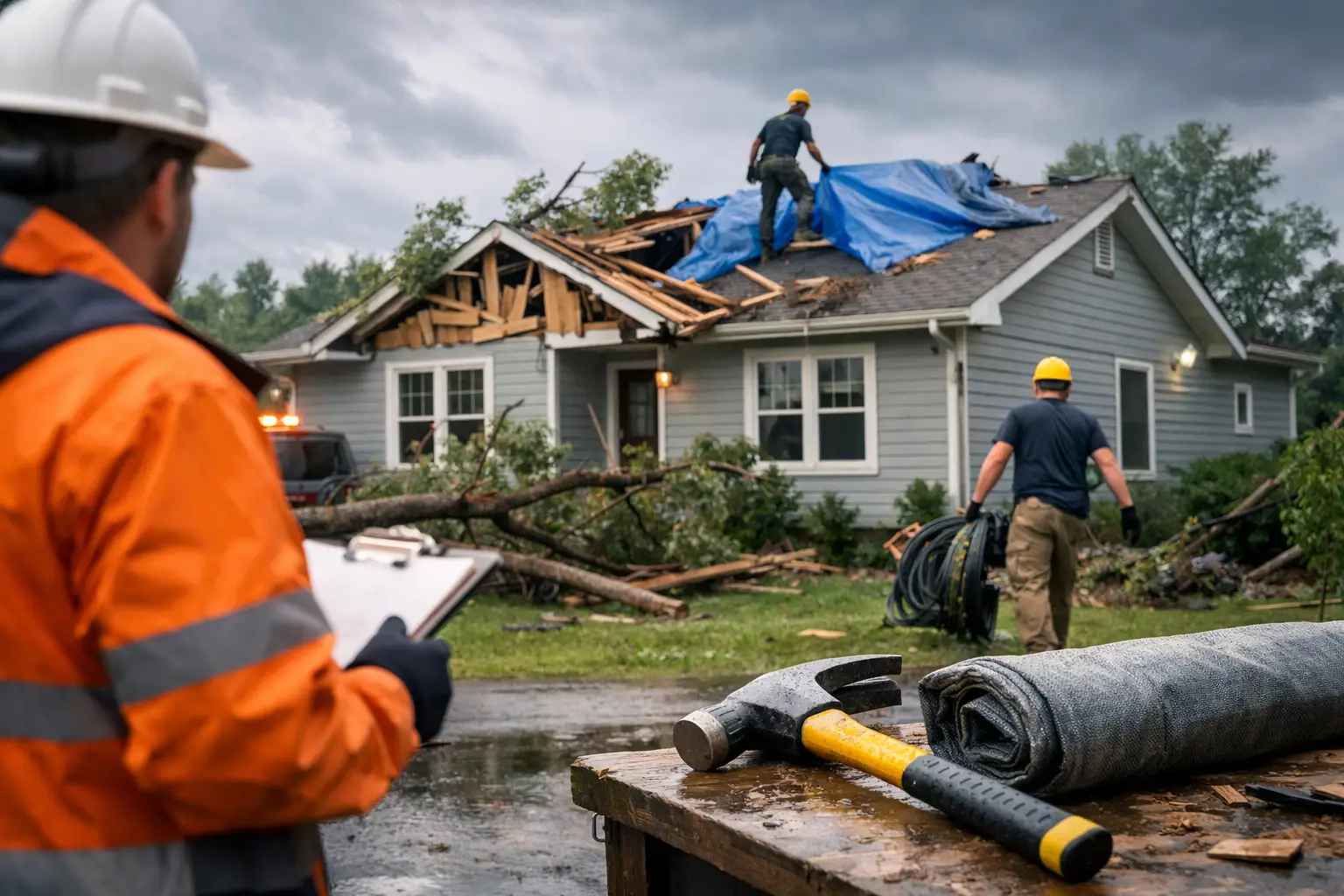 Storm
StormEmergency board-up, roof tarping, and full recovery after wind, hail, and storms.
Learn more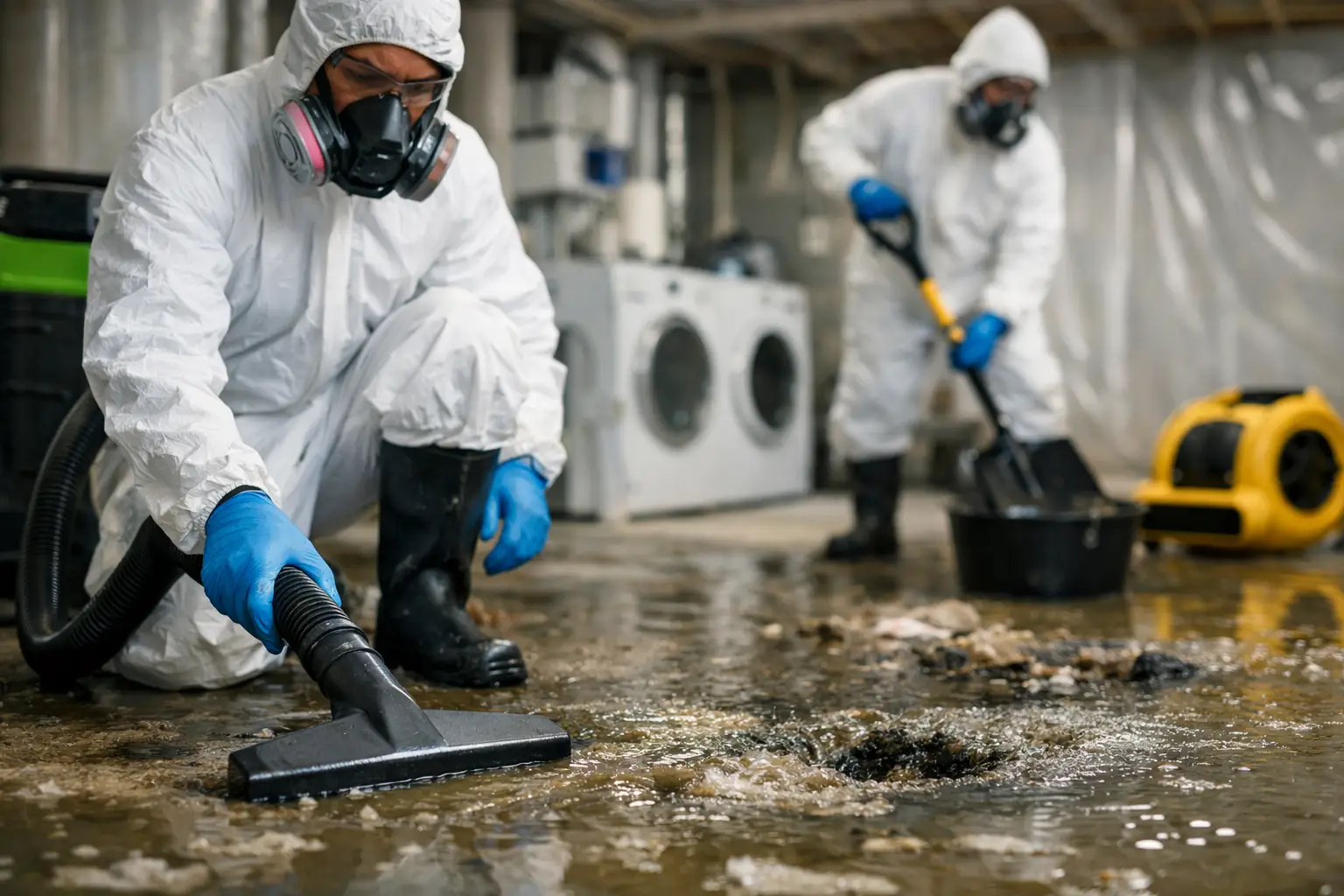 Sewage
Safe biohazard cleanup and sanitizing after sewage backups and overflows.
Learn more Reconstruction
Full rebuild by a licensed general contractor, so your property comes back whole.
Learn moreElevated Operations is an IICRC-certified, licensed general contractor based in Mableton that handles the entire recovery in-house, so after one loss you are never coordinating a cleanup crew, a mold crew, and a contractor separately. One team, one point of contact, from the first pump-out to the final coat of paint.
People call when the property feels like a disaster. They leave reviews because Chris and the crew made it right. These are real, verified Google reviews.
We respond 24/7 with a 60-minute emergency response. For a burst pipe in Decatur, speed matters because water can spread behind plaster, under heart-pine floors, and into adjacent rooms before the source is fully understood. I send IICRC-certified technicians and handle the situation as both an emergency and a restoration problem.
Shut off the water if it is safe, keep people away from wet electrical areas, and call right away. In older Decatur bungalows, water can run inside plaster walls and appear in rooms far from the failure. Fast emergency plumbing repair and water cleanup help prevent a larger loss.
Yes, but the pipe repair and the restoration are not always the same timeline. The plumbing side may be handled quickly, while the drying and material assessment take longer. Plaster walls, heart-pine floors, and hidden cavities need careful moisture checks so the repair does not leave trapped water behind.
Usually, yes. A dry-looking surface can hide wet framing, subflooring, or wall cavities. That is common in older Decatur homes with plaster and mixed-era materials. We check what the water touched, not just what you can see, because hidden moisture drives mold and structural deterioration.
I look at the cause, the age of the line, and whether the damaged section is isolated or part of a larger deterioration pattern. If the pipe failed because of corrosion or repeated stress, pipe replacement may be the better call. If it is a limited break, targeted pipe leak repair may be enough.
Older systems are more likely to show age-related failures, and cast-iron laterals can complicate drainage and moisture patterns around the home. That does not mean every issue is a lateral problem, but it does mean the plumbing history has to be considered during burst pipe repair and cleanup.
Yes. I offer direct insurance billing when it fits the claim, which helps homeowners stay organized after emergency plumbing repair and restoration work. We document the damage, the source, and the affected areas so the insurer gets a clear record of what happened and what was necessary.
We provide a 12-month warranty on our restoration work. That matters after a burst pipe because homeowners want the repair done correctly and the drying documented. My team is licensed, IICRC-certified, and focused on lasting results, not quick patch jobs that create another problem later.
Elevated Operations dispatches IICRC-certified crews across Metro Atlanta from our Mableton base, with a 60-minute emergency response day or night. Choose your city:
Call now for an immediate response, or request your free inspection and get a certified crew on-site within the hour across Atlanta and nearby areas.