24/7 Emergency Restoration · Serving Metro AtlantaEmergency? (770) 404-6895
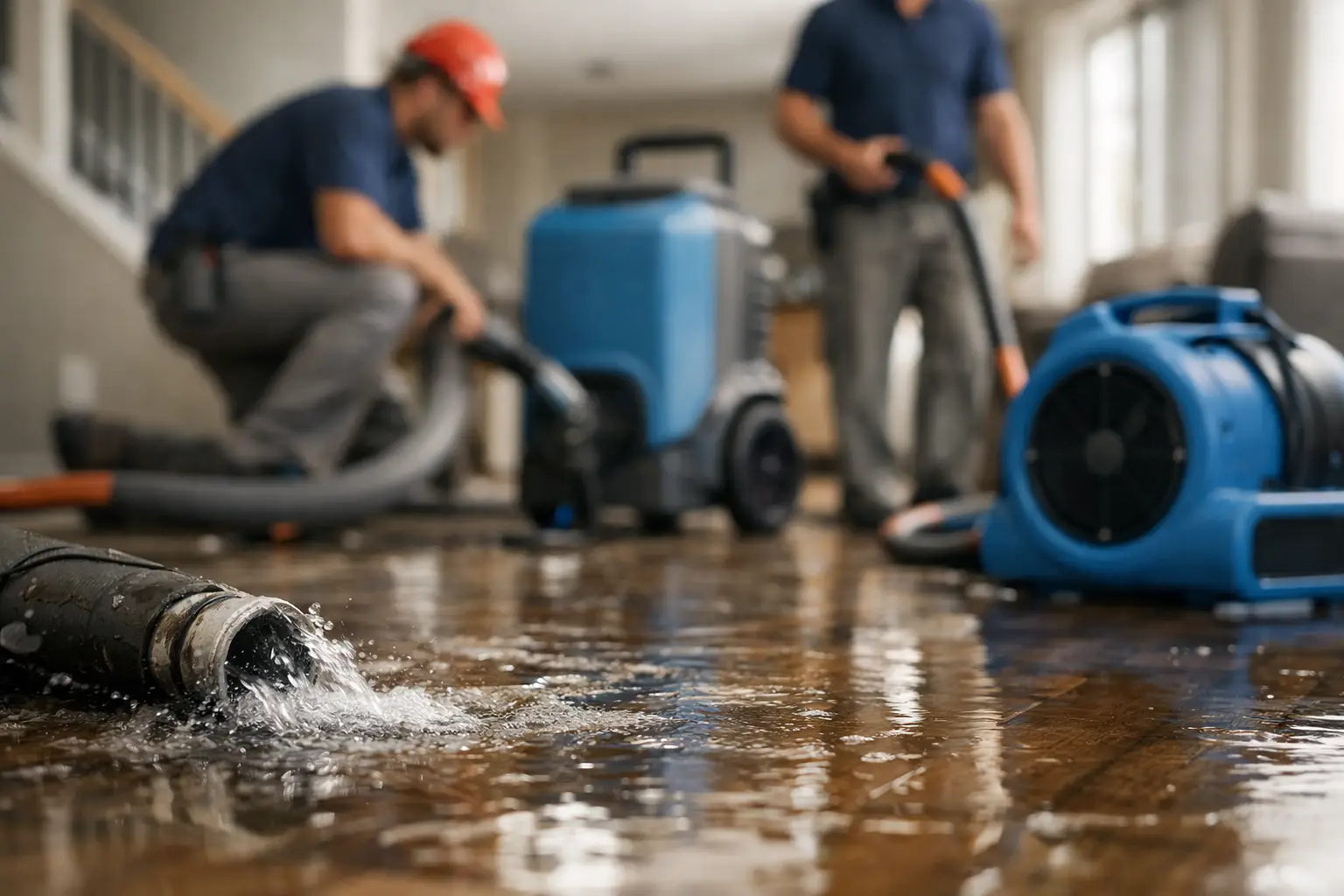
Fire and smoke restoration Forest Park needs a fast, practical comparison, not guesswork. I look at what can be restored, what should be replaced, and what needs immediate fire damage cleanup, because Forest Park properties near the airport, Fort Gillem, and older post-war neighborhoods all take smoke differently.
IICRC-Certified · 5-Star Rated · 60-Minute Response · Insurance Billed Directly
Restoration wins when the material is still sound and cleanable. Replacement wins when heat, soot, or water damage has gone too deep. I choose based on the building, not on habit.
Only for very minor, isolated residue on safe-to-clean surfaces. If smoke reached multiple rooms, ducts, or porous materials, a pro is the better call.
Then structural drying becomes part of the job fast. Water and smoke together can lead to mold if the property sits too long.
Yes, I do direct insurance billing and keep the paperwork moving. That helps Forest Park owners focus on the property, not the back-and-forth.
Fire and smoke restoration in Forest Park usually starts with securing the property, removing damaged debris, cleaning soot, and deciding what can be saved. IICRC-certified technicians handle fire damage cleanup, smoke damage cleanup, odor neutralization, and content restoration when items are worth keeping.
In Forest Park, I see a mix of post-war houses and commercial spaces tied to the airport and industrial corridor. That mix matters. A kitchen fire in an older block home off the established streets cleans differently than smoke tracked through a warehouse near Fort Gillem or a small office by the freight routes.
The first comparison is containment versus spread. Board up services are for open openings, broken glass, and exposed interiors. Debris removal clears the burned material that keeps odors and soot in place. If the structure is stable, the goal is to stop more damage without tearing out everything too fast.
I also separate surface soot from hidden contamination. Smoke can ride through ductwork, attic spaces, and wall cavities in a way that plain wiping misses. That is why odor neutralization, careful cleaning, and structural drying matter when water from suppression systems adds a second problem after the fire.
Restore when the material still has structure, value, or replacement difficulty. Replace when burning, warping, or contamination is too deep. In Forest Park, I compare both choices against the building type, because post-war framing, older finishes, and industrial interiors each fail in different ways after heat and smoke.
I take a hard line on this: not everything charred belongs in a dumpster, and not everything smoke-stained deserves a cleaning bill. Solid framing, masonry, some cabinets, and many contents can be saved if the fire stayed localized and the soot did not penetrate too far.
Replacement makes sense when heat has compromised strength or when odor keeps coming back after cleaning. That is common in porous materials, insulation, and heavily soaked drywall. In Forest Park, older homes near long-set neighborhoods may have finishes that are worth preserving, while some commercial interiors near the airport are faster to replace because downtime matters.
The real comparison is cost of certainty. Restoration preserves what still has life. Replacement removes the unknown. I inspect the damage, then choose the path that fits the building, the contents, and the actual contamination, not the hope that a surface wipe will fix everything.
Smoke damage cleanup starts with dry soot removal, then targeted cleaning, then odor neutralization. I do not treat smoke like dust. In Forest Park, smoke can cling to post-war plaster, HVAC parts, and industrial surfaces, so the cleaning method has to match the material and the residue.
Dry soot comes off differently than wet, oily smoke residue. One wrong wipe can smear it across a wall or into trim. I start with the residue type, then use the right cleaning sequence for ceilings, walls, fixtures, and contents, because a bad first pass can make a cleanable room harder to save.
Odor neutralization is not perfume. It is part of smoke damage cleanup, and it matters in homes where smoke found the attic or duct system. Forest Park’s mixed building stock means I often see smoke migrate through older cavities or around commercial utilities, especially in properties tied to industrial use or freight traffic.
When water was used to fight the fire, I pair cleaning with structural drying. Smoke and moisture together create a bigger repair plan. That is why I stay focused on what each room actually needs, not a one-size-fits-all approach that ignores the way smoke behaves in different materials.
Yes, many fire damaged contents can be restored if the heat, soot, and moisture did not destroy the material itself. Content restoration is often the smarter comparison against replacement for furniture, documents, hard goods, and business equipment that still have real value.
I look at contents item by item. Some pieces need deep cleaning, some need deodorizing, and some need to go. In Forest Park, that matters for families in older homes as well as for businesses near the airport and the industrial corridor that cannot afford to replace usable equipment without thinking it through.
Content restoration works best when items were exposed to smoke more than direct flame. Metal shelving, sealed goods, some wood furniture, and many non-porous items often respond well. If an item is structurally weak, melted, or soaked beyond reason, replacement is the cleaner answer.
Packing, sorting, and documenting contents also helps with direct insurance billing. I keep the process practical. Save what can be saved. Discard what cannot. That is the honest comparison, and it prevents people from throwing away value during a stressful cleanup.
Fire restoration should begin as soon as the property is safe to enter. The first hours matter because soot keeps working, odors set in, and water damage can turn into mold. In Forest Park, fast response protects post-war homes and industrial spaces from getting worse.
I respond in 60 minutes for emergencies, 24/7, because delay changes the job. A fire near Fort Gillem or along the airport side can leave soot in places you do not notice right away. A small delay lets residue settle deeper into surfaces and makes cleanup harder.
Water from firefighting is its own problem. If it sits, structural drying has to start quickly or the damage shifts from fire to moisture. That is especially true in older Forest Park homes where materials may already be more vulnerable than newer construction.
I also move quickly on board up services and debris removal when openings, broken glass, or unstable areas leave the property exposed. The choice is simple. Start now and control the damage, or wait and let smoke, water, and odor spread farther.
DIY is only reasonable for very light, isolated cleanup after the property is safe and the damage is clearly minor. For actual fire and smoke restoration in Forest Park, a pro is usually the better choice because soot, odors, and hidden moisture are easy to miss.
I do not say that to sell fear. I say it because fire residue is unforgiving. Homeowners can wipe a surface and still leave contamination in trim gaps, vents, or insulation. In older post-war homes, that hidden residue often shows up later as smell, staining, or respiratory irritation.
A pro is the right move when smoke reached multiple rooms, when water was used heavily, or when the property has a mix of materials that react differently. Forest Park buildings near industrial uses can have harder-to-clean surfaces, but they can also hide soot in mechanical spaces that DIY work misses entirely.
DIY can make sense for a quick wipe of a non-porous item after the job is already controlled. But if you are choosing between a Saturday project and a proper fire damage cleanup, I would choose the process that preserves the structure, documents the loss, and prevents a second round of repairs.
| Typical Trigger | Water Damage Restoration | Mold Remediation |
|---|---|---|
| Smoke odor in a post-war ranch near Main Street | Restore with soot removal and odor neutralization if the framing stayed dry enough to save | Replace if suppression water sat in walls or crawl spaces long enough for mold to start |
| Soot on metal fixtures in a shop near Fort Gillem | Restore after fire damage cleanup if the surfaces are cleanable and no hidden moisture spread | Replace drywall, insulation, or porous stock if water from firefighting soaked the area |
| Cabinetry and contents after a kitchen fire in Forest Park | Restore some contents with content restoration when heat and smoke were limited | Replace soft goods and porous materials if wet materials were left too long and odor returned |
From emergency mitigation to full reconstruction, handled in-house so you are never managing a chain of subcontractors mid-crisis.
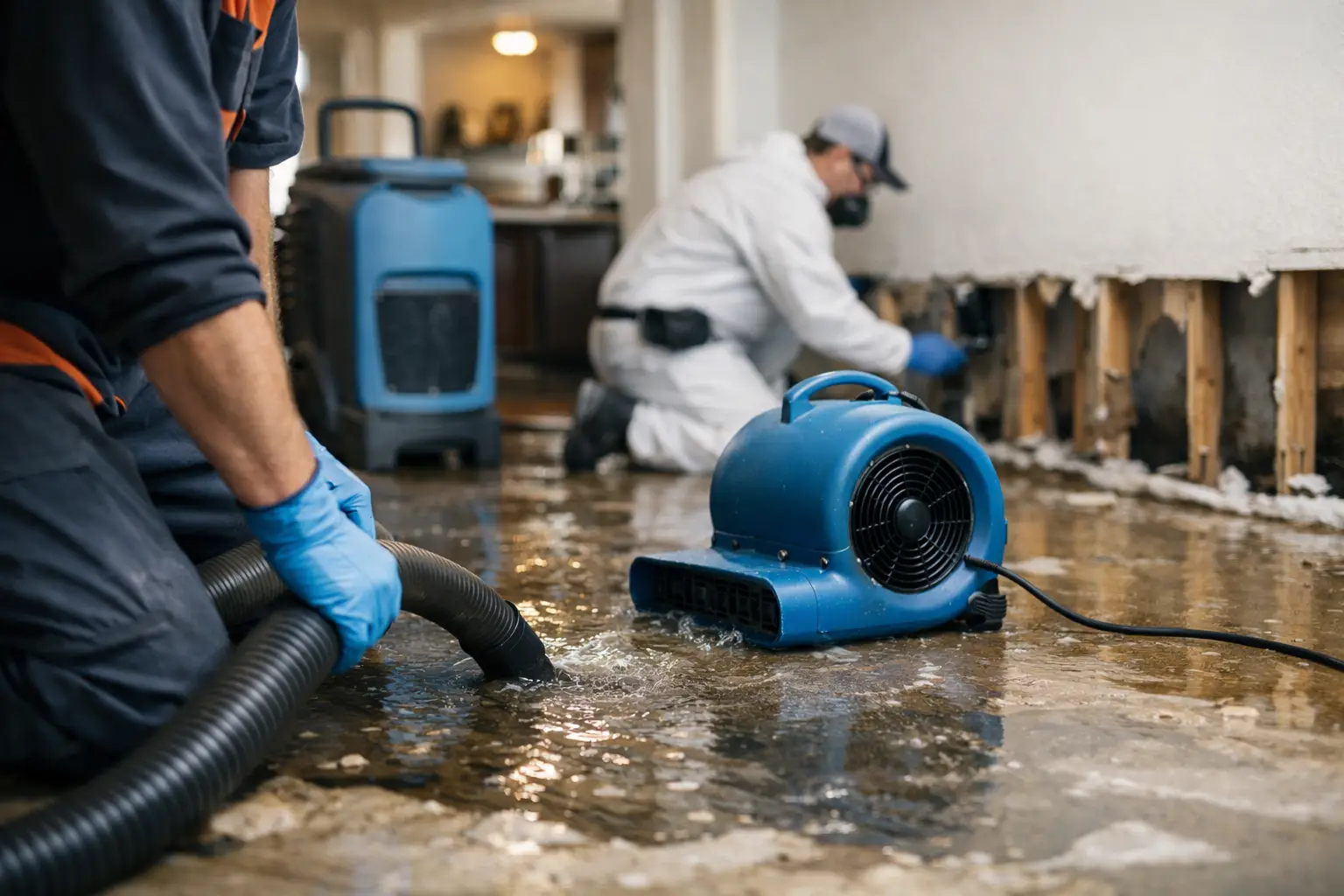 Water Damage
Extraction, structural drying, and moisture mapping after floods, leaks, and burst pipes.
Get help now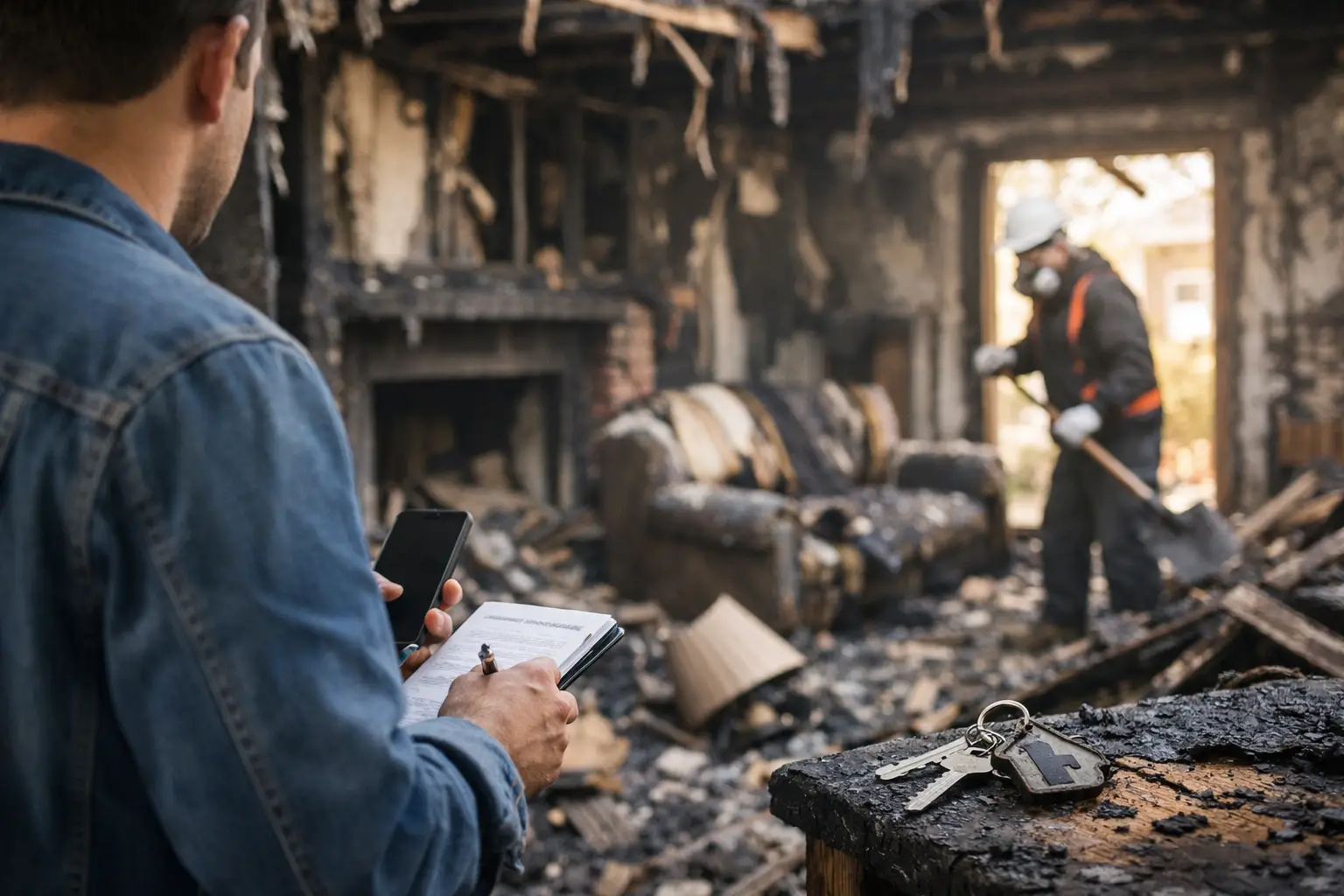 Fire & Smoke
Soot removal, odor deodorization, and content cleaning after fire and smoke damage.
Learn more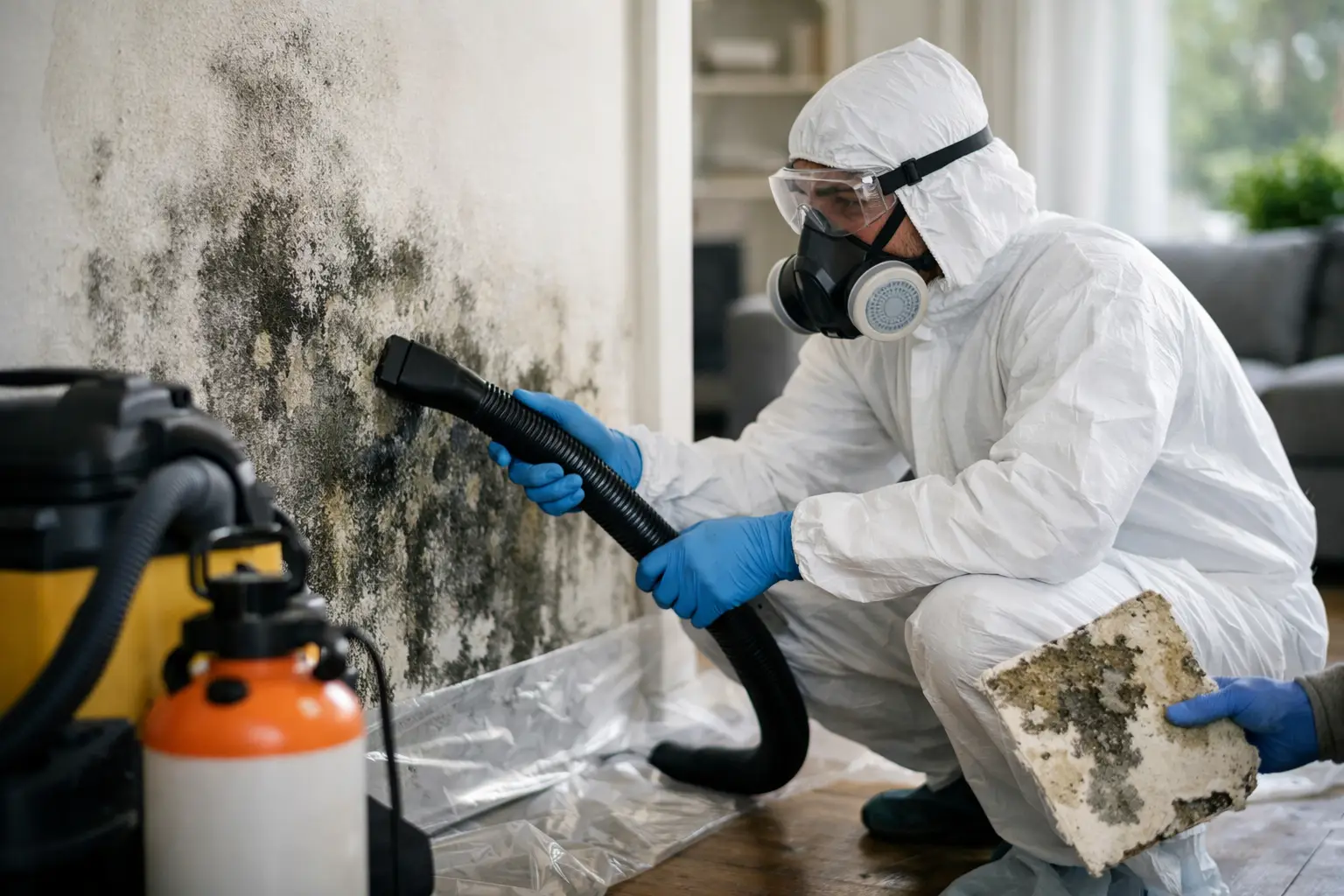 Mold
MoldContainment, removal, and moisture control that stops mold from coming back.
Learn more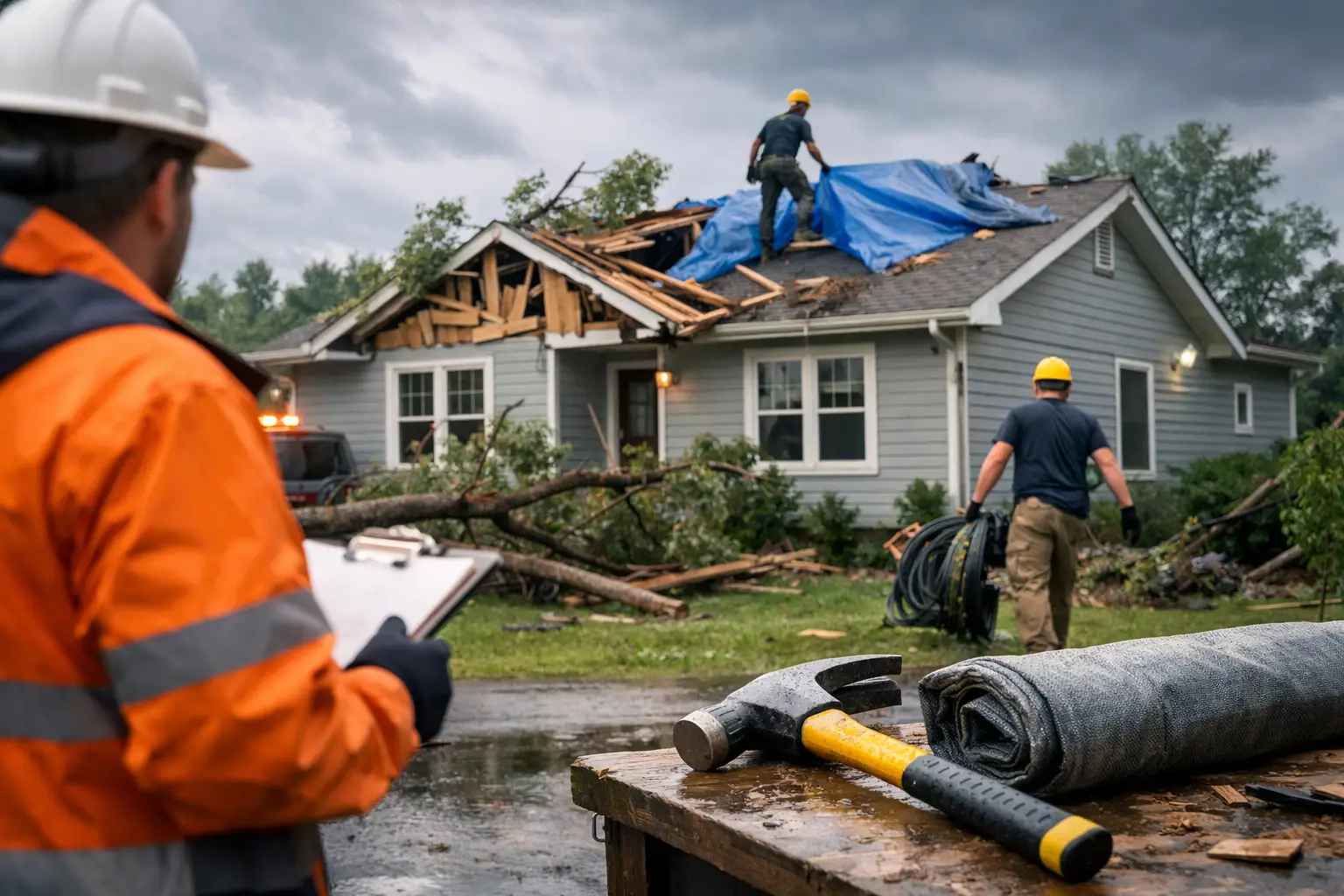 Storm
StormEmergency board-up, roof tarping, and full recovery after wind, hail, and storms.
Learn more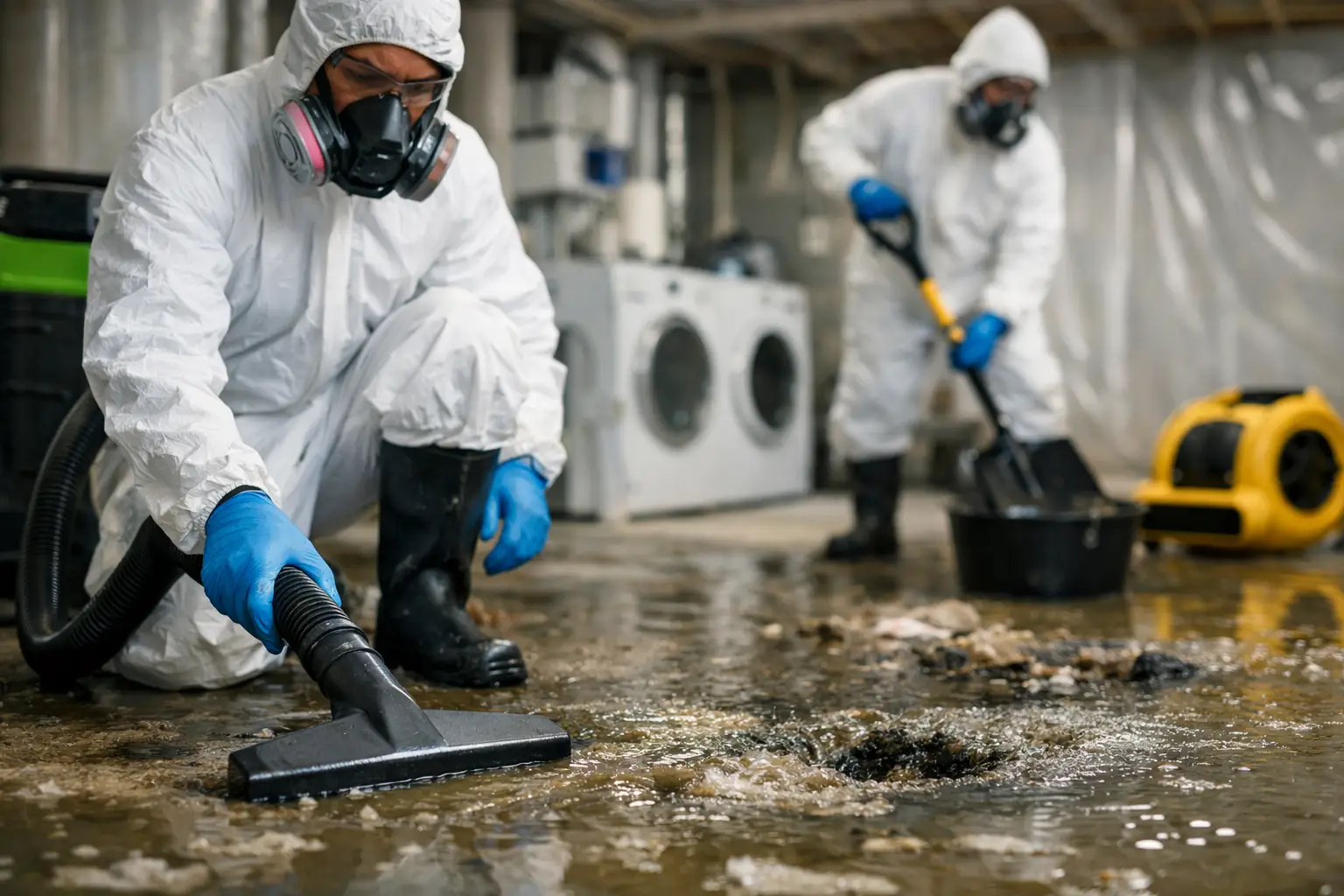 Sewage
Safe biohazard cleanup and sanitizing after sewage backups and overflows.
Learn more Reconstruction
Full rebuild by a licensed general contractor, so your property comes back whole.
Learn moreElevated Operations is an IICRC-certified, licensed general contractor based in Mableton that handles the entire recovery in-house, so after one loss you are never coordinating a cleanup crew, a mold crew, and a contractor separately. One team, one point of contact, from the first pump-out to the final coat of paint.
People call when the property feels like a disaster. They leave reviews because Chris and the crew made it right. These are real, verified Google reviews.
Board up services are for security and weather protection first. In Forest Park, that usually means covering broken openings, reducing trespass risk, and keeping wind, rain, and debris out while fire and smoke restoration starts. It is a temporary control step, not the final repair. I use it when the structure is exposed and needs immediate stabilization.
Airport-adjacent properties often deal with a mix of commercial interiors, faster traffic exposure, and more mechanical systems. That changes cleanup priorities. Smoke can travel through ducts and service areas quickly, so the comparison is often restoration of the structure versus replacement of damaged finishes, equipment, or porous materials that held odor.
Post-war homes often have older framing, plaster, crawl spaces, and finishes that do not behave like newer construction. That matters after a fire because soot can settle in small cavities and water can spread under floors. I adjust cleanup based on the building, not on a generic checklist.
Yes, sometimes. Multi-room smoke exposure does not automatically mean replacement, but it does make sorting more important. I look at each item for material, residue, and odor retention. Content restoration usually makes the most sense for items that are non-porous, valuable, or difficult to replace, while heavily affected porous goods are usually better replaced.
Smoke damage cleanup removes the residue you can see and the contamination you can measure. Odor neutralization addresses what remains in porous surfaces, cavities, and contents after cleaning. In Forest Park, that difference matters in older homes and industrial buildings because smoke can linger long after the visible soot is gone.
I compare how deep the water went, how long it sat, and what the material is made of. Structural drying can save some parts of a building, but if moisture reached insulation, drywall, or warped finishes, replacement may be the cleaner answer. The right call depends on the material, not on wishful thinking.
Call right away. Smoke can hide in cavities, HVAC parts, and soft materials even when the room looks mostly fine. In Forest Park, that is especially risky in older homes and mixed-use buildings. Early fire restoration lets me check for soot, odor, and moisture before they spread into a bigger repair.
I bring IICRC-certified technicians, direct insurance billing, a 12-month warranty, and deductible assistance up to $1,000 when eligible. We have been in restoration since 2007, and I am a licensed general contractor. Forest Park owners get a straight answer on restoration versus replacement, not a vague sales pitch.
Elevated Operations dispatches IICRC-certified crews across Metro Atlanta from our Mableton base, with a 60-minute emergency response day or night. Choose your city:
Call now for an immediate response, or request your free inspection and get a certified crew on-site within the hour across Atlanta and nearby areas.




