24/7 Emergency Restoration · Serving Metro AtlantaEmergency? (770) 404-6895
Reconstruction Kennesaw means putting a damaged property back together after the cleanup is done, and I handle it as a licensed general contractor with IICRC-certified technicians. In Kennesaw, that often means KSU rentals, older homes near Kennesaw Mountain, and insurance work that needs clean documentation, direct billing, and steady follow-through.
IICRC-Certified · 5-Star Rated · 60-Minute Response · Insurance Billed Directly
Yes. Once the property is dried and damaged materials are removed, I rebuild the affected areas with the correct structure and finishes.
Structural repair means the load-bearing or support components were affected and need correction before cosmetic work begins.
Usually yes. Rental timing, tenant access, and landlord documentation make the schedule and scope more coordinated than a simple home repair.
I do, through Elevated Operations, LLLP, as a licensed general contractor with IICRC-certified technicians and direct insurance billing.
Reconstruction is the rebuilding phase after mitigation, when damaged building parts are repaired or replaced so a property can function again. In Kennesaw, that can include drywall repair, flooring repair, framing repair, structural repair, and finishing work after water, fire, or storm damage.
I treat reconstruction as the point where a property stops being a cleanup site and starts becoming usable again. That matters in Kennesaw because homes near Kennesaw Mountain and rental units around KSU often have different construction ages, materials, and landlord timelines.
Some jobs are minor damage repair, like replacing wet baseboards and small sections of drywall. Others become full property reconstruction when the structure is affected, the finish materials are compromised, or the layout has to be rebuilt to match what the damage destroyed.
The key is knowing what can stay and what has to go. IICRC-certified assessment helps separate surface damage from hidden loss, and that difference drives the scope, insurance documentation, and the sequence of repairs.
Reconstruction is needed when the damage is beyond cleaning and drying, or when building materials are too compromised to restore safely. In Kennesaw, that often happens after leaks, roof failures, appliance failures, smoke exposure, or storm damage that reaches framing, finishes, or structure.
If water has soaked drywall, insulation, or subflooring, drying alone is not enough. If a fire leaves smoke, charring, or damaged framing, the property needs rebuilding, not just cleaning. That is why reconstruction follows mitigation, not the other way around.
KSU rentals can move fast on paper, but the building still has to be made safe and functional before a tenant returns. Landlords need a contractor who can document the loss, coordinate with insurance, and keep the property moving toward occupancy without cutting corners.
Near Kennesaw Mountain, older homes can reveal hidden issues once walls open up. What looked like a simple stain can turn into structural repair, hidden mold removal coordination, or a larger scope that includes flooring and trim throughout affected rooms.
Yes, reconstruction usually follows water or fire damage cleanup once the property is stabilized and the damaged materials have been removed. Cleanup handles moisture, soot, and debris; reconstruction puts the building back together with the right materials and code-aware workmanship.
After water damage, the first job is drying and demolition of unsalvageable materials. Reconstruction starts when the area is ready for rebuild work, which may include drywall repair, flooring repair, cabinetry repairs, and paint so the space matches the rest of the property.
After fire damage, cleanup addresses soot, odor, and removal of burned materials. Reconstruction then addresses what the fire touched physically, often including framing repair, drywall replacement, insulation, trim, and finish work that makes the property usable again.
I see a lot of confusion when people think cleanup and reconstruction are the same thing. They are not. One stabilizes the loss. The other restores the building. When both are handled in order, the project stays cleaner, faster, and easier to document for insurance.
Kennesaw sees reconstruction projects because local properties face roof leaks, plumbing failures, storm damage, and fire loss like any metro Atlanta city, plus landlord-tenant turnover around KSU and older housing near Kennesaw Mountain that can reveal hidden wear once damage starts.
A property near a college behaves differently from a long-term family home. KSU rentals often have frequent occupancy changes, accelerated wear, and urgent repair schedules, which makes damage repair and property reconstruction more time-sensitive than in owner-occupied settings.
Older homes around Kennesaw Mountain can have materials and assemblies that respond differently once water gets in. If the roof fails, or a crawlspace leak spreads, the damage can reach flooring, wall cavities, and structural components before anyone sees it.
That is why I do not look at reconstruction as cosmetic work. It is a building science problem first, then a finish carpentry problem. Good reconstruction respects both, and that is how a house or rental comes back correctly.
The reconstruction process starts with scope, documentation, and insurance coordination, then moves into structural and finish repairs. In Kennesaw, that can include framing repair, drywall repair, flooring repair, trim replacement, and final building closeout after the damaged areas are cleared.
I start by identifying what was removed during mitigation and what still needs to be rebuilt. That means matching materials where possible, confirming what is structurally sound, and deciding whether a section needs simple replacement or full structural repair.
Insurance matters here. I offer direct insurance billing, and I am used to working through the paperwork so the rebuild is documented properly. That helps landlords, homeowners, and property managers in Kennesaw keep the project organized instead of guessing at the next step.
A good reconstruction sequence matters. If you install finish materials before framing is right, the job becomes harder to live with and harder to maintain. I prefer the practical route: fix the structure, then the walls, then the floors, then the details.
You need repair when the damage is localized and the building stays sound. You need full property reconstruction when the loss affects multiple building layers, repeats across rooms, or compromises structure, finishes, or layout enough that patching would leave the property incomplete.
The line between repair and reconstruction is not about how bad the photo looks. It is about whether the building system underneath is still intact. A small roof leak can lead to a lot of drywall repair, but if the framing is damaged, the scope grows fast.
In Kennesaw rentals, landlords often want the fastest path back to occupancy. I get that. But speed only helps if the work is done in the right order and the damaged assemblies are truly restored, not just covered over.
When I inspect a loss, I look for repeated moisture, warped flooring, soft wall sections, smoke residue, and movement in damaged framing. Those signs tell me whether the project needs simple damage repair or broader reconstruction.
Cleanup stabilizes the loss. Reconstruction rebuilds the damaged parts of the property. If you skip the first step, the second one fails. If you rush the second step, the repair does not last.
Water and fire both travel farther than the visible stain or burn mark. I look behind drywall, under flooring, and into framing because that is where the real scope usually lives.
Direct insurance billing and clear documentation help keep reconstruction organized. A good file makes it easier to justify the rebuild, especially when the loss crosses multiple rooms or building systems.
KSU rentals often need landlord and tenant coordination. The project has to be documented, scheduled, and finished with the next occupant in mind, not just the current damage.
I back reconstruction with a 12-month warranty, because good work should hold up after the last crew leaves. If it cannot, the job was not finished correctly.
From emergency mitigation to full reconstruction, handled in-house so you are never managing a chain of subcontractors mid-crisis.
 Water Damage
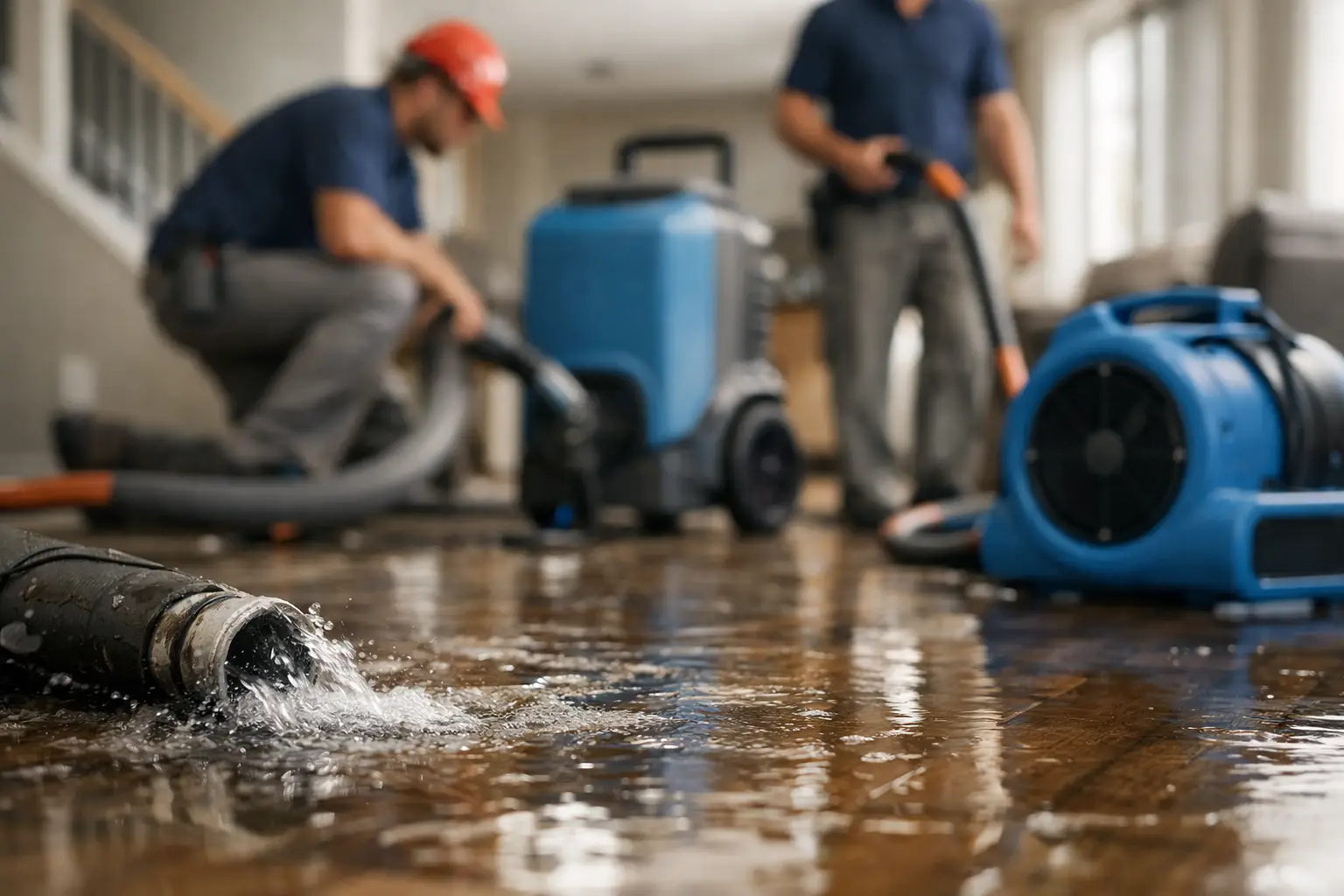
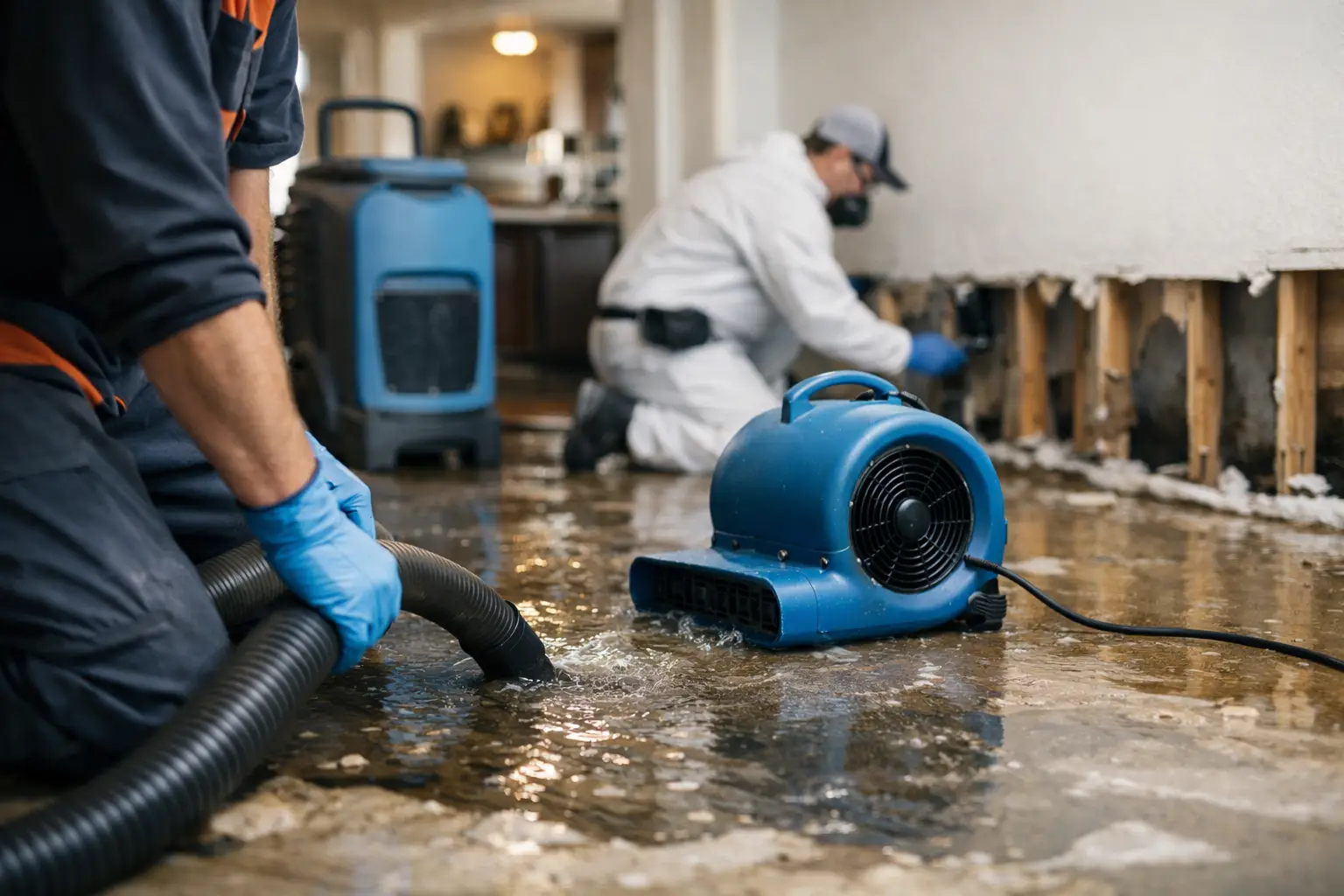
Extraction, structural drying, and moisture mapping after floods, leaks, and burst pipes.
Get help now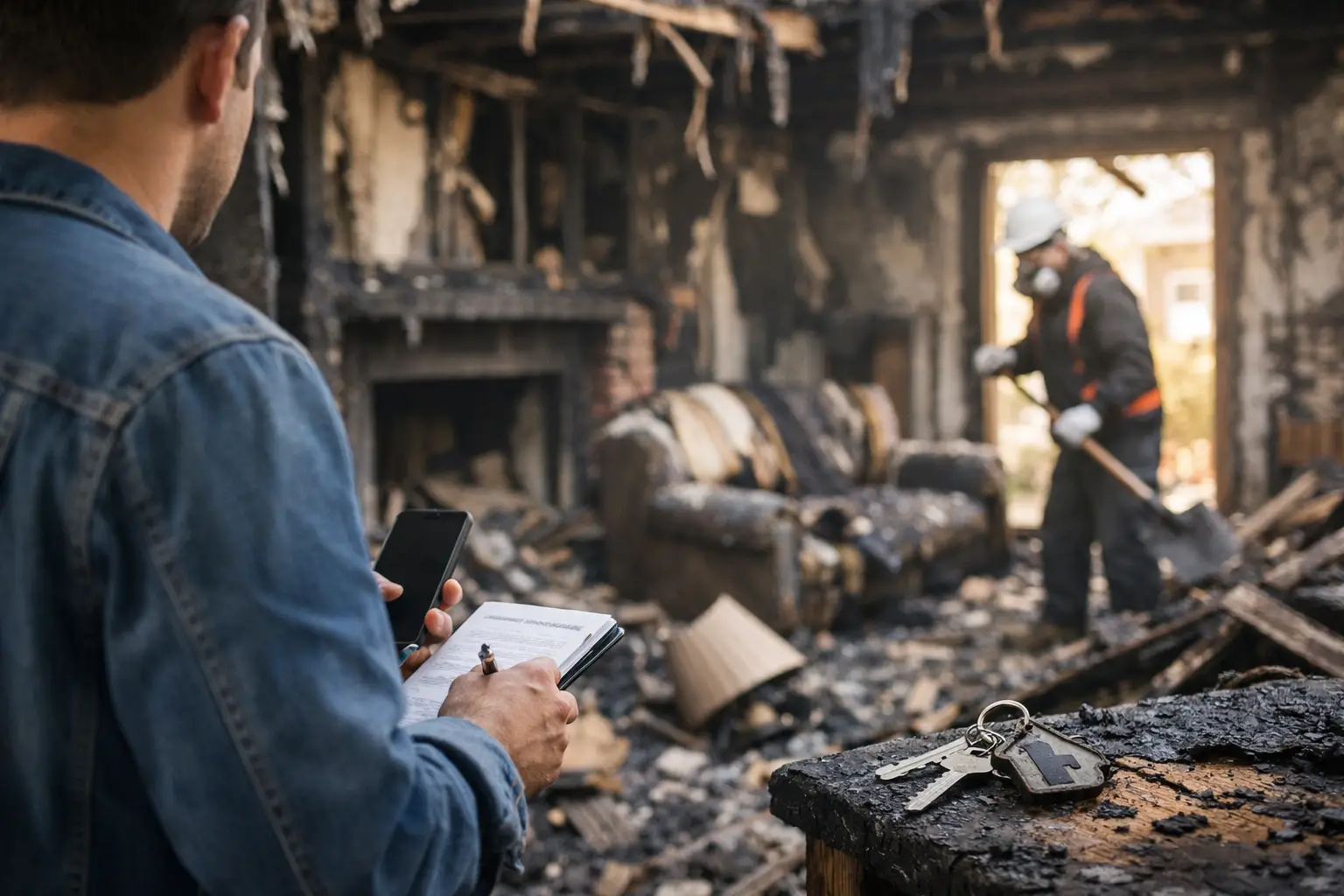 Fire & Smoke
Soot removal, odor deodorization, and content cleaning after fire and smoke damage.
Learn more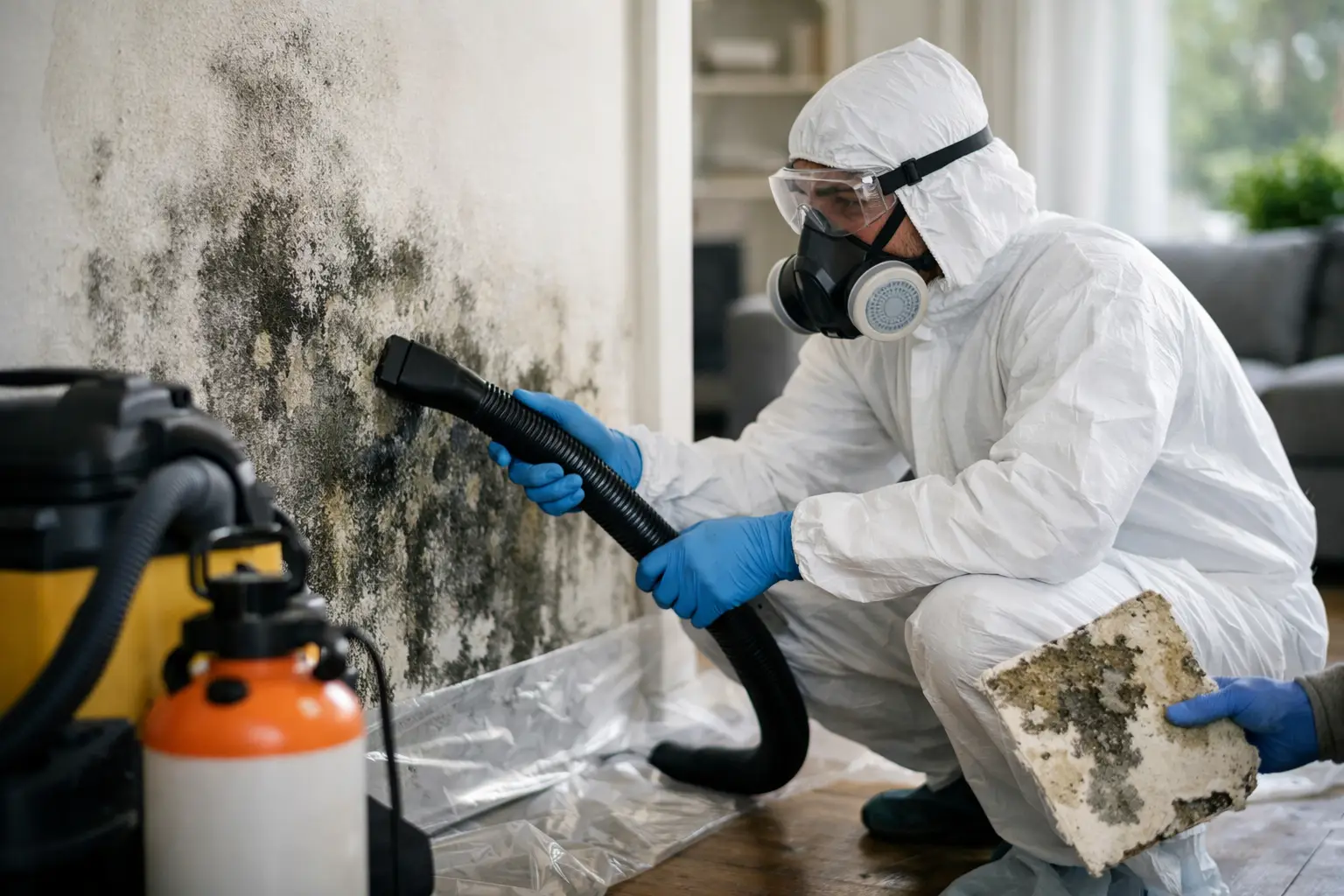 Mold
MoldContainment, removal, and moisture control that stops mold from coming back.
Learn more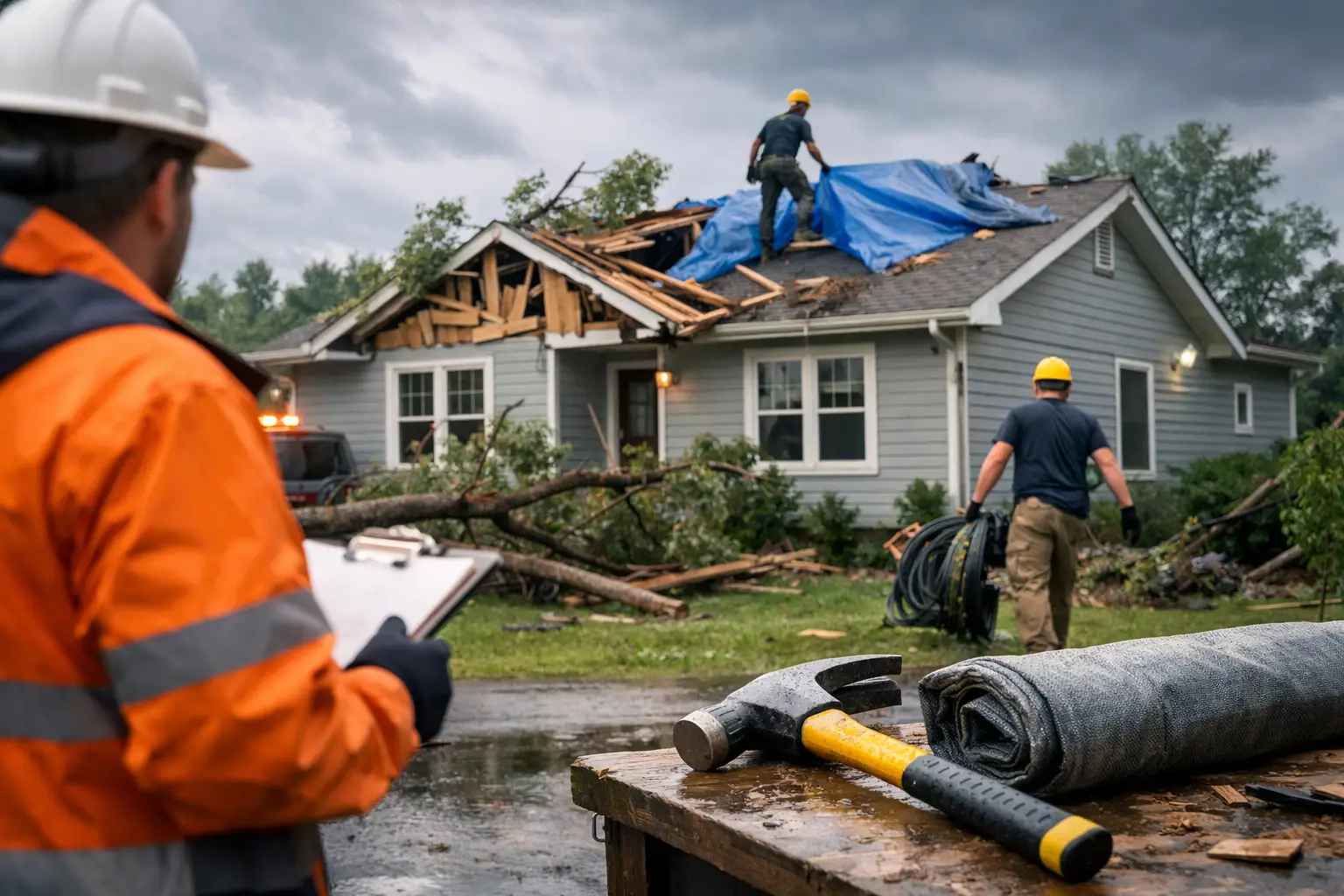 Storm
StormEmergency board-up, roof tarping, and full recovery after wind, hail, and storms.
Learn more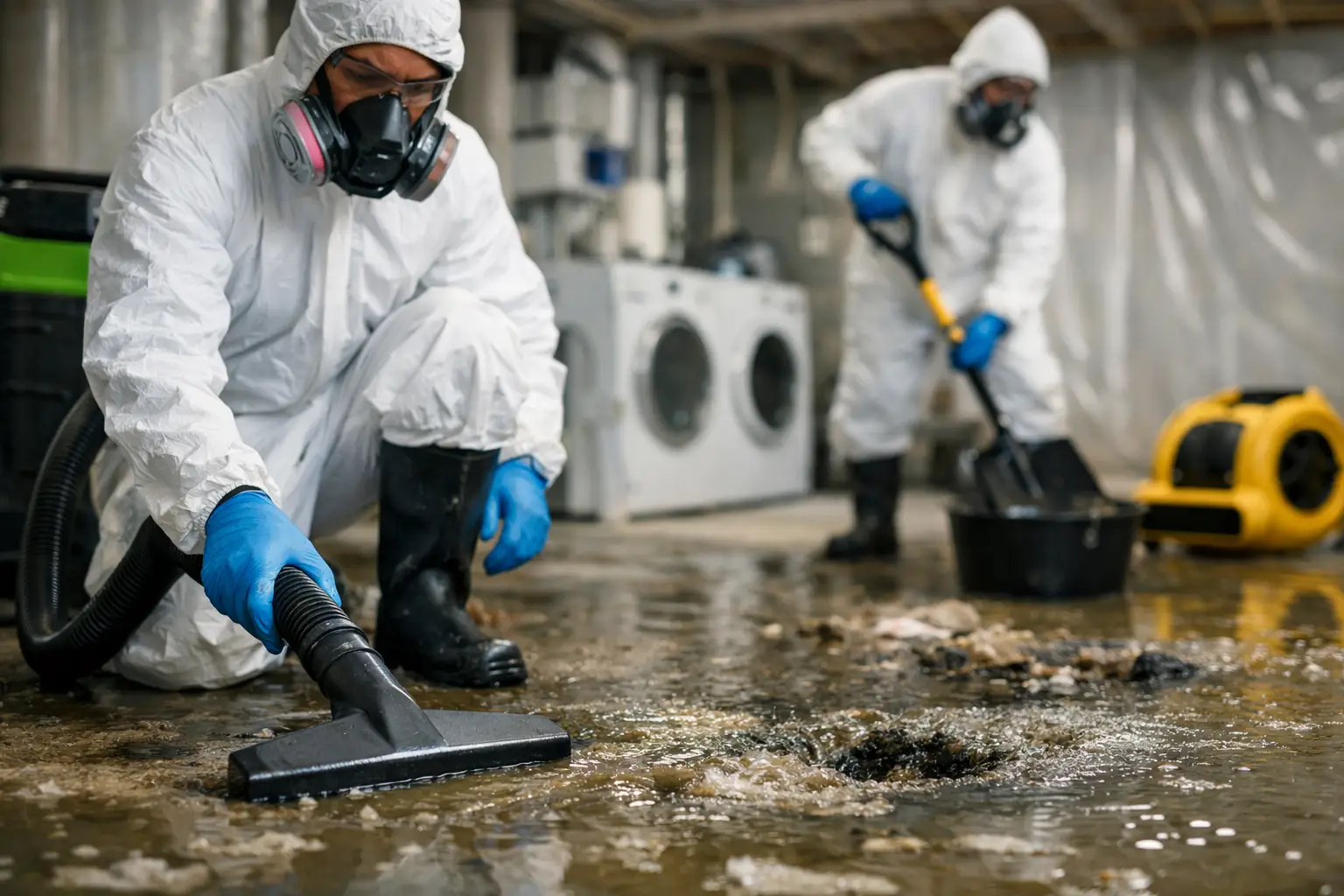 Sewage
Safe biohazard cleanup and sanitizing after sewage backups and overflows.
Learn more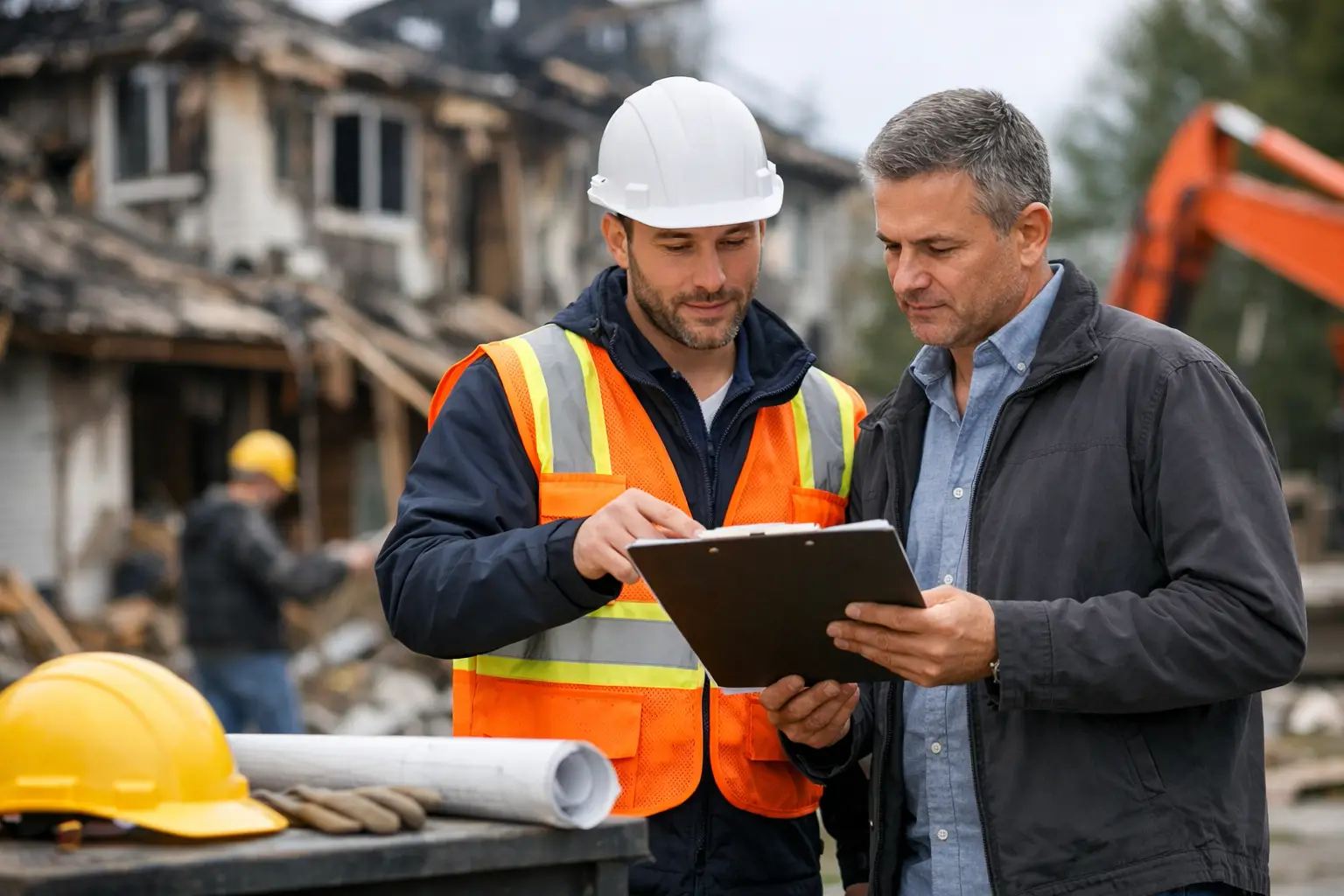 Reconstruction
Full rebuild by a licensed general contractor, so your property comes back whole.
Learn moreElevated Operations is an IICRC-certified, licensed general contractor based in Mableton that handles the entire recovery in-house, so after one loss you are never coordinating a cleanup crew, a mold crew, and a contractor separately. One team, one point of contact, from the first pump-out to the final coat of paint.
People call when the property feels like a disaster. They leave reviews because Chris and the crew made it right. These are real, verified Google reviews.
For a KSU-area rental, reconstruction has to balance building quality with turnover speed and landlord documentation. I coordinate the rebuild after mitigation, keep the scope clear, and handle direct insurance billing when applicable. That helps the owner, tenant, and adjuster stay on the same page while the property moves back toward occupancy.
Around Kennesaw Mountain, I most often see reconstruction triggered by roof leaks, plumbing leaks, storm damage, and fire-related losses. Older homes can hide water intrusion longer, so what starts as a stain can become drywall, flooring, or framing repair once the damaged areas are opened up and inspected.
Yes. Reconstruction often includes both. If the loss damaged framing, that has to be corrected first. Then the finish work follows, such as drywall repair, flooring repair, trim, paint, and other damage repair items that make the space complete again and safe for normal use.
After fire damage cleanup, I check what remains sound, what has to come out, and what needs to be replaced before finish work can start. That may include framing repair, drywall replacement, insulation, and odor-related follow-up. The rebuild only works when the fire impact is fully addressed first.
If the damage is small and the wall system is still stable, drywall repair may be enough. If moisture, smoke, or structural movement has affected multiple layers, the job becomes reconstruction. I look at the framing, the subfloor, and the surrounding materials before I decide what the building actually needs.
Coverage depends on the policy and the cause of loss, but reconstruction is commonly part of a documented claim when the damage is covered. I offer direct insurance billing and deductible assistance up to $1,000, which helps many owners manage the process without losing track of the rebuild.
Call as soon as you know the damage is real, because hidden moisture and smoke problems can grow behind the scenes. I offer 24/7 emergency response with a 60-minute emergency response, and the earlier I see the loss, the better I can help plan the reconstruction correctly.
A useful contractor knows how to document the loss, communicate clearly, and keep the rebuild aligned with occupancy needs. That matters in rental properties near KSU, where delays affect owners and tenants alike. I work from the insurance paperwork through the final warranty-backed closeout.
Elevated Operations dispatches IICRC-certified crews across Metro Atlanta from our Mableton base, with a 60-minute emergency response day or night. Choose your city:
Call now for an immediate response, or request your free inspection and get a certified crew on-site within the hour across Atlanta and nearby areas.