24/7 Emergency Restoration · Serving Metro AtlantaEmergency? (770) 404-6895
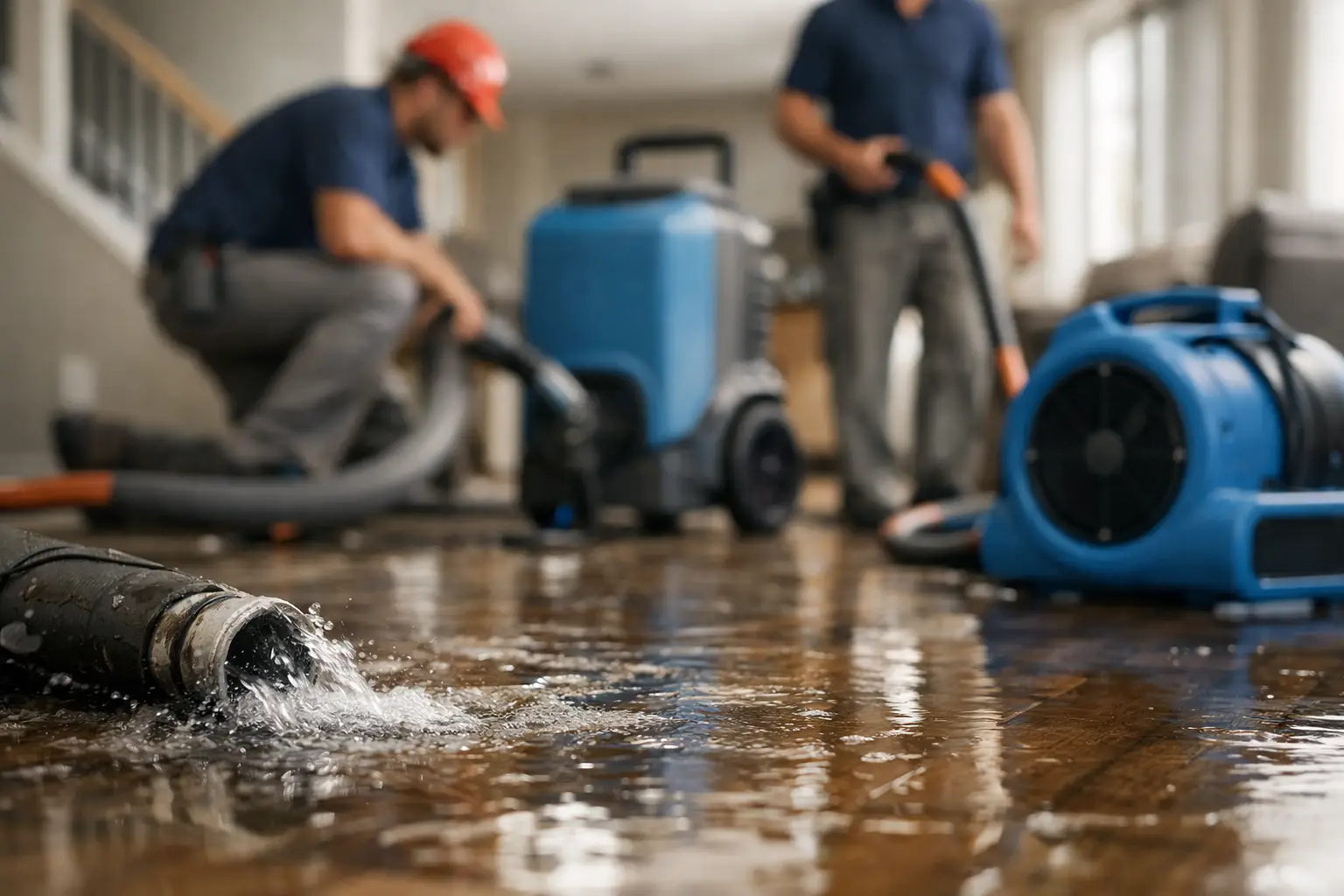
Storm damage restoration Atlanta homeowners need starts with fast stabilization, then a clean repair plan that fits the house in front of me. I’m Chris Kwangwari, owner of Elevated Operations, and I handle roof tarping, water removal, structural repair, and insurance coordination for intown bungalows, creek basements, and older Atlanta homes.
IICRC-Certified · 5-Star Rated · 60-Minute Response · Insurance Billed Directly
Yes. Older bungalows often need tighter moisture checks, careful roof protection, and repair work that respects original framing and finishes.
Stop more water. That usually means roof tarping, then inspection, then drying and repair planning.
Yes. I provide direct insurance billing so the claim process stays connected to the actual restoration work.
I’m Chris Kwangwari, owner of Elevated Operations, LLLP, and I bring restoration experience, contractor licensing, and fast emergency response to Atlanta storm losses.
Storm damage restoration in Atlanta usually starts with stopping more damage, then moves into cleanup, drying, and repairs. I handle debris removal, roof tarping, temporary boarding, and direct insurance billing, then assess what water, wind, or hail did to the structure and finishes.
In Atlanta, storm damage is rarely one thing. A hard cell can tear shingles, push rain into attic spaces, and leave muddy water in a basement the same afternoon. I look at the whole building, not just the obvious leak or broken branch.
Intown bungalows need careful attention because they often have older framing, porch details, and tight attic spaces. Creek basements need a different approach, because water can enter low and spread fast before anyone notices a stain on the wall.
IICRC-certified technicians handle the drying and cleanup, and I stay focused on the repair side as a licensed general contractor. That matters when storm damage crosses from water intrusion into structural repair, because a patch is not enough if framing or sheathing is compromised.
I fix storm damage to a house by stabilizing the shell, documenting the loss, drying wet materials, and repairing what failed. That can mean wind damage repair, hail damage repair, roof tarping, and structural repair, depending on what the storm actually touched.
The first move is control, not demolition. If shingles are gone or a tree limb punctured the roof, I want the opening covered before more rain reaches insulation, ceilings, and walls. If water already entered, I assess what can be dried and what has to come out.
Atlanta homes are built in different eras, and that changes the fix. Older intown bungalows may need targeted structural repair where framing has softened, while homes near creeks can need fast moisture work in crawlspaces or basements before mold starts in 24 to 48 hours.
I also coordinate with the insurance side through direct insurance billing. That keeps the paperwork aligned with the actual repair scope. My goal is simple, make the house safe, dry, and structurally sound, then finish the restoration work the right way.
Yes, roof tarping should happen right after storm damage when the roof is open to rain. In Atlanta, waiting even one more storm can turn a small roof issue into water intrusion, ceiling damage, and a much bigger restoration project.
I put roof tarping high on the list because Atlanta storms can roll through hard and fast. If a branch, hail, or wind lifts part of the roof, the house needs temporary protection before the next band of rain moves in from another direction.
A tarp is not the repair. It is the shield. It buys time while I inspect for deck damage, damaged flashing, and hidden leaks that show up later in attic insulation or wall cavities. That is especially important on older Atlanta roofs with more weak points.
If the damage also affects doors, windows, or a garage opening, temporary boarding may be needed too. I use what the property actually needs, not a one-size response, because a covered opening is often the difference between controlled damage and a soaked interior.
Yes, storm damage can lead to water intrusion very quickly, especially in Atlanta homes with older roofs, basement walls, or low-lying drainage areas. Once water gets in, the clock starts on drywall, insulation, wood framing, and hidden microbial growth.
Atlanta has a lot of homes where the storm path matters just as much as the roof condition. Intown bungalows often have aging roofing layers, and homes near creeks can take water through basement walls or around foundation openings when heavy rain backs up drainage.
Water intrusion does not always show up as a dramatic ceiling stain. I often find it in soft trim, damp attic insulation, buckled floors, or a musty basement corner. Those signs mean the building needs a careful moisture check, not just a quick visual look.
My job is to stop the source, dry the affected areas, and determine whether the damage stayed cosmetic or reached the structure. If the storm forced water behind finishes, I treat it as a restoration issue, not a cleaning issue.
Before I arrive, homeowners should stay safe, avoid wet electrical areas, and document visible damage from a distance. If it is safe, place a bucket under an active leak, but do not climb on the roof or cut into walls to investigate.
I respond within 60 minutes for emergencies, 24/7, so the main job before I get there is simple, keep people out of danger. If a tree fell, if a ceiling is sagging, or if a basement is taking water, do not wait around that area.
Photos help, but only if they are taken safely. Get wide shots of the roofline, broken gutters, hail marks, fallen limbs, or wet floors. In Atlanta neighborhoods with narrow driveways and shared alleys, clear access for the crew also helps me move faster.
I’ll handle the rest, from debris removal to inspection and insurance coordination. My team is based in Mableton, and I work across Atlanta with the same approach: stabilize first, then document, then repair what the storm actually damaged.
Creek basements need a different storm response because water can enter from below, behind walls, or through saturated foundation areas. In Atlanta, those basements can stay wet longer, and that raises the risk of hidden damage and mold growth.
Atlanta has plenty of homes that sit close to creeks, drainage swales, or low areas where stormwater collects. A basement that looks only damp at the floor line can still have soaked lower drywall, wet framing, or insulation holding moisture behind finished walls.
I check for signs of repeated seepage, not just one storm event. If the home has a finished basement, I look hard at baseboards, lower wall materials, and any stored items that may have blocked air movement and slowed drying.
That is where IICRC-certified drying and a contractor’s eye need to work together. Drying solves one part of the problem. Structural repair solves the part homeowners feel later, when warped materials, cracked finishes, or ongoing moisture keep coming back.
Yes. I provide direct insurance billing, which keeps the claim and the work moving together instead of forcing you to juggle every call and invoice.
Yes. I handle hail damage repair and wind damage repair after Atlanta storms, including roof tarping, temporary boarding, and structural repairs when the damage goes beyond the surface.
Yes. I see a lot of intown bungalows and older homes with layered roofing, tight attics, and basement moisture issues, so I plan the repair around the actual structure.
My restoration work comes with a 12-month warranty, and my team uses IICRC-certified methods on the cleanup and drying side.
I can offer deductible assistance up to $1,000 on qualifying jobs, and I’ll explain that clearly before work moves forward.
From emergency mitigation to full reconstruction, handled in-house so you are never managing a chain of subcontractors mid-crisis.
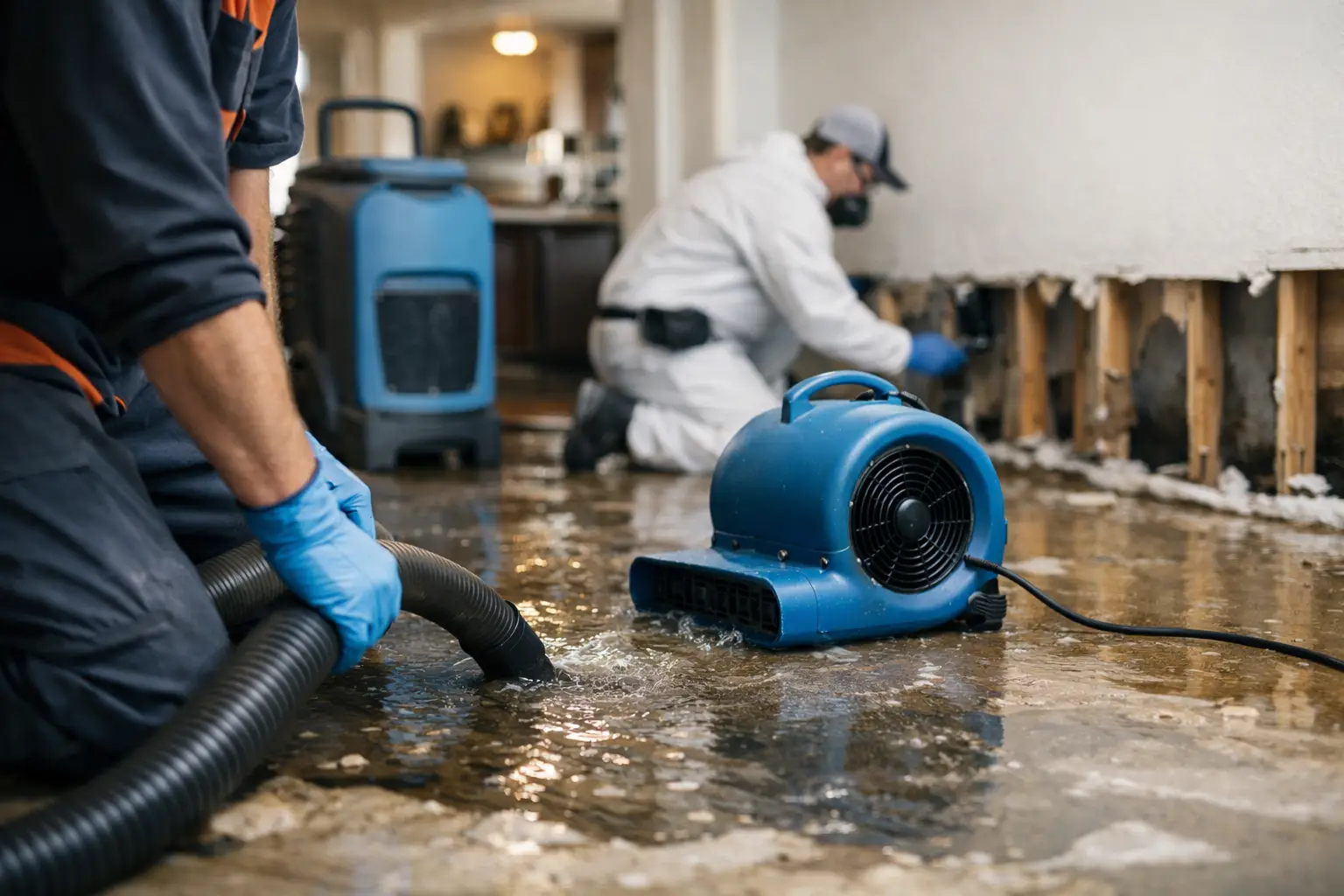 Water Damage
Extraction, structural drying, and moisture mapping after floods, leaks, and burst pipes.
Get help now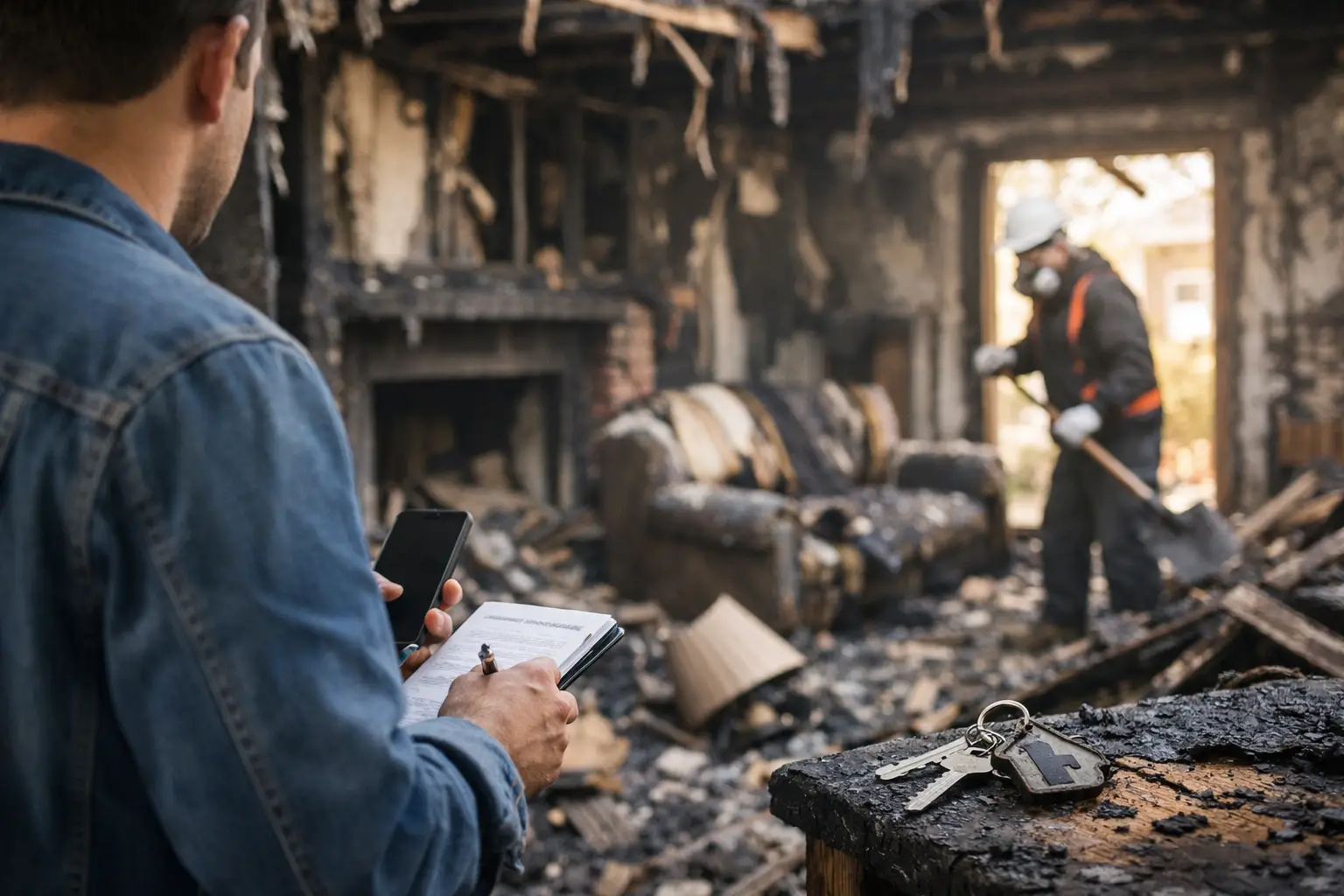 Fire & Smoke
Soot removal, odor deodorization, and content cleaning after fire and smoke damage.
Learn more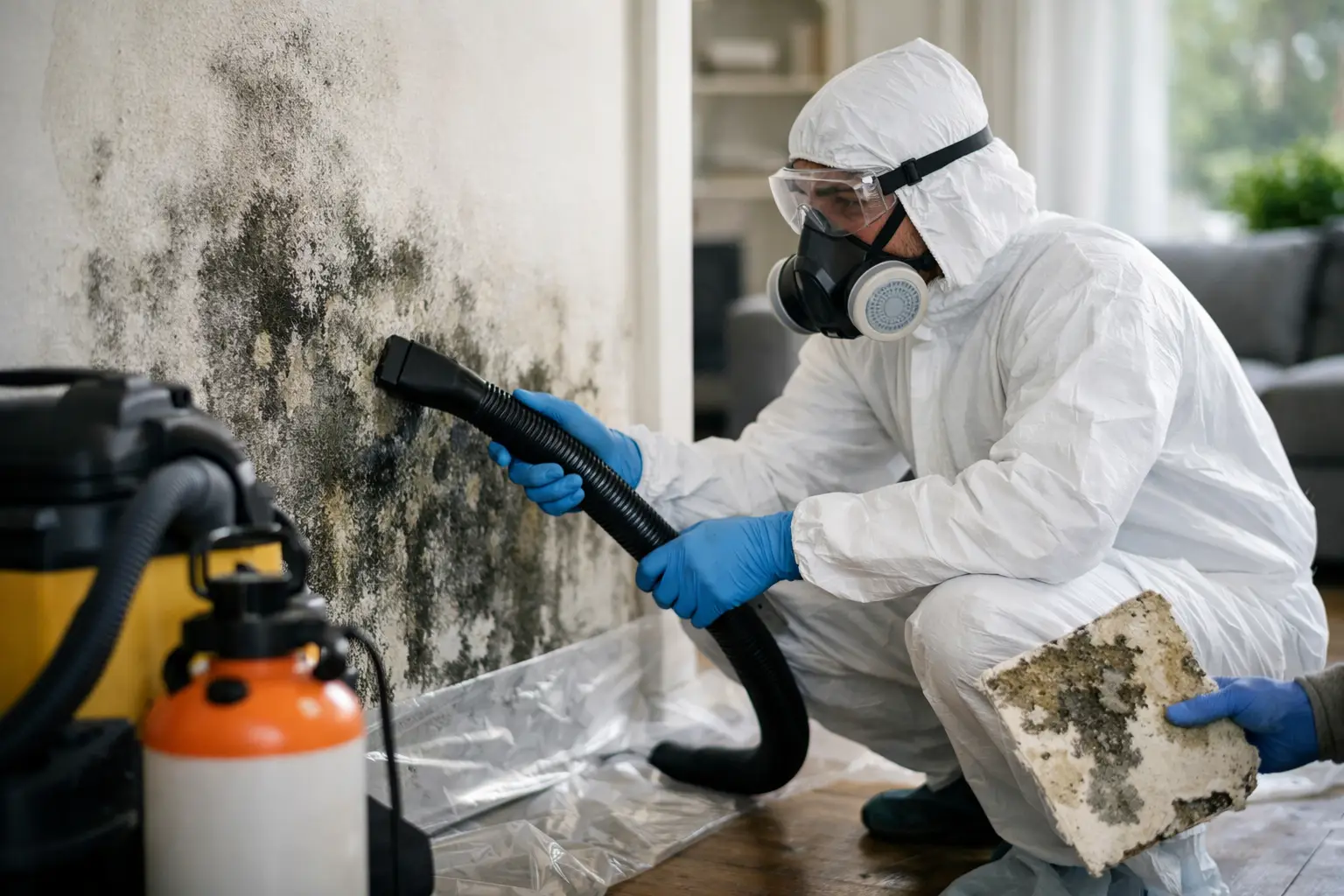 Mold
MoldContainment, removal, and moisture control that stops mold from coming back.
Learn more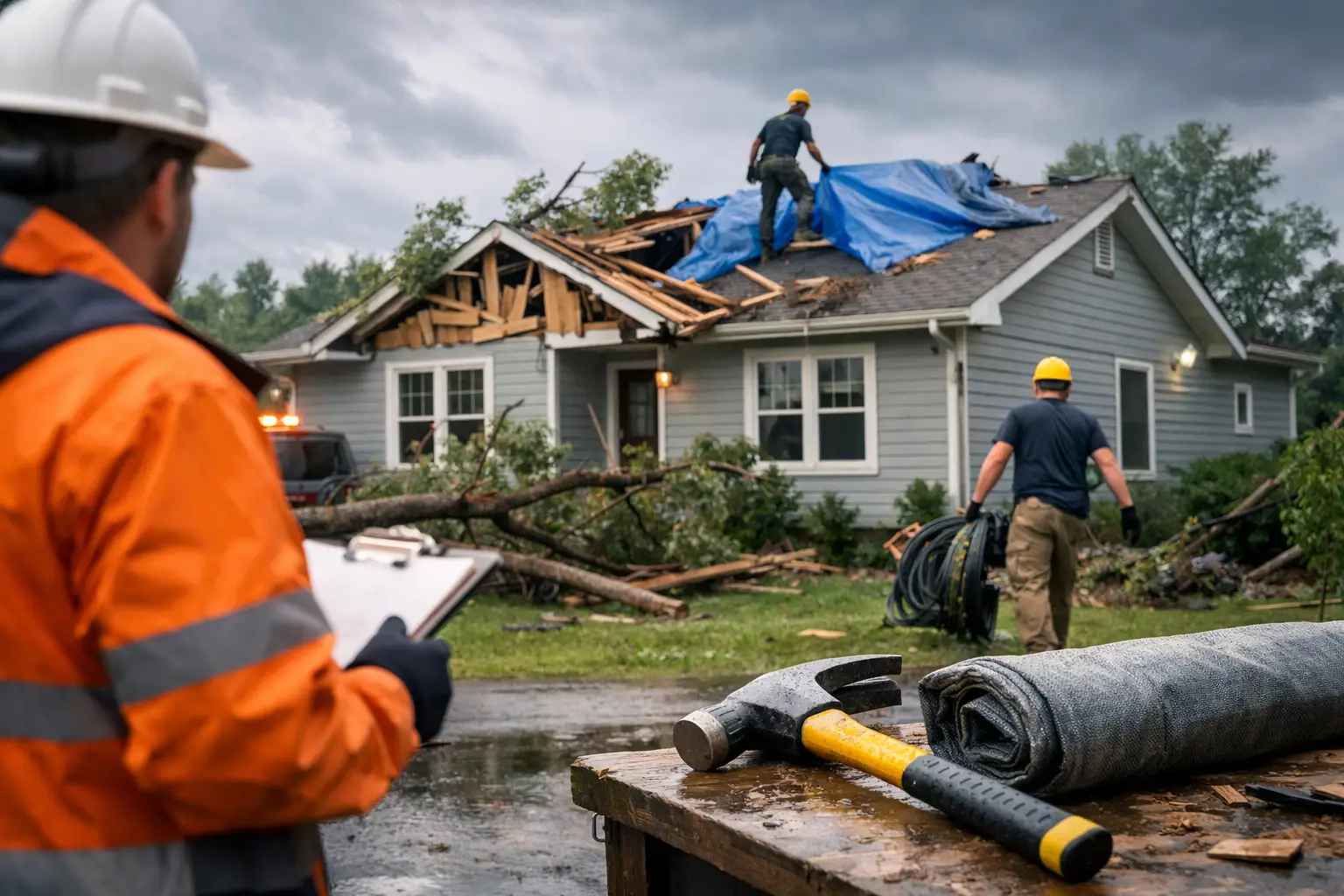 Storm
StormEmergency board-up, roof tarping, and full recovery after wind, hail, and storms.
Learn more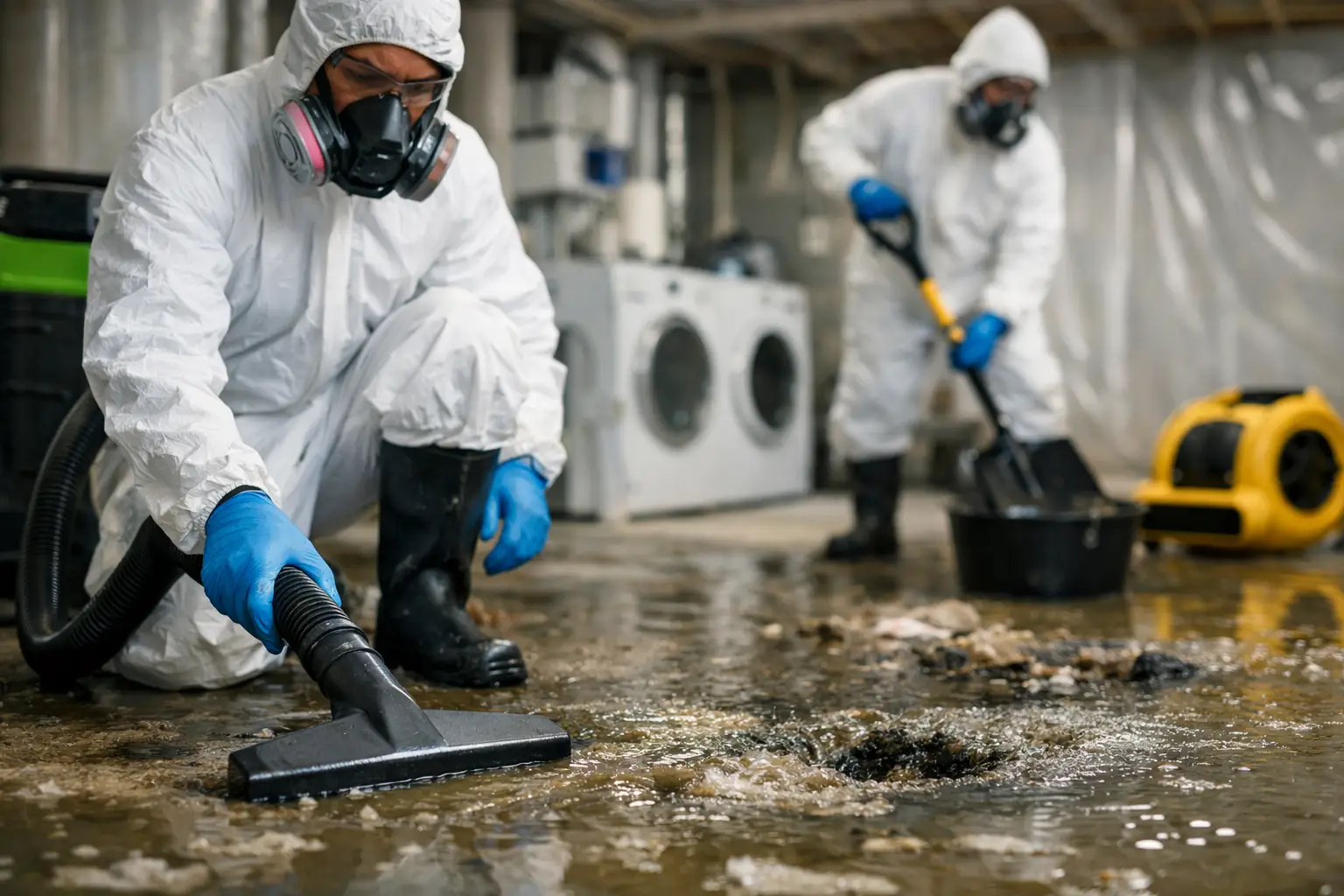 Sewage
Safe biohazard cleanup and sanitizing after sewage backups and overflows.
Learn more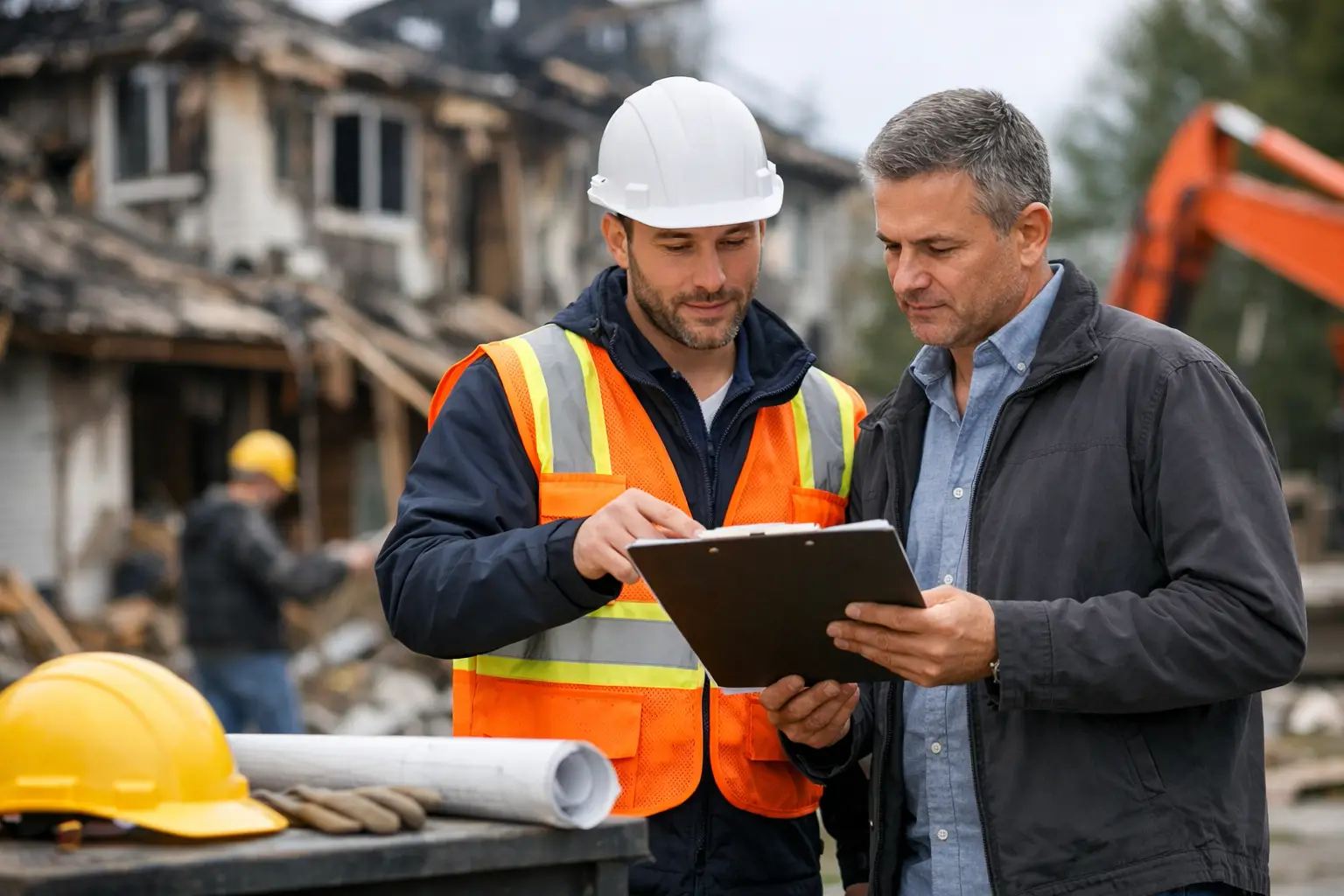 Reconstruction
Full rebuild by a licensed general contractor, so your property comes back whole.
Learn moreElevated Operations is an IICRC-certified, licensed general contractor based in Mableton that handles the entire recovery in-house, so after one loss you are never coordinating a cleanup crew, a mold crew, and a contractor separately. One team, one point of contact, from the first pump-out to the final coat of paint.
People call when the property feels like a disaster. They leave reviews because Chris and the crew made it right. These are real, verified Google reviews.
I respond within 60 minutes for emergencies, 24/7. That matters after a nighttime wind event because an open roof or soaked basement can get worse by the hour. I’m based in Mableton and work across Atlanta, so I can move quickly when the house needs immediate stabilization.
A clean ceiling does not mean the roof is fine. In older Atlanta bungalows, water can travel through attic spaces, insulation, and framing before it shows inside. I inspect for hidden moisture, then decide whether roof tarping, drying, or structural repair comes first.
Yes. Hail damage repair is often about spotting impact marks that are easy to miss from the ground. I look at shingles, flashing, vents, and other exposed surfaces after a storm because small impacts can create slow leaks and weak points that show up after the next rain.
Yes. Temporary boarding is part of storm stabilization when openings leave a home exposed. In Atlanta, that can be just as important as roof tarping because a broken door or window lets in rain, wind, and debris while the rest of the repair plan is being built.
I handle debris removal when branches, siding pieces, or roofing material are blocking access or adding risk. In tight intown streets and older neighborhoods, clearing that mess quickly helps protect the structure and makes it easier to inspect the real damage underneath.
That needs immediate attention. Creek basements can take on water from saturated soil, wall seepage, or drainage backup, and hidden moisture can spread behind finishes. I check the affected areas, dry what can be saved, and determine whether structural repair is needed.
I do both. Elevated Operations, LLLP handles the restoration side and the repair side, and I’m a licensed general contractor. That matters when storm damage crosses from drying into structural work, because one team can keep the whole job aligned.
My company has a 4.9-star Google rating with 73 reviews, and I’ve been in restoration since 2007. I take that seriously because homeowners want straight answers, clean work, and repairs that actually hold up after the next storm.
Elevated Operations dispatches IICRC-certified crews across Metro Atlanta from our Mableton base, with a 60-minute emergency response day or night. Choose your city:
Call now for an immediate response, or request your free inspection and get a certified crew on-site within the hour across Atlanta and nearby areas.