24/7 Emergency Restoration · Serving Metro AtlantaEmergency? (770) 404-6895
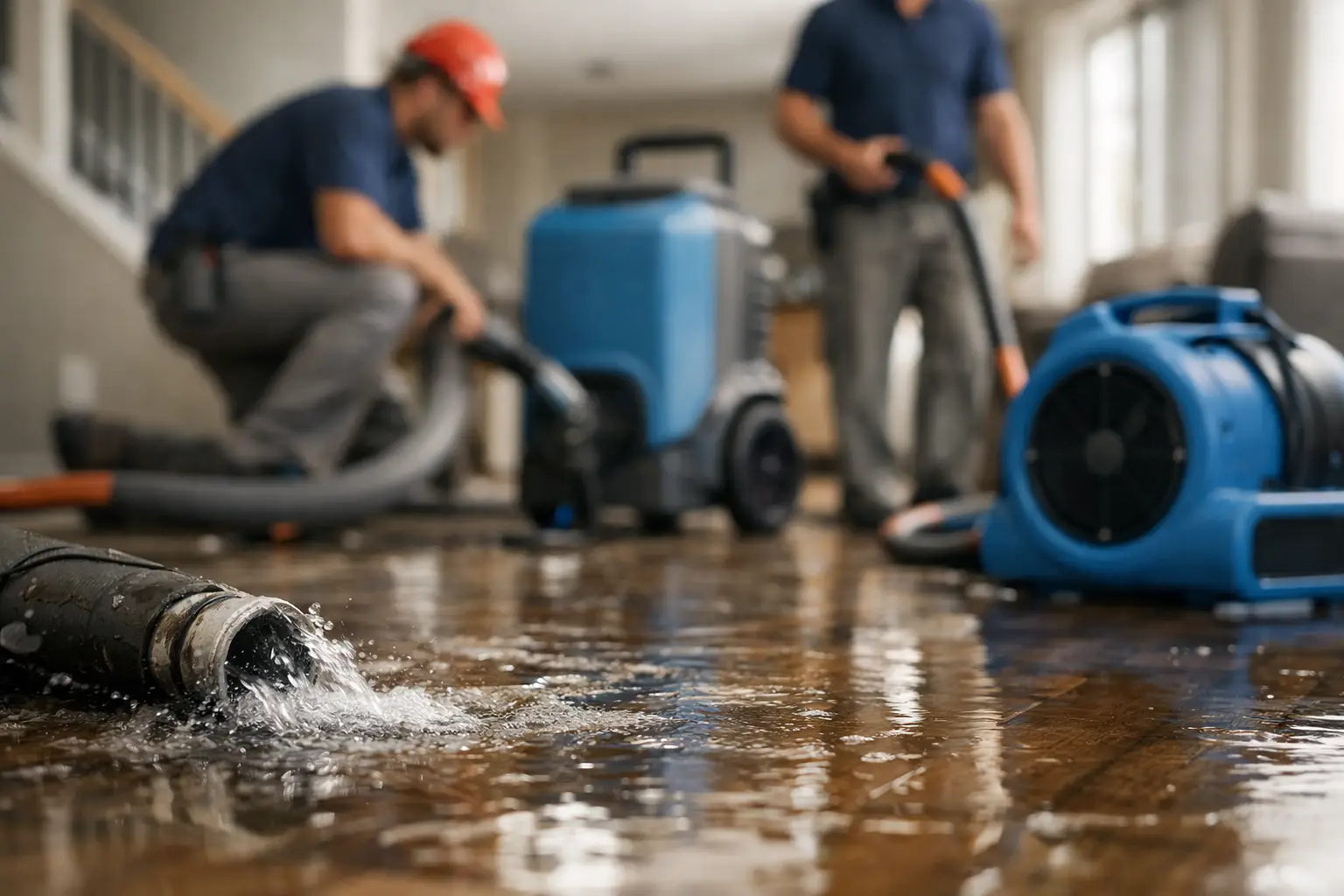
Flooded basement cleanup in Acworth needs speed, not guesswork. I’m Chris Kwangwari, owner of Elevated Operations, LLLP, and I send IICRC-certified technicians fast with direct insurance billing, basement water removal, and a 12-month warranty. If water is near Lake Acworth or the Allatoona dock side, call now before mold starts in 24 to 48 hours.
IICRC-Certified · 5-Star Rated · 60-Minute Response · Insurance Billed Directly
Yes. I offer 24/7 emergency response, because water does not wait for business hours.
That usually means moisture is still trapped somewhere. I keep drying and inspection focused until the structure is stable.
Yes. I am a licensed general contractor, so I can move from cleanup into repair and reconstruction.
Yes. I back my restoration work with a 12-month warranty.
First, stop the water if you can, then cut power to the basement area if it is safe, and call me immediately. Quick action matters in Acworth because standing water travels fast through slab edges, wall cavities, and finished spaces near Lake Acworth and Allatoona dock homes.
I tell homeowners to move people out first, then keep hands off outlets, appliances, and wet carpet. If the basement has sewage backup cleanup needs, do not stay in the space. That is not a cleaning job. That is a contamination job, and I treat it that way.
In the first hour, I focus on safety and containment. My team uses flood water extraction, checks where the water came from, and starts basement water removal before the damage spreads into framing, trim, and storage rooms. Speed matters because water keeps climbing into materials even when the leak seems small.
Acworth homes close to Lake Acworth and the Allatoona dock area often deal with heavy runoff, sump failures, or stormwater pushing through low points. I have seen that water move into finished basements fast. When it does, a calm first call beats a delayed cleanup every time.
I clean a flooded basement by removing standing water, identifying the source, protecting affected materials, and starting drying right away. The goal is simple, stop further loss, document the damage, and control the moisture before mold prevention becomes a bigger, costlier problem.
The process starts with flood water extraction using professional equipment, not shop tools. After that, I separate salvageable contents from materials that have to come out. Wet carpet removal is often necessary because carpet pads hold water like a sponge and keep feeding humidity long after the standing water is gone.
Then I assess drywall, insulation, flooring, and baseboards. If contamination is present, including sewage backup cleanup, I isolate the area and handle it as a separate category. That keeps the cleanup honest and keeps one bad zone from contaminating the rest of the basement.
Acworth basements vary. Some are unfinished utility spaces. Some are fully finished rooms near the lakefront neighborhoods and older homes around town. I do not use a one-size plan. I match the response to the water source, the materials, and how far the moisture moved before we arrived.
Basement drying starts the same day, and the timeline depends on what got wet, how much water entered, and how much material needs to be removed. I do not guess on the clock. I set equipment, monitor moisture, and adjust the drying plan until the structure is stable.
The first day is about control. Once the water is extracted, I place drying equipment and check the affected areas for hidden moisture in wall cavities, subfloors, and corners. If a basement sat overnight, the work gets more involved because moisture migrates into materials you cannot see.
If the basement has finished rooms, basement drying usually takes longer than an unfinished storage space because drywall, trim, carpet, and padding hold water differently. In Acworth, homes near storm runoff paths can also have moisture under stairs and behind built-ins, which changes the plan fast.
I do not promise a set number of hours because that would be dishonest. I do promise this: I respond 24/7, I move quickly, and I keep the drying process tied to what the structure actually shows. That is how I protect a basement, not by guessing and hoping.
Yes, and it can start fast. Mold prevention is one reason I push immediate response, because moisture trapped in carpet, drywall, insulation, and framing can create a mold problem before the basement looks fully dry.
Mold starts in 24 to 48 hours when the conditions are right. That is why a flooded basement is never just a water issue. In Acworth, especially near Lake Acworth and the Allatoona dock area where humidity and stormwater can both be part of the picture, delay makes the repair harder.
I have seen homeowners wait because the basement looked mostly fine after the water receded. That is the trap. Moisture hides under flooring and behind walls, and once it settles in, odor and contamination follow. Basements do not forgive delay.
My job is to move fast enough that the structure never gets a long chance to stay wet. That means extraction, drying, and inspection happen as one chain, not as separate appointments spread out over days. Short delays can become long projects. I do not let that happen on purpose.
In the first hour, I confirm safety, find the source, document the damage, start water extraction, and set the basement on a drying path. That hour matters because every minute of standing water keeps pushing damage deeper into materials and finishes.
I arrive with IICRC-certified technicians who know how to triage basement flooding quickly. We check for electrical risk, determine whether the water is clean or contaminated, and identify what can be saved. If insurance is involved, I start direct insurance billing so the claim process does not slow the response.
If the home is near Lake Acworth or the Allatoona dock side, I pay attention to runoff patterns and entry points like exterior doors, foundation seams, and utility penetrations. Acworth water problems often have a path. Find the path fast, and you limit the loss.
This first hour is not about talking. It is about stopping movement of water, protecting the home, and setting up the next phase. A basement that gets immediate flood water extraction has a better shot at avoiding more demolition, more odors, and more reconstruction later.
I bring licensed contractor oversight, direct insurance billing, and restoration work backed by a 12-month warranty. That means the response is not only fast, it is organized the right way from the first call through the final walkthrough.
I have been in restoration since 2007, and I run Elevated Operations, LLLP from Mableton with service across Cobb County, including Acworth. I do not treat basement water removal like a side job. I treat it like a time-sensitive failure that needs a disciplined response.
Because I am a licensed general contractor, I can see the cleanup and the rebuild together. That matters when wet carpet removal turns into subfloor issues, or when drywall, trim, and flooring all need a clear plan. You want one lead, not three disconnected opinions.
And I keep the process practical. You get a 24/7 emergency response, a 4.9-star Google rating from 73 reviews, and deductible assistance up to $1,000 when applicable. I am not selling hype. I am selling speed, structure, and a clean handoff from emergency work to insurance and repair.
I confirm the source, secure the area, and start flood water extraction. If the basement is near Lake Acworth or the Allatoona dock area, I look hard at exterior entry points, runoff, and hidden spread. Safety first. Then speed.
I move into basement drying, moisture inspection, and material decisions. That means checking carpet, padding, drywall, and trim for salvage or removal. If sewage backup cleanup is involved, I isolate that area and handle contamination separately.
I monitor moisture, adjust equipment, and verify that the structure is actually drying, not just the surface. If wet carpet removal or demolition was needed, I keep the work aligned with mold prevention and with the insurance file.
Once the basement is dry and stable, I shift to repair and reconstruction. As a licensed general contractor, I can manage the next step cleanly and keep the project moving from cleanup to finish work without delays.
From emergency mitigation to full reconstruction, handled in-house so you are never managing a chain of subcontractors mid-crisis.
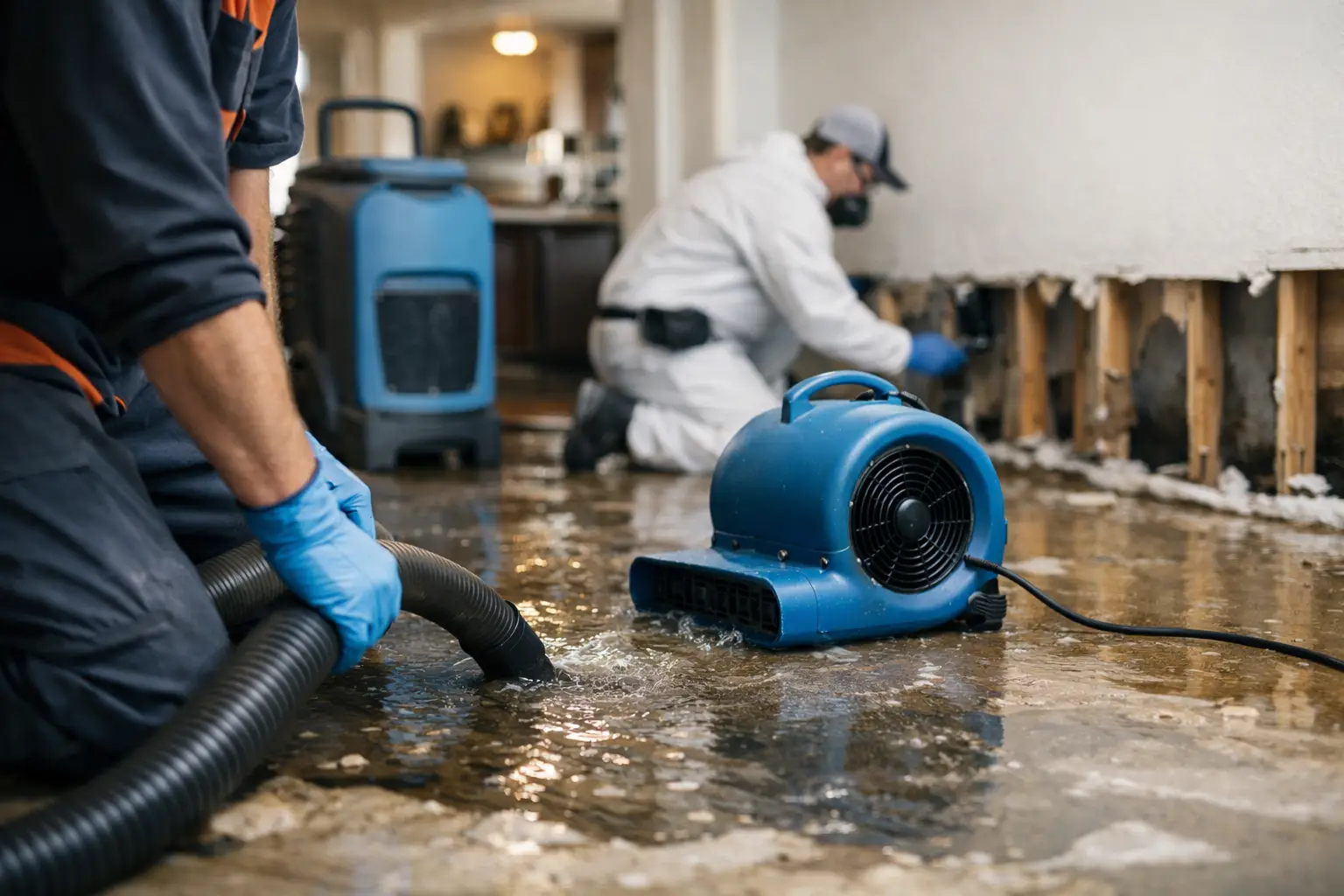 Water Damage
Extraction, structural drying, and moisture mapping after floods, leaks, and burst pipes.
Get help now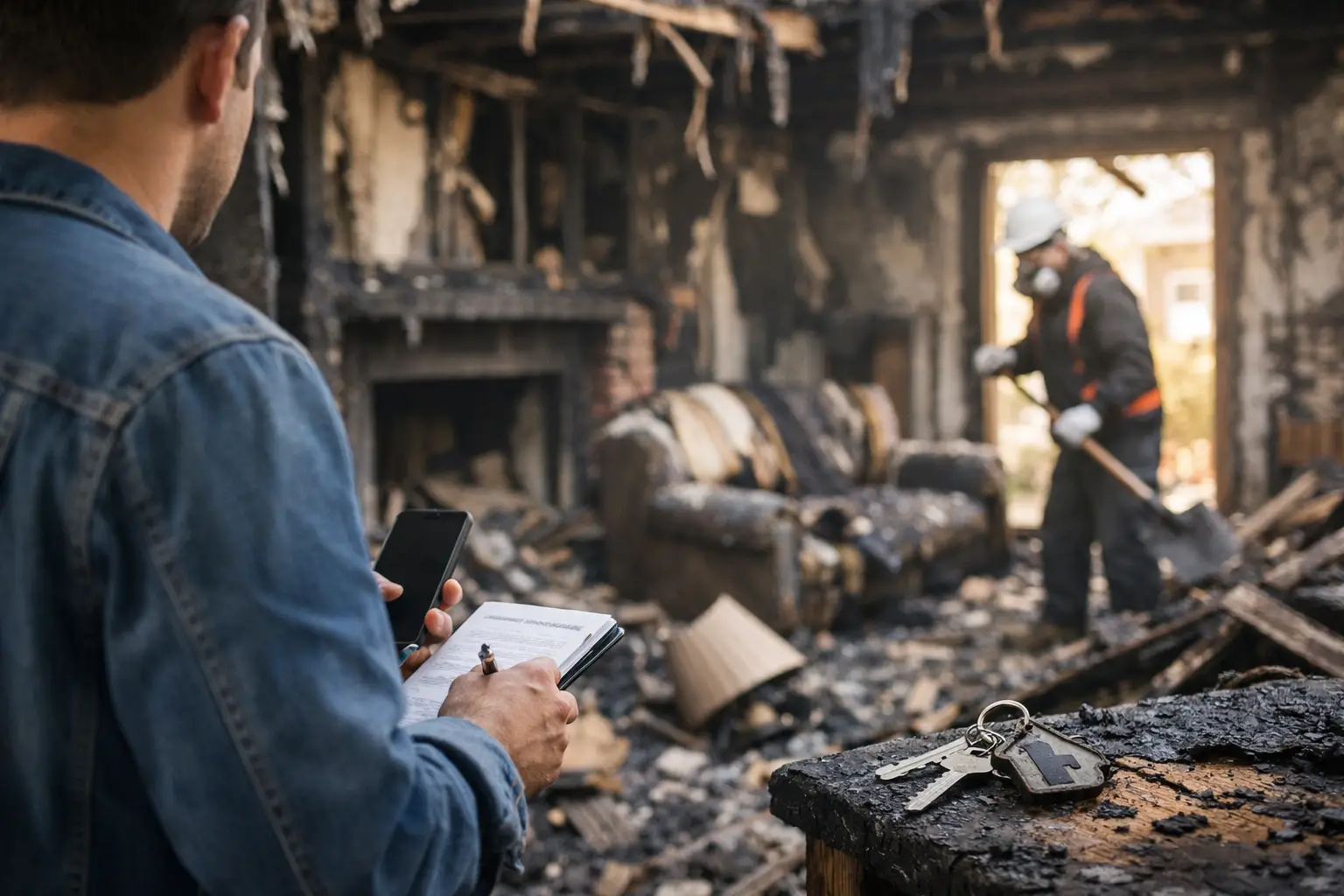 Fire & Smoke
Soot removal, odor deodorization, and content cleaning after fire and smoke damage.
Learn more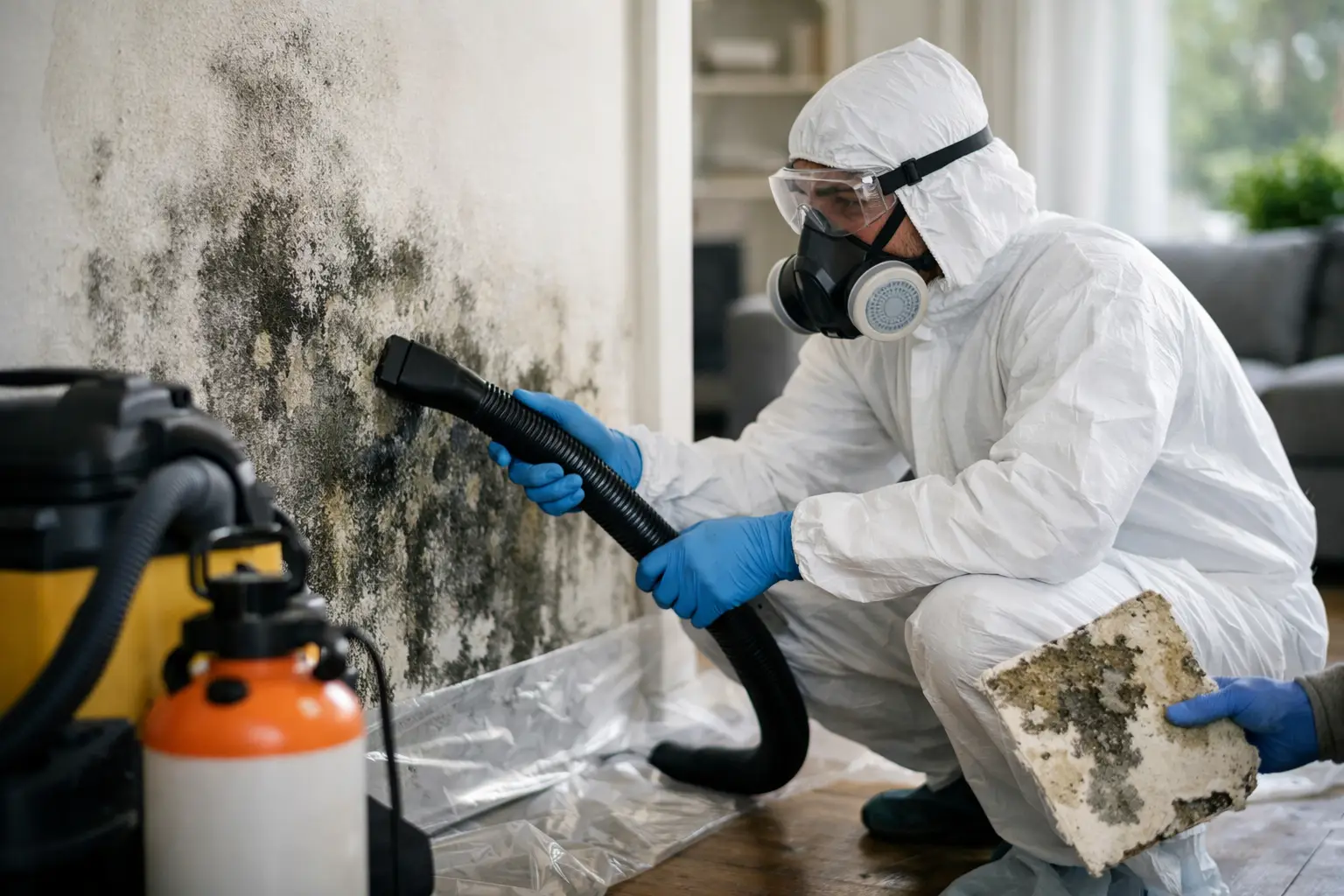 Mold
MoldContainment, removal, and moisture control that stops mold from coming back.
Learn more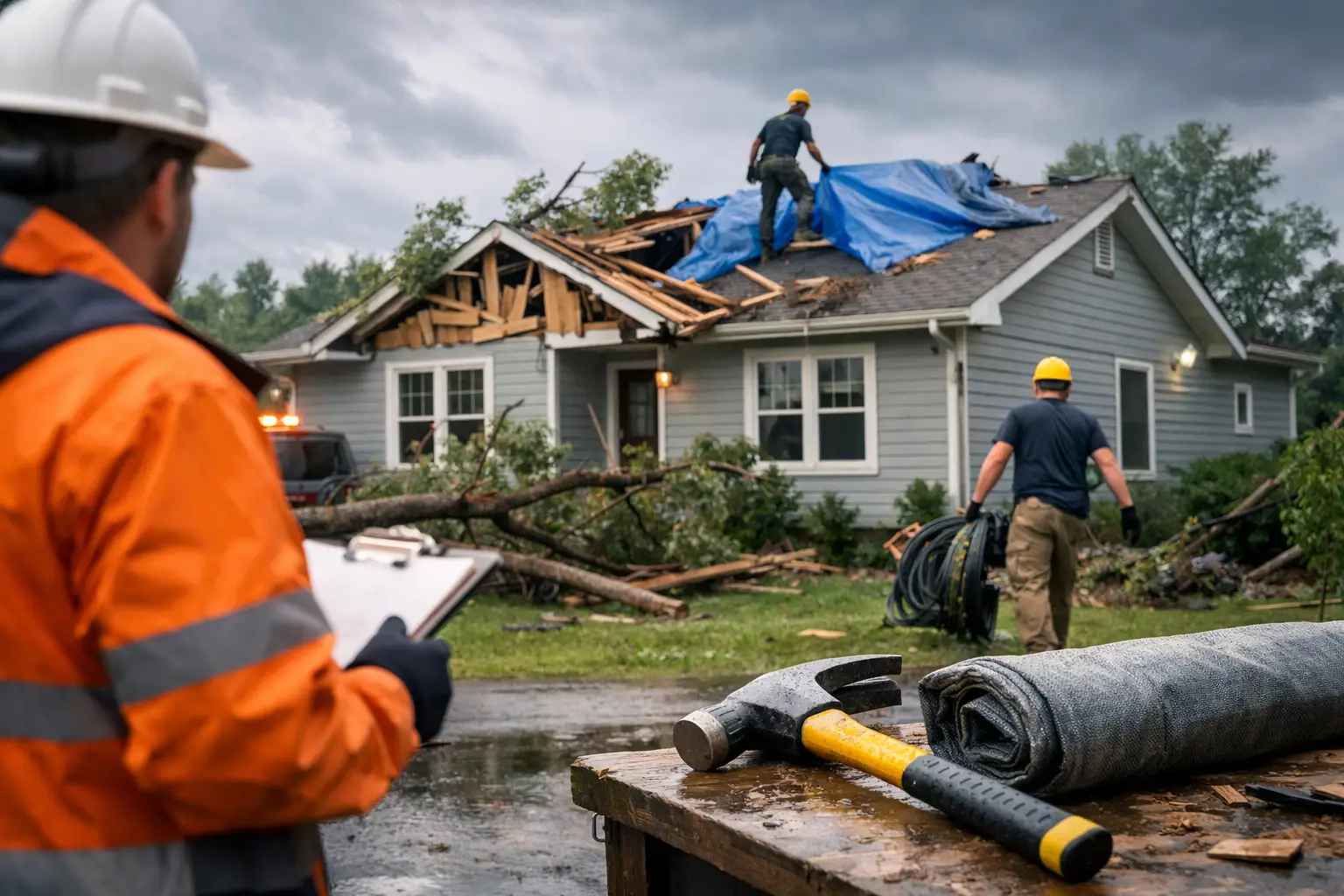 Storm
StormEmergency board-up, roof tarping, and full recovery after wind, hail, and storms.
Learn more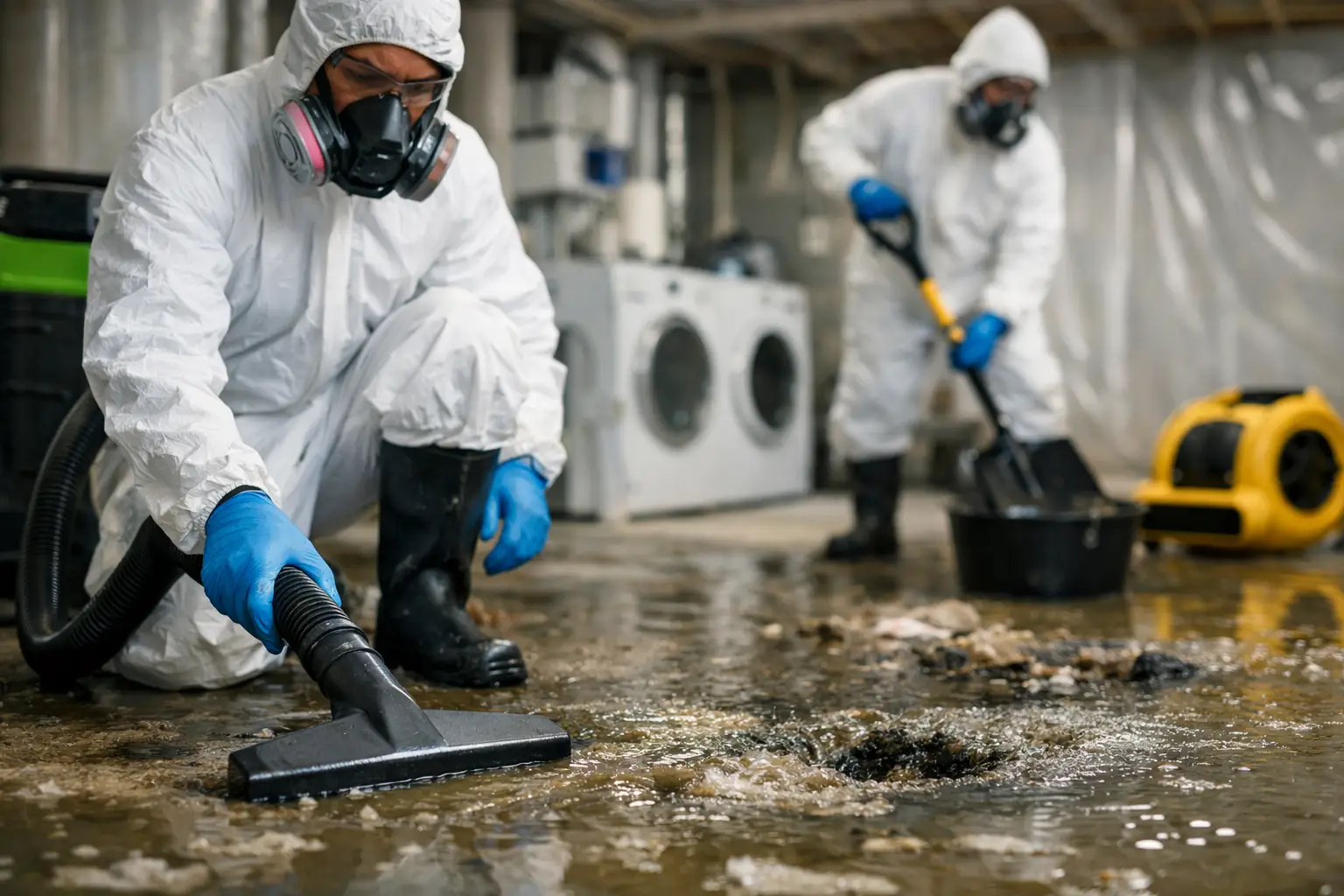 Sewage
Safe biohazard cleanup and sanitizing after sewage backups and overflows.
Learn more Reconstruction
Full rebuild by a licensed general contractor, so your property comes back whole.
Learn moreElevated Operations is an IICRC-certified, licensed general contractor based in Mableton that handles the entire recovery in-house, so after one loss you are never coordinating a cleanup crew, a mold crew, and a contractor separately. One team, one point of contact, from the first pump-out to the final coat of paint.
People call when the property feels like a disaster. They leave reviews because Chris and the crew made it right. These are real, verified Google reviews.
I offer 24/7 emergency response and I move fast because basement flooding gets worse by the hour. If you call from the Lake Acworth area, I want to get the loss controlled before water spreads into walls, carpet, and stored items. Speed is the point.
Yes, and I treat it separately from a standard water loss. Sewage backup cleanup needs isolation, protective handling, and a different cleanup mindset than plain basement water removal. If the water is contaminated, I will not talk about shortcuts. I handle it as a health and property issue.
Older basements can hide moisture in places newer homes do not, especially around seams, framing, and floors that have seen years of use. I inspect the structure carefully, then choose the right mix of extraction, drying, and removal. The age of the home changes the response.
Yes. Wet carpet removal is often part of the cleanup because carpet and pad trap water and slow drying. I look at salvage first, but I do not force materials to stay when they are holding moisture and raising the risk of odor or mold growth.
I start with the source and the spread pattern. Near the Allatoona dock area, water can enter from more than one point, so I look for runoff, foundation intrusion, and low-area pooling. Then I extract standing water fast and move into basement drying without delay.
Yes, I offer direct insurance billing. That helps keep the paperwork from slowing the emergency response. I still focus on the home first, because the basement needs to be stabilized before the claim process can make sense.
It can, especially if moisture stays trapped in drywall, insulation, or under flooring. Mold prevention is not about making the surface look dry. It is about removing hidden moisture and checking the structure carefully. That is why fast, professional basement drying matters.
Yes. I work in Acworth and throughout Cobb County from my Mableton base, and I also serve Fulton, DeKalb, Douglas, Clayton, Henry, and Paulding counties. If your basement is flooding now, call me and I will take the next step with you.
Elevated Operations dispatches IICRC-certified crews across Metro Atlanta from our Mableton base, with a 60-minute emergency response day or night. Choose your city:
Call now for an immediate response, or request your free inspection and get a certified crew on-site within the hour across Atlanta and nearby areas.




