24/7 Emergency Restoration · Serving Metro AtlantaEmergency? (770) 404-6895
Crawl space mold removal East Point starts with moisture, not just stains. I’m Chris Kwangwari with Elevated Operations, LLLP, and I look at the crawl space, the air, and the structure together. In East Point’s MARTA area and College Park-line bungalows, that is how I get to the real problem.
IICRC-Certified · 5-Star Rated · 60-Minute Response · Insurance Billed Directly
Yes, if moisture is active or the smell is moving into the house. Mold starts in 24 to 48 hours under the right conditions, so I do not wait around on a wet crawl space.
Yes. I know the bungalow stock along that line, and I see the same crawl space moisture patterns often enough to spot trouble fast.
I provide a 12-month warranty on the work I perform. I stand behind that because the job has to hold up after I leave.
Call (770) 404-6895. We are based in Mableton and serve East Point across Cobb, Fulton, and the surrounding Metro Atlanta counties.
Crawl space mold removal in East Point means I find the moisture source, remove visible growth, clean affected materials, and decide what needs wood treatment or replacement. I do not stop at surface cleanup. If the crawl space stays damp, fungal growth comes back, especially in older East Point bungalows.
I start with the crawl space itself, not the living room complaint. In East Point, especially near the MARTA corridor and the College Park-line bungalows, I often see low-clearance spaces, older framing, and air movement that pulls crawl space problems into the house.
My process includes crawl space cleanup, moisture control, and a clear call on whether dehumidification or encapsulation is the better next move. If the framing has active contamination, I address that before I talk about finishing steps. That order matters.
And I am direct about what I will not do. I will not pretend a bleach wipe fixes a crawl space. Mold starts in 24 to 48 hours when conditions are right, so the work has to stop the conditions, not just the visible spot.
I remove mold from a crawl space by drying the area, containing the work, cleaning contaminated surfaces, and correcting moisture entry. That is crawl space mold remediation, not a cosmetic wipe-down. If framing is affected, I evaluate wood treatment and the need for more aggressive cleanup before closing anything back up.
First I inspect for water entry, condensation, and soil moisture. Then I identify where fungal growth removal is needed and what can stay in place. That keeps the work honest. A crawl space under an East Point bungalow near MARTA often hides the source behind old vents, wet insulation, or ground moisture.
Next comes the actual cleanup. I treat the crawl space like part of the home, because it is. If the surface is contaminated, I clean it properly. If materials are beyond cleaning, I explain that plainly. No guessing. No theater.
After the cleanup, I talk about dehumidification or a vapor barrier if the crawl space keeps feeding the same issue. That is how I keep a one-time mold job from turning into a repeat call, and it is why the old-school spray-and-pray approach fails.
Mold in a crawl space usually comes from moisture, plain and simple. In East Point, that can mean humid air, poor drainage, open vents, plumbing leaks, or damp soil under older College Park-line bungalows. If the crawl space stays wet, mold finds something to feed on.
I see the same pattern over and over in East Point. The house may look fine upstairs, but the crawl space is doing the damage. Humid summer air, unsealed soil, and weak drainage create the kind of damp environment mold likes. The issue is almost always moisture control.
Older bungalows near the College Park line often have crawl spaces that were built for a different era. They were not designed for today’s indoor comfort expectations, and once the moisture starts moving in, fungal growth can spread on framing, subflooring, and insulation.
This is why I do not separate mold from the house system. If I see repeated dampness, I recommend a crawl space cleanup plan that deals with air and ground moisture together. That is the only way to make the result last in a neighborhood like East Point.
Yes, crawl space mold can affect indoor air quality because air from the crawl space moves into the home. In East Point bungalows, that stack effect can pull odors and contaminants upward. If you smell mustiness inside, the crawl space deserves attention before the problem gets worse.
I take indoor air complaints seriously because they often start below the house. A crawl space with mold, damp soil, or wet insulation can push odor and particles into the living areas. That is especially noticeable in compact East Point homes where the air volume is smaller.
People often blame HVAC, but I find the crawl space is the source more often than they expect. Once moisture and growth are present, the home starts sharing that air. The smell may be faint at first, then it becomes familiar enough that owners stop noticing it.
If the crawl space is the problem, I focus on moisture control first and then talk about encapsulation, vapor barrier work, or dehumidification when needed. Air quality improves when the source is handled at the crawl space, not when it is masked upstairs.
Not every home needs encapsulation after mold removal, but many East Point crawl spaces do need some form of moisture control. If the space keeps getting damp, encapsulation can help prevent the same mold from returning. I decide that based on what the crawl space is doing, not a sales script.
Encapsulation is not a trophy. It is a tool. In some East Point homes, especially older bungalows near MARTA, the crawl space needs a strong vapor barrier and sealing work because the soil and air keep feeding moisture into the structure.
Sometimes the better first step is targeted cleanup plus dehumidification. Other times the crawl space needs a more complete encapsulation plan. I do not force the same answer on every house, because the wrong fix wastes money and leaves the actual moisture problem untouched.
If wood has been affected, I may recommend wood treatment after the cleanup. That protects the structure while the moisture-control work is being completed. The goal is simple: stop the crawl space from becoming a repeat mold site.
You should expect a real inspection, a moisture discussion, and a cleanup plan that matches the crawl space condition. I explain what is contaminated, what can be cleaned, and what needs additional work. I also handle direct insurance billing when the loss qualifies, so the process stays organized.
I do not walk into a crawl space and start spraying. I look at the layout, access, framing, and moisture patterns first. East Point homes can be tight, awkward, and older, so the setup matters. That is why I inspect before I decide on the cleanup sequence.
A proper crawl space cleanup may include contaminated debris removal, surface cleaning, and guidance on vapor barrier or encapsulation options. If the space has been wet for a while, I talk through the likely next step instead of pretending the problem ends with one visit.
You also get a 12-month warranty from Elevated Operations, LLLP, and I have been in restoration since 2007. I am not guessing at this work. I am a licensed general contractor, and my technicians are IICRC-certified.
Usually because moisture is entering from the soil, vents, plumbing, or humid air. I check those first in East Point homes.
No. Sometimes the smell shows up before the growth does. I look for staining, damp insulation, and hidden framing issues.
Not by itself if the crawl space still has active moisture or air leakage. It helps, but it has to fit the house.
When the crawl space stays humid after cleanup, or when East Point weather keeps feeding moisture into the area.
Yes. I offer direct insurance billing when the claim applies, and I can also discuss deductible assistance up to $1,000.
From emergency mitigation to full reconstruction, handled in-house so you are never managing a chain of subcontractors mid-crisis.
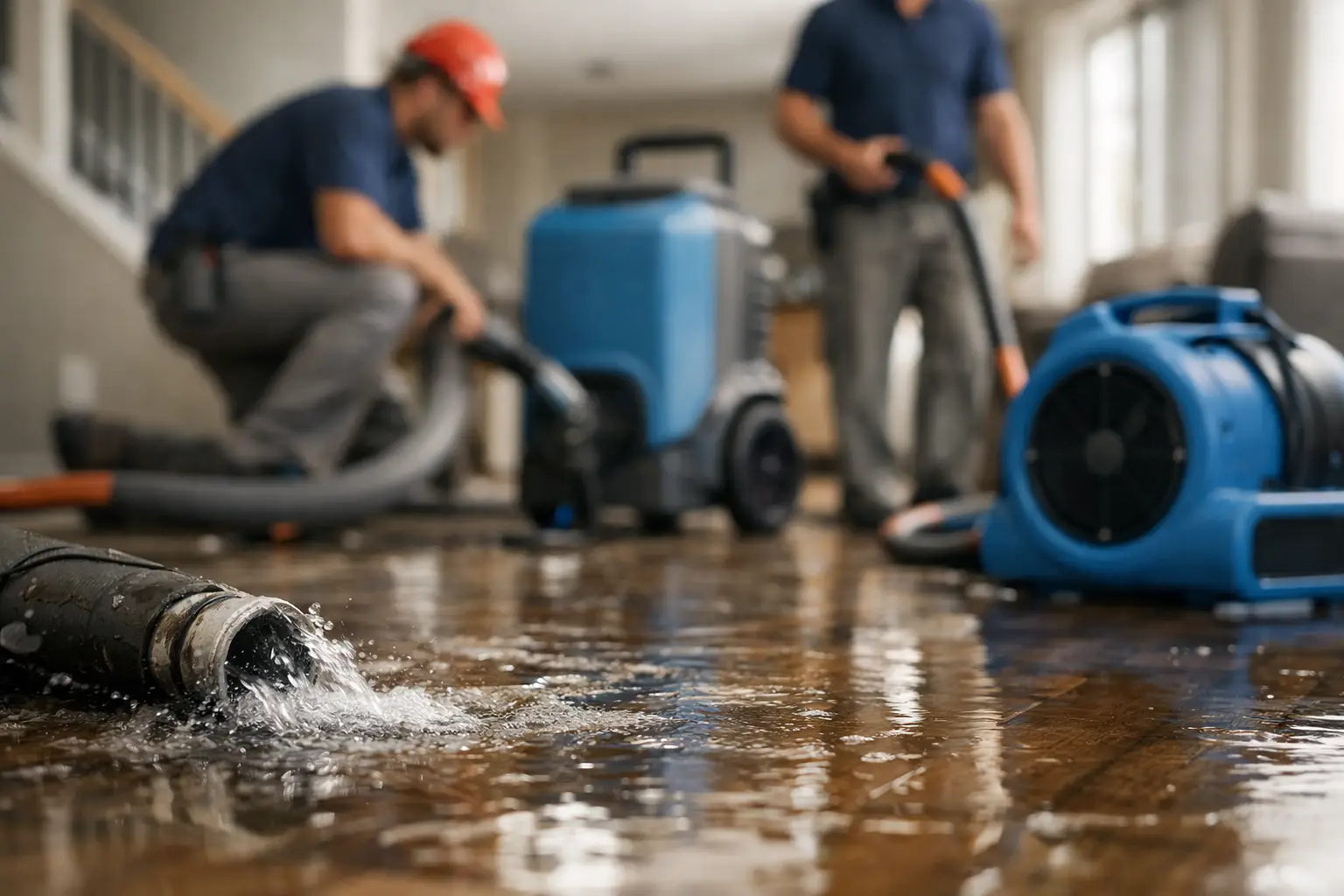
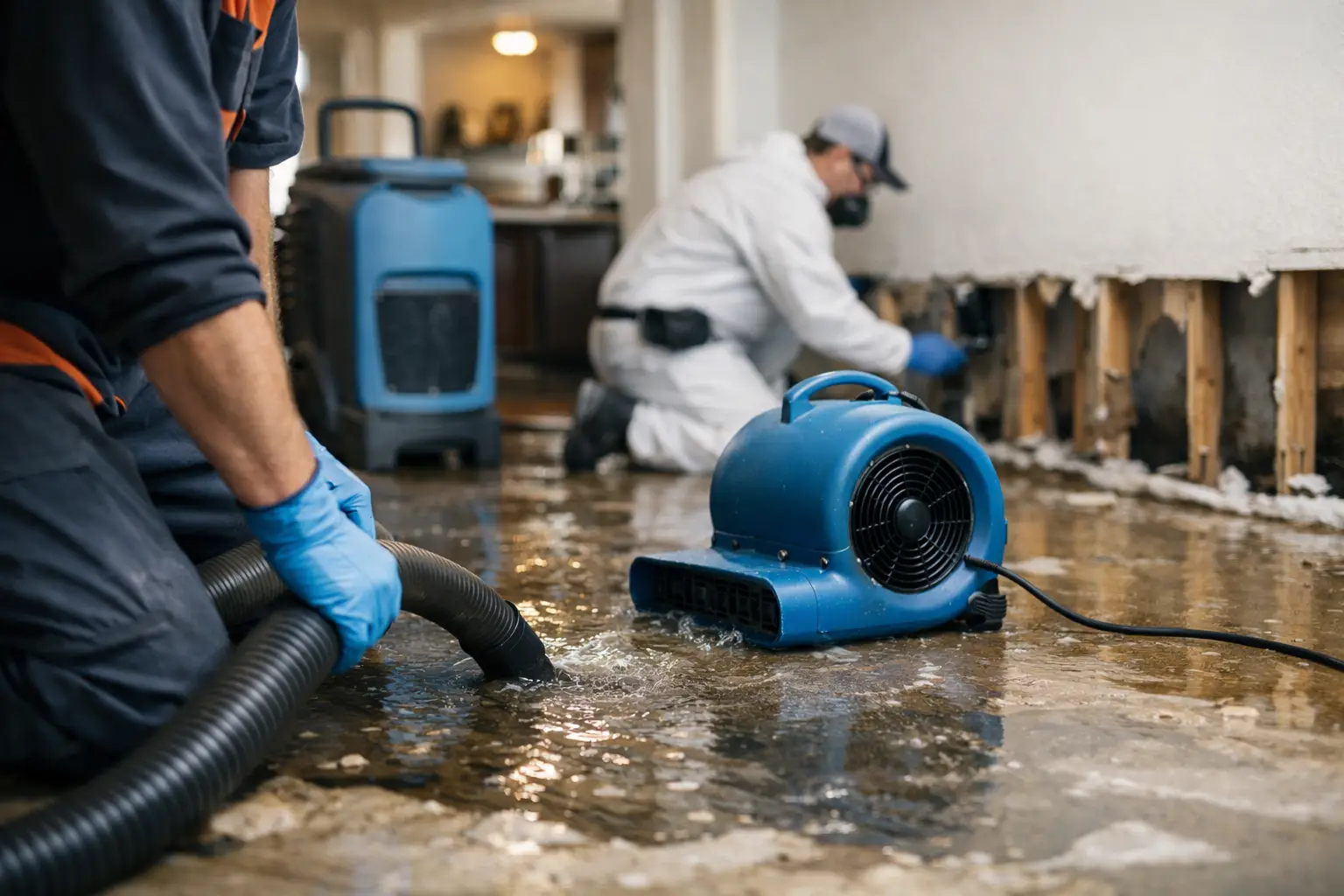 Water Damage
Extraction, structural drying, and moisture mapping after floods, leaks, and burst pipes.
Get help now Fire & Smoke
Soot removal, odor deodorization, and content cleaning after fire and smoke damage.
Learn more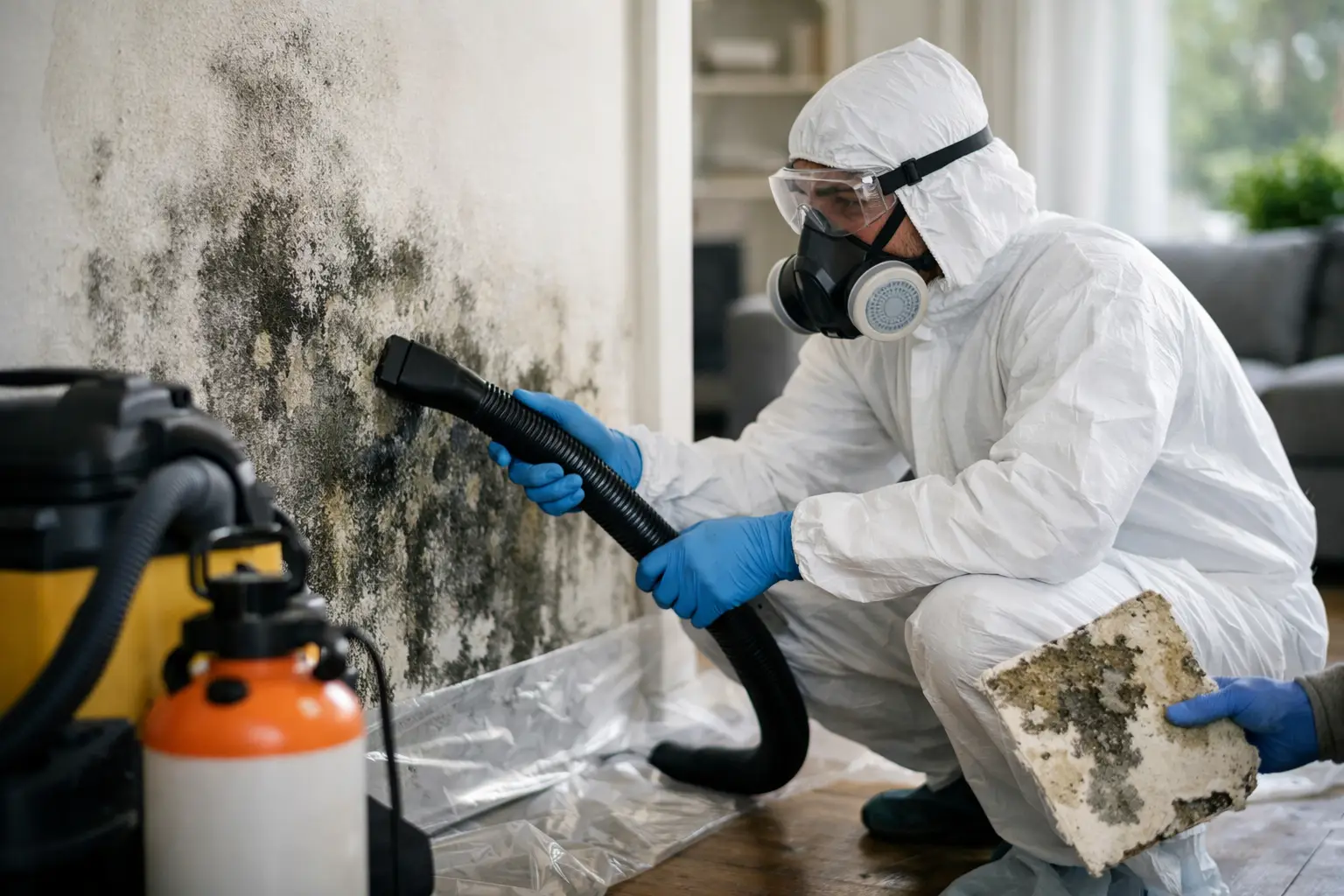 Mold
MoldContainment, removal, and moisture control that stops mold from coming back.
Learn more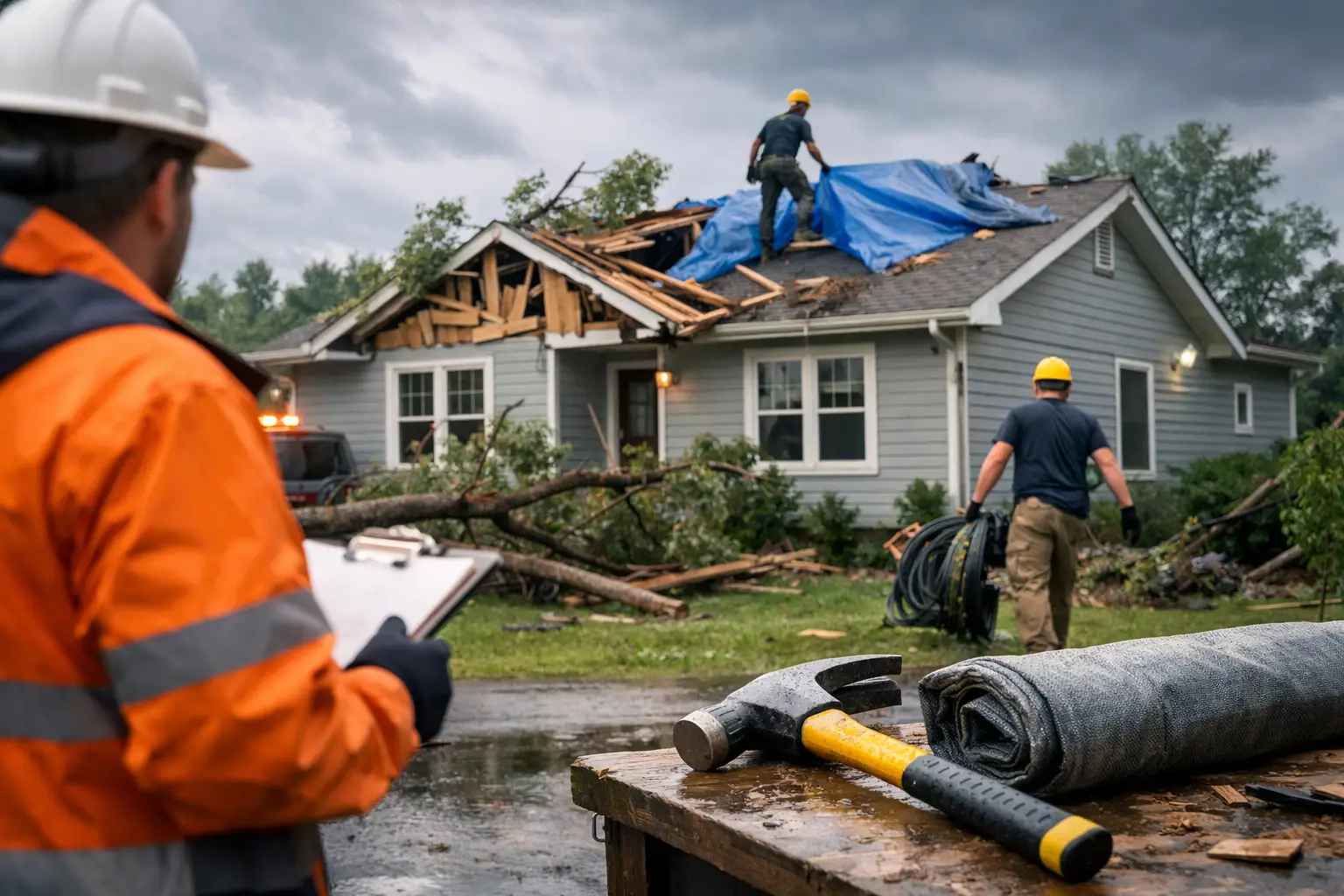 Storm
StormEmergency board-up, roof tarping, and full recovery after wind, hail, and storms.
Learn more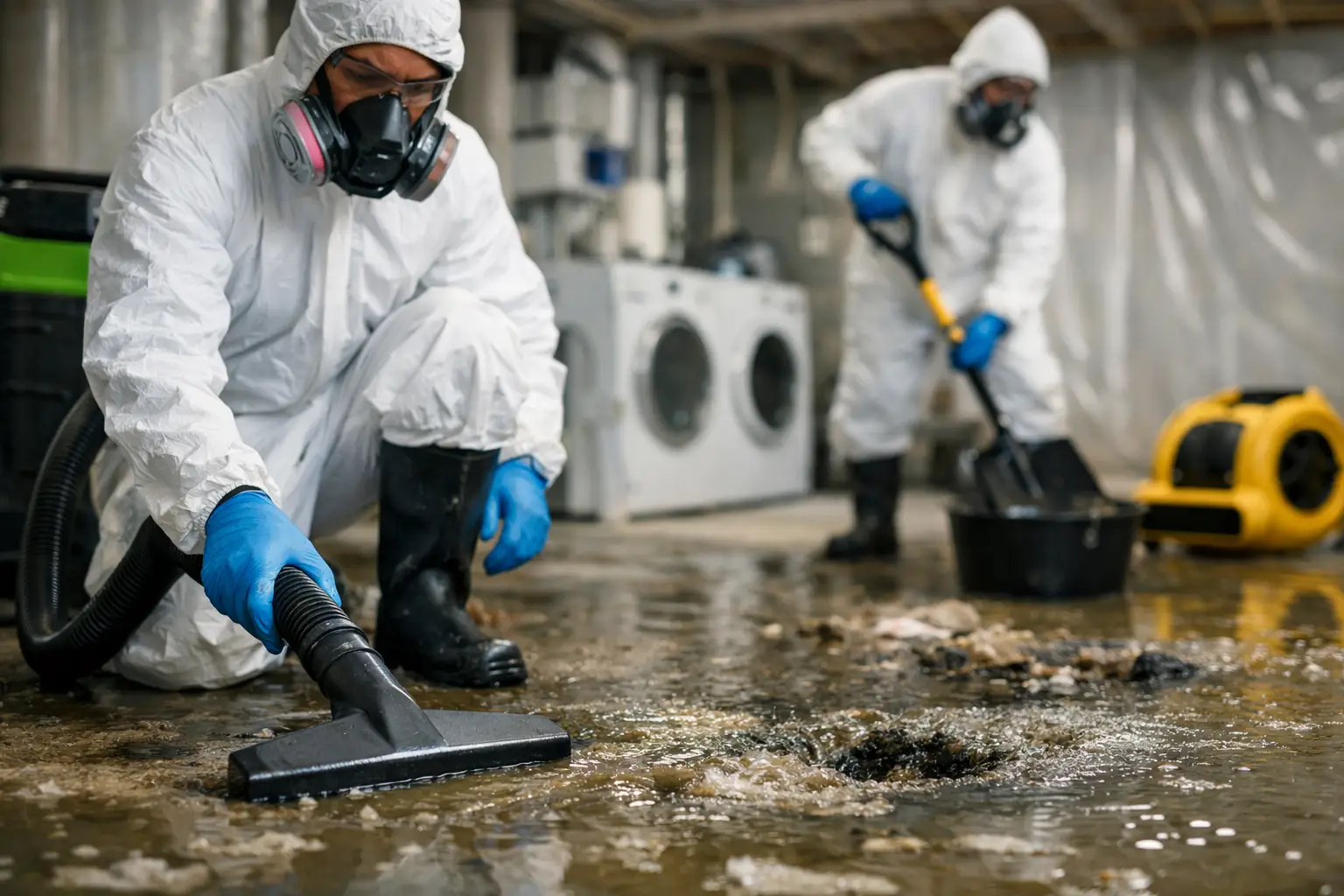 Sewage
Safe biohazard cleanup and sanitizing after sewage backups and overflows.
Learn more Reconstruction
Full rebuild by a licensed general contractor, so your property comes back whole.
Learn moreElevated Operations is an IICRC-certified, licensed general contractor based in Mableton that handles the entire recovery in-house, so after one loss you are never coordinating a cleanup crew, a mold crew, and a contractor separately. One team, one point of contact, from the first pump-out to the final coat of paint.
People call when the property feels like a disaster. They leave reviews because Chris and the crew made it right. These are real, verified Google reviews.
I provide 24/7 emergency response with a 60-minute emergency response target. In East Point, that matters when water has already reached the crawl space and the clock is working against you. Fast response helps limit additional moisture exposure, gives me a clearer look at the source, and keeps the cleanup from getting larger than it needs to be.
Those bungalows often have older crawl spaces, tighter access, and more opportunities for hidden moisture. I treat that differently than a newer slab home. The inspection has to account for framing, air movement, and how the crawl space connects to the rest of the house. That is why location and house style matter.
Yes, when possible I address both. I am not interested in a cleanup that fails a month later because the crawl space still has the same water problem. I inspect for drainage issues, humidity, and leaks first, then I decide whether dehumidification, a vapor barrier, or a larger encapsulation step is needed.
It can, because air from below the home does not stay below the home. In East Point, I often hear about musty smells upstairs before people realize the crawl space is involved. If the crawl space is contaminated, the indoor air can reflect that, especially in smaller bungalows and tight floor plans.
Maybe, but I do not decide that before I inspect. Some crawl spaces only need cleanup and targeted moisture control. Others need encapsulation because the same damp conditions are guaranteed to return. I make that call based on what the crawl space is actually doing, not on a blanket rule.
Then I look closely at the framing and subflooring. If the wood can be cleaned, I clean it. If it needs wood treatment, I say so. If it is beyond that, I explain the next step clearly. I do not blur the line between surface growth and structural concern.
Yes. I offer direct insurance billing, and I can also help with deductible assistance up to $1,000 when the claim qualifies. That keeps the process more manageable for homeowners who already have enough going on with the damage itself.
Because this is restoration, not housekeeping. I have been in restoration since 2007, I am a licensed general contractor, and my technicians are IICRC-certified. Crawl space mold remediation needs that level of discipline, especially when moisture control, structure, and indoor air quality are all tied together.
Elevated Operations dispatches IICRC-certified crews across Metro Atlanta from our Mableton base, with a 60-minute emergency response day or night. Choose your city:
Call now for an immediate response, or request your free inspection and get a certified crew on-site within the hour across Atlanta and nearby areas.