24/7 Emergency Restoration · Serving Metro AtlantaEmergency? (770) 404-6895
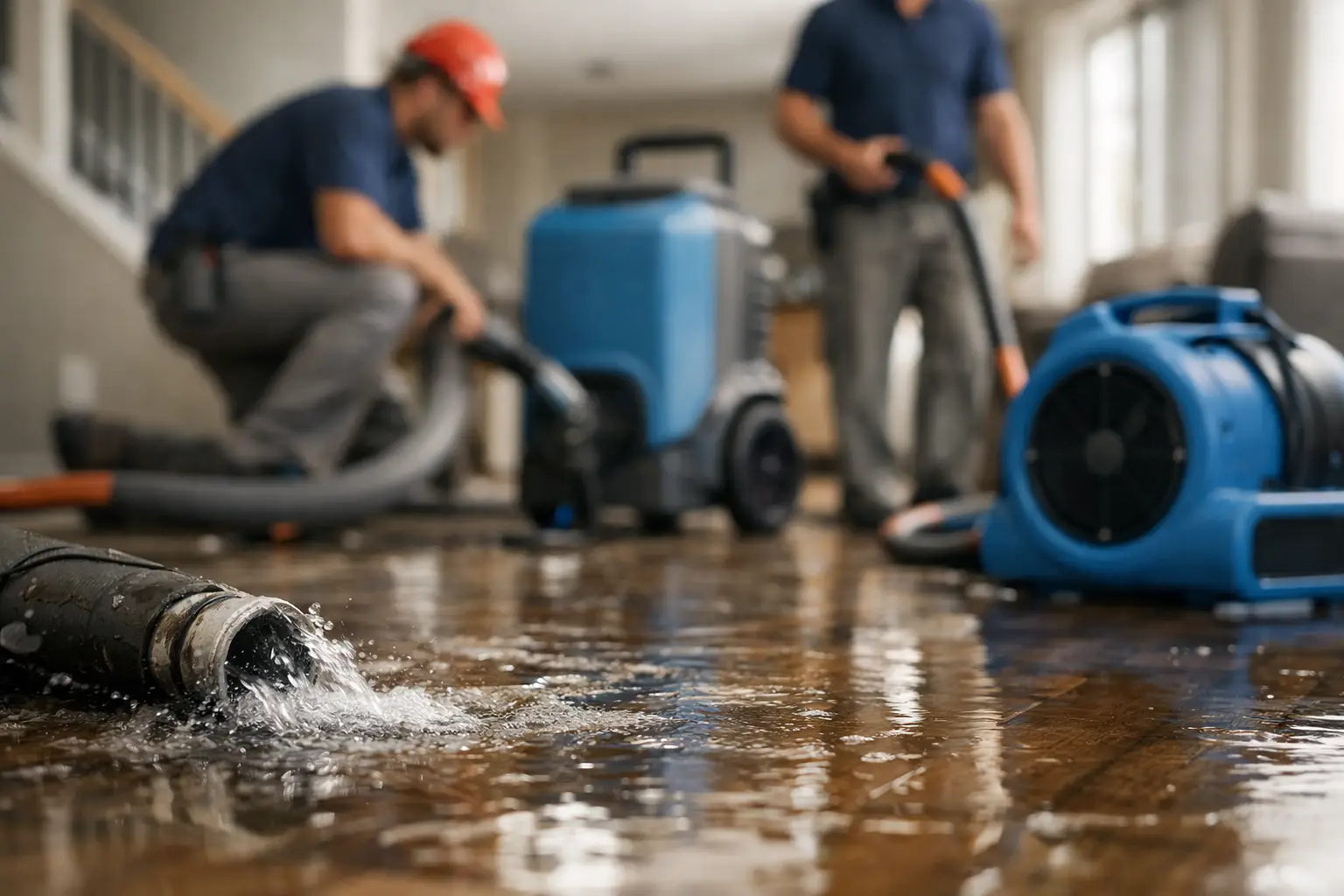
Flooded basement cleanup in Forest Park starts with fast water removal, then the drying work that keeps damage from spreading through post-war homes and slab additions near the airport corridor. I’m Chris Kwangwari with Elevated Operations, and I handle the cleanup, insurance documentation, and repairs after the water is out.
IICRC-Certified · 5-Star Rated · 60-Minute Response · Insurance Billed Directly
Yes. I serve Forest Park from my Mableton base, along with Cobb, Fulton, DeKalb, Douglas, Clayton, Henry, and Paulding counties.
Yes. My technicians are IICRC-certified, and that training matters on water losses, sewage backup cleanup, and basement drying.
Yes. I back the work with a 12-month warranty.
Call (770) 404-6895. I respond 24/7 to flooded basement cleanup calls.
Start with safety, then stop the water source if you can do it without risk. For flooded basement cleanup in Forest Park, I tell people to keep out of standing water, shut off power only if the panel is dry and accessible, and call for basement water removal before the damage spreads.
Forest Park basements sit in a tough spot, especially in post-war houses and later additions near industrial corridors and airport traffic patterns. Water can move fast under the slab, and what looks like a small puddle often hides soaked framing, insulation, and finishes behind the wall.
I see a lot of people grab towels first. That is not enough. Wet carpet removal, flood water extraction, and basement drying need to happen in a real sequence, or the moisture stays trapped and turns into a bigger problem in the same day.
If you had sewage backup cleanup issues mixed in with the flood, treat that water as contaminated. IICRC-certified technicians are the right move there. And if you are dealing with a claim, I do direct insurance billing and deductible assistance up to $1,000 when the job qualifies.
I clean up a flooded basement by removing standing water, pulling damaged materials, drying the structure, and checking for hidden moisture. Flooded basement cleanup in Forest Park has to account for slab homes, lower-level family rooms, and air movement around the airport and old industrial areas, where humidity can linger.
The first pass is flood water extraction. Then I inspect carpet, pad, trim, drywall, and contents. If the carpet is salvageable, wet carpet removal may still be the smartest call if the pad and backing are saturated. Drying the structure matters more than saving a floor that will hold odor.
Forest Park homes built after the war often have finished lower levels that were never designed for repeated water intrusion. Those spaces can hide damage at the base of walls and around stair runs. I look for water trails that point to the real entry path, not just the visible puddle.
I have been in restoration since 2007, and I do this work through Elevated Operations, LLLP from my Mableton base. My crews are IICRC-certified, I am a licensed general contractor, and I back the work with a 12-month warranty. That matters when the cleanup turns into repair.
Drying time depends on how much water got in, what materials were wet, and how quickly basement drying started. In Forest Park, humid weather and tightly built lower levels can slow the process, so I set equipment based on the actual structure, not guesswork, after flood water extraction is complete.
People want a simple clock. I do not fake one. A basement near the airport corridor with carpet, paneling, or stored contents usually takes longer than a bare concrete space because trapped moisture keeps feeding the air. The goal is dry structural materials, not just a floor that feels dry.
Basement water removal is only the start. Fans alone do not solve hidden saturation in base plates, insulation, or behind finished walls. I use a drying plan that matches the damage, and I check the trouble spots where water likes to sit in older post-war construction.
If you wait too long, mold prevention becomes harder. EPA guidance says mold can start in 24 to 48 hours, and that is why fast extraction matters. I respond 24/7, usually within 60 minutes for emergencies, so the drying process starts before the moisture gets a head start.
Yes, a flooded basement can cause mold quickly if the water stays trapped in carpet, drywall, insulation, or framing. In Forest Park, warm air, humid conditions, and enclosed lower levels make mold prevention a real priority after basement flooding, especially in older homes near Fort Gillem and the airport area.
Mold does not need a dramatic flood to start. It needs moisture, time, and organic material. That is why wet carpet removal, structural drying, and dehumidification are not extras. They are the difference between a cleanup and a recurring indoor air problem.
I pay close attention to wall cavities, the bottom edge of drywall, and the back side of stored items. In post-war houses, a basement may look simple on the surface and still hold moisture in spots you cannot see until odor or staining shows up later.
If sewage backup cleanup is part of the job, the mold risk goes up and the cleanup changes. Contaminated water needs different handling, different disposal, and tighter control. That is not a DIY job. I would not let anyone cut corners there.
Forest Park basements flood when heavy rain, drainage issues, or plumbing failures push water into lower levels, and the local mix of post-war housing and industrial terrain can make drainage less forgiving. Around Fort Gillem and the airport corridors, I see water follow the path of least resistance into basements.
The neighborhood pattern matters. Forest Park has a lot of older housing stock with additions, patched drainage, and lower-level rooms that were finished long after the original build. When the rain comes hard, those seams show up first, and water finds them before the homeowner does.
Industrial areas and airport-adjacent traffic zones can also mean less predictable runoff and harder-working storm systems. I do not guess at the cause. I look at where the water entered, where it pooled, and what materials soaked it up, because that tells me what needs removal and what can stay.
A fast response changes the outcome. I am based in Mableton, and I serve Cobb, Fulton, DeKalb, Douglas, Clayton, Henry, and Paulding counties. Forest Park is in my regular service area, and I know the type of homes and drainage problems people run into there.
Call me because I combine emergency response, insurance support, and repair knowledge in one place. For flooded basement cleanup in Forest Park, that means I handle extraction, basement drying, direct insurance billing, and the rebuild work through a licensed general contractor who stands behind the job.
I am Chris Kwangwari, owner of Elevated Operations, LLLP. My team has been in restoration since 2007, and we carry a 4.9-star Google rating from 73 reviews. That does not happen by accident. It comes from showing up, documenting the loss, and doing the work the right way.
You get 24/7 emergency response, IICRC-certified technicians, and a 12-month warranty. I also offer deductible assistance up to $1,000 on qualifying jobs. For a homeowner dealing with basement water removal after a flood, that combination matters because the cleanup is only half the job.
And I know Forest Park. I know the older post-war homes, the airport influence, the industrial edges, and the way moisture behaves in those lower levels. That local understanding saves time and prevents mistakes when the water has already caused enough trouble.
A basement can look dry and still hold moisture in the slab, wall base, or carpet pad. If the smell stays, the drying process is not finished.
Saturated carpet can hide a soaked pad and trapped contamination. Wet carpet removal may be the right call even when the top layer still looks salvageable.
Discoloration near the floor line often shows where water traveled. In older Forest Park homes, this can point to hidden damage behind finishes.
If water returns to the same spot, the source may still be active or the structure is still releasing moisture. That needs a second look, not a guess.
If the flood involved sewage backup cleanup, do not touch contaminated materials without proper handling. The cleanup changes immediately when the water is dirty.
From emergency mitigation to full reconstruction, handled in-house so you are never managing a chain of subcontractors mid-crisis.
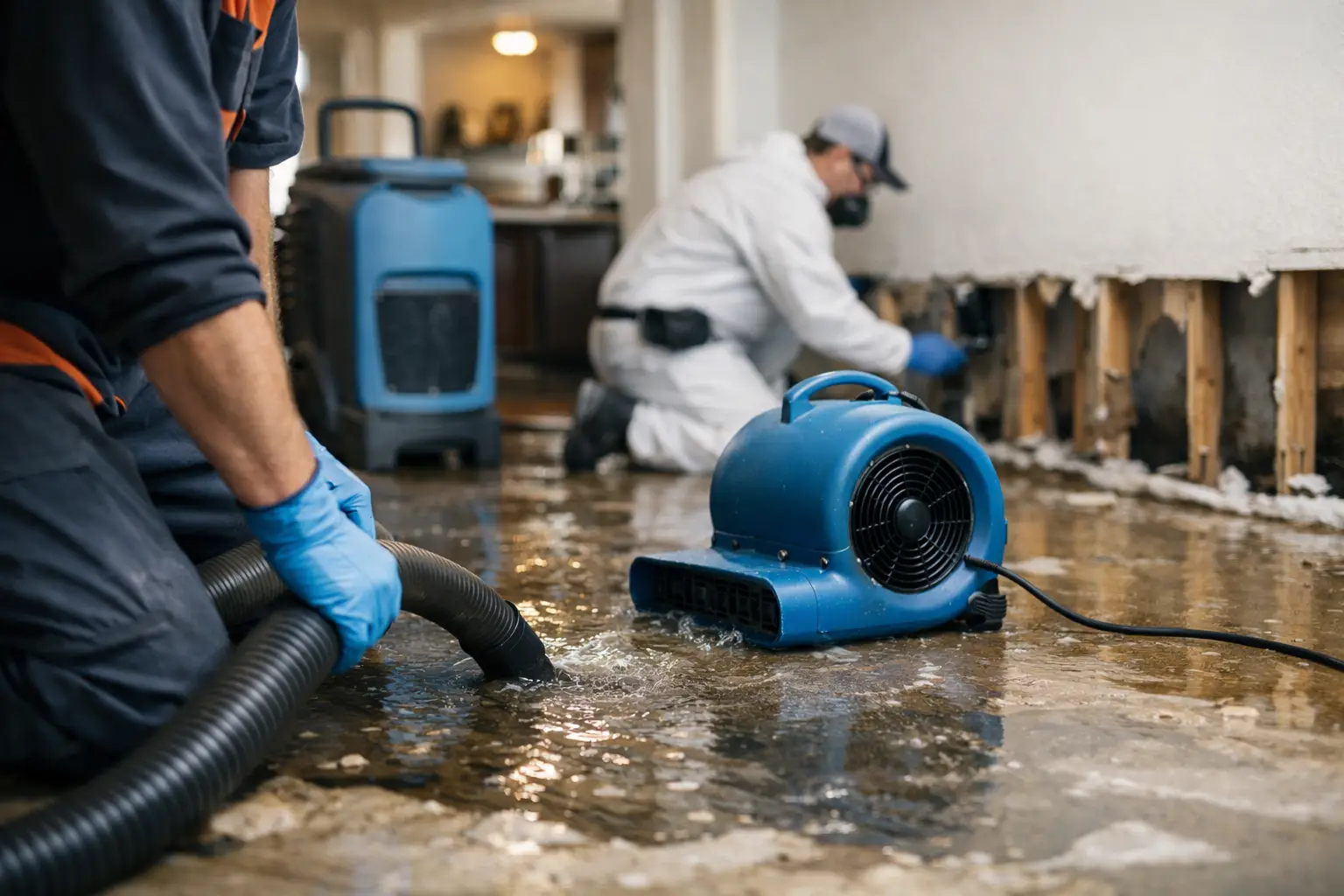 Water Damage
Extraction, structural drying, and moisture mapping after floods, leaks, and burst pipes.
Get help now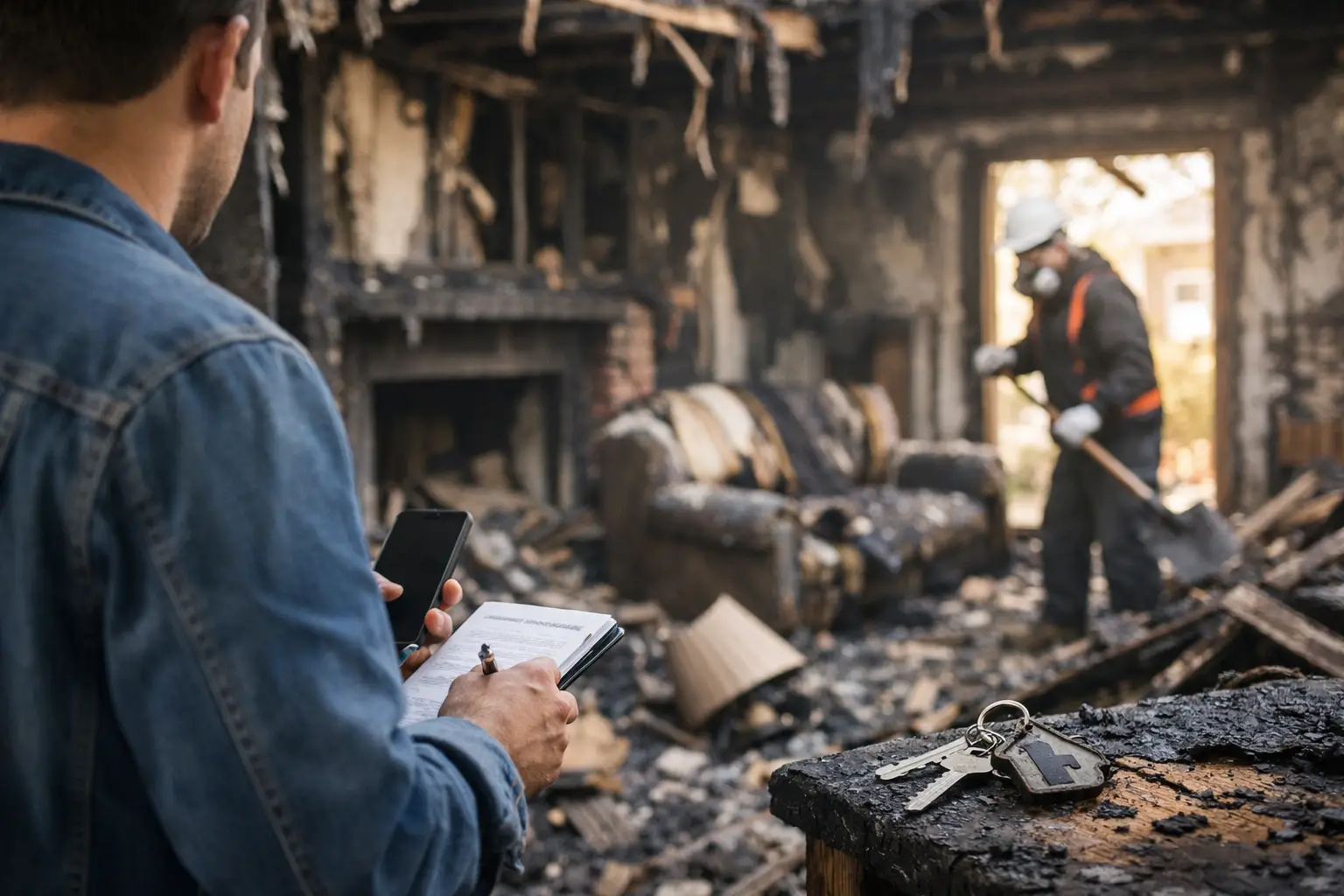 Fire & Smoke
Soot removal, odor deodorization, and content cleaning after fire and smoke damage.
Learn more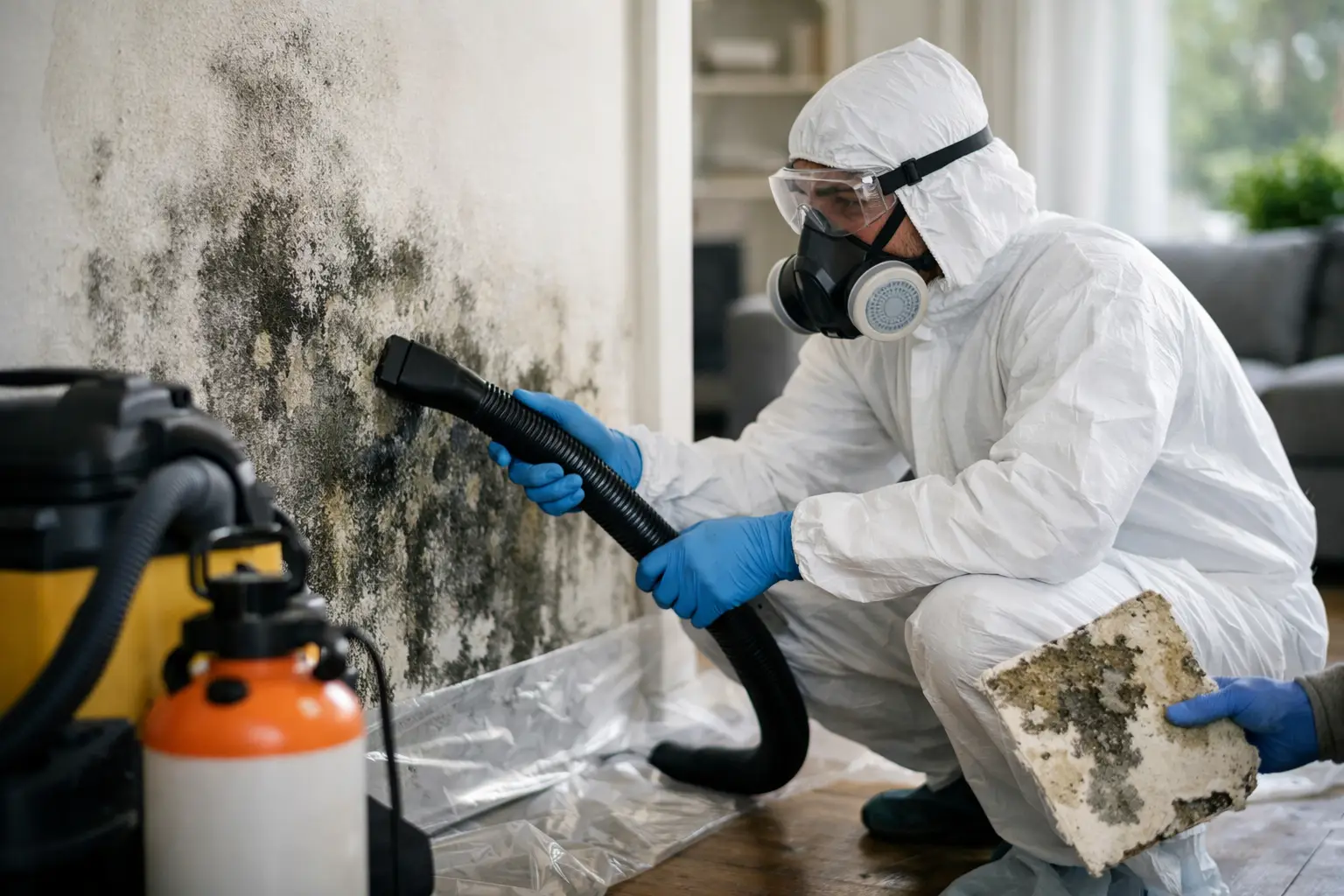 Mold
MoldContainment, removal, and moisture control that stops mold from coming back.
Learn more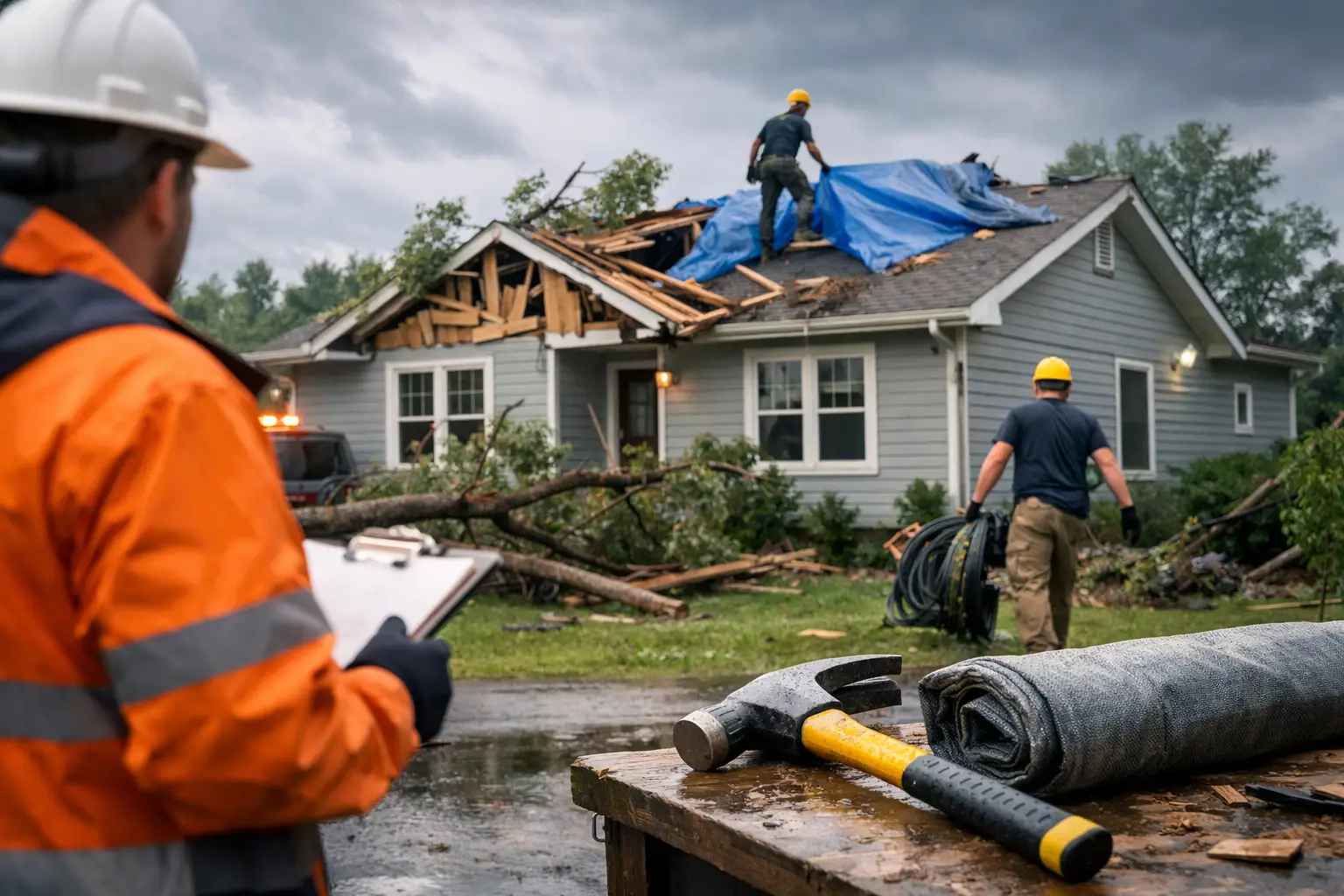 Storm
StormEmergency board-up, roof tarping, and full recovery after wind, hail, and storms.
Learn more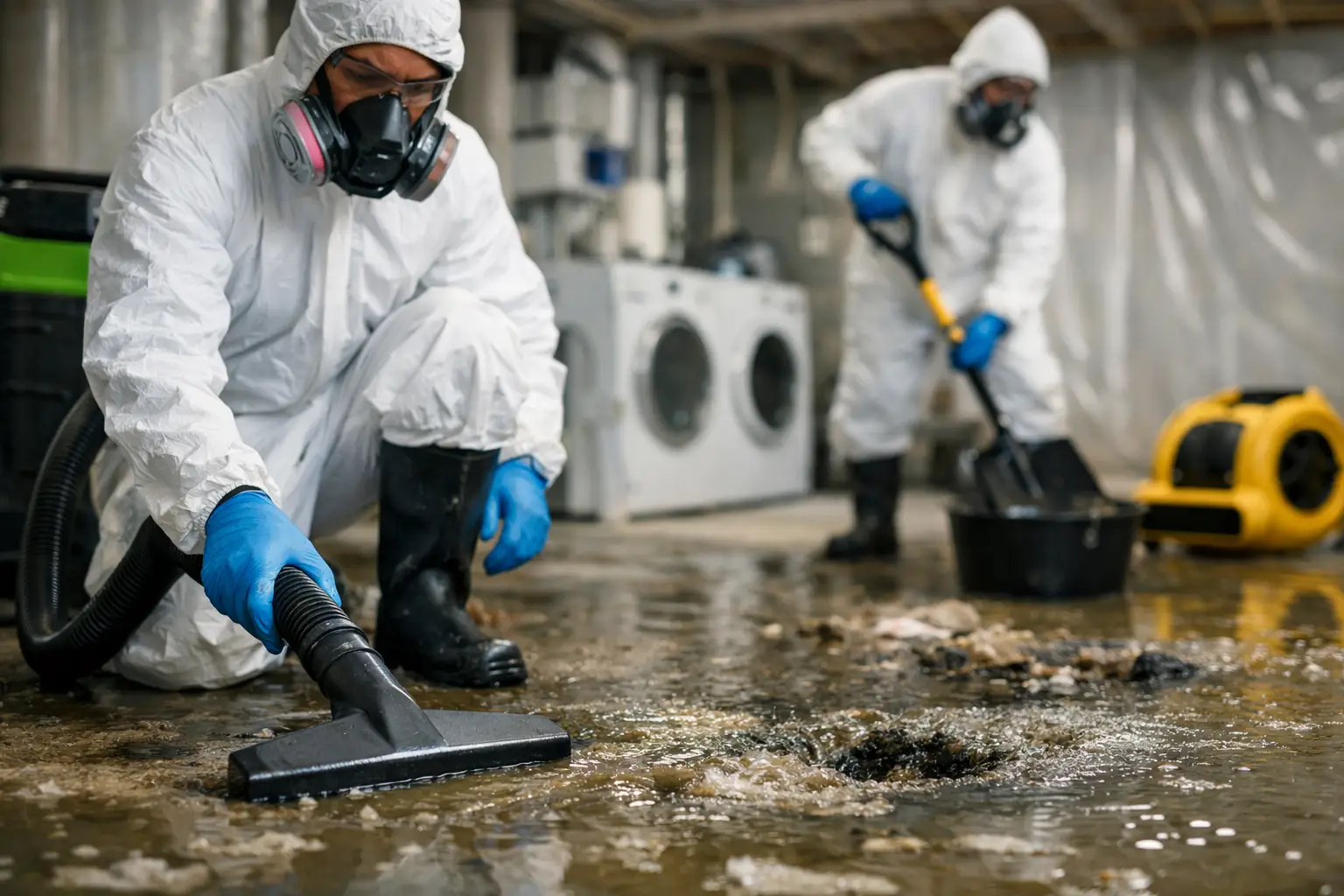 Sewage
Safe biohazard cleanup and sanitizing after sewage backups and overflows.
Learn more Reconstruction
Full rebuild by a licensed general contractor, so your property comes back whole.
Learn moreElevated Operations is an IICRC-certified, licensed general contractor based in Mableton that handles the entire recovery in-house, so after one loss you are never coordinating a cleanup crew, a mold crew, and a contractor separately. One team, one point of contact, from the first pump-out to the final coat of paint.
People call when the property feels like a disaster. They leave reviews because Chris and the crew made it right. These are real, verified Google reviews.
Get people out of the area, avoid standing water, and call for basement water removal right away. In Forest Park, especially near the airport corridor and older post-war homes, water can travel under flooring and behind walls fast. If power or sewage is involved, treat it as a hazard and do not keep working in the space.
I start with flood water extraction, then remove damaged materials, dry the structure, and check for trapped moisture behind the finishes. Finished lower levels in Forest Park often need more than surface cleanup because water can hide in drywall, trim, carpet pad, and framing near the slab.
Drying time depends on how much water entered, what materials soaked it up, and how quickly equipment was set. Forest Park humidity and enclosed basement layouts can slow basement drying, so I do not promise a fixed timeline. I size the drying plan to the actual damage.
Yes. Mold prevention gets harder fast when moisture sits in carpet, drywall, or insulation. EPA guidance says mold can start in 24 to 48 hours, and Forest Park basements can hold humidity after the water is gone. That is why speed matters more than trying to dry it with household fans.
Yes, when sewage is part of the loss, I handle it differently from clean water. Contaminated water changes the safety steps, the material removal, and the disposal process. In Forest Park homes, especially older basements, I take that seriously and keep the cleanup controlled from the start.
Often, yes, depending on the cause and the policy terms. I do direct insurance billing, so I can help document the loss and keep the process moving. If the claim qualifies, I also offer deductible assistance up to $1,000. I always start with the facts on the scene.
It means I dispatch 24/7 and move quickly when the basement is actively flooding or the damage is spreading. Fast response helps with basement water removal, wet carpet removal, and mold prevention. In Forest Park, speed matters because water does not wait on paperwork.
Because cleanup and repair often happen together. I am a licensed general contractor, so I can handle both the restoration work and the rebuild after the water is gone. That matters in Forest Park when a post-war basement needs more than extraction and drying.
Elevated Operations dispatches IICRC-certified crews across Metro Atlanta from our Mableton base, with a 60-minute emergency response day or night. Choose your city:
Call now for an immediate response, or request your free inspection and get a certified crew on-site within the hour across Atlanta and nearby areas.