24/7 Emergency Restoration · Serving Metro AtlantaEmergency? (770) 404-6895

Lead and asbestos remediation in Metro Atlanta protects a household before a renovation, water damage repair, or fire damage rebuild disturbs hazardous building materials hiding in an older home. Elevated Operations, LLLP, a licensed general contractor based in Mableton, coordinates testing, containment, and removal handled to EPA and OSHA standards across Cobb, Fulton, DeKalb, Douglas, Clayton, Henry, and Paulding counties.
Licensed General Contractor · 5-Star Rated · EPA & OSHA Compliant Methods · Insurance Billed Directly
Yes. Elevated Operations coordinates testing and inspection of suspect materials, lead-based paint, insulation, floor tile, and ceiling texture, before any containment or removal begins on a Metro Atlanta property, so the scope of work is documented before it is priced.
Homes built before 1978, when the federal government banned lead-based paint for residential use, and homes built before the 1980s, when asbestos was still common in insulation, tile, and ceiling texture, carry the highest likelihood of both materials.
Yes. Water intrusion, fire suppression, and demolition during a restoration project can crack, saturate, or crumble painted surfaces, insulation, and ceiling texture that were undisturbed until the loss occurred.
Permitting and notification requirements depend on the material, the scope of work, and local jurisdiction rules. Elevated Operations reviews the requirements that apply to a property as part of the written scope of work before any containment or removal begins.
Lead and asbestos remediation in Metro Atlanta starts with testing to confirm what is actually present, then moves through containment, removal, and disposal handled to EPA and OSHA standards. Elevated Operations coordinates each phase so a homeowner is never left guessing what happens between the first inspection and the final clearance.
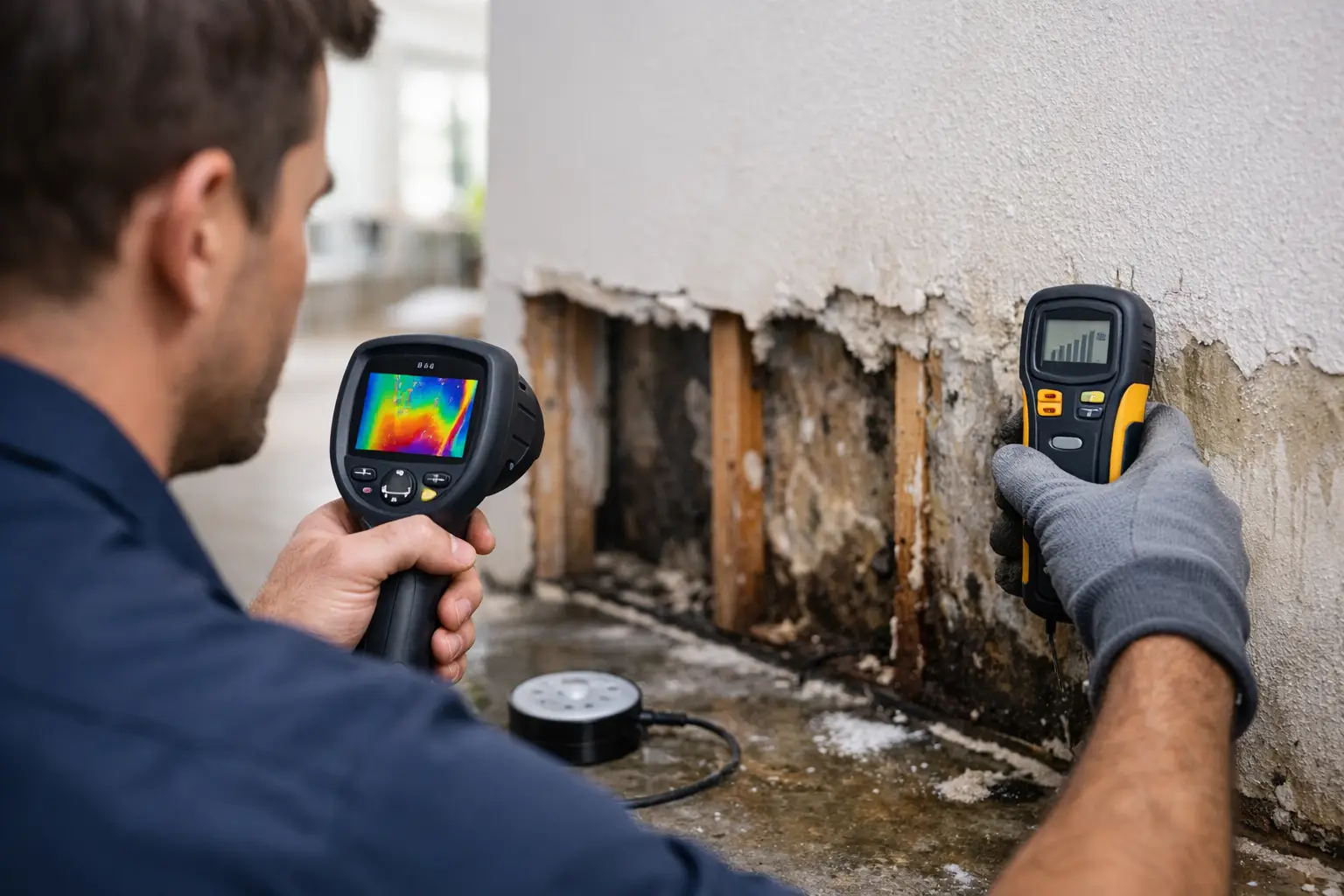
Suspect paint, insulation, floor tile, and ceiling texture get sampled to confirm whether lead or asbestos is present before any containment or removal work is scoped or priced.
Work areas get sealed with plastic sheeting and, where called for, negative-air equipment to keep dust and fibers from spreading into the rest of the home during removal.
Wetting materials before disturbance is standard practice for lead paint and asbestos-containing material alike, since it keeps dust and fibers from becoming airborne during scraping or tear-out.
Removed material gets bagged, labeled, and disposed of as hazardous waste rather than placed in a standard construction dumpster, following EPA and OSHA handling requirements.
Testing decides everything that follows. A room that tests negative can move straight into a normal renovation, while a room that tests positive needs containment and a documented removal plan before a contractor can safely open a wall or sand a floor.
Insurance coverage for lead and asbestos work in Metro Atlanta usually depends on how the material was disturbed. A covered water or fire loss that exposes old insulation or paint can often be documented and billed directly to the carrier as part of that claim, while routine pre-renovation testing and removal is typically a standalone project. Elevated Operations provides a written scope before either type of work begins.
Testing and removal done ahead of a planned renovation, kitchen demolition, window replacement, attic work, is generally treated as a standalone project rather than an insurance claim.
When a covered water or fire loss disturbs painted surfaces, insulation, or floor tile, the related testing and remediation can often be documented and billed as part of that claim.
The number of rooms and material types tested affects the size of the project, whether the job covers one bathroom or an entire pre-1978 home.
Painted trim and siding, pipe and attic insulation, vinyl floor tile and mastic, and popcorn ceiling texture each carry a different removal approach and cost driver.
Lead-based paint was banned for residential use across the United States in 1978, which is why homes built before that year in neighborhoods like Grant Park, Kirkwood, Decatur, and Marietta's historic districts carry a higher likelihood of testing positive than homes built afterward (U.S. Consumer Product Safety Commission, federal ban on residential lead-based paint, effective 1978).
Get testing and a written scope of work before a wall comes down or a floor gets pulled up.
Four situations send most Metro Atlanta calls to Elevated Operations for lead and asbestos testing. If any of these match what is happening at your property right now, stop and call before work continues.
Kitchen and bathroom remodels, window replacement, and attic work in a home built before 1978 are the most common reasons Metro Atlanta homeowners call for testing before the first wall comes down.
A burst pipe, roof leak, or fire suppression effort can crack painted trim or soak attic insulation in an older home. If the property was built before 1978 or the 1980s, testing before cleanup starts protects everyone on site.
Chipping, cracking, or peeling paint in a home built before 1978 is a common trigger for testing, since deteriorating paint is more likely to shed dust than intact, well-sealed paint.
Vinyl floor tile, sprayed ceiling texture, or pipe wrap insulation discovered once demolition is already underway needs to stop and get tested before work continues.
Lead paint and asbestos-containing material are regulated under separate federal rules, tested separately, and often removed with different methods, even though both are common in the same pre-1980s Metro Atlanta home. The table below breaks down where each one typically shows up and how it generally gets handled.
Where a hazard sits in the home changes the approach almost as much as what the hazard is. A painted window frame and a sprayed ceiling call for the same first step, testing, but rarely the same removal method once results come back.
| Hazard | Common Location in Older Metro Atlanta Homes | Governing Standard | Typical Approach |
|---|---|---|---|
| Lead-Based Paint | Interior and exterior trim, window frames, doors, and painted siding in homes built before 1978 | EPA Renovation, Repair and Painting Rule | Testing, containment, wet removal or encapsulation, compliant disposal |
| Asbestos Pipe & Attic Insulation | Pipe wrap and attic insulation in homes built before the 1980s | EPA Asbestos NESHAP; OSHA 29 CFR 1926.1101 | Testing, negative-air containment, wet removal, sealed disposal |
| Asbestos Floor Tile & Mastic | Vinyl floor tile and adhesive common in mid-century homes | EPA Asbestos NESHAP; OSHA 29 CFR 1926.1101 | Testing, wet removal or encapsulation depending on condition |
| Popcorn Ceiling Texture | Sprayed ceiling texture common in homes built through the late 1970s | EPA Asbestos NESHAP; OSHA 29 CFR 1926.1101 | Testing, containment, wet scraping, compliant disposal |
Both hazards share the same first step. Nothing gets scraped, sanded, or torn out until testing confirms what is actually present, since guessing wrong in either direction either wastes money on unnecessary containment or exposes a household to a real hazard.
Metro Atlanta's older neighborhoods, many built before the 1978 lead paint ban and before asbestos use declined in the 1980s, sit alongside decades of active renovation across a metro area of roughly 6.4 million people. That combination of aging housing stock and constant remodeling is why testing before a project starts matters as much here as the removal work itself.
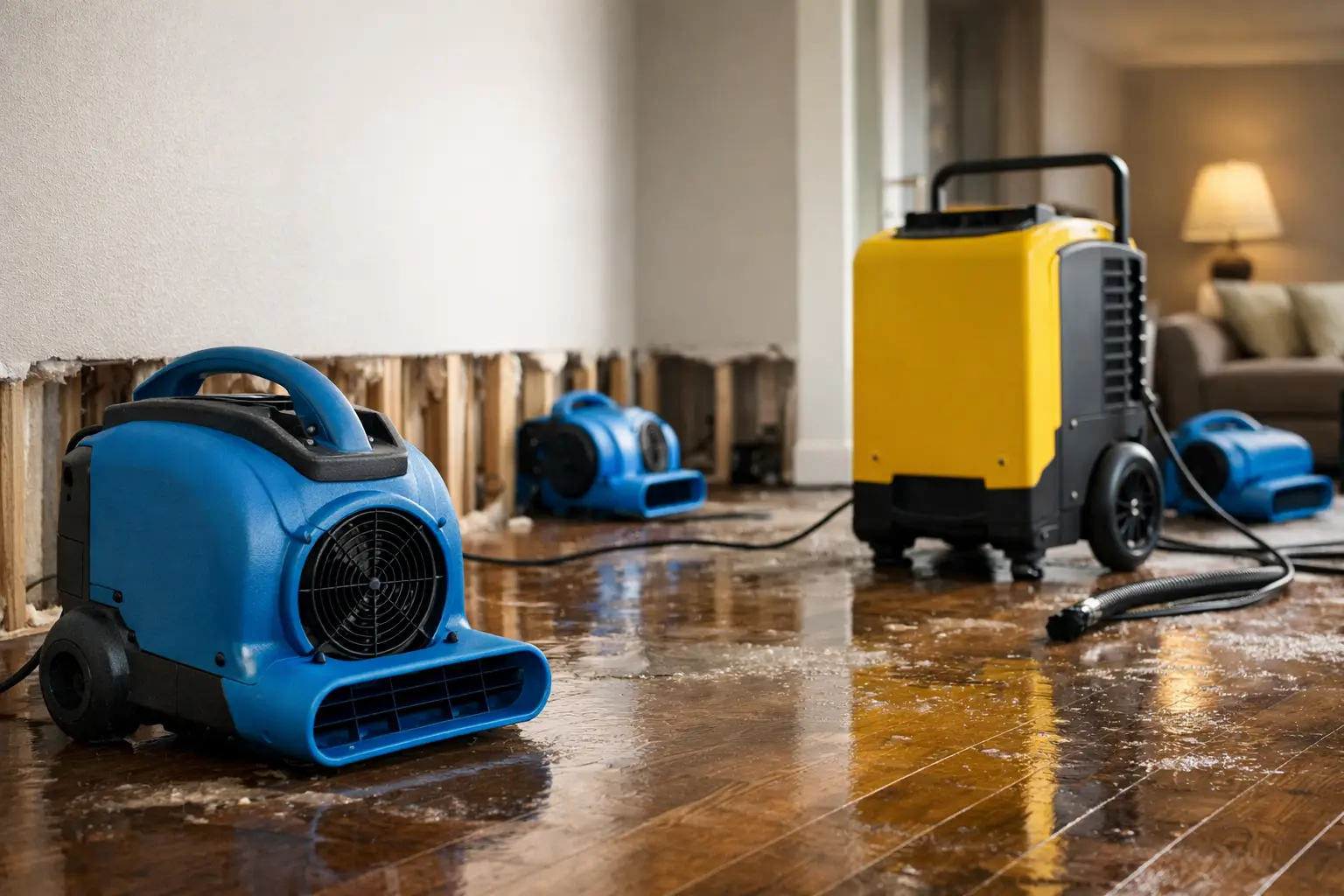
Neighborhoods like Grant Park, Kirkwood, East Atlanta, and downtown Decatur include homes built well before 1978, which is why lead paint testing is a common first step before a remodel in these areas.
Ranch and split-level homes built through the 1960s and 1970s across Cobb, DeKalb, and Fulton counties are the age range most likely to contain both lead paint and asbestos floor tile or ceiling texture.
Metro Atlanta's ongoing wave of kitchen, bathroom, and whole-home remodels means older material gets disturbed constantly, which is why testing before demolition is treated as a standard step rather than an optional one.
A home does not need to be a century old to carry these hazards. A ranch house built in 1975 falls inside both the pre-1978 lead paint window and the pre-1980s asbestos window, a range that covers a large share of the housing stock across Cobb, Fulton, DeKalb, and the rest of Metro Atlanta's established suburbs (U.S. Census Bureau, Metropolitan and Micropolitan Statistical Area population estimates, 2020s series, Atlanta-Sandy Springs-Roswell metro area).
Choosing the right contractor for lead and asbestos work in Metro Atlanta comes down to documentation. A contractor should test before removing anything, explain the containment plan in writing, and be a licensed general contractor who can complete any reconstruction once the material is gone. Elevated Operations, based in Mableton, has operated as a licensed general contractor since founding the company in 2014.
A contractor should test suspect material and share the results before proposing removal, not after work has already started.
Ask for a written explanation of how the work area will be sealed and how dust or fibers will be controlled during removal.
Removed material should be bagged, labeled, and disposed of properly, not mixed into a general construction dumpster.
A licensed general contractor can take a property from removal through drywall, flooring, and trim without handing the reconstruction off to a separate crew.
Elevated Operations coordinates testing, containment, and removal handled to EPA and OSHA standards across Cobb, Fulton, DeKalb, Douglas, Clayton, Henry, and Paulding counties, then completes any resulting reconstruction with the same licensed general contractor crew. Trusted by hundreds of homes and businesses, 5-star rated on Google.
Licensed General Contractor · Direct Insurance Billing on Covered Losses · Serving Cobb, Fulton, DeKalb, Douglas, Clayton, Henry & Paulding CountiesFrom emergency mitigation to full reconstruction, handled in-house so you are never managing a chain of subcontractors mid-crisis.
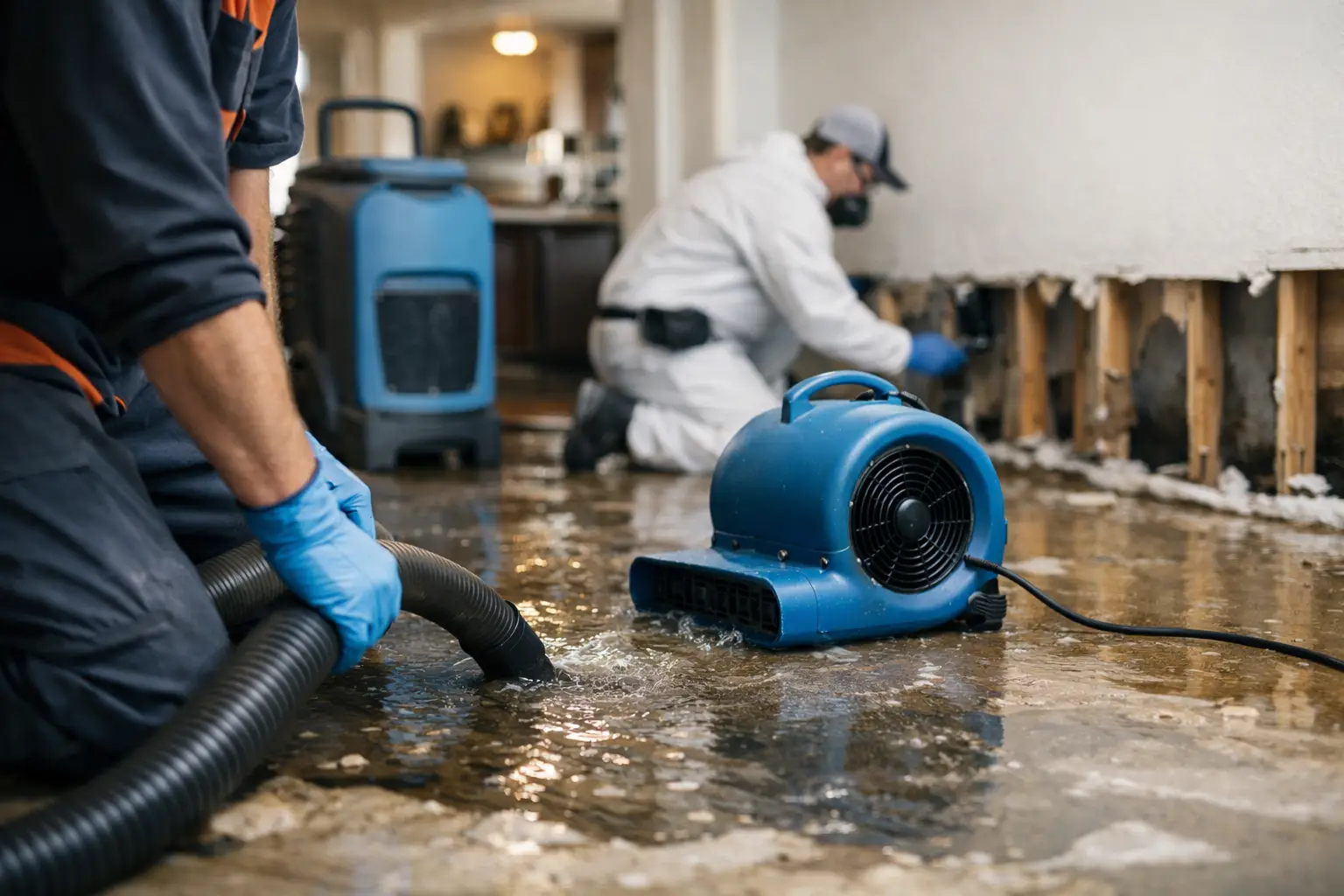 Water Damage
Extraction, structural drying, and moisture mapping after floods, leaks, and burst pipes.
Get help now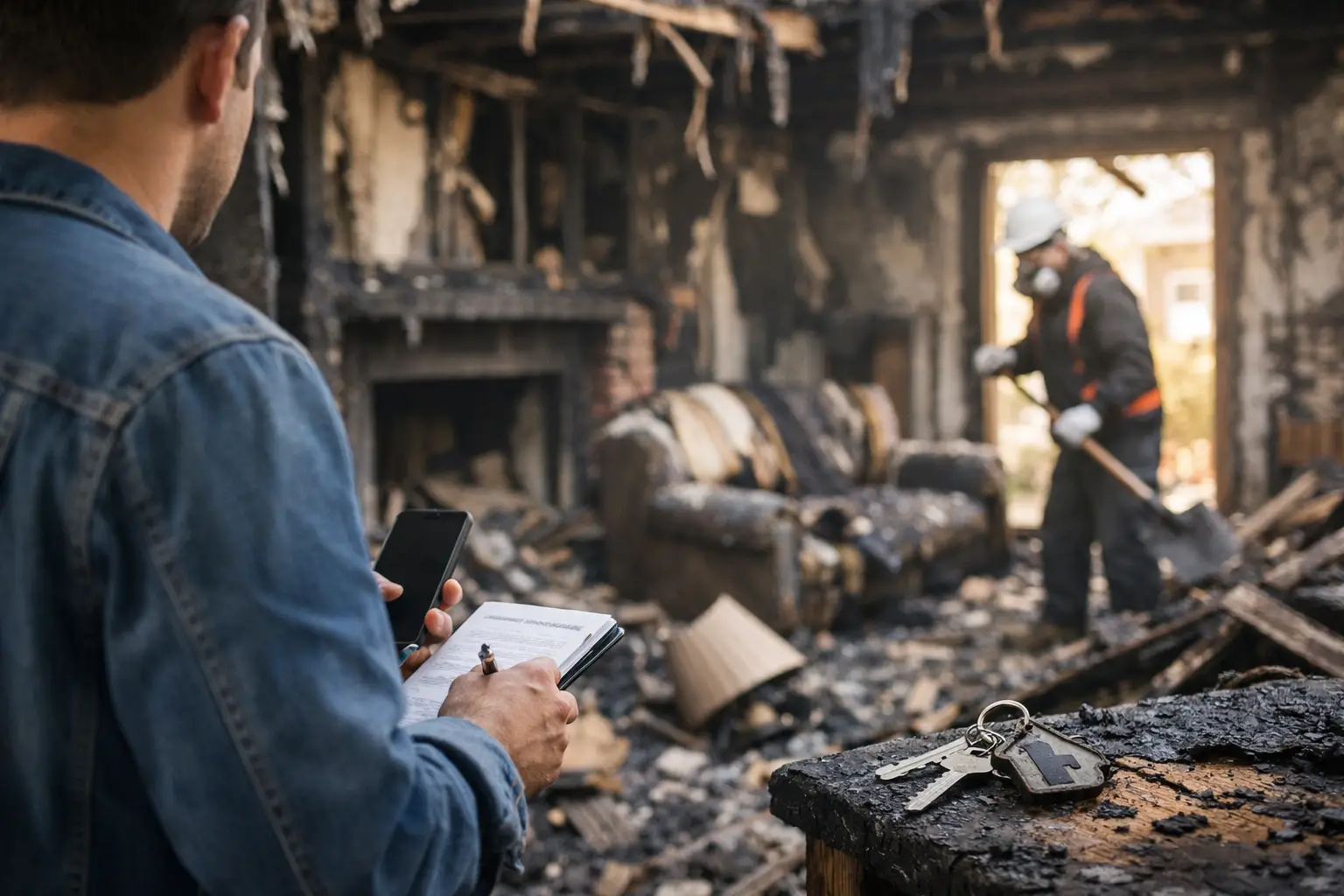 Fire & Smoke
Soot removal, odor deodorization, and content cleaning after fire and smoke damage.
Learn more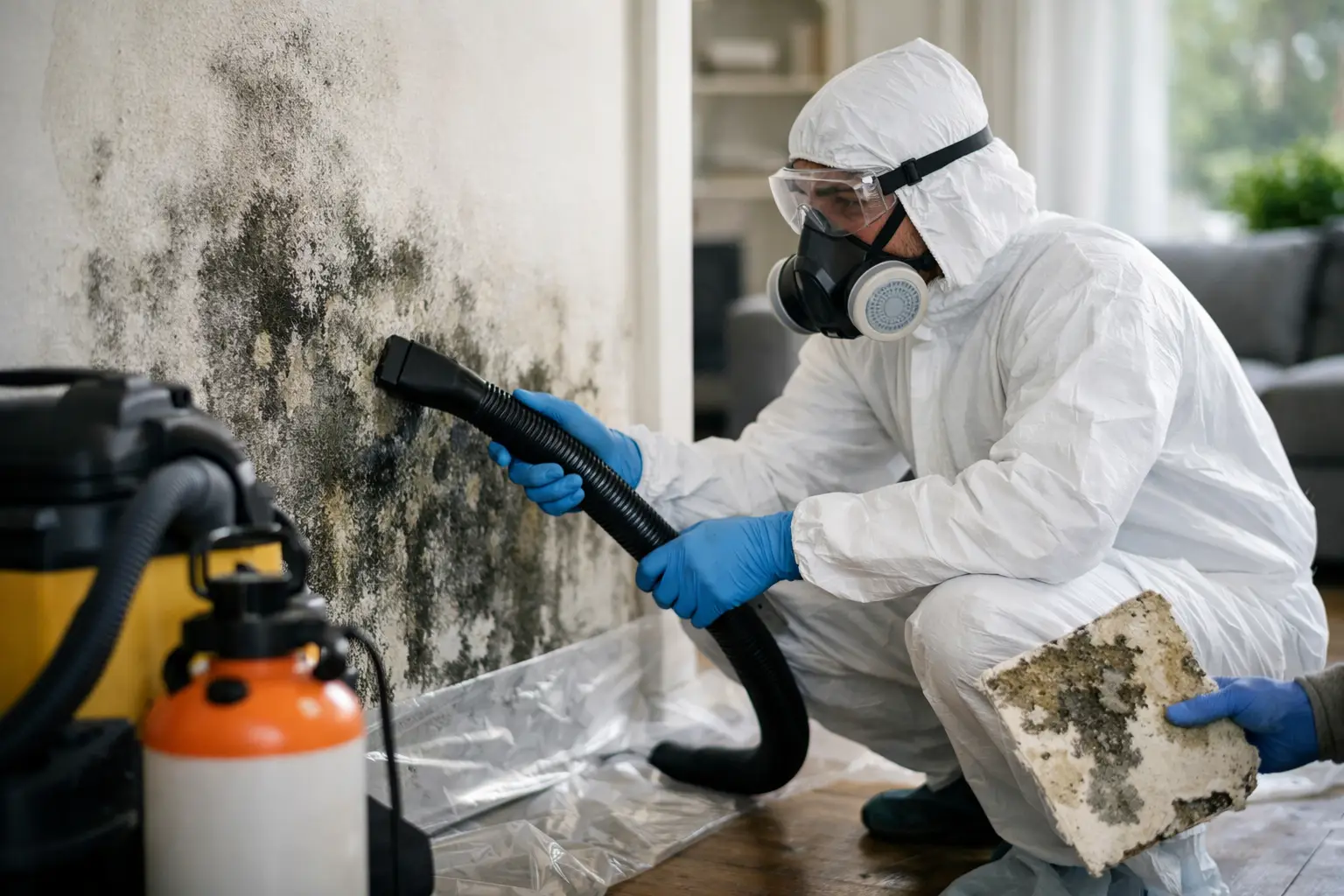 Mold
MoldContainment, removal, and moisture control that stops mold from coming back.
Learn more Storm
StormEmergency board-up, roof tarping, and full recovery after wind, hail, and storms.
Learn more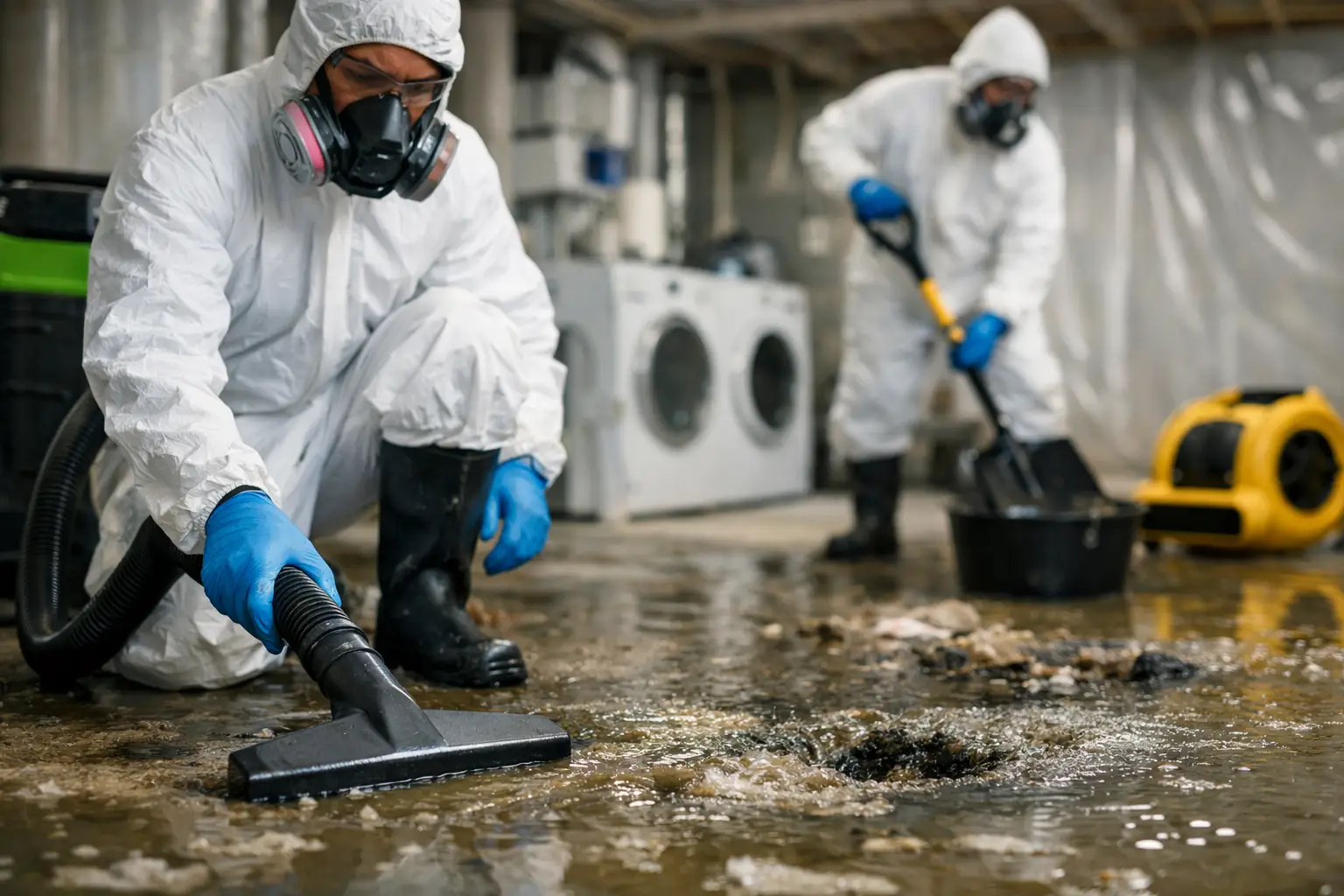 Sewage
Safe biohazard cleanup and sanitizing after sewage backups and overflows.
Learn moreReconstructionFull rebuild by a licensed general contractor, so your property comes back whole.
Learn moreElevated Operations is a licensed general contractor based in Mableton that handles the entire recovery in-house, so after one loss you are never coordinating a cleanup crew, a mold crew, and a contractor separately. One team, one point of contact, from the first pump-out to the final coat of paint.
People call when the property feels like a disaster. They leave reviews because Chris and the crew made it right. These are real, verified Google reviews.
Elevated Operations dispatches licensed, insured crews across Metro Atlanta from our Mableton base, with a 60-minute emergency response day or night. Choose your city:
Call now for an immediate response, or request your free inspection and get a certified crew on-site within the hour across Atlanta and nearby areas.