24/7 Emergency Restoration · Serving Metro AtlantaEmergency? (770) 404-6895
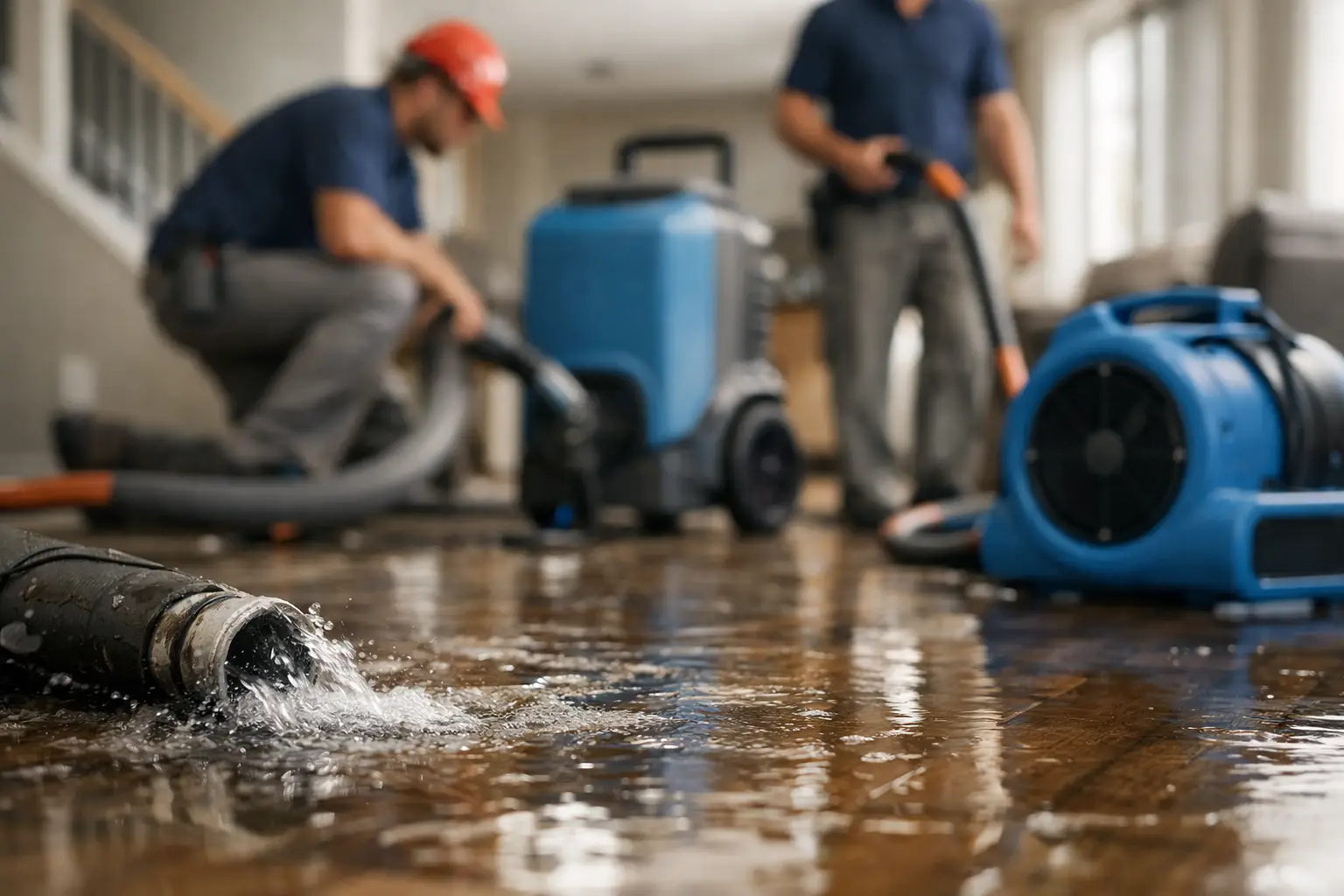
Water extraction and drying in Douglasville starts with fast water removal, then careful structural drying so moisture does not linger in builder-grade homes off I-20 or near Dog River reservoir. I’m Chris Kwangwari, and my crew answers 24/7 with IICRC-certified technicians, direct insurance billing, and a 12-month warranty.
IICRC-Certified · 5-Star Rated · 60-Minute Response · Insurance Billed Directly
Yes. I answer 24/7 and move fast on emergencies, including homes near I-20 and Dog River reservoir.
Sometimes, yes. I inspect the carpet, pad, and subfloor first, then use wet carpet extraction and drying if the materials are still salvageable.
Yes. I provide direct insurance billing so the claim process stays organized while the home is being dried.
I back my work with a 12-month warranty, and I stand behind the job after the drying is complete.
Water extraction and drying in Douglasville starts with stopping the source, removing standing water, then setting a drying plan for the structure. I inspect the affected rooms, use moisture monitoring, place air movers and dehumidification equipment, and keep drying until materials are actually dry, not just surface dry.
In a lot of Douglasville homes, especially the builder-grade houses tied to the I-20 corridor, water runs under baseboards, into carpet tack strips, and behind trim fast. That is why I do not treat this like simple cleanup. It is a moisture problem, then a drying process problem.
Near Dog River reservoir, I see stormwater and plumbing failures show up in different ways, but the process stays disciplined. I remove water, map wet areas, then verify progress with moisture monitoring instead of guessing. Guessing is how hidden damage keeps growing.
And if the carpet is salvageable, I use wet carpet extraction early so the pad and subfloor are not left soaking. If drywall, flooring, or framing holds too much moisture, structural drying takes over. That is where the job gets real, and where experience matters.
I use the right equipment for the damage, not a one-size-fits-all setup. That usually means water extraction tools, air movers, dehumidification equipment, and moisture monitoring devices to track what is happening inside floors, walls, and hidden cavities while the structure dries.
Air movers matter because they push air across wet surfaces and speed evaporation. Dehumidification matters because that evaporated moisture has to go somewhere. If you only move air without removing humidity, the space can stay damp and the drying process drags on.
For water removal, I use extraction equipment that pulls standing water from carpet and hard surfaces before the drying phase gets serious. In Douglasville, where many homes have standard construction details, that early pull can make the difference between a manageable job and a bigger rebuild.
Moisture monitoring is not optional in my book. I check readings through the job so I know whether the subfloor, drywall, and framing are trending the right direction. That is how I keep structural drying honest, especially in homes near wooded lots and low spots.
Drying time depends on what got wet, how fast water was removed, and what materials are involved. I do not guess at a number. I track the job with moisture monitoring and adjust the drying setup until the structure reaches dry standards, not just a dry-looking surface.
A small clean-water loss in a hallway can dry very differently from a kitchen leak that ran under cabinets or into a wall cavity. In Douglasville, builder-grade materials can dry quickly on the surface while staying wet underneath, so I look deeper than appearances.
If the water sat long enough for materials to swell, buckle, or wick up into drywall, the drying process usually takes more attention. That is especially true when carpet, pad, and subfloor all need separate handling. I prefer to be precise instead of optimistic.
One thing I will say plainly, the faster you call, the better your chances. Water damage does not wait, and mold starts in 24 to 48 hours. If the home is near Dog River reservoir or in an I-20 subdivision, I still treat the timeline the same, act fast and verify with readings.
Structural drying is important because water removal alone does not fix soaked framing, subfloors, drywall, or insulation. If those materials stay damp, you risk hidden deterioration, odors, and secondary damage. I dry the structure itself so the home is actually stable again.
I have seen homeowners think the job is done once the visible water is gone. It is not. Water can stay trapped in the structure, especially in wall cavities, under laminate, or beneath carpet in builder-grade homes around Douglasville.
Structural drying protects the parts you do not see. That includes framing, sheathing, subflooring, and transitions around cabinets and trim. If those materials hold moisture, the home can keep changing long after the puddle is gone, and that becomes a costlier problem.
And with homes near Dog River reservoir, humidity can complicate the drying process even more. That is why I pair air movers with dehumidification and keep measuring moisture. I want the structure dry, not the room merely feeling less damp.
Turn off the water source if you can do it safely, keep people out of wet rooms, and call right away. I handle the rest. If it is safe, move small items out of the affected area, but do not pull wet carpet or start lifting flooring yourself.
If the water is clean and the area is safe, you can raise small furniture on blocks or place foil under legs. But do not start tearing out materials unless I tell you to. In Douglasville homes, the wrong move can spread damage instead of limiting it.
If water is near electrical outlets, HVAC equipment, or a finished basement, leave the space alone. I have seen homeowners make a simple leak worse by trying to dry it with household fans. That is not the same as a controlled structural drying setup.
Call me as soon as you know you have a problem. My crew responds 24/7, and I keep the process straightforward. We handle direct insurance billing, and I can help with deductibles up to $1,000 when that applies.
Homes near I-20 often have quick-build construction details, mixed additions, and traffic-related vibrations that can expose weak points around plumbing and flooring. I check moisture closely because hidden water can move through these homes in ways that are not obvious from one room to the next.
Douglasville has a lot of homes where the construction is straightforward, sometimes builder-grade, and that means water can travel quickly through standard assemblies. Once it gets under flooring or behind drywall, the visible damage and the hidden damage stop matching.
Near the I-20 corridor, I see a wide mix of home ages and layouts, which changes how I set the drying equipment. Some jobs need focused wet carpet extraction, others need more aggressive dehumidification, and many need both to keep the structure on track.
I do not rely on look and feel. I rely on moisture monitoring. That is the only way I know whether the subfloor under a hallway, the corner of a bedroom, or the base of a wall near a utility area is actually drying.
Yes. I respond 24/7 with a 60-minute emergency response approach, and I keep the call simple so you know what happens next.
Yes. I offer direct insurance billing, so I can coordinate the paperwork while the drying process is underway.
My technicians are IICRC-certified, and I’m a licensed general contractor, so the work is handled with both restoration and rebuild knowledge.
Yes. I back my restoration work with a 12-month warranty.
When eligible, I can assist with deductibles up to $1,000.
From emergency mitigation to full reconstruction, handled in-house so you are never managing a chain of subcontractors mid-crisis.
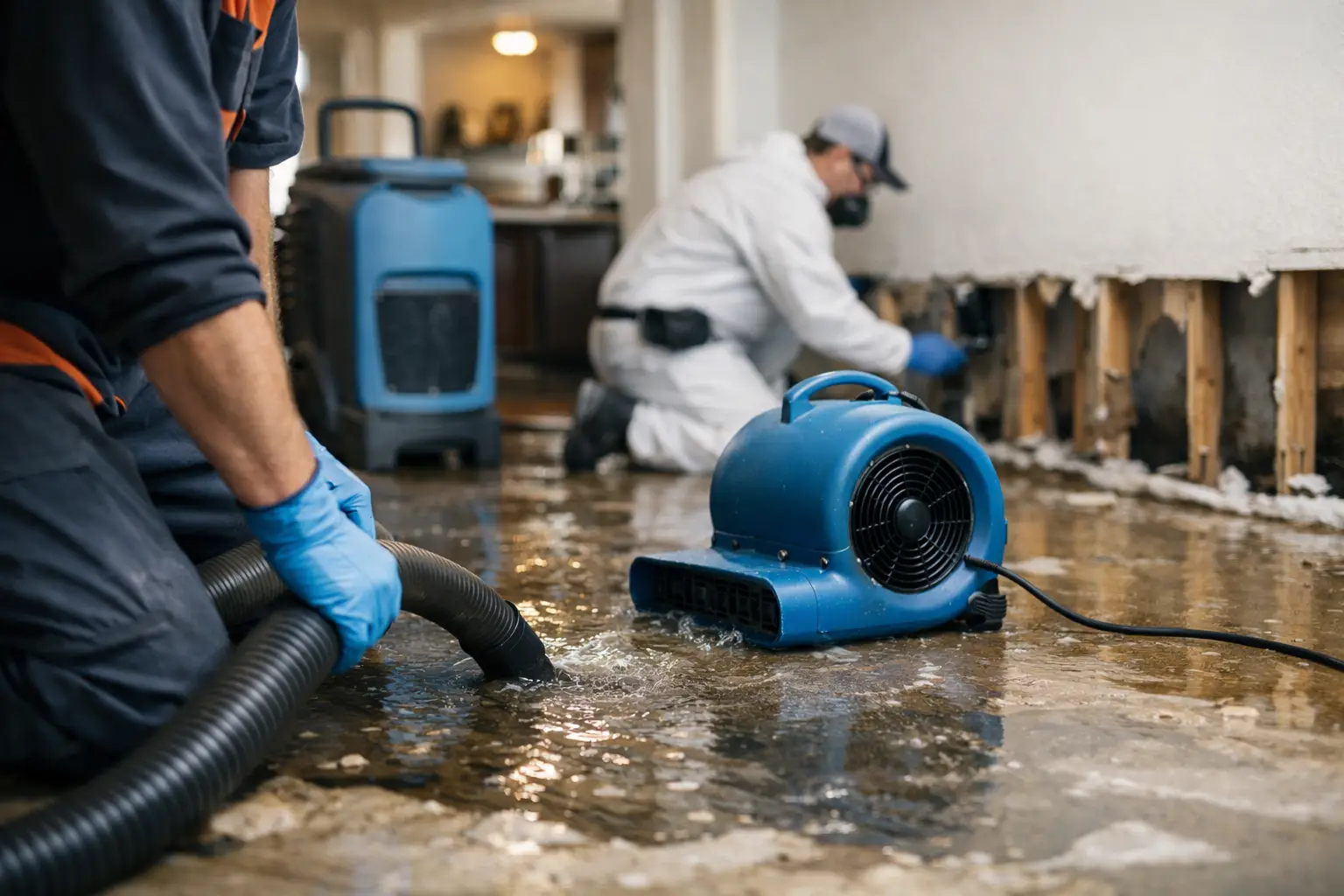 Water Damage
Extraction, structural drying, and moisture mapping after floods, leaks, and burst pipes.
Get help now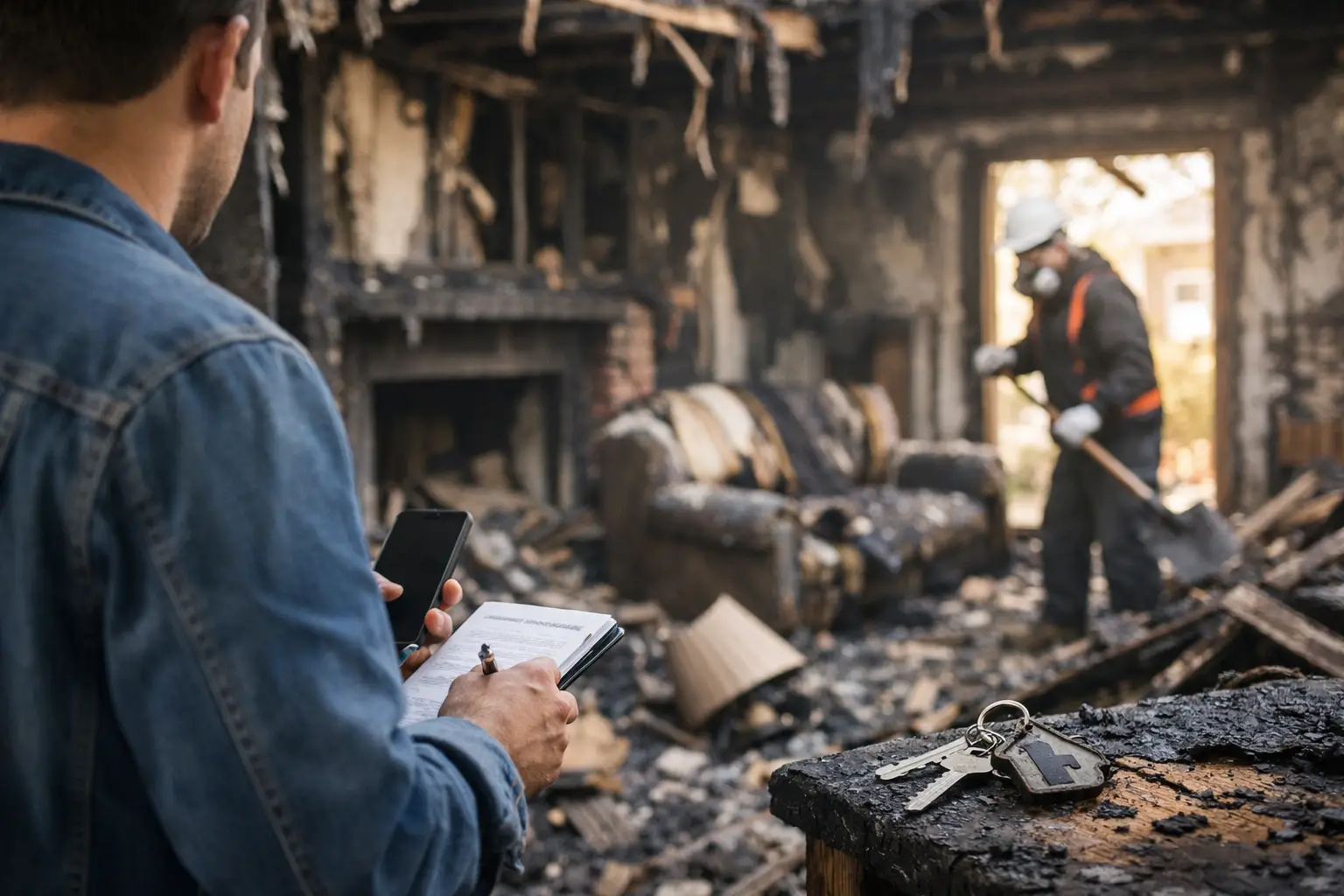 Fire & Smoke
Soot removal, odor deodorization, and content cleaning after fire and smoke damage.
Learn more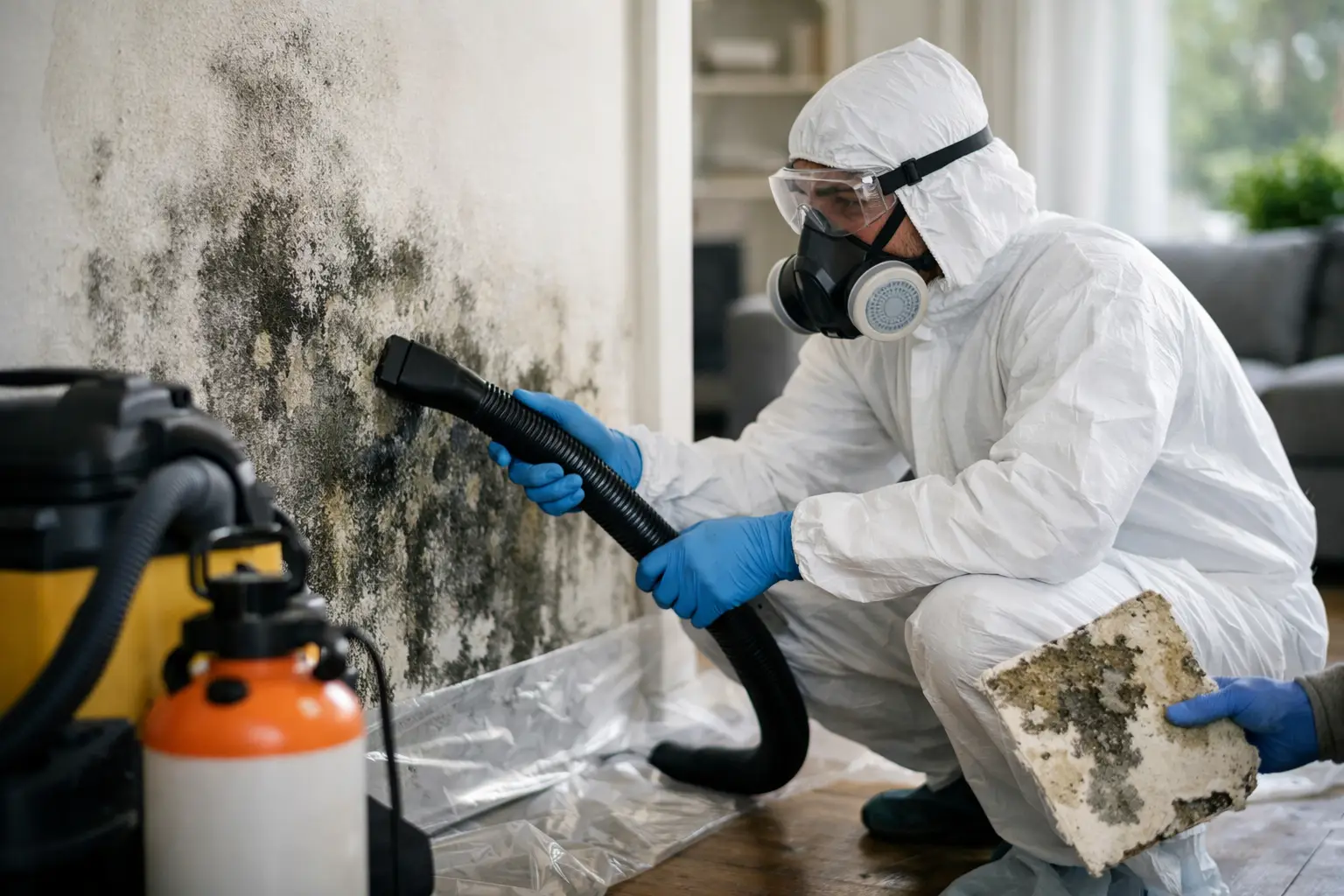 Mold
MoldContainment, removal, and moisture control that stops mold from coming back.
Learn more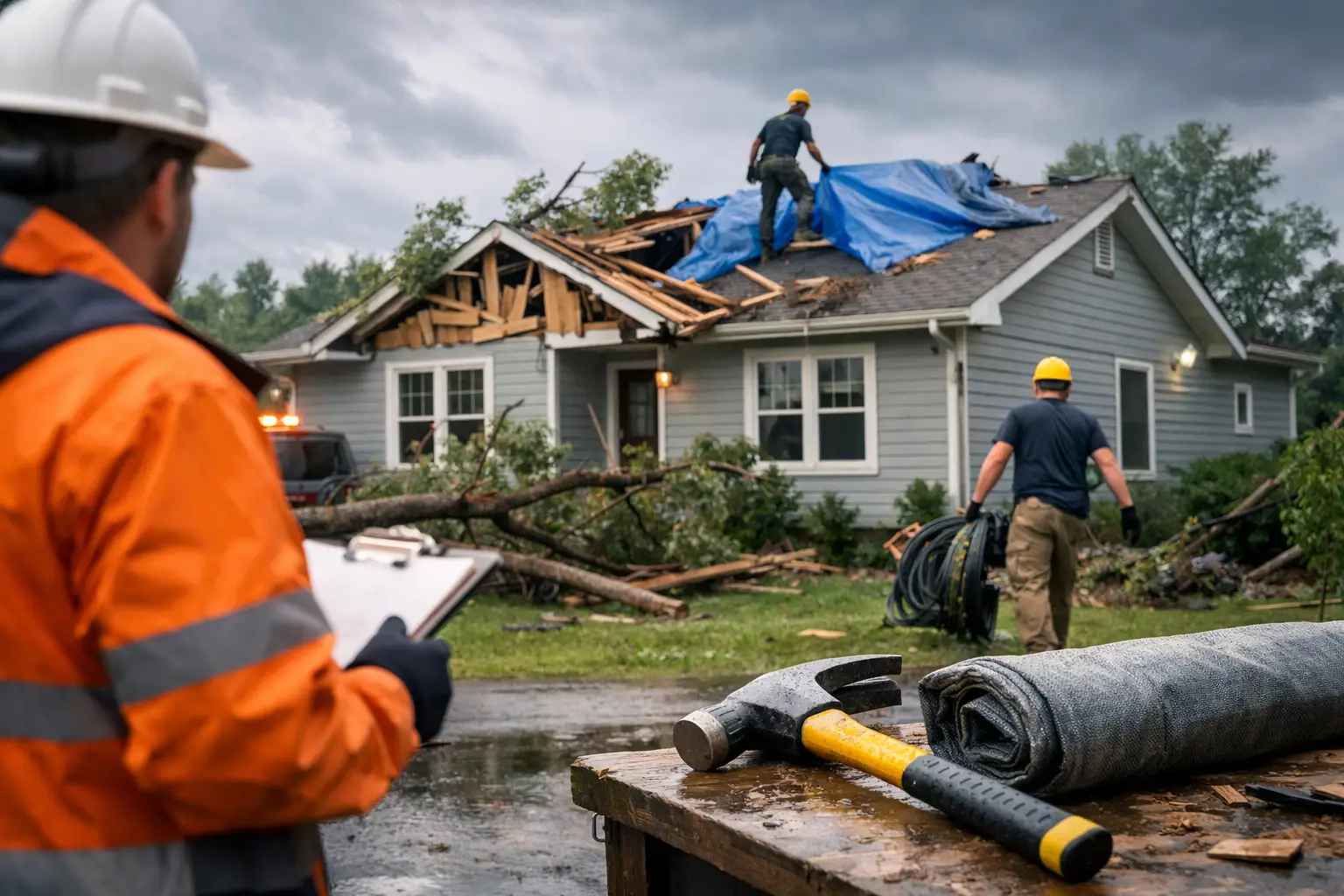 Storm
StormEmergency board-up, roof tarping, and full recovery after wind, hail, and storms.
Learn more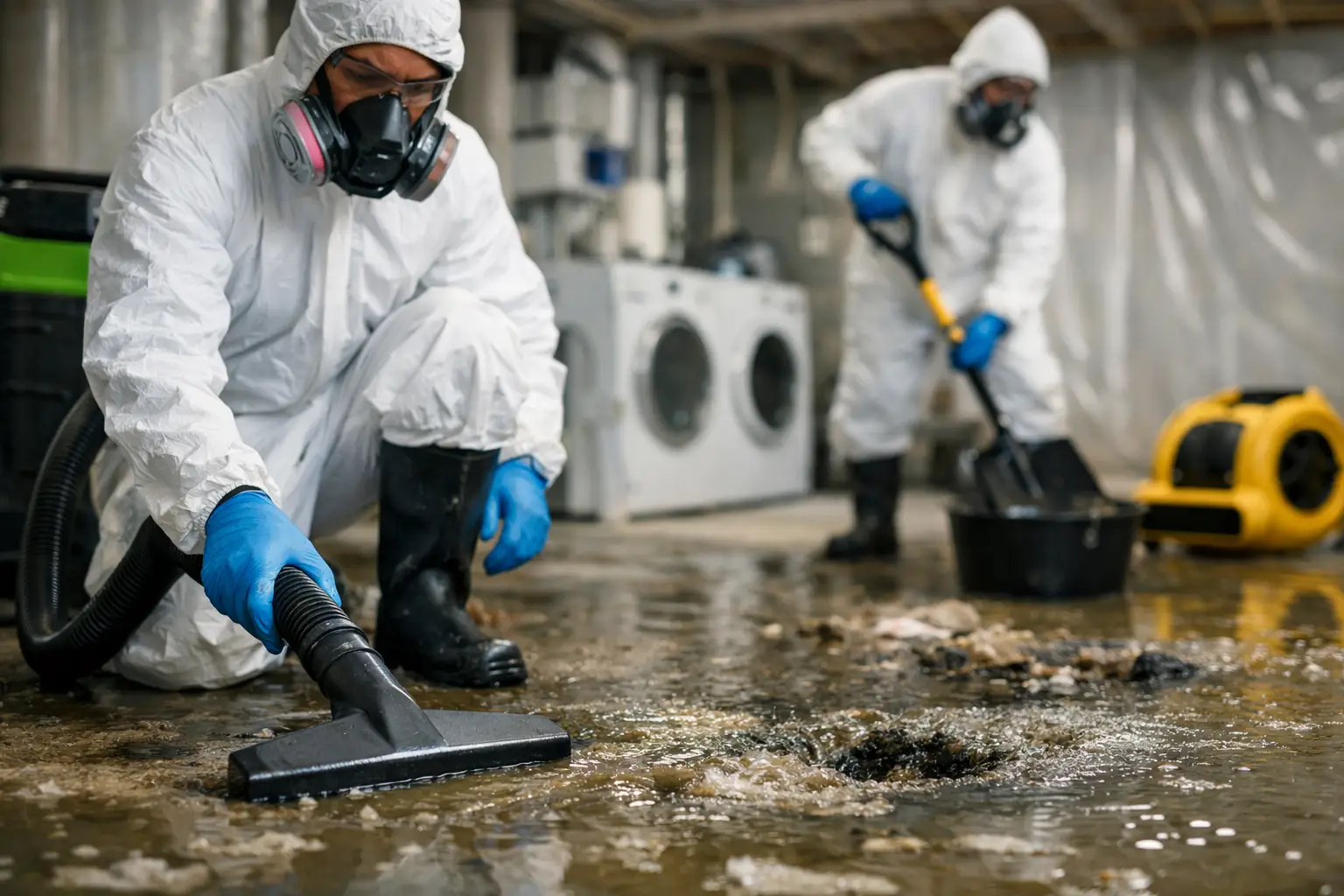 Sewage
Safe biohazard cleanup and sanitizing after sewage backups and overflows.
Learn more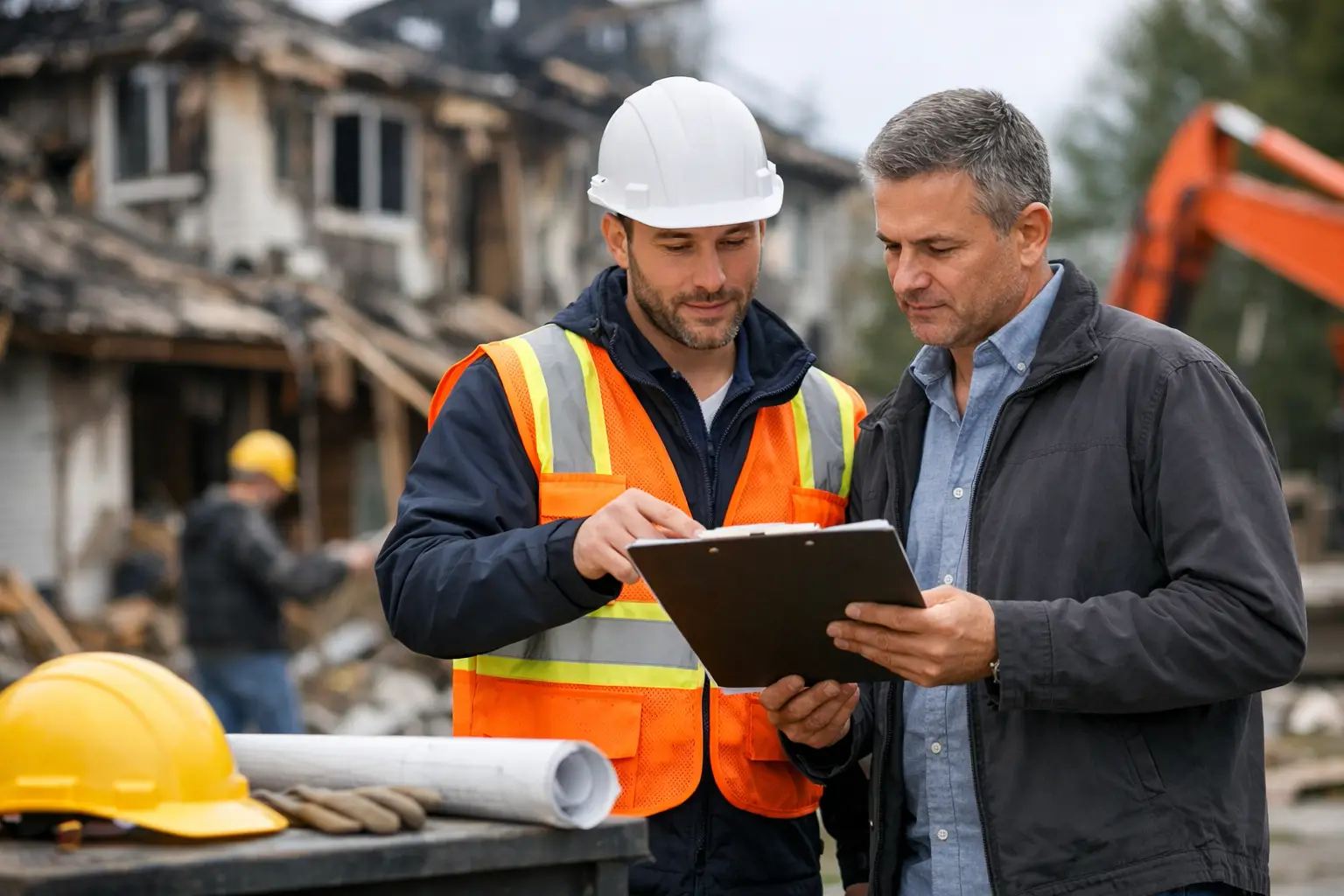 Reconstruction
Full rebuild by a licensed general contractor, so your property comes back whole.
Learn moreElevated Operations is an IICRC-certified, licensed general contractor based in Mableton that handles the entire recovery in-house, so after one loss you are never coordinating a cleanup crew, a mold crew, and a contractor separately. One team, one point of contact, from the first pump-out to the final coat of paint.
People call when the property feels like a disaster. They leave reviews because Chris and the crew made it right. These are real, verified Google reviews.
No, I do not jump to replacement. I inspect the carpet, pad, and subfloor first, then decide whether wet carpet extraction and structural drying can save the material. In many Douglasville homes, quick action keeps the damage from spreading into the room underneath or the wall base.
I control the indoor environment with dehumidification, air movers, and moisture monitoring. That combination matters more near Dog River reservoir because the outside air can slow the drying process. I keep adjusting until the structure reaches dry readings, not just a comfortable feeling.
That is a common problem in newer Douglasville subdivisions. Water can travel under laminate, swell the underlayment, and hide in the subfloor. I check each layer separately because surface dryness can fool you. If the assembly is salvageable, I dry it. If not, I explain the next step clearly.
Yes. Basement water removal is part of what I do, and I treat the structure carefully because basements can hold moisture in framing, slab edges, and finished materials. I extract standing water, set the drying plan, and monitor the space until readings come down.
Because fans alone do not tell you what is happening inside the materials. Moisture monitoring shows whether the drywall, subfloor, and framing are actually drying. In Douglasville homes, especially ones with standard construction details, that data keeps the job honest and prevents hidden problems.
Right away. The sooner I get there, the more likely I can limit demolition and preserve materials. Water damage can spread behind walls and under floors fast, and mold starts in 24 to 48 hours. I respond 24/7 for that reason.
Yes. I offer direct insurance billing, which helps keep the process moving while the home is being dried. I also keep my documentation organized, since water extraction and drying jobs often need clear moisture readings, photos, and a clean scope of work.
I’m in restoration since 2007, I use IICRC-certified technicians, and I’m a licensed general contractor. That matters when a leak turns into structural drying, not just cleanup. I know how water moves through a house, and I know how to close the job properly.
Elevated Operations dispatches IICRC-certified crews across Metro Atlanta from our Mableton base, with a 60-minute emergency response day or night. Choose your city:
Call now for an immediate response, or request your free inspection and get a certified crew on-site within the hour across Atlanta and nearby areas.