24/7 Emergency Restoration · Serving Metro AtlantaEmergency? (770) 404-6895
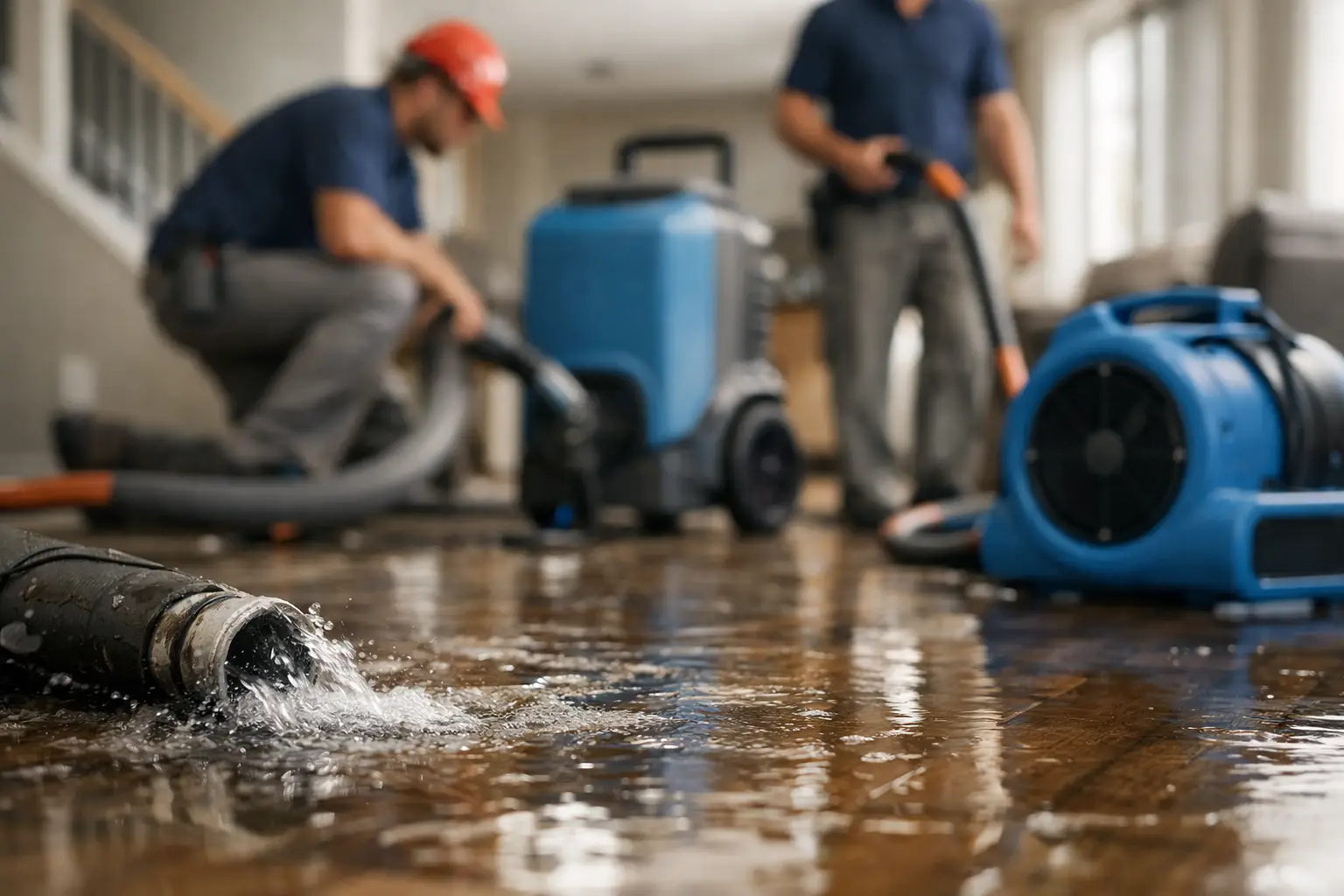
Emergency water removal Austell is a race against damage, not a place for guesswork. I break down how pricing works, what insurance usually looks at, and how claims move after a loss. I work from Mableton, IICRC-certified, and I handle direct insurance billing when the carrier is involved.
IICRC-Certified · 5-Star Rated · 60-Minute Response · Insurance Billed Directly
I do, through Elevated Operations, LLLP. I am owner Chris Kwangwari, a licensed general contractor, and my team includes IICRC-certified technicians.
Yes. I offer a 60-minute emergency response 24/7 for active water losses, then move into extraction and emergency drying.
Yes. I provide direct insurance billing when the carrier is involved, and I keep the documentation clear for the claim file.
I back completed work with a 12-month warranty, because the dry-out and restoration have to hold after the emergency passes.
Emergency water removal cost in Austell is driven by what happened, how far the water spread, and how much drying is still needed after the water extraction. A small clean-water loss and a sewer backup are not priced the same, and flood water removal from a bigger footprint takes more labor and equipment.
I look at the source first, because that changes the whole job. Water mitigation after a supply line break is different from pumping water out after storm water comes in, and the difference matters for insurance review, equipment, and the amount of emergency drying needed.
Sweetwater Creek flooding in 2009 is the local reminder I point to often. Austell knows water can move fast, then sit in low spots, crawl under floors, and keep damaging materials long after the rain stops. That is why standing water removal is only the first step.
Price follows scope, not drama. If water cleanup includes wet vac extraction, moisture checks, and direct drying, the work is usually simpler than a loss that keeps feeding hidden cavities. IICRC-certified technicians do not guess, they document what is wet and what has to come out.
Insurance often covers sudden and accidental water damage, but the exact answer depends on the source, the policy language, and what the carrier decides after inspection. Direct insurance billing helps keep the paper trail clean, and deductible assistance up to $1,000 can help with the out-of-pocket part when eligible.
I keep this plain. If the loss comes from something sudden, carriers often review it differently than a long-term leak or neglected issue. The adjuster wants the cause, the date, the scope, and proof that water mitigation started quickly after the damage was found.
That is where documentation matters. Photos, moisture readings, and a clear invoice trail help explain why emergency water removal was needed, whether it was water extraction in one room or flood water removal across multiple areas. Good records are not optional in an insurance claim.
I bill insurance directly when the carrier is involved, which reduces back-and-forth for the homeowner. Austell homes near Sweetwater Creek, and homes throughout the city, can have fast-moving losses. The claim still needs to be handled carefully, because coverage and deductibles do not work the same for every loss.
It should start immediately, because the longer standing water sits, the more it spreads into materials and the more likely hidden damage becomes. Mold can start in 24 to 48 hours, so emergency water removal, water cleanup, and emergency drying need to begin as soon as it is safe.
I do not wait on water. A 60-minute emergency response 24/7 exists for a reason, because water does not pause for business hours. If the loss is active, pumping water out and stopping the source comes first, then the dry-out plan follows fast.
Austell weather can turn a small problem into a bigger one quickly, especially in lower-lying spots that remember the Sweetwater Creek flood history. The house may look manageable from the hallway, but the baseboards, carpet pad, and wall cavities can already be taking on moisture.
Fast response is not about hype. It protects finish materials, limits how far water wicks, and makes insurance documentation cleaner. The sooner I can do water extraction and start emergency drying, the more likely the job stays controlled instead of becoming a larger rebuild.
The core tools are water extraction equipment, wet vac extraction for smaller areas, and drying equipment for the finish work afterward. Depending on the loss, I may use pumping water out methods for heavier standing water, then move into dehumidification and air movement for emergency drying.
Equipment choice depends on the room and the source. A hallway with carpet after a broken line needs different water cleanup than a basement with broad standing water removal. I choose the tool that matches the material, not a one-size approach.
Sweetwater Creek flood stories matter here because Austell has seen what water can do when it gets traction. Water mitigation should be practical and direct, not theatrical. The right extraction setup removes bulk water quickly, which helps limit damage before drying even begins.
IICRC-certified technicians know when to use wet vac extraction, when to use larger extraction gear, and when pumping water out is the right first move. Then the focus shifts to emergency drying, because visible water is only half the story. Moisture in hidden materials is what keeps the job alive.
Often, yes, if the carpet, pad, and subfloor were not contaminated beyond repair and the response was fast enough. Standing water removal from carpet is possible with water extraction and wet vac extraction, followed by emergency drying, but the source and contamination level decide the outcome.
I always check the source before I answer that question. Clean water from a supply line break is one thing. Flood water removal or sewage contamination is another. Carpet can sometimes be saved, but not when the water has made the material unsafe or the pad has stayed wet too long.
In Austell, quick action matters because delays give water time to travel under the carpet and into the tack strip and subfloor. Sweetwater Creek flood history is a good reminder that water does not just sit where you see it. It moves sideways, then it locks in.
If the carpet can be saved, I focus on water extraction first, then emergency drying and moisture checks. If it cannot, I say so. I do not stretch the truth to avoid replacement. Honest water mitigation saves time, money, and a lot of insurance trouble later.
After emergency water extraction, the job shifts to drying, monitoring, and checking for hidden moisture until the structure is stable. That is where emergency drying and follow-up inspections matter, because water cleanup is not finished when the visible water is gone. The goal is controlled dry-out, not a rushed exit.
Once the bulk water is out, I look at walls, floors, trim, and any materials that absorbed moisture. That is the part homeowners do not see, but it decides whether the loss stays manageable or turns into a longer restoration project.
In older Austell homes and in houses closer to the creek paths that remember the 2009 flood, moisture can hide in places that feel dry by touch. Water mitigation means measuring, documenting, and drying to a finish that makes sense for the structure and the claim.
I stay on the job until the dry-out is complete and the paperwork is clean. Direct insurance billing helps here, because the claim file needs to show what was removed, what was dried, and why. That is how an emergency water removal project gets closed the right way.
Clean supply water, storm water, and contaminated water are handled differently, and that difference changes the scope, the labor, and the insurance review.
More standing water usually means more extraction, more emergency drying, and more time documenting the loss for the carrier.
Carpet, pad, drywall, and wood all respond differently, so water cleanup is priced around what has actually been wet, not around the room name.
I bill insurance directly when the carrier is involved, and I keep the documentation clear so the claim trail is easier to follow.
Deductible assistance up to $1,000 may help with the out-of-pocket part when eligible, but coverage always depends on the policy and the claim facts.
From emergency mitigation to full reconstruction, handled in-house so you are never managing a chain of subcontractors mid-crisis.
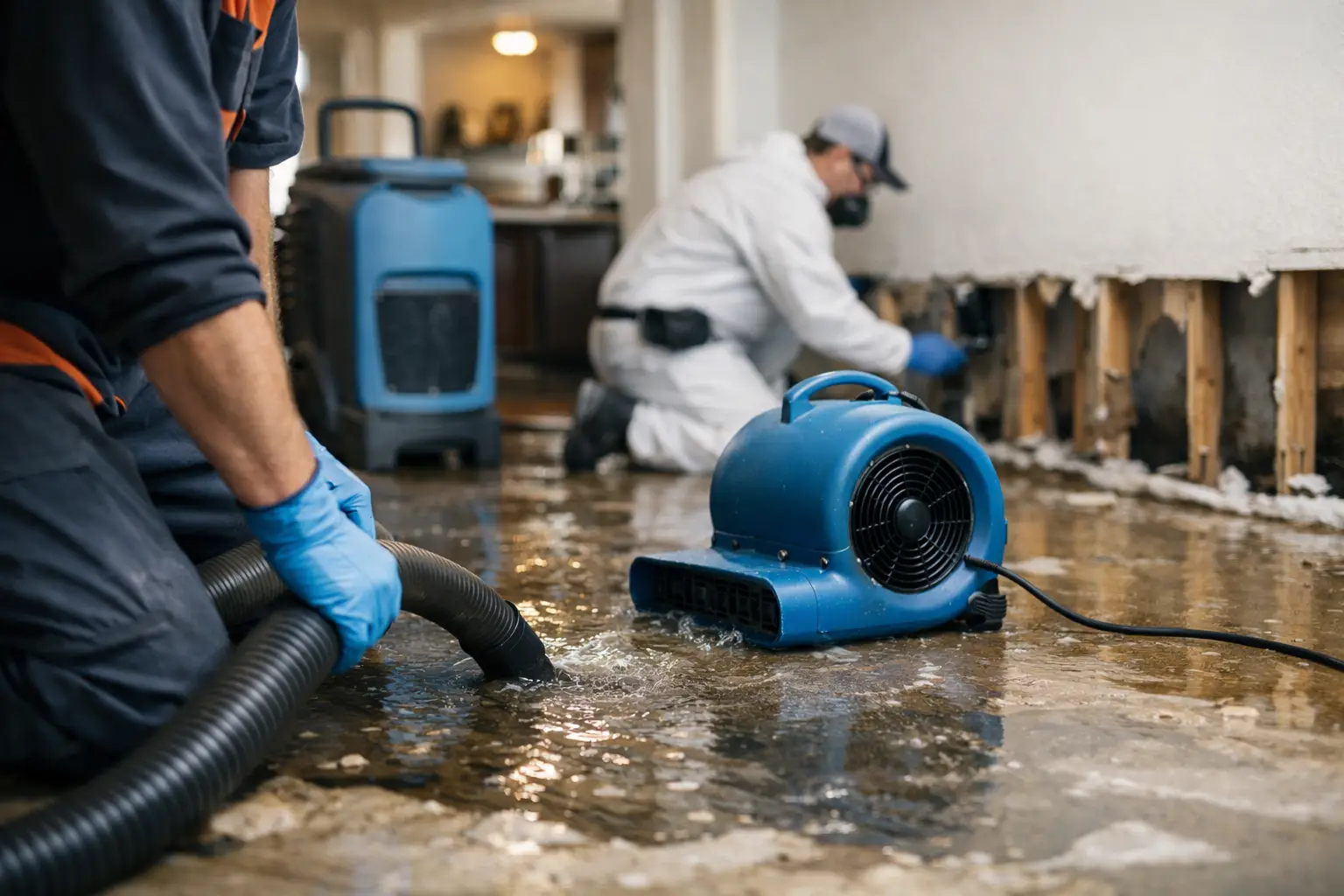 Water Damage
Extraction, structural drying, and moisture mapping after floods, leaks, and burst pipes.
Get help now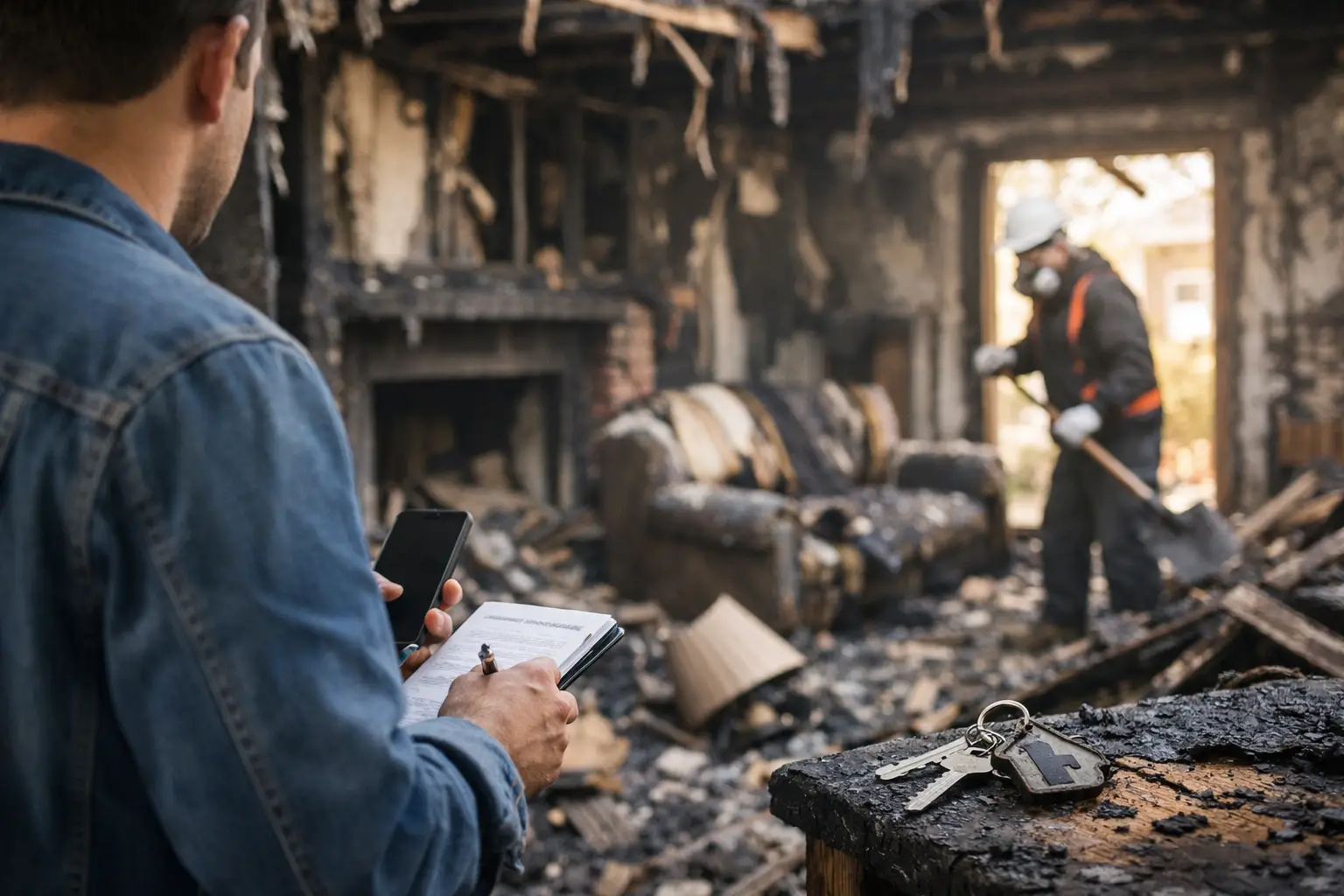 Fire & Smoke
Soot removal, odor deodorization, and content cleaning after fire and smoke damage.
Learn more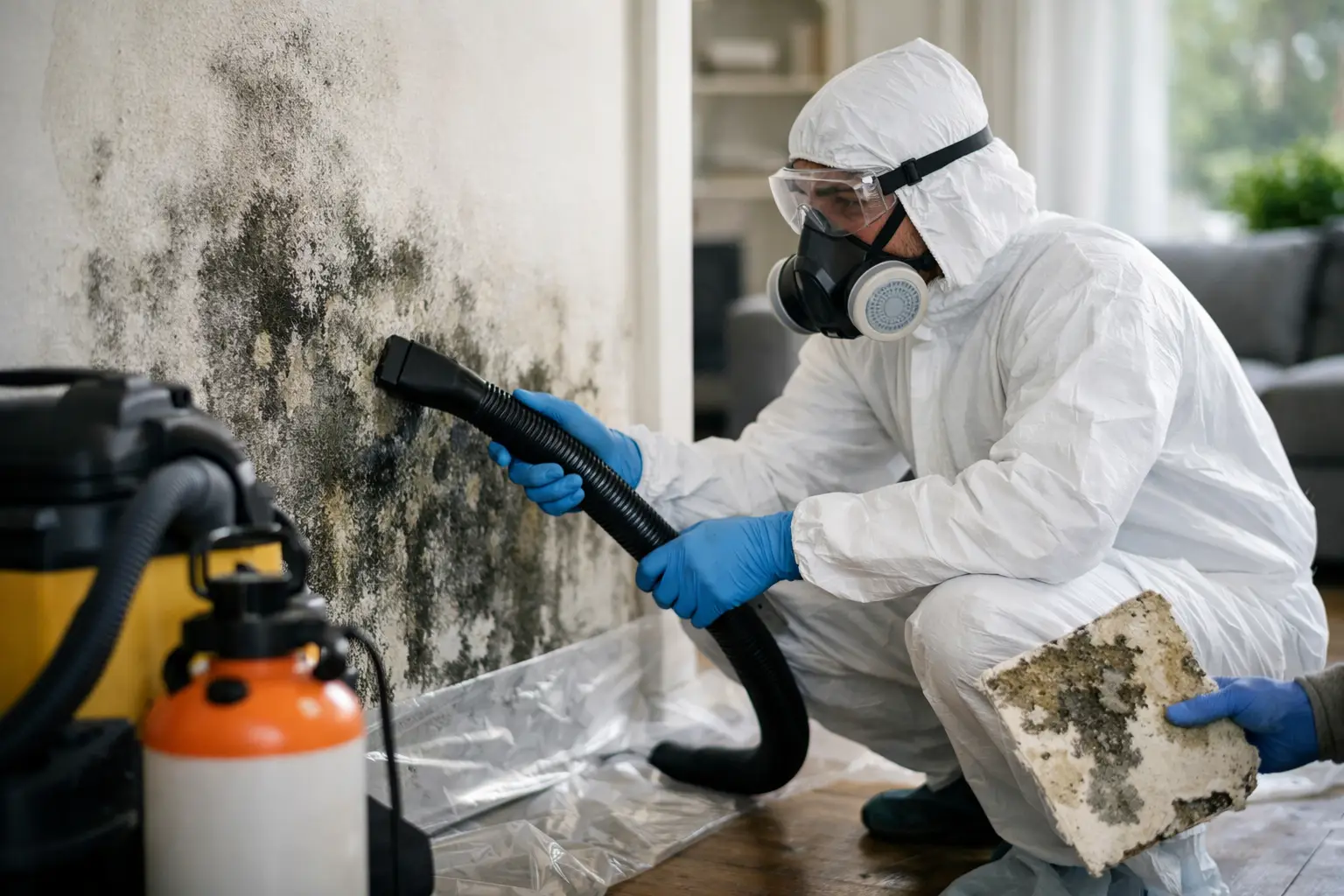 Mold
MoldContainment, removal, and moisture control that stops mold from coming back.
Learn more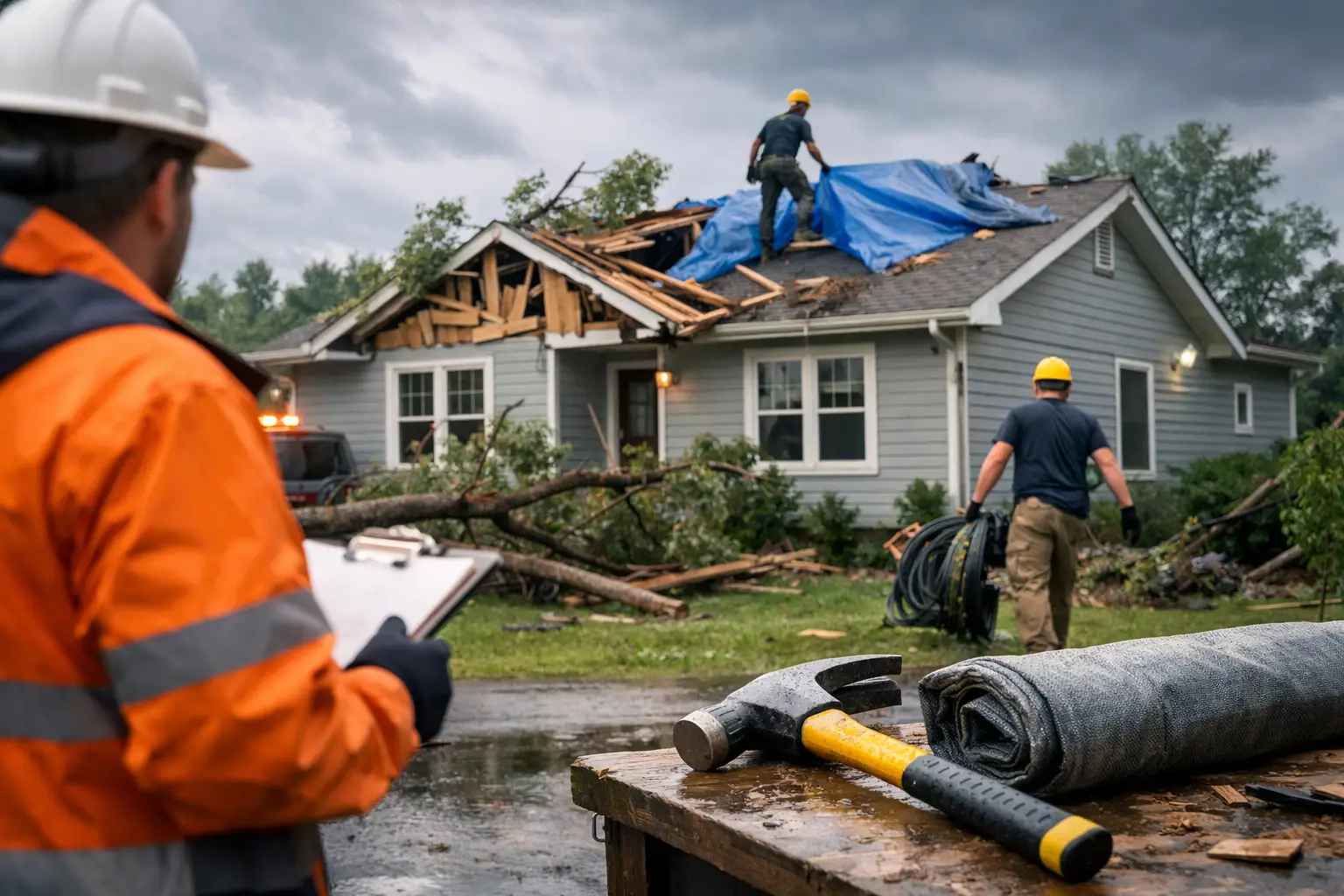 Storm
StormEmergency board-up, roof tarping, and full recovery after wind, hail, and storms.
Learn more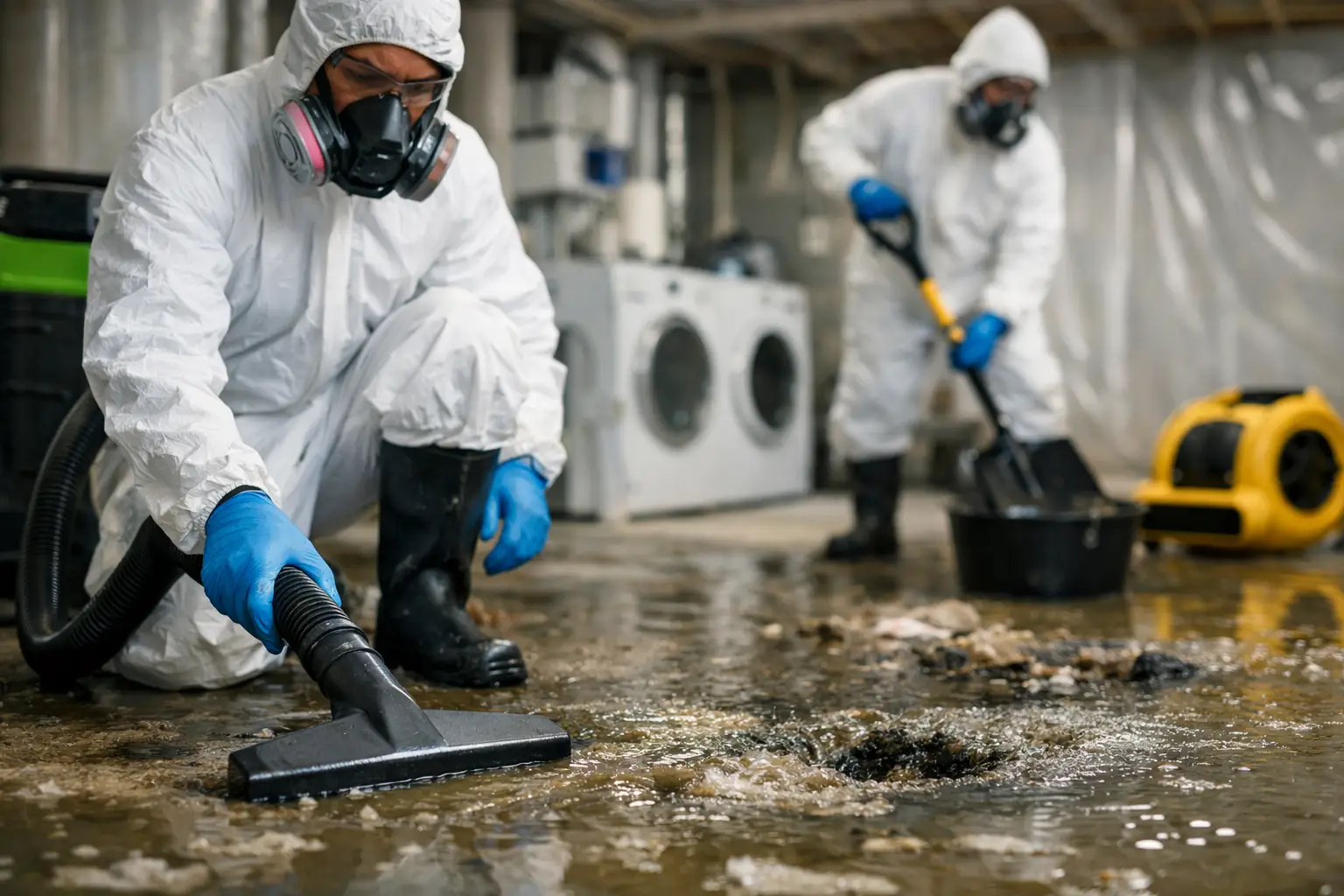 Sewage
Safe biohazard cleanup and sanitizing after sewage backups and overflows.
Learn more Reconstruction
Full rebuild by a licensed general contractor, so your property comes back whole.
Learn moreElevated Operations is an IICRC-certified, licensed general contractor based in Mableton that handles the entire recovery in-house, so after one loss you are never coordinating a cleanup crew, a mold crew, and a contractor separately. One team, one point of contact, from the first pump-out to the final coat of paint.
People call when the property feels like a disaster. They leave reviews because Chris and the crew made it right. These are real, verified Google reviews.
Sometimes, but not always. Coverage depends on the source of the water, your policy language, and what the carrier decides after inspection. A flood-related loss can be treated differently than a sudden pipe break. I document the damage, provide the water mitigation details, and use direct insurance billing when the claim is active.
I do not price by neighborhood name. I price by scope: the amount of standing water, the rooms affected, whether carpet or hard surfaces were hit, and how much emergency drying is needed after water extraction. A small loss and a larger flood water removal job are not the same job.
That can happen, and I stay practical about it. If pumping water out and water cleanup solve the problem, I keep the scope focused. But if moisture reached walls, insulation, or flooring, IICRC-certified technicians will document that and move into drying so hidden damage does not keep spreading.
They can question delays, especially if the water kept spreading after it was discovered. Insurance wants a clear timeline and proof that the homeowner acted fast. That is why a 60-minute emergency response 24/7 matters. Quick action helps protect the structure and the claim file.
It changes the process, not the policy terms. Direct billing lets me work with the carrier on the paperwork, while your deductible still depends on the policy. If eligible, deductible assistance up to $1,000 may help with part of that out-of-pocket amount. The claim still needs proper documentation.
I use the least aggressive method that still gets the job done. Wet vac extraction can be right for smaller losses or tight areas, but broader standing water removal may need more serious equipment. The decision depends on the surface, the depth, and whether hidden moisture is already moving.
You should expect monitoring, not guesswork. After emergency drying starts, I check moisture levels, watch the affected materials, and keep the dry-out moving until the structure is stable. That follow-up is part of water mitigation, and it matters just as much as the first water extraction.
Yes, because older homes can have different materials, older finishes, and more hidden pathways for water to move. I look closely at floors, wall bases, and crawl areas. Sweetwater Creek flood history is relevant here, because it reminds us that water can spread fast and settle where you do not expect it.
Elevated Operations dispatches IICRC-certified crews across Metro Atlanta from our Mableton base, with a 60-minute emergency response day or night. Choose your city:
Call now for an immediate response, or request your free inspection and get a certified crew on-site within the hour across Atlanta and nearby areas.