24/7 Emergency Restoration · Serving Metro AtlantaEmergency? (770) 404-6895
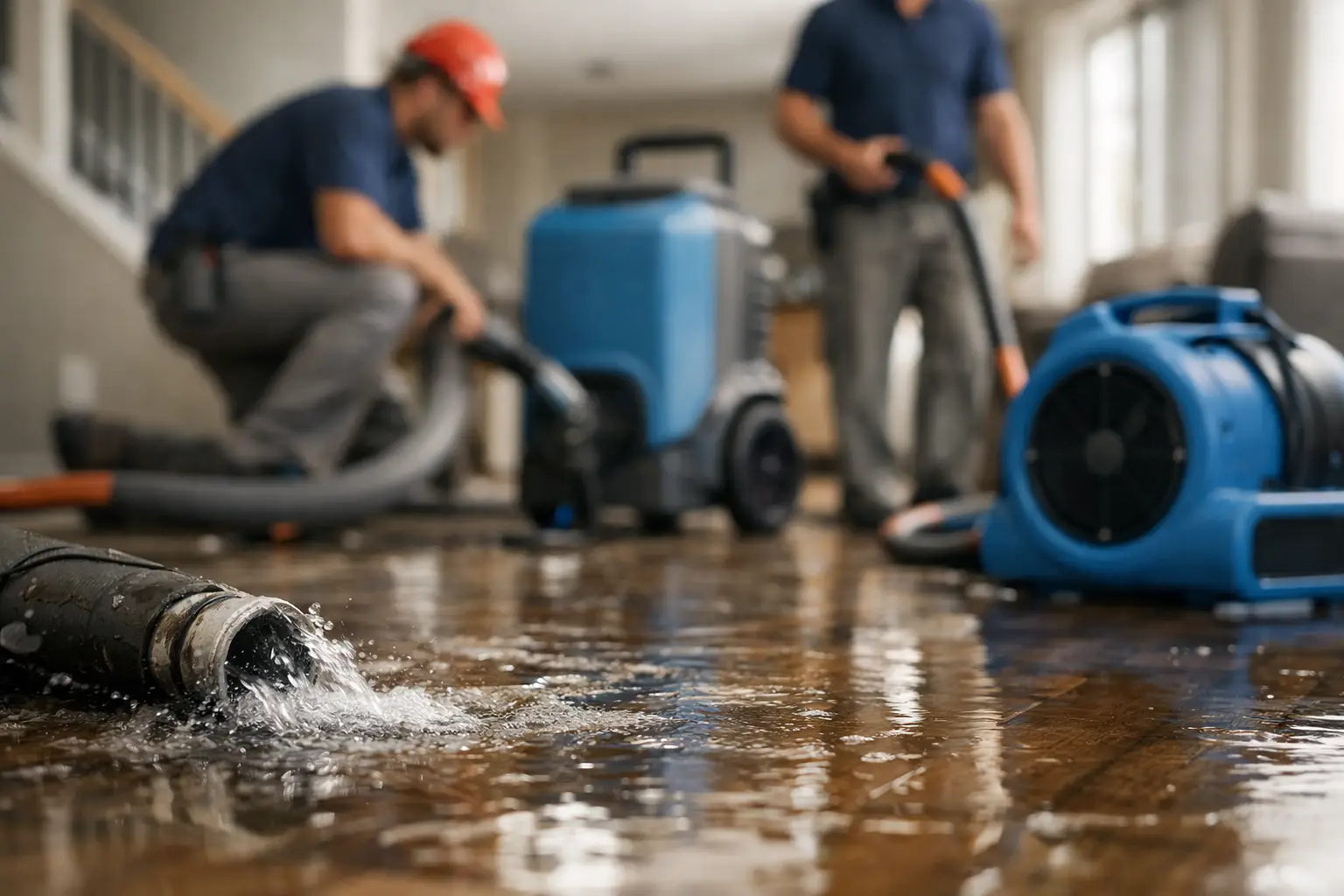
Smoke and soot cleanup College Park needs to start fast, before residue sets into trim, fabric, and HVAC runs. I run Elevated Operations, LLLP from Mableton, and I bring IICRC-certified technicians, direct insurance billing, and a 12-month warranty to homes and businesses in College Park, including the historic district and convention hotel corridors.
IICRC-Certified · 5-Star Rated · 60-Minute Response · Insurance Billed Directly
Because smoke moves fast in older homes and hotel layouts, and delays make cleanup harder. College Park properties near the historic district and convention hotels need quick containment, not guesswork.
Yes. I use professional methods that can include an air scrubber, careful surface cleaning, and other tools matched to the residue. The equipment only works if the technician knows when to use it.
That usually means the HVAC path needs attention. I look at hvac cleaning early because odors and soot can keep recirculating if the system is left untreated.
Call Elevated Operations, LLLP at (770) 404-6895. I am Chris Kwangwari, and my team responds 24/7 for smoke damage cleanup in College Park and the surrounding counties.
Start with safety, then stop the spread. I tell property owners to avoid wiping surfaces dry, shut off affected HVAC if it is pulling smoke through the building, and call for smoke damage cleanup right away. In College Park, that matters in older historic district homes and in hotel spaces where smoke travels quickly.
Check for fire department clearance first. Then photograph the damage before moving items, because insurance carriers want a clean record of what burned, what smoked, and what needs contents cleaning. I handle direct insurance billing, and that keeps the claim from turning into a paperwork mess.
Do not run ceiling fans, box fans, or the air handler until the building is assessed. Soot is a fine powder, and one bad airflow decision can push it into guest rooms, hallways, and return vents. That is a problem I see in convention hotels and mixed-use properties near College Park stations and event traffic.
If the space smells sharp or looks gray at the vents, call immediately. IICRC-certified technicians know how to isolate the work zone, set an air scrubber, and begin surface cleaning without grinding soot deeper into wood, paint, or upholstery. That first hour matters more than people think.
Use the right method for the residue. Dry soot, wet soot, and oily smoke each behave differently, so smoke and soot cleanup starts with testing, containment, and the right cleaning chemistry. I do not guess. I match the process to the material, the finish, and the source of the smoke.
On painted walls and hard trim, I start with controlled soot removal, then detailed surface cleaning using dry and wet methods in the right order. On porous items, the plan changes. Scrubbing too soon can smear carbon across crown molding, doors, and historic millwork in College Park homes, and that is costly.
For kitchens, server areas, or hotel rooms, hvac cleaning is often part of the work because smoke residue does not stay on visible surfaces. It moves into ductwork, returns, and mechanical closets. If the HVAC is not addressed, odor removal becomes harder and the problem comes back when the system runs.
I also look at contents cleaning early. Lamps, drapes, artwork, luggage, and soft goods can hold odor long after the walls look clean. Deodorization is not a spray-and-pray task. It has to be systematic, with the source removed first and the odor molecules treated second.
The right dry cleaning and wet cleaning sequence removes soot from walls and ceilings without driving it into the paint film. I start with HEPA vacuuming and controlled wiping, then move to deeper surface cleaning where needed. That process is especially important in College Park’s older homes and historic district finishes.
Many College Park properties have older paint, decorative plaster, or wood trim that cannot take aggressive scrubbing. I inspect the finish first, then choose the least destructive method that will actually lift the residue. If I can preserve the substrate, I do. If not, I say so clearly.
Ceilings need patience. Soot often settles along upper corners, light fixtures, and HVAC registers, and a rushed wipe leaves streaks or halo marks. When the smoke came through a hotel corridor or a multi-room house, I treat the top-down path as the safest way to clean it.
And I do not stop at what the eye sees. Smoke damage cleanup often includes cabinet tops, return grilles, vent covers, and the backs of doors. If the building sits near the convention hotel area or sees heavy guest turnover, those overlooked spots can carry odor longer than the room itself.
Yes, in many cases it can be removed completely, but only when the source, residue, and absorbed odor are all treated. Odor removal in College Park works best when soot removal, contents cleaning, HVAC attention, and deodorization happen in the right order. Spraying fragrance alone never solves it.
I have seen spaces where the visible damage was minor but the odor stayed trapped in insulation, drapery, carpet padding, or duct runs. That is common in older structures and in hotel rooms that shut down immediately after a smoke event. If the source remains, the smell remains.
My approach uses containment, air scrubber support, and targeted deodorization so the odor is attacked where it lives. Sometimes that means cleaning soft goods. Sometimes it means treating hidden cavities. Sometimes it means both. I do not promise magic, I promise the right sequence.
College Park properties around the historic district and convention hotel routes often have a mix of old framing and updated finishes. That combination can trap odor in different ways. The solution has to respect both. IICRC-certified technicians know the difference between a surface smell and a structural odor problem.
As soon as the property is safe and cleared for entry. Smoke cleanup should start quickly because residue becomes harder to remove and odor begins settling into porous materials fast. In many cases, smoke starts spreading through fabrics, vents, and finishes within hours, not days.
In College Park, timing matters even more because of the housing mix and the number of hospitality properties near the airport and convention hotel corridor. A single delayed day can let soot settle deeper into upholstery, curtains, and HVAC components, turning a cleanup into a much bigger project.
I offer 24/7 emergency response with a 60-minute emergency response commitment, because smoke problems do not wait for business hours. When a call comes in, I want eyes on the building quickly, especially if the property is occupied, booked, or preparing for the next guest turnover.
If the incident involved cooking, electrical failure, or a small fire that was extinguished fast, do not assume the damage is minor. Smoke and soot cleanup often reveals hidden contamination behind cabinet faces, inside closets, and across top shelves. The sooner I inspect, the better the outcome.
Check the guest rooms, corridor finishes, HVAC returns, soft goods, and odor path first. Convention hotels and short-term rentals in College Park cannot afford a missed soot source because a leftover smell can hurt occupancy and guest confidence. I prioritize fast containment, cleaning, and documentation.
Hotel smoke events are different from residential ones. Guests notice smell before stain, and hallways can move odor from one room to the next. I look at return air, supply registers, drapery, bedding, and closet interiors because those are common odor carriers in hospitality spaces.
Contents cleaning matters here too. Bedding, fabric headboards, luggage carts, decorative textiles, and upholstered seating may need targeted treatment before the room can reopen. I keep the process practical, and I keep the chain of custody clear for owners who need documentation for claims.
College Park’s convention traffic does not forgive lingering smoke odor. If a property sits near major hotel zones, every hour of downtime matters. I work to get the cleanup organized, documented, and moving, with direct insurance billing to reduce friction for ownership and management teams.
Wait for fire department clearance, avoid energized smoke-damaged systems, and keep people out of rooms with active soot or strong odor.
Take photos of walls, ceilings, vents, contents, and any visible residue so the claim file reflects the true smoke damage cleanup scope.
Dry wiping smears soot into paint and fabric. Leave surface cleaning to technicians who know the right sequence for the residue type.
Keep HVAC from spreading smoke through the building until hvac cleaning and containment are evaluated, especially in hotels and larger homes.
Use one point of contact for cleanup, deodorization, contents cleaning, and insurance coordination so the job moves in the right order.
From emergency mitigation to full reconstruction, handled in-house so you are never managing a chain of subcontractors mid-crisis.
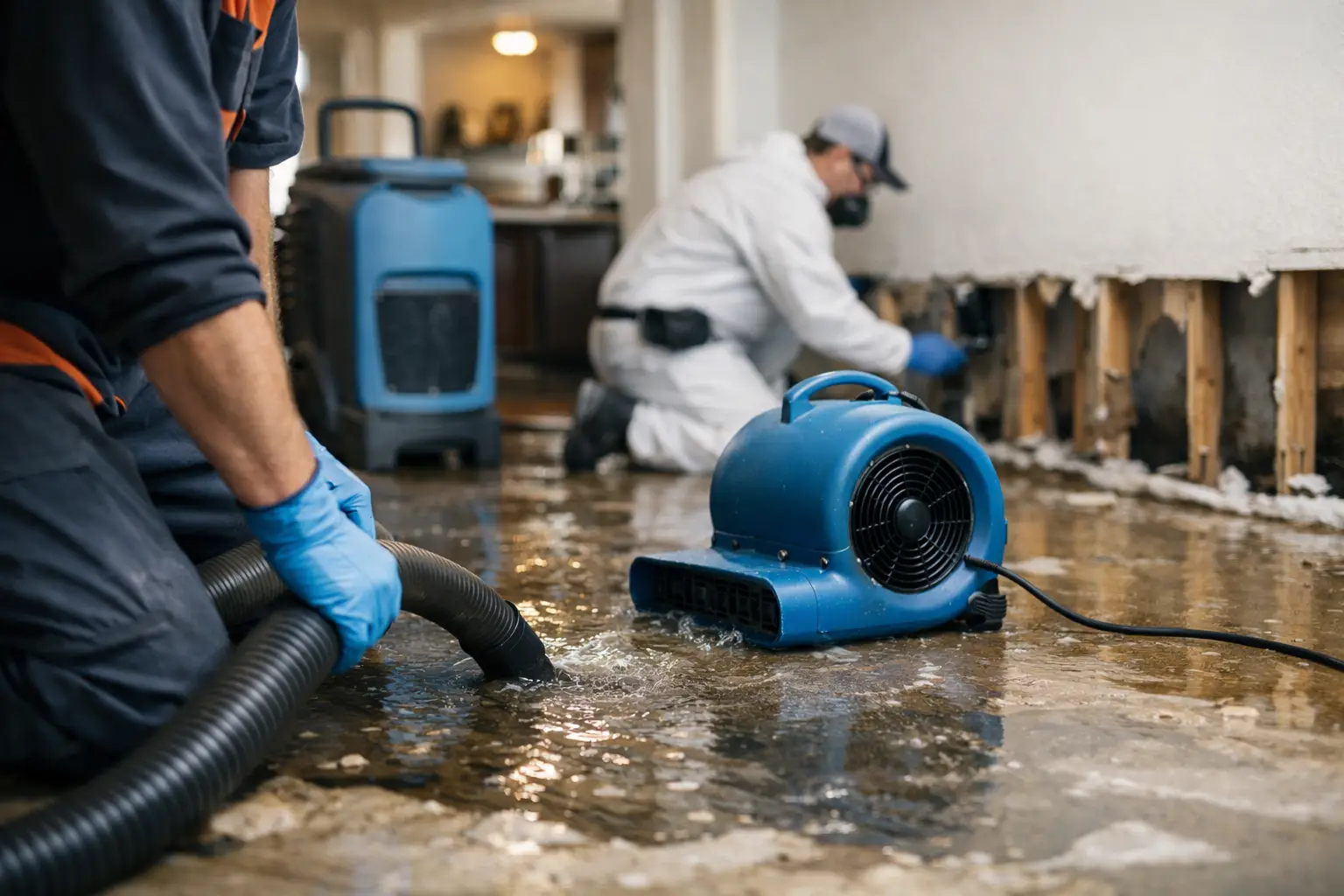 Water Damage
Extraction, structural drying, and moisture mapping after floods, leaks, and burst pipes.
Get help now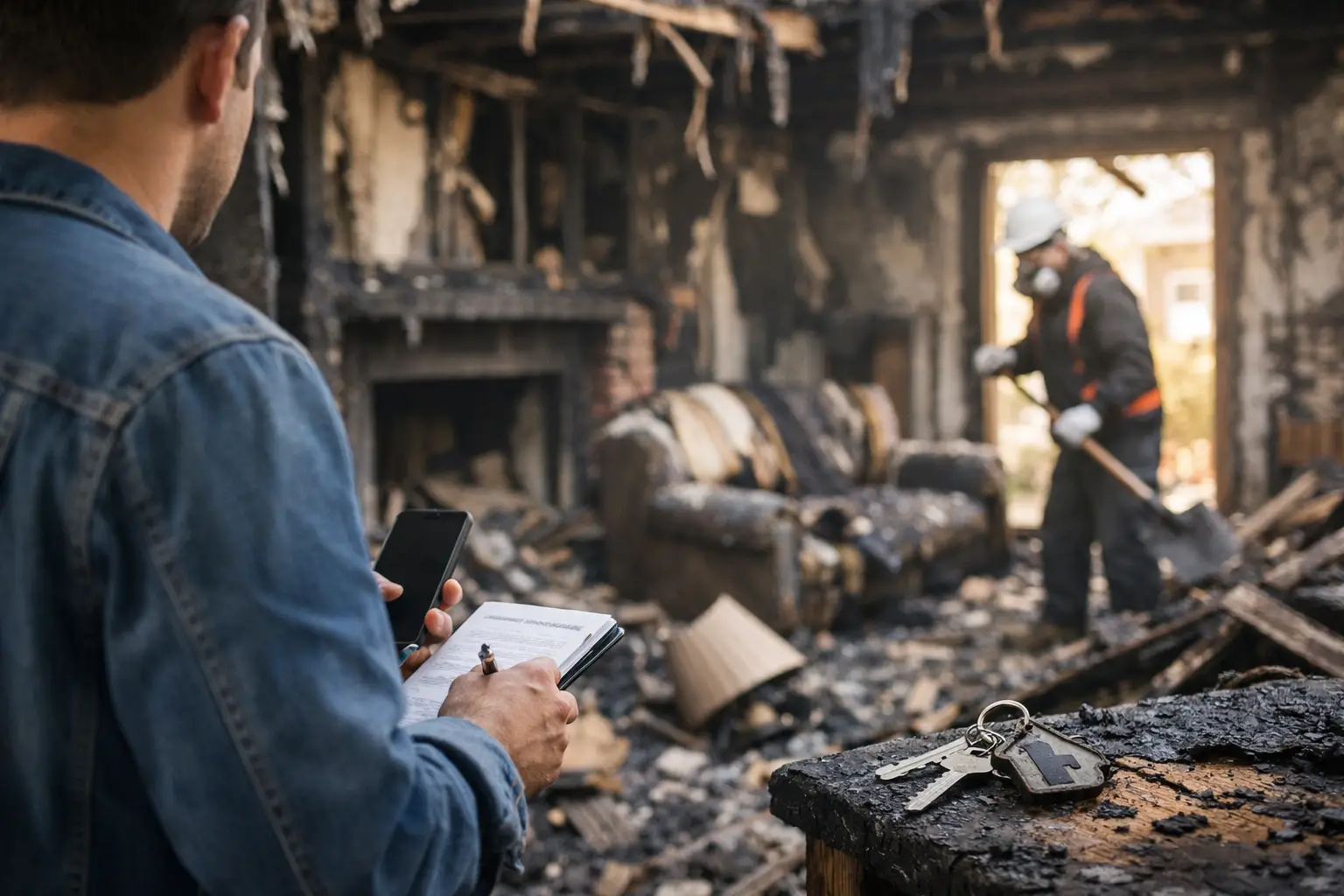 Fire & Smoke
Soot removal, odor deodorization, and content cleaning after fire and smoke damage.
Learn more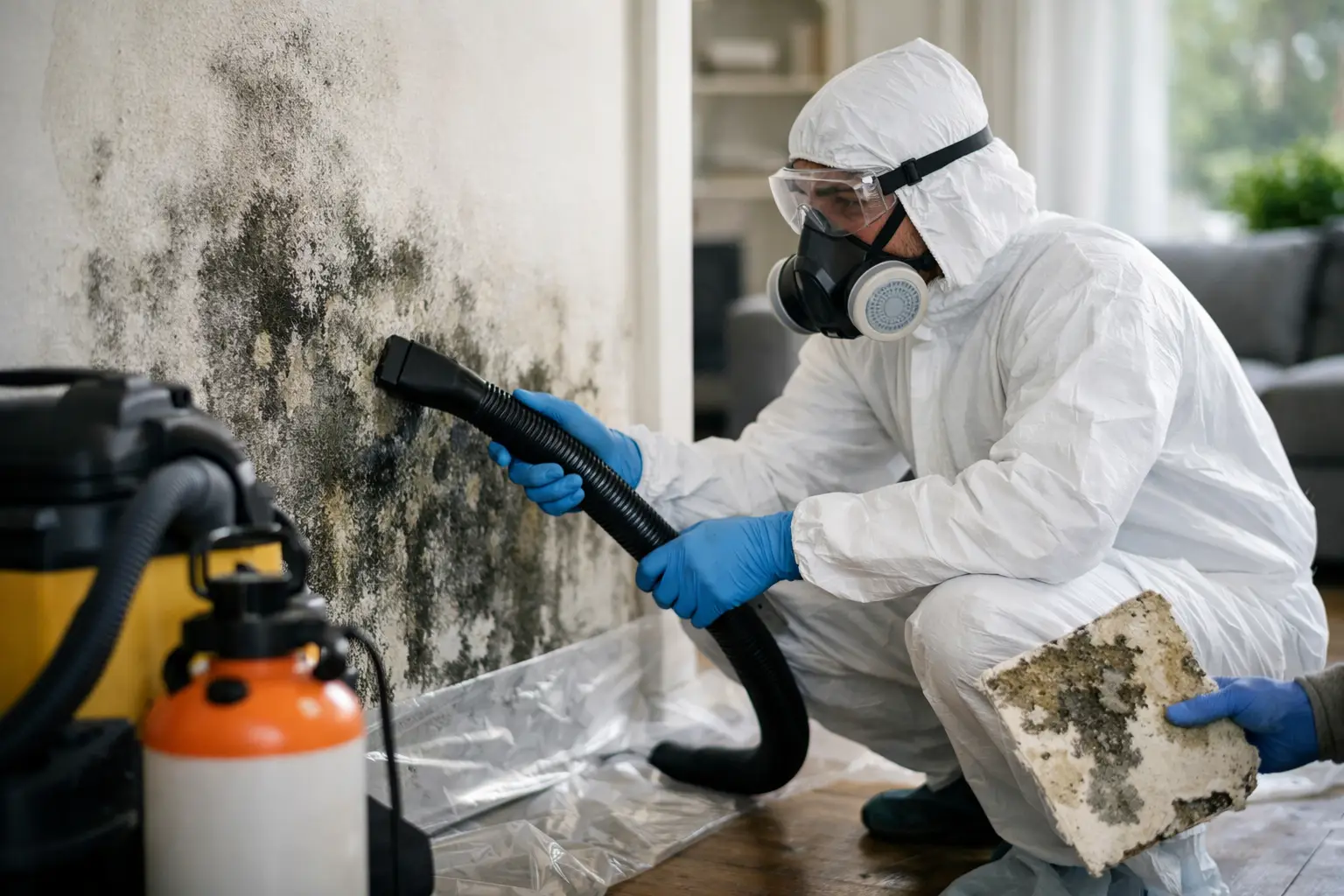 Mold
MoldContainment, removal, and moisture control that stops mold from coming back.
Learn more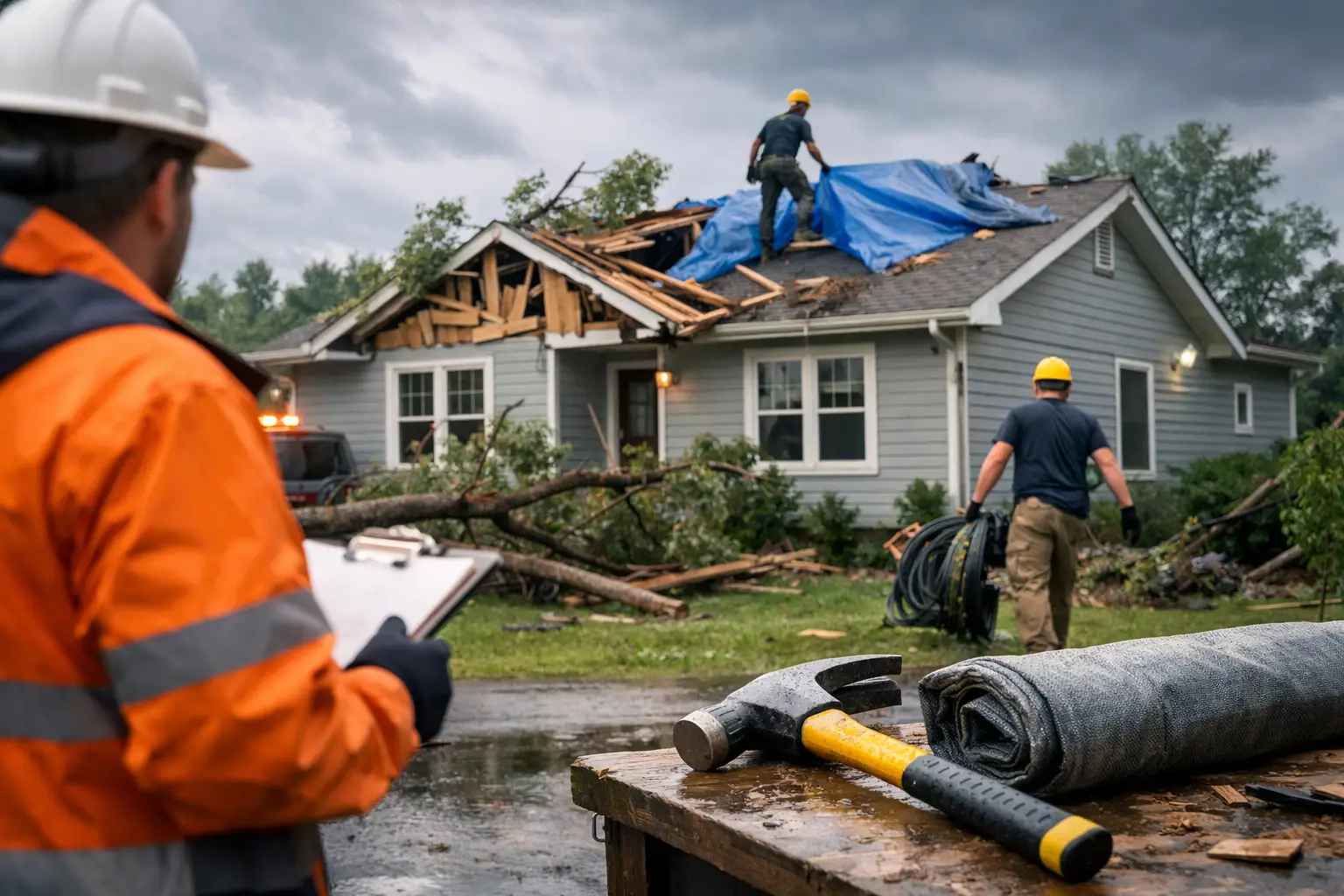 Storm
StormEmergency board-up, roof tarping, and full recovery after wind, hail, and storms.
Learn more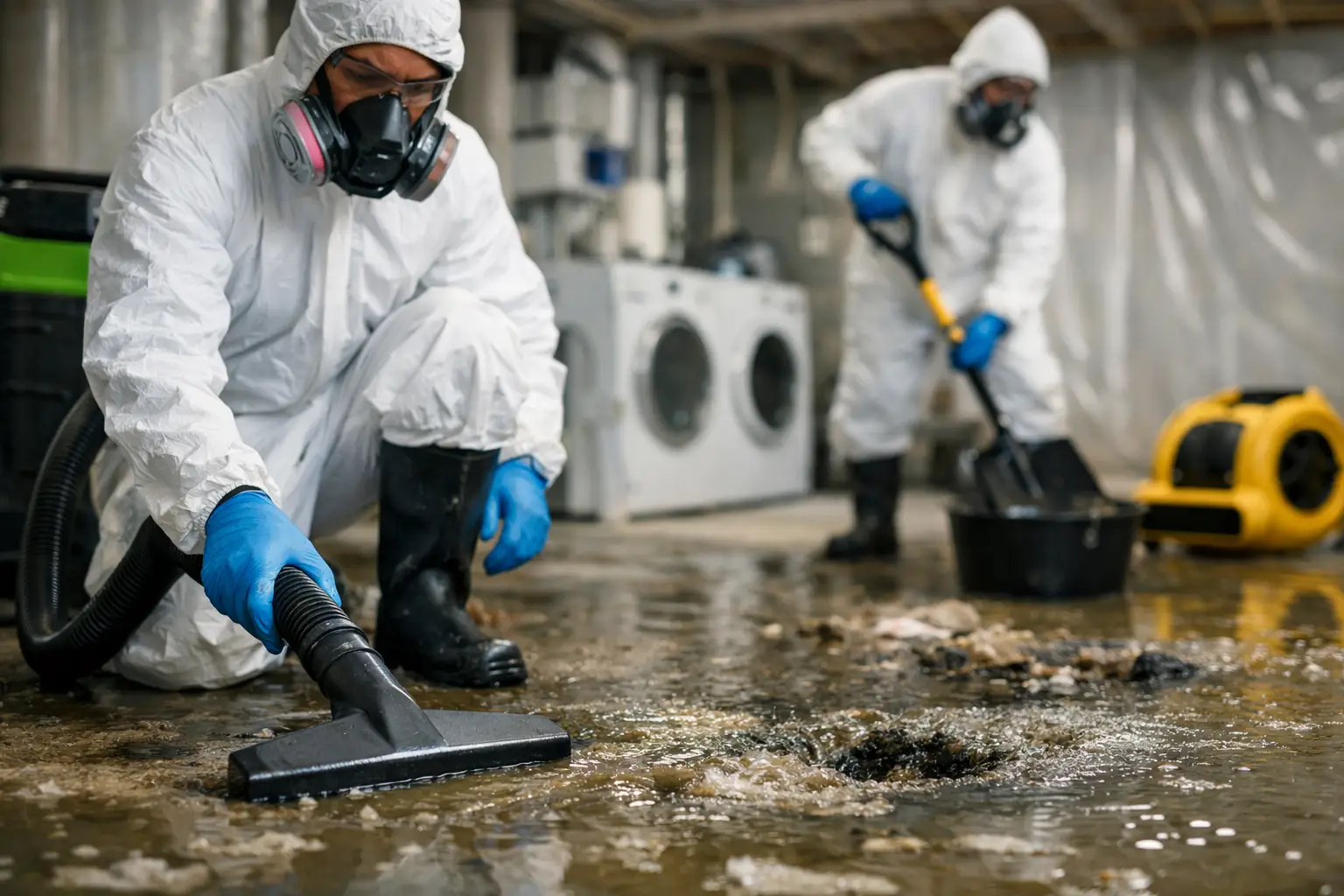 Sewage
Safe biohazard cleanup and sanitizing after sewage backups and overflows.
Learn more Reconstruction
Full rebuild by a licensed general contractor, so your property comes back whole.
Learn moreElevated Operations is an IICRC-certified, licensed general contractor based in Mableton that handles the entire recovery in-house, so after one loss you are never coordinating a cleanup crew, a mold crew, and a contractor separately. One team, one point of contact, from the first pump-out to the final coat of paint.
People call when the property feels like a disaster. They leave reviews because Chris and the crew made it right. These are real, verified Google reviews.
Yes. Historic district homes need a careful approach because older trim, plaster, and wood finishes can be damaged by harsh scrubbing. I inspect the materials first, then choose the least invasive method that still removes soot, reduces odor, and protects the property’s character.
Yes. Hotel rooms need fast containment, surface cleaning, odor removal, and sometimes hvac cleaning to stop smoke from moving down the corridor. I focus on the room, the air path, and the contents so the space can be returned to service with less disruption.
I start with the soot type and the wall finish, then use controlled dry removal before any wet cleaning. That keeps residue from smearing. On painted walls, pressure and chemistry matter more than force, especially when the smoke has settled into upper corners and around fixtures.
HEPA vacuuming, proper surface cleaning, and the right wiping method remove soot from walls and ceilings without grinding it deeper. If the smoke reached vents or return grilles, I also look at hvac cleaning because soot in the system can keep staining surfaces after the room looks clean.
As soon as the property is safe and accessible. Smoke residue starts bonding to finishes fast, and odor can settle into fabric, insulation, and ductwork within hours. Quick action helps preserve contents, reduce repeat cleaning, and limit the spread into neighboring rooms.
Often yes, but only if the hidden sources are treated too. In older properties, odor can lodge in cavities, textile fibers, and HVAC pathways. I use deodorization, contents cleaning, and source removal together, because fragrance alone never clears a smoke problem.
Yes. I provide direct insurance billing and deductible assistance up to $1,000 when eligible. That helps reduce the back-and-forth after a fire or smoke event. I also document the work so adjusters have a clear record of what was cleaned and why.
I back completed work with a 12-month warranty. If the scope included soot removal, deodorization, or related smoke damage cleanup tasks, I want the customer to know the job was done with accountability, not just a quick cosmetic pass.
Elevated Operations dispatches IICRC-certified crews across Metro Atlanta from our Mableton base, with a 60-minute emergency response day or night. Choose your city:
Call now for an immediate response, or request your free inspection and get a certified crew on-site within the hour across Atlanta and nearby areas.




