24/7 Emergency Restoration · Serving Metro AtlantaEmergency? (770) 404-6895
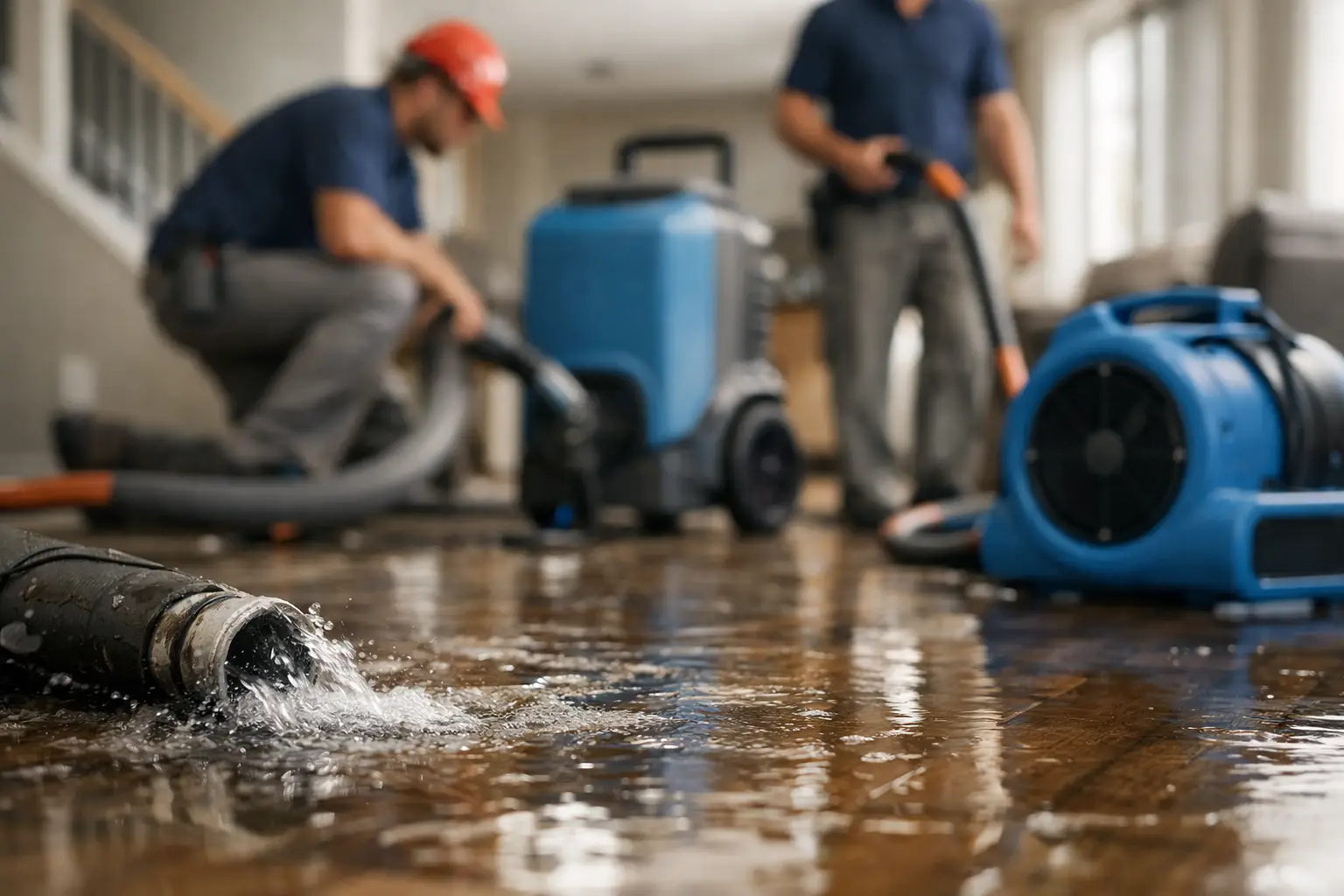
Water extraction and drying Hiram starts with one fact, fast water removal matters more than wishful thinking. I’m Chris Kwangwari, owner of Elevated Operations, and I’ve been in restoration since 2007. In Hiram, near the Paulding retail corridor and the newer subdivisions, I see the same mistakes over and over, and they cost people more damage.
IICRC-Certified · 5-Star Rated · 60-Minute Response · Insurance Billed Directly
I find the source, stop the spread, and start water removal right away. Then I set the drying plan based on the materials affected and the moisture readings.
No. Air movers help, but they need dehumidification and monitoring to finish the job. Otherwise, the moisture can just move around the room instead of leaving the structure.
Often, yes. Small leaks can soak into baseboards, subfloors, and wall cavities. If those materials stay damp, the problem keeps growing even when the surface looks fine.
Yes. I offer direct insurance billing and I document the loss clearly. That keeps the claim organized and helps the process move without extra confusion.
The biggest myth is that a wet floor can air out on its own. It rarely does. In Hiram homes, especially the newer subdivisions off the retail corridor, water hides under baseboards, inside pads, and behind trim, so the drying process has to be active, measured, and documented.
Myth: If the surface looks dry, the problem is gone. Fact: water removal is only the start, because moisture can sit below laminate, under carpet, and inside wall cavities long after the top layer feels normal. I use moisture monitoring because guessing is how small losses turn into bigger repairs.
Myth: A box fan is enough. Fact: air movers and dehumidification work together, and that is not a sales line, it is physics. Hiram’s mix of newer construction and busy retail traffic means water often gets pushed into seams, transitions, and low spots where passive drying simply fails.
Myth: If the leak was small, it is harmless. Fact: even a short overflow can leave wet carpet extraction, hidden pad saturation, and baseboard swelling. I treat every loss like it can spread, because in restoration since 2007 I have seen the same small leak become the expensive one.
First I stop the spread, then I remove standing water, then I build a real drying plan around the materials affected. That means extraction, targeted air movers, dehumidification, and moisture monitoring until the structure is actually dry, not just visually clean in a Hiram hallway or bedroom.
Myth: drying starts with equipment only. Fact: it starts with a close inspection of the source, the path the water took, and the materials involved. In Hiram, that matters because homes near the Paulding retail corridor often have mixed flooring, tight laundry spaces, and rooms where water travels farther than people expect.
Myth: one machine handles everything. Fact: the right water extraction and drying plan depends on what got wet. Carpet, pad, drywall, trim, and framing all release moisture differently, so I choose the setup based on the structure, not a one-size-fits-all routine.
Myth: you can wait until tomorrow. Fact: mold starts in 24 to 48 hours, and delay changes the job fast. I respond 24/7, and I do not waste time with vague promises. The goal is to control the drying process before the materials start breaking down.
I use professional extraction equipment, air movers, and dehumidification, plus moisture monitoring to verify the structure is drying correctly. That mix matters in Hiram because water can sit in carpet pad, subfloor seams, and wall bases even when the room looks almost normal.
Myth: a shop vac and some open windows equal water extraction and drying. Fact: they do not. Wet carpet extraction needs stronger removal, especially when water has traveled under the surface and into the pad. Without proper equipment, the moisture stays where you cannot see it.
Myth: more fans always mean faster drying. Fact: placement matters more than quantity. Air movers have to push air across wet materials, not just blast the room, and dehumidification has to pull that moisture out of the air so it does not settle back into the structure.
Myth: once the carpet feels dry, the job is finished. Fact: I keep checking with moisture monitoring because hidden dampness is common in Hiram’s newer subdivisions, where trim details, closet corners, and hallway transitions can trap moisture after surface drying looks complete.
There is no honest fixed number. Drying depends on the amount of water, the materials affected, and how quickly extraction starts. I do not guess at timelines, I monitor the structure until the readings show it is dry and stable, which is the only answer that matters.
Myth: every water loss dries in a day or two. Fact: some areas dry faster, some do not, and carpet, pad, drywall, and framing each behave differently. In Hiram homes and townhomes, especially around busy retail strips and newer subdivisions, airflow paths can make the job faster or slower.
Myth: if the heat is on, you are fine. Fact: heat alone can speed evaporation but still leave moisture trapped inside materials. Structural drying has to be balanced, or you risk trapping dampness behind baseboards, under cabinets, or inside wall cavities where it can keep causing trouble.
Myth: drying is only about comfort. Fact: it is about protecting the structure and the indoor environment. I do not remove equipment until moisture monitoring tells me the affected materials have reached the right condition, because quitting early is how callbacks happen.
Structural drying matters because water removal gets rid of what you can see, but structural moisture is what keeps causing damage. In Hiram, that hidden moisture can sit in framing, trim, and subfloors, so the real job is to dry the building materials, not just the room.
Myth: if you mop up the floor, the structure is safe. Fact: water can move into places mopping never reaches, especially around baseboards, transitions, and under flooring. Structural drying protects the framing, subfloor, and finish materials before swelling, staining, and breakdown start.
Myth: only large floods need professional drying. Fact: even a smaller supply line leak can saturate materials slowly and deeply. I see this in Hiram homes near the Paulding retail corridor, where repeated small incidents can hide behind everyday life until the damage becomes obvious.
Myth: you can skip documentation. Fact: direct insurance billing works better when the drying process is tracked properly. I document what I find, what I remove, and how the moisture changes, because that clarity helps the claim and keeps the repair moving.
Sometimes, yes, but only when the carpet and pad are still salvageable and the drying starts quickly. Wet carpet extraction has to be done correctly, and I decide that based on what the moisture says, not what someone hopes to hear in a Hiram living room.
Myth: wet carpet always has to be replaced. Fact: not always. If the water is addressed quickly and the materials are still in good shape, extraction, pad decisions, and drying can save the installation. The key is speed, not wishful thinking.
Myth: carpet is just carpet. Fact: carpet systems hold water differently depending on the pad, tack strip, and subfloor underneath. In newer Hiram subdivisions, that stack of materials can trap moisture in layers, so a surface-only fix misses the real problem.
Myth: odor means the carpet is ruined. Fact: odors can come from trapped moisture, not automatic failure. I judge the material by the condition of the carpet, pad, and subfloor, then I build the drying plan around what is actually salvageable.
Fact: water can stay under flooring, behind trim, and inside wall bases. In Hiram, that is common in homes near the Paulding retail corridor where traffic, spills, and leaks hit daily life fast.
Fact: proper water extraction and drying uses extraction, air movers, dehumidification, and moisture monitoring together. That is how I control the drying process instead of hoping for the best.
Fact: mold starts in 24 to 48 hours, and delay can turn a manageable loss into a much bigger one. I respond 24/7 because water does not care what time it is.
From emergency mitigation to full reconstruction, handled in-house so you are never managing a chain of subcontractors mid-crisis.
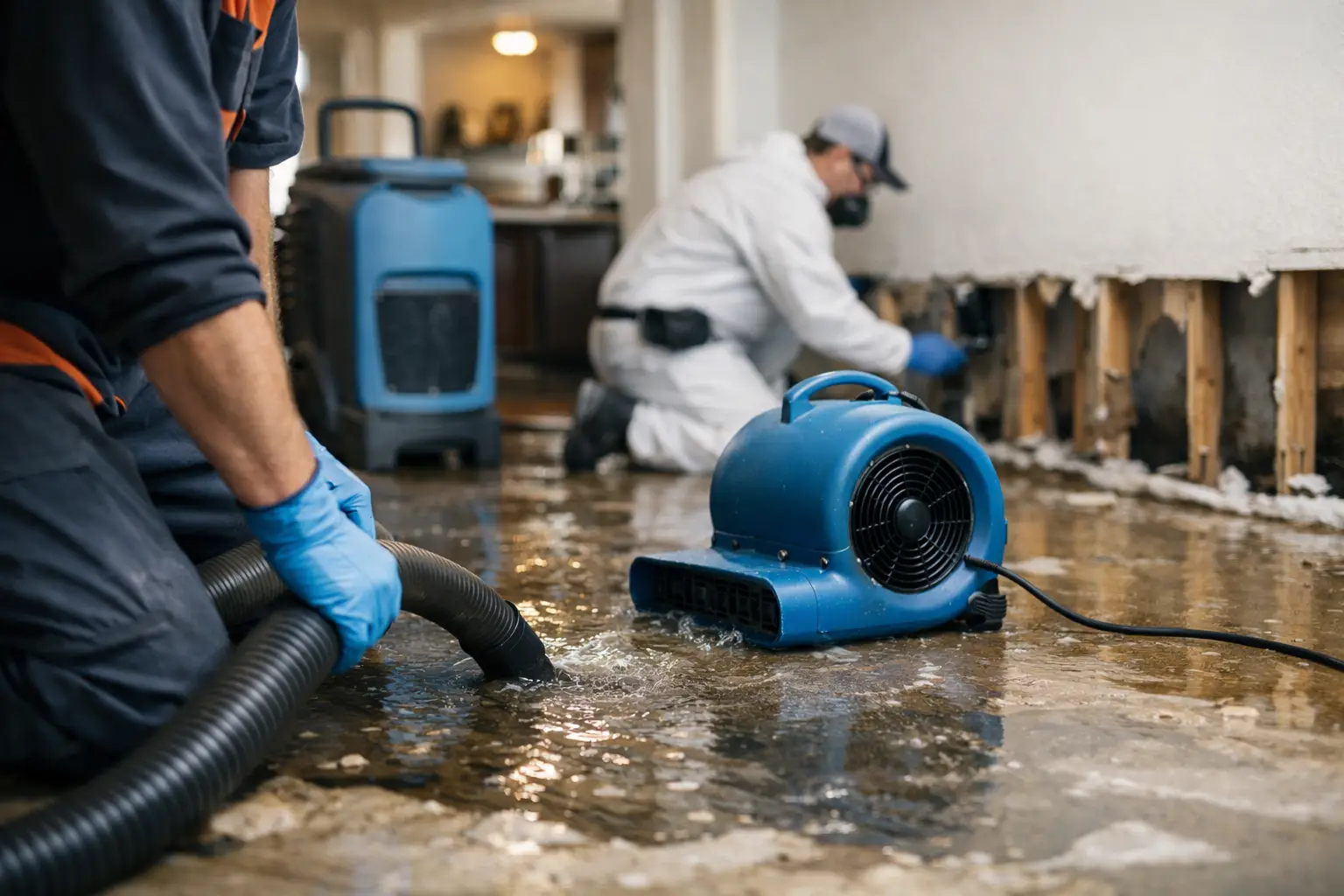 Water Damage
Extraction, structural drying, and moisture mapping after floods, leaks, and burst pipes.
Get help now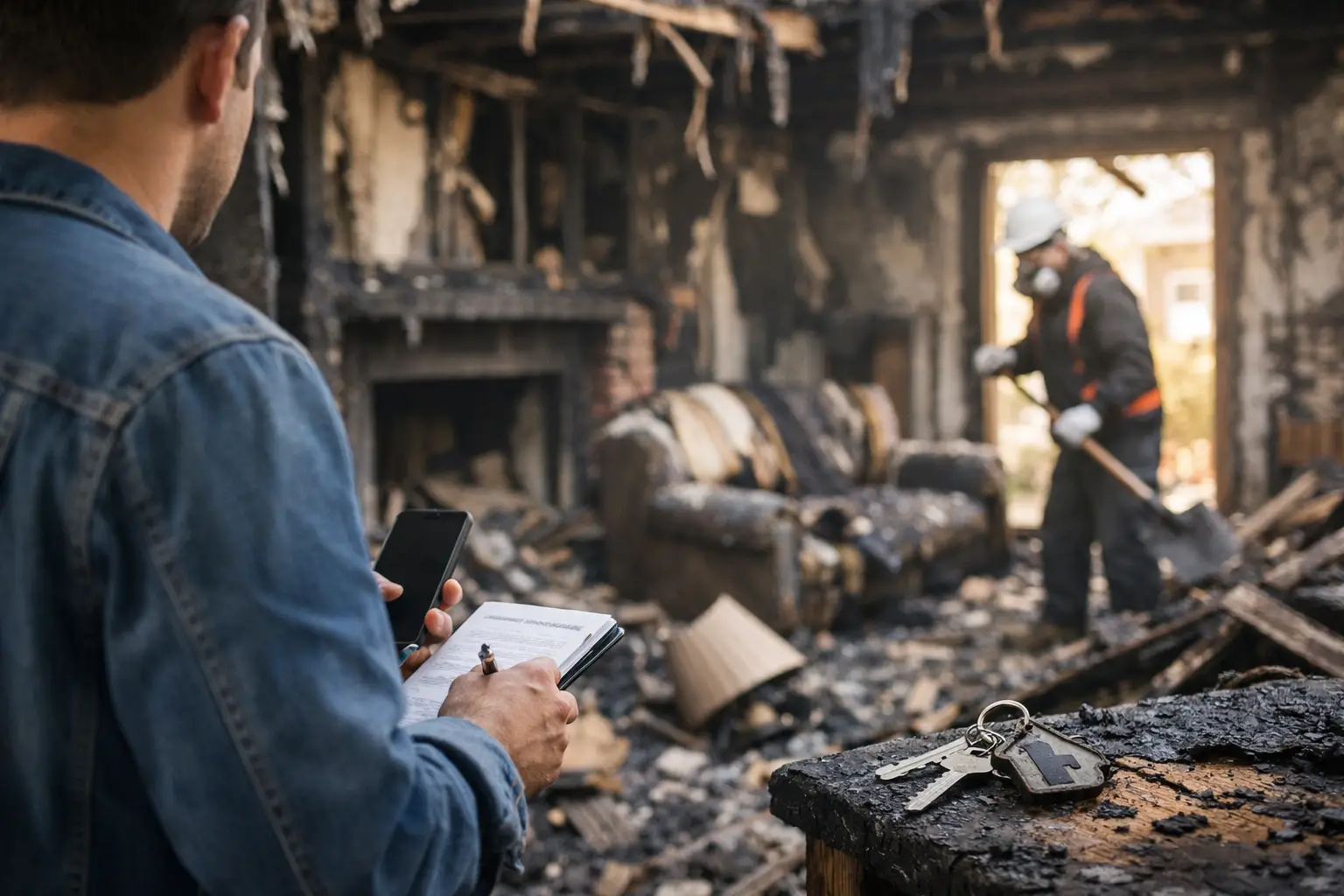 Fire & Smoke
Soot removal, odor deodorization, and content cleaning after fire and smoke damage.
Learn more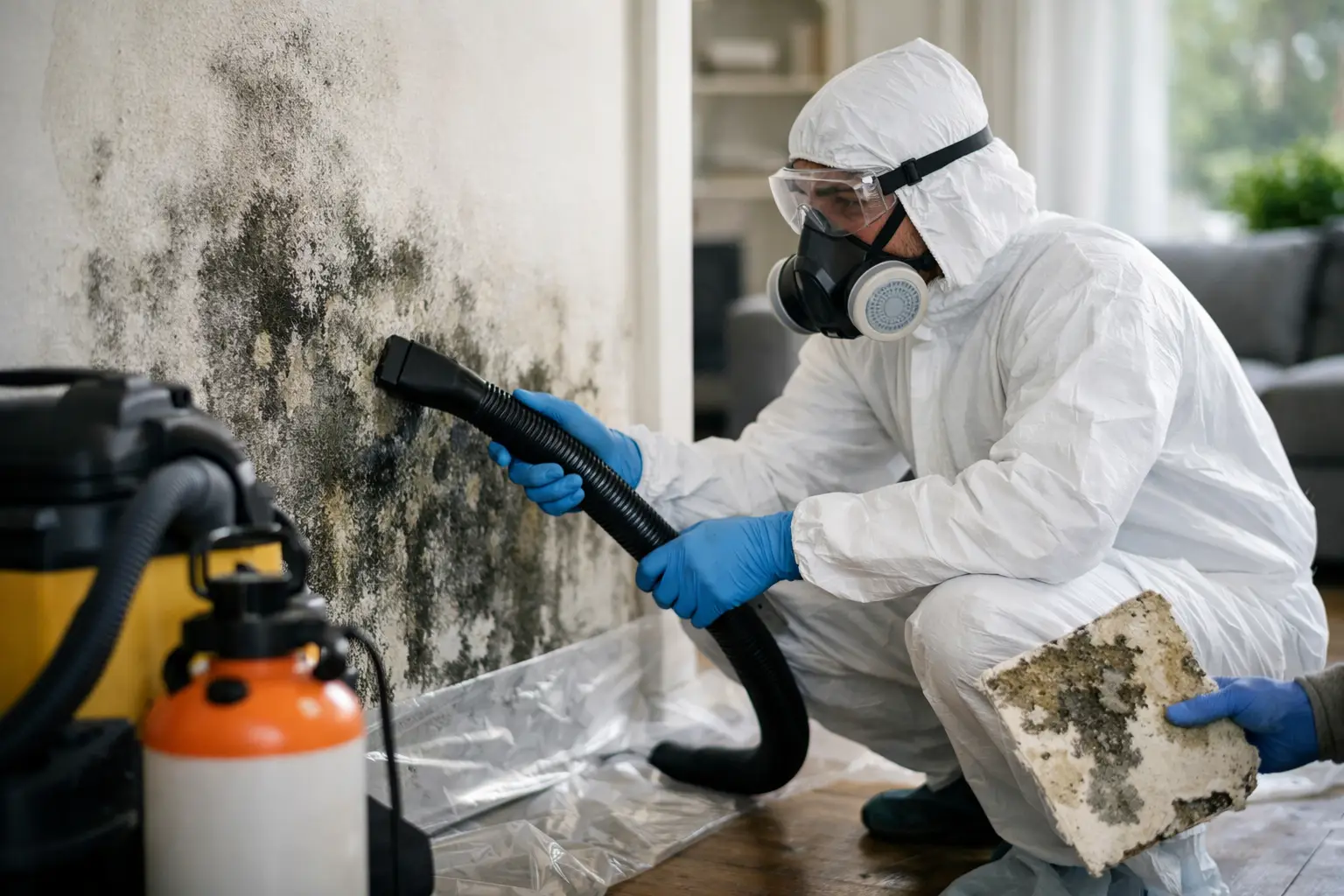 Mold
MoldContainment, removal, and moisture control that stops mold from coming back.
Learn more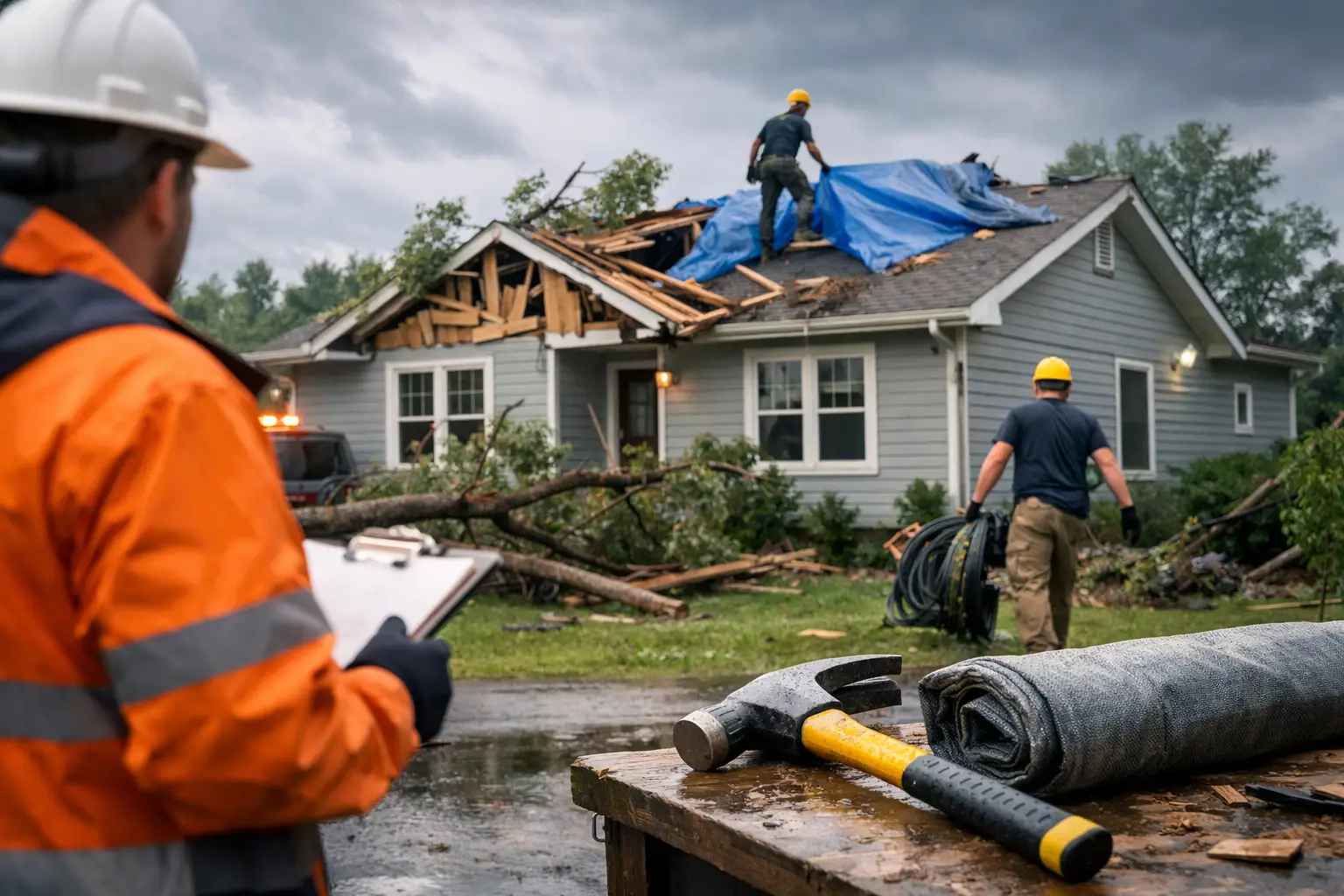 Storm
StormEmergency board-up, roof tarping, and full recovery after wind, hail, and storms.
Learn more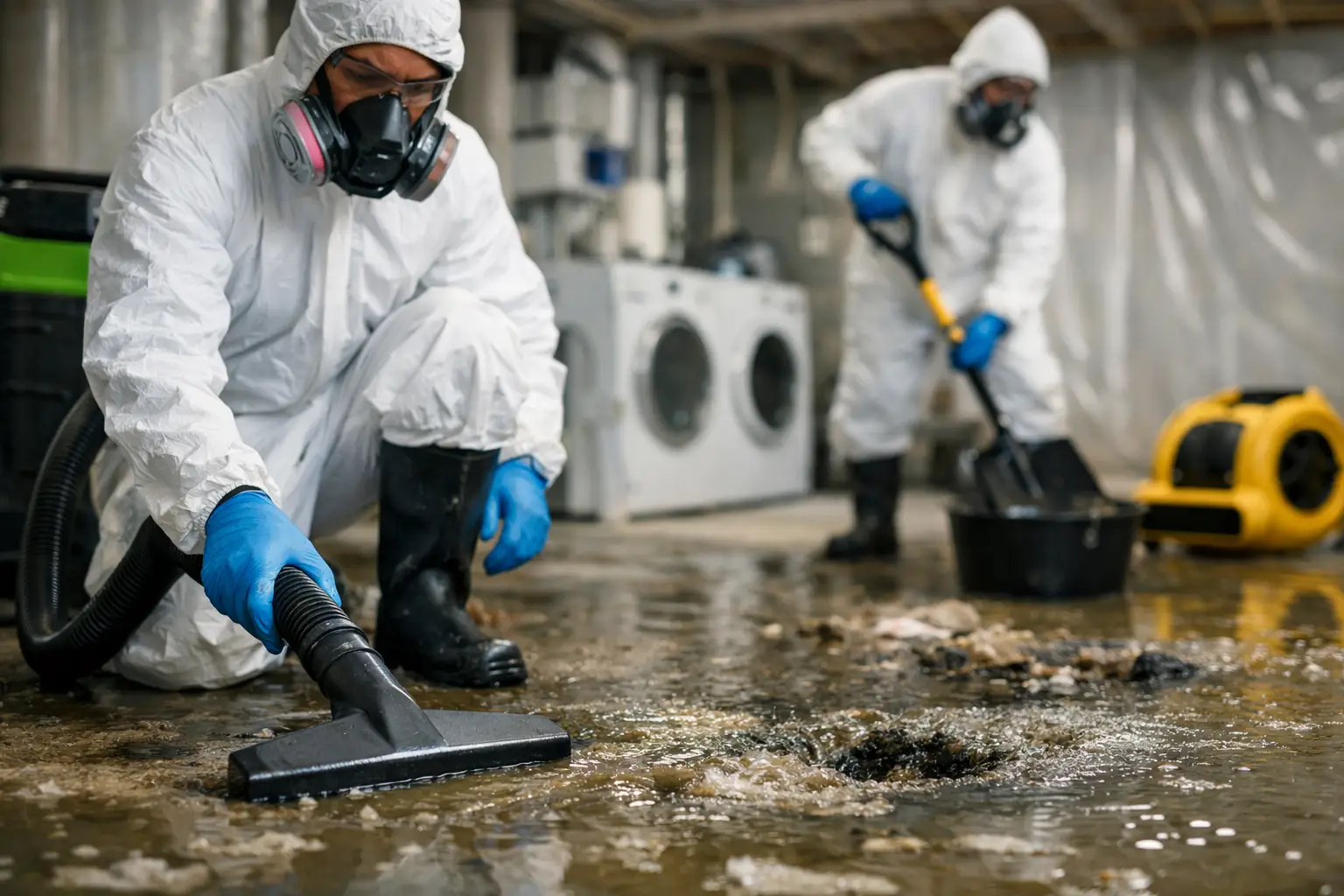 Sewage
Safe biohazard cleanup and sanitizing after sewage backups and overflows.
Learn more Reconstruction
Full rebuild by a licensed general contractor, so your property comes back whole.
Learn moreElevated Operations is an IICRC-certified, licensed general contractor based in Mableton that handles the entire recovery in-house, so after one loss you are never coordinating a cleanup crew, a mold crew, and a contractor separately. One team, one point of contact, from the first pump-out to the final coat of paint.
People call when the property feels like a disaster. They leave reviews because Chris and the crew made it right. These are real, verified Google reviews.
Call as soon as you can. Fast action matters more than the size of the leak because water spreads under flooring and into wall bases quickly. I respond 24/7 from Mableton, and I have seen small leaks in Hiram homes turn into hidden damage when people wait for the room to dry on its own.
Expect inspection, water removal, targeted equipment, and moisture monitoring. Newer construction still traps moisture in trim, transitions, and low wall areas, especially after supply line leaks or appliance failures. I do not guess. I track the structure until the readings show the affected materials are dry and stable.
Because dry on the surface is not the same as dry inside the structure. Moisture monitoring tells me whether drywall, framing, subfloor, or pad still holds water. In Hiram, that matters when leaks run under carpet or around baseboards where the eye cannot see the problem.
Yes. Wet carpet extraction is part of the work I do when the carpet system is still salvageable. I look at the carpet, pad, and subfloor together, then decide whether drying can save it. The decision is based on the condition of the materials, not on guesswork.
Yes, I offer direct insurance billing. I document the loss, the drying process, and the moisture readings so the claim has a clear record. That helps keep the repair moving and reduces back-and-forth when the insurer needs details.
Then structural drying becomes the priority. Water in walls can linger behind baseboards and inside cavities even after the floor looks fine. I use air movers and dehumidification with moisture monitoring to make sure the hidden areas are actually drying, not just the visible surfaces.
You know it is done when the readings show the affected materials are dry and stable, not when the room merely feels comfortable. I do not pull equipment early. That is how hidden moisture gets missed and problems come back later.
Busy households, higher traffic, laundry rooms, kitchens, and appliance failures all create opportunities for water damage. In Hiram, the mix of newer subdivisions and active commercial corridors means leaks often happen in lived-in spaces where fast response matters.
Elevated Operations dispatches IICRC-certified crews across Metro Atlanta from our Mableton base, with a 60-minute emergency response day or night. Choose your city:
Call now for an immediate response, or request your free inspection and get a certified crew on-site within the hour across Atlanta and nearby areas.