24/7 Emergency Restoration · Serving Metro AtlantaEmergency? (770) 404-6895
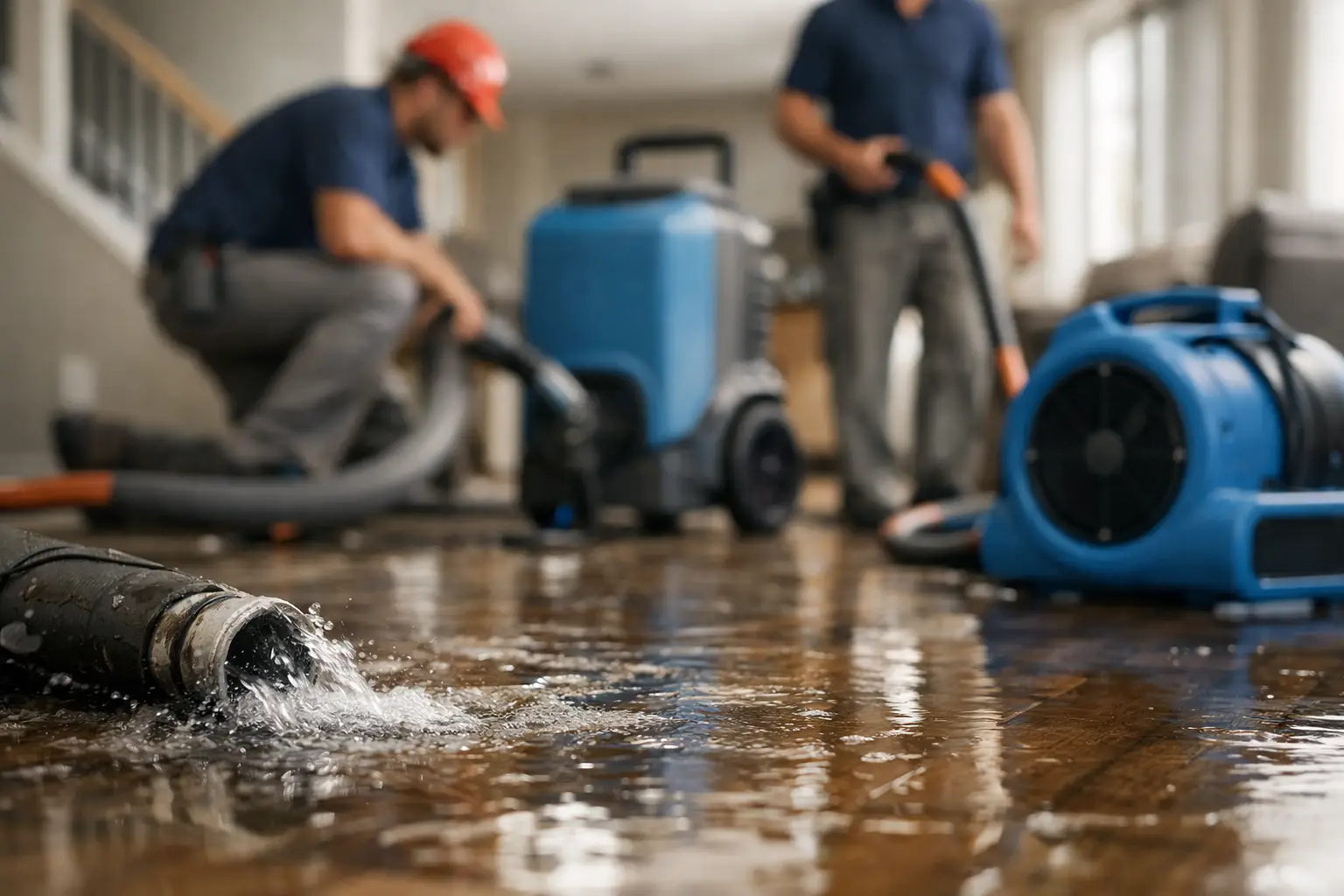
Mold removal services Atlanta is where I step in when an intown bungalow, creek basement, or older crawlspace starts to smell wrong and stain fast. I’m Chris Kwangwari, owner of Elevated Operations, and I handle mold cleanup with IICRC-certified technicians, direct insurance billing, and a 12-month warranty.
IICRC-Certified · 5-Star Rated · 60-Minute Response · Insurance Billed Directly
I handle creek-adjacent basements, finished rooms, and damp crawlspaces with containment, air scrubbing, and a clear cleanup plan.
I inspect the source first, then remove affected materials and protect the rest of the house with controlled remediation.
A musty odor in Atlanta often points to hidden moisture, and I treat that as a real inspection issue, not a guess.
I offer direct insurance billing and deductible assistance up to $1,000, so the claim side stays organized.
In Atlanta bungalows, I start with a mold inspection, then isolate the affected area, remove contaminated materials, and run containment and air scrubbing before cleanup is finished. These homes often have tight rooms, older framing, and hidden moisture paths, so I move carefully and keep the work controlled.
I see this in intown neighborhoods where bungalows sit close to the street and the original building materials are still doing their job. A slow leak behind a bath wall can stay quiet until the paint bubbles, the baseboard darkens, and a musty smell takes over a room.
That is where mold remediation becomes more than wiping spots off a wall. I have to find the wet area, stop the spread, and use hepa vacuuming and containment so spores do not move through the rest of the house while we work.
After the visible mold is gone, I look at what actually failed. Sometimes it is a plumbing issue, sometimes roof intrusion, sometimes condensation in a cramped attic space. If mold damage repair is needed, I keep the work practical and tied to the source, not just the stain.
Creek basements in Atlanta demand a tighter plan because moisture comes in from below, not just from a visible leak. I use mold inspection, containment, and drying-focused cleanup to control the problem, especially in homes near low-lying ground, old drain lines, and shaded foundations.
Along creek corridors, basement air can stay damp long after a storm leaves town. I have seen finished spaces near drainage channels where boxes, drywall, and carpet all held that damp smell, and the homeowner thought the issue was only dust until spots kept returning.
The first move is not tearing out everything. I check what is actively wet, what has already been affected, and where the moisture is entering. Then I build containment, remove damaged materials in a controlled way, and use air scrubbing so the rest of the house is not exposed.
In those Atlanta basements, mold abatement often means respecting the structure of the house. Some have old block walls, some have additions, and some have low ceilings with hidden ductwork. I work around that reality and focus on the source, because mold starts growing in 24 to 48 hours when moisture is left alone.
My mold removal services in Atlanta include inspection, containment, removal of contaminated materials, hepa vacuuming, air scrubbing, and direct insurance billing when the claim applies. I also explain what needs repair and what can stay, because not every stained surface needs demolition if the source is handled correctly.
I do not treat mold cleanup like a spray-and-go job. I look at the room as a system, because the drywall, insulation, trim, flooring, and airflow all tell me something about what happened and how far the moisture spread.
If the area needs to be isolated, I build containment first. Then my team removes affected materials, vacuums with HEPA filtration, and cleans the work area so hidden debris does not keep feeding the problem. That is the difference between temporary cleanup and real mold remediation.
Atlanta homes vary block by block. A brick house in an older intown street does not behave like a basement level in a newer subdivision near county lines. I match the process to the home, and I keep the homeowner informed every step of the way.
Yes, but only when the water source is identified and corrected. I do not call a job finished if the leak, seepage, or humidity issue is still active. Removal without source control is temporary, and in Atlanta homes that means the same mold can come back fast.
I have walked into homes where someone already tried bleach, paint, and a quick patch. The spots looked smaller for a week, then the odor came back. That is why I insist on finding the cause before I decide what gets removed and what gets saved.
The source might be a supply line behind a wall, a roof penetration, a condensation issue in a tight attic, or groundwater pushing into a creek basement. Each one changes the plan. Mold remediation only works when the moisture path is treated as part of the job.
That is also why I stay direct about insurance. If the loss is covered, I handle direct insurance billing and I help with the deductible up to $1,000. The point is to keep the process clear, not to pretend the source does not matter.
You need mold removal services when you smell a persistent musty odor, see staining, spot growth, or notice a room that feels damp after the problem should have dried out. In Atlanta, I also pay close attention to creek basements, crawlspaces, and older bungalows with past water intrusion.
Some homeowners call because they see black spots. Others call because the house smells off and the allergies flare up every time they go downstairs. I pay attention to both. In this city, a hidden leak can sit in a wall or basement for a long time before the signs become obvious.
Intown bungalows often show clues near windows, bathroom corners, or the back of a closet where air movement is poor. Basements near creeks show it differently, usually with damp framing, stained block, or musty air that returns after a storm.
If the space still smells musty after you dry it out, that is a problem. If you see recurring staining, that is a problem. If one room keeps feeling colder and wetter than the rest, I want to inspect it before the damage spreads farther.
In tight intown spaces, mold cleanup starts with protecting the rest of the house. I use containment, remove affected materials carefully, and keep dust down so small rooms, hallways, and shared air paths do not carry contamination into clean areas.
Atlanta intown homes are often full of character and narrow passageways. That means the work has to be disciplined. I cannot treat a small bungalow bathroom the same way I would treat an open basement, because the airflow and access points are completely different.
When I open a wall or floor section, I want to know exactly how far the issue reached. That is where a proper mold inspection matters. It tells me whether I am dealing with one wall cavity, multiple rooms, or a broader moisture pattern tied to the home itself.
I keep the process orderly because small homes make chaos travel fast. Dust moves. Spores move. So I use air scrubbing, HEPA filtration, and careful removal to protect the rest of the structure while the affected area is being handled.
A homeowner in an older Atlanta bungalow noticed peeling paint and a sour smell after a slow bathroom leak. I isolated the room, removed damaged materials, and handled mold remediation without spreading dust into the rest of the house.
Near a creek corridor, a basement kept feeling wet even after mopping and fans. I traced the moisture path, set containment, used air scrubbing, and removed affected finishes so the space could dry the right way.
In an older Atlanta home with a crawlspace, musty air kept drifting into the living room. I treated the crawlspace as the source area, used hepa vacuuming, and explained what mold damage repair was needed above it.
From emergency mitigation to full reconstruction, handled in-house so you are never managing a chain of subcontractors mid-crisis.
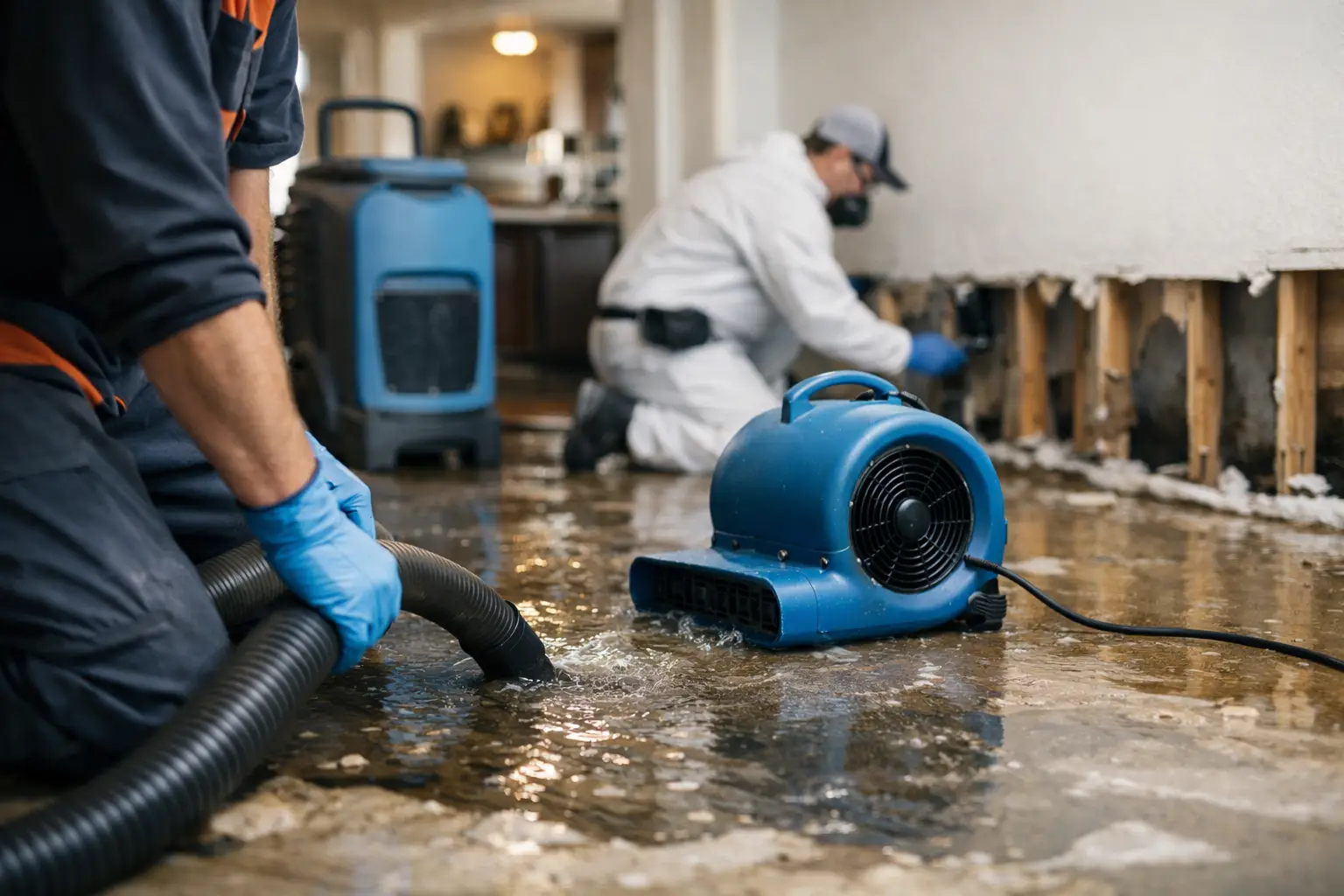 Water Damage
Extraction, structural drying, and moisture mapping after floods, leaks, and burst pipes.
Get help now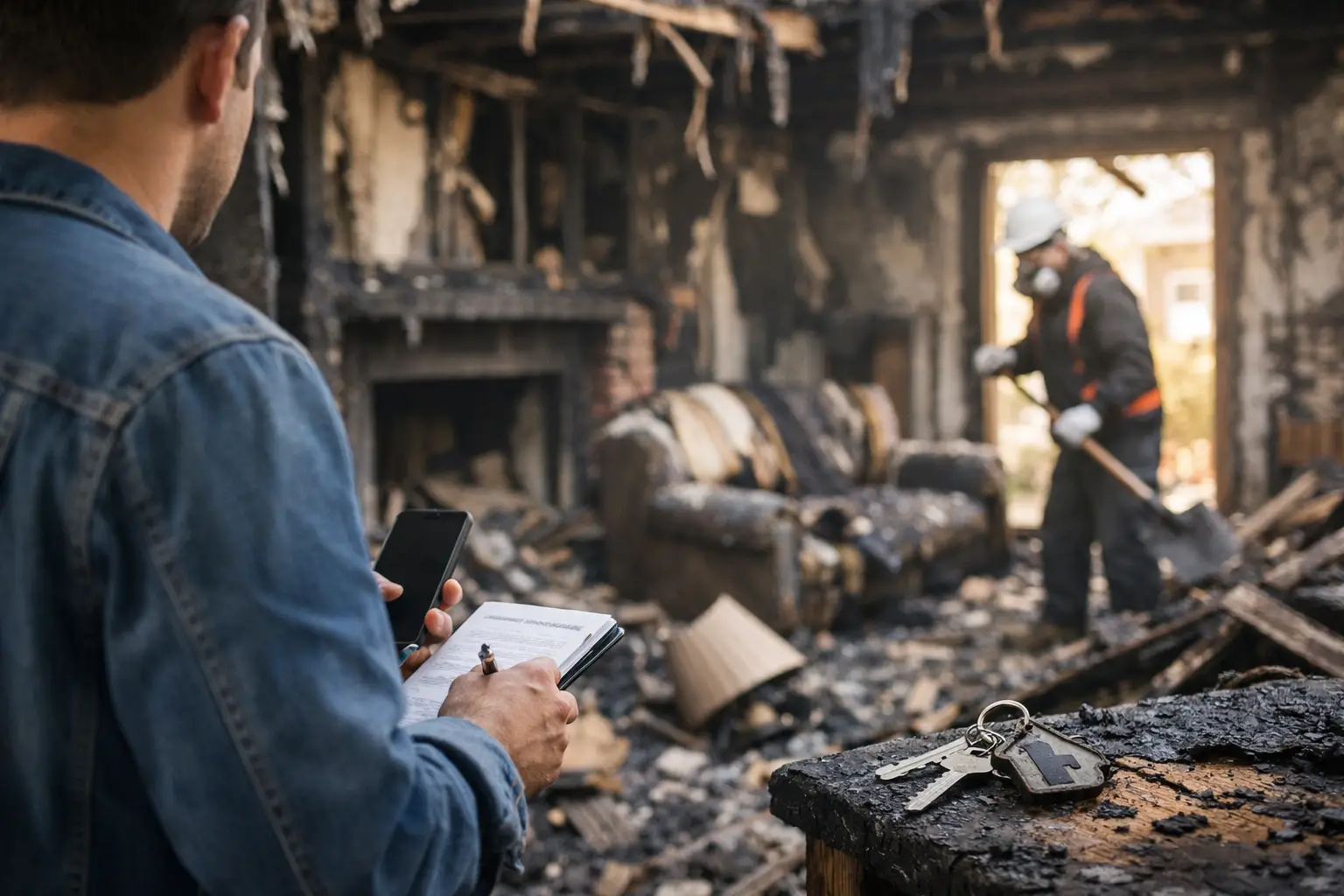 Fire & Smoke
Soot removal, odor deodorization, and content cleaning after fire and smoke damage.
Learn more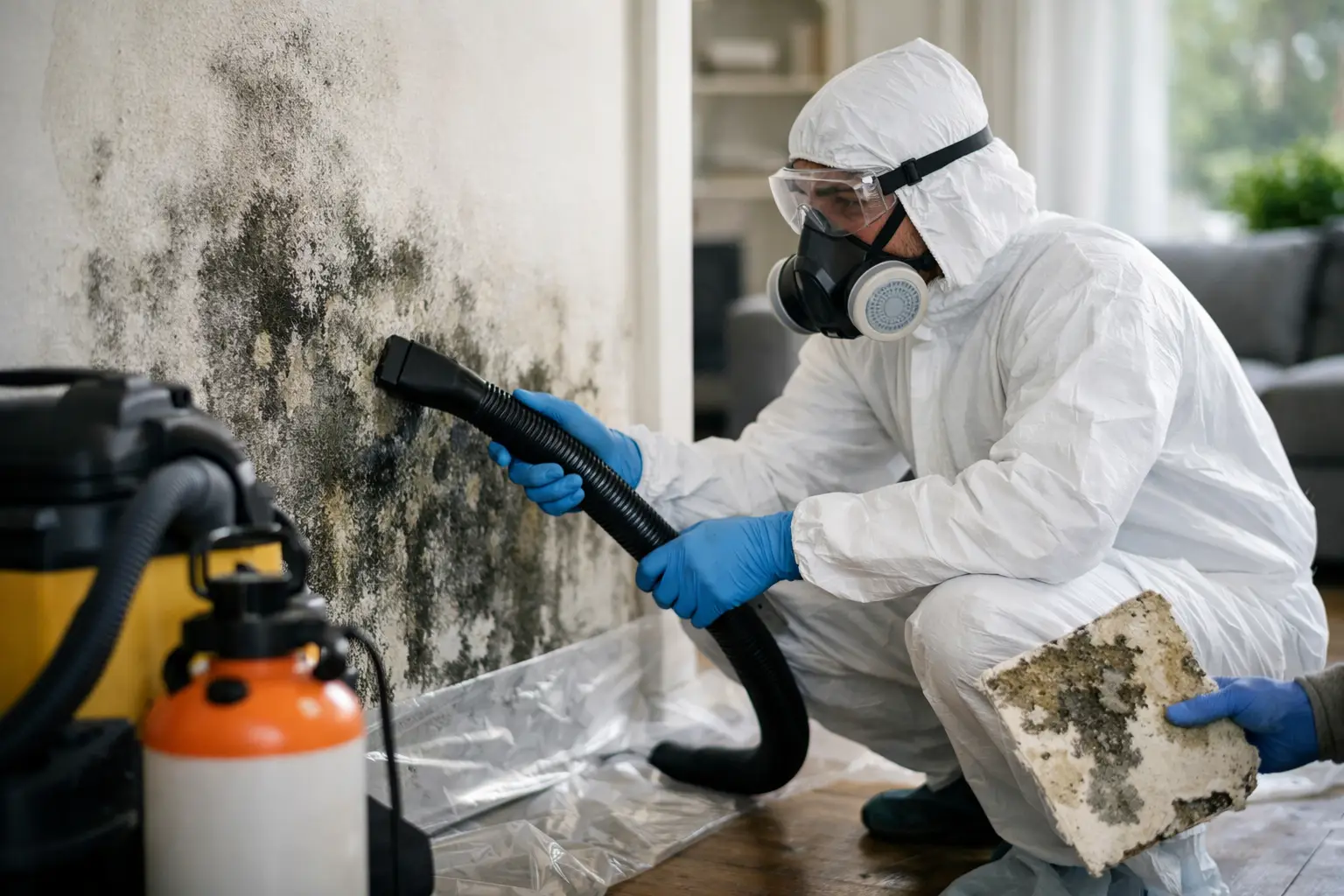 Mold
MoldContainment, removal, and moisture control that stops mold from coming back.
Learn more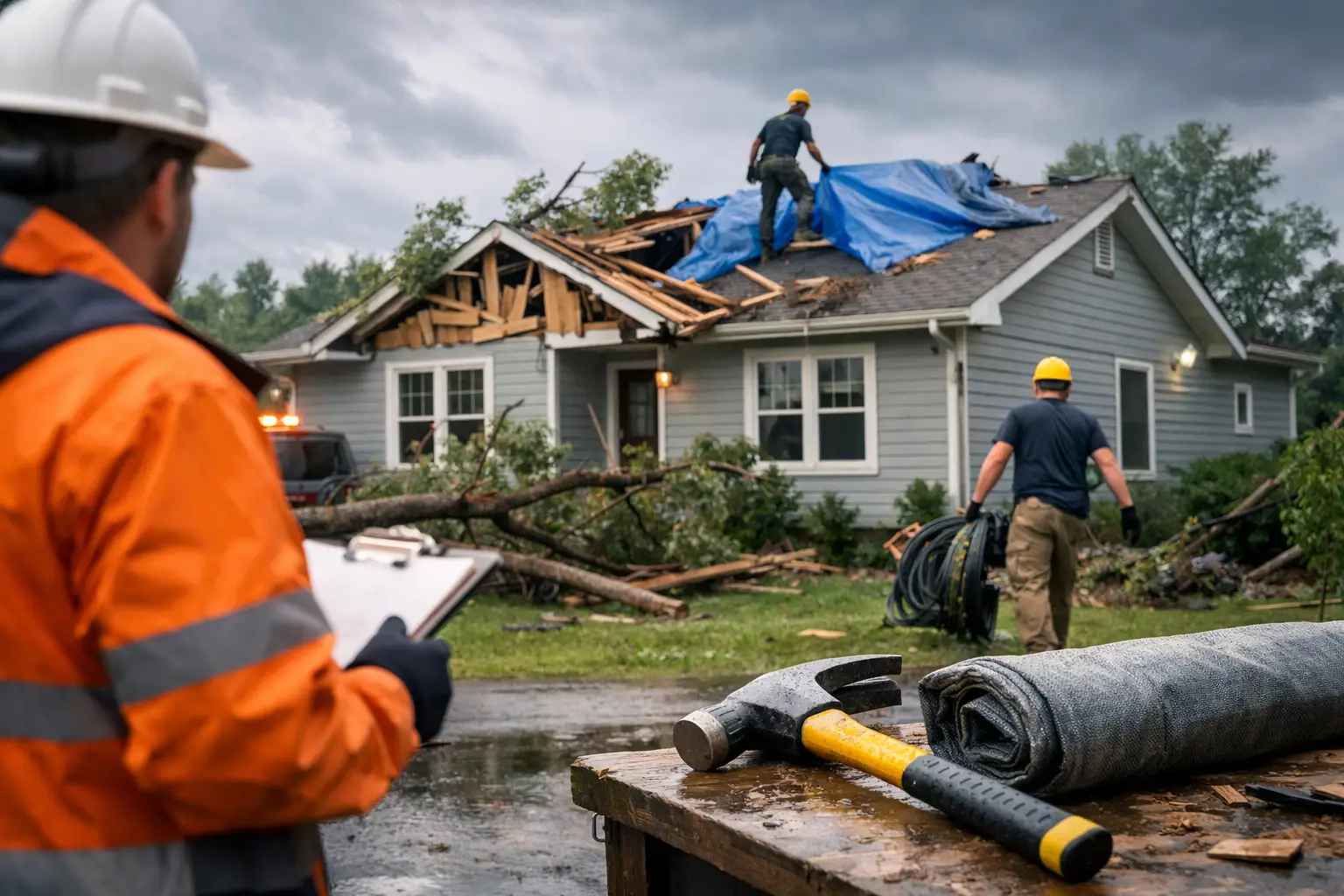 Storm
StormEmergency board-up, roof tarping, and full recovery after wind, hail, and storms.
Learn more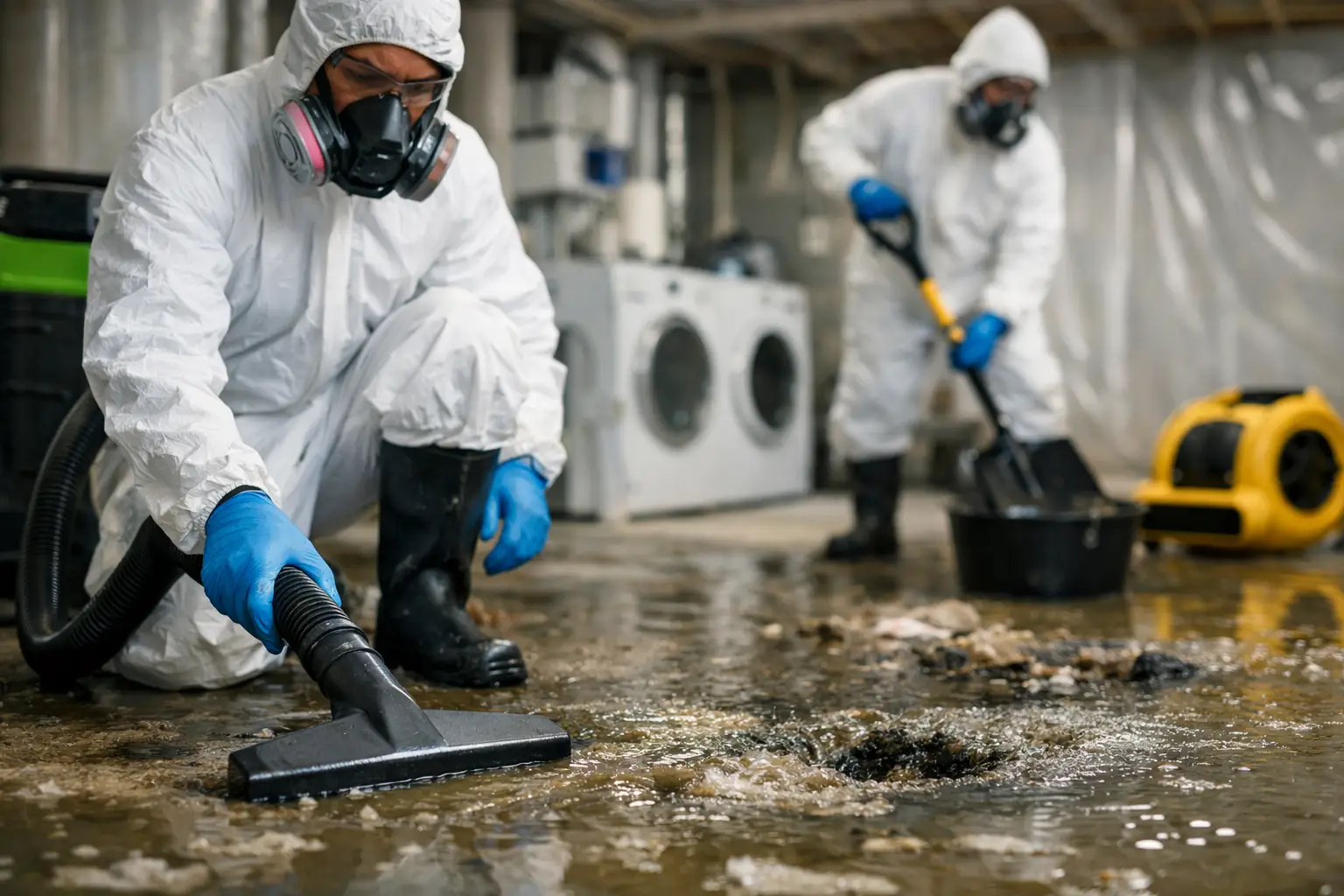 Sewage
Safe biohazard cleanup and sanitizing after sewage backups and overflows.
Learn more Reconstruction
Full rebuild by a licensed general contractor, so your property comes back whole.
Learn moreElevated Operations is an IICRC-certified, licensed general contractor based in Mableton that handles the entire recovery in-house, so after one loss you are never coordinating a cleanup crew, a mold crew, and a contractor separately. One team, one point of contact, from the first pump-out to the final coat of paint.
People call when the property feels like a disaster. They leave reviews because Chris and the crew made it right. These are real, verified Google reviews.
I offer 60-minute emergency response 24/7, and I use that speed when an Atlanta basement starts smelling musty after a storm or leak. Fast response matters because mold starts in 24 to 48 hours once moisture stays in place. I want to inspect it before the issue spreads into framing, insulation, or finished rooms.
Yes, mold can return if the moisture source is still active. In intown Atlanta bungalows, that can mean a hidden pipe leak, roof intrusion, or poor ventilation in a small bathroom or closet. I focus on source control, containment, and cleanup together, because removal alone does not solve the real problem.
Yes, I offer direct insurance billing when the loss applies. That helps keep the process cleaner for Atlanta homeowners who are already dealing with water damage and mold cleanup. I also assist with the deductible up to $1,000, and I keep the communication direct so you know what is happening and why.
I most often see problems in intown bungalows, older houses with crawlspaces, and basements near creek corridors where moisture lingers. Those homes can have tight wall cavities, mixed additions, and airflow issues. A mold inspection helps me separate surface staining from a larger hidden moisture pattern.
I start with containment to protect the upstairs and any finished rooms nearby. Then I remove affected materials, use hepa vacuuming, and run air scrubbing so disturbed particles do not spread. In creek basements, the real focus is moisture control, because if the wet source remains, the mold problem will follow.
In practice, I treat mold removal services and mold abatement as part of the same job, but the goal is always the same, remove the affected material safely and stop the source. In Atlanta homes, that usually means cleanup, containment, and repair recommendations after I inspect the actual damage.
Yes, I back my work with a 12-month warranty. I have been in restoration since 2007, and I do not make promises lightly. If I am handling mold remediation in an Atlanta bungalow or basement, I want the work done correctly and documented clearly from the start.
I am Chris Kwangwari, owner of Elevated Operations, LLLP, and I am a licensed general contractor. My team uses IICRC-certified technicians, and we work from our Mableton base across Cobb, Fulton, DeKalb, Douglas, Clayton, Henry, and Paulding counties when Atlanta homes need mold cleanup or related repairs.
Elevated Operations dispatches IICRC-certified crews across Metro Atlanta from our Mableton base, with a 60-minute emergency response day or night. Choose your city:
Call now for an immediate response, or request your free inspection and get a certified crew on-site within the hour across Atlanta and nearby areas.




