24/7 Emergency Restoration · Serving Metro AtlantaEmergency? (770) 404-6895
Smoke and soot cleanup Vinings means choosing the right path fast, because soot turns acidic, odors settle into finishes, and condo life near the Chattahoochee does not wait. I compare restoration versus replacement, DIY versus a pro, and water damage versus mold so you can act with confidence.
IICRC-Certified · 5-Star Rated · 60-Minute Response · Insurance Billed Directly
Yes. Shared air paths, close neighbors, and tight layouts change the job. I treat condo smoke cleanup differently from a stand-alone home.
Yes. I handle deodorization, contents cleaning, and the cleanup decisions that keep salvageable items from being tossed too early.
Yes. I offer direct insurance billing, and I also help with deductible assistance up to $1,000 when the claim qualifies.
I’m Chris Kwangwari, a licensed general contractor with Elevated Operations, LLLP. We’ve been in restoration since 2007, and I back the work with a 12-month warranty.
Restoration is the right call when the soot is on the surface, the material is sound, and the odor is controllable. Replacement makes sense when porous materials are deeply affected, finishes are warped, or the cleanup would cost more than the item is worth.
In Vinings, I see this question a lot in condos near the river corridors and in the older upscale homes off the main residential pockets. Painted trim, tile, sealed counters, and some cabinetry often respond to careful surface cleaning and deodorization.
But drywall, insulation, and fabric-covered items can trap smoke damage cleanup issues deep inside. When soot reaches hidden cavities, replacement can be the cleaner choice, especially in tight condo units where odor removal has to respect neighbors and shared ventilation paths.
My rule is simple, restore the hard surfaces you can save, replace the items that keep feeding odor. That is the difference between a short cleanup and a long-running problem that keeps coming back after the first wipe-down.
The right process starts with containment, then dry soot removal, then careful surface cleaning, HVAC attention, and deodorization. In a Vinings condo, I treat shared air movement seriously because smoke residue can spread through hallways, returns, and adjacent units if it is handled loosely.
First, I want the loose soot off the surfaces without grinding it in. That means the right dry methods, targeted vacuuming, and then cleaning agents matched to the finish. A wrong cloth or heavy-handed scrubbing can smear residue and make the stain wider.
Next comes the air path. HVAC cleaning matters when smoke has moved through returns or supply lines, because odor does not stay loyal to the room it started in. An air scrubber helps control the indoor air while the cleanup is in progress.
For Vinings condos, the real issue is containment and precision. You are not cleaning a stand-alone structure on a huge lot, you are working in close quarters where smoke damage cleanup has to be controlled, fast, and respectful of the building around you.
Yes, when the source is fully addressed and the affected materials are treated correctly, smoke odor can be removed. But I will not promise that every item can be saved, because some porous contents hold odor so deeply that replacement is the cleaner result.
Odor removal is not one trick. It is a sequence: remove residue, clean surfaces, treat hidden areas, and address the air handling. If any step gets skipped, the smell hangs on in closets, soft goods, or inside cabinet runs long after the visible soot is gone.
In Vinings, this matters in high-end finishes and compact condo layouts near the Chattahoochee, where air moves in strange ways and odor can settle in one room while the fire happened in another. That is why deodorization and contents cleaning matter together.
I use a direct approach here. If the material can be cleaned and deodorized, save it. If it keeps re-releasing odor, cut the loss and replace it. That is the honest answer, and it is the one that holds up after the unit is closed back up.
Dry soot removal, followed by the right surface cleaning method, is what removes soot from walls and ceilings without smearing it deeper. The finish matters, because flat paint, semi-gloss, and textured ceilings all respond differently and need different handling.
I do not start with water unless the surface calls for it. Soot can streak fast, and on Vinings homes with detailed trim or condo ceilings near shared air pathways, a bad first pass can turn a small cleanup into a full repaint job.
Walls and ceilings need inspection before cleaning. Some areas take gentle wiping, others need more careful treatment, and some coatings are not worth saving. That is where smoke damage cleanup becomes a judgment call, not a generic wipe-and-pray job.
The comparison is simple, homeowner cleaning is usually too aggressive or too light. A pro looks at residue type, coating, and airflow patterns, then chooses the method that keeps the soot on the cloth instead of pushing it into the finish.
DIY works only for very light residue on hard, nonporous surfaces, and only when the odor is minor. A pro is the better choice when soot is widespread, HVAC is involved, contents need cleaning, or you are dealing with condos and shared air space.
DIY seems cheaper until the soot smears, the odor stays, and you have to repaint or re-clean everything. In Vinings, that is especially risky in condos where one mistake can spread residue into hallways, closets, or neighboring units through air movement.
A pro brings IICRC-certified technicians, direct insurance billing, and the tools to handle smoke damage cleanup the right way. That includes containment, air scrubber use, deodorization, and knowing when contents cleaning is enough and when replacement is smarter.
I take a hard line on this. If the event touched HVAC, soft goods, or multiple rooms, do not guess. If it stayed on one easy-clean surface and never got into the air system, a careful homeowner can sometimes do the first pass.
Smoke cleanup should start as soon as it is safe, because residue sets quickly and odors spread through porous materials. The earlier the response, the better the odds of saving finishes, contents, and HVAC components before the damage becomes harder to reverse.
Timing matters more than people think. In a Vinings condo or house near the Chattahoochee, waiting even a little lets smoke settle into trim, upholstery, cabinet interiors, and return air. The cleanup gets larger, and the replacement list grows with it.
Elevated Operations offers 60-minute emergency response 24/7, and that matters when soot is active and conditions are still changing. I would rather start with a clean containment plan than show up later to a smell that has already moved through the whole property.
The when-each-applies verdict is simple. Start restoration immediately if the materials are still salvageable. Start replacement planning when soot has soaked into porous items or when smoke damage cleanup has been delayed long enough that odor is now part of the structure.
| Typical Trigger | Water Damage Restoration | Mold Remediation |
|---|---|---|
| Smoke on painted walls in a Vinings condo | Water damage is not the issue, so restoration focuses on dry soot removal, surface cleaning, and deodorization before the stain spreads through the unit. | Mold is not the first concern, unless water was also used or the unit stayed closed and damp after the fire event. |
| Burn smell in HVAC after a kitchen puff-back | Water damage cleanup only applies if sprinklers or extinguishing water were involved, but HVAC cleaning and air scrubber work may still be needed for smoke. | Mold risk rises only if moisture remains in returns, insulation, or hidden cavities after the event and after the cleanup. |
| Soot on soft contents in an upscale Cobb home | Water may make fabrics worse if used carelessly, so contents cleaning is often the better first choice when the goal is saving the item. | If fabrics stay wet after a fire response, mold can start in 24 to 48 hours, which turns a smoke cleanup into a different problem fast. |
From emergency mitigation to full reconstruction, handled in-house so you are never managing a chain of subcontractors mid-crisis.
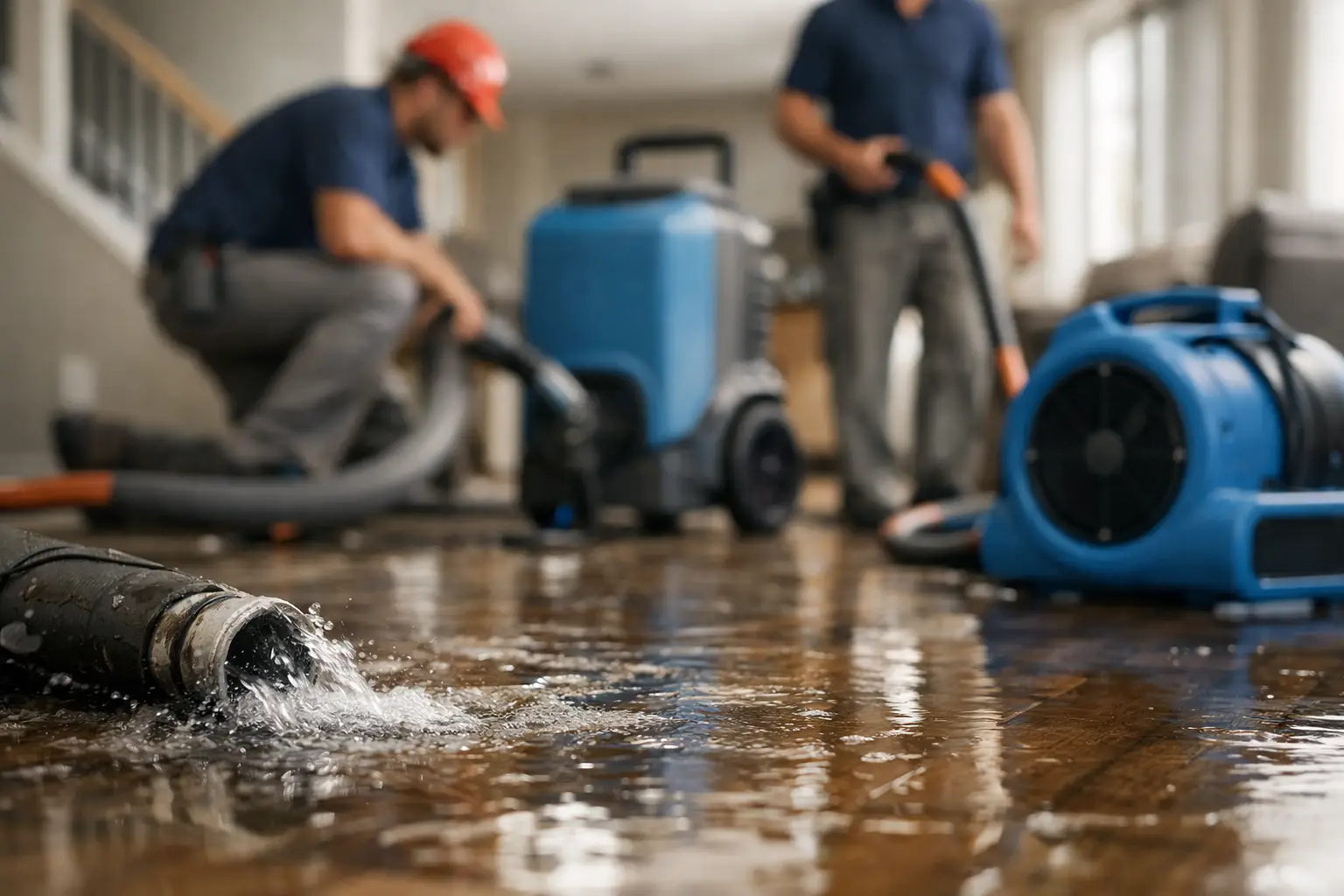
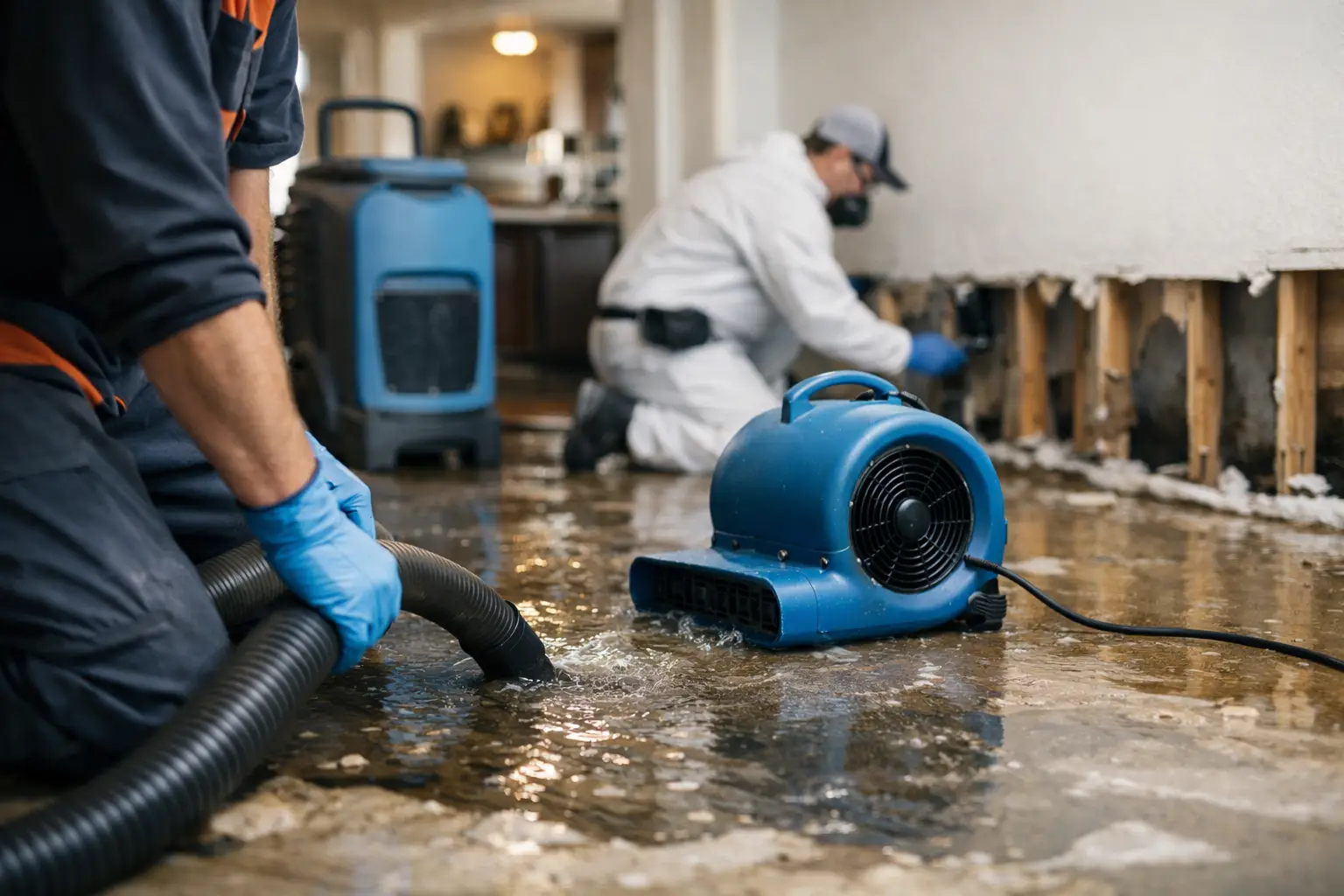 Water Damage
Extraction, structural drying, and moisture mapping after floods, leaks, and burst pipes.
Get help now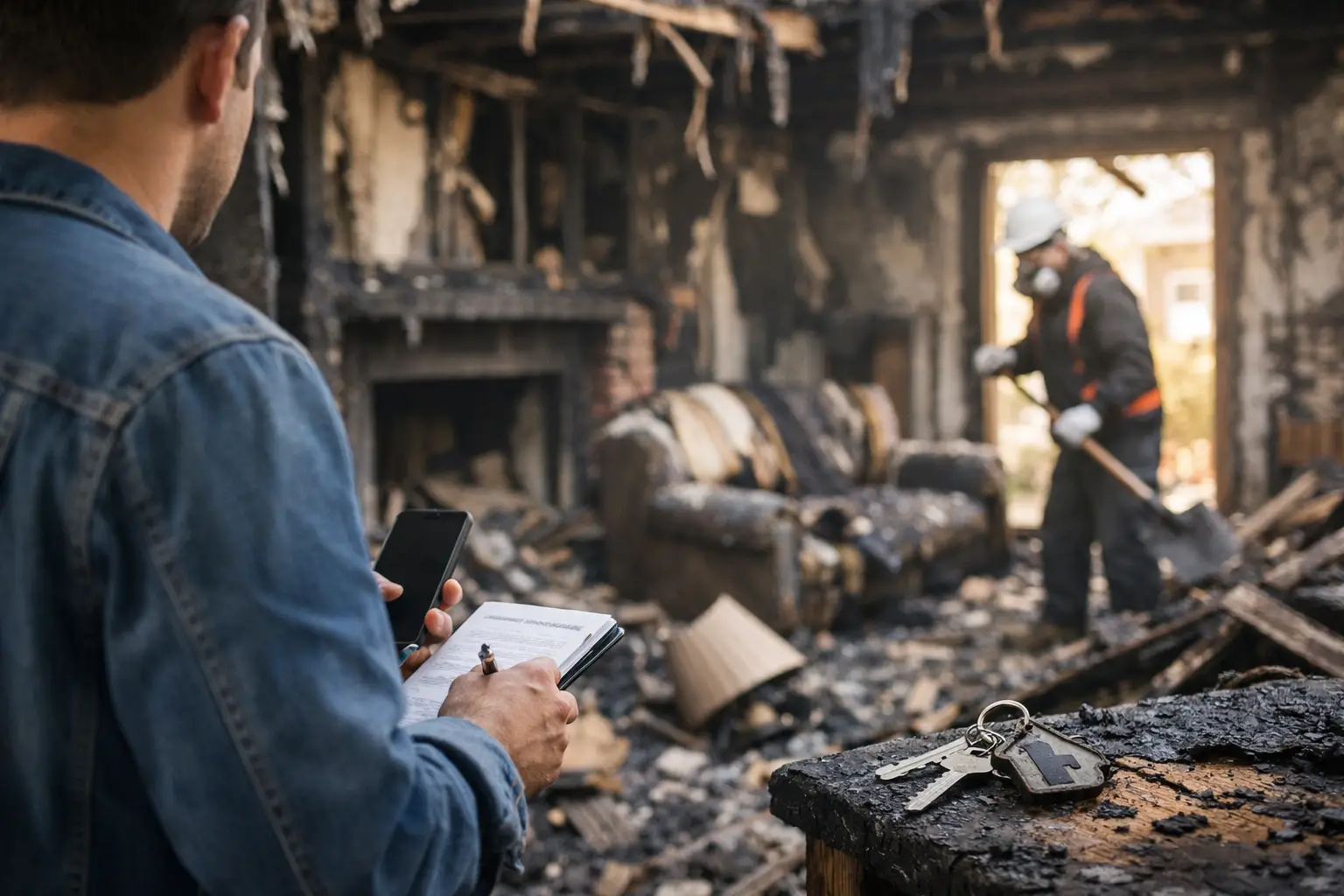 Fire & Smoke
Soot removal, odor deodorization, and content cleaning after fire and smoke damage.
Learn more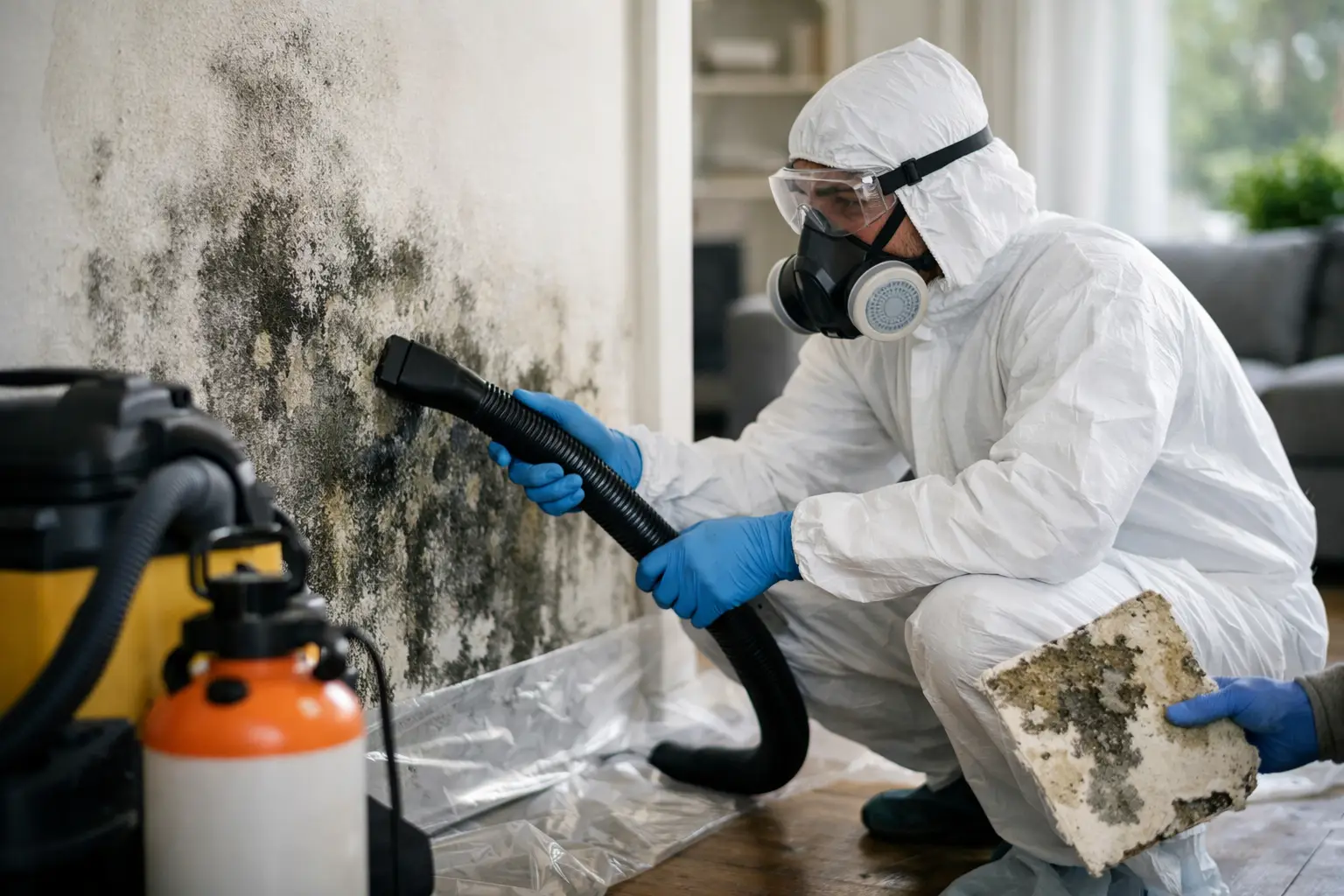 Mold
MoldContainment, removal, and moisture control that stops mold from coming back.
Learn more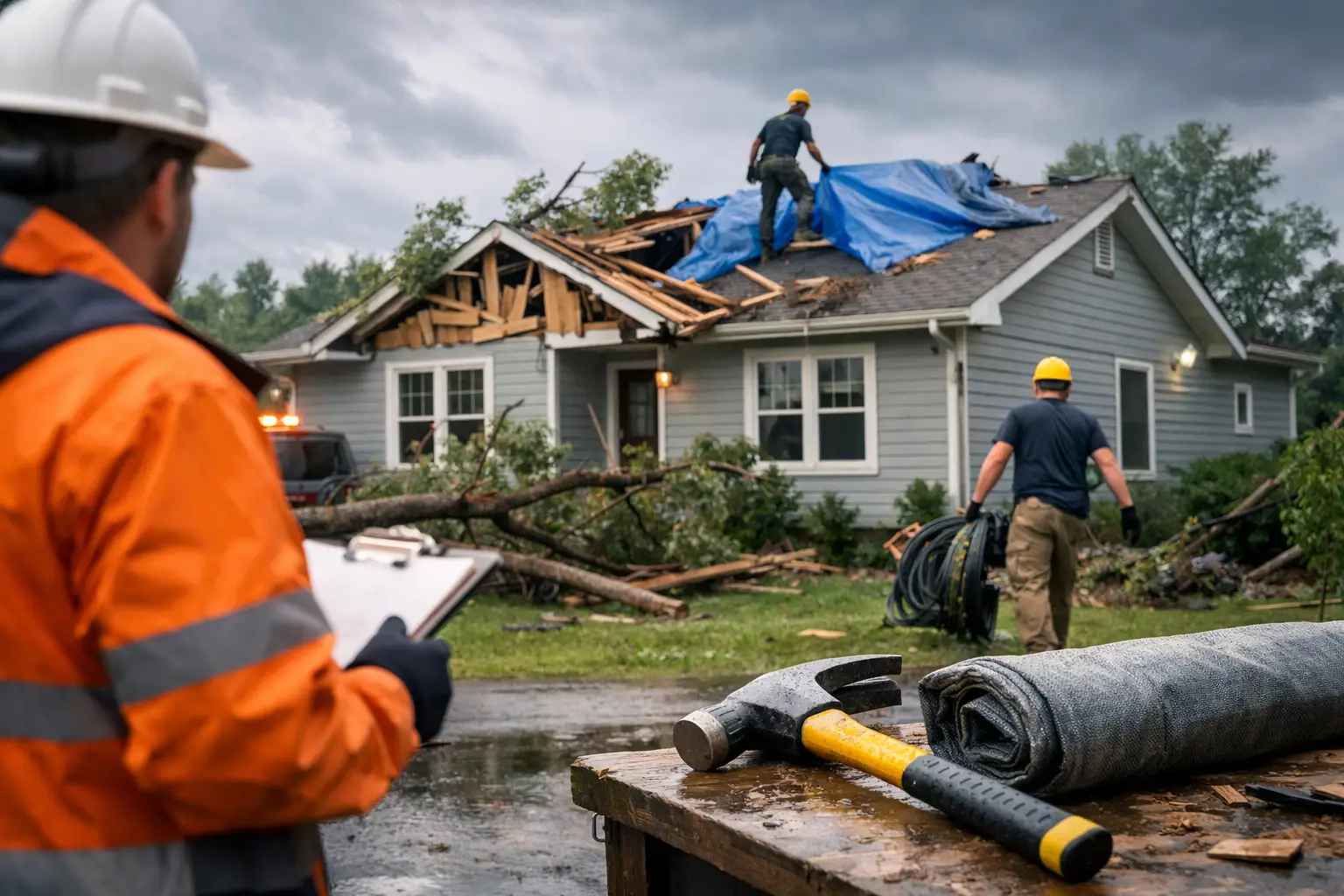 Storm
StormEmergency board-up, roof tarping, and full recovery after wind, hail, and storms.
Learn more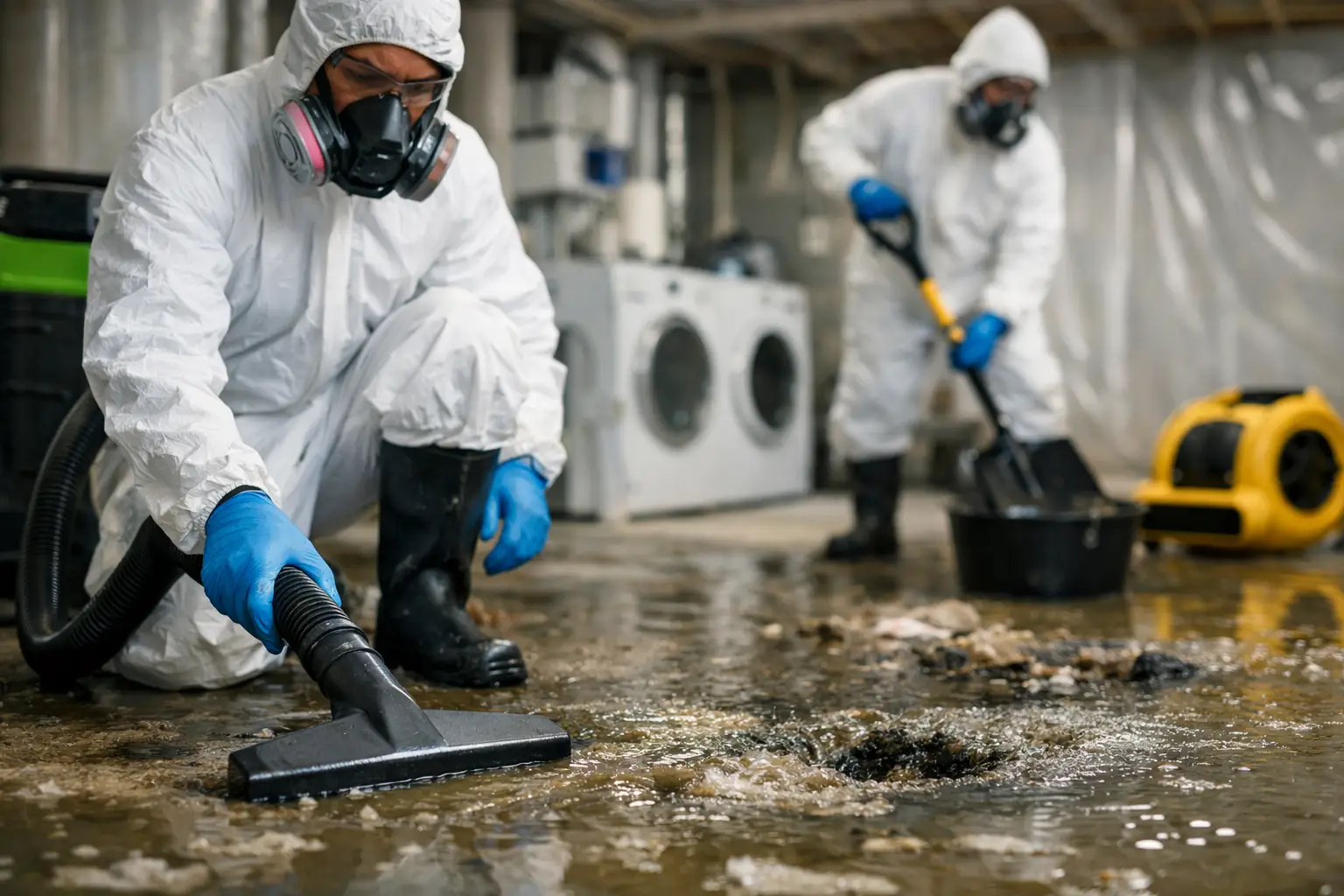 Sewage
Safe biohazard cleanup and sanitizing after sewage backups and overflows.
Learn more Reconstruction
Full rebuild by a licensed general contractor, so your property comes back whole.
Learn moreElevated Operations is an IICRC-certified, licensed general contractor based in Mableton that handles the entire recovery in-house, so after one loss you are never coordinating a cleanup crew, a mold crew, and a contractor separately. One team, one point of contact, from the first pump-out to the final coat of paint.
People call when the property feels like a disaster. They leave reviews because Chris and the crew made it right. These are real, verified Google reviews.
The first step is to stop the residue from spreading, then assess what can be restored. I look at the surfaces, the air path, and the contents before cleaning begins. In a condo, that matters even more because shared hallways and returns can move smoke farther than homeowners expect.
Dry soot removal, followed by the right surface cleaning method, removes soot without smearing it into the finish. I check the coating first, because flat paint, gloss trim, and textured ceilings all react differently. That is how you keep a small problem from becoming a repaint job.
Yes, if the source is fully cleaned and the affected materials are treated correctly. I do not promise that every item can be saved, though. Some porous contents hold odor so deeply that replacement is the cleaner answer, especially when the smell keeps returning after surface work.
As soon as it is safe to enter. Smoke residue sets quickly, and odor spreads into closets, soft goods, and HVAC paths fast. In my experience, the earlier the cleanup starts, the more likely it is that restoration beats replacement for the affected materials.
Only for very light residue on hard surfaces. If soot has reached HVAC, multiple rooms, or soft contents, DIY usually falls short. Shared ventilation makes the risk higher, because a bad cleaning method can move odor and residue into areas that were not directly affected.
Restoration makes sense when the material is sound, the residue is on the surface, and the odor can be controlled. I choose replacement when the item is porous, warped, or too contaminated to clean properly. That is common in fabrics, insulation, and some cabinetry interiors.
Water changes the plan because wet soot can spread and porous materials may need different handling. If the area was also flooded or hit with extinguishing water, I look at drying, contents cleaning, and the risk of mold before deciding what can still be saved.
Ask whether the team can handle containment, HVAC cleaning, deodorization, and direct insurance billing. I would also ask how they decide between restoration and replacement. In a place like Vinings, with condos and upscale finishes, that judgment matters as much as the cleaning itself.
Elevated Operations dispatches IICRC-certified crews across Metro Atlanta from our Mableton base, with a 60-minute emergency response day or night. Choose your city:
Call now for an immediate response, or request your free inspection and get a certified crew on-site within the hour across Atlanta and nearby areas.