24/7 Emergency Restoration · Serving Metro AtlantaEmergency? (770) 404-6895
Smoke and soot cleanup Atlanta starts with a real damage check, not a guess. I price by what burned, what smoked, and what has to be cleaned, sealed, or replaced in your Atlanta home, including intown bungalows and creek basements. Insurance may cover the loss, and I handle direct billing.
IICRC-Certified · 5-Star Rated · 60-Minute Response · Insurance Billed Directly
I do, through Elevated Operations, LLLP, with IICRC-certified technicians, direct insurance billing, and a licensed general contractor leading the work.
Yes. I document the loss, bill insurance directly, and help keep the claim organized when soot cleanup affects older Atlanta materials.
Yes. Creek basements are common trouble spots for lingering odor, soot on walls, and contaminated contents, so I treat them as a full cleanup issue.
Call right away if the home is safe. I can respond 24/7 in 60 minutes, and the sooner I start, the better the cleanup and insurance process usually goes.
Smoke and soot cleanup Atlanta is priced by the scope of contamination, the materials affected, and whether odor removal, contents cleaning, or hvac cleaning is needed. I do not price by a slogan. I price by what smoke actually touched, from an intown bungalow ceiling to a creek basement wall.
Some jobs are mostly surface cleaning. Others need deeper smoke damage cleanup because soot gets into trim, cabinets, vents, and porous materials. In Atlanta, older intown bungalows can hold smoke in woodwork and plaster, while creek basements often trap odors in framing, insulation, and stored items.
IICRC-certified technicians look at the residue first. Dry soot, oily soot, and heavy smoke staining do not clean the same way. If the job needs air scrubber equipment, deodorization, or contents cleaning, that changes the labor and the materials. That is how I keep pricing honest.
I have been in restoration since 2007, and I still start with a direct walkthrough. The right scope matters more than a fast number. A small kitchen fire in Atlanta can still spread soot through hallways, into HVAC, and across rooms with open floor plans.
Insurance often covers direct physical smoke damage, soot removal, deodorization, and related restoration when the loss is a covered event. It may also cover contents cleaning and hvac cleaning if smoke moved through the system. I bill insurance directly, so the process stays organized from the start.
Coverage depends on the policy and the cause of loss. A fire that leaves soot on walls, ceilings, cabinets, and personal items is often handled as a property claim. But the carrier decides coverage, not me. I document the damage carefully so the file matches what happened in the home.
Atlanta homes present their own issues. Intown bungalows often have original trim, plaster, and hardwood that show soot fast. Creek basements can hold moisture after the event, and that makes the cleanup more complicated. Insurance adjusters want clear photos, moisture notes when needed, and a clean scope.
I use direct insurance billing because it cuts down on confusion. I also offer deductible assistance up to $1,000, which can matter when a claim moves quickly and a homeowner is trying to get life back in order. I do not promise coverage, but I do help you work through it.
I clean smoke and soot damage by matching the method to the residue, then working room by room with surface cleaning, containment, air scrubber support, and deodorization where needed. The goal is to remove contamination without driving soot deeper into porous materials or across the house.
The first step is to stabilize the space. Then I isolate what can be cleaned from what may need replacement. Dry soot lifts differently than sticky residue from heavier smoke events, and that matters in Atlanta homes with painted trim, older wood floors, and mixed building materials.
I use smoke damage cleanup methods that fit the surface. Nonporous items can often be cleaned directly. Softer finishes, ceiling texture, and aged trim may need more care. If the smoke traveled through the ductwork, hvac cleaning becomes part of the work, not an extra idea later.
In creek basements, soot can settle with humidity and cling to foundation walls, shelving, and stored contents. That is why I do not rush cleanup. A bad pass can smear residue and make odor removal harder. Good restoration is methodical, especially when a home has been lived in for decades.
Smoke odor removal can be very effective, but the outcome depends on how far the smoke traveled and what materials absorbed it. In Atlanta bungalows and creek basements, odor can hide in walls, fabrics, ducts, and contents. The right deodorization steps make the biggest difference.
Odor is not just a smell. It is residue in the air and on surfaces. If the source is still in the house, odor removal will not hold. I start by removing soot, cleaning affected materials, and using deodorization methods only after the contamination is under control.
Some materials absorb smoke more deeply than others. Wood trim, insulation, fabrics, and ductwork can keep releasing odor if they are not handled correctly. That is why air scrubber use, contents cleaning, and hvac cleaning often belong in the same plan instead of being treated as separate problems.
Atlanta homeowners often ask this after a kitchen fire or a small electrical event. I tell them the truth: the better the smoke cleanup, the better the odds of eliminating odor. But if a wall, cabinet, or piece of furniture is saturated, cleaning alone may not be enough.
What removes soot from walls and ceilings is careful surface cleaning matched to the type of soot, followed by repeat passes when needed. In Atlanta, that often means working around intown bungalow plaster, painted ceilings, and creek basement concrete, because one method does not fit every surface.
Walls and ceilings are where smoke damage cleanup gets obvious fast. Dry soot can sometimes be lifted with dry methods first, while other residue needs wet cleaning and more controlled work. If you skip the right sequence, you can smear the stain and make the ceiling look worse.
I do not guess at this. IICRC-certified technicians assess the finish, the residue, and the extent of exposure before starting. Older Atlanta homes may have delicate surfaces that need a lighter touch. Newer paint can still flash or streak if the wrong cleaner is used.
Creek basement ceilings and walls can be especially stubborn when smoke and moisture combine. In those spaces, soot removal may require more than one round of cleaning, plus deodorization if the smell has settled into framing or insulation. I always plan for what the surface can actually take.
Smoke cleanup should start as soon as the property is safe to enter, because soot keeps etching surfaces and odor gets harder to remove with time. In Atlanta, I can respond in 60 minutes, 24/7, which helps protect intown bungalows and creek basements from deeper damage.
The clock matters. Smoke damage cleanup gets harder the longer soot sits on paint, metal, glass, and wood. In many homes, especially older intown bungalows, the residue can stain trim and ceilings quickly. Prompt response also helps limit what has to be replaced later.
I keep emergency response available 24/7 because fires do not wait for business hours. If the home has soot in the HVAC system or a strong odor moving through the rooms, fast containment and cleaning can prevent the damage from spreading. That is basic restoration discipline.
In creek basements, delayed cleanup can mean odor settling into stored belongings and structural materials. I have seen homeowners wait and pay for it later in time and scope. Start early, document the damage, and let a licensed general contractor handle the restoration with an insurance-ready process.
Direct insurance billing makes the claim process cleaner because I work with the carrier while the cleanup is underway. That reduces back-and-forth for Atlanta homeowners dealing with smoke damage cleanup, deductibles, and paperwork after a fire in an intown bungalow or creek basement.
When I bill directly, the homeowner is not stuck managing every invoice and every line item alone. The carrier gets the documentation it needs, and the cleanup stays moving. That matters when soot removal, deodorization, and contents cleaning all have to happen in sequence.
Insurance work is not only about coverage. It is also about clarity. Photos, notes, and scope all need to match the actual damage. If the claim includes hvac cleaning or air scrubber use, I make sure those items are tied to the smoke event and not treated casually.
I have been doing this since 2007, and I know how frustrating a claim can become when nobody explains the process. I keep it simple, direct, and factual. That is the job. The homeowner should know what is covered, what is not, and what happens next.
I look at how far smoke and soot traveled, what materials were affected, and whether the job needs odor removal, hvac cleaning, or contents cleaning.
Covered losses may include smoke damage cleanup, soot removal, deodorization, and related restoration, but the carrier decides what the policy pays.
I bill the insurance company directly so the paperwork and the cleanup stay aligned.
I offer deductible assistance up to $1,000, which can help homeowners dealing with a covered smoke loss.
My work is backed by a 12-month warranty, and the crew uses IICRC-certified methods on every cleanup.
From emergency mitigation to full reconstruction, handled in-house so you are never managing a chain of subcontractors mid-crisis.
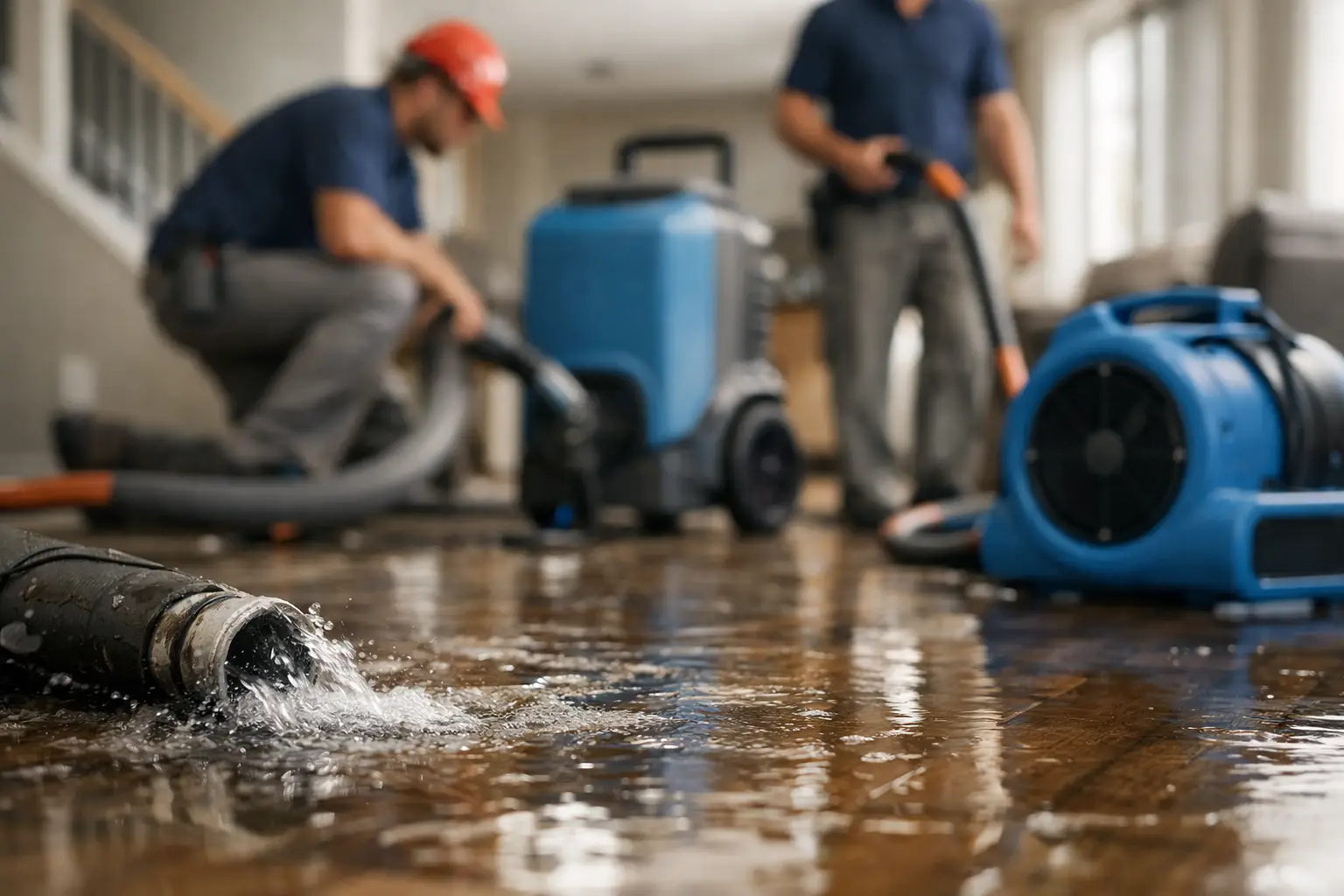
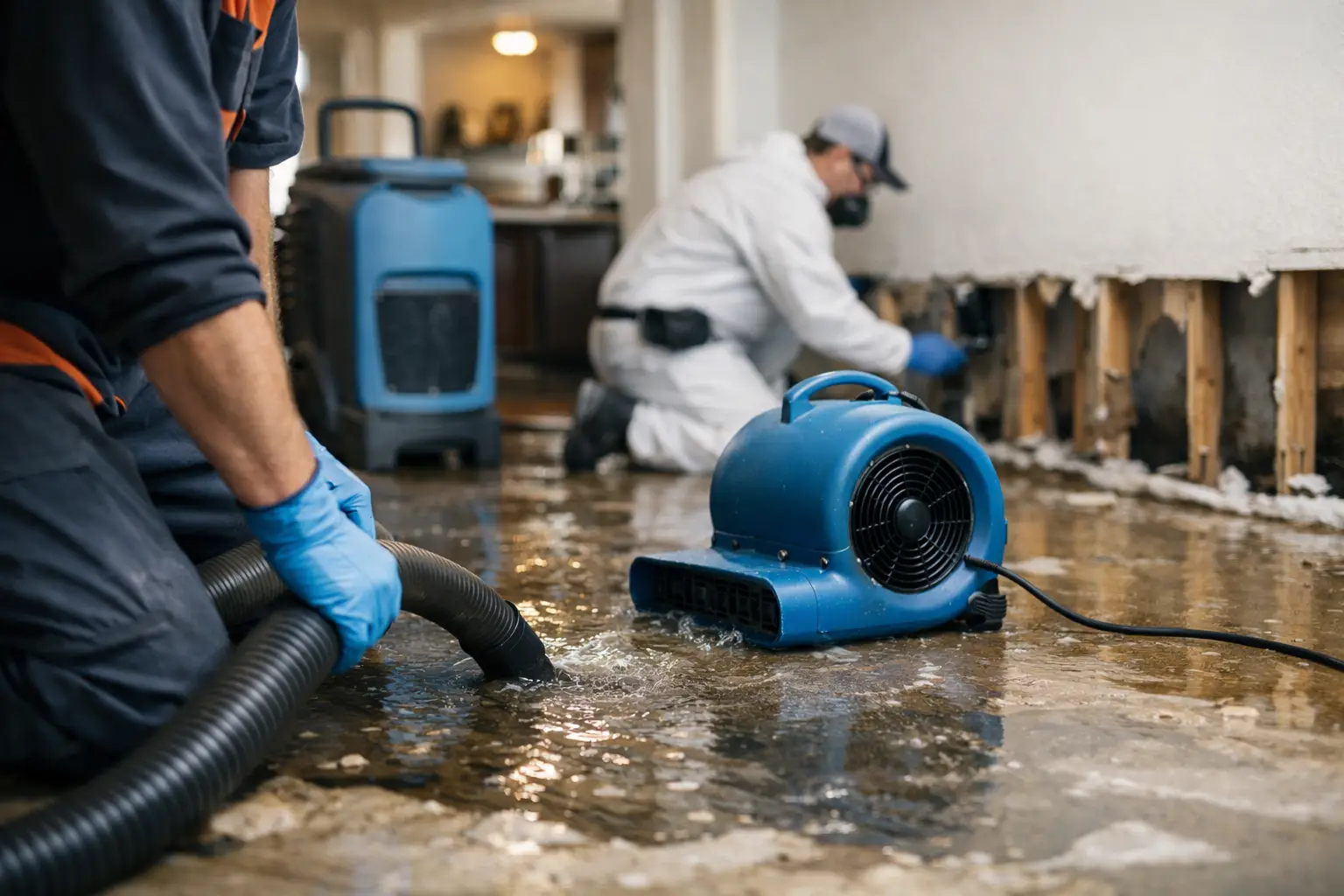 Water Damage
Extraction, structural drying, and moisture mapping after floods, leaks, and burst pipes.
Get help now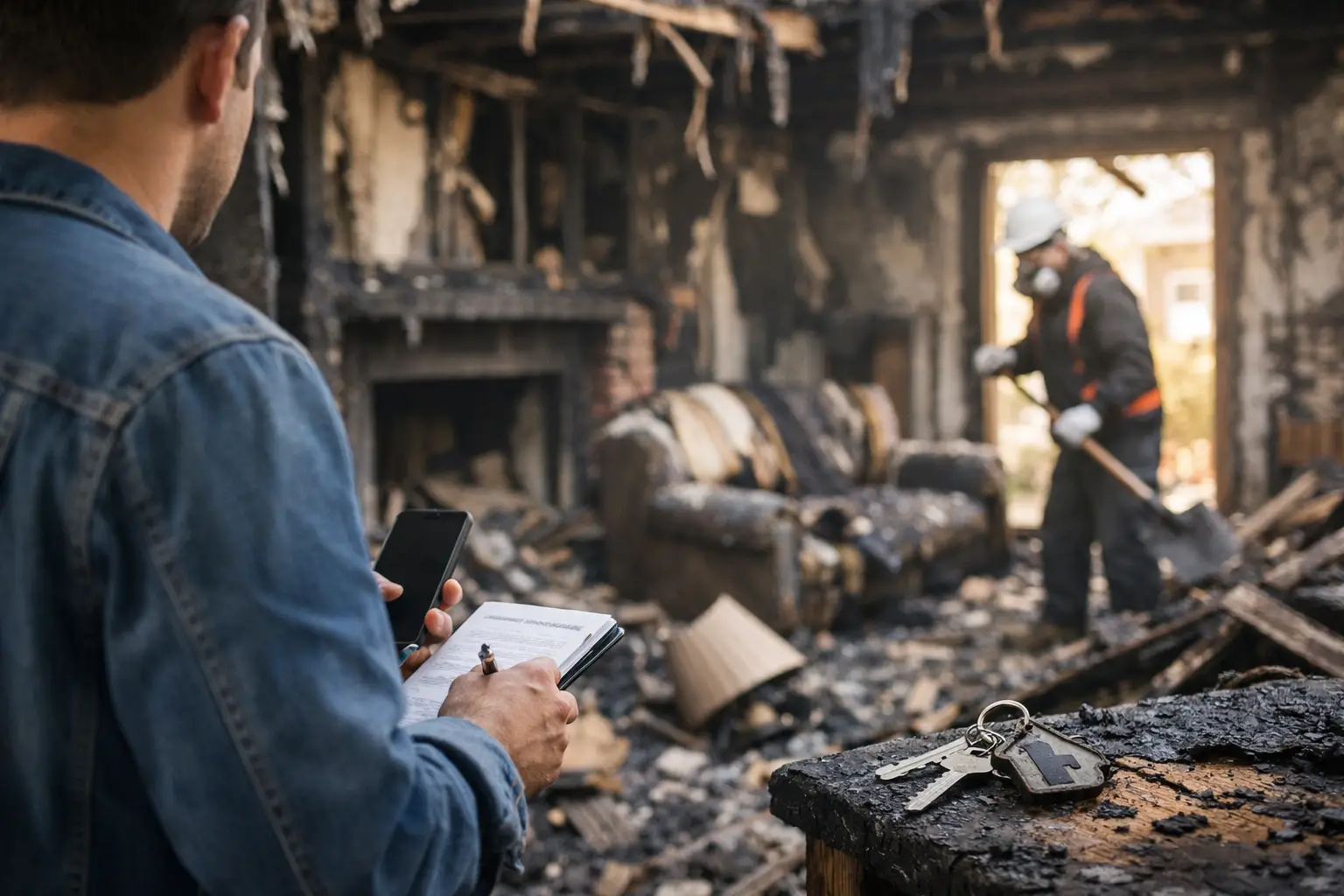 Fire & Smoke
Soot removal, odor deodorization, and content cleaning after fire and smoke damage.
Learn more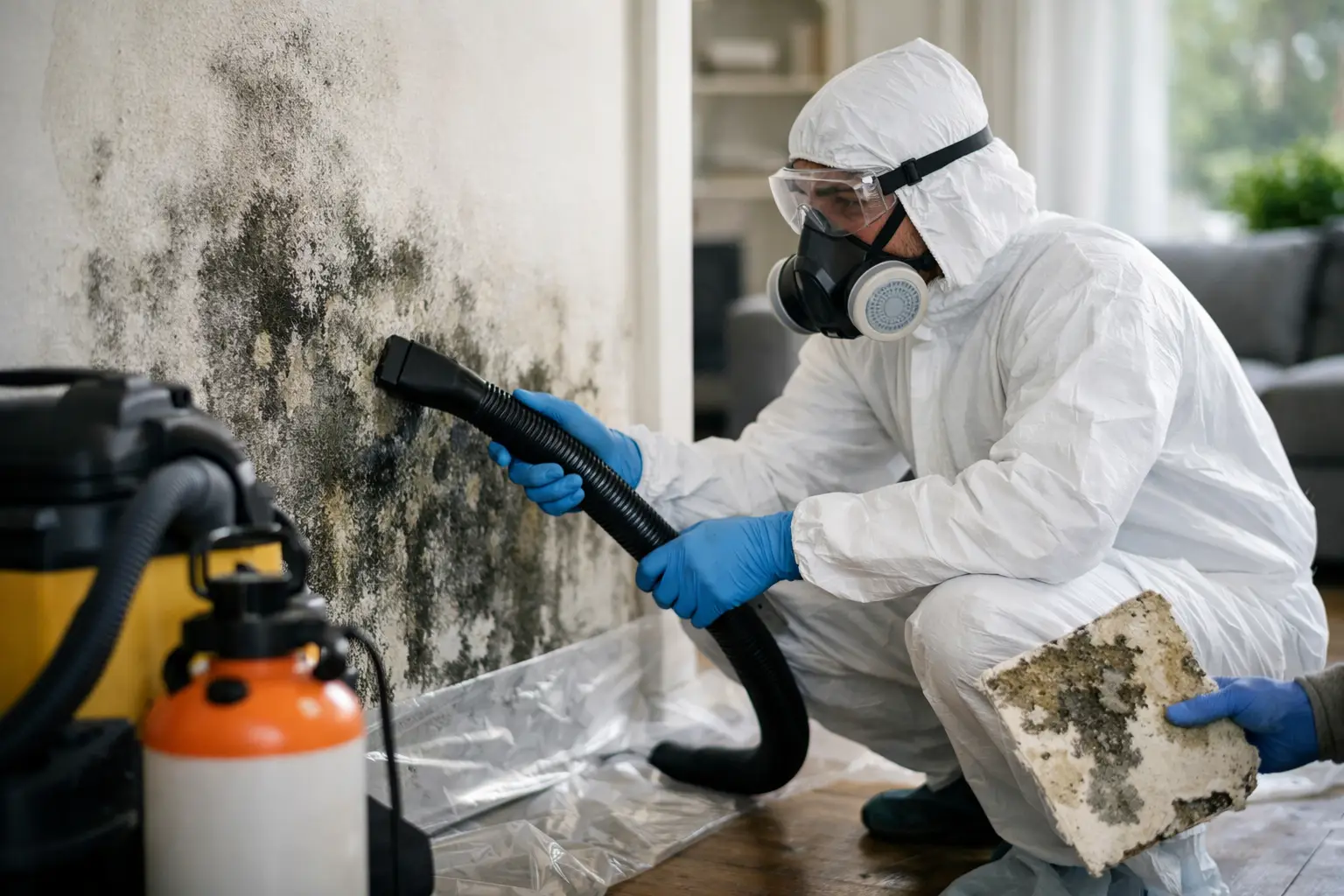 Mold
MoldContainment, removal, and moisture control that stops mold from coming back.
Learn more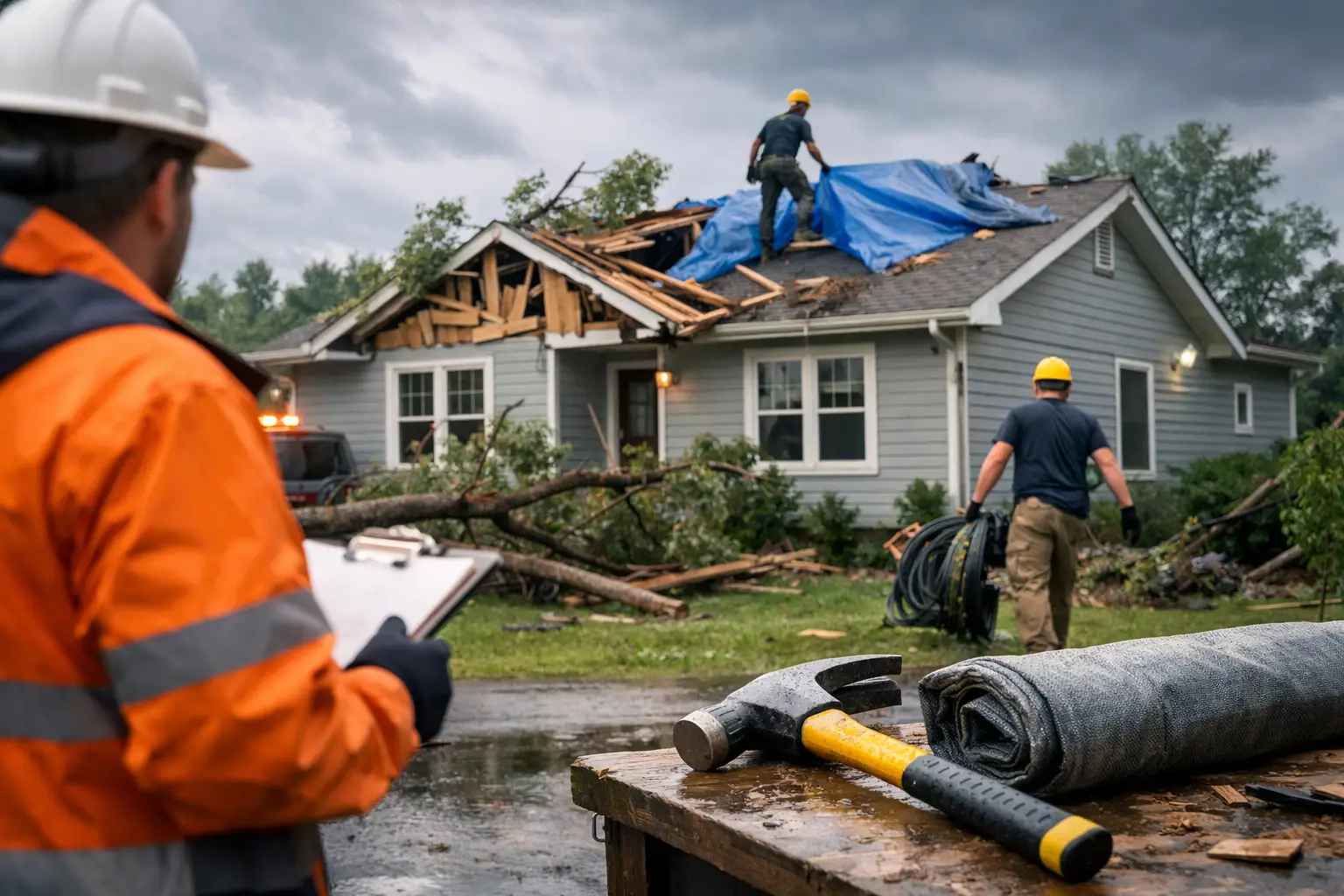 Storm
StormEmergency board-up, roof tarping, and full recovery after wind, hail, and storms.
Learn more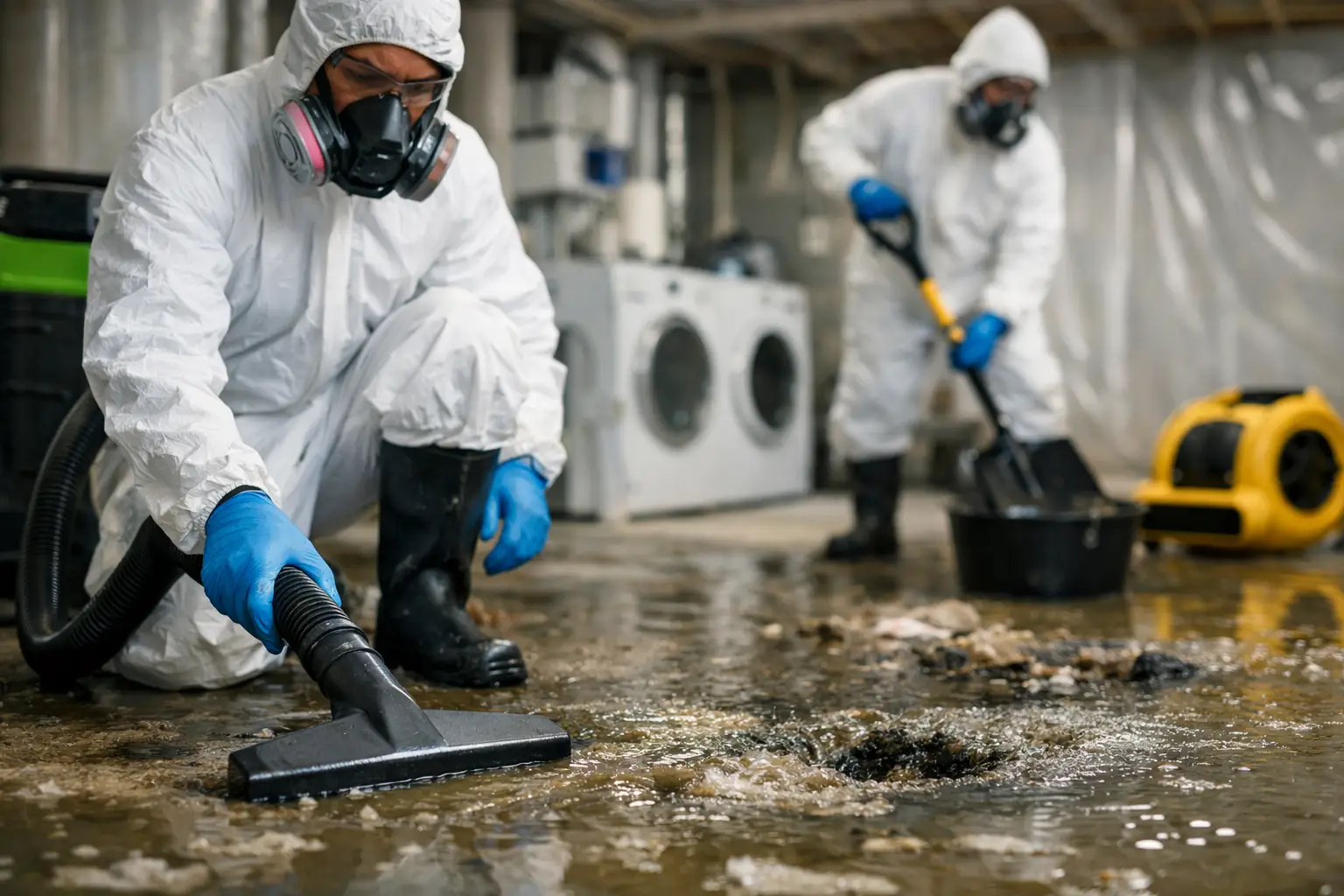 Sewage
Safe biohazard cleanup and sanitizing after sewage backups and overflows.
Learn more Reconstruction
Full rebuild by a licensed general contractor, so your property comes back whole.
Learn moreElevated Operations is an IICRC-certified, licensed general contractor based in Mableton that handles the entire recovery in-house, so after one loss you are never coordinating a cleanup crew, a mold crew, and a contractor separately. One team, one point of contact, from the first pump-out to the final coat of paint.
People call when the property feels like a disaster. They leave reviews because Chris and the crew made it right. These are real, verified Google reviews.
Yes. Intown bungalows often have older trim, plaster, hardwood, and small concealed spaces that hold soot and odor differently than newer construction. That changes the cleaning approach and sometimes the insurance scope. I assess the materials first, then decide whether surface cleaning, deodorization, or contents cleaning is the right move.
Often, yes, but creek basements are tricky because odor can settle into framing, stored items, and any damp materials left after the fire. The best results come after soot removal, careful cleaning, and targeted deodorization. If the HVAC system moved the smoke, hvac cleaning may be part of the fix.
They want clear proof of what was damaged, what was cleaned, and what had to be addressed because of the smoke event. I document walls, ceilings, contents, and mechanical systems so the claim file makes sense. That helps when the loss includes odor removal or soot cleanup in multiple rooms.
If the loss is covered, deductible assistance up to $1,000 can help reduce what the homeowner pays out of pocket. I explain it early so there are no surprises. It does not replace coverage, and it does not change the carrier’s decision, but it can help with the initial hit.
Not until the system is checked. If smoke reached the ducts, running it too soon can spread residue and odor. I look at whether hvac cleaning is needed before recommending anything. In Atlanta homes, especially older ones, the duct path can be part of the smoke problem.
Often it is, because smoke gets into more than the room where the fire started. Contents cleaning can save items that still hold value or meaning, especially in Atlanta homes with family furniture, books, and keepsakes. I review the actual condition before saying what should be cleaned or replaced.
I can respond in 60 minutes, 24/7, once the property is safe to enter. That matters because soot keeps damaging surfaces and odor gets harder to remove over time. Fast action helps protect walls, ceilings, cabinets, and belongings in both intown bungalows and creek basements.
Sometimes it does, when deodorization is part of restoring a covered smoke loss. The policy language and the cause of the fire matter. I document the need carefully so the claim reflects the real condition of the Atlanta home, not just the visible soot.
Elevated Operations dispatches IICRC-certified crews across Metro Atlanta from our Mableton base, with a 60-minute emergency response day or night. Choose your city:
Call now for an immediate response, or request your free inspection and get a certified crew on-site within the hour across Atlanta and nearby areas.