24/7 Emergency Restoration · Serving Metro AtlantaEmergency? (770) 404-6895
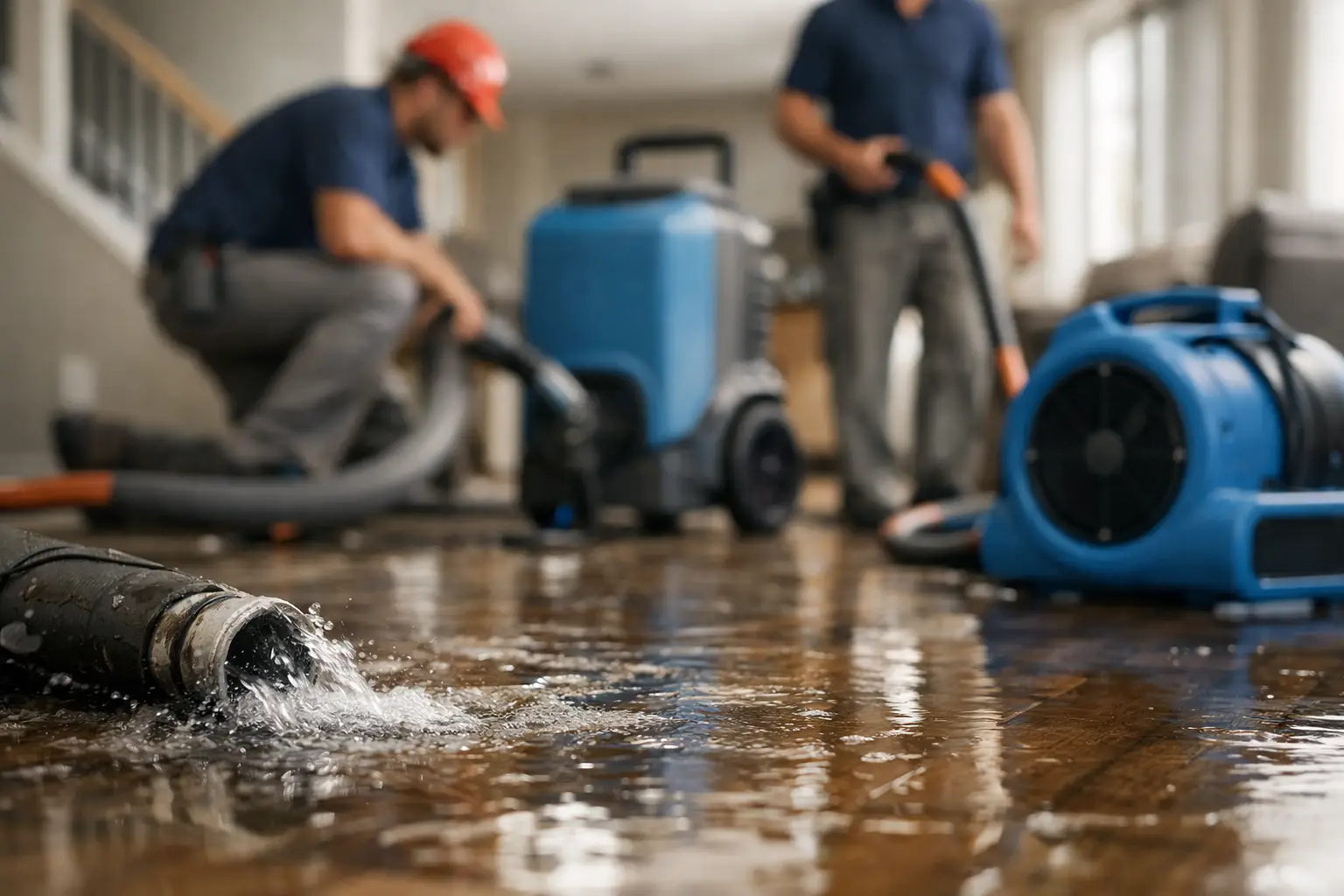
Sewage remediation services Hiram homeowners call for fast, direct cleanup after backups, leaks, and black water exposure. I’m Chris Kwangwari, owner of Elevated Operations, and I handle sewage cleanup with IICRC-certified technicians, direct insurance billing, and 24/7 emergency response from our Mableton base.
IICRC-Certified · 5-Star Rated · 60-Minute Response · Insurance Billed Directly
Stop using the affected plumbing, keep people out of the area, and call me right away. I handle the contamination, removal, and cleanup steps from there.
Surface wiping is not enough. Sewage can leave contamination behind, so I recommend professional remediation for any real backup, especially if porous materials were affected.
Yes. I regularly handle sewage losses in those parts of Hiram, where open layouts and finished spaces can make the spread worse than homeowners expect.
Because I bring IICRC-certified technicians, direct insurance billing, a 12-month warranty, and owner oversight from Chris Kwangwari, all from a Mableton-based company that has been in restoration since 2007.
Sewage remediation services in Hiram include sewage cleanup, contamination removal, sanitization, disinfection, odor control, and safe removal of damaged materials. I start by controlling the source, then I clean, dry, and document the loss so the home is handled properly from the first hour.
In Hiram, I see these losses in homes near the Paulding retail corridor and in newer subdivisions where plumbing runs are tight and backups spread fast. Sewage does not stay in one room. It wicks under baseboards, into flooring seams, and into lower wall materials before people realize how far it moved.
My crew treats this as a biohazard cleanup, not a basic mop-up. That matters. Black water remediation has to be done with the right containment, removal, and disinfection steps so the damage does not linger in the structure or in the air your family breathes.
And I document what was affected. That helps with direct insurance billing and keeps the claim cleaner. We have been in restoration since 2007, and I back the work with a 12-month warranty because I want the job done right, not just looked clean.
Yes, sewage remediation is necessary after a backup in Hiram because wastewater can spread contamination immediately, even when the affected area looks small. Toilet backup cleanup and sewer-related water always require professional handling, especially when it touches flooring, trim, drywall, or HVAC returns.
A backup in a Hiram home can start in one bathroom and reach hallways, laundry areas, or garage entries before anyone sees the full picture. Newer subdivisions around the city often have finished spaces and open layouts, which makes the spread faster and the cleanup more involved.
The real issue is contamination, not just moisture. Sewage carries bacteria and leaves residues that need sanitization and disinfection, not surface wiping. If the backup happened near carpet, laminate, or the seam where flooring meets a wall, I treat that area as compromised until proven otherwise.
I respond 24/7 with a 60-minute emergency response, and that is often the difference between limited removal and a bigger rebuild. The faster I get there, the more material I can save. And when I cannot save it, I say so plainly.
Some sewage damage can be sanitized, but porous materials often need removal. I decide based on what got wet, how long it sat, and where it spread. In Hiram homes, carpet pad, soaked drywall, insulation, and swollen subfloor sections usually cannot be made safe with cleaning alone.
Sanitization is part of the job, but it is not the whole job. If sewage reached a surface that can be cleaned and fully disinfected, I will do that. If it soaked into materials that trap contamination, I remove them. That is the line I draw, and I do not blur it.
In the Paulding retail corridor area, homeowners often want the fastest return to normal because the house is busy and the schedule is full. I get that. But cutting corners on contamination removal causes odor control problems later and leaves a home that never really feels clean.
IICRC-certified technicians handle the process with proper containment and protective methods. Then I verify what stays and what goes. That approach protects the structure, the people in it, and the insurance claim. It also avoids the common mistake of sealing in a problem that should have been removed.
After sewage contamination, anything porous and difficult to fully disinfect should be removed, including wet carpet pad, contaminated drywall, insulation, and some trim or base materials. In Hiram, I also evaluate cabinets, underlayment, and low-wall sections where sewage can hide after a toilet backup cleanup.
This is where experience matters. A homeowner may see a small wet patch, but sewage often travels under flooring and into wall cavities before it shows on the surface. In newer Hiram subdivisions, tighter construction can trap that contamination in places people do not check on their own.
I inspect for hidden migration, then make a removal plan based on what is actually affected. Some finishes can be cleaned. Some need to come out. I do not guess, and I do not keep contaminated materials in place just because they are expensive to replace.
Once the removal is done, I move into disinfection, sanitization, and drying. If odor control is still needed, I address that after the source is gone. That order matters. You cannot cover sewage smells and call it finished.
I handle sewage cleanup in Hiram’s newer subdivisions by checking hidden spread points, protecting finished surfaces, removing contaminated materials, and documenting the loss for insurance. The homes there often have open floor plans and modern finishes, so sewage can move farther than the first room that flooded.
Newer subdivisions can look easy from the street and still be complicated inside. A backup near a bathroom, laundry room, or basement-level space can move into adjoining rooms fast. I look at thresholds, floor transitions, and wall bases because that is where sewage likes to travel.
I also look at the structure, not just the stain. Black water remediation means I treat the entire affected section as a health issue until the contaminated material is removed or sanitized. That is why I do not rush straight to deodorizer or cosmetic work.
And because I am a licensed general contractor, I can speak to the cleanup and the rebuild side with the same standard of care. That keeps the process tighter for homeowners who want one accountable company from assessment through repair.
Sewage odors go away only when the contamination source is removed, cleaned, and disinfected. I do not rely on masking agents. In Hiram homes, odor control usually depends on proper sewage remediation, moisture removal, and taking out any material that kept the smell trapped.
Odor is usually the last thing people notice, but it often points to the first thing missed. If sewage soaked into subfloor, drywall, or insulation, the smell can stay even after the surface looks clean. That is why I look for hidden contamination during the initial assessment.
Hiram homeowners near the Paulding retail corridor often need the home back in use quickly, but quick does not mean cosmetic. If I smell sewage after the cleanup, I keep going until I find the source. That may mean more removal, more disinfection, or better drying.
My goal is a home that is actually clean, not one that smells like disinfectant over a problem. I back the work with a 12-month warranty, and I stand behind the cleanup because the job should hold up after I leave.
Yes. I provide 24/7 emergency response with a 60-minute emergency response focus for sewage losses in Hiram and surrounding Paulding County neighborhoods.
Yes. I offer direct insurance billing, which helps keep the claim moving while I handle the sewage cleanup, disinfection, and documentation.
Yes. I am a licensed general contractor, so I can manage the remediation and the rebuild side after sewage contamination is removed.
I send IICRC-certified technicians who know how to handle biohazard cleanup, black water remediation, and contamination removal correctly.
Yes. I offer deductible assistance up to $1,000 when the situation qualifies, which can make a hard sewage loss a little easier to manage.
From emergency mitigation to full reconstruction, handled in-house so you are never managing a chain of subcontractors mid-crisis.
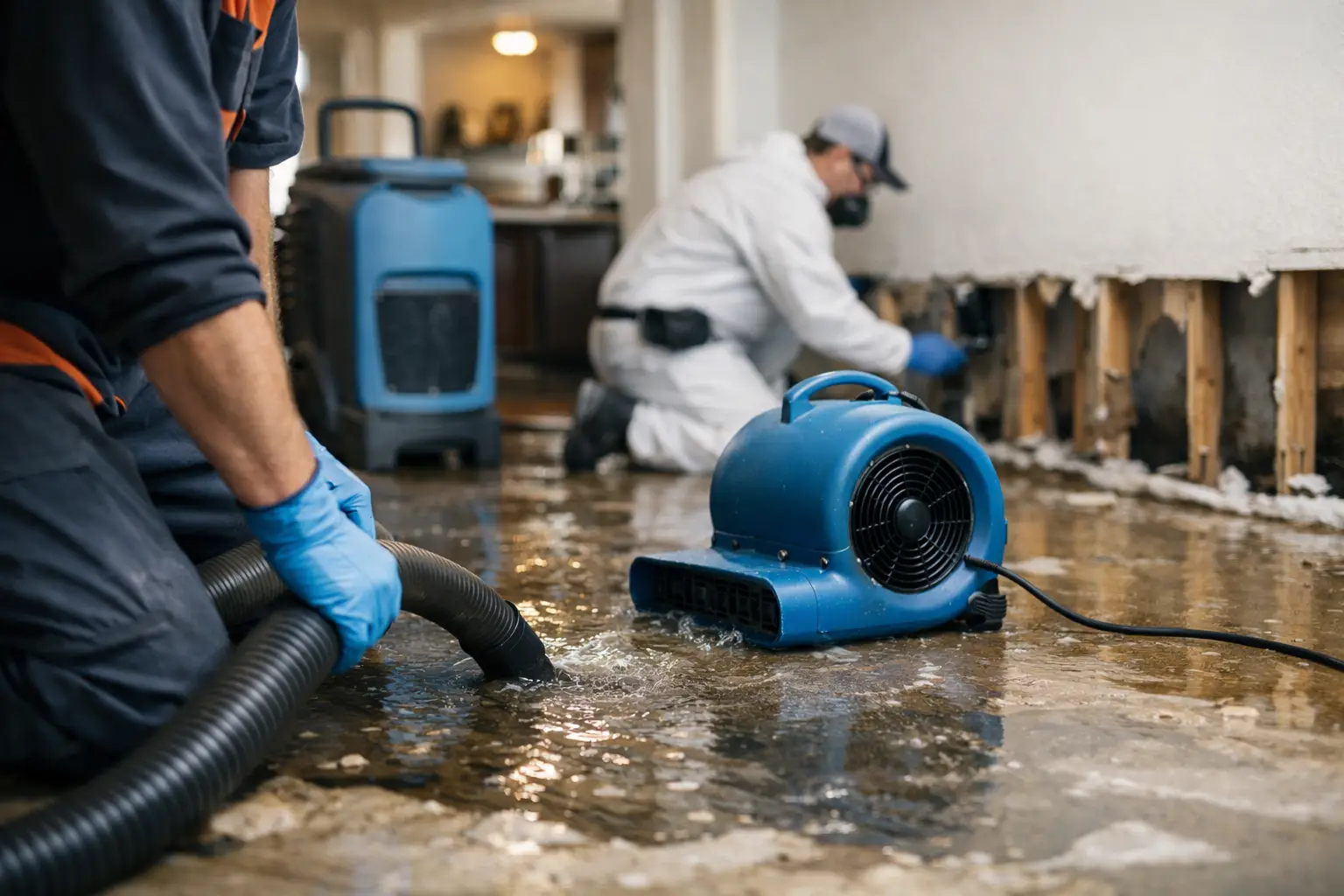 Water Damage
Extraction, structural drying, and moisture mapping after floods, leaks, and burst pipes.
Get help now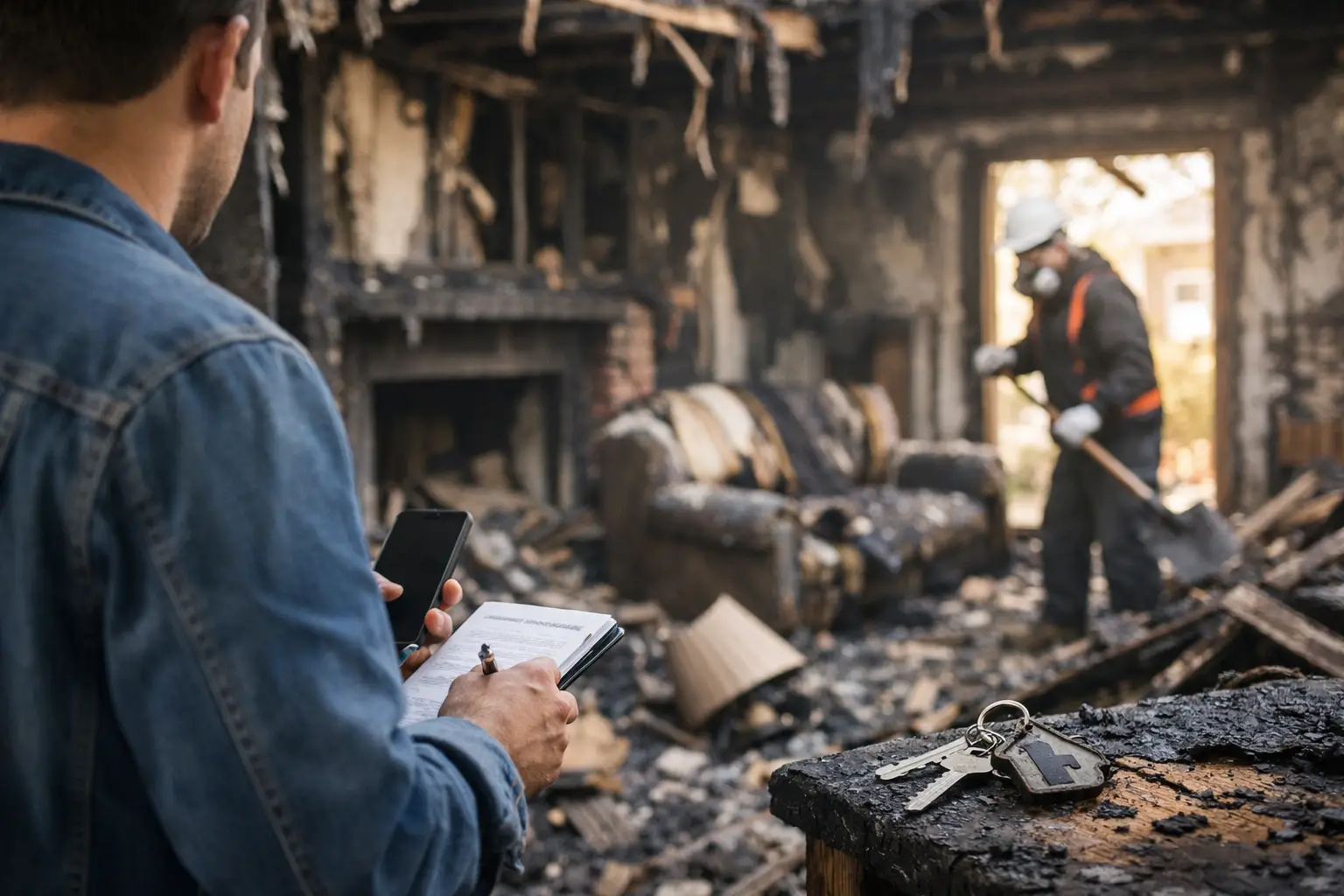 Fire & Smoke
Soot removal, odor deodorization, and content cleaning after fire and smoke damage.
Learn more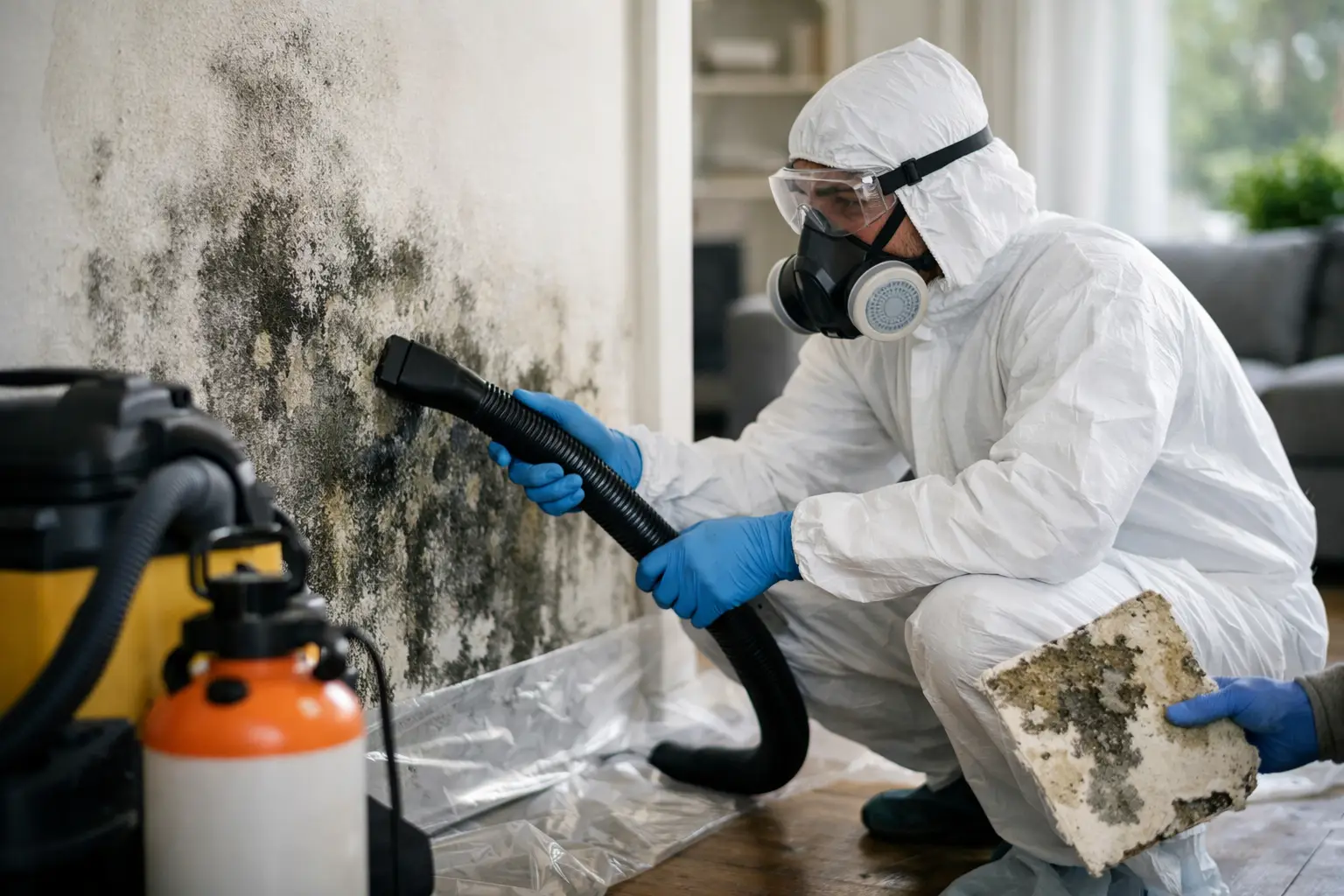 Mold
MoldContainment, removal, and moisture control that stops mold from coming back.
Learn more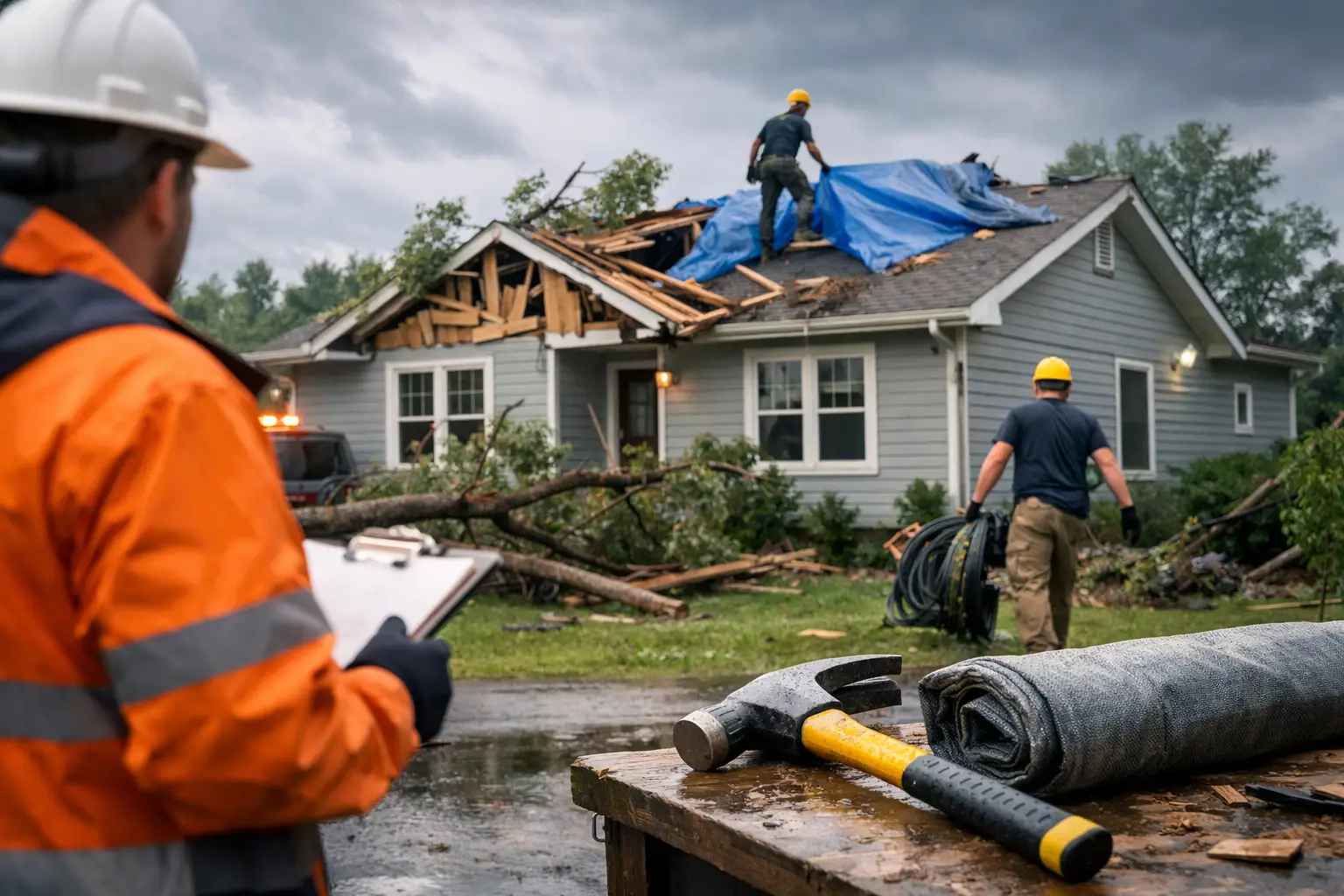 Storm
StormEmergency board-up, roof tarping, and full recovery after wind, hail, and storms.
Learn more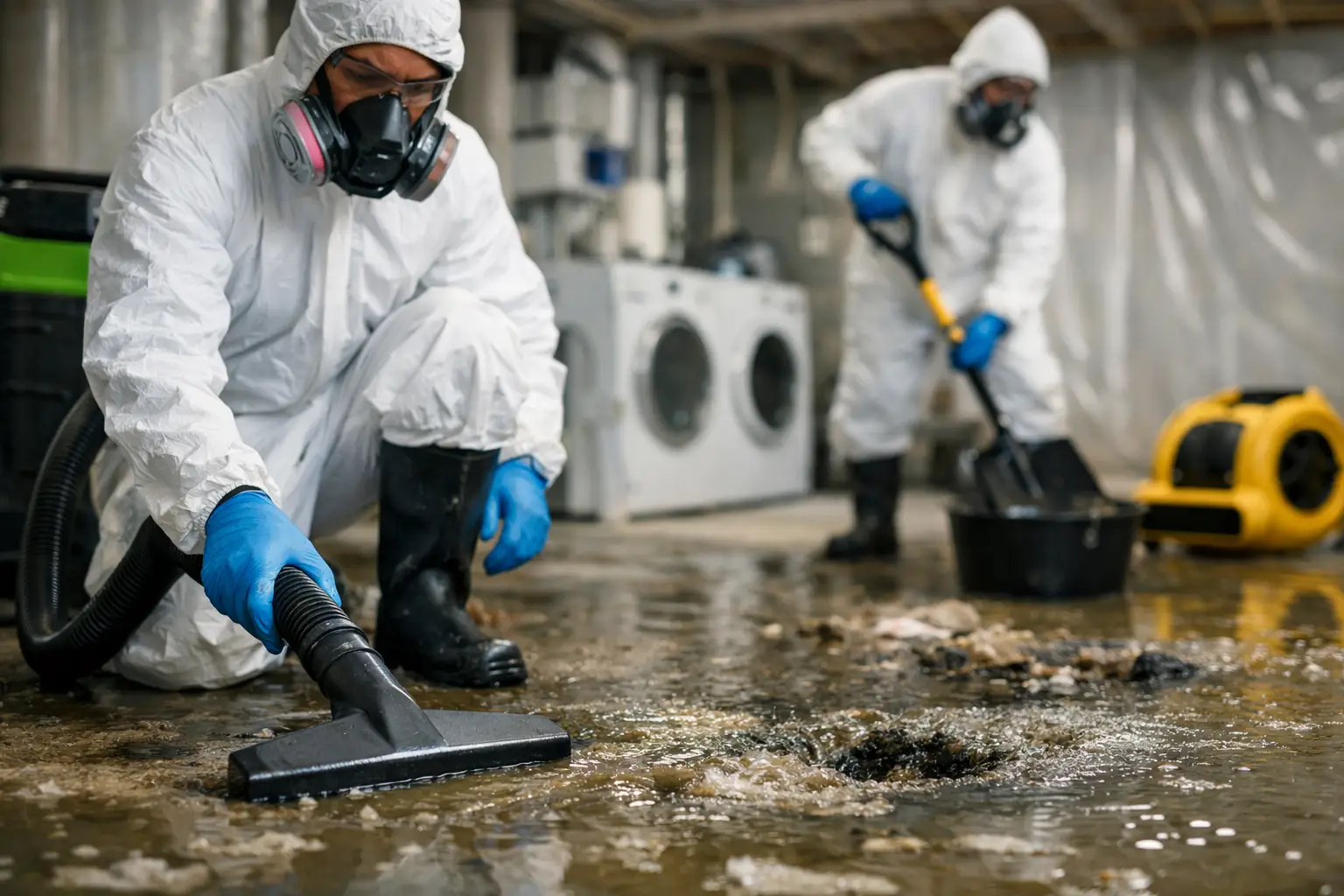 Sewage
Safe biohazard cleanup and sanitizing after sewage backups and overflows.
Learn more Reconstruction
Full rebuild by a licensed general contractor, so your property comes back whole.
Learn moreElevated Operations is an IICRC-certified, licensed general contractor based in Mableton that handles the entire recovery in-house, so after one loss you are never coordinating a cleanup crew, a mold crew, and a contractor separately. One team, one point of contact, from the first pump-out to the final coat of paint.
People call when the property feels like a disaster. They leave reviews because Chris and the crew made it right. These are real, verified Google reviews.
I provide 24/7 emergency response and focus on a 60-minute emergency response window for sewage losses in Hiram and nearby Paulding County areas. If you have a backup near Hiram Pavilion or along the retail corridor, call right away so I can get a crew moving before the contamination spreads farther.
Sewage remediation is different because it involves contamination, not just water. I treat it as biohazard cleanup with sanitation, disinfection, and removal of affected materials. In Hiram homes, especially newer subdivisions with finished rooms, sewage can move into hidden areas that regular drying service would miss.
Yes. Toilet backup cleanup is one of the most common sewage jobs I see in Hiram homes. I inspect the source, contain the spread, remove contaminated materials, and clean the area with the right sanitization and odor control steps. If wastewater reached adjacent rooms, I treat those too.
Yes, but I have to find the source first. Persistent sewage odor usually means contamination stayed in a porous material or below the surface. I inspect flooring, underlayment, baseboards, and wall bottoms in Hiram homes to decide what needs removal before the smell can truly be gone.
I handle those losses all the time. Newer subdivisions around Hiram often have open layouts and finished spaces that let sewage spread quickly. I look at floor transitions, adjacent rooms, and hidden cavities, then I document the loss for direct insurance billing and move into cleanup.
If sewage reached the drywall and it cannot be fully sanitized, yes, I remove it. Drywall can wick contamination fast, especially at the lower edge near the floor. I assess each section carefully in Hiram homes because leaving contaminated wall material in place invites odor and future problems.
If the water came from a toilet overflow, sewer backup, or drain line failure, I treat it as black water remediation. That means contamination removal, disinfection, and safe handling of affected materials. In Hiram, I do not downgrade sewage just because the water level looks shallow.
In many cases, yes, and I handle that directly. I document the damage, communicate what was removed, and bill the carrier so the process stays organized. That is especially helpful in Hiram when the loss affects a bathroom, hallway, and nearby living space at the same time.
Elevated Operations dispatches IICRC-certified crews across Metro Atlanta from our Mableton base, with a 60-minute emergency response day or night. Choose your city:
Call now for an immediate response, or request your free inspection and get a certified crew on-site within the hour across Atlanta and nearby areas.