24/7 Emergency Restoration · Serving Metro AtlantaEmergency? (770) 404-6895
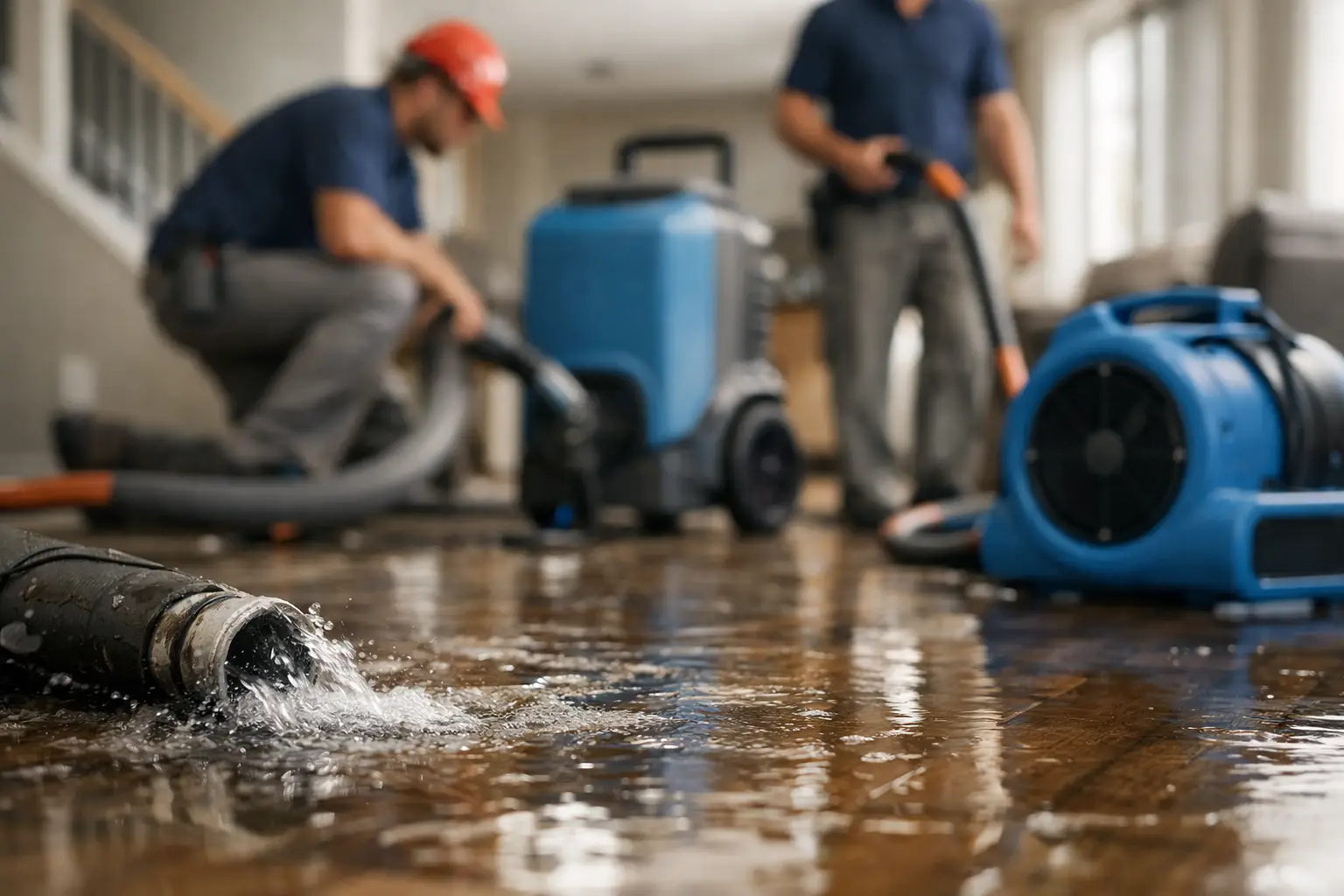
Flooded basement cleanup Kennesaw usually comes down to water source, damage scope, and what has to be dried, removed, or documented for insurance. I am Chris Kwangwari, owner of Elevated Operations, LLLP, and I handle basement water removal, claims support, and direct insurance billing across Kennesaw, from KSU rentals to homes near Kennesaw Mountain.
IICRC-Certified · 5-Star Rated · 60-Minute Response · Insurance Billed Directly
Yes. I offer 60-minute emergency response 24/7, and I mobilize fast for basement water removal, drying, and claim documentation.
Yes. I work with landlords, tenants, and property managers, and I keep the restoration scope clear for insurance and repair planning.
I handle it as a separate, more serious loss, with the right cleanup steps and documentation for coverage review.
I am Chris Kwangwari, owner of Elevated Operations, LLLP, with a 4.9-star Google rating from 73 reviews, and I bring direct insurance billing and a 12-month warranty.
Flooded basement cleanup pricing in Kennesaw is driven by the type of water, how far it traveled, what materials were affected, and whether basement drying or wet carpet removal is needed. I look at the job as a restoration scope, not a one-size number, because sewage backup cleanup and clean water loss are priced differently.
If water is clean and caught early, the work may stay focused on flood water extraction, basement water removal, and fast drying. If it sat longer, the scope gets wider because soaked padding, baseboards, and contents often need removal before mold prevention becomes the priority.
Kennesaw properties near KSU rentals can move fast from minor intrusion to a bigger claim when tenants wait to report it. Landlord and tenant timing matters, and I document what was visible, what was removed, and what still needs drying so the file matches the actual loss.
Near Kennesaw Mountain, older homes and mixed building styles can mean more hidden moisture behind finished walls or in storage areas. That is why I price around the condition of the basement, not just the puddle on the floor. I do not guess. I inspect, document, and explain the work plainly.
The first move is safety, then documentation, then quick action for basement water removal. Shut off electricity to the affected area if you can do it safely, avoid standing water around outlets, and call me right away for 24/7 emergency response. Do not start ripping out materials before photos and insurance notes are taken.
In Kennesaw, I see a lot of basement losses where people try to save everything first and call later. That can work against the claim. Take photos, save damaged items, and keep wet carpet removal from spreading moisture into adjoining rooms or hallways.
If the water came from a sewer line, treat it like sewage backup cleanup from the start. That is not the same as a supply line leak, and the cleanup requirements are different. For KSU rentals, tenants should notify the landlord immediately and keep messages in writing.
If the basement is near Kennesaw Mountain and the water followed a heavy rain, I still want the source checked before anyone assumes it is only surface water. IICRC-certified technicians know how to separate what is visible from what is trapped in walls, trim, and flooring systems.
Insurance usually covers sudden and accidental water damage when the policy applies, along with reasonable mitigation, drying, and related restoration work. Coverage depends on the source of the water and the policy language, so I document the loss carefully and provide direct insurance billing to keep the claim moving.
Most homeowners want a simple answer, but insurance does not work that way. A burst supply line is handled differently from groundwater intrusion, and sewage backup cleanup may require separate coverage or an endorsement. I do not decide coverage, but I do build the documentation insurers need.
For Kennesaw rental properties, the split between landlord and tenant responsibilities matters. The owner’s policy may respond to the structure, while the tenant’s belongings are handled separately. If the property is near KSU, I see that issue often because leases and turnovers can complicate who reports what and when.
I have been in restoration since 2007, and I know insurers want clear photos, moisture readings, and a straightforward scope. That is why I use direct insurance billing and give honest notes about basement drying, wet carpet removal, and any signs that mold prevention became part of the job.
Deductibles are the amount the policyholder pays before coverage applies, and claims work best when the damage is reported quickly and documented well. I offer deductible assistance up to $1,000, and I coordinate directly with the adjuster so the paperwork stays clean and the scope stays accurate.
People in Kennesaw sometimes focus only on the deductible and miss the bigger issue, which is whether the file clearly shows the source and the mitigation steps. If the claim starts with good photos, drying records, and a clear explanation of flood water extraction, it usually moves better.
For KSU rentals, the claim may involve the property owner, the tenant, and sometimes a property manager. That is normal. I help keep the facts organized so the insurer can see what was damaged, what was removed, and what still needs basement drying before repairs start.
And I stay practical about it. If the loss is small, sometimes the deductible matters more than the repair. If it is larger, direct insurance billing helps reduce back-and-forth. Either way, I tell clients what the restoration work actually involves, not what they wish it involved.
I clean up a flooded basement by removing the water, separating salvageable materials from damaged ones, setting up drying, and checking for hidden moisture before repairs. The right order matters, because rushing straight to repairs can trap water in walls, under flooring, and behind trim where mold starts fast.
The process starts with flood water extraction and a full inspection of the basement. Then I decide what can stay, what needs wet carpet removal, and what should come out because it cannot dry fast enough. That is where experience saves time and mistakes.
In Kennesaw, basements near KSU rentals often have stored furniture, boxes, and finished spaces that hide damage. Near Kennesaw Mountain, older basements may have older finishes or tighter access. Both need the same disciplined approach, dry the structure first, then repair what is actually damaged.
I use IICRC-certified technicians, and that matters because cleanup is not just mopping. It is moisture control, containment when needed, odor management, and careful documentation for the insurer. If sewage backup cleanup is involved, the cleanup standard is stricter and the materials removed are treated differently.
Drying time depends on how much water entered, what materials absorbed it, and how quickly basement drying starts. A light intrusion dries faster than a basement with soaked carpet, padding, and hidden wall moisture, and mold starts in 24 to 48 hours if moisture is left sitting.
I never promise a fixed drying time because the building decides that more than I do. A concrete basement with limited saturation behaves differently from a finished basement with carpet, furniture, and insulation. The first day matters most because fast basement water removal improves the outcome.
In Kennesaw, I see more complexity in homes near Kennesaw Mountain where older construction details can hide moisture, and in KSU rentals where tenants may not notice saturation under furniture until later. Delays make the drying process longer and increase the chance of mold prevention work.
My job is to monitor the moisture, adjust the equipment, and tell you when materials are actually dry enough for next steps. That is more useful than throwing out a guess. If the water source was sewer-related, the drying timeline also depends on what had to be removed during sewage backup cleanup.
Clean water, rain intrusion, and sewage backup cleanup are not priced the same, and insurance may treat them differently.
Wet carpet removal, padding, drywall, trim, and contents can change the scope fast, especially in finished Kennesaw basements.
Basement drying, moisture monitoring, and equipment placement affect the claim and the cleanup plan more than a surface-level look suggests.
Photos, notes, moisture readings, and direct insurance billing help keep the adjuster aligned with the actual damage.
I offer deductible assistance up to $1,000, and I explain where the policyholder pays and where the insurer may respond.
From emergency mitigation to full reconstruction, handled in-house so you are never managing a chain of subcontractors mid-crisis.
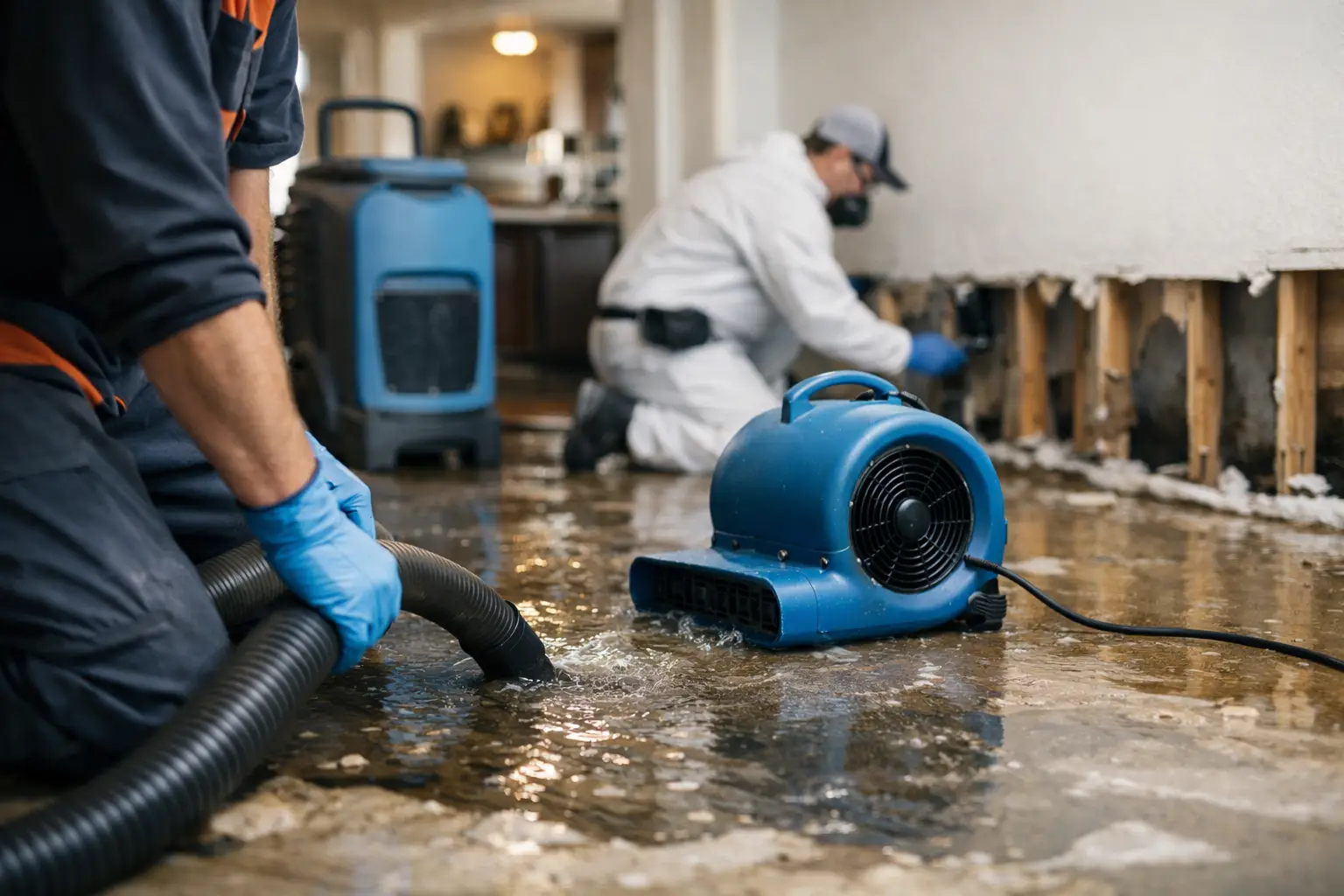 Water Damage
Extraction, structural drying, and moisture mapping after floods, leaks, and burst pipes.
Get help now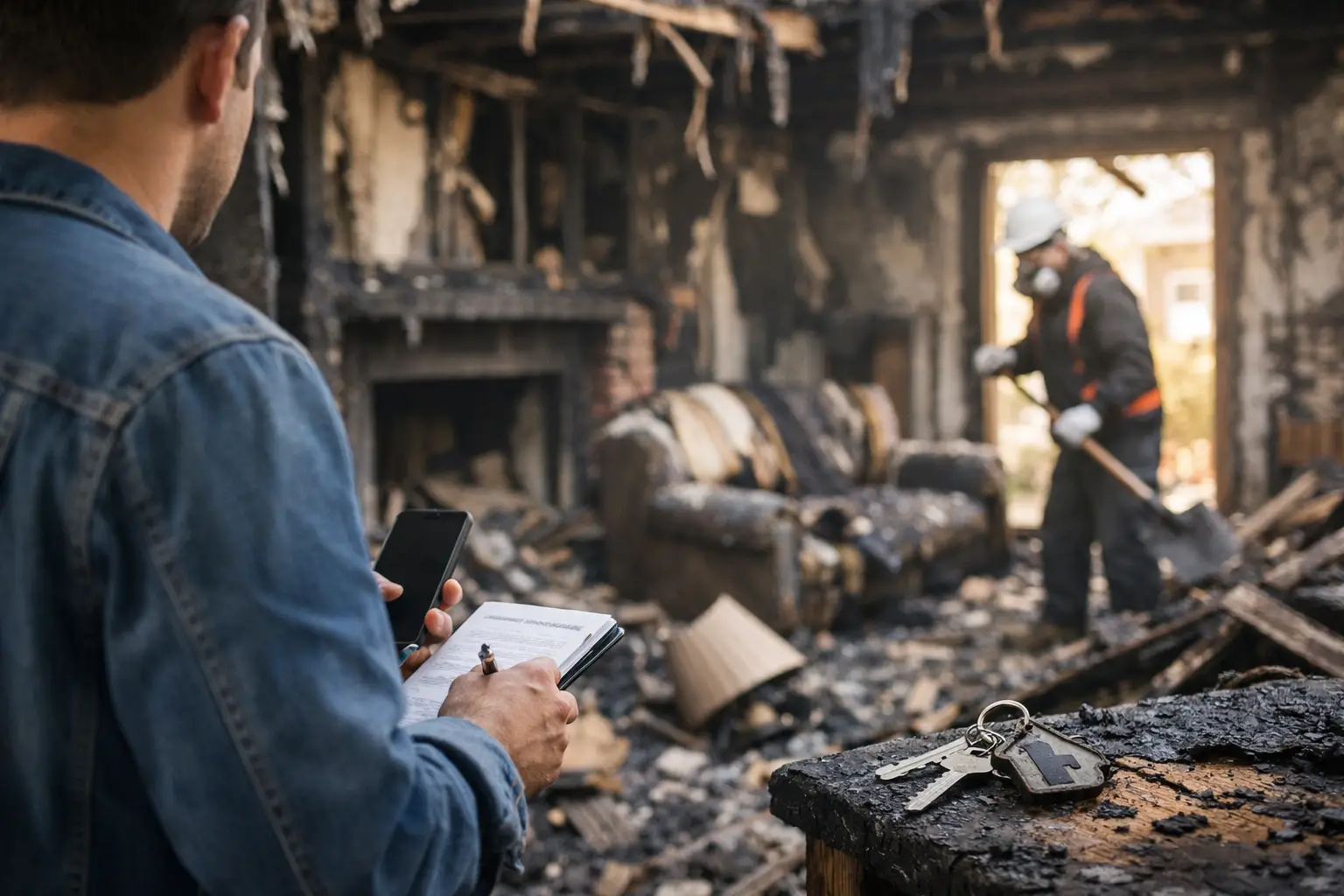 Fire & Smoke
Soot removal, odor deodorization, and content cleaning after fire and smoke damage.
Learn more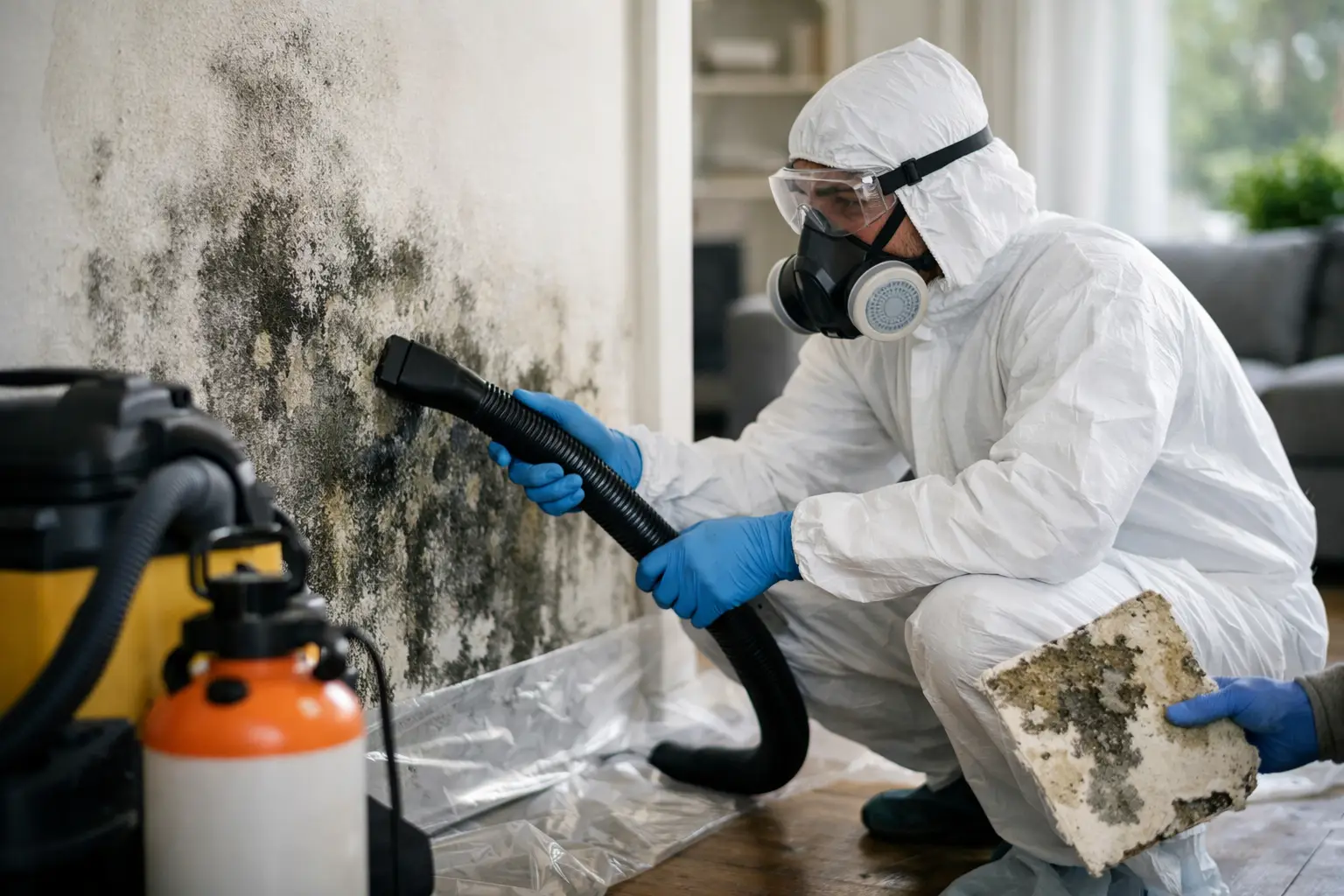 Mold
MoldContainment, removal, and moisture control that stops mold from coming back.
Learn more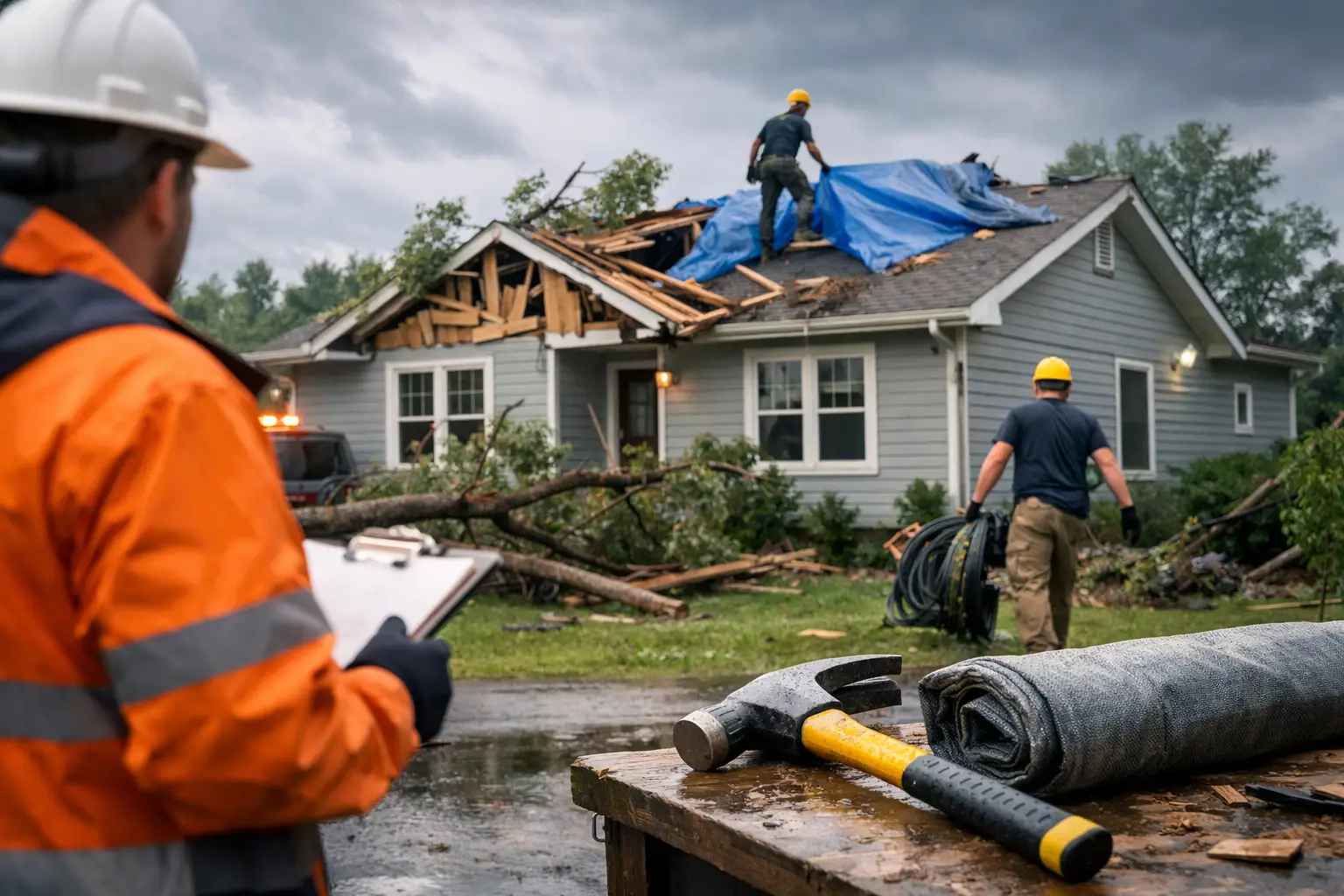 Storm
StormEmergency board-up, roof tarping, and full recovery after wind, hail, and storms.
Learn more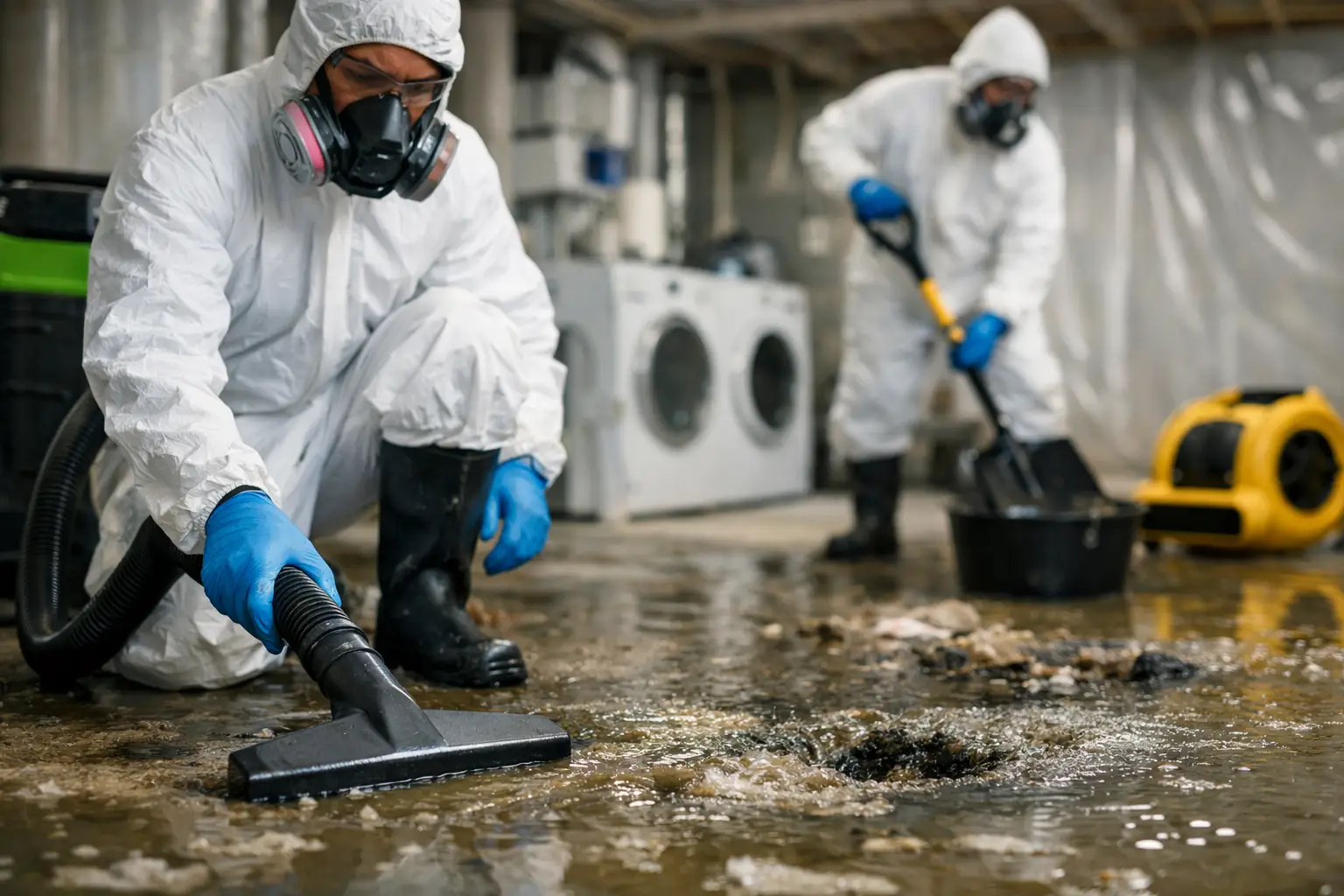 Sewage
Safe biohazard cleanup and sanitizing after sewage backups and overflows.
Learn more Reconstruction
Full rebuild by a licensed general contractor, so your property comes back whole.
Learn moreElevated Operations is an IICRC-certified, licensed general contractor based in Mableton that handles the entire recovery in-house, so after one loss you are never coordinating a cleanup crew, a mold crew, and a contractor separately. One team, one point of contact, from the first pump-out to the final coat of paint.
People call when the property feels like a disaster. They leave reviews because Chris and the crew made it right. These are real, verified Google reviews.
Yes, the cleanup work can apply to KSU rental units, but the insurance and responsibility questions may be split between landlord and tenant. I document the damage, identify what was affected in the structure versus belongings, and help the owner or property manager get the claim moving. That matters when turnover is tight and water damage spreads fast.
If the flooding followed heavy rain near Kennesaw Mountain, I still look at the source carefully before assuming it is only surface water. Insurance coverage depends on the policy and the cause. I focus on basement water removal, drying, and documentation so the file shows what happened and what was damaged.
Yes, if moisture sits long enough, mold can become a problem quickly, and mold starts in 24 to 48 hours. That is why I push fast flood water extraction, drying, and material removal when needed. In a Kennesaw basement, delays after a storm or leak make the problem more expensive and more complicated.
Often, yes, if the policy covers the water event and the carpet was damaged as part of a covered loss. I document the condition before removal and explain why the carpet could not be saved. If the issue is sewage backup cleanup or long-standing moisture, the coverage question changes.
I bill the insurance company directly when the claim allows it, which reduces the burden on the homeowner or landlord. I also keep the estimate, photos, and moisture documentation organized so the adjuster can follow the restoration scope. That helps in KSU rentals and single-family homes alike.
It means I can help offset part of the deductible on qualifying jobs, up to $1,000. I explain it clearly before work proceeds, because homeowners should know how the policy works and what remains their responsibility. I do not pad claims. I keep it direct and accurate.
Yes, and that changes the cleanup immediately. Sewage backup cleanup requires a stricter approach than clean-water flooding, with careful removal, sanitation, and documentation. I treat it as a health and insurance issue, not just a wet basement, and I tell the owner what has to be removed versus dried.
Yes, my technicians are IICRC-certified, and that matters for both basement drying and claim documentation. I have been in restoration since 2007, I am a licensed general contractor, and I keep the work centered on what insurers need to see: source, scope, removal, drying, and final condition.
Elevated Operations dispatches IICRC-certified crews across Metro Atlanta from our Mableton base, with a 60-minute emergency response day or night. Choose your city:
Call now for an immediate response, or request your free inspection and get a certified crew on-site within the hour across Atlanta and nearby areas.