24/7 Emergency Restoration · Serving Metro AtlantaEmergency? (770) 404-6895
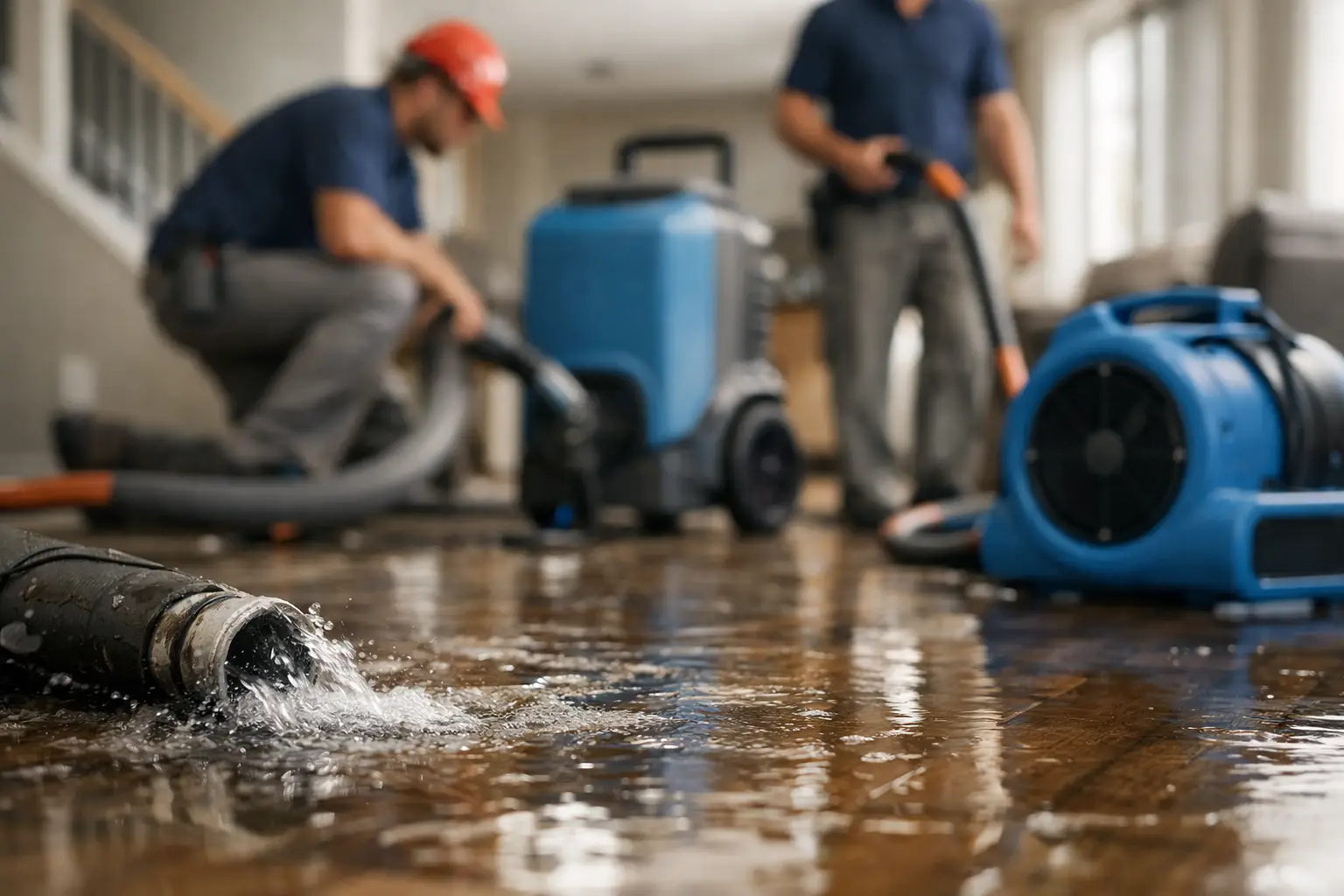
Storm damage restoration Rex starts with stopping the damage, then measuring what water, wind, or hail already did to the house. In unincorporated Clayton County, older homes often have roofs, siding, and framing that fail fast after a storm, so fast inspection and the right repairs matter.
IICRC-Certified · 5-Star Rated · 60-Minute Response · Insurance Billed Directly
Yes. Age weakens roofs, sealants, and framing joints, so I inspect those areas first after wind or hail.
If a window, door, or opening is exposed, yes. It stops rain, pests, and more debris from getting inside.
Absolutely. Wind opens the building, then rain follows through the new weak point. I see that pattern often in Rex.
Yes. I handle emergency protection, drying, and the construction repairs that follow, so the job stays coordinated from start to finish.
Storm damage restoration is the process of stopping active damage, drying wet materials, cleaning up debris, and repairing the home after wind, hail, or heavy rain. In Rex, older Clayton County homes often need extra attention because aging roofs, flashing, and framing can fail after one hard storm.
I treat storm damage restoration as a full response, not a single repair. First comes debris removal, roof tarping, and temporary boarding if openings are exposed. Then I inspect for hidden water intrusion, because storm damage rarely stays where you can see it from the street.
Rex has many older homes, and older homes do not forgive weather the way newer construction sometimes does. A small breach at the roof edge or a cracked window can send water into insulation, ceilings, walls, and crawl spaces before anyone notices.
And the storm does not have to be dramatic to do real harm. In Clayton County, a short burst of wind or hail can loosen shingles, damage flashing, and push water into weak points that have been waiting for years to give way.
Storm damage happens in Rex because wind, hail, and heavy rain exploit weak points in older homes, especially roofs, siding, gutters, and window seals. Unincorporated Clayton County also has housing stock that may already have wear, so storms turn small defects into active leaks quickly.
Older homes are common in Rex, and that matters. Materials age. Sealants dry out. Fasteners loosen. A roof that looked fine in calm weather can start letting in water once wind lifts a shingle or hail bruises the surface.
Clayton County storms also test drainage. When gutters overflow or downspouts are blocked by debris, water can pool near the foundation, run into crawl spaces, or splash back into siding. That is why I look beyond the roof when I assess storm damage.
Wind damage repair and hail damage repair often go together because one storm can do both. A branch can strike a roof, wind can open the ridge line, and rain can follow inside within minutes. That is the sequence I watch for on every call.
Storm damage restoration includes inspection, emergency protection, debris removal, roof tarping, temporary boarding, water extraction if needed, drying, structural repair, and final cleanup. In Rex, the goal is to stabilize the home fast, then repair the parts of the building the storm actually compromised.
The first job is control. If the roof is open, I tarp it. If a window is broken, I board it. If tree debris has punched through siding or a porch, I secure the area so rain and trespass do not make the loss worse.
After that, I document damage and check for hidden moisture. Water can travel into attic insulation, behind drywall, or under flooring, and that makes the repair bigger than the visible stain. I do not guess at those areas, I inspect them.
Then comes the rebuild. That can include roof sections, damaged exterior trim, interior materials, or structural repair if framing has been stressed. The point is not cosmetic patching. The point is restoring the home so the storm did not leave a weak system behind.
Yes, storm damage can lead to water intrusion immediately, especially when wind, hail, or falling debris opens the roof, siding, or windows. In Rex, older homes often show water intrusion first as ceiling staining, damp insulation, or wall damage after the storm has already passed.
Water intrusion is the part homeowners miss most often. You may see a missing shingle and think that is the problem, but the real issue is the path water took after that shingle lifted. It can run along framing, drip into a wall cavity, and spread quietly.
In older Clayton County homes, I pay close attention to flashing, vents, chimneys, and joints where two building materials meet. Those are weak points. Once water gets behind them, it can damage drywall, insulation, subflooring, and sometimes the structure itself.
And the clock matters. The EPA says mold starts in 24 to 48 hours, so a wet home cannot sit. Drying and source control have to happen quickly, or a storm loss turns into a much larger indoor air and repair problem.
Yes, roof tarping should happen after storm damage whenever the roof has an opening, missing shingles, punctures, or exposed underlayment. In Rex, a tarp is a short-term shield that keeps rain out while the permanent roof and interior repairs are planned correctly.
Roof tarping is not a repair. It is protection. I use it to keep weather from entering a compromised roof until the damaged materials can be replaced the right way. In a fast-moving storm cycle, that distinction matters a lot.
Older homes in Rex may have brittle shingles or worn roof edges, and those areas can tear further if they sit exposed. A proper tarp limits additional water intrusion, protects ceilings and insulation, and reduces the chance that a small loss becomes a larger one.
Temporary boarding works the same way for broken windows or punched-out siding. The goal is to stop more damage before it starts. Then the home can be assessed for the real repair scope, not just the emergency patch.
I fix storm damage by securing the home, documenting the loss, drying affected materials, and repairing damaged building parts in the correct order. In Rex, that often means exterior stabilization first, then structural repair, then interior restoration once the home is dry and stable.
The repair order matters. If a roof leak is still active, interior drywall repairs are a waste. If wet insulation is left in place, the wall cavity keeps trapping moisture. I start with the source, then I work through the materials that were exposed to it.
That process can involve wind damage repair, hail damage repair, and structural repair if framing members, sheathing, or load-bearing components were hit. IICRC-certified technicians help with the drying and documentation side, while I coordinate the construction side as a licensed general contractor.
Rex homes often need a careful mix of exterior and interior work because storm damage does not stay in one lane. A branch can damage the roof, water can stain the ceiling, and a porch or side wall may also need repair. That is common here.
A roof can look acceptable from the driveway and still leak at flashing, vents, or valleys. In older Rex homes, hidden water intrusion is common after wind or hail.
Roof tarping, temporary boarding, and debris removal are not cosmetic steps. They prevent extra rain, pests, and safety hazards from making the loss worse.
Once water gets inside, the clock starts. Wet insulation, drywall, and framing need quick attention because mold starts in 24 to 48 hours.
Some storm losses need structural repair, not just patching. If framing, sheathing, or roof decking is damaged, the home needs proper reconstruction, not a quick cover-up.
Direct insurance billing and clean documentation can keep the claim organized. I also offer deductible assistance up to $1,000 for eligible work, which helps reduce out-of-pocket stress.
From emergency mitigation to full reconstruction, handled in-house so you are never managing a chain of subcontractors mid-crisis.
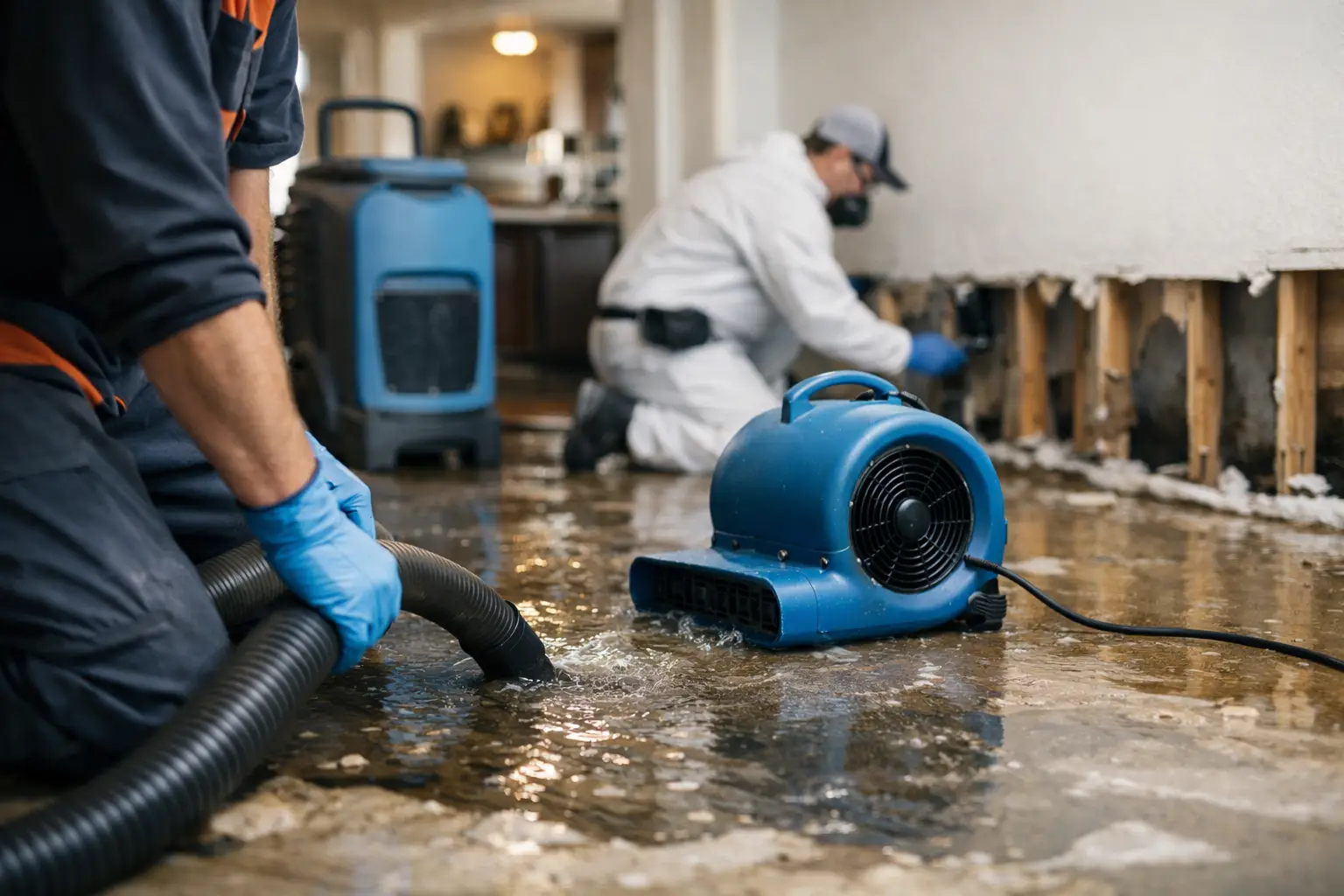 Water Damage
Extraction, structural drying, and moisture mapping after floods, leaks, and burst pipes.
Get help now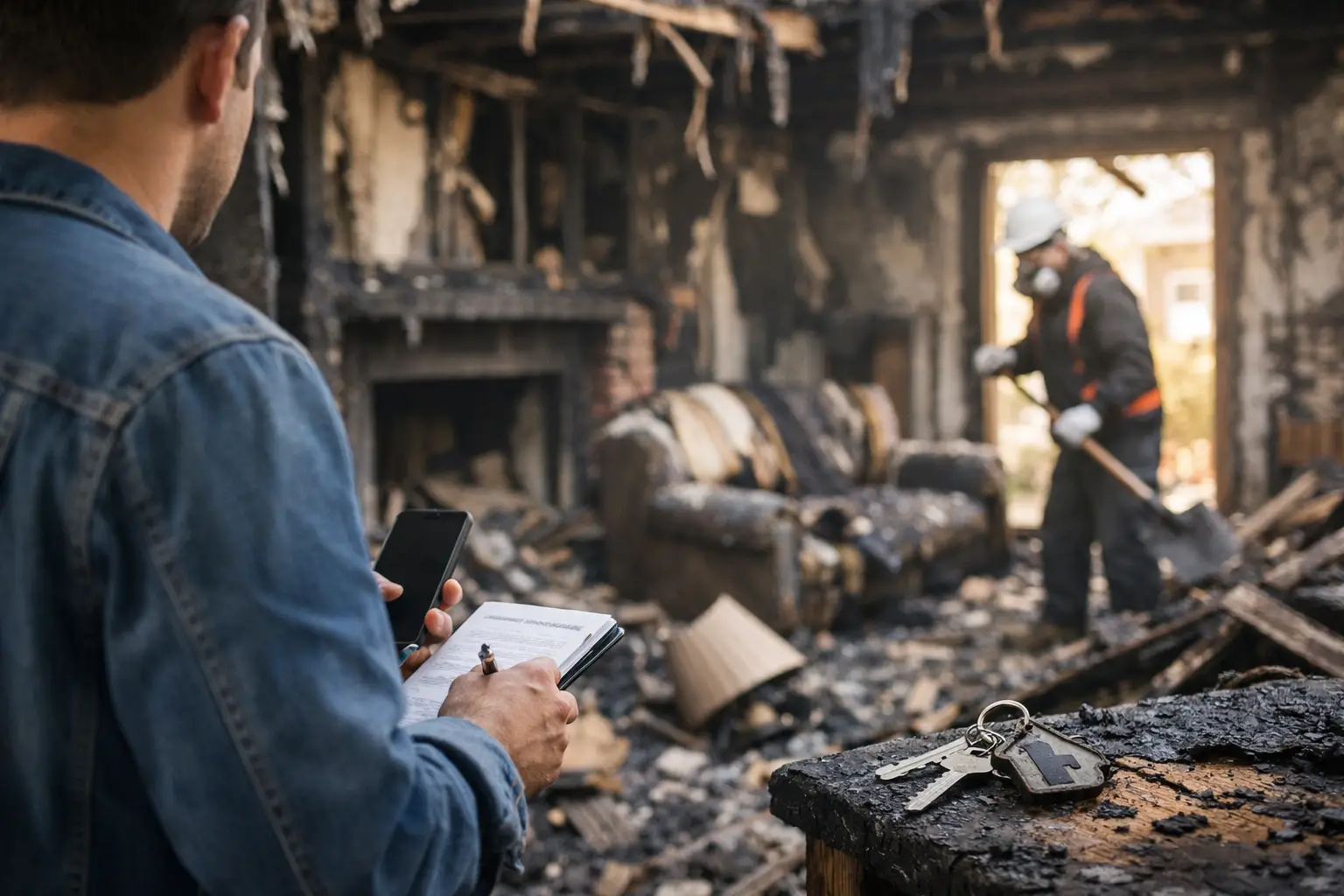 Fire & Smoke
Soot removal, odor deodorization, and content cleaning after fire and smoke damage.
Learn more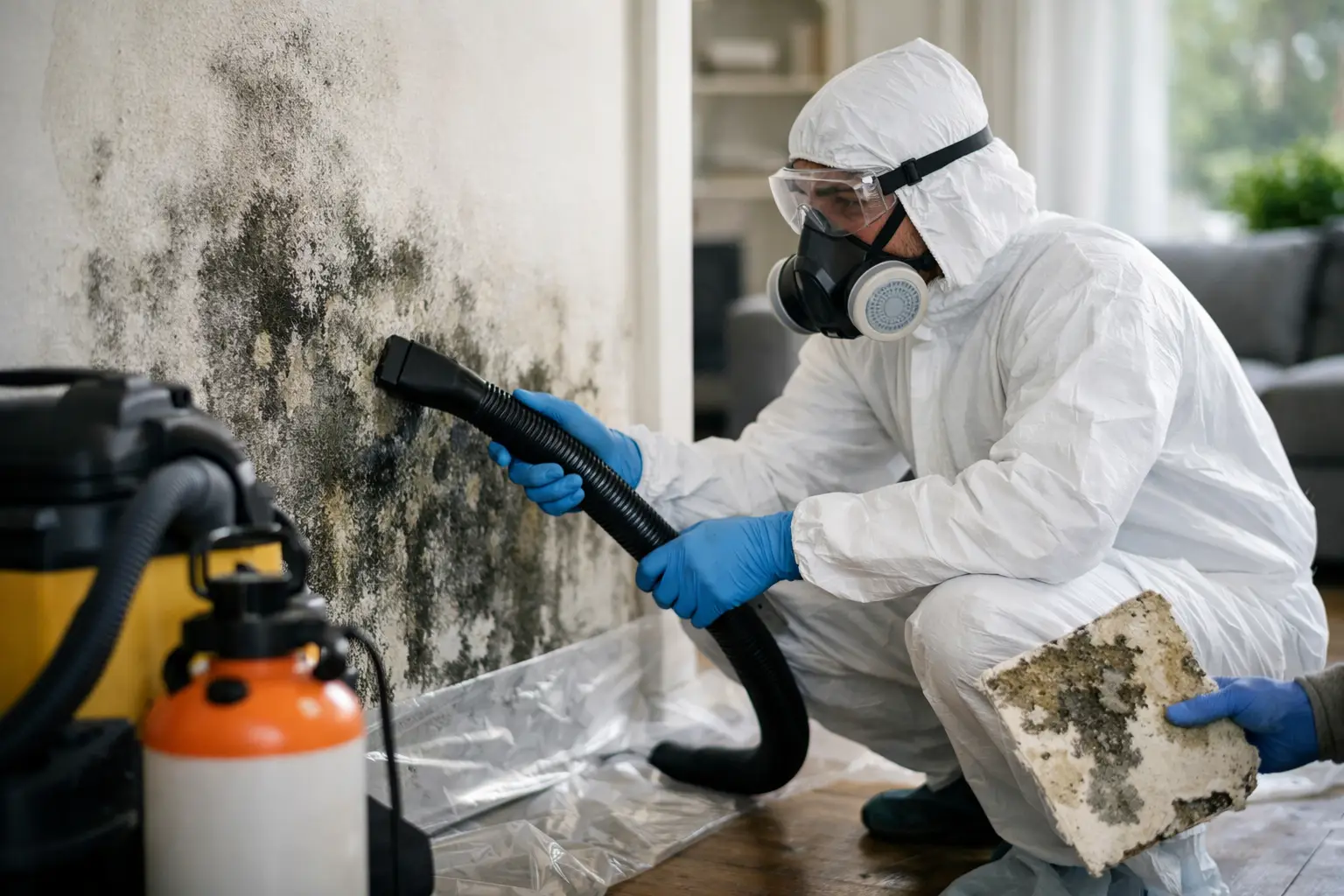 Mold
MoldContainment, removal, and moisture control that stops mold from coming back.
Learn more Storm
StormEmergency board-up, roof tarping, and full recovery after wind, hail, and storms.
Learn more Sewage
Safe biohazard cleanup and sanitizing after sewage backups and overflows.
Learn more Reconstruction
Full rebuild by a licensed general contractor, so your property comes back whole.
Learn moreElevated Operations is an IICRC-certified, licensed general contractor based in Mableton that handles the entire recovery in-house, so after one loss you are never coordinating a cleanup crew, a mold crew, and a contractor separately. One team, one point of contact, from the first pump-out to the final coat of paint.
People call when the property feels like a disaster. They leave reviews because Chris and the crew made it right. These are real, verified Google reviews.
It starts with emergency protection, then moves to inspection, drying, and repair. Older Rex homes often need extra scrutiny around roofs, windows, and framing because age makes storm damage spread faster. I look for hidden leaks, compromised materials, and places where a small breach became a larger water problem.
Look for missing shingles, lifted flashing, broken branches on the roof, dented gutters, ceiling stains, damp attic insulation, and siding damage. In Rex, older homes may also show slow leaks around chimneys or vents after a storm. If you see debris plus any water stain, I treat that as a real loss.
Roof tarping should happen as soon as it is safe to access the roof and there is any opening, exposed underlayment, or active leak. In Rex, storms can roll through fast, and older roofs may fail in more than one spot. A tarp is the quickest way to limit further water intrusion.
Not always. Hail damage repair depends on what the hail actually affected, including shingles, flashing, vents, gutters, and roof penetrations. In older Rex homes, the visible impact may be small while the damage to surface materials or weak points is wider. That is why I inspect the entire roof system.
Not long. The EPA says mold starts in 24 to 48 hours, so wet materials need attention quickly. In Rex homes, water can also move into wall cavities and crawl spaces before you notice it. Fast drying and source control are the difference between cleanup and a larger rebuild.
Debris removal is part of restoring safety and stopping further damage. In Rex, branches, shingles, siding, and broken fencing can block drainage or hide roof openings. Clearing the debris helps me see the actual damage, protects the house from more rain, and makes repairs safer for everyone.
Yes. Wind, falling limbs, and prolonged water intrusion can damage sheathing, framing, and other structural components. Older Rex homes may already have wear in those systems, so storm damage can expose weakness fast. That is why I separate cosmetic damage from structural repair during the inspection.
Expect documentation, photos, a scope of damage, and direct insurance billing from the contractor when appropriate. I also work with deductible assistance up to $1,000 for eligible jobs. The goal is to keep the claim organized and make sure the repair plan reflects the actual storm damage, not a guess.
Elevated Operations dispatches IICRC-certified crews across Metro Atlanta from our Mableton base, with a 60-minute emergency response day or night. Choose your city:
Call now for an immediate response, or request your free inspection and get a certified crew on-site within the hour across Atlanta and nearby areas.