24/7 Emergency Restoration · Serving Metro AtlantaEmergency? (770) 404-6895
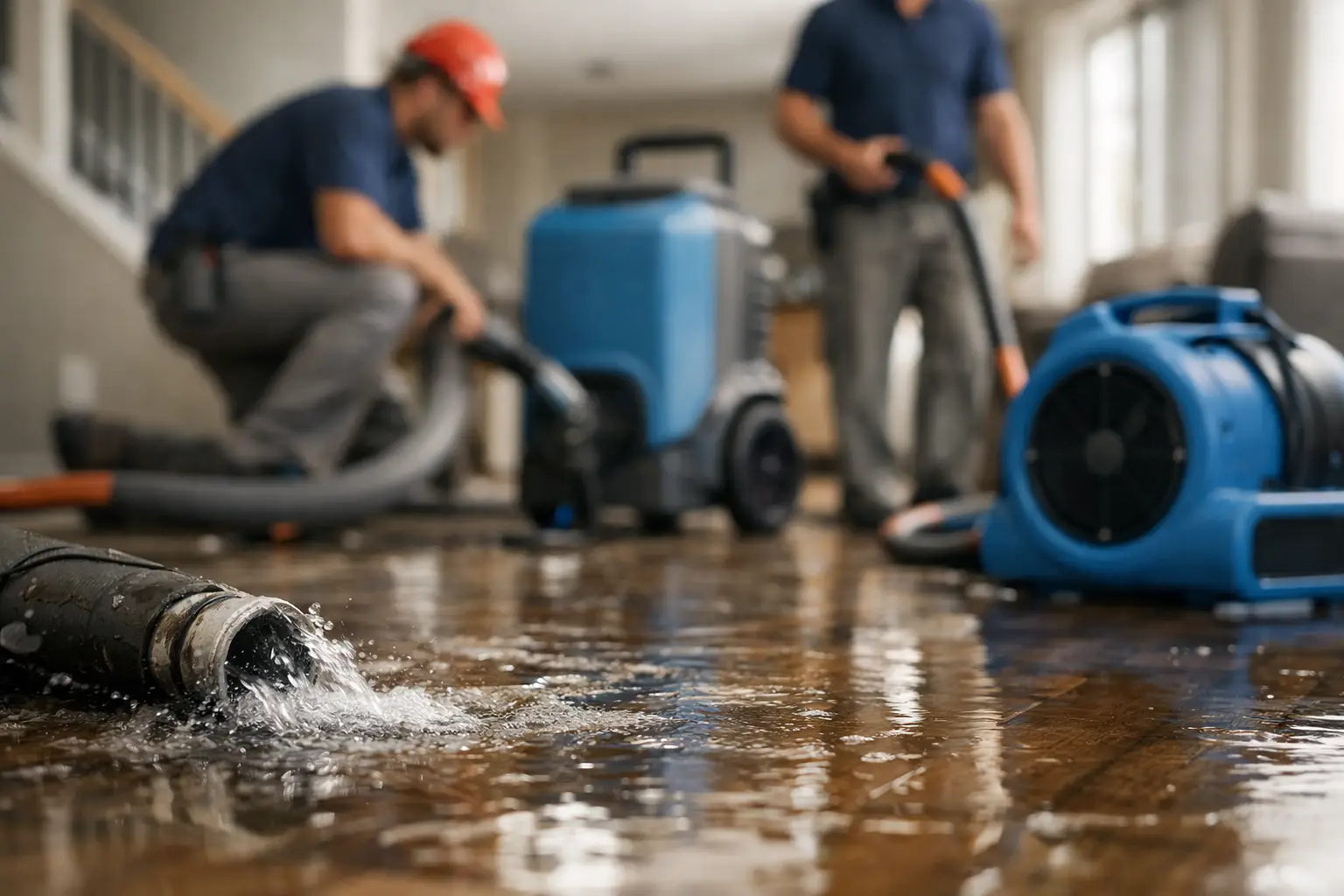
A disaster reconstruction contractor in Dallas handles the rebuilding after fire, water, storm, or structural damage, not just the cleanup. In Dallas and Paulding County, I see how well-water systems, septic lines, and runoff near Pumpkinvine Creek can complicate repairs, so the work has to be methodical, code-aware, and tied to the actual cause.
IICRC-Certified · 5-Star Rated · 60-Minute Response · Insurance Billed Directly
Yes. I assess the source, remove unsalvageable materials, and rebuild the affected structure in the right order.
Yes. Those systems can affect access and moisture paths, so I factor them into the reconstruction plan.
Yes. I offer direct insurance billing and keep the scope tied to the actual damage.
I stand behind it with a 12-month warranty, and I have been in restoration since 2007.
A disaster reconstruction contractor repairs and rebuilds the parts of a property damaged by fire, water, storm, or impact. I handle structural repairs, drywall installation, framing repair, flooring replacement, roof repair, and property reconstruction when the damage goes beyond drying and cleaning.
The job starts after the emergency is under control. Cleanup crews may remove water, soot, or debris, but reconstruction is the part where the property becomes usable again. That can mean replacing damaged framing, rebuilding walls, correcting roof systems, or handling a full rebuild when the structure is too compromised for patchwork.
In Dallas, this work often intersects with older housing stock, outbuildings, and mixed systems tied to well water and septic. Those details matter because damage does not stop at a wet floor or a stained ceiling. Hidden moisture, compromised subfloors, and damaged wall cavities can keep spreading if they are ignored.
IICRC-certified technicians know how to identify what can be restored and what must be replaced. I am licensed as a general contractor, and I have been in restoration since 2007. That matters when the job requires more than cosmetic repair and has to be done to actual construction standards.
Dallas homes need reconstruction when water, fire, wind, or impact damage breaks more than finishes. In this area, storm runoff, roof failures, and plumbing or septic-related moisture can drive damage into walls and subfloors, which means repair alone is not enough.
Dallas sits in a part of Paulding County where weather and drainage can create repeat exposure. Heavy rain, clogged roof systems, and water moving around slopes or near Pumpkinvine Creek can push moisture into basements, crawl spaces, and lower walls. Once materials stay wet long enough, they begin to fail structurally.
I also see problems tied to rural utility setups. Well-water equipment and septic components can create leak paths, overflow issues, or access constraints that make repairs less straightforward. The damage may start as a small intrusion, but once it reaches insulation, framing, or sheathing, the rebuild question becomes real.
And fire does not stay local to one room. Heat, smoke, and firefighting water can damage multiple surfaces at once. That is why a disaster reconstruction contractor has to look at the whole structure, not just the visible stain or the burned section. Hidden damage is where bad outcomes start.
Property reconstruction is needed when damage affects structure, safety, or building systems. That includes compromised framing, wet drywall, ruined flooring, roof damage, smoke-damaged materials, and any room where drying and cleaning cannot restore the original assembly.
The big marker is whether the building can safely support repair. If studs are warped, subflooring is swollen, or roof decking has been weakened, the fix is not a surface patch. Structural repairs come first, then the visible finishes can be restored with confidence.
Water damage often looks smaller than it is. A ceiling stain may hide damaged insulation and truss members. A wet hallway may point to floor assembly failure that calls for flooring replacement and more detailed framing repair. I have seen many homes where the visible issue was only the beginning.
Storm damage can also trigger a full rebuild of isolated sections, especially when wind-driven rain enters multiple openings at once. In those cases, drywall installation and finish work are the last steps, not the first. The reconstruction sequence has to match the damage sequence.
Yes, one contractor can handle cleanup and rebuild when the company is set up for both restoration and construction. That helps keep the scope aligned, the insurance file cleaner, and the repair sequence consistent from mitigation through property reconstruction.
This is where a lot of homeowners get trapped between vendors. One company dries the structure, another tears it open, and a third tries to rebuild it. That can work, but it often creates delays and scope confusion. I prefer a direct line from loss assessment to final reconstruction.
At Elevated Operations, LLLP, I use direct insurance billing and deductible assistance up to $1,000 when eligible. That does not change the work itself, but it does simplify the process when the carrier needs documentation and the homeowner needs one accountable contractor leading the repair path.
And because I am a licensed general contractor with IICRC-certified technicians, I can address both the damage mitigation and the construction side. That matters when the job includes roof repair, framing repair, and the rebuild of walls, floors, and interior finishes.
Professional reconstruction begins with damage assessment, then moves to stabilization, permits or scope coordination when needed, demolition of unsalvageable materials, structural repairs, and finish rebuild. The goal is to restore the building assembly in the right order, not just cover the damage.
The first step is documentation. I need to know what was damaged, what is still sound, and what has to be removed. That is where experience matters, because a homeowner may see one problem while the structure tells a bigger story. A proper inspection keeps the scope honest.
After that comes controlled demolition and drying verification if water was involved. If fire was involved, the process includes debris removal and smoke-affected material replacement. Then the rebuild begins, which may include framing repair, drywall installation, flooring replacement, or roof repair depending on the loss.
The final phase is quality control. The work has to close cleanly, function properly, and match the existing structure as closely as practical. I stand behind that work with a 12-month warranty, because reconstruction should not stop at getting the room back on its feet.
The timeline depends on the type and extent of damage, the materials involved, and whether the structure needs structural repairs or a full rebuild. Small interior repairs move differently than damage that reaches framing, subfloors, or roof systems.
There is no honest shortcut answer here. A single room with localized drywall damage is not the same as a fire loss that affects multiple rooms. The more layers of the home are touched, the more sequencing matters, because each step has to follow the last one correctly.
Dallas homes near drainage challenges or properties using well water and septic can add access and coordination issues. That does not mean the job is impossible. It means the plan has to be built around the real site conditions, not a generic repair script pulled from somewhere else.
I tell homeowners to judge a reconstruction company on process, not promises. A real contractor explains the scope, the materials that must be replaced, and what has to happen before finish work begins. That is how you avoid rushing straight into a second problem.
Drying, debris removal, and soot cleanup happen first. Reconstruction starts when damaged building materials have to be removed and rebuilt. Mixing those jobs leads to missed hidden damage.
Drywall can look minor while insulation, subfloors, and framing are already compromised. In Dallas, moisture near low areas and runoff paths can spread farther than homeowners expect.
Once framing, roof decking, or load-bearing elements are affected, cosmetic repair is not enough. Structural repairs have to come before flooring replacement or finish work.
Direct insurance billing can reduce paperwork friction, but the estimate still has to match the actual damage. Good reconstruction is built on clear documentation, photos, and a real scope.
A 12-month warranty is only meaningful if the contractor knows how to rebuild properly in the first place. I look at the assembly, the moisture source, and the finish details before I call a job complete.
From emergency mitigation to full reconstruction, handled in-house so you are never managing a chain of subcontractors mid-crisis.
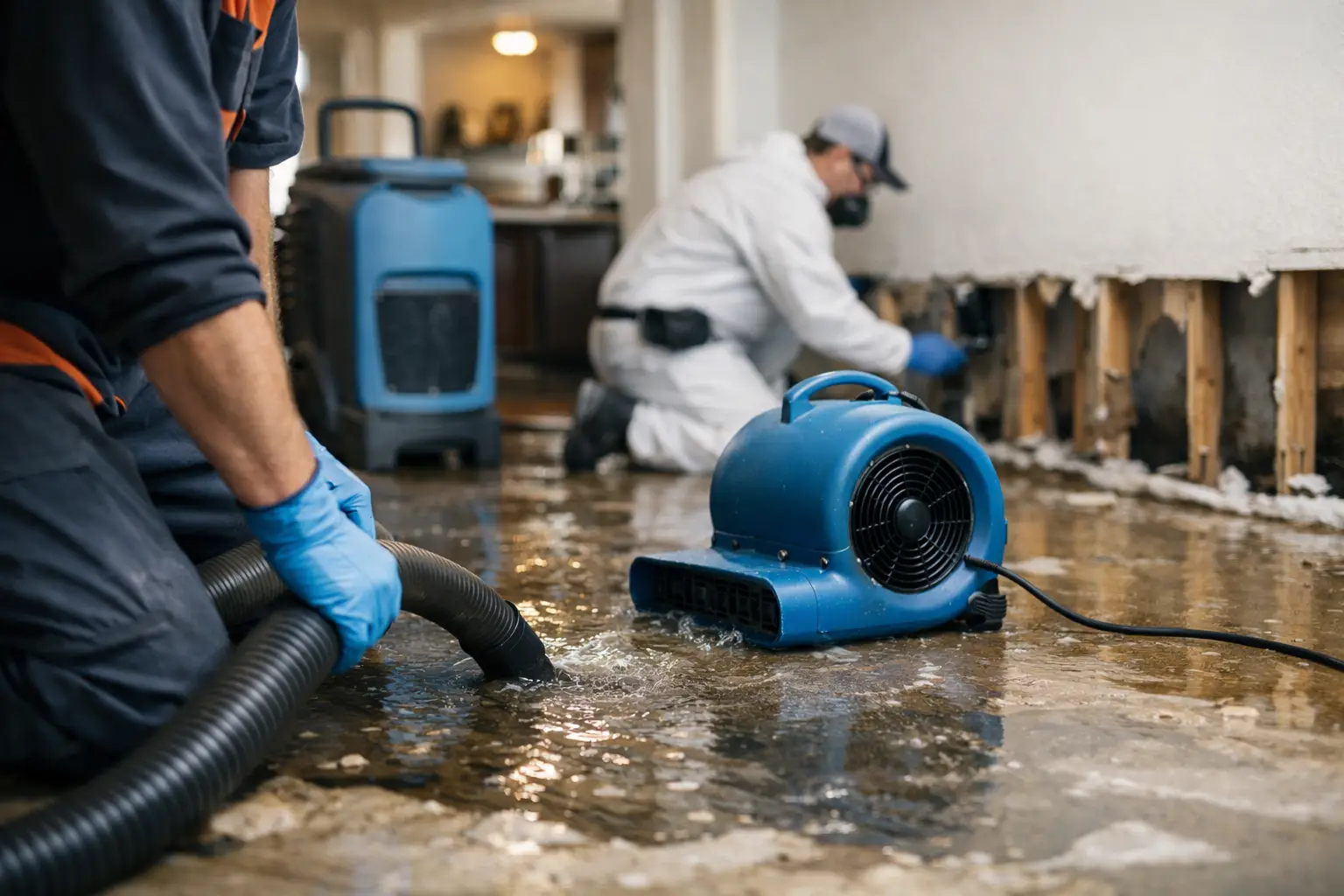 Water Damage
Extraction, structural drying, and moisture mapping after floods, leaks, and burst pipes.
Get help now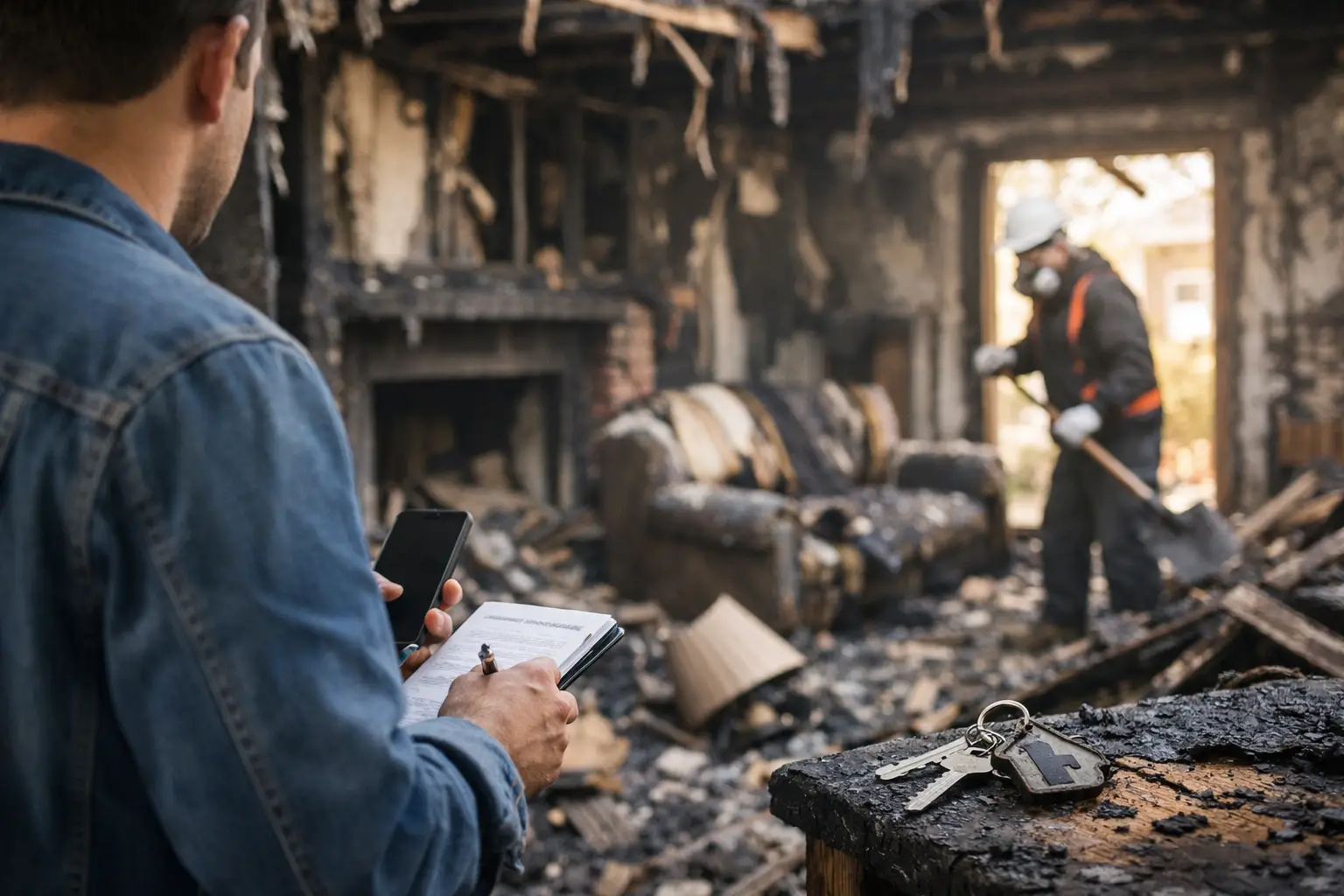 Fire & Smoke
Soot removal, odor deodorization, and content cleaning after fire and smoke damage.
Learn more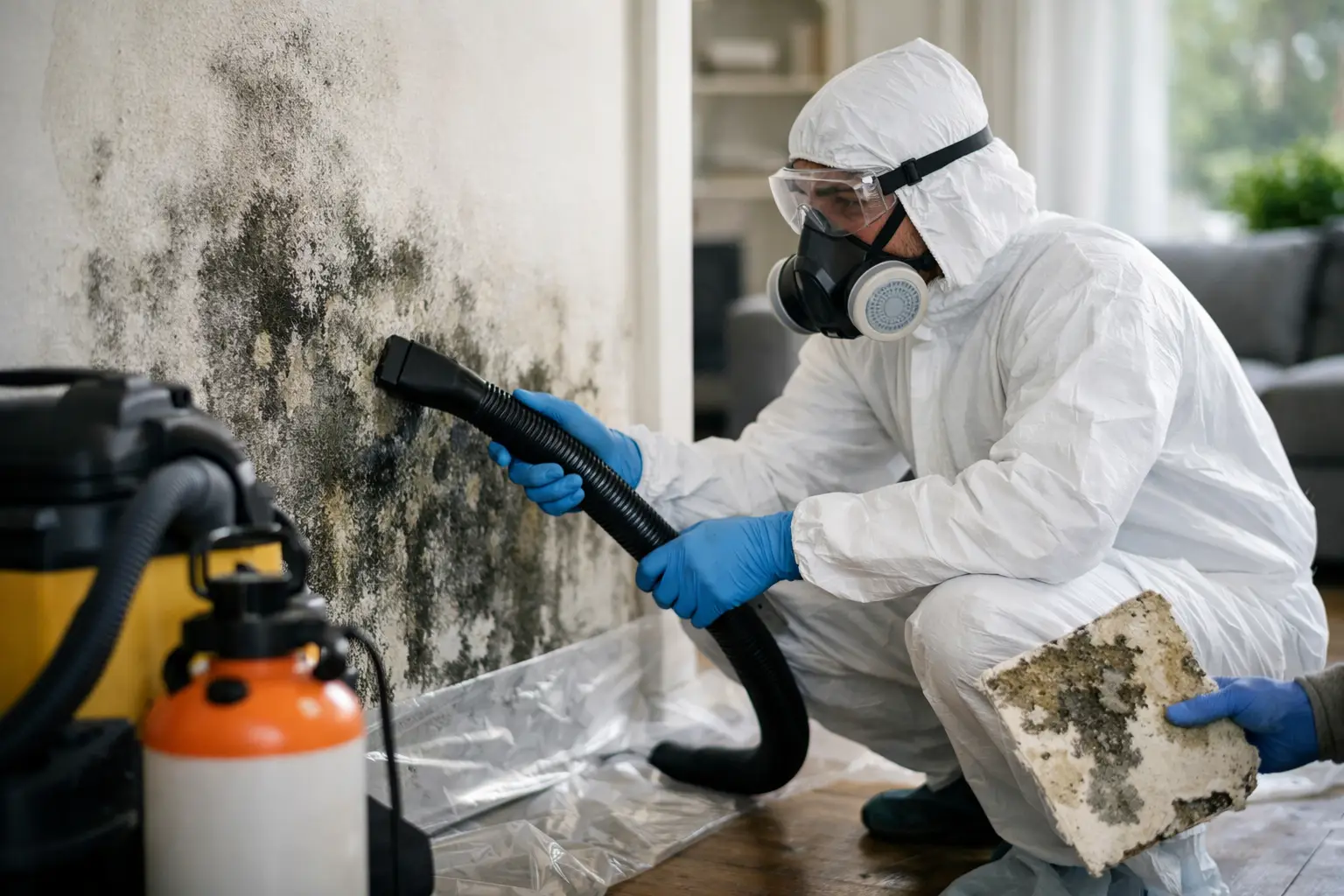 Mold
MoldContainment, removal, and moisture control that stops mold from coming back.
Learn more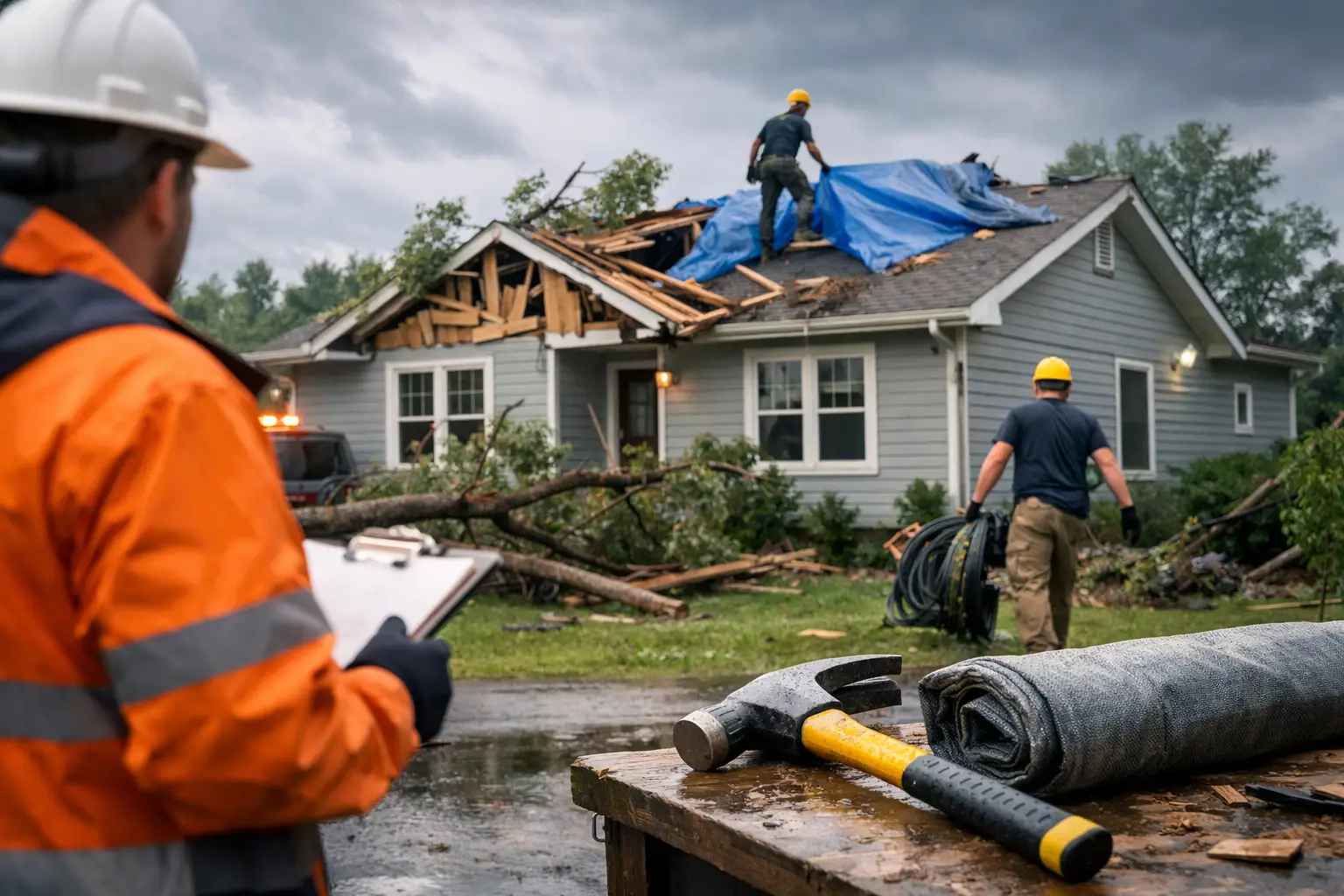 Storm
StormEmergency board-up, roof tarping, and full recovery after wind, hail, and storms.
Learn more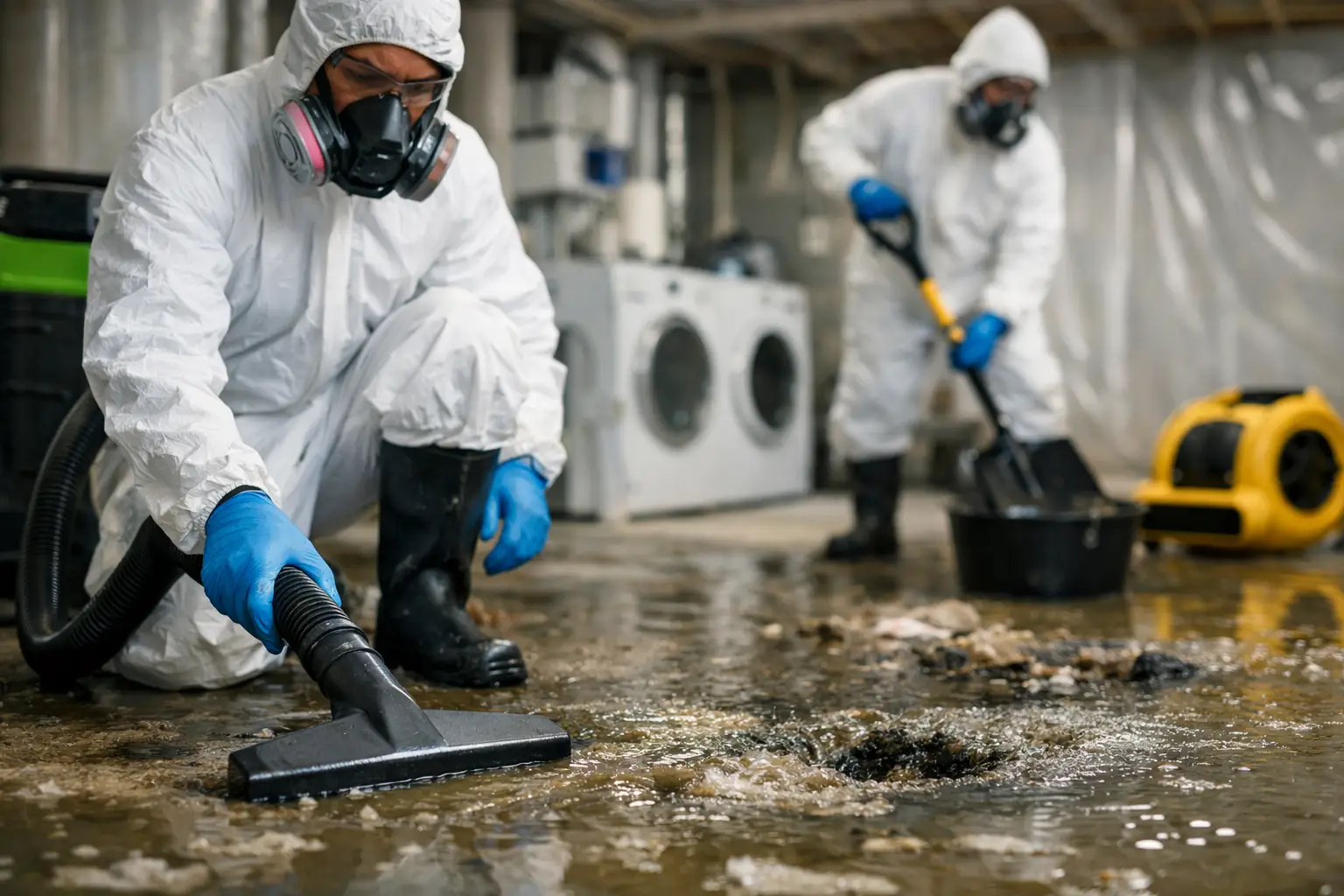 Sewage
Safe biohazard cleanup and sanitizing after sewage backups and overflows.
Learn more Reconstruction
Full rebuild by a licensed general contractor, so your property comes back whole.
Learn moreElevated Operations is an IICRC-certified, licensed general contractor based in Mableton that handles the entire recovery in-house, so after one loss you are never coordinating a cleanup crew, a mold crew, and a contractor separately. One team, one point of contact, from the first pump-out to the final coat of paint.
People call when the property feels like a disaster. They leave reviews because Chris and the crew made it right. These are real, verified Google reviews.
You need a disaster reconstruction contractor when the damage goes into the structure or building materials, not just the surface. If drywall is swollen, framing is wet, floors are buckled, or the roof system is compromised, cleaning alone will not fix it. In Dallas, that often shows up after storm runoff, plumbing failures, or fire suppression water.
Well-water and septic setups can make damage assessment more specific because leaks, backups, or access issues may affect where moisture enters and how it is removed. I look at the building assembly first, but the site systems matter too. In Paulding County, those conditions can change how demolition, drying, and rebuild sequencing gets handled.
If you see repeated dampness, swelling at the base of walls, soft flooring, or musty conditions after rain, the problem may be beyond cosmetic damage. Properties affected by runoff or low-area moisture near Pumpkinvine Creek can hide water inside wall cavities and under floors. That is where reconstruction becomes a structural question.
Yes, and that is often the better path when storm damage affects both the exterior and the interior. Roof repair stops the source, then the reconstruction phase handles framing repair, drywall installation, and finish replacement. One contractor managing both sides keeps the sequence aligned and reduces confusion during insurance review.
After fire damage, property reconstruction may include debris removal, framing repair, replacement of smoke-damaged materials, drywall installation, flooring replacement, and finish rebuilding. Fire damage is not only about burned surfaces. Heat and firefighting water can spread the loss into adjacent rooms and hidden cavities, which means the rebuild can be broader than it first appears.
Sometimes yes. A single room can still have damaged studs, subflooring, or roof connections if water or fire reached the assembly behind the finishes. I do not guess on that. I inspect the framing, moisture impact, and adjacent materials first, because structural repairs must happen before cosmetic restoration can be considered complete.
Direct insurance billing helps keep the claim and the repair scope connected, so the homeowner is not left translating between the carrier and the contractor. In a reconstruction job, that matters because the estimate needs to follow the real damage, not just the visible surface issue. It keeps the file cleaner and the rebuild more orderly.
I start with a 60-minute emergency response 24/7, then move into assessment, mitigation coordination, and reconstruction planning. My team is IICRC-certified, and I am a licensed general contractor. For Dallas homeowners, that means one company can address the damage source, the rebuild scope, and the final restoration sequence.
Elevated Operations dispatches IICRC-certified crews across Metro Atlanta from our Mableton base, with a 60-minute emergency response day or night. Choose your city:
Call now for an immediate response, or request your free inspection and get a certified crew on-site within the hour across Atlanta and nearby areas.