24/7 Emergency Restoration · Serving Metro AtlantaEmergency? (770) 404-6895
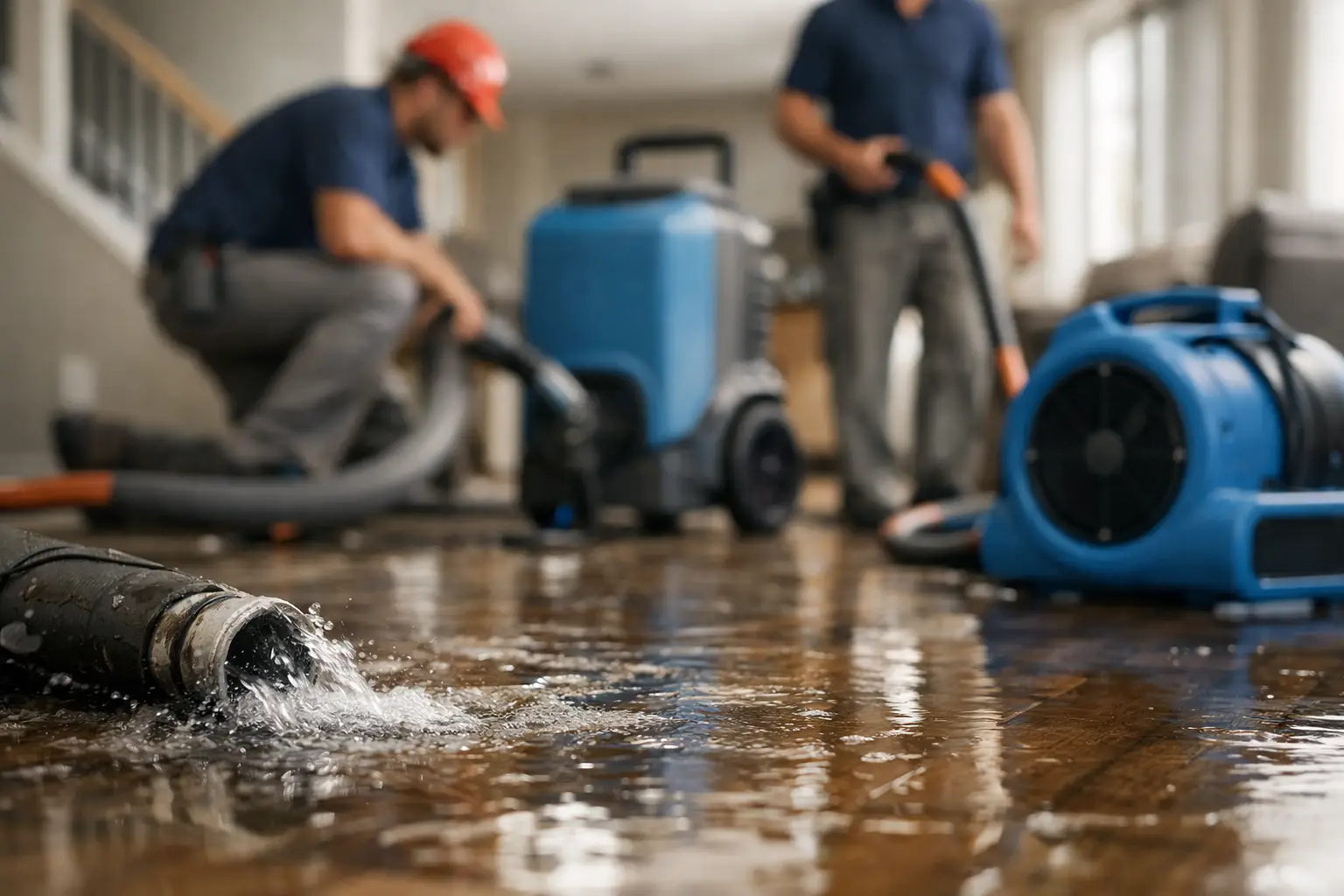
Fire damage restoration Jonesboro means stopping further loss, sorting what can be saved, and rebuilding damaged areas in the right order. I’m Chris Kwangwari, owner of Elevated Operations, and I’ve been in restoration since 2007. In Jonesboro, historic heart-pine homes, older framing, and heat and soot demand careful work, not guesswork.
IICRC-Certified · 5-Star Rated · 60-Minute Response · Insurance Billed Directly
Yes. I can document the loss, begin stabilization, and handle direct insurance billing while the claim moves forward.
Very different. It includes debris removal, soot removal, odor control, drying, and structural repair, not just surface cleaning.
Yes. Older heart-pine and historic materials need a careful salvage decision, not a one-size-fits-all approach.
Call (770) 404-6895 any time. I respond 24/7, and my team is based in Mableton.
Fire damage restoration is the process of making a burned property safe, removing soot and debris, cleaning affected materials, and repairing damaged structure and contents. In Jonesboro, that work matters because older homes, historic finishes, and mixed building ages can hide smoke damage long after flames are out.
I treat fire damage restoration as a sequence, not a single task. First comes safety, then debris removal, then soot removal, then cleaning, drying, and structural repair where needed. If a house near the Flint River corridor has smoke pushed into wall cavities, the visible burn marks are only part of the problem.
A lot of homeowners think fire cleanup means wiping surfaces and painting. It does not. Smoke can travel into insulation, attic framing, closets, and HVAC components. In Jonesboro, where older heart-pine materials may still be present, odor and staining can stay locked into the structure unless the source is addressed directly.
The goal is to return the property to a condition that can be lived in, repaired, or rebuilt with confidence. That usually means documenting the loss, protecting openings with board up services, and deciding what belongs in content cleaning versus what has to be removed. Each choice changes the final result.
Fire damage incidents in Jonesboro usually start with common home ignition sources, then spread faster where older materials, attic spaces, and hidden voids are present. Around historic areas and older neighborhoods, that can mean heart-pine framing, aging wiring, or a kitchen fire turning into broader smoke damage.
Jonesboro has a real mix of housing ages and construction styles. That matters. Older homes can have wood that burns differently, and newer additions can create hidden pathways for smoke. A small fire near the Flint River side of town can move into framing faster than homeowners expect.
Kitchen accidents, electrical failures, heating issues, and unattended flames are all common starting points in fire loss. But the size of the final damage depends on what the fire touches after ignition. Soot may coat rooms far from the flame, and smoke odor removal becomes necessary even where nothing looks burned.
The reason I stress early action is simple. Fire cleanup gets harder every hour the property sits open. Heat, moisture from firefighting, and airborne soot keep moving. In Jonesboro, especially where older trim, plaster, or heart-pine details still remain, quick containment protects more of the original home.
Fire damage restoration works by stabilizing the site, documenting damage, removing unsalvageable debris, cleaning soot and smoke residue, drying affected materials, and completing structural repair after the property is made safe. I follow that order because jumping straight to repairs can trap odor and contamination inside the building.
I start with an inspection and safety review. If openings need to be secured, I use board up services. Then I look at what was exposed to heat, smoke, water, and collapse risk. That evaluation drives the next steps, including debris removal and which materials are candidates for content cleaning.
After that comes targeted cleaning. Soot removal has to match the surface and the residue type, because dry smoke residue behaves differently than oily residue. Smoke odor removal is often a separate step. If the smell stays in framing or insulation, replacing finishes alone will not solve it.
Once the structure is cleaned and dried, structural repair can begin. That may include drywall, framing, trim, subfloor, or roofing components depending on the loss. I’m licensed as a general contractor, so I can handle the reconstruction side after the restoration side is complete. That keeps the sequence tight.
What can be saved after a house fire depends on heat exposure, soot type, water damage, and how quickly restoration begins. Many hard materials, some finishes, and selected contents can often be cleaned, but heavily charred, structurally weakened, or deeply contaminated items usually need removal for safety.
I look at recoverability in categories. Framing may be repaired if it is sound. Cabinetry, trim, and flooring may be candidates for cleaning or replacement depending on smoke penetration. Furniture, photos, and other contents can sometimes be handled through content cleaning if they were not burned beyond recovery.
Jonesboro homes with historic character deserve extra care because original details are not easy to replace. Heart-pine trim, old doors, and built-ins may survive if the fire stayed localized and soot removal begins quickly. But if moisture and smoke sat for a long time, preservation gets much harder.
I never guess at salvage. I inspect, document, and tell owners what is realistic. Some items look bad but clean up well. Others look fine on the surface but are contaminated inside. That difference is why professional fire damage restoration beats trying to make those calls alone after a stressful loss.
How long fire damage restoration takes depends on the size of the fire, the amount of smoke and water damage, the amount of debris removal needed, and how much structural repair is involved. Every loss is different, so I avoid fake timelines and focus on sequencing the work correctly.
The fastest step is usually securing the property. After that, cleanup and drying move based on what the inspection reveals. A small kitchen fire is not the same as a whole-house loss with attic smoke, roof damage, and damaged contents. Jonesboro homes near older corridors can also need more careful cleaning.
What slows restoration most is hidden damage. Smoke can get into ductwork, insulation, and wall cavities. Water from firefighting can soak subfloors and framing. If those materials stay wet, mold can start in 24 to 48 hours, so drying and removal decisions need to happen early, not after repairs begin.
I give owners the next step, then the next. That is the honest way to manage a fire loss. If the job needs direct insurance billing, I can handle that. If deductible assistance up to $1,000 applies, I explain it plainly. No drama. Just the facts and the work.
Yes, smoke damage should be cleaned before most repairs because soot and odor can contaminate new finishes and get trapped behind drywall, trim, and flooring. In Jonesboro, where older homes may hold smoke in heart-pine or plaster surfaces, cleaning first protects the final repair work.
Repairs over dirty surfaces fail. That is the short version. If soot stays on framing or subfloors, it can bleed through paint, keep odor in the house, and leave the job looking finished but not actually clean. Smoke odor removal has to happen before closures and cosmetic work.
Fire cleanup also needs sequencing around water damage. When firefighting water is present, materials may need drying before the restoration team can fully clean and rebuild. If you rush straight to structural repair, you can trap dampness and create another problem on top of the fire loss.
I like to explain it this way: clean first, rebuild second. That is especially true in Jonesboro homes with antique details or older wood framing. Those materials can hold residue longer than modern surfaces, so the order of work matters as much as the tools used.
A room can look only lightly burned and still need serious fire cleanup. Smoke travels into closets, attics, vents, and wall cavities, which is why soot removal and smoke odor removal are separate parts of the job.
Firefighting water can soak framing, floors, and insulation. If wet materials are left in place, mold can start in 24 to 48 hours, so drying and removal decisions have to happen early.
Content cleaning can save certain belongings if they were not structurally burned or deeply contaminated. I inspect each item against heat, soot, and odor exposure before deciding whether cleaning or replacement makes sense.
Jonesboro has homes with older character, including heart-pine details and older framing. Those materials can be salvageable, but only if the damage is assessed carefully and cleaning is done in the right order.
Direct insurance billing can simplify the process after a fire. I document damage, coordinate the work, and keep the file organized so the restoration and repair phases stay aligned with the claim.
From emergency mitigation to full reconstruction, handled in-house so you are never managing a chain of subcontractors mid-crisis.
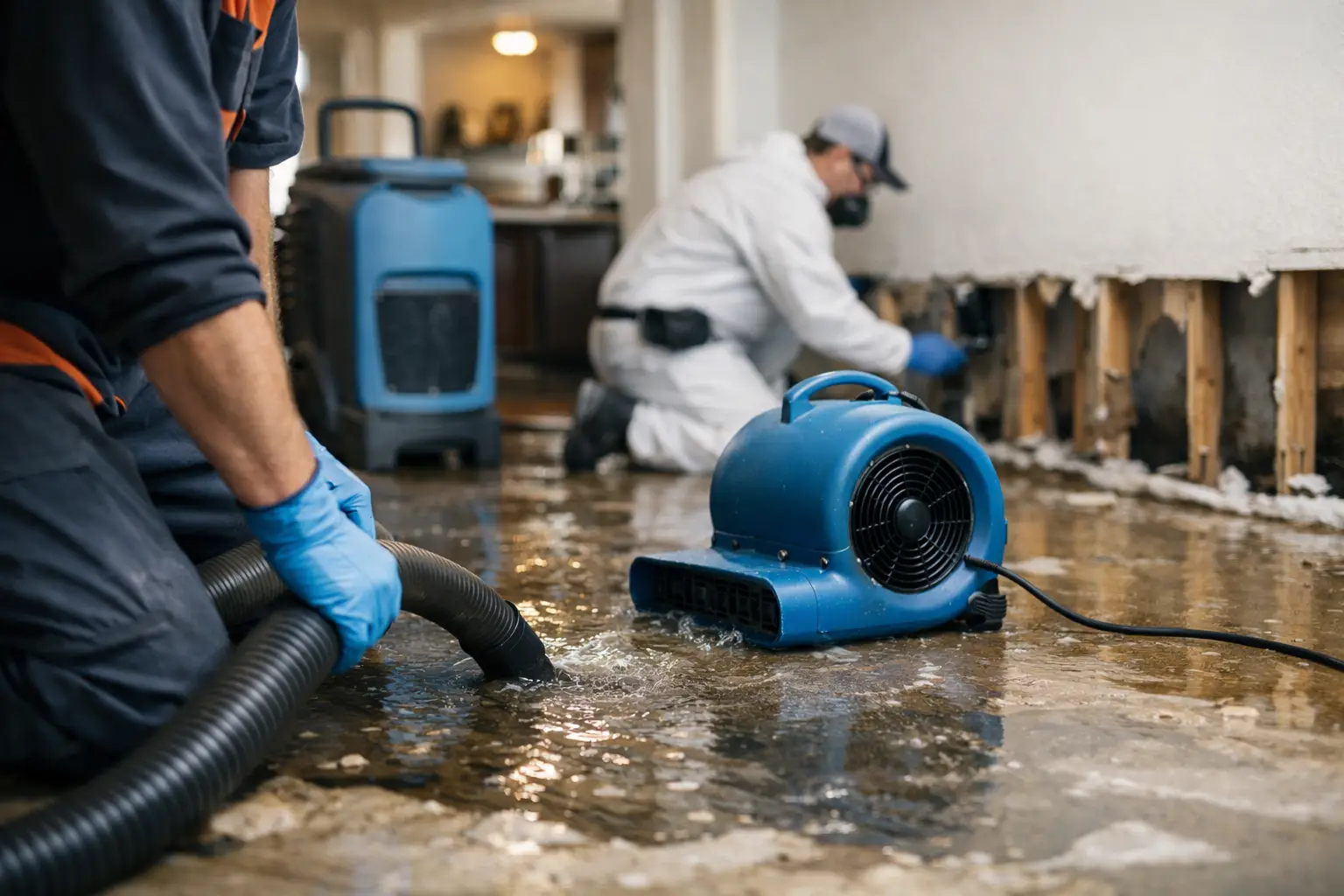 Water Damage
Extraction, structural drying, and moisture mapping after floods, leaks, and burst pipes.
Get help now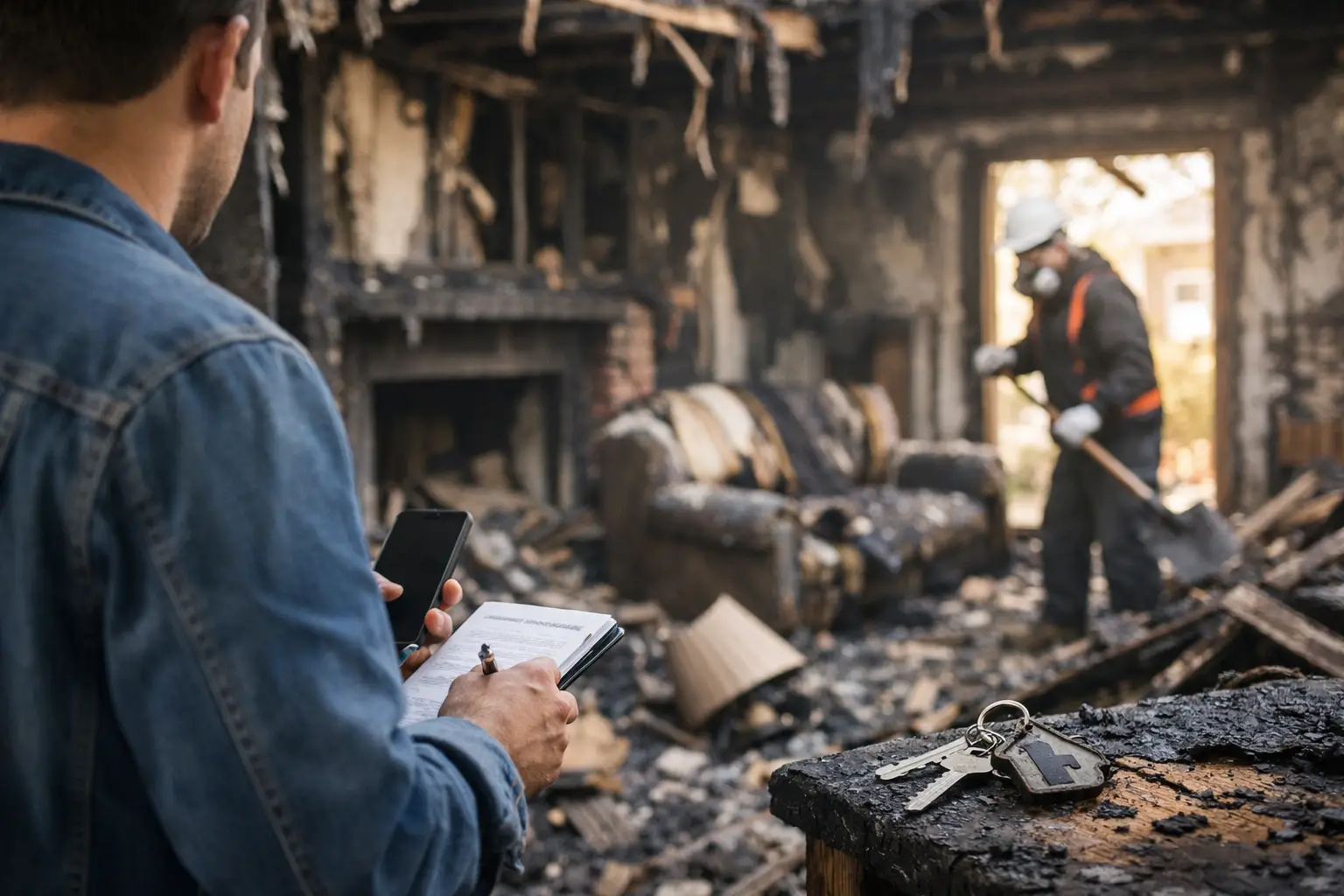 Fire & Smoke
Soot removal, odor deodorization, and content cleaning after fire and smoke damage.
Learn more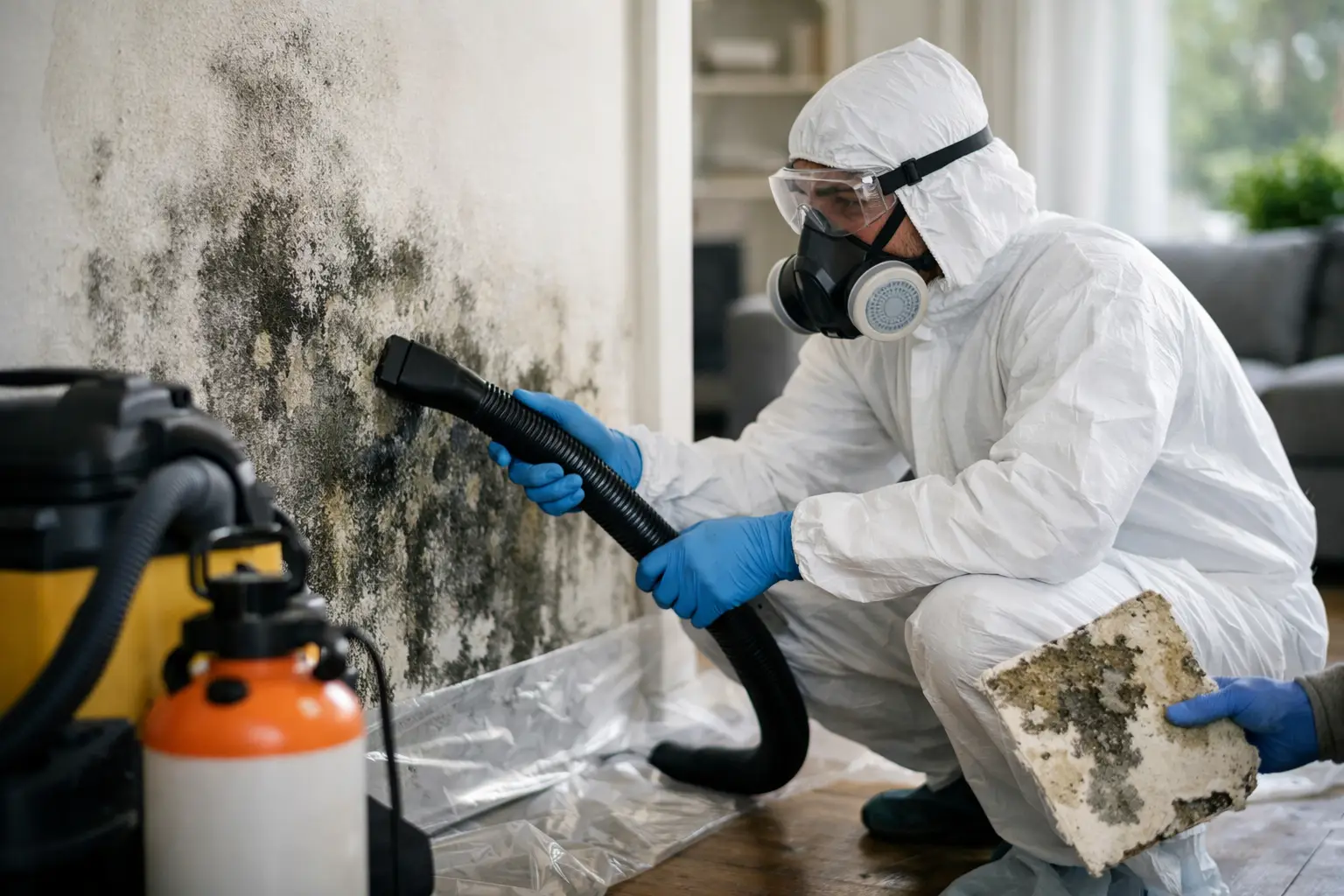 Mold
MoldContainment, removal, and moisture control that stops mold from coming back.
Learn more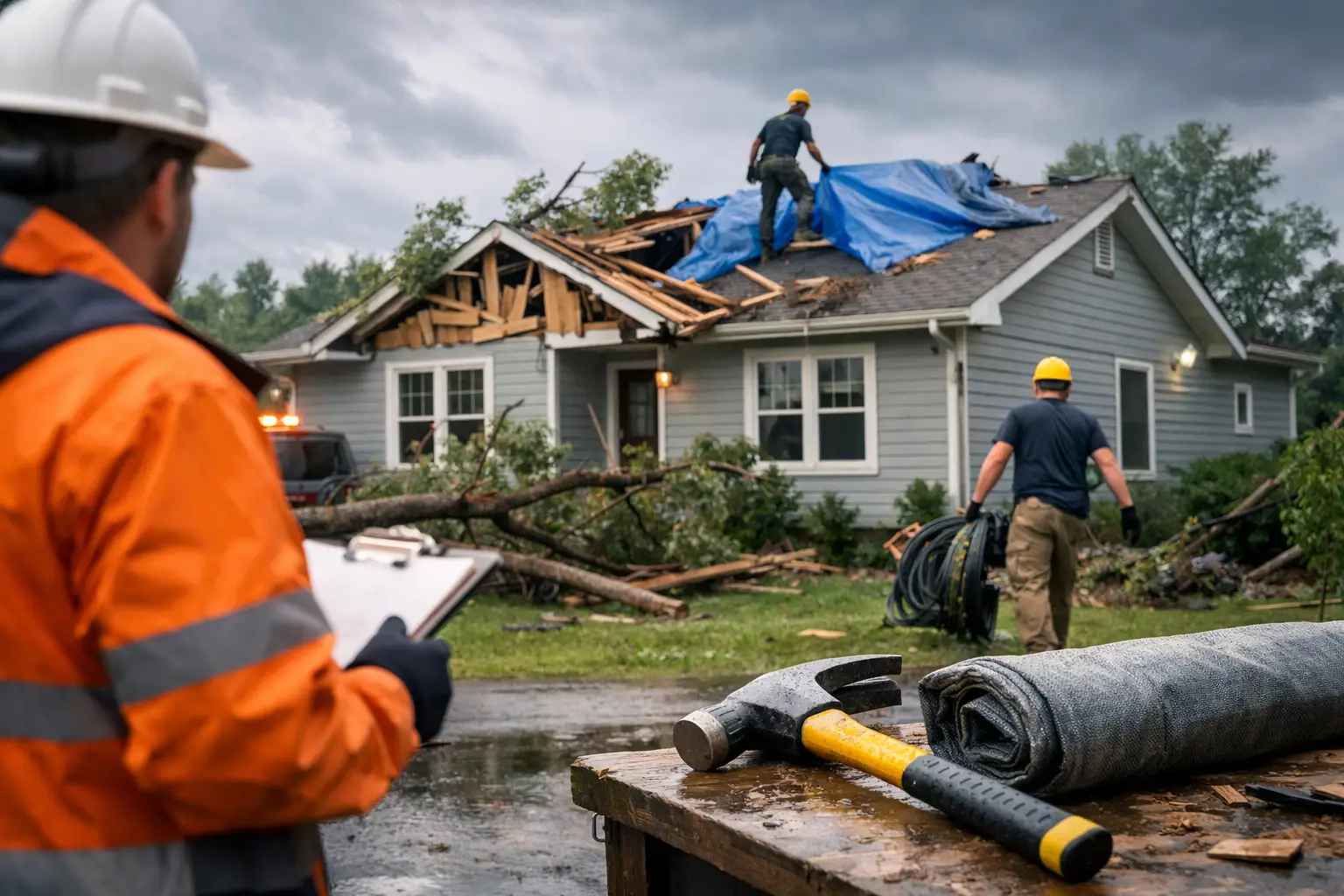 Storm
StormEmergency board-up, roof tarping, and full recovery after wind, hail, and storms.
Learn more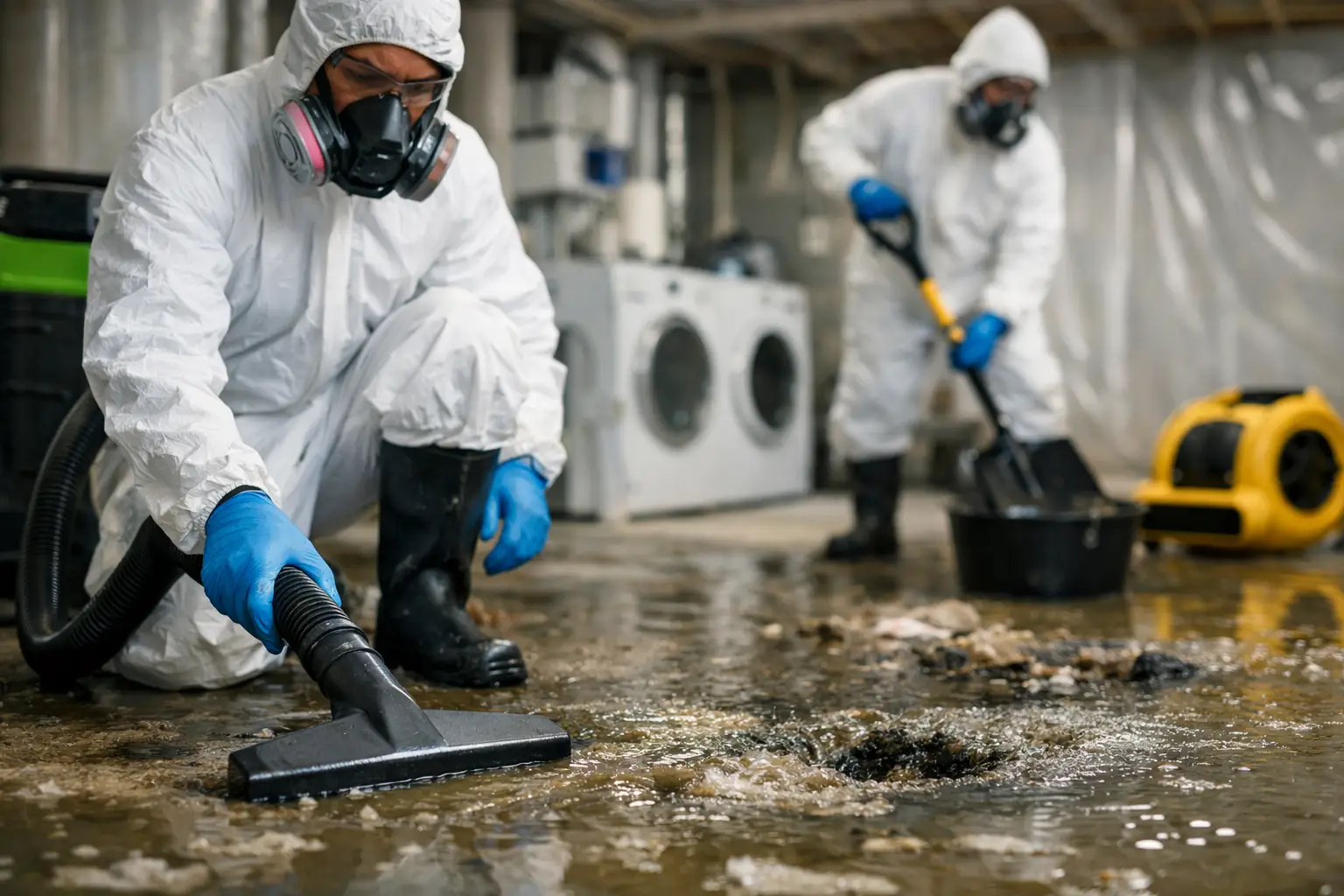 Sewage
Safe biohazard cleanup and sanitizing after sewage backups and overflows.
Learn more Reconstruction
Full rebuild by a licensed general contractor, so your property comes back whole.
Learn moreElevated Operations is an IICRC-certified, licensed general contractor based in Mableton that handles the entire recovery in-house, so after one loss you are never coordinating a cleanup crew, a mold crew, and a contractor separately. One team, one point of contact, from the first pump-out to the final coat of paint.
People call when the property feels like a disaster. They leave reviews because Chris and the crew made it right. These are real, verified Google reviews.
I start by checking what heat, soot, and water touched, then I stabilize the structure and document salvageable materials. Older Jonesboro homes can have heart-pine trim, original framing, or older finishes that respond differently to cleaning. That is why I do not treat a historic house like a modern build. The materials, odor patterns, and repair choices all matter.
Yes, but only if the source is addressed, not just masked. Heart-pine can hold odor in surface texture and gaps, especially after smoke moves through the home. I use cleaning, residue removal, and targeted odor work before any repair closes the surface back up. If smoke stayed in hidden areas, those areas have to be treated too.
Board up services protect the home after fire damage by securing broken openings, limiting weather exposure, and reducing unauthorized entry. In Jonesboro, that matters fast if a roof, window, or door was opened during the fire or the response. Securing the structure is the first move before debris removal, cleaning, or repair can happen safely.
Soot can bleed through new paint, keep odors active, and leave a greasy film on surfaces. If a Jonesboro room has smoke residue on drywall, framing, or trim, painting over it traps the problem instead of solving it. I clean the residue first, then move into repair and finishing once the surface is truly ready.
Content cleaning may save furniture, keepsakes, décor, and some household items if they were exposed to smoke but not burned beyond recovery. I look at heat damage, odor, residue, and material type. Some pieces clean well. Others hold contamination too deeply and need removal. The decision has to be made item by item, not by guesswork.
Yes, I offer direct insurance billing. That helps keep the fire cleanup process organized after the loss, especially when documentation, debris removal, and structural repair are all happening at once. I also explain deductible assistance up to $1,000 when it applies, so the homeowner can understand the options without a lot of confusion.
Then drying becomes even more important. Fire damage restoration has to account for smoke, soot, and any water used during suppression. If materials stay wet, mold can start in 24 to 48 hours. I inspect the structure, remove damaged materials if needed, and make sure drying happens before closing walls or starting repairs.
If framing is charred, warped, weakened, or exposed to prolonged heat, structural repair may be needed. I inspect load-bearing areas, roof components, floors, and wall framing before any finish work starts. In Jonesboro, older wood framing and historic materials require a careful read, because damage can be deeper than it looks from the outside.
Elevated Operations dispatches IICRC-certified crews across Metro Atlanta from our Mableton base, with a 60-minute emergency response day or night. Choose your city:
Call now for an immediate response, or request your free inspection and get a certified crew on-site within the hour across Atlanta and nearby areas.