24/7 Emergency Restoration · Serving Metro AtlantaEmergency? (770) 404-6895
Crawl space mold removal in College Park starts with finding the moisture source, cleaning the damage, and protecting the rest of the house. I’m Chris Kwangwari, owner of Elevated Operations, LLLP, and I handle College Park crawl spaces in the historic district, near the convention hotels, and across older housing that traps humidity fast.
IICRC-Certified · 5-Star Rated · 60-Minute Response · Insurance Billed Directly
Rain usually means more moisture under the house, and that wakes up the odor. I check drainage, the vapor barrier, and any active mold so the smell does not keep coming back.
Yes, air moves upward through floor gaps and penetrations. That is why I treat crawl space mold removal as a whole-house problem, not a basement-style patch job.
No. I recommend it when the space keeps getting wet or humid. If the source is simple and fixed, I may choose drying and targeted cleanup instead.
Yes. I work in older housing, rentals, and properties near the historic district and convention hotels. Those spaces often need careful crawl space cleanup and moisture control, not shortcuts.
It starts with a crawl space inspection, then I remove visible fungal growth, control moisture, and decide whether dehumidification, crawl space cleanup, or wood treatment is needed. In College Park, I see old framing, damp dirt crawl spaces, and tight access under historic houses that need careful work.
College Park has a mix that keeps me busy, historic homes near the National Register district, newer renovations, and properties close to the convention hotel corridor where humidity and airflow issues show up fast. I look under the house first, because mold on joists usually tells the real story.
If the crawl space has standing moisture, I do not pretend cleanup alone fixes it. I check for vapor barrier failure, inspect insulation, and decide whether crawl space mold remediation needs drying, encapsulation, or simple targeted fungal growth removal before the problem spreads upward.
And I pay attention to the pattern. A light patch on one beam is different from black spotting across several bays. Around College Park, especially in older structures, a small leak, poor grading, or blocked vents can turn a crawl space into a constant source of contamination.
Moisture causes it, almost every time. In College Park I see crawl space mold from humid air, plumbing leaks, poor drainage, failing vapor barriers, and wet wood beneath older homes. Mold starts in 24 to 48 hours once materials stay damp, so speed matters.
The city’s older housing stock does not help. Around the historic district, crawl spaces often have aging supports, thin barriers, and years of settling that let humidity sit under the floor. Near the convention hotels and busier corridors, drainage and runoff can still drive moisture into the lowest level.
I check for the source before I touch the mold. Sometimes it is a disconnected downspout, sometimes a plumbing drip, sometimes condensation from air moving through a bare dirt crawl space. If I do not fix the source, the same colonies come right back.
And that is why moisture control matters as much as cleaning. In College Park, I often recommend dehumidification after cleanup when the crawl space stays damp, because a dry environment is the only reliable way to keep mold from returning on joists, subflooring, and insulation.
I isolate the work area, remove contaminated material that cannot be saved, clean affected wood and surfaces, and then dry the space completely. Proper crawl space mold removal also means protecting the rest of the house, because spores and odors can move through floor openings and duct gaps.
I do not blast a crawl space with shortcuts. First I evaluate the extent of the damage, then I remove debris, scrub or treat affected wood, and clean the space so loose contamination is gone. If the crawl space needs crawl space cleanup plus wood treatment, I handle both in order.
College Park homes deserve careful containment because air moves fast through older framing, floor penetrations, and utility openings. A house near the National Register historic district can have hidden pathways that carry dust and odor into living rooms, bedrooms, and halls if the work is sloppy.
When the job calls for it, I pair mold removal with dehumidification and a vapor barrier so the crawl space stays dry after I leave. That is the difference between cleanup and actual control, and I have been doing that work since 2007.
Sometimes yes, sometimes no. If the crawl space keeps pulling in moisture, encapsulation is often the right next step after mold cleanup because it helps control humidity and protects the wood. If the source was isolated and fixed, a simpler drying plan may be enough.
I do not sell encapsulation as a reflex. I recommend it when the crawl space stays wet, when the vapor barrier is failing, or when the house keeps fighting Georgia humidity. In College Park, that happens often in older homes and in low spots where water lingers after storms.
Encapsulation can make sense after crawl space mold remediation because it turns an open, damp crawl space into a controlled environment. It works best with moisture control, sealed seams, and the right dehumidification strategy, not as a cosmetic cover-up over active decay.
But if a small leak caused the problem and the crawl space dries properly after repairs, I may tell the owner to hold off. I take a position based on the house, not a sales script. That is how I approach every crawl space in College Park.
Yes. Air from the crawl space rises into the living space through floor gaps, duct penetrations, and return leaks, so mold below the house can affect indoor air quality above it. In College Park, that matters in older homes where the crawl space and living space are not well separated.
I have seen it in College Park homes where people smell a musty floor before they ever look under the house. That odor is often the first sign that the crawl space is contributing to indoor air quality issues, especially when the house sits near humid tree cover or has weak airflow.
The problem is not just odor. Mold, dust, and damp insulation can move through the structure, and occupants notice it as stale air, irritation, or a persistent smell after rain. When that happens, I inspect the crawl space, the ductwork, and the floor framing together.
A clean crawl space helps the whole house breathe better. That is why I treat fungal growth removal as a building health issue, not just a stain removal issue. If the source stays under the floor, the air upstairs usually stays part of the story.
After cleanup, I dry the space, verify the moisture source is fixed, and recommend the next step, which may include dehumidification, a new vapor barrier, or encapsulation. I also back the work with a 12-month warranty and direct insurance billing when the loss is covered.
The last thing I want is a fast cleanup that fails next season. After the crawl space is cleared, I make sure the space is dry and the conditions that fed the mold are addressed. In College Park, weather swings and older foundations can undo weak work quickly.
If the home needs more protection, I may recommend sealing the crawl space, improving moisture control, or upgrading damaged materials. I do not guess. I look at how the house is built, how water enters, and how the air behaves under the floor.
Elevated Operations, LLLP is based in Mableton, and I cover College Park with IICRC-certified technicians, licensed general contractor oversight, and a 60-minute emergency response 24/7. I also offer deductible assistance up to $1,000, which matters when a wet crawl space turns into an insurance claim.
Near the National Register historic district, I found an older crawl space with damp joists, failing insulation, and a tired vapor barrier. The owner kept smelling mustiness after rain, so I traced the moisture, completed crawl space mold remediation, and added dehumidification where the space kept holding humidity.
By the convention hotel area, a low crawl space kept getting wet after storms because water moved toward the foundation and sat there. I handled crawl space cleanup, treated affected wood, and recommended encapsulation because the house kept pulling moisture in from below.
In an older rental house, tenants complained about a stale smell coming through the floor. I checked the crawl space, found fungal growth on structural members, and removed the source before it reached the living space. That job was a reminder that crawl space mold removal is often an air-quality problem first.
From emergency mitigation to full reconstruction, handled in-house so you are never managing a chain of subcontractors mid-crisis.
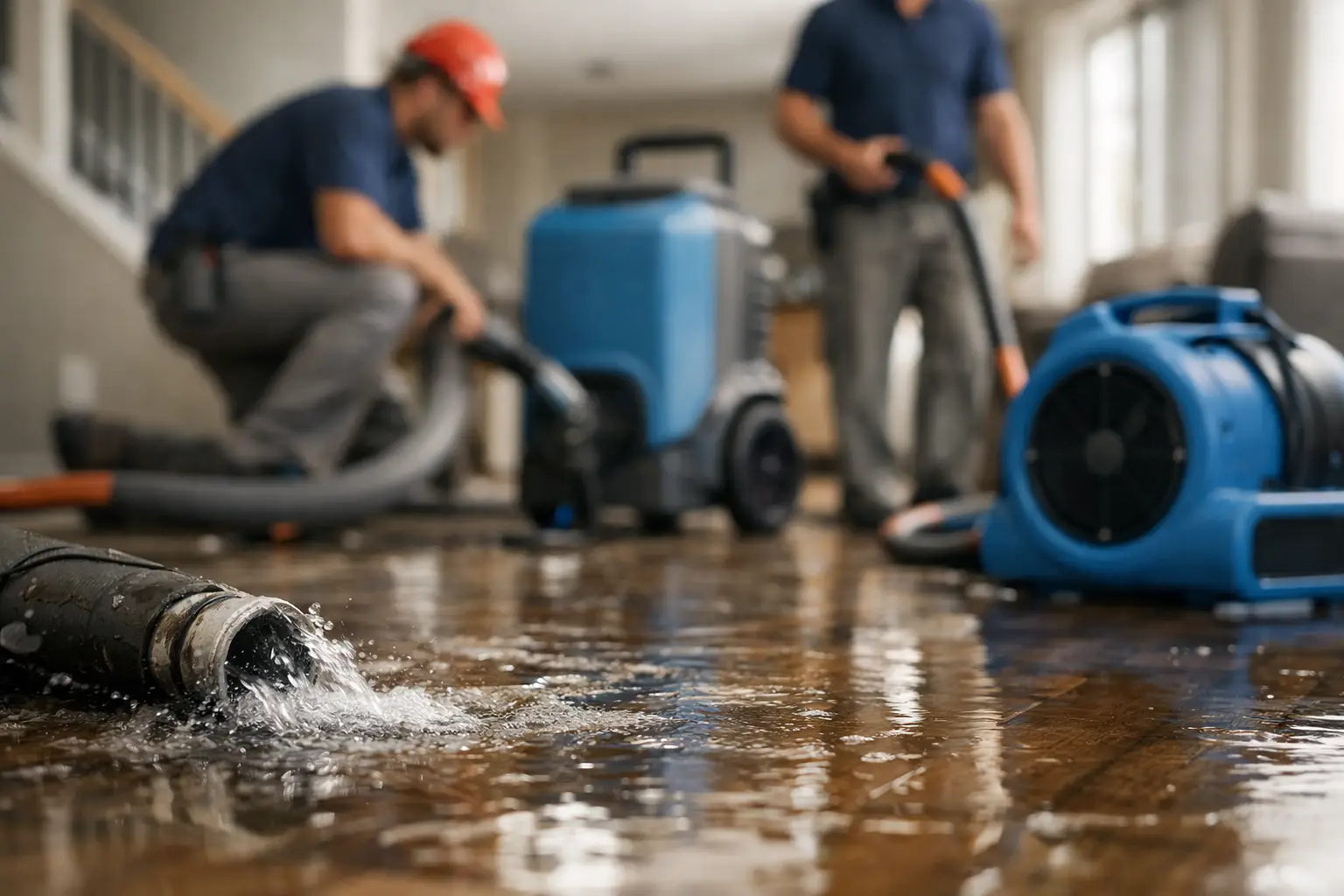
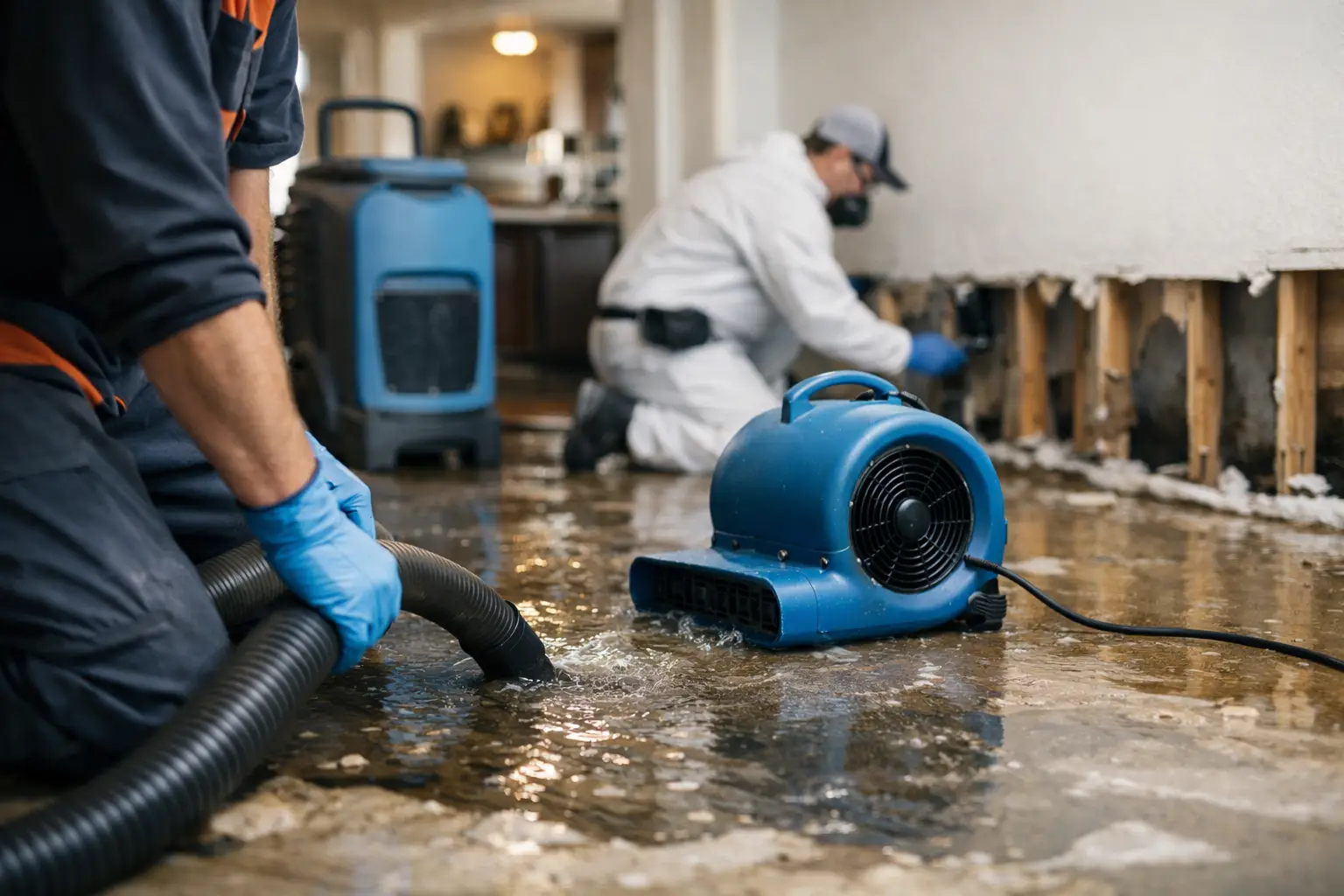 Water Damage
Extraction, structural drying, and moisture mapping after floods, leaks, and burst pipes.
Get help now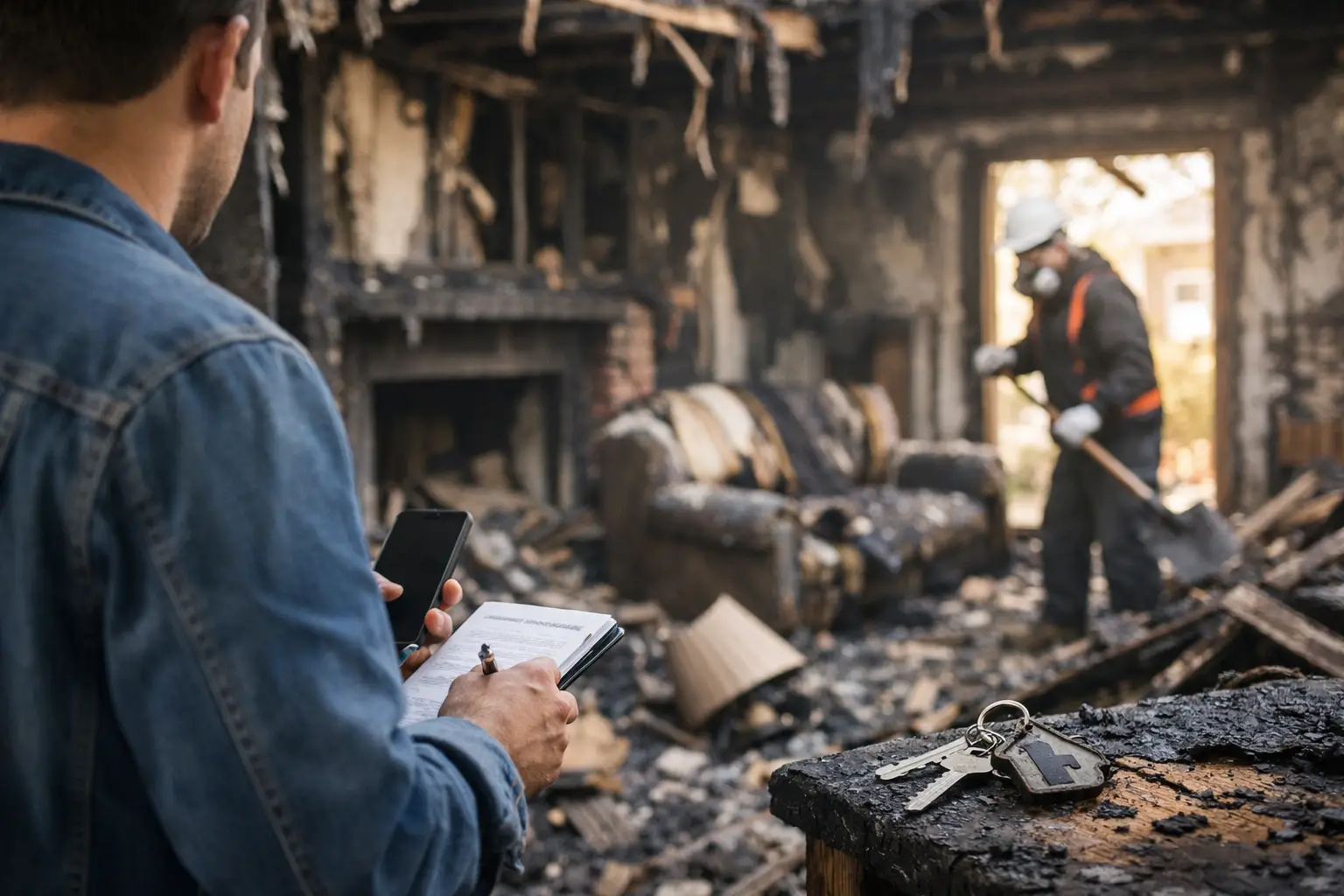 Fire & Smoke
Soot removal, odor deodorization, and content cleaning after fire and smoke damage.
Learn more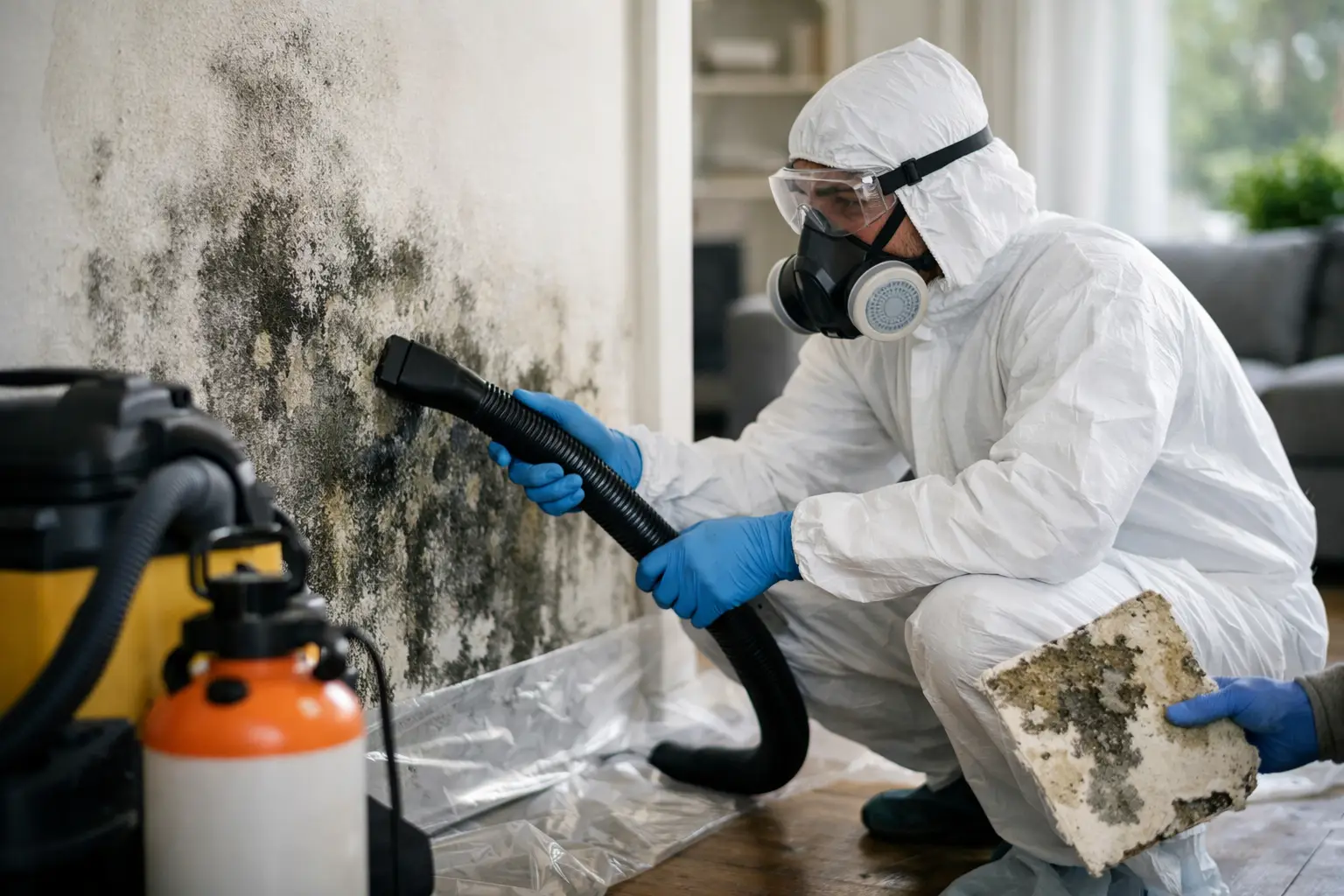 Mold
MoldContainment, removal, and moisture control that stops mold from coming back.
Learn more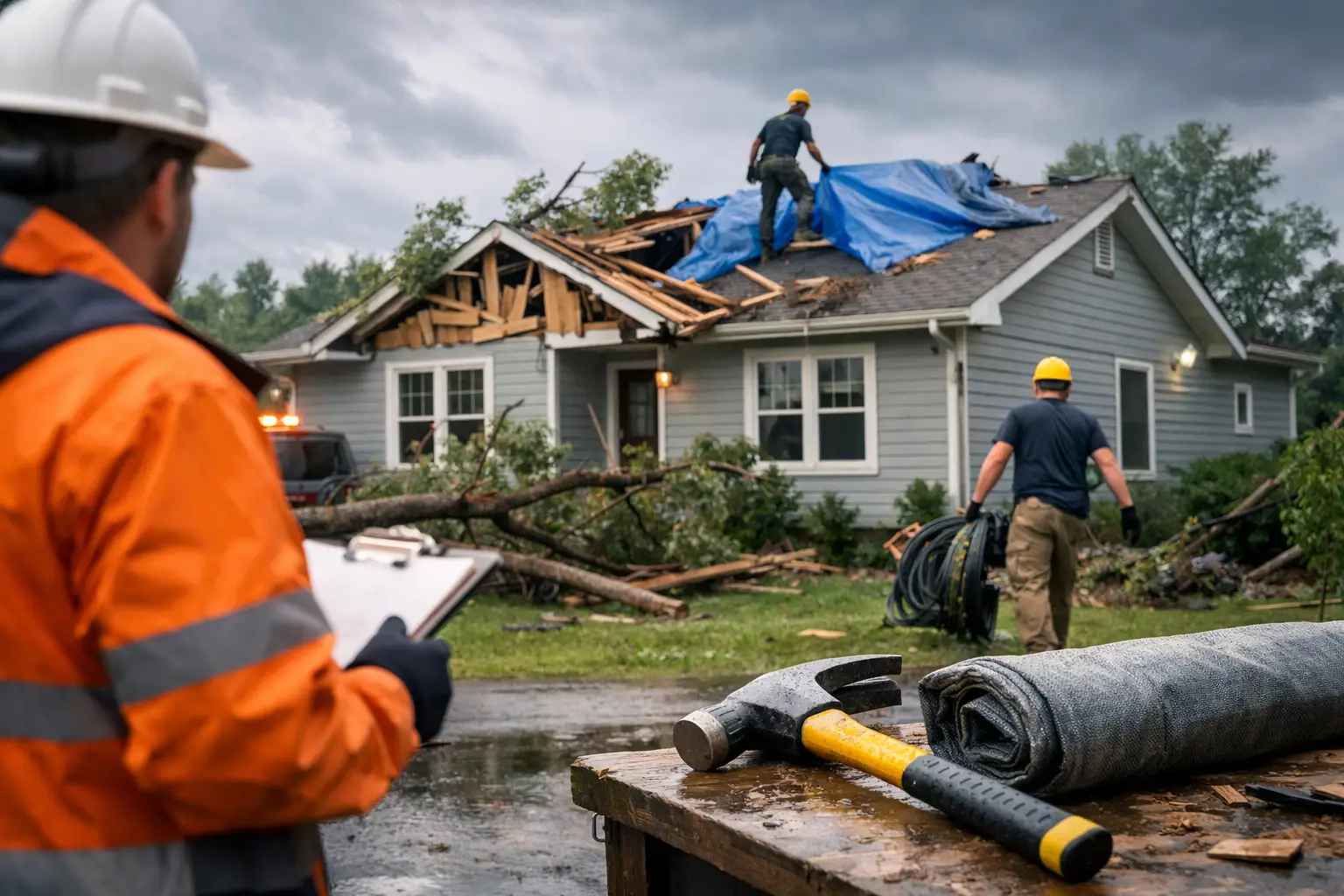 Storm
StormEmergency board-up, roof tarping, and full recovery after wind, hail, and storms.
Learn more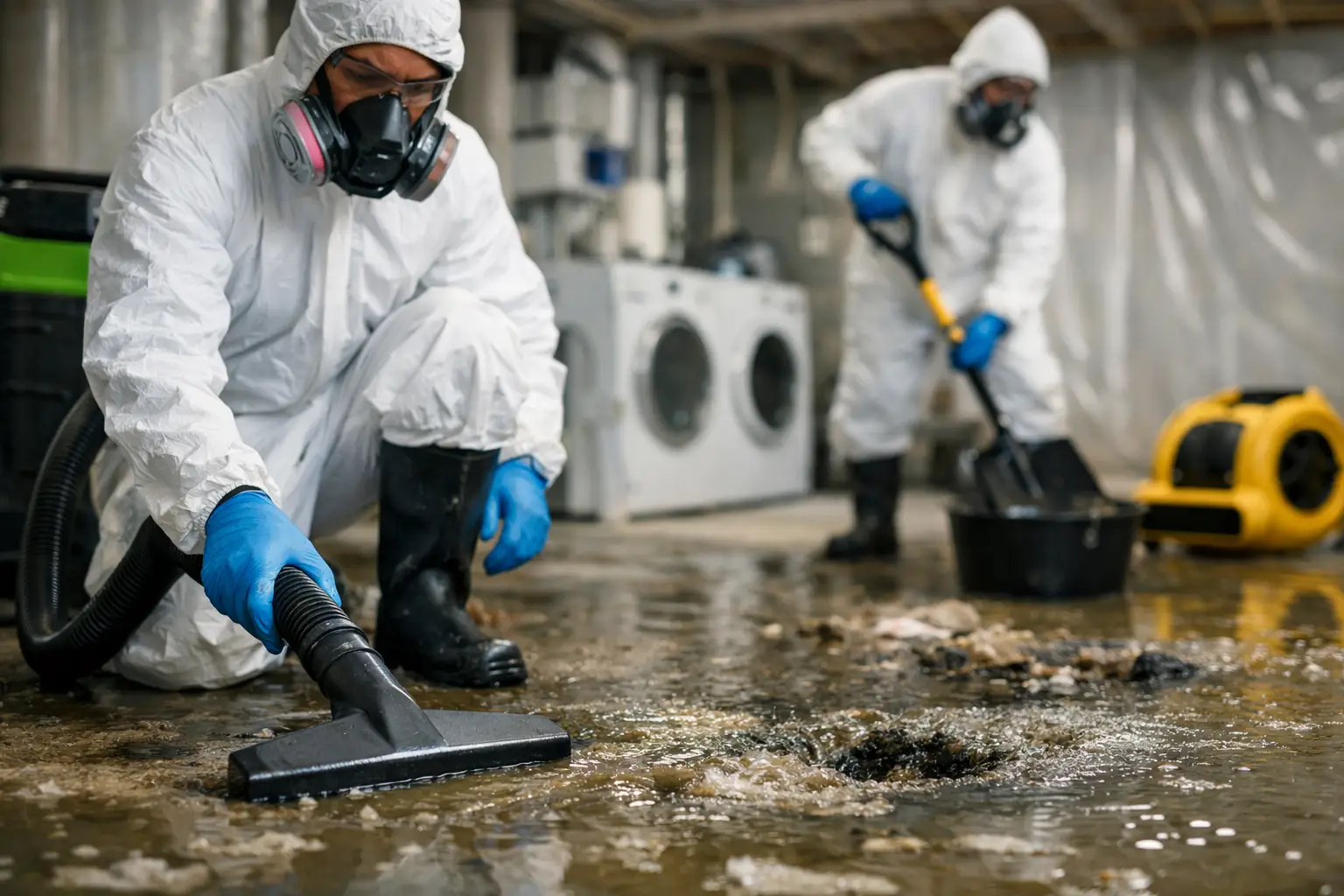 Sewage
Safe biohazard cleanup and sanitizing after sewage backups and overflows.
Learn more Reconstruction
Full rebuild by a licensed general contractor, so your property comes back whole.
Learn moreElevated Operations is an IICRC-certified, licensed general contractor based in Mableton that handles the entire recovery in-house, so after one loss you are never coordinating a cleanup crew, a mold crew, and a contractor separately. One team, one point of contact, from the first pump-out to the final coat of paint.
People call when the property feels like a disaster. They leave reviews because Chris and the crew made it right. These are real, verified Google reviews.
I start with containment, then I clean and remove the contaminated material that cannot be saved. On older College Park homes, especially near the historic district, I am careful with brittle wood, old insulation, and tight access. The goal is fungal growth removal without turning a repairable crawl space into a demolition project.
Moisture causes it, usually from humid air, leaks, drainage problems, or a missing vapor barrier. In College Park’s older housing, the crawl space may stay damp long enough for mold to start fast. Once materials remain wet, mold starts in 24 to 48 hours and spreads quietly under the floor.
Not always, but often enough that I look closely at it. If the crawl space keeps pulling in moisture, encapsulation helps control humidity and protects the floor system. If the source was fixed and the space dries properly, I may recommend a simpler moisture control plan instead.
Yes, because air moves from the crawl space into the living areas through floor openings and duct gaps. In College Park, especially in older houses, mold below the floor can create odor and air quality complaints upstairs. I treat it as a whole-house issue, not an isolated stain.
Call for an inspection quickly. That smell usually means moisture is still entering the crawl space, and waiting lets the problem spread into joists, insulation, and subflooring. I check the source, the vapor barrier, and the visible growth, then decide whether cleanup, drying, or wood treatment is needed.
Yes. I offer direct insurance billing and deductible assistance up to $1,000 when the claim qualifies. If the crawl space damage is covered, I document the loss, explain the findings, and keep the process organized. That matters when the house needs cleanup fast and the owner needs clear records.
I offer 24/7 emergency response with a 60-minute emergency response window. When a College Park homeowner calls about a wet crawl space, I do not wait until the next business day. Mold and water move quickly, so the first visit has to happen before the damage spreads.
I back the work with a 12-month warranty. That warranty matters because crawl space problems are often tied to moisture conditions, not just surface contamination. If the underlying cause is not handled, the issue can return. My job is to clean it, dry it, and stand behind the result.
Elevated Operations dispatches IICRC-certified crews across Metro Atlanta from our Mableton base, with a 60-minute emergency response day or night. Choose your city:
Call now for an immediate response, or request your free inspection and get a certified crew on-site within the hour across Atlanta and nearby areas.