24/7 Emergency Restoration · Serving Metro AtlantaEmergency? (770) 404-6895
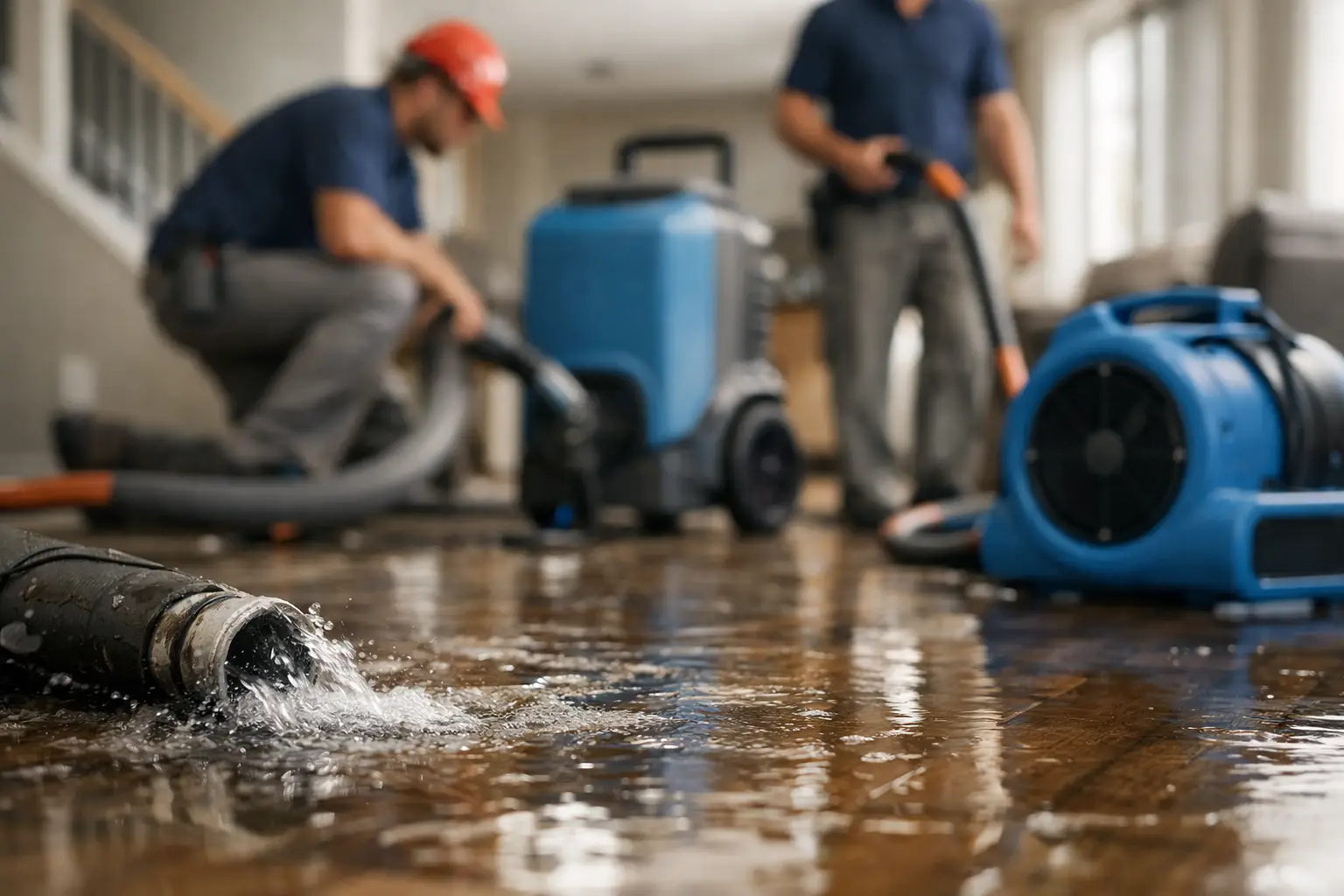
Sewage remediation services Vinings means I move fast on the backup, the contamination, and the moisture that spreads through condos and homes near the Chattahoochee. I am Chris Kwangwari, owner of Elevated Operations, and my team gives you a direct checklist, 24/7 emergency response, and insurance help from the first call.
IICRC-Certified · 5-Star Rated · 60-Minute Response · Insurance Billed Directly
I do, Chris Kwangwari. I run Elevated Operations, LLLP from Mableton and handle restoration work across Cobb and nearby counties.
Yes. Vinings has a lot of upscale condo inventory near the Chattahoochee, and I plan sewage cleanup around shared walls, tight access, and common-area protection.
Yes. I offer direct insurance billing, which helps keep the claim moving while my crew handles the contamination removal and disinfection.
Call (770) 404-6895. I answer 24/7 and send help fast when sewage hits a Vinings property.
Start with safety, then containment. Stay out of the affected area, shut off water if you can do it safely, and call me right away for sewage remediation services. In Vinings condos, shared walls and lower floors make black water spread faster than people expect.
First, stop people and pets from walking through the area. That is how contamination spreads from tile into hallways, carpet edges, closets, and HVAC returns. If the backup is active, I want the water source stopped before anyone starts cleaning.
Second, document the damage for your insurer, but do not drag items through clean rooms. In an upscale Cobb condo near the Chattahoochee, a small toilet backup cleanup can turn into a bigger loss when residents move soaked rugs, furniture, and boxes through shared spaces.
Third, call a licensed restoration contractor who knows biohazard cleanup and direct insurance billing. My team has IICRC-certified technicians, a 60-minute emergency response, and a 12-month warranty, so the first steps are about control, not guesswork.
I handle sewage cleanup, contamination removal, disinfection, sanitization, odor control, and drying after a backup. In Vinings, that usually means assessing the condo layout, removing unsalvageable materials, cleaning hard surfaces, and making sure moisture does not keep feeding a hidden problem.
The job starts with a controlled inspection of the affected rooms, baseboards, flooring, and adjacent areas. Sewage does not stay where you see it. It wicks into trim, under cabinets, and behind walls, especially in condo buildings where water follows the path of least resistance.
Then my crew handles black water remediation with containment and removal of damaged materials. That can include carpet pad, drywall, insulation, and any porous item that cannot be properly cleaned. We do not guess on salvageability, because one bad decision can leave odor and contamination behind.
After removal, we clean, disinfect, and deodorize the space using a process built for biohazard cleanup. I also handle direct insurance billing and deductible assistance up to $1,000 when eligible, because the paperwork should not slow down the actual recovery.
Yes, if sewage entered the living space, remediation is necessary. Even a brief toilet backup cleanup can leave contamination, odor, and moisture in Vinings condos, and that is not something I recommend trying to cover with household cleaners or a fan.
Sewage is a biohazard, not just a stain. In a condo, the problem can move through grout lines, under LVP edges, and into wall cavities where you cannot see it. The Chattahoochee-side setting does not change that, but it does mean many properties sit close together.
I see people try to mop it up and call it done. That is the wrong move. Sanitization after sewage has to be thorough, or you keep living with odor control problems and hidden contamination that can come back when humidity rises.
If the backup reached carpet, pad, drywall, or insulation, remediation is not optional. My team has been in restoration since 2007, and I have learned that speed matters most when the goal is to protect structure, indoor air, and the residents who live there.
Some sewage damage can be sanitized, but porous materials usually need removal. In Vinings, I look at what was touched, how long it sat, and whether contamination entered padding, drywall, or wood trim before deciding what stays and what goes.
Hard, nonporous surfaces can often be cleaned, disinfected, and sanitized if the contamination was caught quickly. That includes sealed tile, certain countertops, and some fixtures. The problem is that surface cleaning does not solve what soaked underneath or spread into seams.
Porous materials are a different story. Carpet pad, insulation, and saturated drywall often hold contamination and odor even after washing. In those cases, contamination removal is the safe call, especially in condo settings where shared ventilation can spread smells and fine residues.
I do not oversell salvage. I look at the material, the exposure, and the building layout. That is how I keep the process practical in Vinings, where a small cleanup in one unit can affect neighboring spaces if the work is incomplete.
Remove anything porous or too damaged to disinfect fully. In Vinings, that often means carpet pad, wet drywall, insulation, baseboard sections, and heavily contaminated personal items. The rule is simple, if it cannot be cleaned all the way through, it should go.
I start with materials that trap waste and moisture. Carpet pad is usually the first thing to go, and drywall may follow if sewage has wicked above the floor line. Wood trim can sometimes be saved, but only if exposure was limited and the material is still structurally sound.
Personal property needs the same straight answer. Cardboard, upholstered items, and paper goods can absorb contamination fast. In a condo near the Chattahoochee, people often try to save storage items from closets or laundry areas, but those items can carry odor long after the visible mess is gone.
I also look for hidden removal points, like toe-kicks, vanity bases, and cabinet bottoms. If contamination reached them, they may need to come out before disinfection can actually work. That is how I keep the repair honest instead of cosmetic.
I handle odor control by removing the source, drying the space, and disinfecting what remains. In Vinings, sewage odors often linger in condos because air moves through compact floor plans, so I focus on the contaminated material first, not just masking smells.
If odor is still present, something is still wrong. That could be trapped moisture, hidden waste in a cavity, or porous material that should have been removed. I do not treat odor as a separate cosmetic issue, because in sewage work the smell is usually a symptom.
The process has to be physical, not scented. My crew removes contaminated materials, dries the affected area, and completes disinfection so the source of the odor is addressed. That matters in upscale Cobb properties, where residents expect clean air and finished surfaces to stay that way.
Condos make odor control harder because neighboring units, chases, and shared systems can spread what you smell. I work from the source outward, and I keep the scope tight so you are not paying for theatrics when the real fix is removal and cleanup.
Keep kids, pets, and guests away from the affected rooms. In a Vinings condo, that also means avoiding shared hallways with wet shoes, towels, or boxes.
Shut off the source only if you can do it without exposure. A toilet backup cleanup or sewer line issue should never be handled by reaching through sewage.
I answer sewage remediation services calls around the clock, because contamination gets worse while you wait. My Mableton base keeps me close to Vinings and the rest of Cobb.
Take photos, but do not start hauling furniture through clean rooms. That protects your claim and keeps contamination from spreading into the rest of the unit.
I offer direct insurance billing and deductible assistance up to $1,000 when eligible, so you can focus on cleanup instead of chasing paperwork.
From emergency mitigation to full reconstruction, handled in-house so you are never managing a chain of subcontractors mid-crisis.
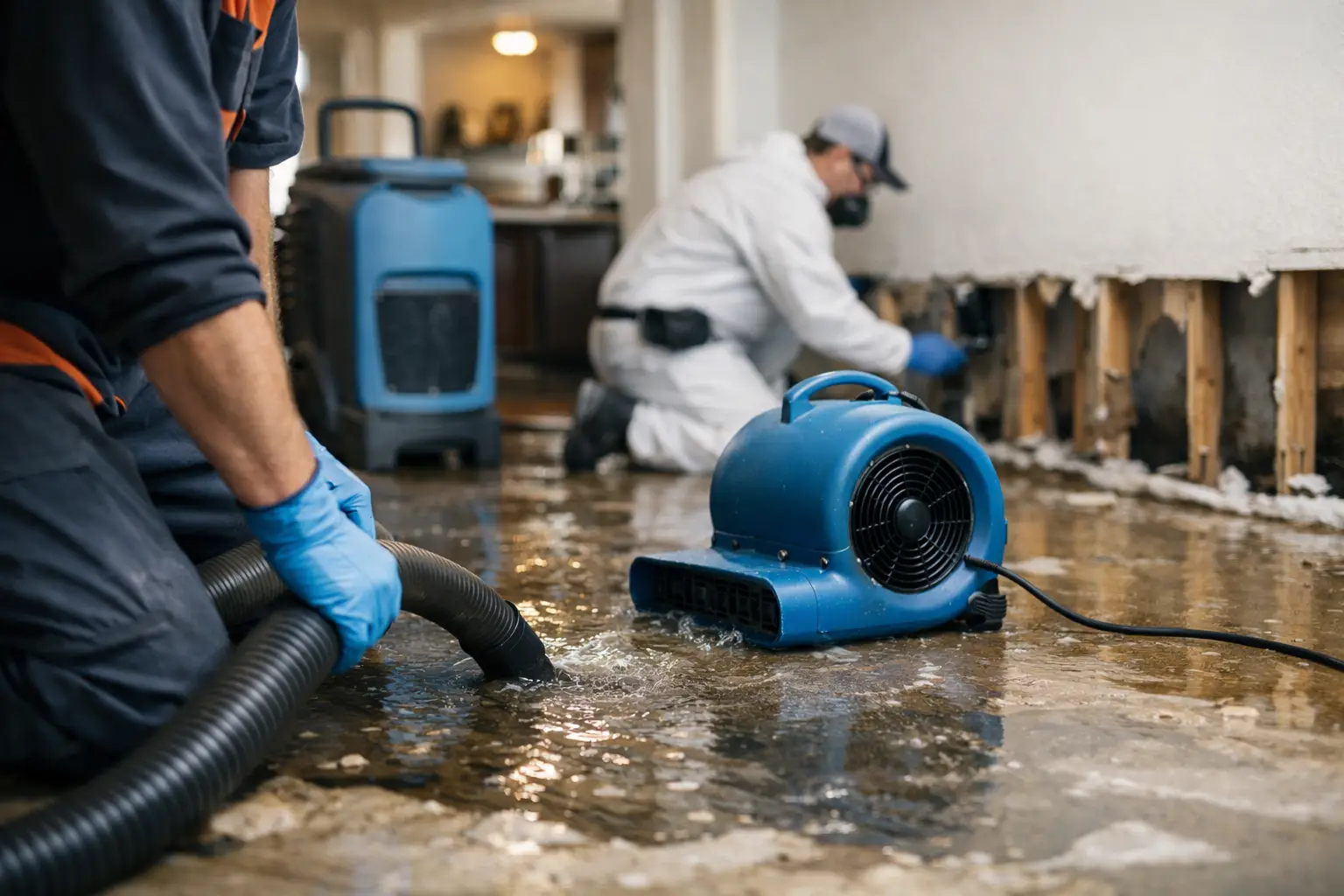 Water Damage
Extraction, structural drying, and moisture mapping after floods, leaks, and burst pipes.
Get help now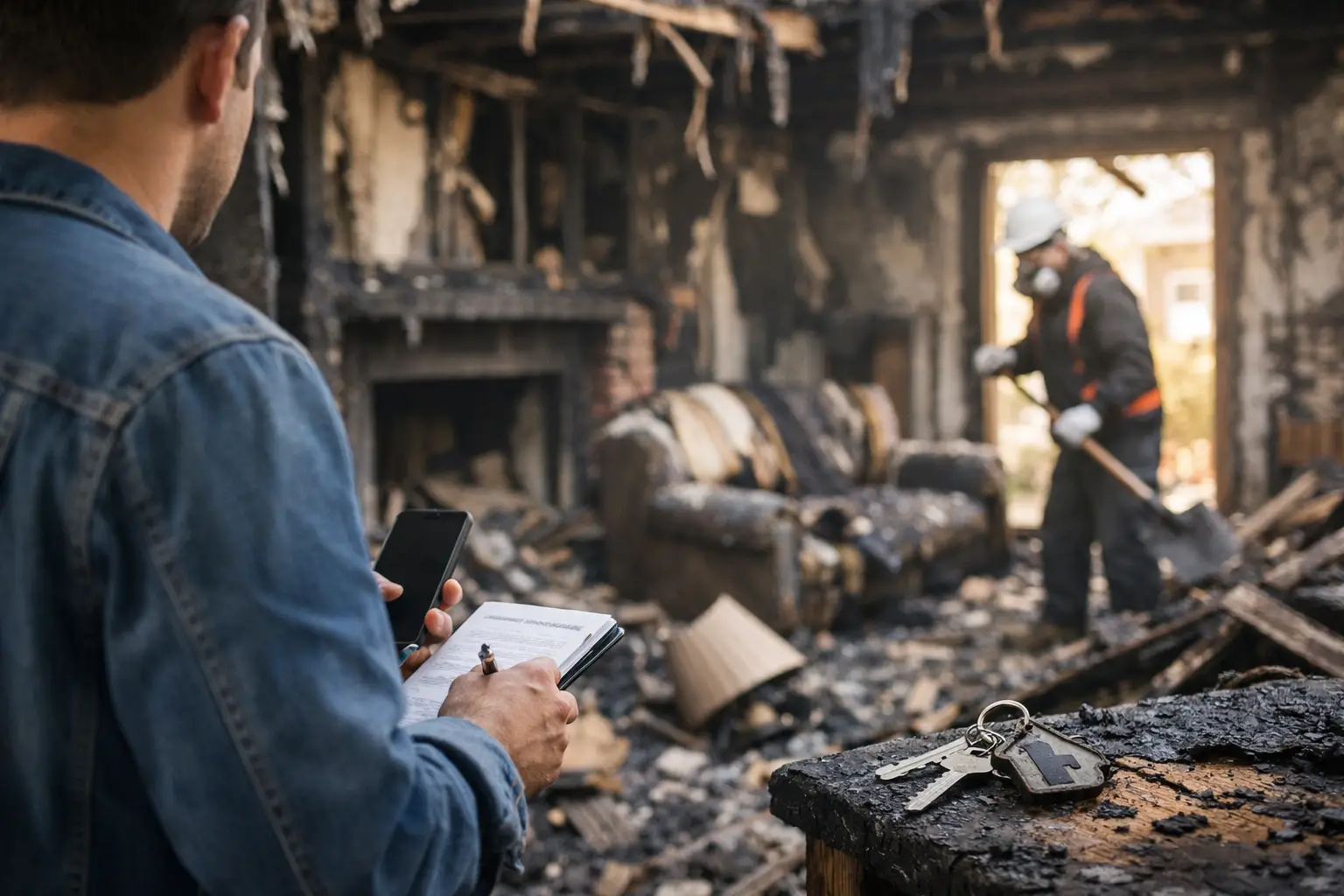 Fire & Smoke
Soot removal, odor deodorization, and content cleaning after fire and smoke damage.
Learn more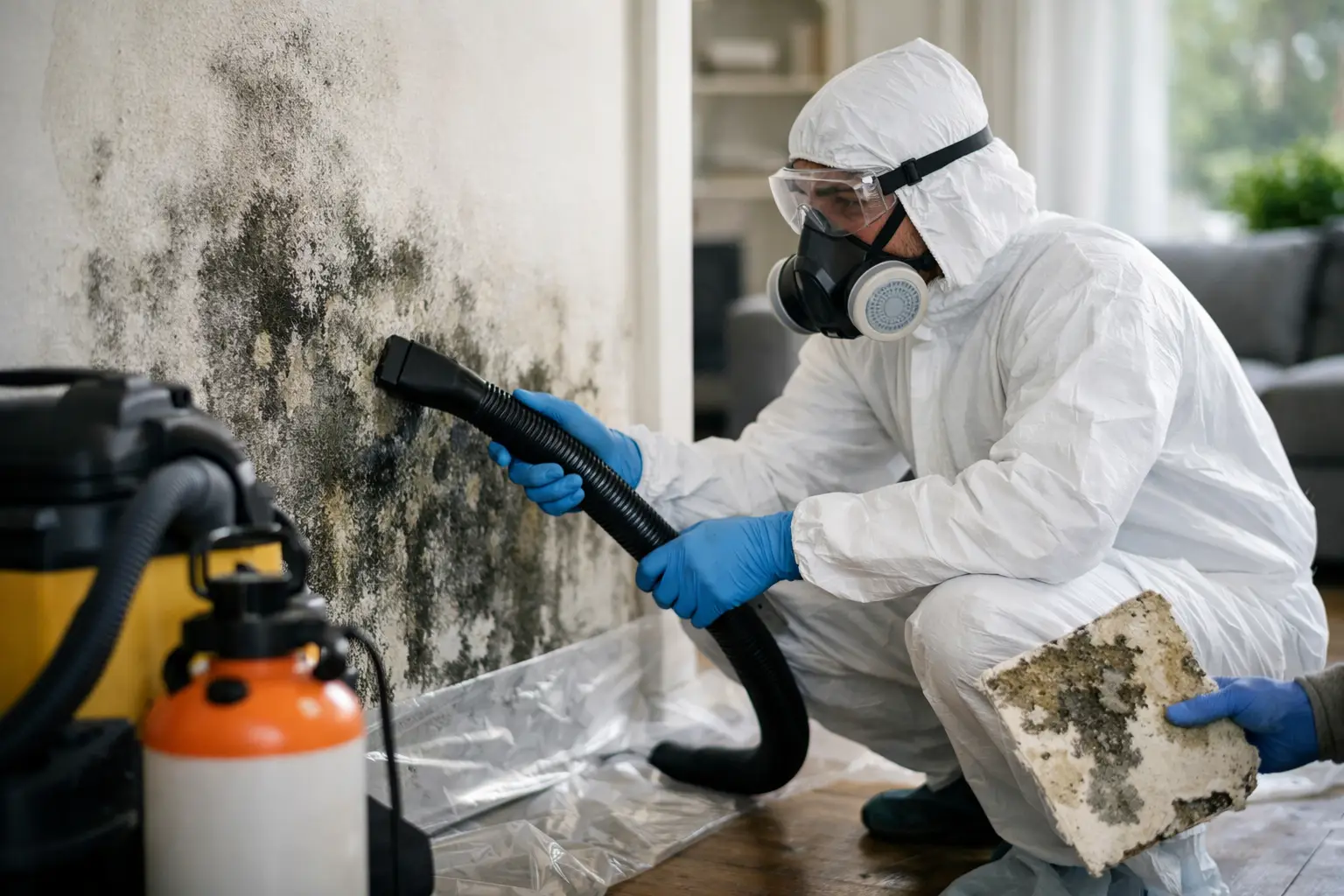 Mold
MoldContainment, removal, and moisture control that stops mold from coming back.
Learn more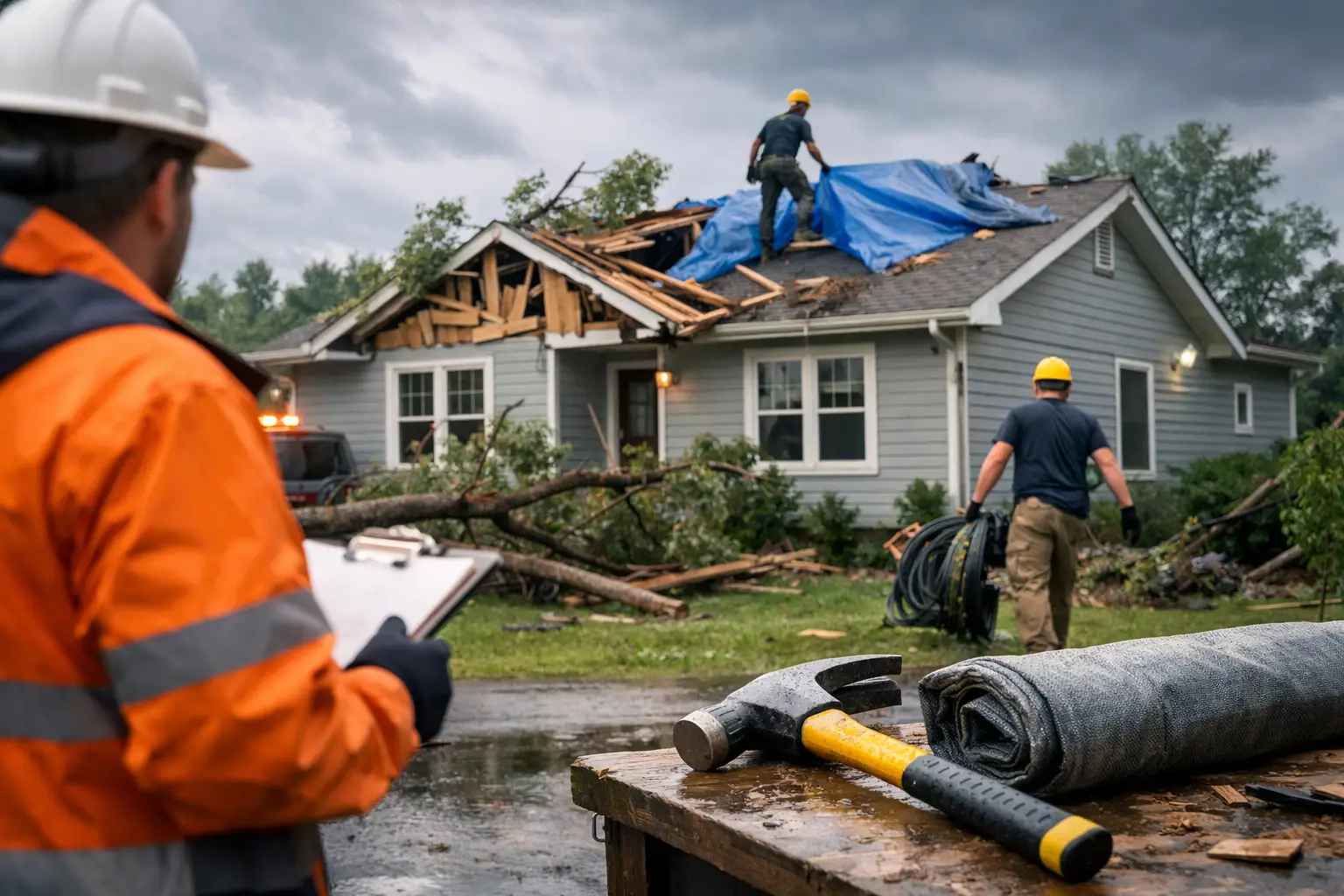 Storm
StormEmergency board-up, roof tarping, and full recovery after wind, hail, and storms.
Learn more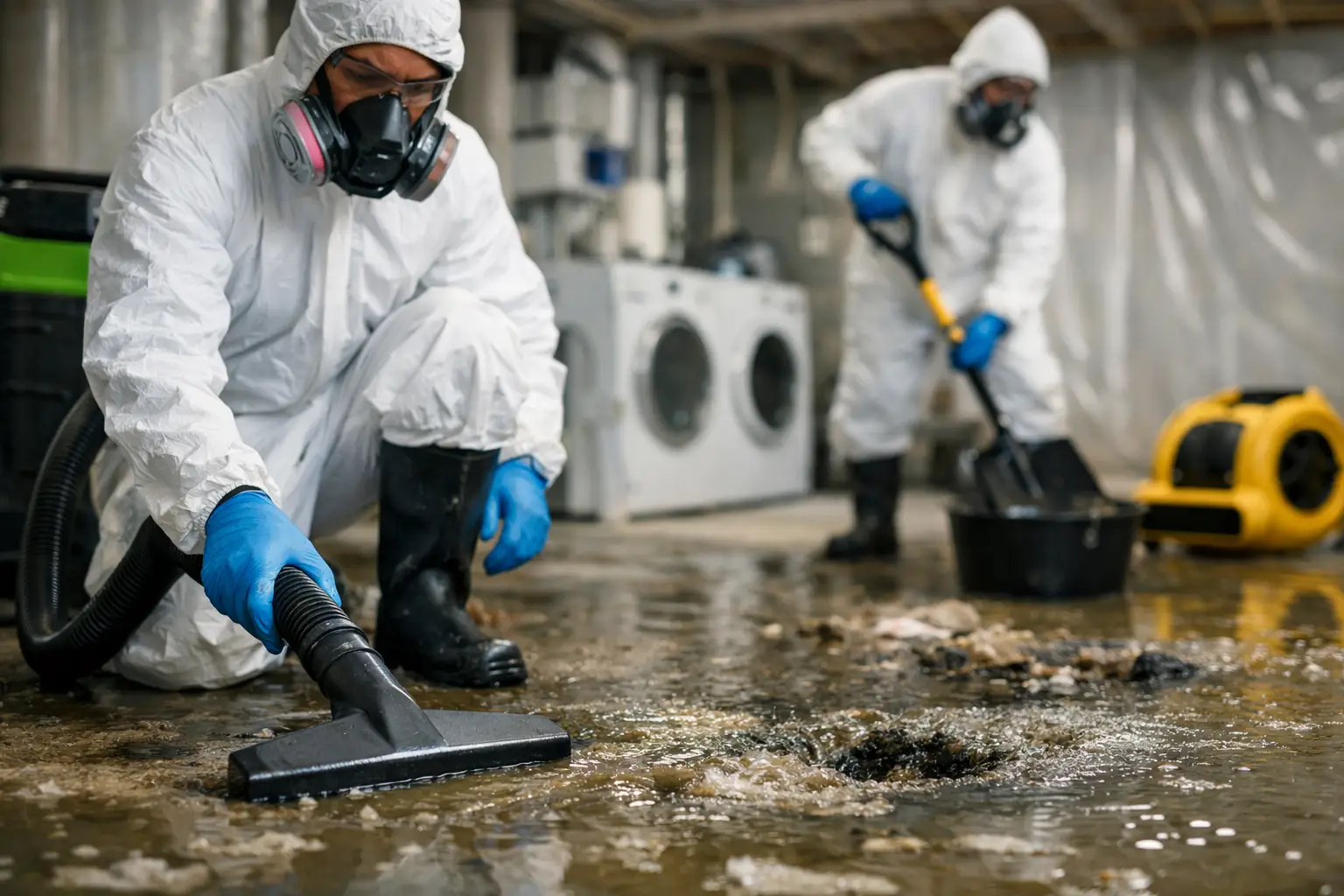 Sewage
Safe biohazard cleanup and sanitizing after sewage backups and overflows.
Learn more Reconstruction
Full rebuild by a licensed general contractor, so your property comes back whole.
Learn moreElevated Operations is an IICRC-certified, licensed general contractor based in Mableton that handles the entire recovery in-house, so after one loss you are never coordinating a cleanup crew, a mold crew, and a contractor separately. One team, one point of contact, from the first pump-out to the final coat of paint.
People call when the property feels like a disaster. They leave reviews because Chris and the crew made it right. These are real, verified Google reviews.
I offer 60-minute emergency response 24/7, and that matters when sewage hits a condo or townhome near the river corridor. The longer black water sits, the farther it moves into flooring and trim. I move quickly, then I document the damage and start the right cleanup path.
Most do, because sewage cleanup involves biohazard cleanup, disinfection, and proof that contaminated materials were handled correctly. In condo buildings, shared walls and common areas raise the stakes. I provide IICRC-certified work, direct insurance billing, and a clean scope that helps owners and associations stay aligned.
Condos change the workflow. Water can travel under shared thresholds, through mechanical chases, and into adjacent spaces faster than in a detached home. In Vinings, I pay close attention to containment, odor control, and what needs removal so neighboring units are not affected by incomplete cleanup.
Sometimes, but only if the contaminated area is isolated and the work is contained. If sewage reached living spaces, you may need to avoid the area while we complete sewage cleanup and drying. I decide that based on exposure, airflow, and what materials were damaged.
Those materials often need removal because they absorb waste and moisture. I look at how far the contamination traveled, then decide what can be cleaned and what must come out. That approach prevents lingering odor and lowers the chance of hidden contamination in the wall or subfloor.
I photograph the source, affected areas, and removed materials, then I work with your carrier through direct insurance billing. That keeps the claim organized and reduces back-and-forth. If eligible, I can also help with deductible assistance up to $1,000, which many owners find useful.
Yes, my technicians are IICRC-certified, and I have been in restoration since 2007. That matters on sewage jobs because sanitization, disinfection, and contamination removal all have to happen in the right order. A surface wipe is not enough when sewage has entered porous material.
I back my work with a 12-month warranty. If sewage damage was handled correctly, the cleaned area should stay clean and usable. My job is to remove the source, finish the remediation properly, and leave you with documented work from a licensed general contractor.
Elevated Operations dispatches IICRC-certified crews across Metro Atlanta from our Mableton base, with a 60-minute emergency response day or night. Choose your city:
Call now for an immediate response, or request your free inspection and get a certified crew on-site within the hour across Atlanta and nearby areas.




