24/7 Emergency Restoration · Serving Metro AtlantaEmergency? (770) 404-6895
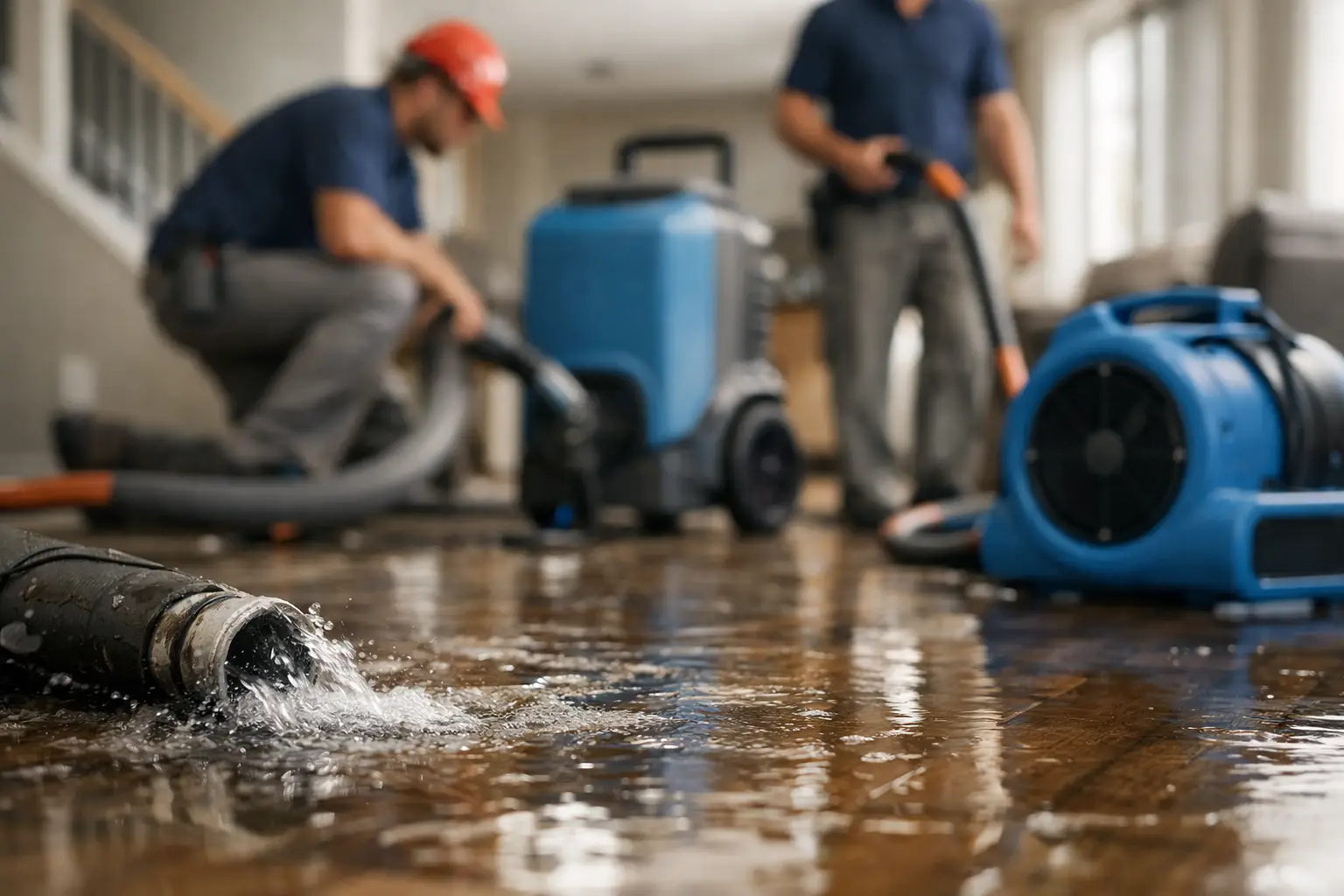
A disaster reconstruction contractor in Hiram does more than clean up damage, I handle the rebuild side when water, mold, or storm loss pushes a home past simple drying. In the Paulding retail corridor and newer subdivisions, that usually means deciding between repair, replacement, or full property reconstruction before the problem spreads.
IICRC-Certified · 5-Star Rated · 60-Minute Response · Insurance Billed Directly
I handle the cleanup-to-rebuild handoff so you do not get stuck managing separate companies.
If mold has spread into hidden materials, I usually recommend removal and rebuild, not a cosmetic patch.
DIY works for small, obvious messes. Once structure or mold is involved, bring in a licensed contractor.
I compare restoration and replacement side by side, then tell you which one fits the damage.
I handle the rebuild after damage, from structural repairs to drywall installation, flooring replacement, and full rebuild work when repair is the right call. In Hiram, that matters when homes near the Paulding retail corridor or newer subdivisions need both cleanup judgment and licensed reconstruction work from one company.
My job starts where the damage is already clear. If water hit a wall, floor, or ceiling, I look at what can be saved and what has to come out. That includes roof repair, framing repair, and property reconstruction when the structure is no longer sound.
And I do not treat every loss the same. Some houses need targeted repair. Others need demolition and replacement because the wet materials stayed compromised too long. Mold starts in 24 to 48 hours, so speed matters when a small leak turns into a bigger rebuild.
Hiram has a mix of newer subdivisions and busy retail traffic nearby, so I see the same pattern often, a leak ignored for a weekend becomes a bigger project by Monday. IICRC-certified technicians, direct insurance billing, and a licensed general contractor matter in that moment.
Restoration makes sense when the structure is still sound and the materials are salvageable. Replacement makes sense when moisture, rot, or mold has already taken hold. In Hiram, I compare both side by side so you do not spend money repairing parts that should come out now.
Restoration is the lighter move. Drying, cleaning, selective demolition, and repair can save time and reduce disruption when the damage is caught early. That works well in newer subdivisions where the build is newer and the affected area is limited to one room or one section.
Replacement is the harder truth, but it is sometimes the right one. If drywall installation is only hiding damaged studs, or flooring replacement is the only way to stop odors and warping, I say replace it. Guessing wrong wastes money and delays the real fix.
But the location matters too. In and around the Paulding retail corridor, many homes see repeated traffic, utility wear, and storm exposure. When the damage reaches framing repair or structural repairs, I stop talking about patching and start talking about property reconstruction.
You need reconstruction when cleanup alone cannot make the building safe, dry, or usable again. If structural repairs, framing repair, roof repair, or a full rebuild are required, I move past mitigation and into reconstruction. That is the line I use on Hiram projects.
There is a clear cutoff. If the damage is cosmetic, restoration may be enough. If the damage affects load-bearing parts, repeated moisture exposure, or multiple finishes at once, reconstruction is the better call. I look at the whole assembly, not just the visible stain.
A lot of Hiram homes do not need everything torn out, but some do need more than a patch. When a leak travels from roof repair into insulation, drywall, and flooring replacement, the real issue is the chain of damage, not the stain on the ceiling.
I give the same answer whether the home sits near a newer subdivision or closer to the retail corridor. If the building cannot be made whole with simple repair, I recommend property reconstruction. That is the honest line, and it saves you from paying twice.
Yes, one contractor can handle both when the company is licensed, organized, and experienced in restoration and reconstruction. I do both sides under Elevated Operations, LLLP, so Hiram homeowners do not have to coordinate cleanup crews, insurance paperwork, and separate rebuild trades.
That single-contractor approach matters after water or mold damage because handoffs create delays. Cleanup crews may dry the space, then another company has to come in later for framing repair or drywall installation. I keep the process tied together so the project does not drift.
And yes, direct insurance billing helps there too. I already know the restoration side and the reconstruction side, so the estimate can reflect the real scope instead of a patchwork of disconnected trades. That matters on insurance jobs in fast-moving neighborhoods.
For Hiram property owners, the advantage is simple. You get one point of contact, one licensed general contractor, and one plan from the first emergency response through the final rebuild. That is cleaner than chasing three companies when the house already has enough stress.
Water damage is the trigger, mold is often the consequence when moisture stays in place too long. In Hiram, I compare them by timing and scope, because water can be handled fast, while mold means hidden contamination, demolition, and stricter rebuild decisions.
Water damage usually starts with a leak, overflow, or storm entry. If I get there fast, I can focus on drying, cleanup, and repair before materials fail. Mold changes the conversation because it means moisture was present long enough for growth to start.
That timing matters in newer subdivisions where finishes look fine for a day or two and then fail later. A ceiling may still look intact while the insulation and drywall behind it are already compromised. That is why I push fast inspection and fast response.
Mold does not wait, and neither should the rebuild plan. If the damage has crossed into mold, I look harder at demolition, replacement, and property reconstruction. Water damage can often be reduced. Mold damage usually has to be removed correctly, not disguised.
Compare risk, scope, and what is hidden. DIY can handle small cleanup jobs, but once the damage reaches framing, electrical concerns, or mold risk, a pro is the safer choice. In Hiram, I see DIY turn a small loss into a larger rebuild too often.
A homeowner can mop water, move contents, and start basic drying. That is not the same as knowing whether the subfloor, wall cavity, or roof assembly is still damaged. The visible surface is only part of the problem, and it can lie to you.
I also see people stop too early. They clean what they can see, then assume the home is fine. But if moisture is trapped, mold starts in 24 to 48 hours. That is why IICRC-certified technicians matter on the jobs where the stakes are higher.
In Hiram, the comparison is usually simple. DIY is for a small, obvious mess. A professional disaster reconstruction contractor is for hidden damage, structural repairs, and situations where the cleanup and rebuild need to be coordinated correctly from the start.
| Typical Trigger | Water Damage Restoration | Mold Remediation |
|---|---|---|
| Water damage under a newer subdivision bathroom floor | Restore if the subfloor is dryable and flooring replacement is limited to one area | Replace if moisture sat long enough for hidden growth under the floor |
| Roof leak near the Paulding retail corridor after a storm | Repair if roof repair and drywall installation can stop the spread early | Reconstruction if insulation, framing repair, and affected finishes are contaminated |
| Repeated leak in a living room wall | Restore if damage is recent and isolated to surfaces | Full rebuild if odor, staining, and hidden growth point to deeper property reconstruction |
From emergency mitigation to full reconstruction, handled in-house so you are never managing a chain of subcontractors mid-crisis.
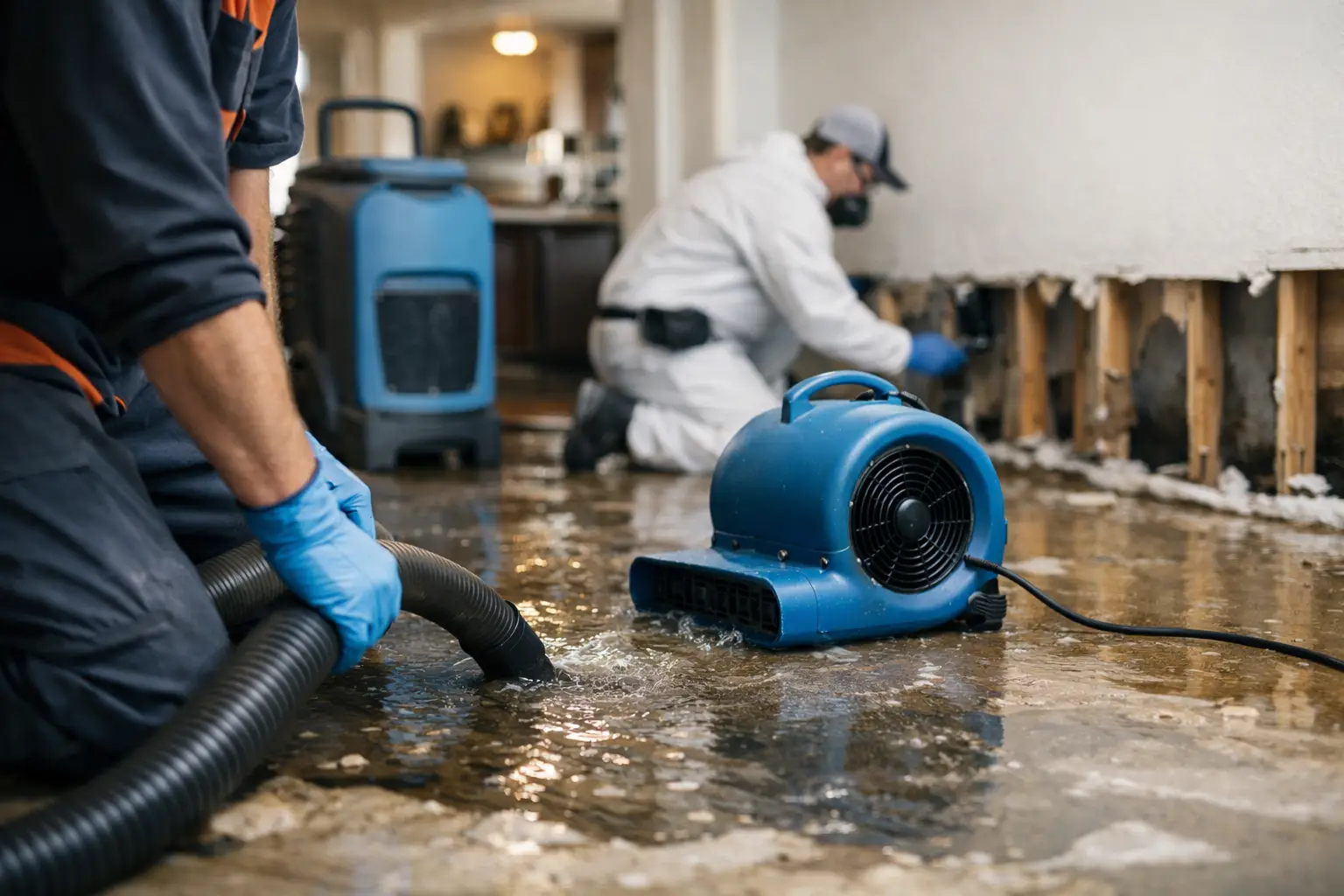 Water Damage
Extraction, structural drying, and moisture mapping after floods, leaks, and burst pipes.
Get help now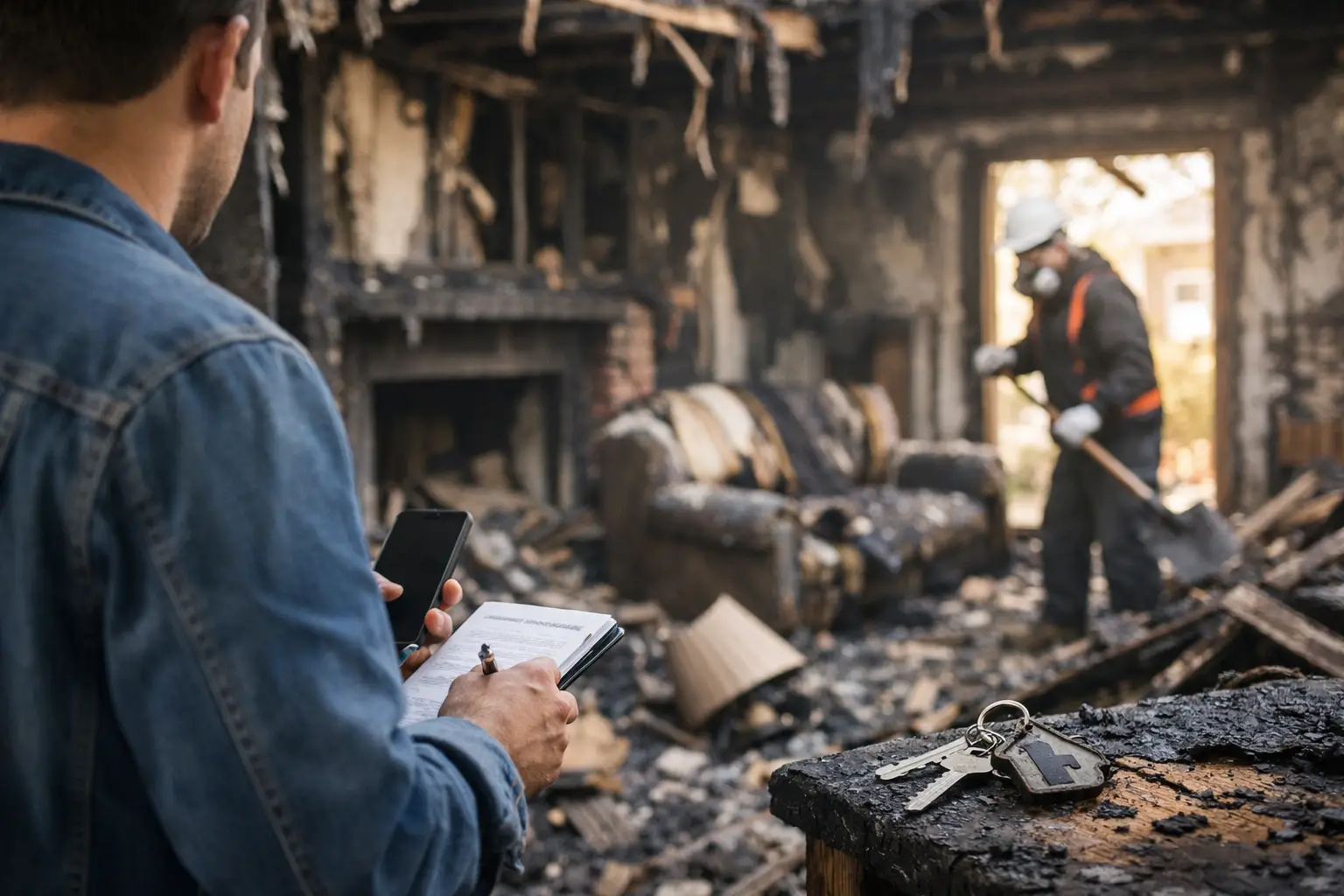 Fire & Smoke
Soot removal, odor deodorization, and content cleaning after fire and smoke damage.
Learn more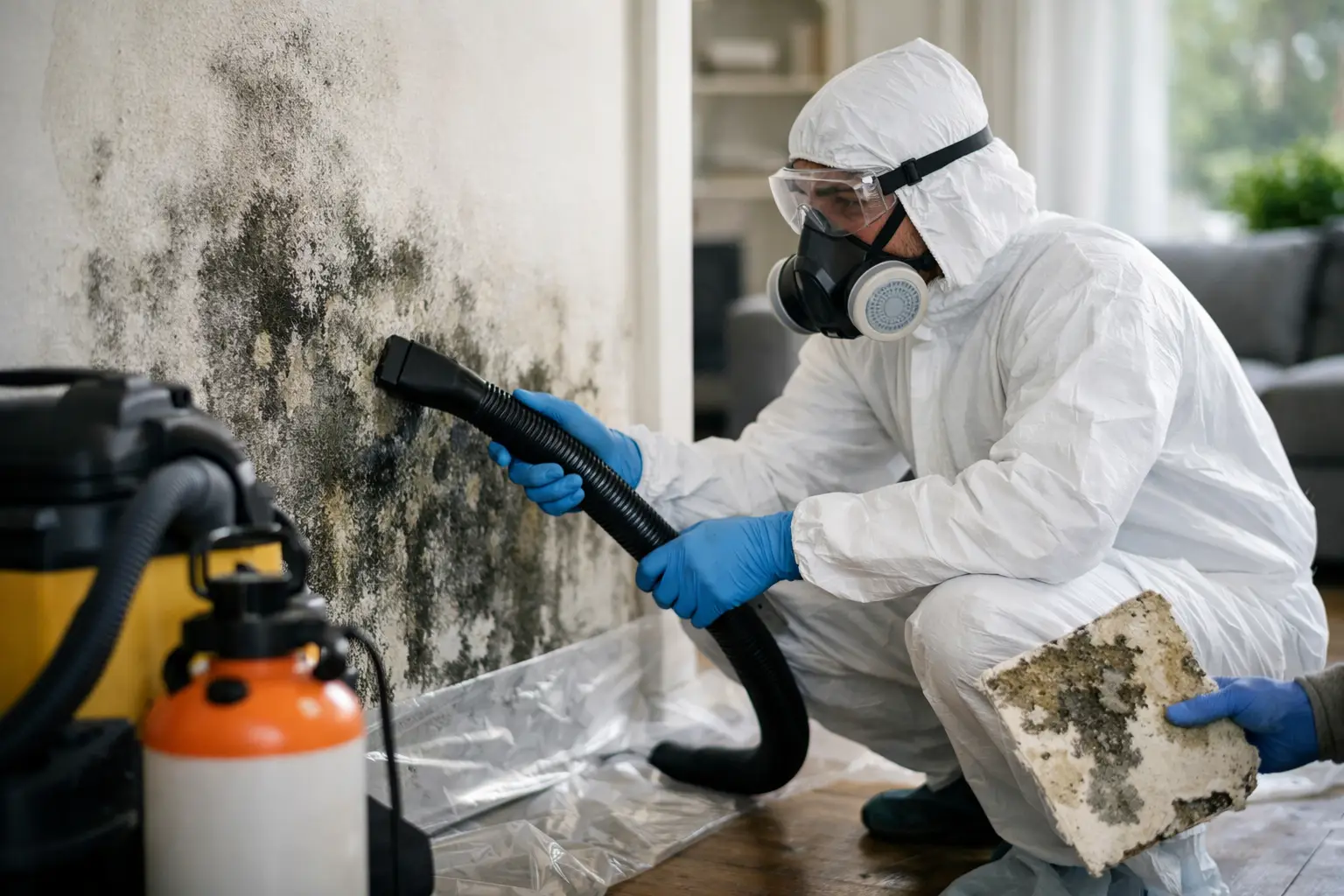 Mold
MoldContainment, removal, and moisture control that stops mold from coming back.
Learn more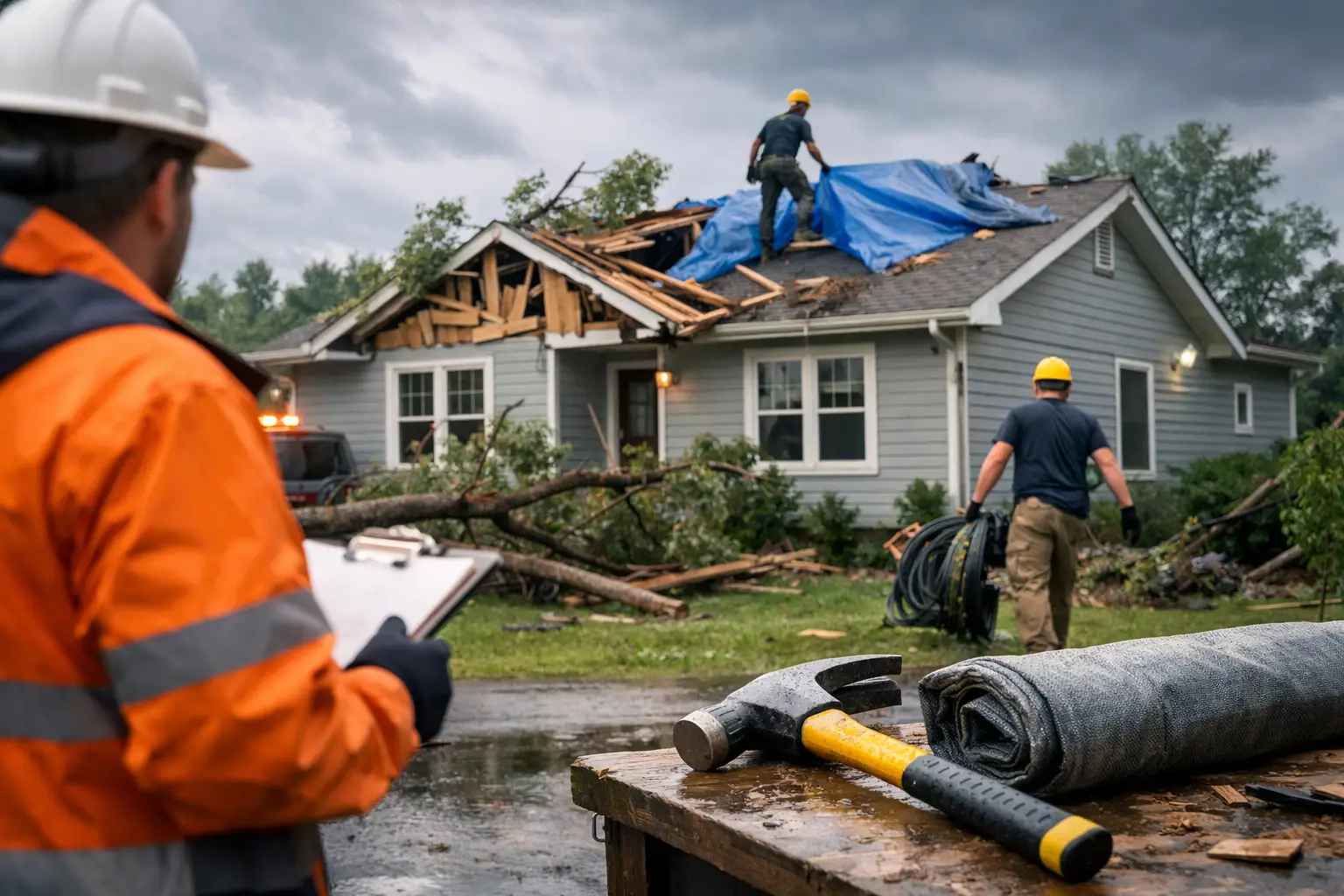 Storm
StormEmergency board-up, roof tarping, and full recovery after wind, hail, and storms.
Learn more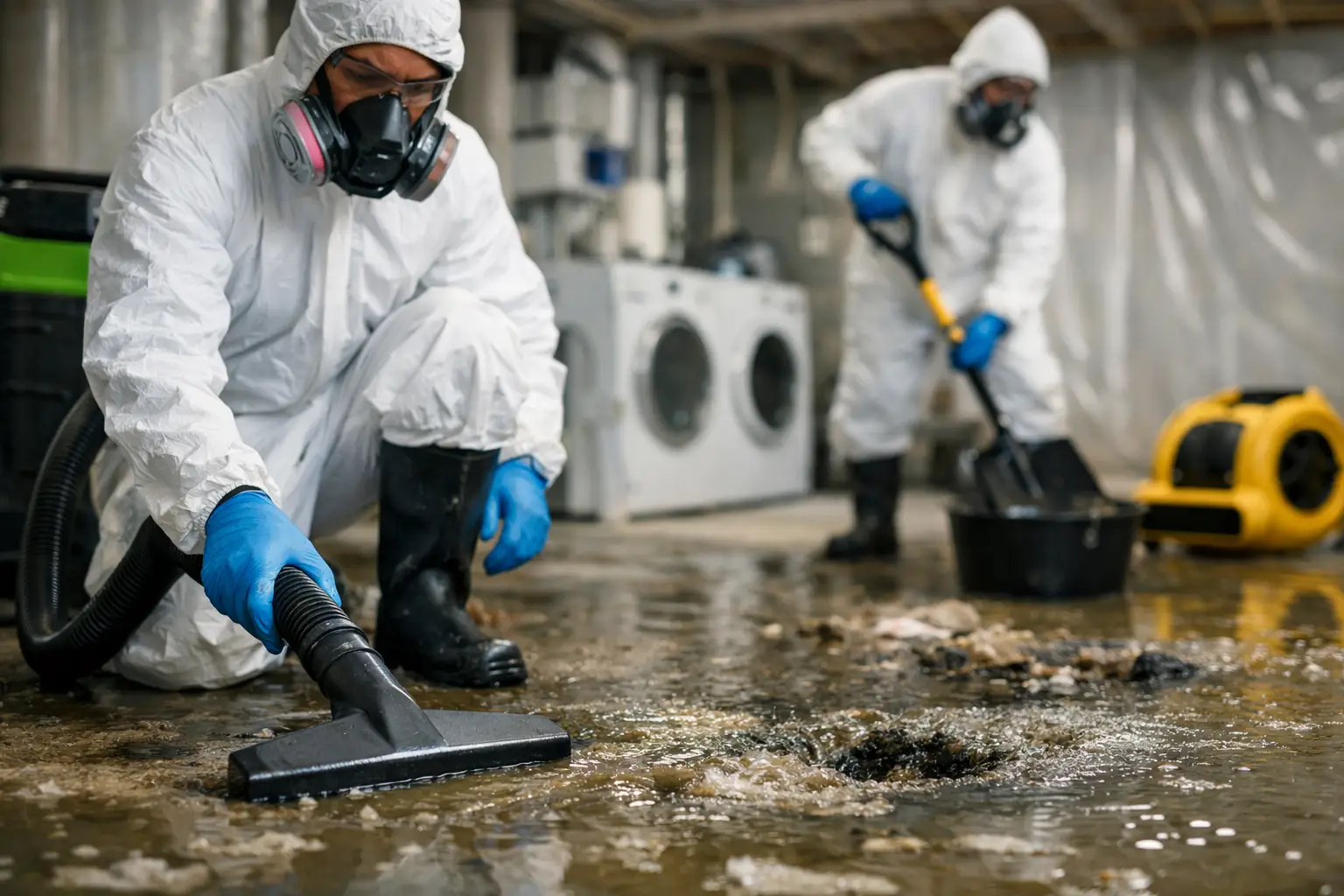 Sewage
Safe biohazard cleanup and sanitizing after sewage backups and overflows.
Learn more Reconstruction
Full rebuild by a licensed general contractor, so your property comes back whole.
Learn moreElevated Operations is an IICRC-certified, licensed general contractor based in Mableton that handles the entire recovery in-house, so after one loss you are never coordinating a cleanup crew, a mold crew, and a contractor separately. One team, one point of contact, from the first pump-out to the final coat of paint.
People call when the property feels like a disaster. They leave reviews because Chris and the crew made it right. These are real, verified Google reviews.
If the damage is limited to shingles, flashing, or a small leak path, roof repair may be enough. If water reached framing, insulation, or multiple rooms, I start thinking about structural repairs and possible full rebuild work. The real test is not the roof stain, it is how far the moisture traveled.
Drywall installation is a repair when the wall cavity is dry, clean, and the structure behind it stayed sound. It becomes reconstruction when the wall needs framing repair, mold removal, or adjacent flooring replacement. I look at the hidden materials first, because the new surface should never cover old damage.
Yes. I use direct insurance billing on covered restoration and reconstruction jobs, which keeps the process cleaner for homeowners who are already dealing with damage. That matters when a claim includes cleanup, structural repairs, and rebuild work. You do not need to juggle every invoice by yourself while the house is open.
When the job qualifies, I can help with deductible assistance up to $1,000. I do not use that as a sales trick, I use it to reduce friction when a homeowner is facing a real loss. If the scope includes water damage or reconstruction, I explain the option plainly before work starts.
Water damage is the original event, mold is the later condition that can follow if the material stayed wet too long. The cleanup changes because mold often means hidden demolition, containment, and more replacement. If the leak was recent, restoration may work. If growth has started, I lean harder toward rebuild decisions.
Yes, if the company is set up for both restoration and reconstruction. I am, through Elevated Operations, LLLP. That means one plan, one licensed general contractor, and less waiting between demolition, drying, and rebuild work. On a damaged home, fewer handoffs usually means fewer mistakes and faster progress.
If the flooring only saw surface water and dried fast, restoration may save it. If cupping, swelling, odor, or mold are present, flooring replacement is usually smarter. I compare the floor to the subfloor, not just the finish. A clean-looking floor can still hide damage underneath.
I look for damage that affects the building, not just the room. That includes framing repair, roof repair, sagging surfaces, and signs the structure lost integrity. If the issue is more than cosmetic, I recommend the right path, whether that is selective repair or full property reconstruction. I do not pad it.
Elevated Operations dispatches IICRC-certified crews across Metro Atlanta from our Mableton base, with a 60-minute emergency response day or night. Choose your city:
Call now for an immediate response, or request your free inspection and get a certified crew on-site within the hour across Atlanta and nearby areas.