24/7 Emergency Restoration · Serving Metro AtlantaEmergency? (770) 404-6895
Fire damage restoration Douglasville means more than cleaning what burned. I treat it as a full recovery process, from debris removal and smoke odor removal to structural repair, so Douglasville homeowners know what gets saved, what gets removed, and what has to be rebuilt after a fire.
IICRC-Certified · 5-Star Rated · 60-Minute Response · Insurance Billed Directly
It starts with safety, damage assessment, and stabilization, then moves into debris removal and cleaning. In Douglasville, I also check for smoke travel through the HVAC system.
If odor returns after wiping surfaces, it is usually embedded in porous materials or hidden cavities. Around Dog River reservoir, humidity can make that smell cling even longer.
Some can, especially hard items and select keepsakes. Content cleaning works best when the items are handled early and the residue has not been baked in by heat.
I do, through Elevated Operations, LLLP. I am owner Chris Kwangwari, a licensed general contractor, and my team has been in restoration since 2007.
Fire damage restoration is the process of cleaning, stabilizing, and rebuilding a home after fire, smoke, heat, and water from suppression damage it. In Douglasville, that often means working on subdivision homes off I-20 and checking builder-grade materials that absorb smoke fast.
I explain fire damage restoration as a sequence, not a single task. First comes inspection and safety, then debris removal, soot removal, odor control, drying if water was used, and structural repair if framing, drywall, or finishes were heat damaged.
Douglasville homes near I-20 often have the same pattern after a kitchen fire or electrical event, smoke in the attic, staining in hallways, and residue on HVAC returns. That is why I look beyond the burn area and study how smoke traveled through the house.
And the Dog River reservoir matters here too. Homes in that part of Douglas County may deal with humidity after the fire is out, which can make soot cling harder and make odor settle into cabinets, insulation, and trim. Restoration has to account for that.
Fire damage spreads past what you can see because heat, smoke, and corrosive residue move through a house fast. In Douglasville, subdivision layouts, attached garages, and builder-grade finishes can hide damage in attics, wall cavities, and HVAC systems long after the flames are out.
A fire rarely stays local. Smoke follows air paths, so it moves into closets, returns, insulation, and even second-floor rooms. That is why a home can look salvageable at first and still need major cleanup once the soot pattern is mapped correctly.
Douglasville has a lot of homes tied to I-20-era subdivision building, and that matters. Standard drywall, carpet, and cabinet materials can hold odor and residue more stubbornly than owners expect, especially when the fire was hot enough to drive smoke deep into porous surfaces.
Near Dog River reservoir and the surrounding wooded areas, I also watch for lingering moisture after suppression. Water and soot together create staining, corrosion, and faster material breakdown. That combination is why fire cleanup must be handled with a method, not guesswork.
Fire damage restoration works in stages, starting with emergency protection, then cleaning, drying, odor control, and repairs. My team uses board up services when needed, documents damage for the insurer, and moves through soot removal, content cleaning, and structural repair in a controlled order.
The first job is to make the house safe. If openings are exposed, board up services protect the structure, and IICRC-certified technicians begin assessing the fire, smoke, and water impact. That early step keeps a small loss from turning into a larger one.
Next comes debris removal and sorting. Some materials can be cleaned, some need to come out, and some only need stabilization until repairs begin. I like a direct approach here because it helps homeowners see what is salvageable and what is better replaced.
Then the technical work starts. That includes soot removal from surfaces, smoke odor removal from porous materials, drying affected areas, and planning structural repair where framing, drywall, or roofing took heat damage. I use direct insurance billing when possible, and deductible assistance up to $1,000 can help in qualifying situations.
A surprising amount can be saved after a house fire, but it depends on heat exposure, soot type, and how fast cleaning starts. Hard surfaces, some furniture, and many personal items may be recoverable, while porous materials and heavily charred sections often need removal or replacement.
I look at salvageability item by item. Glass, metal, certain appliances, and some sealed furniture can often be cleaned. Contents with light smoke exposure may be eligible for content cleaning, while items soaked in soot or fire suppression water may be too damaged to restore safely.
Douglasville homes with open floor plans and builder-grade cabinets can be tricky. Smoke moves farther in those layouts, but that does not automatically mean everything is lost. The key is whether residue penetrated deeply and whether heat weakened the material itself.
Personal items matter too. Photos, documents, and keepsakes may be recoverable depending on exposure level, but they need careful handling. I keep the process grounded in evidence, not emotion alone, because the wrong cleaning method can set odor or stain items permanently.
Yes, smoke damage should be cleaned before most repairs begin because soot and odor can lock into new materials if they are covered too early. The right order is cleanup first, then drying and odor treatment, then structural repair and finish replacement.
If a crew hangs drywall over soot, the smell often comes back. That is especially true in Douglasville houses where vents, attic spaces, and wall cavities can hold residue. I do not like building over contamination because it creates a second problem later.
Smoke odor removal is not just spraying fragrance. It means cleaning the residue that carries the smell, treating materials that can be restored, and replacing what cannot be cleaned safely. That is the difference between a house that smells better and one that is actually corrected.
With fire cleanup, timing matters. Once surfaces are clean and dry, repairs can move with less risk of sealing in odor or staining. Around Dog River reservoir, where humidity can linger, I pay close attention to dry-down so repairs are done on stable materials.
The timeline depends on how far fire, smoke, and water spread, plus how much of the structure can be saved. A small contained fire moves differently than a larger loss, and Douglasville homes with attic or HVAC contamination usually need more cleaning before repairs can begin.
There is no honest one-size timeline. I start by identifying the scope, because content cleaning, soot removal, and structural repair each move at their own pace. If the loss touched multiple rooms or the air system, the job becomes more involved.
Insurance coordination can also shape the schedule. Direct insurance billing helps keep paperwork moving, but approvals still matter. I build the sequence so the home is stabilized first, then cleaned, then repaired, which is the safest order for the property and the people in it.
Douglasville homes near I-20 subdivisions often have straightforward layouts, but smoke can still get into hidden areas. When that happens, cleanup takes longer than people expect. I would rather be methodical than fast and wrong, because hidden soot is what causes callbacks later.
Smoke, soot, and water from suppression often do more widespread harm than the flames. In Douglasville homes, especially builder-grade construction off I-20, residue can spread through vents, closets, and attic spaces fast.
Cleanup should come before repair. If soot removal and smoke odor removal happen too late, new finishes can trap contamination. I treat the job as a sequence, not a pile of disconnected tasks.
Content cleaning can recover many hard surfaces and select belongings if they are handled correctly. The trick is knowing what can be cleaned, what needs stabilization, and what is too compromised to keep.
Direct insurance billing helps keep the process moving, and I use it to reduce friction for homeowners. The goal is to document the loss clearly while getting the property stabilized and repaired.
Douglasville’s humidity, wooded areas, and homes near Dog River reservoir can affect odor, drying, and residue behavior. A good fire restoration plan has to match the property, not just the category of loss.
From emergency mitigation to full reconstruction, handled in-house so you are never managing a chain of subcontractors mid-crisis.
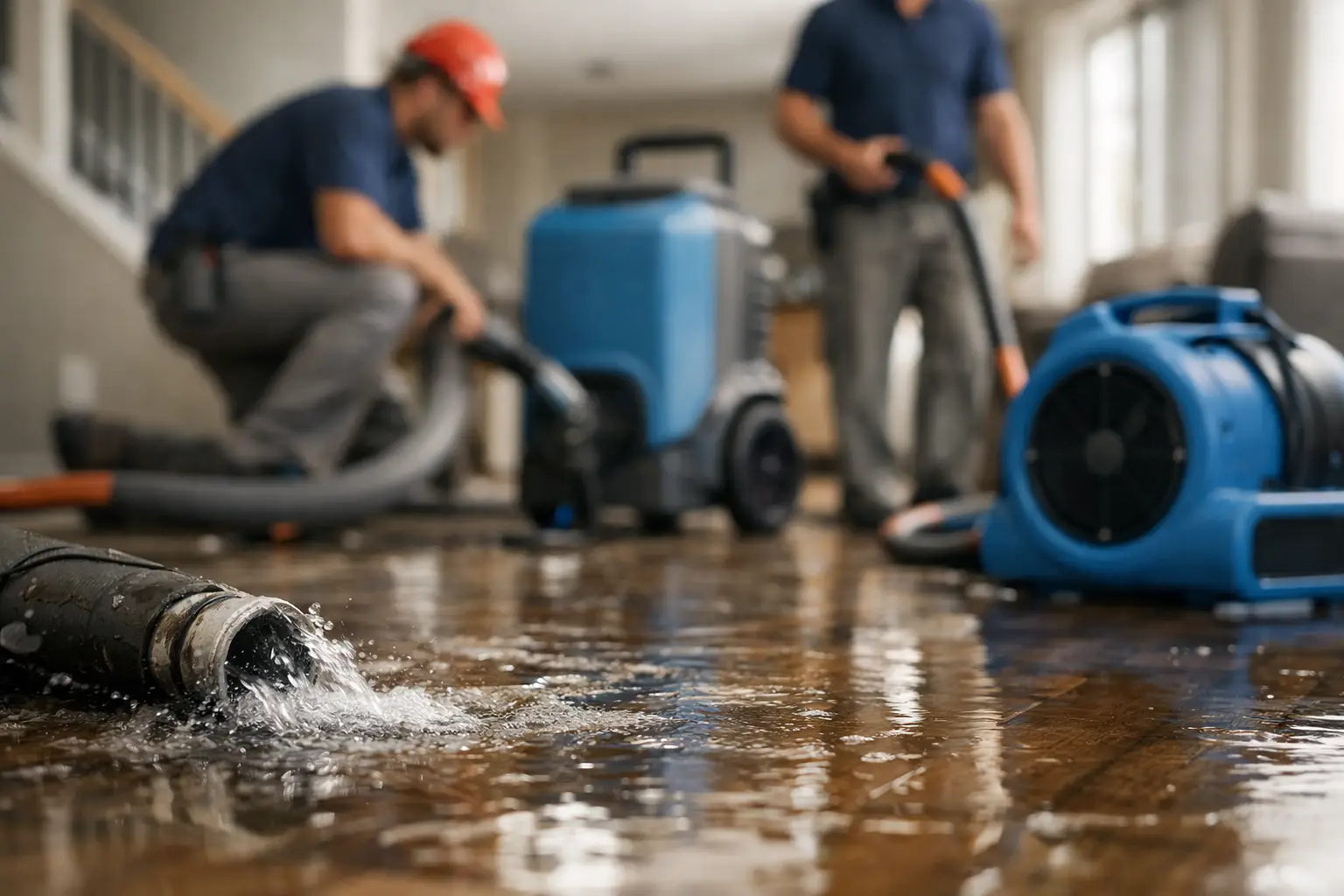
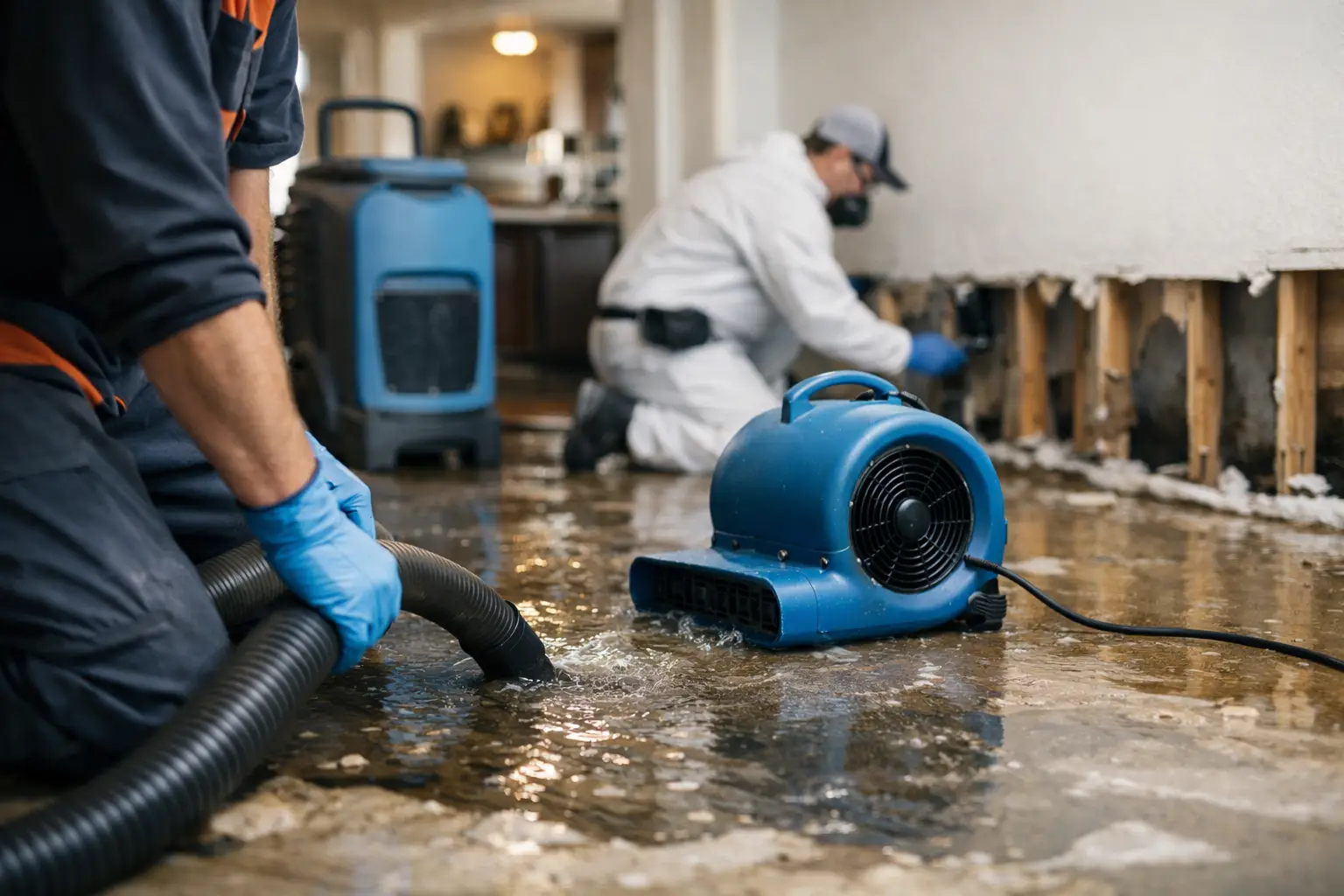 Water Damage
Extraction, structural drying, and moisture mapping after floods, leaks, and burst pipes.
Get help now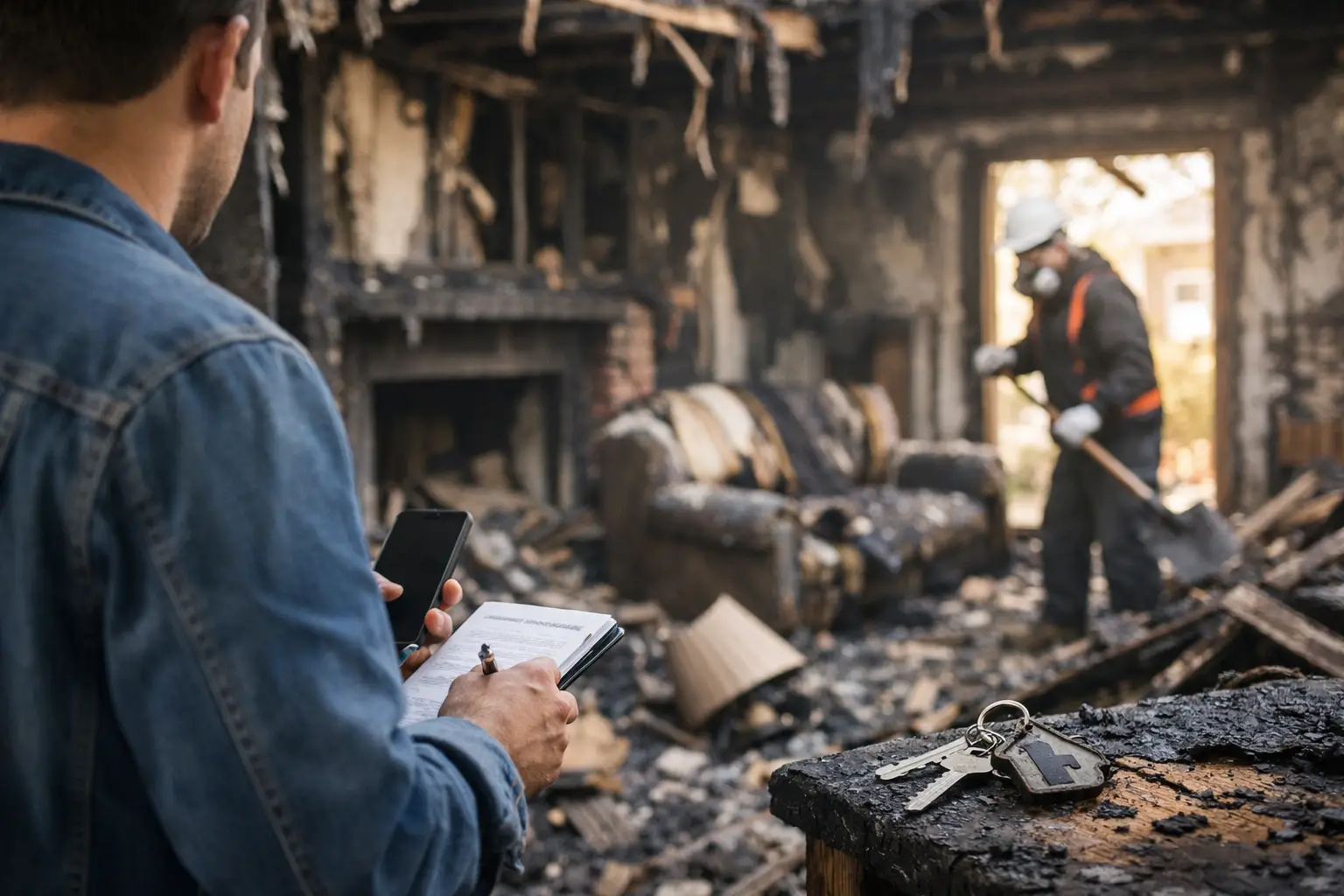 Fire & Smoke
Soot removal, odor deodorization, and content cleaning after fire and smoke damage.
Learn more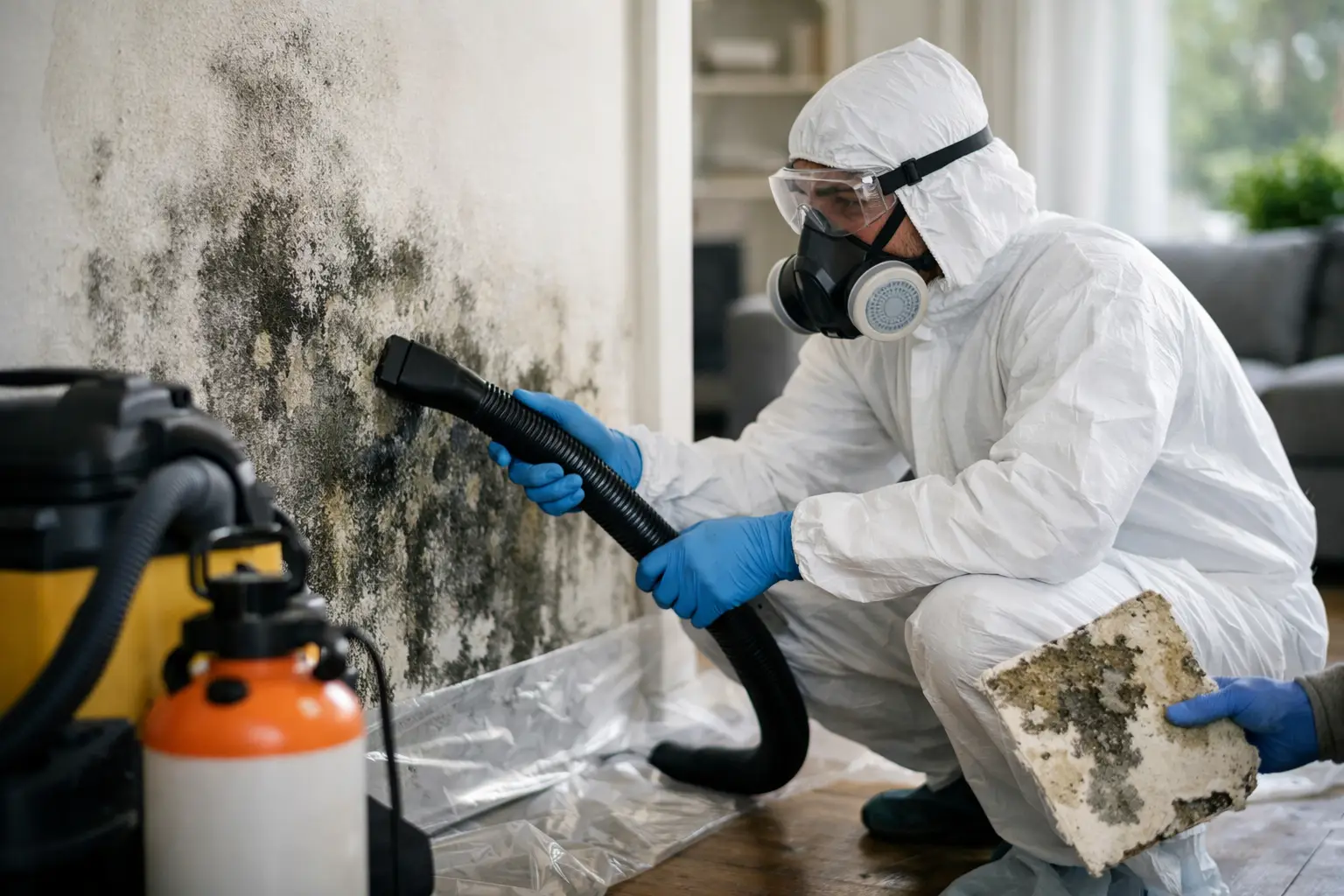 Mold
MoldContainment, removal, and moisture control that stops mold from coming back.
Learn more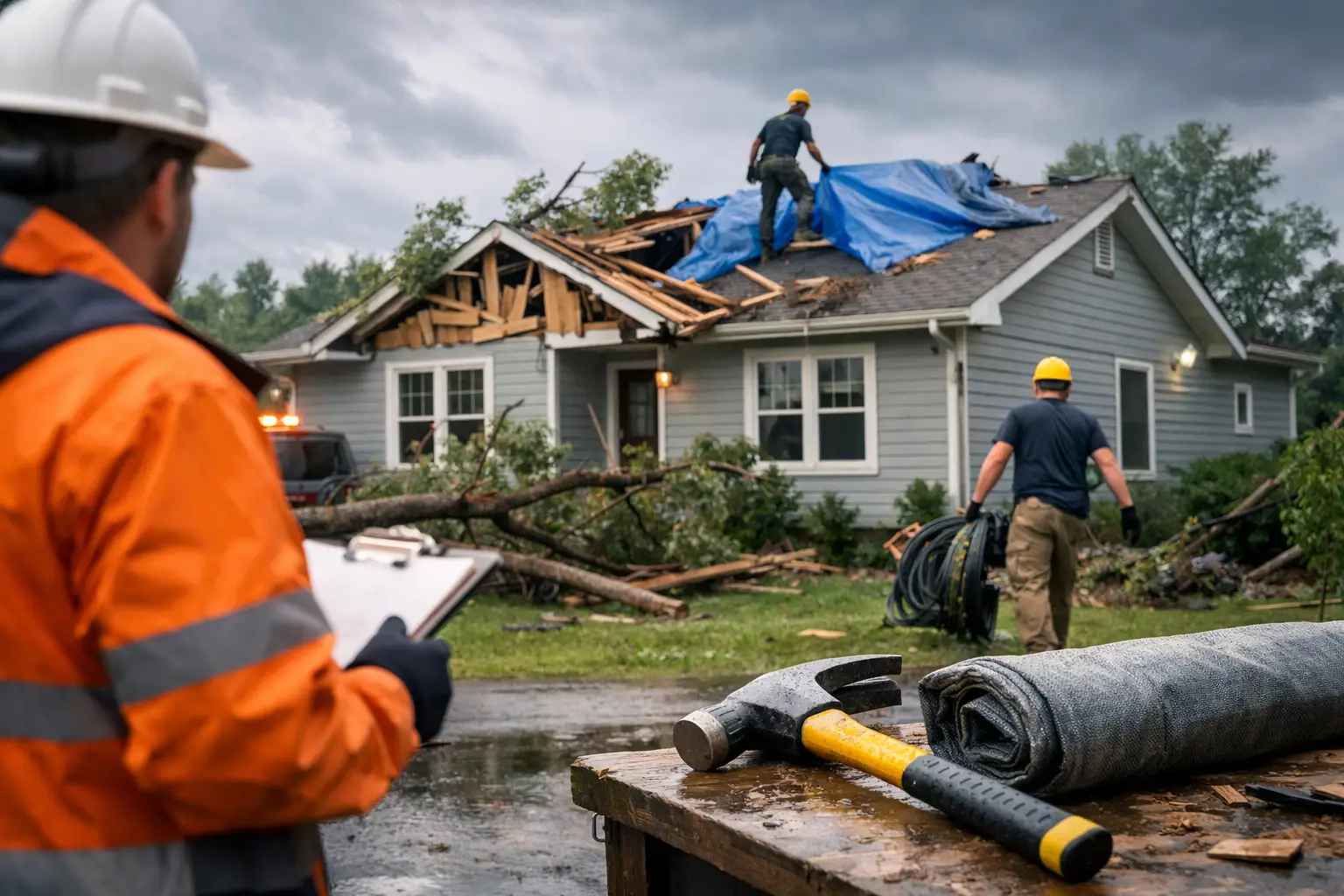 Storm
StormEmergency board-up, roof tarping, and full recovery after wind, hail, and storms.
Learn more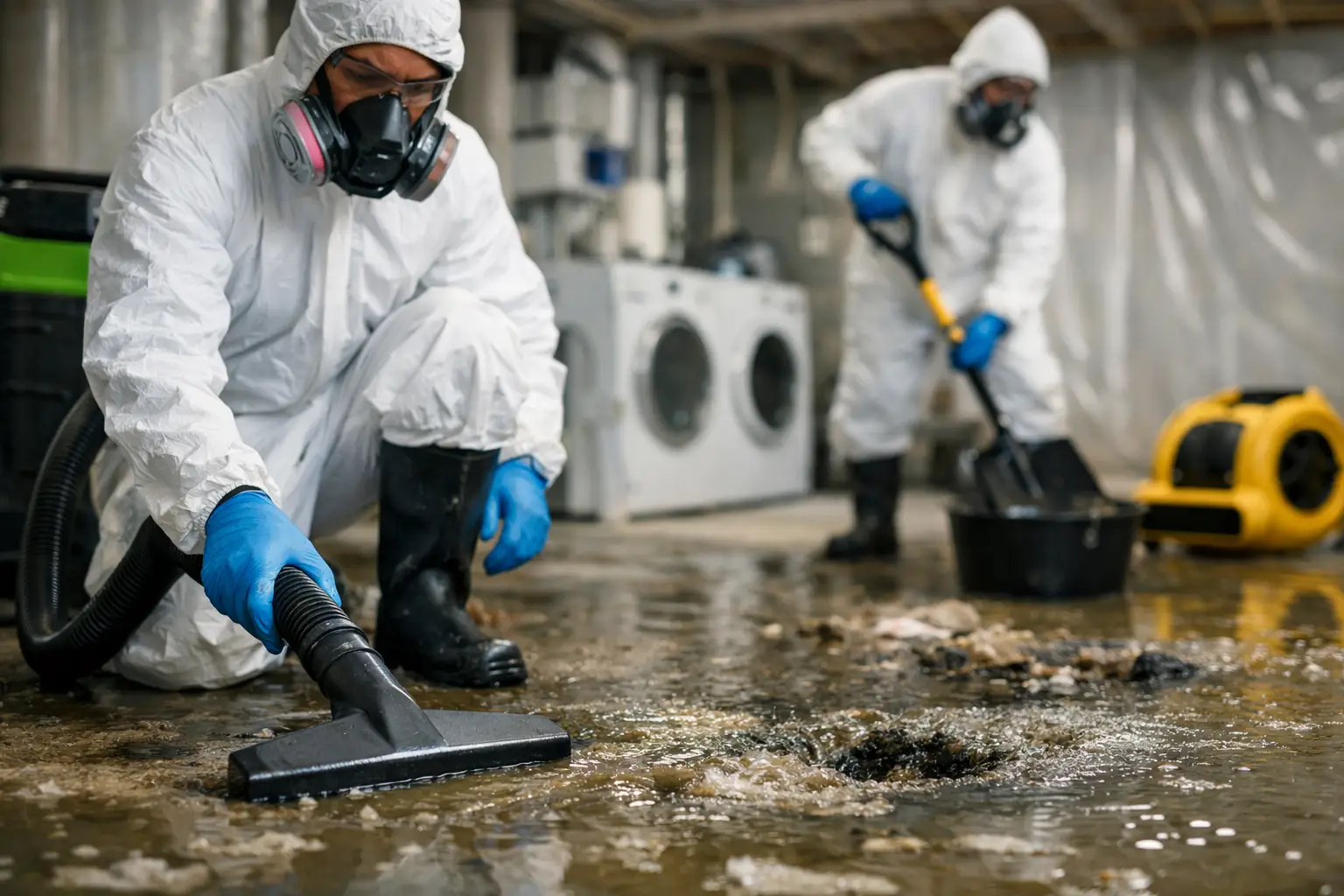 Sewage
Safe biohazard cleanup and sanitizing after sewage backups and overflows.
Learn more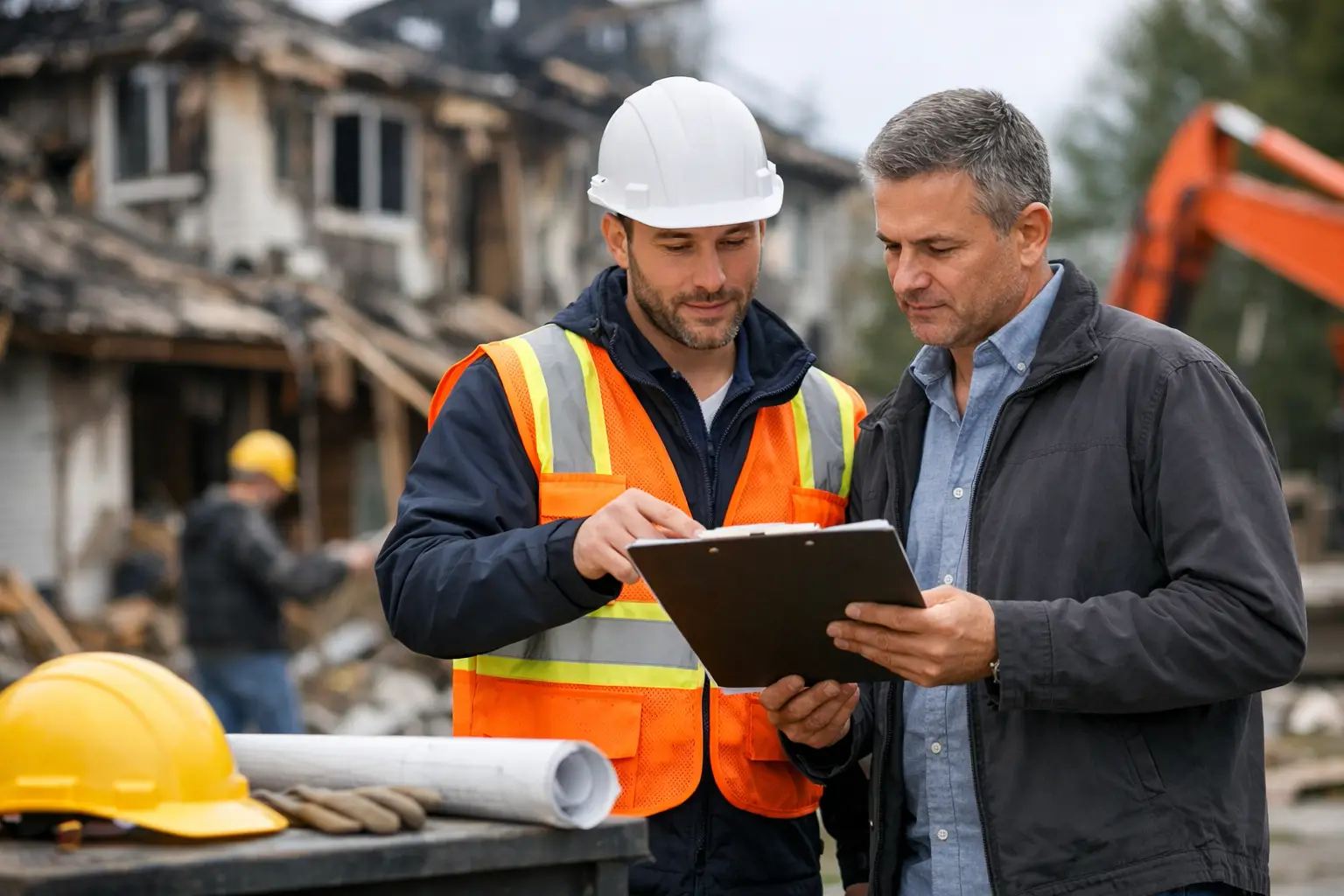 Reconstruction
Full rebuild by a licensed general contractor, so your property comes back whole.
Learn moreElevated Operations is an IICRC-certified, licensed general contractor based in Mableton that handles the entire recovery in-house, so after one loss you are never coordinating a cleanup crew, a mold crew, and a contractor separately. One team, one point of contact, from the first pump-out to the final coat of paint.
People call when the property feels like a disaster. They leave reviews because Chris and the crew made it right. These are real, verified Google reviews.
Subdivision homes off I-20 often have builder-grade materials, open layouts, and shared attic or HVAC pathways that let smoke travel farther than owners expect. That changes the restoration plan because soot removal, odor control, and hidden-area inspection become just as important as visible burn cleanup. I look at the whole air path, not only the room where the fire started.
Yes, homes near Dog River reservoir can hold smoke odor longer when humidity stays high or when porous materials were exposed. Moisture makes residue cling harder, and that can make smoke odor removal more stubborn. I focus on cleaning the source of the odor, then drying and treating affected materials before repair starts.
Debris removal after a fire includes charred material, damaged contents, broken building material, and items that can no longer be cleaned safely. In Douglasville, I sort carefully because some pieces can be stabilized or sent for content cleaning, while others have to come out before structural repair begins. That keeps the work organized and safer.
Yes, soot removal is much more technical than everyday cleaning because soot is oily, corrosive, and easy to spread. If you wipe it the wrong way, you can push it deeper into paint, trim, and cabinets. I use a restoration approach that matches the material and the fire residue, which matters a lot in builder-grade homes.
Structural repair often involves framing, drywall, insulation, trim, and sometimes roof or attic components if heat migrated upward. In Douglasville homes, especially those with attic access or attached garages, I inspect for heat weakening even when the visible burn area looks small. The goal is to rebuild only what is actually compromised.
Board up services are used when windows, doors, or other openings leave the home exposed after the fire. That protects the structure from weather, trespass, and further smoke or water intrusion. I use them early when needed because a fire loss can worsen quickly if the building envelope is open.
Yes, direct insurance billing can reduce back-and-forth during an already stressful claim. It does not change the damage itself, but it can help the paperwork stay organized while fire cleanup and repair move forward. I also offer deductible assistance up to $1,000 in qualifying situations, which can help bridge the gap.
IICRC-certified technicians are trained to handle fire cleanup in the right order, including soot removal, odor control, drying, and documentation. That matters in Douglasville because smoke can move through hidden spaces and builder-grade materials fast. Certification does not replace experience, but it gives the work a recognized standard.
Elevated Operations dispatches IICRC-certified crews across Metro Atlanta from our Mableton base, with a 60-minute emergency response day or night. Choose your city:
Call now for an immediate response, or request your free inspection and get a certified crew on-site within the hour across Atlanta and nearby areas.




