24/7 Emergency Restoration · Serving Metro AtlantaEmergency? (770) 404-6895
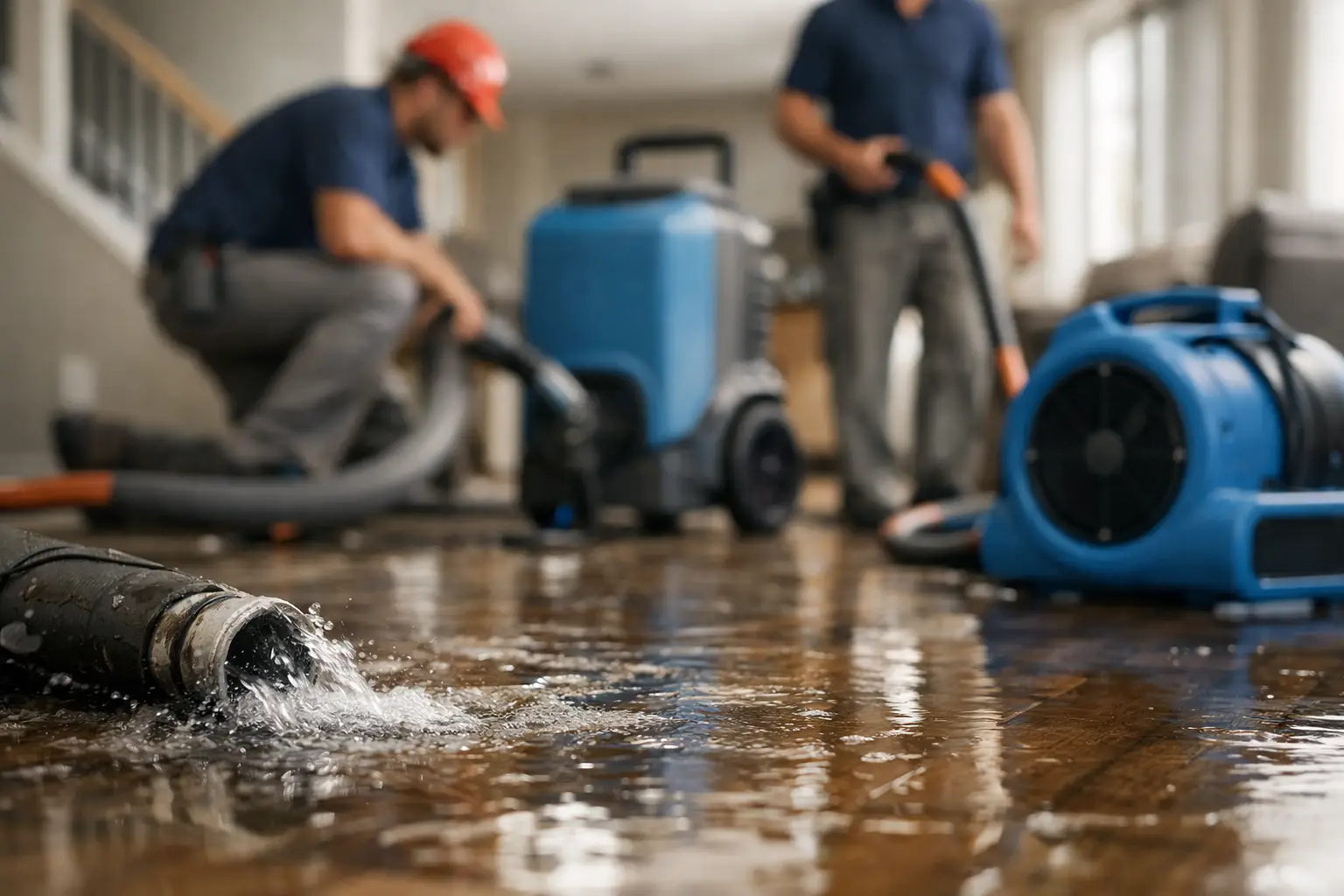
Reconstruction Sandy Springs starts with one decision, protect the structure first. I’m Chris Kwangwari, owner of Elevated Operations, and I handle property reconstruction with IICRC-certified technicians, direct insurance billing, and a licensed general contractor on every rebuild plan.
IICRC-Certified · 5-Star Rated · 60-Minute Response · Insurance Billed Directly
I inspect the damage, separate cleanup from rebuild, and move the project into the right sequence before you waste time on the wrong fix.
If the wall is only surfaced, repair may be enough. If the cavity, framing, or adjoining materials are compromised, I plan for reconstruction.
I use direct insurance billing and keep the scope documented, so the rebuild does not get buried under claim delays.
I’m Chris Kwangwari, and I handle the rebuild as a licensed general contractor with a 12-month warranty on the work.
Reconstruction after property damage is the rebuild phase that follows cleanup, drying, or demolition, and it puts your Sandy Springs home or business back into usable condition. I use this phase for framing repair, drywall repair, flooring repair, roof repair, and structural repair when the damage goes beyond drying and cleaning.
In Sandy Springs, I treat reconstruction as the hard reset after a loss. A Chattahoochee riverside property can have hidden damage in lower walls, crawlspaces, or floor systems, and that is where the rebuild starts. It is not cosmetic first. It is structure first, then finishes.
Property reconstruction is different from mitigation. Mitigation stops the damage from spreading. Reconstruction closes the gap between damaged and usable again. If the scope includes damaged framing, buckled floors, or interior wall sections that will not hold paint, I move into rebuild mode with a clear checklist.
And I keep the sequence tight. Remove unsafe material. Confirm what still stands. Rebuild the shell. Then finish the surfaces. That order matters on Sandy Springs jobs because rushed cosmetic work over weak framing or wet subfloors fails fast and costs more later.
Reconstruction is needed when damage has crossed the line from cleanup into rebuilding, especially after structural damage, repeated water exposure, or fire damage cleanup leaves the home incomplete. If you see sagging drywall, soft flooring, warped trim, or exposed framing near the Chattahoochee corridor, the rebuild is likely next.
I look for the signs that the building itself needs attention, not just the surface. If drywall repair keeps getting pushed back because the wall cavity is compromised, or if flooring repair cannot start until the subfloor is corrected, reconstruction is the right move. Small problems become bigger when ignored.
Sandy Springs homes vary a lot, from older structures near established corridors to newer builds closer to the Chattahoochee riverside. That mix means I check the whole path of damage, from the roof line to the slab edge. One failed section often means adjacent materials are no longer reliable either.
But I do not guess. I inspect what can stay, what must come out, and what needs licensed rebuilding. That is how I keep structural repair focused and avoid tearing out more than necessary. A good reconstruction plan protects the budget and keeps the project moving.
Yes, reconstruction often follows water or fire damage cleanup once the site is stable and dry enough to rebuild. IICRC-certified technicians can handle the transition, then I take over the rebuild side with direct insurance billing, licensed oversight, and the materials needed for a proper restoration.
After water damage cleanup, I check for what the moisture left behind. Wet insulation, damaged drywall, and weak framing do not belong under new finishes. After fire damage cleanup, I look for smoke-affected surfaces, heat stress, and sections that need replacement before any cosmetic work starts.
Sandy Springs properties near the river corridor can have stubborn moisture problems because water travels where you do not expect it to go. That is why I want the cleanup and the reconstruction plan aligned. If the dry-out is incomplete, the rebuild is too early. If the demolition is incomplete, the rebuild stalls.
I keep the handoff direct. Cleanup, assessment, rebuild. No drifting between contractors, no confusion about who owns the next step. That is how I handle property reconstruction when the job includes framing repair, drywall repair, flooring repair, or more complex structural repair.
Property reconstruction time depends on the scope, the building materials affected, and whether structural repair or specialty trades are needed. I do not guess at dates. I start with a clear rebuild plan, then move in sequence so Sandy Springs owners know what comes first and what must wait.
A small drywall repair in one room is not the same as a full rebuild after water intrusion. Roof repair, flooring repair, and framing repair each have different dependencies, and I line them up in the right order. That keeps the job organized and reduces backtracking when inspections or insurance approvals are involved.
In Sandy Springs, access matters too. Traffic, delivery timing, and the layout of the property all affect the pace of reconstruction. A riverside home with a damaged lower level may need a different schedule than a commercial space near a busier corridor. I plan for the site, not a template.
My approach is simple. Inspect, document, rebuild. I keep the crew focused on the next correct step so the project does not drift. And because I have been in restoration since 2007, I know how to keep reconstruction moving without pretending every loss follows the same timeline.
First, make the property safe, stop further damage if you can do so safely, and document everything for insurance. Then call me. I provide 60-minute emergency response 24/7, direct insurance billing, deductible assistance up to $1,000, and a licensed general contractor to guide the rebuild.
Start with safety. If there is standing water, electrical risk, fire residue, or unstable material, do not push through it. The Chattahoochee riverside area can hide water migration in lower spaces, so I want the site checked before anyone starts tearing out finishes or covering damage up.
Take photos before anything gets moved, if it is safe. Keep damaged items together. Save receipts and notes. That paper trail matters when reconstruction becomes property reconstruction and the insurance conversation begins. I use direct insurance billing because it cuts down on confusion and keeps the paperwork moving.
Then call Elevated Operations at (770) 404-6895. I am based in Mableton and work throughout Sandy Springs and the surrounding counties. My crew is IICRC-certified, and my work carries a 12-month warranty. That gives you a clear next step, not a pile of guesses.
A good reconstruction checklist starts with safety, damage documentation, and a full scope review, then moves to demolition, structural repair, and finish work in that order. For Sandy Springs homes, I also check for moisture paths, roof repair needs, and hidden wall or floor damage near the Chattahoochee corridor.
I do not like vague rebuild plans. A checklist forces the job into order. First, verify what is safe. Second, identify what is damaged. Third, separate cleanup work from reconstruction work. That is how I avoid the common mistake of installing finishes before the building is ready for them.
If the damage reached the ceiling, I inspect roof repair needs before closing the interior. If the floor moved, I look at subfloor and framing repair before talking about finish materials. If the walls were soaked or burned, drywall repair comes after the structure is right, not before.
Sandy Springs owners deserve a rebuild process that respects the property and the neighborhood. Whether the job sits near the river corridor or deeper into the city grid, I keep the same standard, documented scope, licensed work, and a final result that holds up under everyday use.
Shut off risky utilities only if you can do it safely, avoid damaged rooms, and keep people out of unstable areas until the site is checked.
Take clear photos, video, and notes before moving items. Keep a simple record of what was affected, especially walls, floors, ceilings, and visible framing.
Ask what still needs mitigation and what now belongs to reconstruction. That distinction matters when drywall repair, flooring repair, or structural repair is on the table.
Get the property inspected for hidden damage, moisture, smoke impact, and structural concerns. Do not close walls until the damaged system is understood.
Send the documents, keep the estimate process organized, and use direct insurance billing when available so the rebuild does not get stuck in paperwork.
From emergency mitigation to full reconstruction, handled in-house so you are never managing a chain of subcontractors mid-crisis.
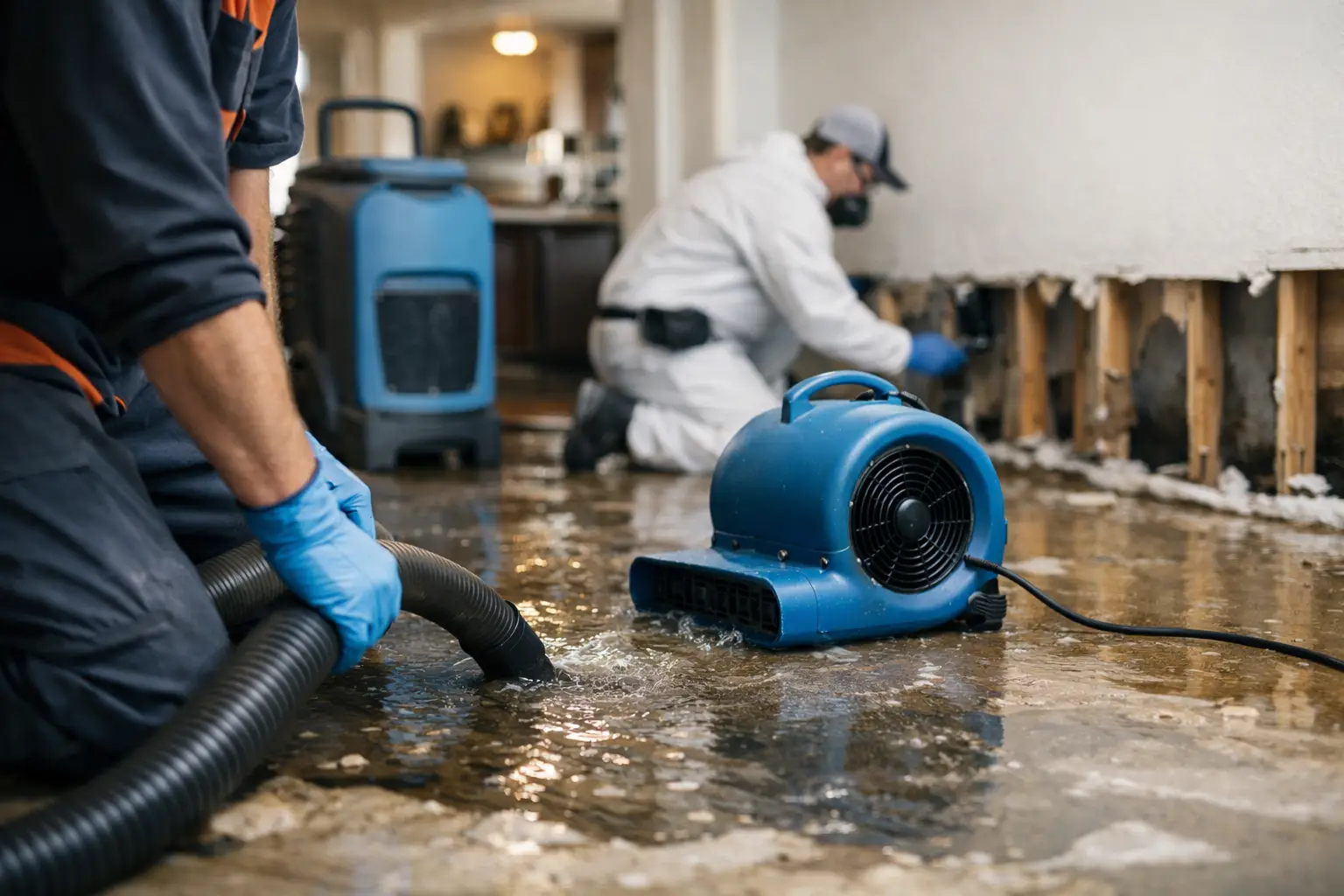 Water Damage
Extraction, structural drying, and moisture mapping after floods, leaks, and burst pipes.
Get help now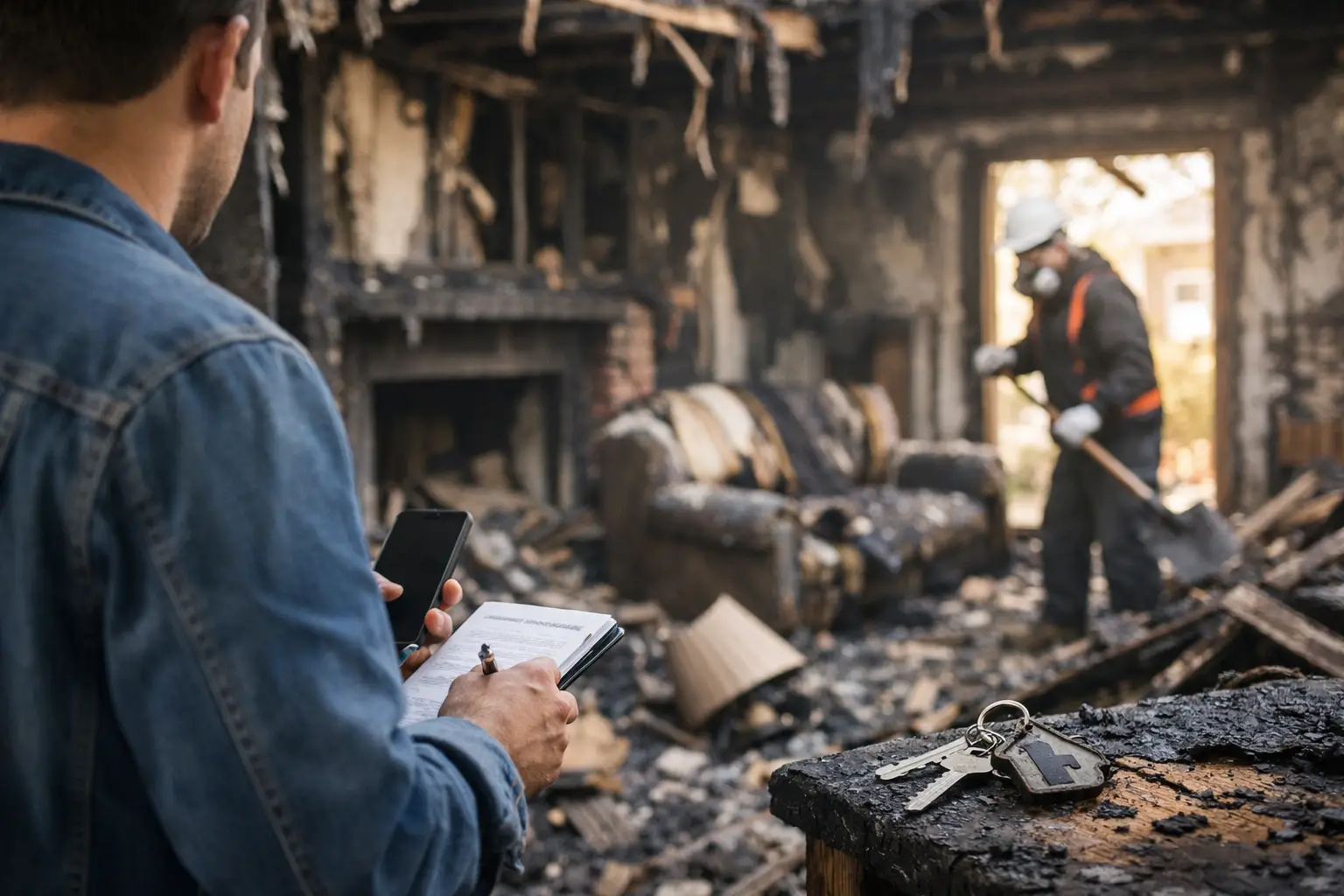 Fire & Smoke
Soot removal, odor deodorization, and content cleaning after fire and smoke damage.
Learn more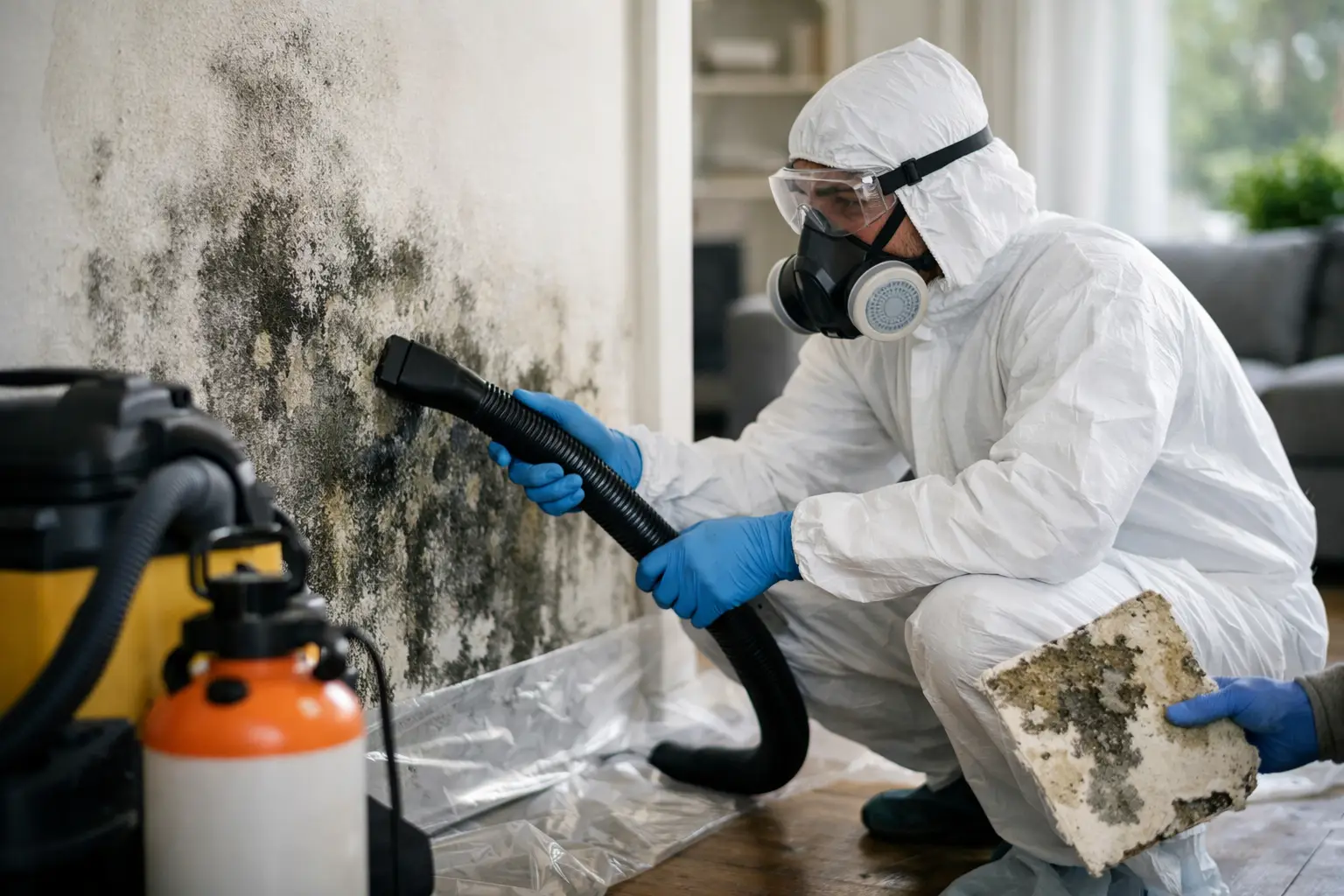 Mold
MoldContainment, removal, and moisture control that stops mold from coming back.
Learn more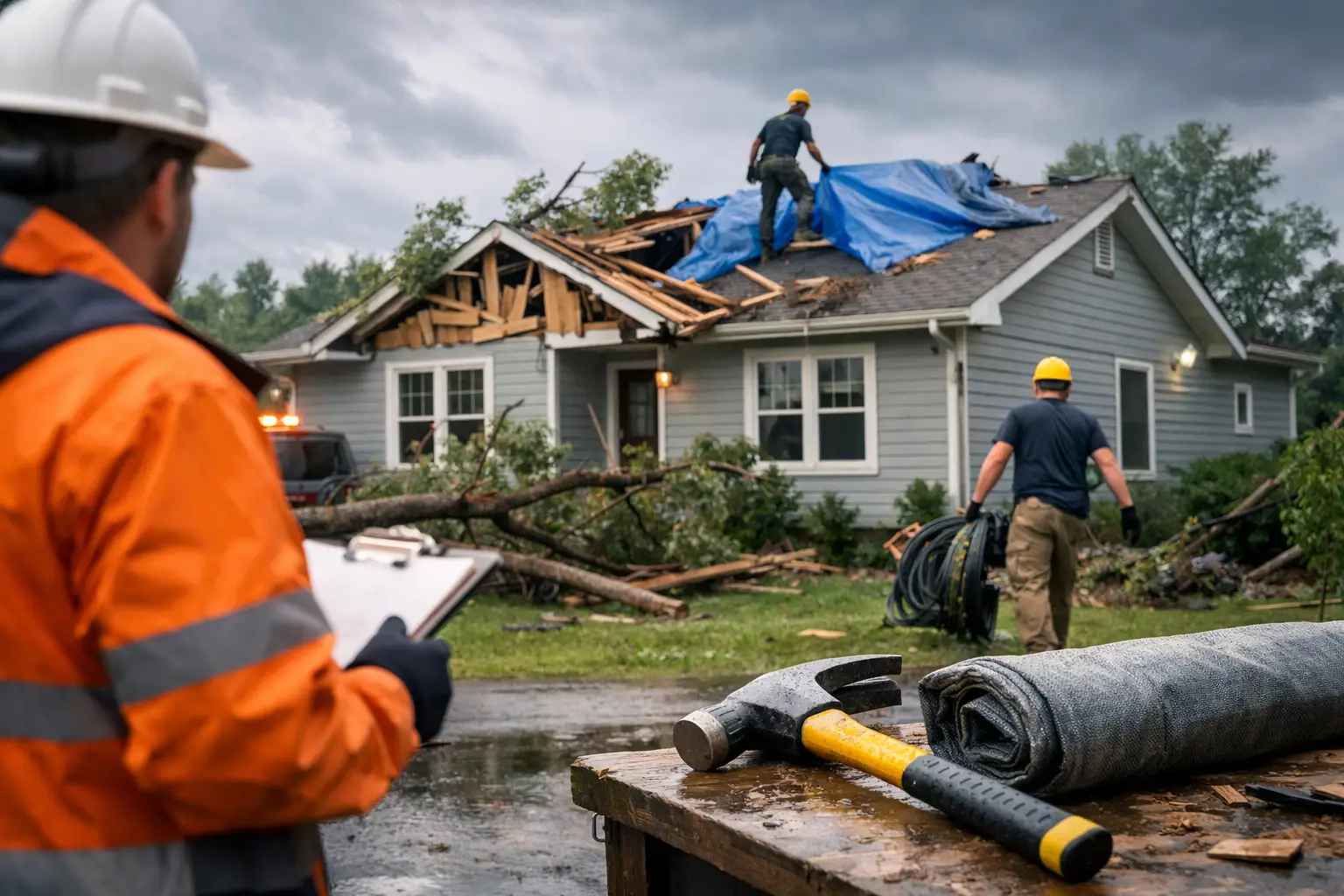 Storm
StormEmergency board-up, roof tarping, and full recovery after wind, hail, and storms.
Learn more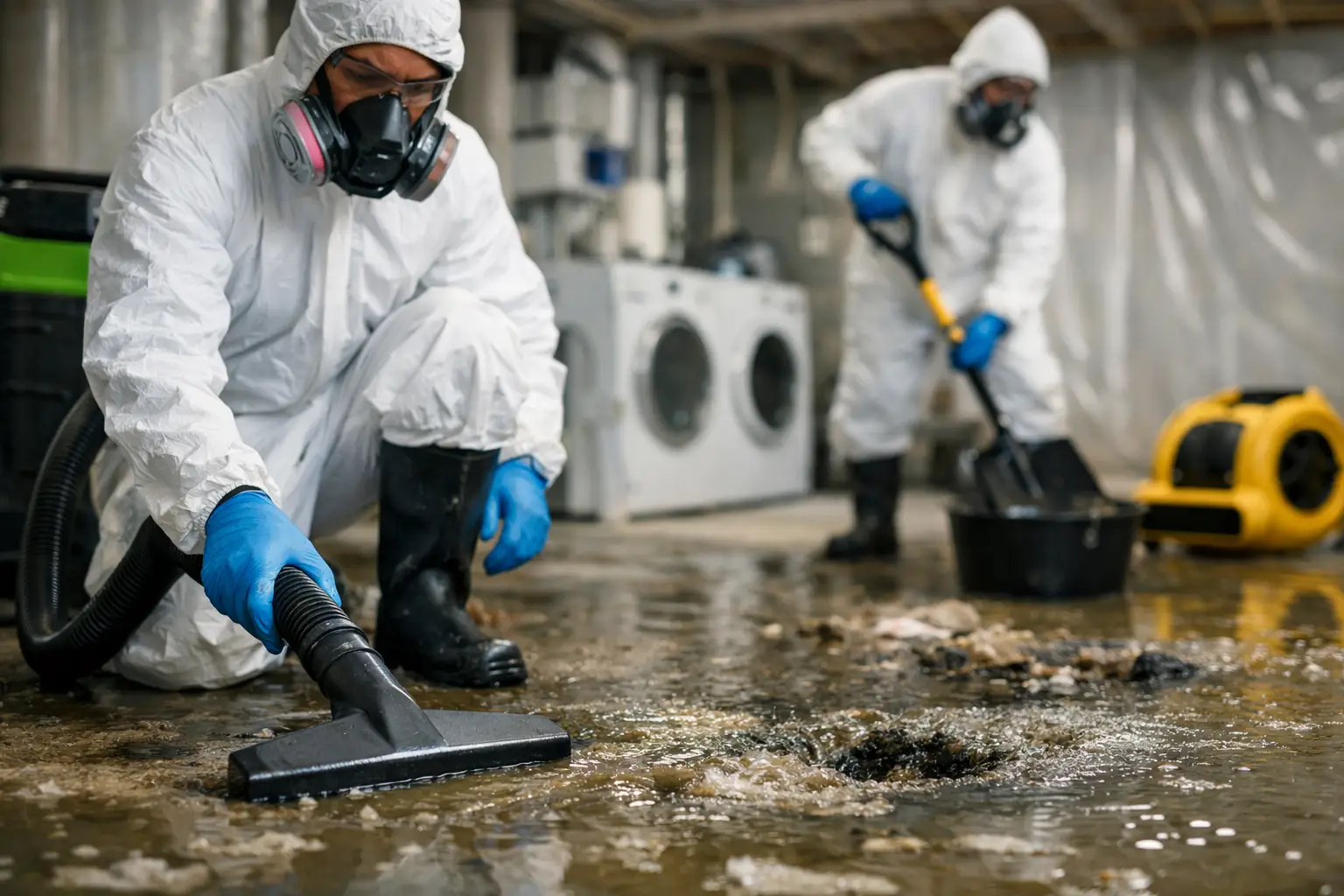 Sewage
Safe biohazard cleanup and sanitizing after sewage backups and overflows.
Learn more Reconstruction
Full rebuild by a licensed general contractor, so your property comes back whole.
Learn moreElevated Operations is an IICRC-certified, licensed general contractor based in Mableton that handles the entire recovery in-house, so after one loss you are never coordinating a cleanup crew, a mold crew, and a contractor separately. One team, one point of contact, from the first pump-out to the final coat of paint.
People call when the property feels like a disaster. They leave reviews because Chris and the crew made it right. These are real, verified Google reviews.
Often, yes. Riverside properties can have moisture in lower walls, crawlspaces, and floor systems that does not show up right away. I check for hidden water travel, damaged materials, and structural concerns before I rebuild. That keeps reconstruction from covering up a problem that will come back later.
Yes. Roof leaks can lead to ceiling damage, drywall repair, insulation issues, and even framing repair if the problem has been active long enough. I start by identifying the leak path, then I rebuild the affected areas in the proper order so the repair matches the real damage.
Then I inspect what is left to rebuild and what still needs to come out. Fire can weaken surfaces, trim, wall assemblies, and hidden framing even after cleanup looks finished. I move into reconstruction only when the structure is ready, and I keep the scope tied to what was actually damaged.
I use direct insurance billing, which keeps the claim process cleaner for owners. I document the damage, support the rebuild scope, and work through the insurance side while the reconstruction plan stays focused. That helps avoid delays when the job includes multiple trades or structural repair.
Yes, my reconstruction work includes a 12-month warranty. I stand behind the rebuild, whether the job involves drywall repair, flooring repair, or other interior reconstruction work. If something is not right, I want it addressed through a clear, documented process.
Yes. Water can weaken materials long before they look bad on the surface. If I find compromised framing, subflooring, or other structural repair needs, I address those first. That is the difference between a cosmetic patch and real property reconstruction that lasts.
I handle residential and commercial reconstruction across Sandy Springs, from older homes to newer builds and business spaces. The exact approach changes with the structure, but the standard does not. I verify the damage, rebuild the affected system, and keep the project moving with licensed oversight.
I do. I am Chris Kwangwari, owner of Elevated Operations, LLLP, and I am a licensed general contractor. My team includes IICRC-certified technicians, and I have been in restoration since 2007. That means the rebuild has one accountable lead from first call to final walk-through.
Elevated Operations dispatches IICRC-certified crews across Metro Atlanta from our Mableton base, with a 60-minute emergency response day or night. Choose your city:
Call now for an immediate response, or request your free inspection and get a certified crew on-site within the hour across Atlanta and nearby areas.