24/7 Emergency Restoration · Serving Metro AtlantaEmergency? (770) 404-6895
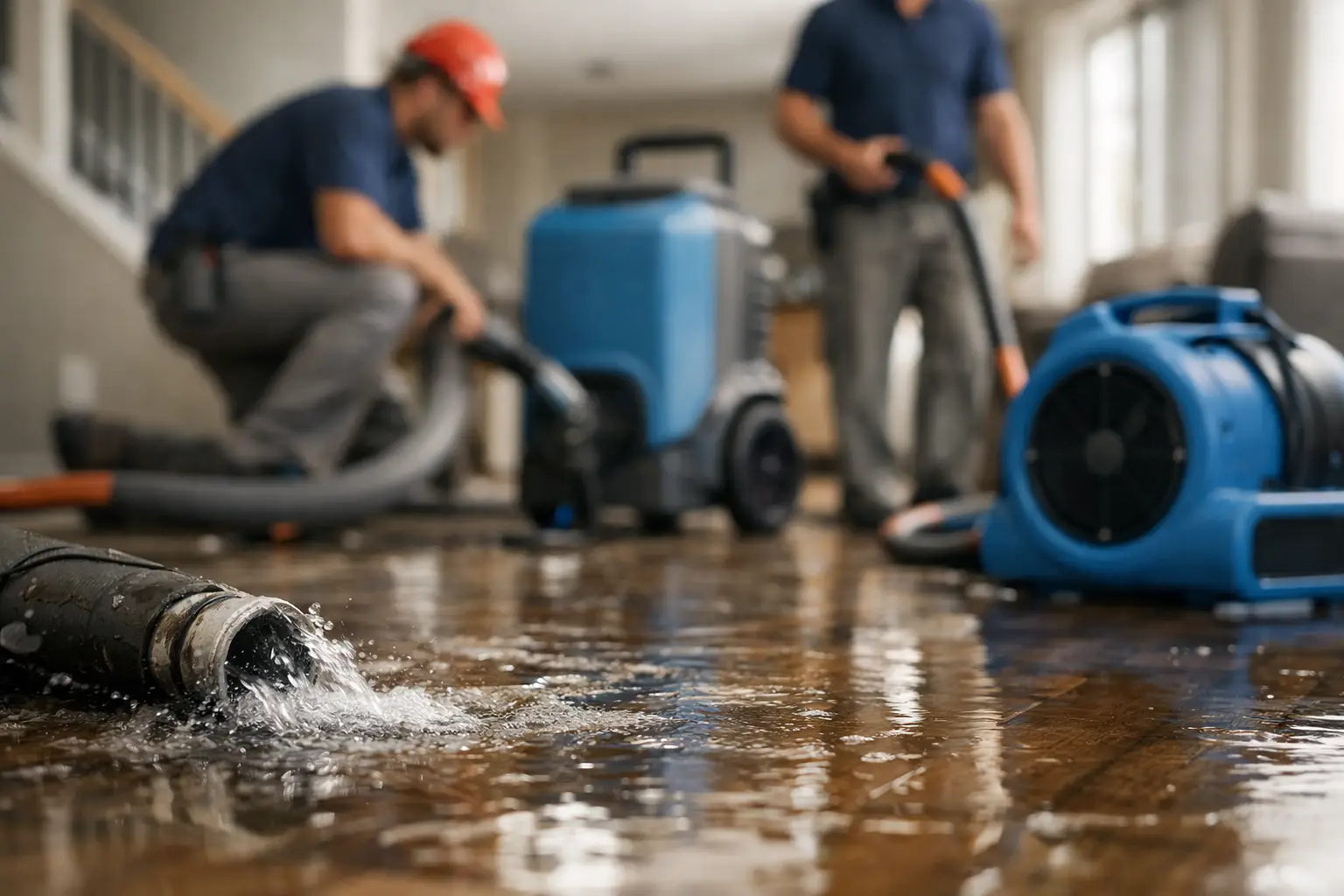
Water mitigation services East Point means I get in fast, stop the spread, and dry the structure before small damage turns into a bigger claim. Around MARTA, the College Park-line bungalows, and older East Point homes, I use water extraction, containment, dehumidification, and structural drying to protect what matters.
IICRC-Certified · 5-Star Rated · 60-Minute Response · Insurance Billed Directly
I offer 24/7 emergency response and aim to be there within 60 minutes. When water is spreading, fast action is the difference.
Yes. I work in the College Park-line bungalow stock and treat tight layouts, older framing, and hidden moisture as the real issue.
I handle storm-related loss mitigation, including extraction, containment, and structural drying. If the source is still active, I address that first.
I am Chris Kwangwari, owner of Elevated Operations, LLLP, and I have been in restoration since 2007.
I start with water extraction, then I set containment, place drying equipment, and push structural drying until the wet materials are under control. In East Point, that often means working in tight bungalow layouts, older wood framing, and rooms that take on moisture fast after a supply line break or roof leak.
Around the MARTA corridor, I see a lot of homes where the leak shows up in one room and the damage runs farther than the homeowner expects. Water mitigation services are about stopping that spread early, not waiting for drywall to crumble or floors to cup.
IICRC-certified technicians handle the setup, and I do not guess at the source. I look for the path water took, whether it is from a washer line, a bathroom overflow, or storm water getting in where it should not. Then I build the drying plan around the house, not a generic checklist.
And I stay on the insurance side too. I offer direct insurance billing, I am a licensed general contractor, and I have been in restoration since 2007. That matters in East Point because older homes near the College Park line can need careful loss mitigation, not a rushed patch job.
It should start right away, because standing water and trapped moisture spread damage quickly. In my experience, the best move is to call as soon as you see the leak, the stain, or the wet flooring. I offer 24/7 emergency response and can usually be on scene within 60 minutes.
In East Point, the clock matters. A small leak in a bungalow near the MARTA line can move into subflooring, baseboards, and wall cavities before the homeowner finishes making the call. That is why I treat water mitigation as an immediate response job, not a next-day errand.
Mold can start in 24 to 48 hours, and I do not wait around for that to become the next problem. If the ceiling drops water after a storm, or a kitchen pipe gives way, I move fast with water extraction and dehumidification so the house stops holding moisture.
And I keep the process practical. You get direct insurance billing, deductible assistance up to $1,000, and a 12-month warranty on the work. The point is simple: start early, dry hard, and keep the damage from turning into a much larger repair.
I inspect the damage, document what I find, remove standing water, and set the drying plan in motion. In an East Point bungalow, that often means lifting saturated materials carefully, using containment where needed, and placing drying equipment so airflow reaches the structure instead of just the surface.
The College Park-line bungalows around East Point usually have character, and that character comes with tight rooms, older finishes, and spaces that do not dry on their own. I work room by room and call out the difference between surface wetness and hidden moisture in framing or insulation.
If the loss started in a bathroom, kitchen, or laundry area, I focus on the affected zone first. That is how loss mitigation works in the real world, not in a brochure. The sooner I isolate the wet area, the less chance there is for the damage to migrate into adjacent rooms.
But I also keep the homeowner informed. I explain what is drying, what needs more time, and what materials are too far gone. That kind of straight answer is part of the job, especially when you are standing in a lived-in East Point home and trying to get back to normal.
No, they are different phases. Water mitigation is the urgent work that limits damage, while water restoration is the rebuilding and finishing work that follows. I handle mitigation first, because if the structure is not dry and stable, restoration just covers up a problem that is still active.
I see this confusion a lot after East Point storms and plumbing failures. A homeowner wants the wall repaired, but the real issue is that moisture is still trapped in the cavity. If you skip the mitigation, you are setting up the same home for repeat damage.
Mitigation means water extraction, containment, dehumidification, and structural drying. Restoration comes later, when the house is dry and the damaged materials can be repaired or replaced. I keep that line clear because it saves people from paying for the same mistake twice.
And because I am a licensed general contractor, I can move from mitigation into the repair side when the job calls for it. That is useful in East Point, where older housing stock can need both careful drying and solid rebuilding after the loss is under control.
Homes near MARTA and the College Park line often have older layouts, mixed materials, and tight floor plans that hold moisture in hidden places. I treat those homes carefully because fast drying is not enough if the damp air stays trapped behind walls, under floors, or in closets.
A bungalow near the rail line can look fine from the outside and still have wet framing behind a wall. That is why I do not rely on surface checks alone. I look for moisture control issues that show up in crawl spaces, under sinks, and where old trim meets newer repairs.
Drying equipment has to be placed with the layout in mind. A narrow hallway, a small bedroom, and a closed-off bath all dry differently. I adjust the setup so the air moves where the moisture actually is, not where it would be easiest to place a machine.
East Point homes deserve that level of attention because they are not one-size-fits-all. The wrong drying approach can leave pockets of dampness that show up later as odors, staining, or soft spots. I want the structure dry, not just the carpet looking better.
I treat storm water as a loss mitigation problem first, then a drying problem. That means removing the water, controlling the spread, protecting unaffected areas, and setting up structural drying quickly. In East Point, roof leaks and runoff can hit older homes hard, especially when water gets in through weak points.
After heavy rain, I often see the same pattern: a homeowner spots a stain, then a few hours later the ceiling begins to sag or the wall feels soft. That is when water damage mitigation needs to start, before the wet materials keep feeding the problem.
Containment matters in storm losses because water does not always stay in one room. If a hallway or bedroom starts to share moisture with the rest of the house, the job gets larger fast. I use containment to keep the damage zone honest and the drying focused.
The goal is not to make a dramatic scene out of it. The goal is to protect the house, document the loss, and dry it the right way. That is what I have done since 2007, and it is still the right sequence in East Point today.
A small leak in a College Park-line bungalow can soak the bath floor, push into the subfloor, and travel under the hall. I isolate the wet area, extract water, and dry the structure before the damage spreads.
When storm water gets into an older roofline, I focus on containment and structural drying right away. The house may look calm, but hidden moisture can sit behind plaster, trim, and insulation if nobody acts fast.
Washer line failures are common in tight laundry spaces. I use dehumidification, water extraction, and moisture control to stop the spread, then I verify the affected materials are drying instead of just feeling cooler to the touch.
From emergency mitigation to full reconstruction, handled in-house so you are never managing a chain of subcontractors mid-crisis.
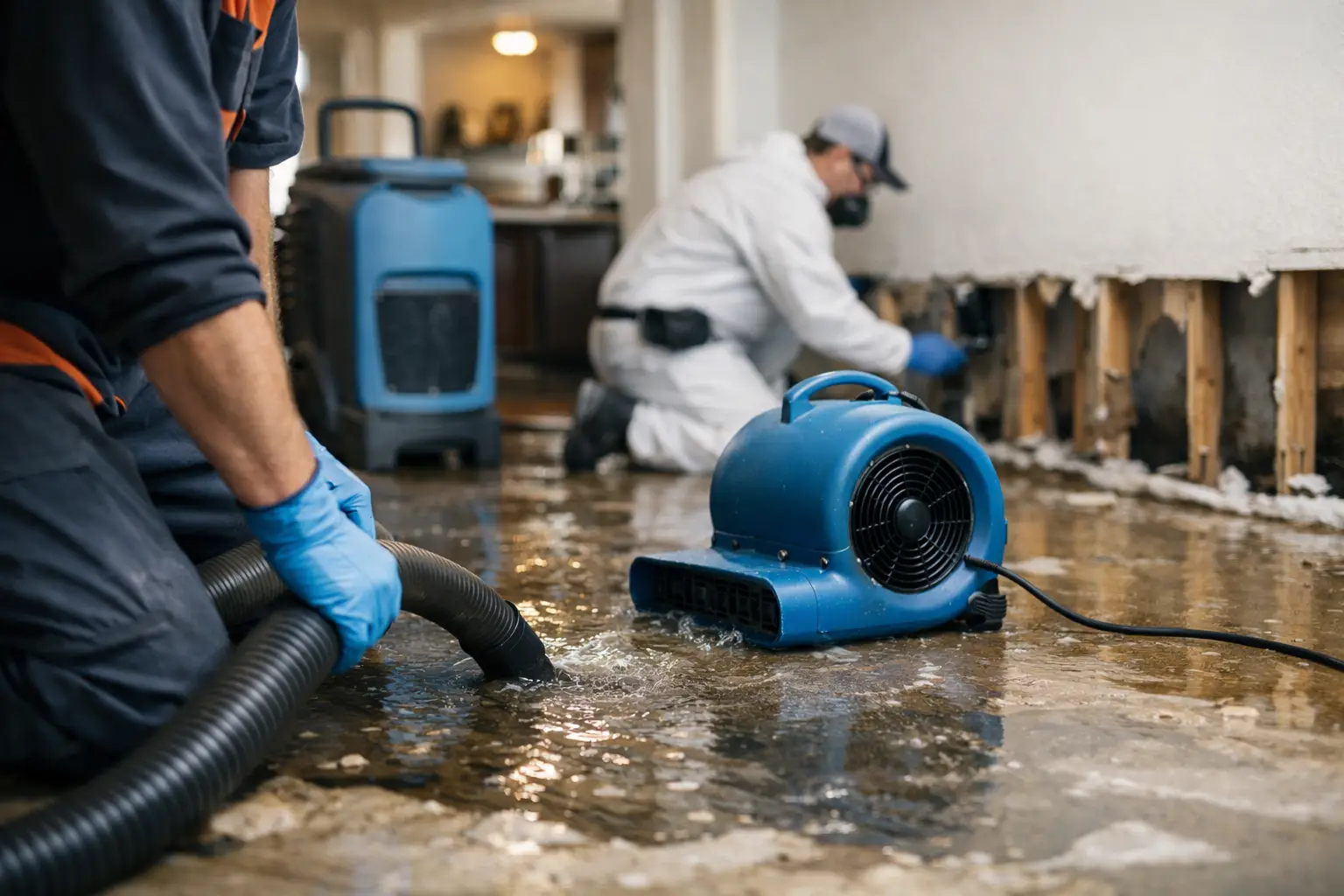 Water Damage
Extraction, structural drying, and moisture mapping after floods, leaks, and burst pipes.
Get help now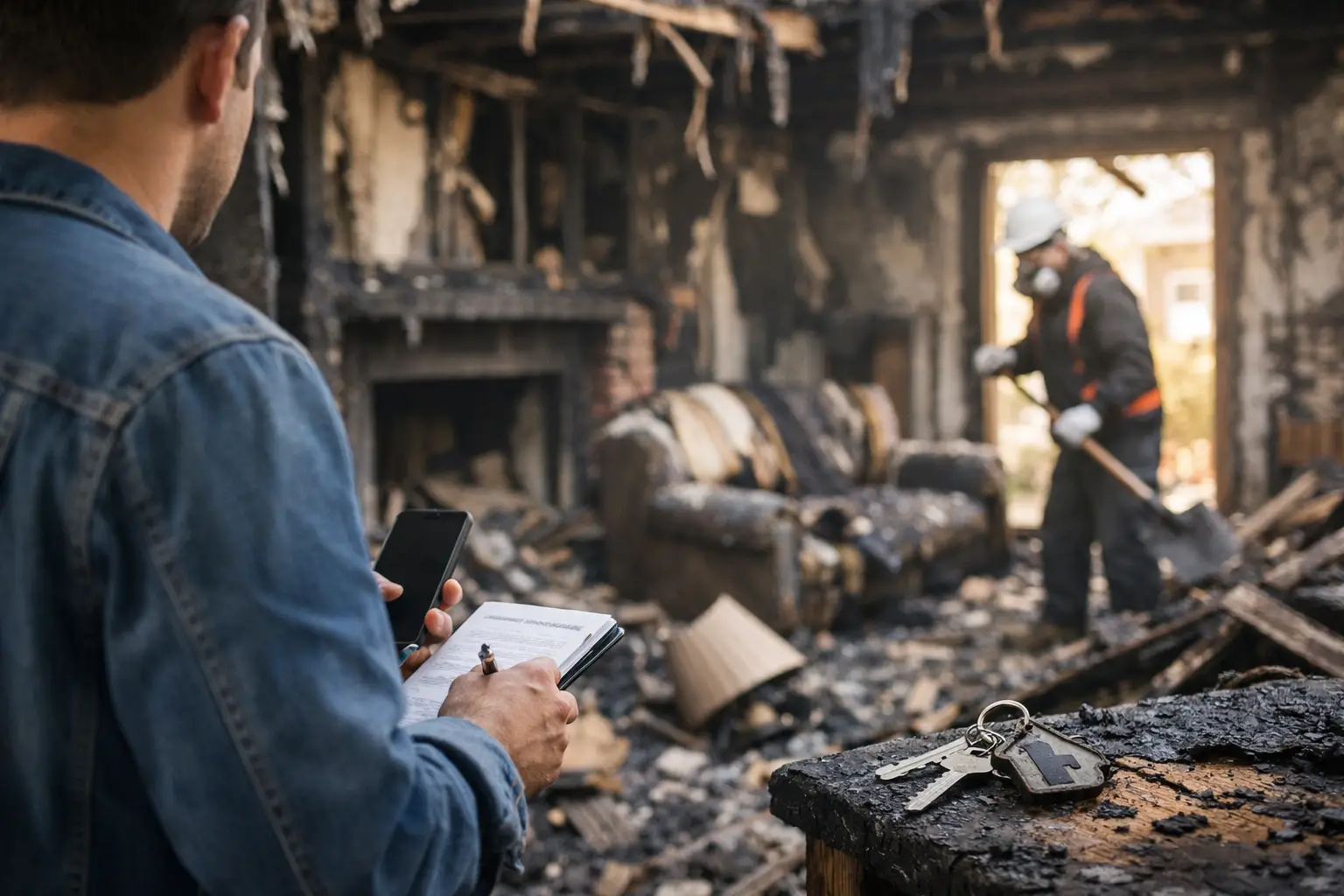 Fire & Smoke
Soot removal, odor deodorization, and content cleaning after fire and smoke damage.
Learn more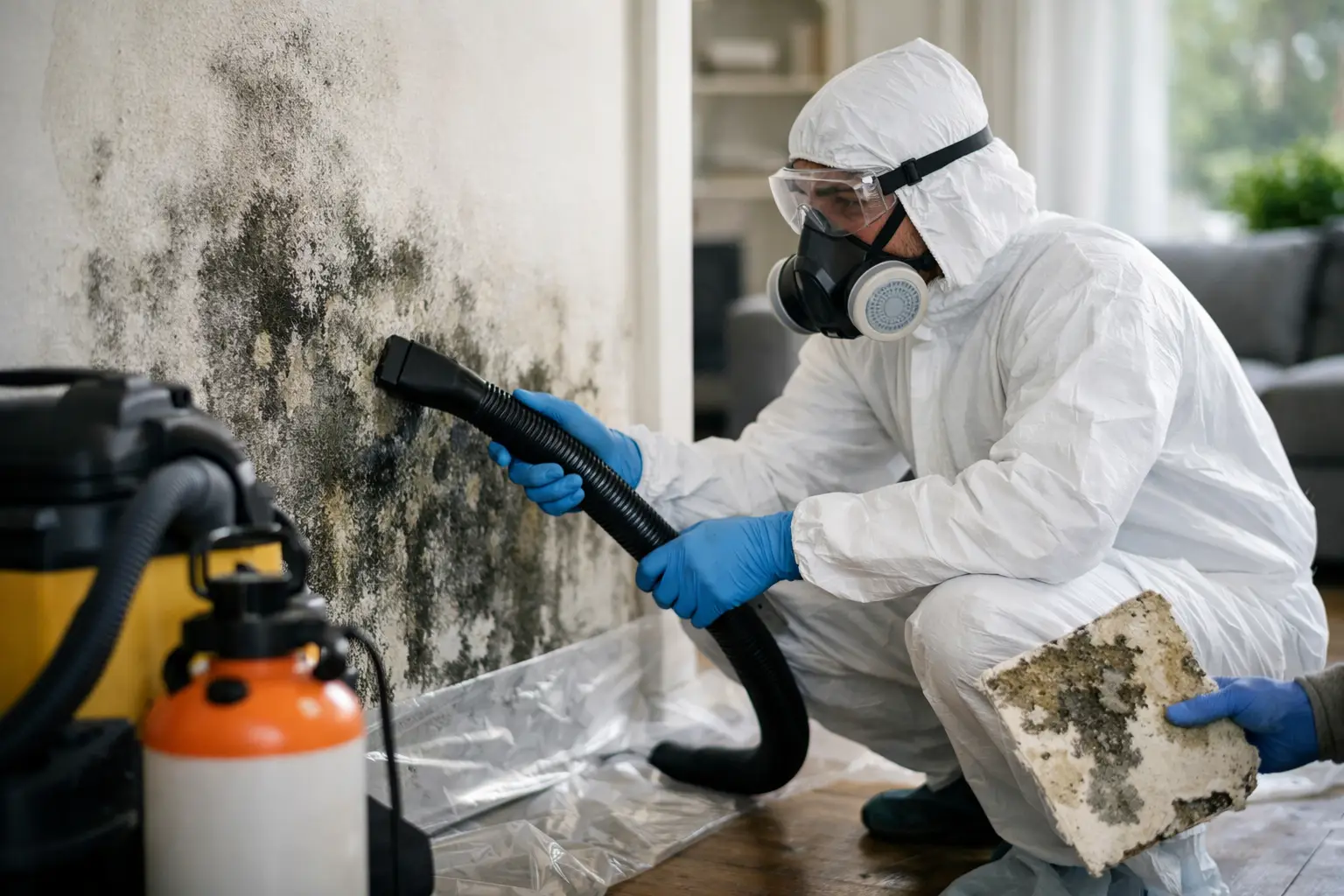 Mold
MoldContainment, removal, and moisture control that stops mold from coming back.
Learn more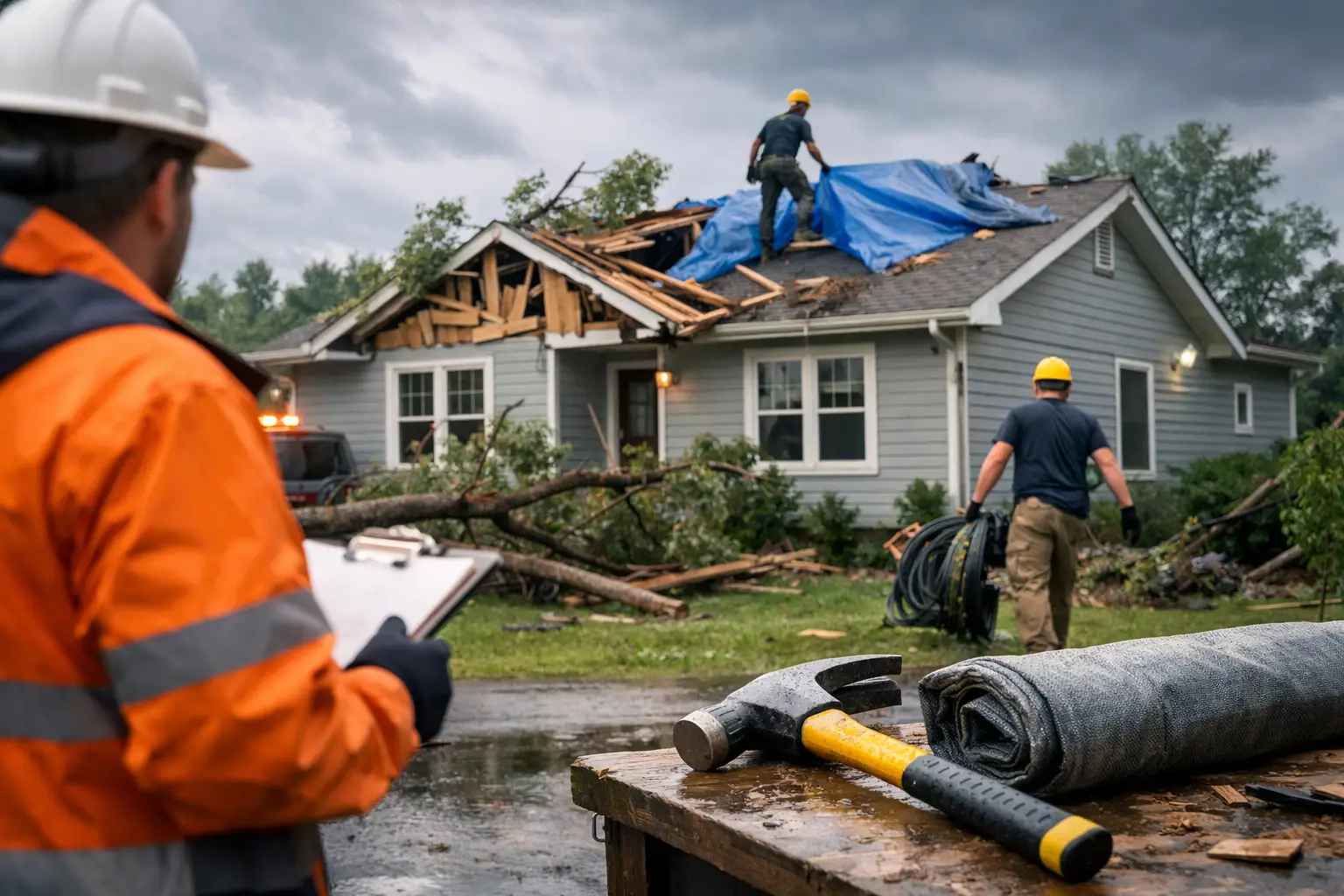 Storm
StormEmergency board-up, roof tarping, and full recovery after wind, hail, and storms.
Learn more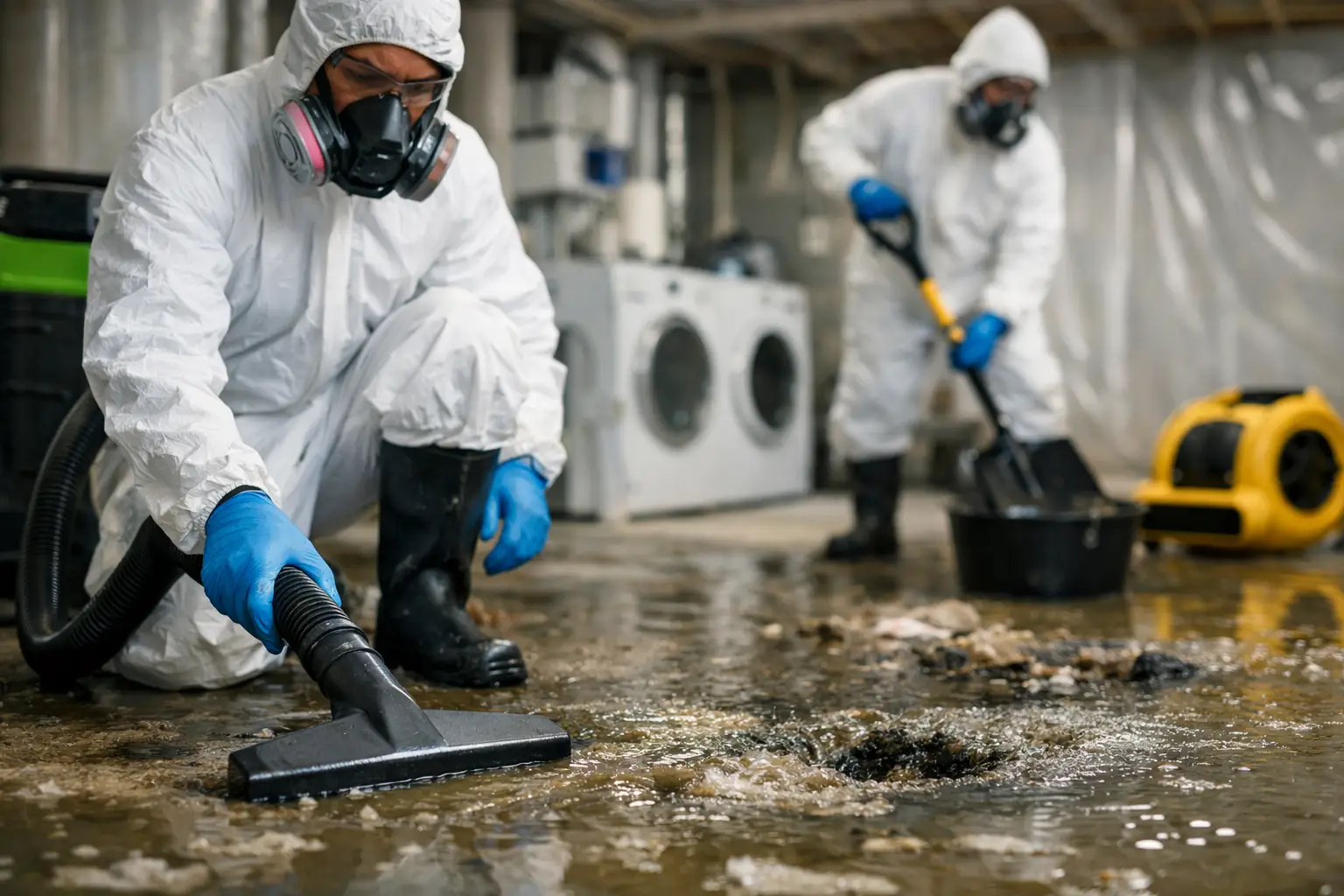 Sewage
Safe biohazard cleanup and sanitizing after sewage backups and overflows.
Learn more Reconstruction
Full rebuild by a licensed general contractor, so your property comes back whole.
Learn moreElevated Operations is an IICRC-certified, licensed general contractor based in Mableton that handles the entire recovery in-house, so after one loss you are never coordinating a cleanup crew, a mold crew, and a contractor separately. One team, one point of contact, from the first pump-out to the final coat of paint.
People call when the property feels like a disaster. They leave reviews because Chris and the crew made it right. These are real, verified Google reviews.
Yes. Many of those homes have tighter rooms, older framing, and mixed repairs over the years, so moisture hides where you do not expect it. I treat each one as its own structure, not a copy of the last job. That means checking behind trim, under flooring, and inside enclosed spaces before I call the drying phase done.
Yes. I offer 24/7 emergency response, and that matters when a pipe bursts after hours or a ceiling starts dripping overnight. I get in fast, document the loss, and start water extraction and drying before the wet materials sit too long. In East Point, waiting until morning can turn a manageable job into a much bigger one.
Cleanup only removes what you can see. Water mitigation services deal with the moisture that gets into framing, subflooring, drywall, and hidden cavities. I focus on stopping that movement, controlling humidity, and drying the structure. In older East Point homes, that difference decides whether the repair stays small or grows.
I use containment when the loss calls for it, and I protect unaffected areas before the drying starts. That keeps wet materials from spreading debris or moisture into the rest of the home. Around MARTA and the College Park line, where homes can be close together and rooms can be compact, that discipline matters.
Yes. I offer direct insurance billing, and I keep the documentation organized so the claim process does not become another headache. I also offer deductible assistance up to $1,000. That support is useful when a homeowner is already dealing with a wet house and needs the mitigation handled cleanly.
I do not stop because a room feels dry. I look for the signs that the structure has actually returned to a dry condition, including the materials and the moisture levels I am tracking during the job. If the house still holds dampness in hidden places, I keep the drying equipment working until it is right.
Yes, when the job moves beyond mitigation, I can handle the repair side because I am a licensed general contractor. That is helpful when older East Point homes need both drying and rebuilding after the loss. I start with the drying work first, then move into restoration only after the structure is stable.
Call right away, and do not assume the stain or wet spot is small. The first move is to stop more water if you safely can, then get the mitigation started fast. I can respond 24/7, and I bring the experience, drying equipment, and insurance documentation needed to keep the loss under control.
Elevated Operations dispatches IICRC-certified crews across Metro Atlanta from our Mableton base, with a 60-minute emergency response day or night. Choose your city:
Call now for an immediate response, or request your free inspection and get a certified crew on-site within the hour across Atlanta and nearby areas.