24/7 Emergency Restoration · Serving Metro AtlantaEmergency? (770) 404-6895
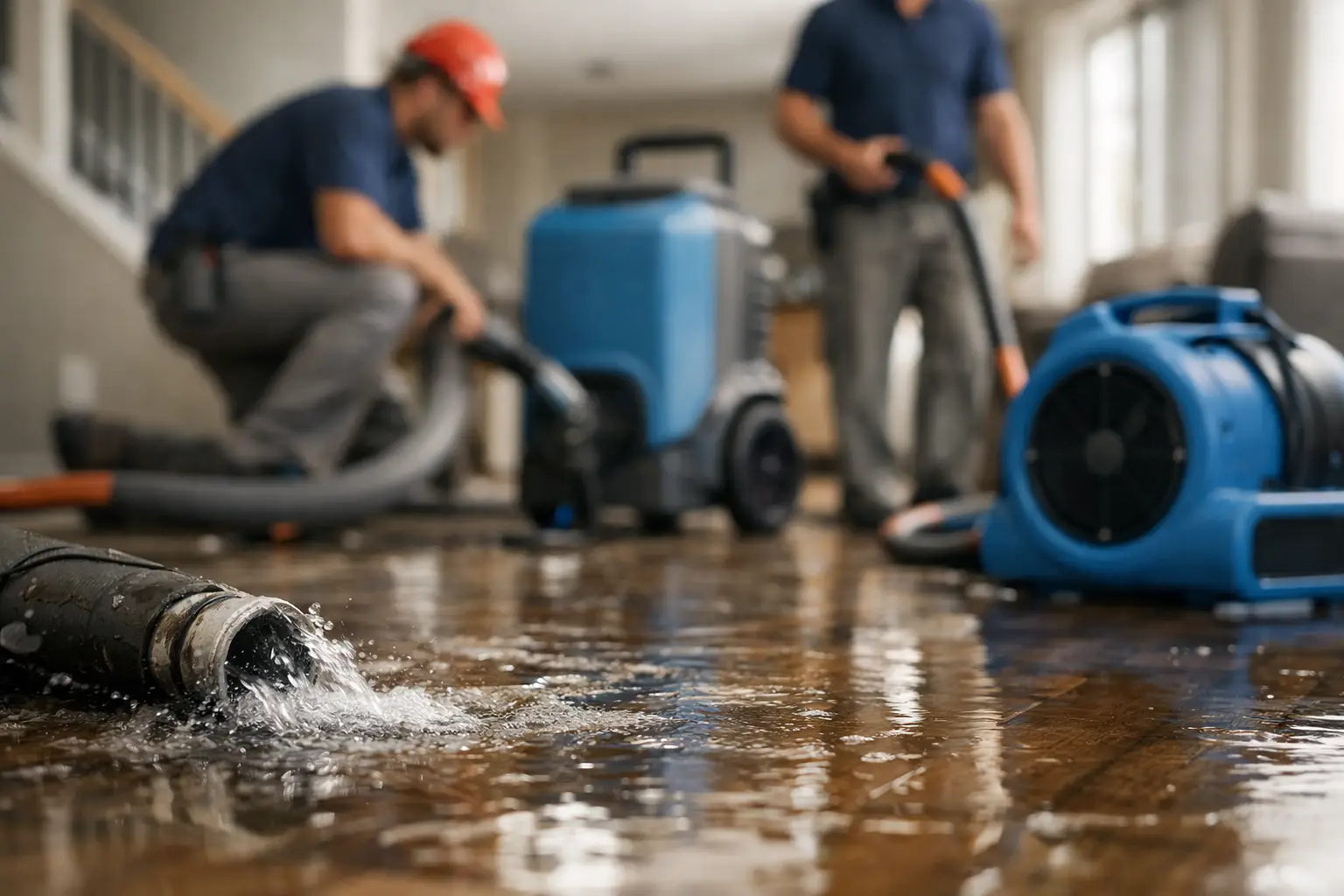
Storm damage restoration in Union City starts with fast stabilization, not guesswork. I send IICRC-certified technicians to south Fulton I-85 subdivisions to stop active water, secure the roof, and document damage for insurance. If the storm hit hard, call now and I will move quickly.
IICRC-Certified · 5-Star Rated · 60-Minute Response · Insurance Billed Directly
Yes, 24/7. Storm damage does not keep office hours, and neither do I.
Yes. Roof tarping is one of the first moves I make when the roof is open or leaking.
Yes. My technicians are IICRC-certified, and that matters when water is involved.
I do. I am Chris Kwangwari, owner of Elevated Operations, LLLP, based in Mableton.
In the first hour, I focus on safety, stopping more damage, and documenting what the storm did. That means emergency contact, a rapid site check, roof tarping or temporary boarding if needed, and the first moisture and structural review so the problem does not spread through the house.
I answer storm calls 24/7, and that matters in Union City when wind or hail hits the south Fulton I-85 subdivisions and water starts moving fast. The first hour is about control, not cleanup theater. I look for active leaks, broken openings, and anything that can turn into a bigger loss.
If the roof is exposed, I move to roof tarping. If windows, doors, or siding are breached, I use temporary boarding. That is how I cut off rain, debris, and more wind intrusion while the property is still vulnerable. Speed matters because the damage keeps working after the storm passes.
Then I document what I see for the claim and start direct insurance billing if you want it handled that way. I am a licensed general contractor, and my team has been in restoration since 2007. We know what has to happen first, and we do it without wasting daylight.
Storm damage restoration includes emergency protection, debris removal, roof tarping, water removal if rain came inside, drying, structural repair, and wind damage repair. It is the full process of stabilizing the home first, then restoring what the storm compromised in and around the property.
In Union City, storm damage usually shows up fast on roofs, gutters, siding, fences, and attic spaces in the I-85 subdivisions. I look at the whole path the storm took, not just the obvious leak. Hail can bruise roofing, wind can lift edges, and water can follow both.
Debris removal is part of the first move when branches, shingles, or broken material are scattered around the property. I clear what blocks access and what keeps the house unsafe. That makes it easier to inspect the structure and keeps loose material from causing another hit.
From there, I move into structural repair and wind damage repair where needed. If the storm pushed water inside, I bring in drying and moisture control right away. IICRC-certified technicians handle the technical side, and I keep the process tied to documentation, insurance, and a clear plan.
Yes, roof tarping should happen fast after storm damage when the roof is open, missing shingles, or leaking. In Union City, I treat tarping as emergency protection, not a delay tactic. It helps stop rain intrusion before the next weather band rolls through south Fulton.
If the roof is exposed, waiting is a mistake. Water does not need a big opening to get inside. In the south Fulton I-85 subdivisions, one storm can create a roof problem and the next shower can turn it into ceiling stains, wet insulation, and mold risk.
Roof tarping is meant to buy time the right way. I do it to block water, reduce interior loss, and keep the house stable until permanent repair starts. It is fast, practical, and it prevents the storm from winning a second round.
I do not treat tarping as cosmetic. I treat it as damage control. If hail damage repair or wind damage repair is likely, tarping helps hold the line while the inspection and claim work move forward. That is how I protect the structure while we decide the next steps.
Yes, storm damage can lead to water intrusion fast, especially when wind lifts roofing or debris breaks a window or vent. In Union City, once water gets in, it spreads through insulation, framing, and finishes. That is why I respond quickly and start drying fast.
Water intrusion is the part people miss at first. They see a missing shingle or a dented gutter, but the real issue is what happens after rain finds the opening. In Union City, I see that chain reaction most often after wind and hail events.
If water enters the house, it can move into walls, ceilings, attic spaces, and subfloor areas. Mold can start in 24 to 48 hours, so the clock matters from the first wet spot. That is why I push emergency response before the problem gets deep.
My job is to stop the intrusion, dry the affected materials, and confirm what can be saved. If the structure needs repair, I handle that too. Direct insurance billing helps keep the process moving instead of stalling while the damage keeps spreading.
I fix storm damage to a house by stabilizing it, documenting the loss, drying what got wet, and repairing the damaged building materials. In Union City, that often means roof tarping, temporary boarding, debris removal, structural repair, and wind damage repair in one coordinated process.
I start with the active problem, not the biggest visible scar. If the roof is open, it gets tarped. If a door or window is broken, it gets boarded. If water came inside, I dry it before interior materials have time to break down.
Then I inspect the structure with a contractor’s eye. I am a licensed general contractor, so I do not stop at surface damage. I look for hidden issues in framing, decking, and other load-bearing parts that a storm can stress in a hurry.
After that, repair work is planned to match what the storm actually damaged. That may include hail damage repair, wind damage repair, and structural repair. I keep the work tied to the claim, the evidence, and the reality of the house, not guesswork.
Speed matters because storm damage gets worse by the hour when water, wind, and debris keep working on the house. In the south Fulton I-85 subdivisions around Union City, fast stabilization helps limit interior loss, reduce claim friction, and keep a repairable problem from turning into a major rebuild.
I have seen too many homes lose the window where simple mitigation would have worked. Once water intrudes, materials swell, drywall softens, and insulation stays wet. The longer that sits, the more the repair scope grows. That is why I do not wait to get moving.
Union City storm damage can be deceptive. A roof may look usable from the street while the underlayment, decking, or attic has already taken on water. I move fast because the hidden damage is often worse than what the homeowner sees that first night.
A quick response also helps with insurance. Good photos, early tarping, and clear documentation make the claim easier to explain. I offer direct insurance billing and deductible assistance up to $1,000, so the process is not just fast, it is practical for the homeowner too.
I take the call, confirm the damage pattern, and dispatch a fast emergency response. The focus is roof tarping, temporary boarding, safety checks, and stopping active water or wind intrusion before it spreads through the Union City home.
I document the loss, start debris removal, assess the roof, exterior, and interior, and build the first repair map. If water came inside, drying begins now. This is when insurance documentation and direct billing can get moving.
IICRC-certified technicians track moisture, verify what can be dried, and separate mitigation from permanent repair. Hail damage repair, wind damage repair, and structural repair are reviewed together so the home does not get patched in the wrong order.
Once the structure is stable and dry, I move into the permanent restoration scope. That can include replacing damaged materials, restoring compromised areas, and closing out the claim work with the 12-month warranty in place.
From emergency mitigation to full reconstruction, handled in-house so you are never managing a chain of subcontractors mid-crisis.
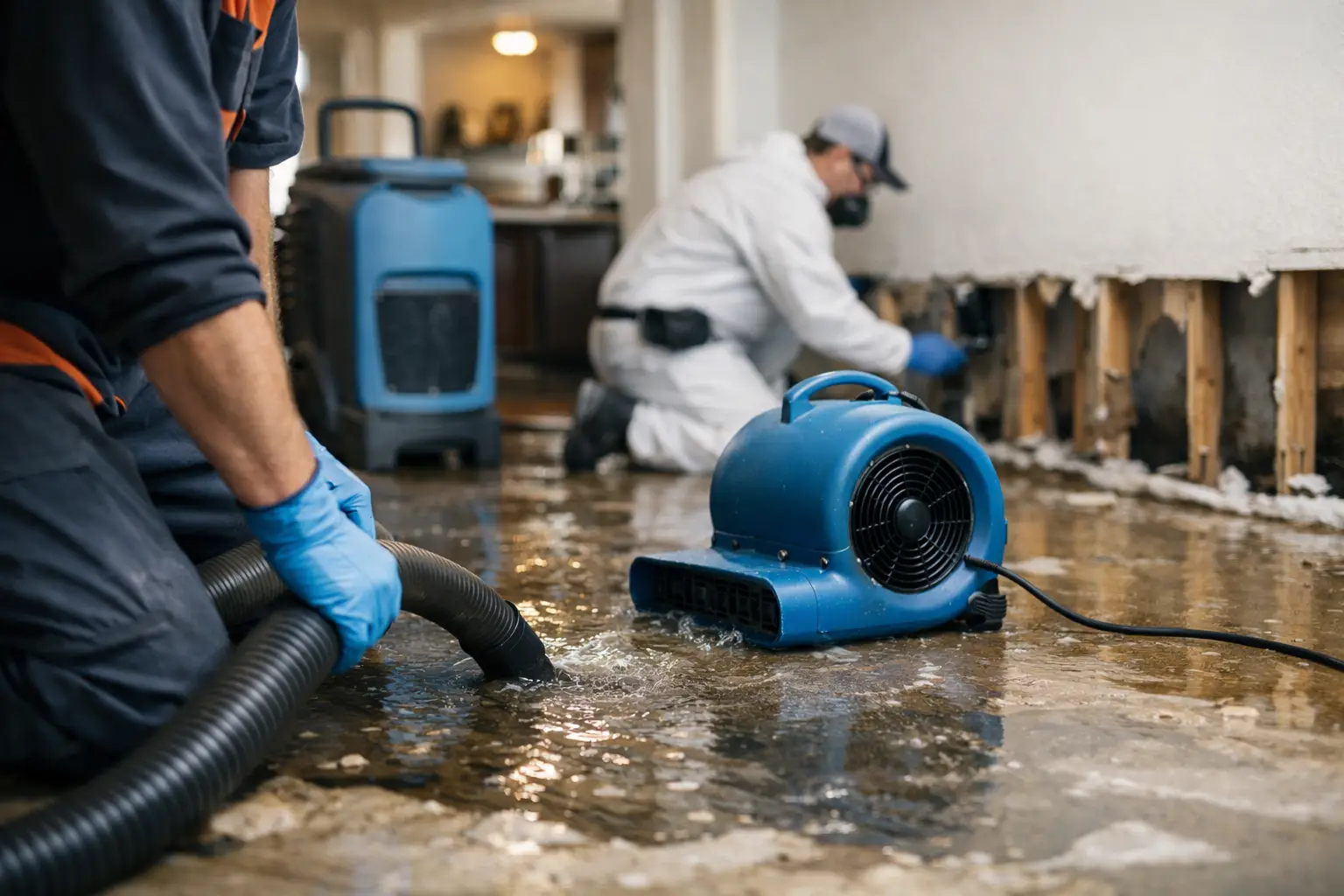 Water Damage
Extraction, structural drying, and moisture mapping after floods, leaks, and burst pipes.
Get help now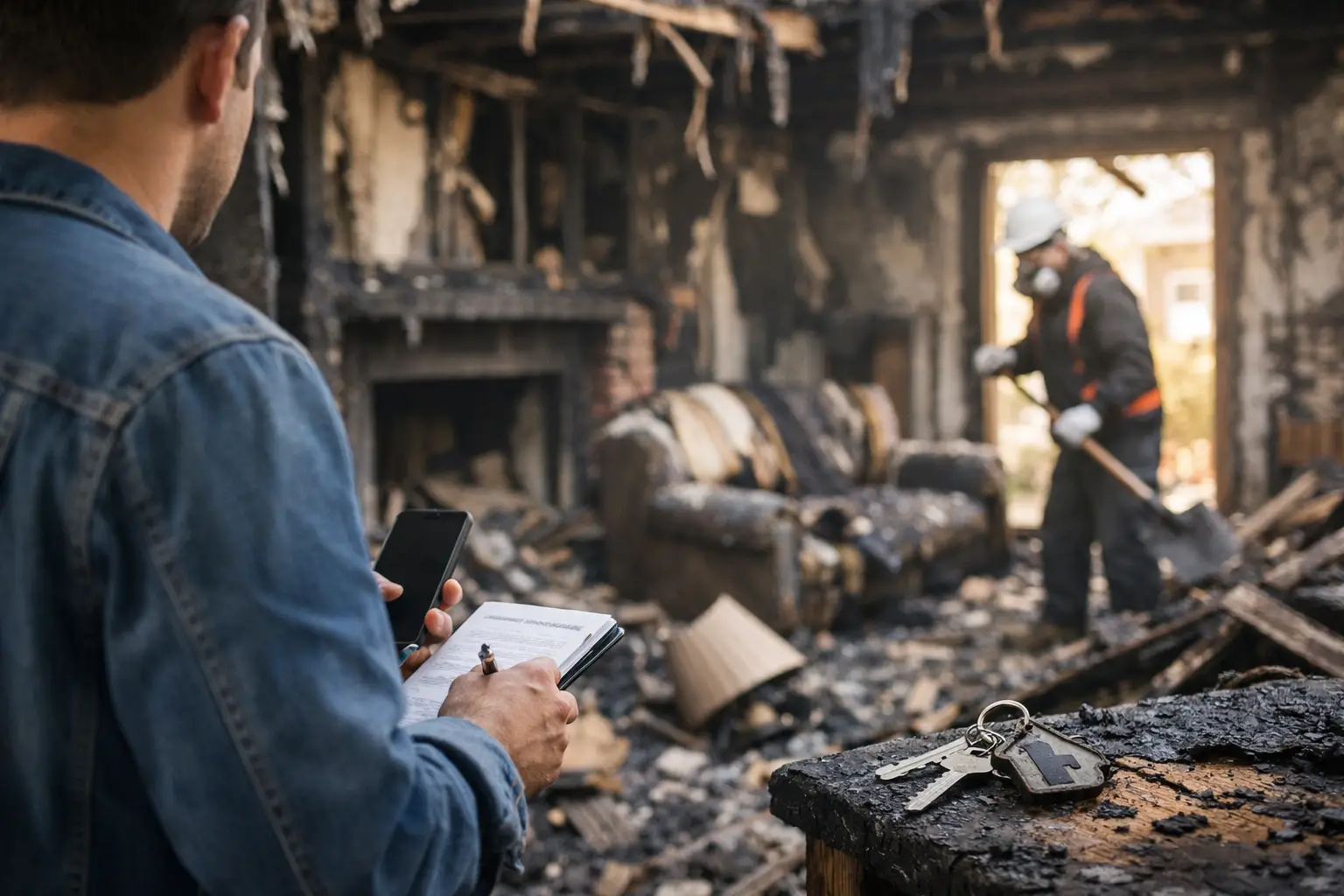 Fire & Smoke
Soot removal, odor deodorization, and content cleaning after fire and smoke damage.
Learn more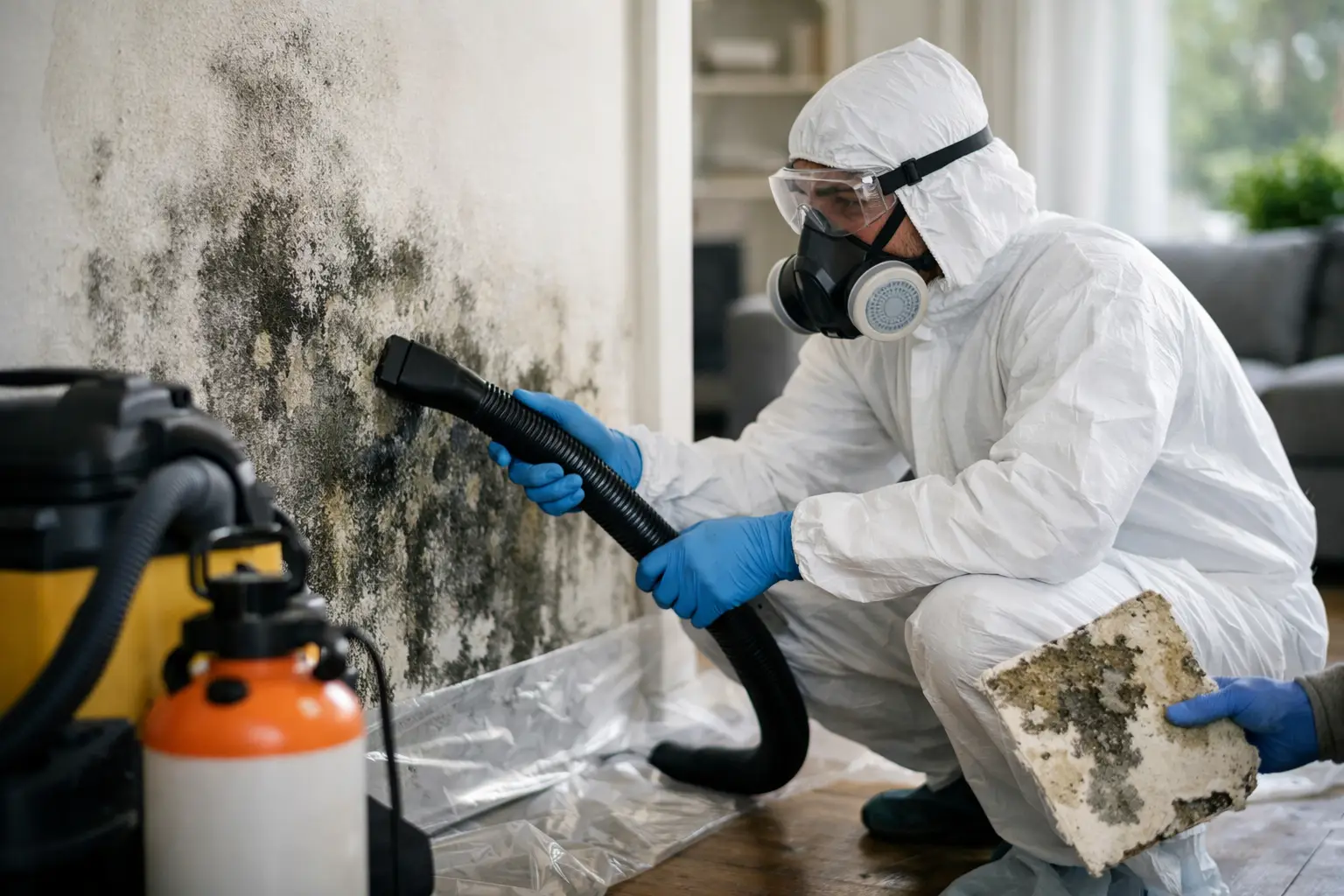 Mold
MoldContainment, removal, and moisture control that stops mold from coming back.
Learn more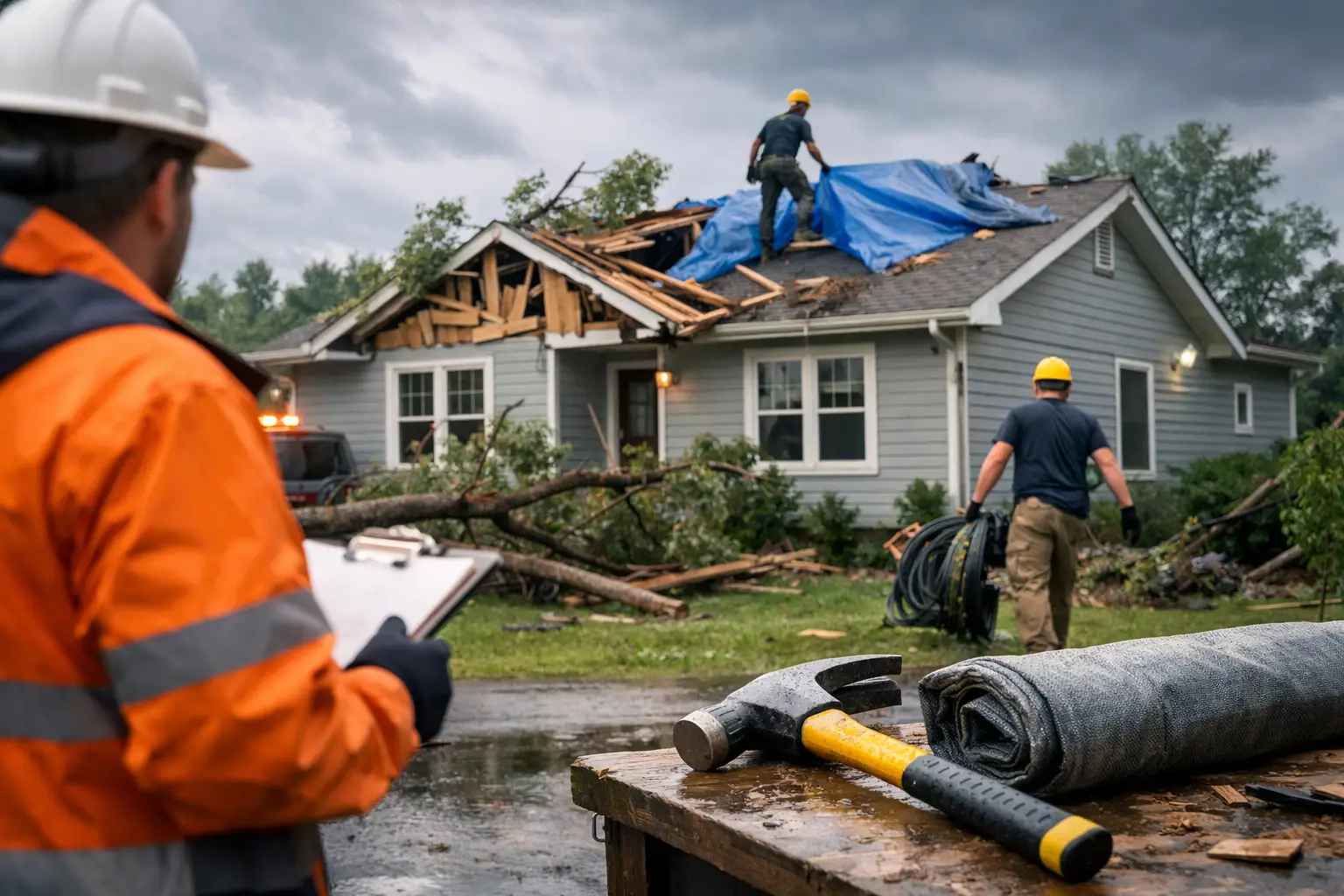 Storm
StormEmergency board-up, roof tarping, and full recovery after wind, hail, and storms.
Learn more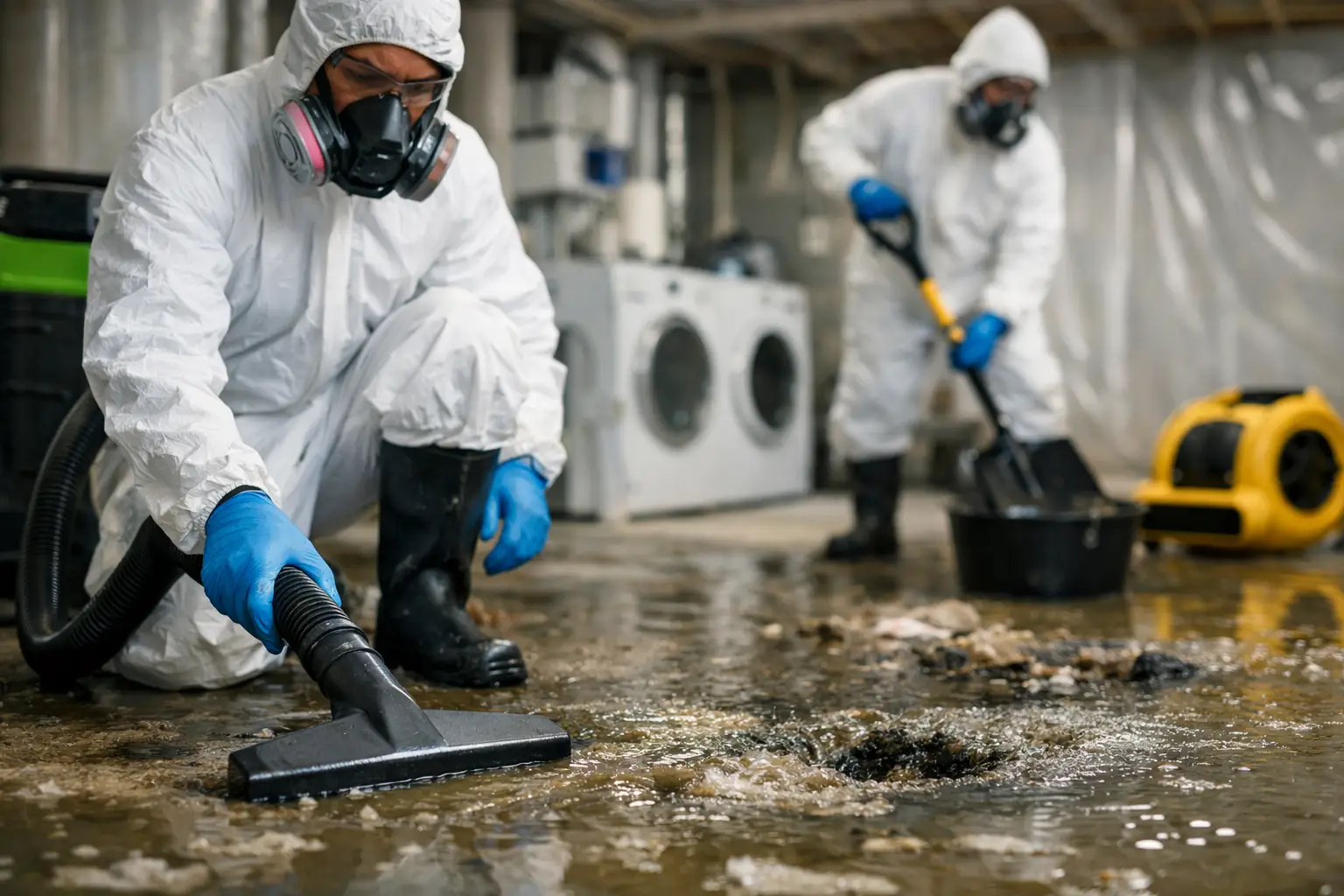 Sewage
Safe biohazard cleanup and sanitizing after sewage backups and overflows.
Learn more Reconstruction
Full rebuild by a licensed general contractor, so your property comes back whole.
Learn moreElevated Operations is an IICRC-certified, licensed general contractor based in Mableton that handles the entire recovery in-house, so after one loss you are never coordinating a cleanup crew, a mold crew, and a contractor separately. One team, one point of contact, from the first pump-out to the final coat of paint.
People call when the property feels like a disaster. They leave reviews because Chris and the crew made it right. These are real, verified Google reviews.
I respond 24/7 and move quickly because storm damage does not wait for business hours. In Union City, especially around the south Fulton I-85 subdivisions, I focus on immediate stabilization first. That means getting eyes on the property, stopping active leaks, and deciding whether roof tarping or temporary boarding is needed right away.
Yes. Roof tarping and debris removal are often the first two steps I take after storm damage in Union City. Debris can hide roof openings, block access, and create safety issues. Tarping helps stop water intrusion while I assess the structure and prepare the next repair phase.
Call anyway. Hail damage repair often starts with signs you cannot see from the ground, and a roof can be compromised before any leak shows up inside. In Union City, I inspect for hidden damage fast because the next rain can turn a minor hail strike into a water problem.
I start with emergency protection, then document and assess the whole property, not just the obvious break. In the south Fulton I-85 subdivisions, storm patterns can hit roofs, siding, and openings at the same time, so I coordinate roof tarping, drying, and structural repair as one job.
Yes. I offer direct insurance billing and I handle the restoration side in a way that supports the claim process. I document the damage, explain the mitigation steps, and keep the scope tied to what the storm actually did to the property in Union City.
Then I treat it as urgent. Water intrusion can move into walls, ceilings, and insulation quickly, and mold can start in 24 to 48 hours. In Union City, I get moisture control started fast so the damage does not spread beyond the original storm impact.
Yes. I am a licensed general contractor, so structural repair is part of what I can manage when storm damage goes beyond surface materials. If wind damage repair or hail damage repair points to framing or other structural issues, I include that in the restoration plan.
I back completed restoration work with a 12-month warranty. That matters after a storm because the job is not only about getting the house back together, it is about making sure the repair work holds after the emergency has passed and the property is dry again.
Elevated Operations dispatches IICRC-certified crews across Metro Atlanta from our Mableton base, with a 60-minute emergency response day or night. Choose your city:
Call now for an immediate response, or request your free inspection and get a certified crew on-site within the hour across Atlanta and nearby areas.